China’s population fell for a third consecutive year in 2024, as marriages plummeted by a fifth
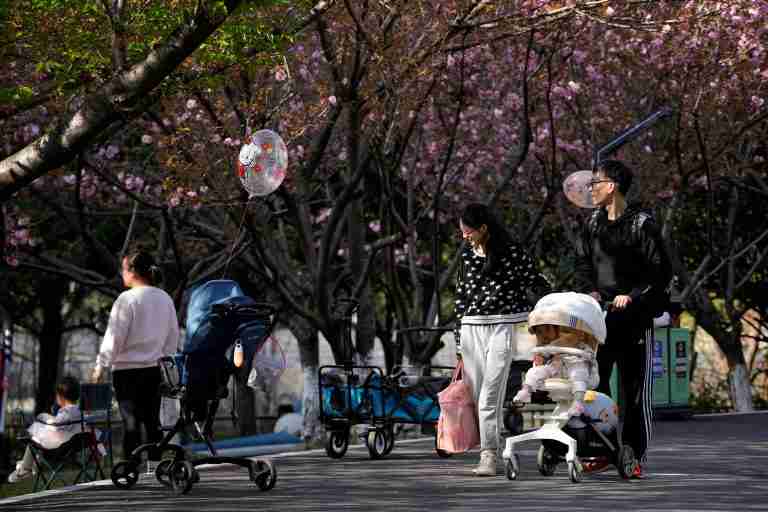
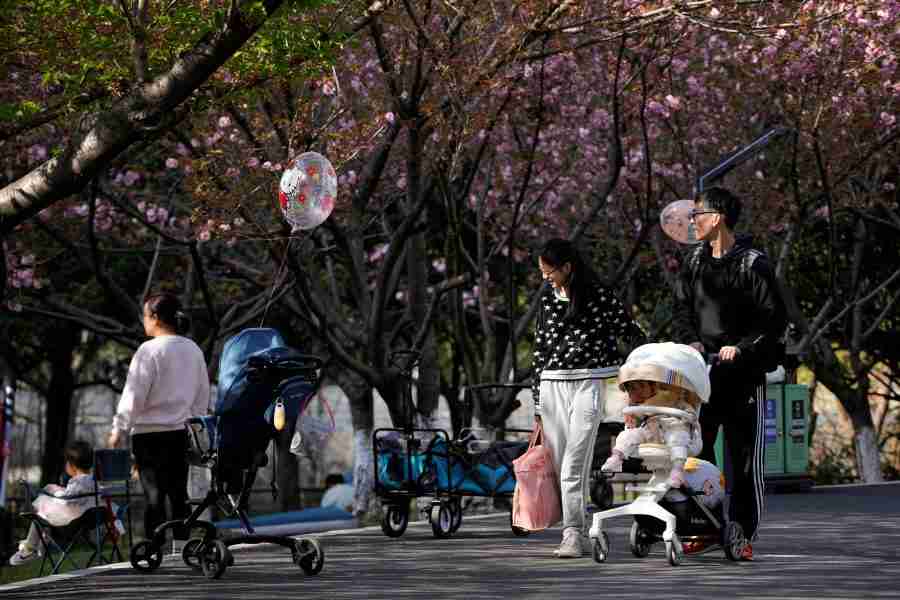
FILE PHOTO: Parents push a stroller with a baby in a park in Shanghai, China, April 2, 2023.
International news via Reuters:
China’s Hohhot, the capital of Inner Mongolia, announced a slew of childcare subsidies this month and promised to “care” for new mothers by giving them a daily cup of free milk, as local provinces strive to boost the country’s flagging population.
More than 20 provincial level administrations across China have started offering childcare subsidies, the official Xinhua news agency said on Monday. Such subsidies have emerged as a key focus for policymakers as they try to encourage young couples to get married and have children.
China’s population fell for a third consecutive year in 2024, as marriages plummeted by a fifth, the biggest drop on record.
The country is facing an unprecedented demographic downturn, a result largely of China’s one-child policy imposed between 1980 and 2015, rapid urbanisation and the high cost of raising a family. Couples have been allowed to have as many as three children since 2021.
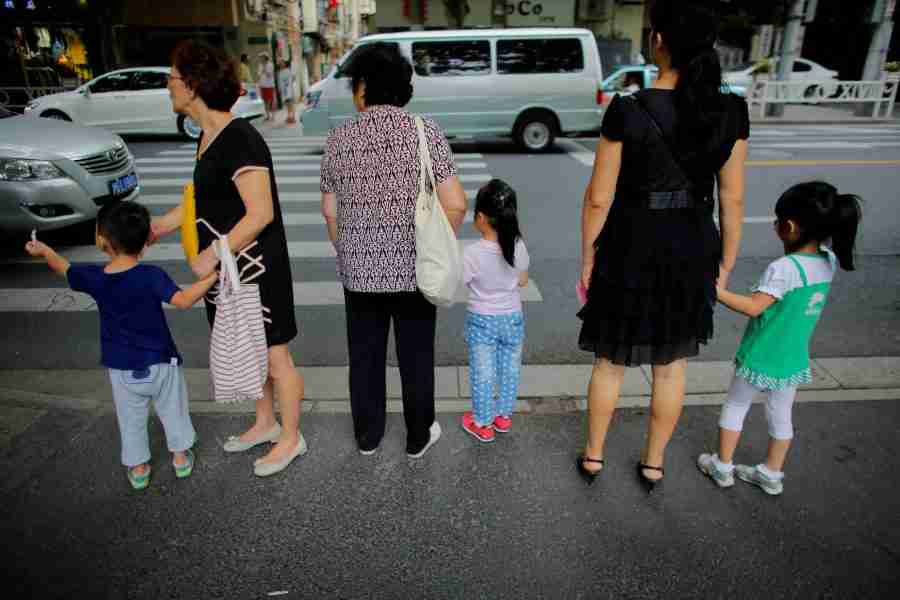
Women hold childrens’ hands as they wait to cross a street after school in downtown Shanghai, China September 12, 2014.
Earlier this month at the annual meeting of China’s parliament, Premier Li Qiang announced childcare subsidies and free preschool education to try and boost the birth rate.
An action plan to boost domestic consumption released on Sunday said that authorities should “study and establish a childcare subsidy system”.
Hohhot, a bustling northern city surrounded by verdant grasslands, said couples would receive a 10,000 yuan ($1,382.51)one-off payment for their first child, and 10,000 yuan a year for a second baby until the child reached the age of five.
A third child would receive an annual subsidy of 10,000 yuan until they turned 10, a total figure roughly twice the annual income of local residents.
Hohhot also issued what it called the “One cup of milk fertility care action for mothers” with a cup of milk available for free each day for any mothers who give birth after March 1.
They will also be entitled to an electronic voucher worth 3,000 yuan from two dairy companies Yili and China Mengniu Dairy.
($1 = 7.2334 yuan)
Reporting by Farah Master and the Beijing newsroom; Editing by Kate Mayberry
14-year old Serilina Fisher took home the top prize
Update via press release:
The 2025 Bermuda Idol Competition was yet again a tremendous success!
On Saturday, March 15, 2025, the Ruth Seaton James Centre for the Performing Arts was packed with an enthusiastic audience, eagerly supporting 16 talented contestants in a thrilling showcase of Bermuda’s best vocal talent. The atmosphere was electric as each performer took the stage to cheers and applause, delivering their best performances in hopes of impressing the esteemed Blue-Ribbon panel of judges.
MEET THE 2025 BERMUDA IDOL WINNERS
🎤 Bermuda Idol 2025 Winner – Serilina Fisher (14-year-old Warwick Academy student) 🏆💰**$5,000 + Bermuda Idol Trophy** 🎤 Runner-Up – Mikhyla Ming 💰**$2,500** 🎤 3rd Place – Tyler Ray Wilson 💰**$1,250 + Trophy** 🎭 Best Showmanship Award – Johnny Walker 🏆💰**$500 + Lois Wilson Memorial Trophy**
All16 contestants performed their first song, and the top five highest-scoring singers advanced to the final round, where they performed once more to determine the champion, runner-up, and third-place winner.
The judges provided expert feedback after each performance, offering encouragement and constructive critique to all contestants.
AN EVENT TO CELEBRATE BERMUDA’S TALENT
Spokesperson and Executive Producer Gwen Blakeney expressed her excitement about the annual Bermuda Idol Competition, stating:
“This event continues to provide an incredible opportunity for Bermuda’s talented singers to showcase their vocal abilities and musical skills. It is an evening where families, friends, and the public come together to celebrate homegrown talent and support our local artists.”
She also extended deep gratitude to the dedicated sponsors, whose generosity made it possible to award over $12,000 in cash and prizes, including a $300 prize for the Best Homemade Sign and numerous door prizes.
THANK YOU TO OUR SPONSORS
A heartfelt thank you to our sponsors, whose contributions helped make Bermuda Idol 2025 a phenomenal success: ✅ Lindos Group of Companies ✅ Ministry of Tourism, Culture & Sport ✅ Bermuda Healthcare Services ✅ Brown Darrell Clinic ✅ Island Construction Services ✅ Medical House ✅ Mr. Chicken ✅ The Money Shop ✅ Ministry of Education ✅ Barritts ✅ Orchid Nail Spa ✅ ATS LED Suppliers ✅ Moongate Insurance ✅ Baptiste Ltd. ✅ Caesar’s Pharmacy ✅ Strykz Bowling Lounge ✅ Double Dip Express ✅ Flowers by GiMi ✅ BermudAir
🎶 Congratulations to our 2025 Bermuda Idol winners! 🎶 Stay tuned for more opportunities to showcase Bermuda’s finest talent next year!
For media inquiries, please contact: 📧 Kennette J. Burgess – FOCUS Marketing & Development Solutions 📞 441-535-7330 📩 kennette@getwithfocus.com
Privacy Commissioner highlights key areas for consideration
Churches and religious organisations must do their due diligence when it comes to handling and storing individuals’ personal information. This, coming from the Office of the Privacy Commissioner (PrivCom).
PrivCom Press Release:
Privacy, churches and religious organisations
Bermuda has more churches per square mile than any other country in the world. Faith is an important part of Bermuda’s history and present-day culture. A common sight on a Sunday morning is groups of people, both Bermudians and non-Bermudian residents, congregating for Sunday services in front of the more than 100 places of worship on the island. This unique cultural fabric has very distinct implications for people’s privacy.
Churches use a variety of personal information, both physically and electronically, including sensitive personal information and financial information. This makes privacy – i.e., the protection of individuals’ personal information – a crucial aspect of how religious organisations in Bermuda operate. Importantly, PIPA does not apply to personal or domestic use of personal information. The law applies where personal information is used either by automated means or as part of a structured filing system. For example, the contents of a conversation may not be covered by PIPA, unless the conversation is sharing personal information from a structured filing system.
The Office of the Privacy Commissioner (PrivCom) is charged with helping the public to understand PIPA. PrivCom has previously published a detailed Guide to PIPA for organisations, as well as Individuals’ Guide to PIPA to help people understand their rights.
Small churches and religious organisations may also find useful the resources in the Advice to Small Business. If they are unsure how to get started, PrivCom recommends they use the Road to PIPA as an instruction manual.
Here are key privacy-related areas to consider that are specific to religious organisations.
Protection of personal information
Churches and other religious organisations collect, use, and store personal information, such as individuals’ full names, addresses, phone numbers, emails, and financial information for tithes and donations. Some churches use CCTV for security reasons, which has a series of implications for people’s privacy (see our guidance note on risks and best practices).
Like all organisations, churches should identify the minimum amount of personal information they need in order to fulfil their purpose. They should hold only that amount of information, not more. This is sometimes referred to as “data minimisation”. Churches need to be able to demonstrate that they have appropriate processes in place, ensuring that their use of personal information is proportionate (that is, they only collect and hold the personal information they need), fair and lawful.
Churches and religious organisations must notify individuals of the above uses of their personal information through a clear, easy to understand privacy notice. The privacy notice must include all uses of personal information, including which other organisations or third parties it is shared with. Churches should determine who should be the privacy officer (PO). The PO’s role is to help with the privacy programme and also to perform other tasks such as train other staff on privacy. The PO also helps identify members of an internal Privacy Committee: in the case of churches and religious organisations, this could be officials, members, and volunteers who have responsibility for or some connection to handling personal information. Through the implementation of policies and procedures that have to be updated throughout the life cycle of personal information, the PO and members of the Privacy Committee document activities, duties, responsibilities, as well as expectations with respect to how the organisation and the various roles within the organisation use personal information. The PO’s contact details must be included in the privacy notice so that individuals can contact the organisation about their privacy rights, concerns, or complaints, or to ask questions about the organisation’s information handling policies and practices.
Sensitive personal information and information about children
PIPA considers some personal information to be “sensitive” because it could be used for discriminatory reasons. ‘Religious beliefs’ is one element of sensitive personal information. Where individuals can be identified from the personal information that churches keep, an association may be made between the individual and their respective religion.
Some churches operate Sunday schools, youth programmes or clubs, as well as summer camps. They should consider the unique risks and harms relating to children’s personal information.
Churches may also collect health-related information on individuals’ medical conditions and special needs. By its very nature, this sensitive information requires organisations to implement enhanced protections. Churches should ensure they only use the information in appropriate ways and in accordance with the purposes outlined in their privacy notice. Importantly, no organisation, including churches and religious organisations, may use sensitive personal information to discriminate against any person contrary to any provision of Part II of the Human Rights Act 1981.
Financial information
Churches collect tithes and donations physically and online. They also process payments. Such information may be vulnerable to physical misappropriation, identity theft, and/or cyberattacks. Under PIPA, organisations must protect information according to the risk.
Consent
Churches should make sure they identify one or more conditions for using personal information that are required under PIPA section 6. Individuals’ consent, which can be withdrawn, is one condition that would allow organisations to use personal information – but it is not the only one. Other conditions for using personal information include, for example, fulfilling a legal obligation, contractual necessity, or in relation to employment.
Where churches record sermons or livestream religious services or special occasions such as weddings and funerals on social media platforms, they must seek individuals’ consent prior to or at the time of doing so. As a good practice, churches may provide a seating option for people who do not wish to be recorded on video.
Confidentiality
Individuals may seek spiritual guidance and pastoral care from pastors and other authorised members of the clergy. There is a long tradition that such information is strictly confidential. Unauthorised disclosure of or access to the information might result in ethical issues (like a breach of trust) or legal challenges (like breaches of confidentiality agreements and/or codes of conduct). If a record is kept, such as in a filing system, then such information may also be considered personal information under PIPA.
Information security
Churches and other religious organisations should know what types of personal information they store, where they store it, for how long they keep it, who has access to it, and who they share it with. They should implement appropriate security protocols to protect all types of personal information, especially specific elements of personal information that are sensitive by their very nature. Security can be as simple as using a lock-and-key on a cabinet or a password on a computer – however, security should be appropriate to the context.
Breaches of security
If the security measures used by churches and religious organisations are inadequate or weak, this may lead to unauthorised access to information. In PIPA, this is called a breach of security. Such incidents may expose individuals’ personal information, including sensitive personal information or financial information. Breaches of security could potentially result in the loss, misuse, or unauthorised disclosure of or access to that information, and the affected individuals may become the victims of financial fraud, identity theft, and/or suffer other types of harm and hardship. When an organisation suffers a breach of security that is likely to adversely affect an individual, they must notify PrivCom and the affected individuals.
Importantly, even organisations with the strongest possible safeguards may be hacked. In light of this potentiality, it is recommended that organisations plan ahead and put in place a robust incident response plan (IRP). They can start by considering a series of incident response-related questions.
PIPA Rights Requests
Under PIPA, individuals have the ability to ask organisations questions, such as what information the organisations have or how they use it. If the organisation no longer has a need to use the information for a specific purpose, the individual could ask the church or religious organisation to delete it. These rights have exceptions when the organisation has a reason to keep personal information under the law. Churches should make sure that their privacy officer is ready to answer these requests, because there is a 45-day time limit to respond. More details can be found in the Road to PIPA, Guide to PIPA and Individuals Guide to PIPA.
For more information, visit our website at www.privacy.bm or contact us at 441-543-7748.
Emergency agencies will perform annual exercise on Thursday
The Ministry of National Security, through its Disaster Risk Reduction and Mitigation Team, will conduct the Caribe Wave 25 Tsunami Exercise on Thursday, March 20 at 11:00 A.M. local time.
The annual drill is designed to assess Bermuda’s emergency communication systems and response protocols in the event of a tsunami, in order to reinforce the Island’s preparedness efforts.
National Security Minister Michael Weeks says, “While the likelihood of a tsunami impacting Bermuda remains low, our commitment to readiness must remain high… This exercise enhances our ability to respond swiftly and effectively, ensuring we are equipped to protect lives and property should the unexpected occur.”
The exercise will simulate the impact of a powerful 8.6-magnitude earthquake in the Azores-Cape St. Vincent Ridge, triggering a series of test tsunami notifications.
The Bermuda Weather Service (BWS)—the Island’s designated Tsunami Warning Focal Point—will initiate the exercise by issuing a test tsunami watch and subsequent updates to key emergency agencies, including the Maritime Operations Centre (MAROps) and the Emergency Measures Organisation (EMO).
Following the exercise, officials will conduct a virtual debrief on the 27th of March.
Presenting post-Throne Speech roadmap to bring Bermuda up to speed
A fairer, more stable, affordable Bermuda—Premier and Finance Minister David Burt and Attorney General Kim Wilkerson promising equity, fairness, and the review of older legislation that might not be fit for purpose in 2025.
The duo addressing the media this morning at the Cabinet Office. Premier Burt says that the Government’s stated mission outlined in last week’s Throne Speech will build on the roadmap presented in the November 2024 Throne Speech in the areas of banking, housing, pensions, and employee protections.
“ In November, keeping with our promise, the government table, legislation to establish a new payroll taxes from the public service industry. This legislation implements fixed payroll tax levels on minibus, seeding capacity while reducing taxes by 40% for taxers. We’ve increased the maximum severance for employees to 32 weeks. We also meant the law to remove the requirement of a payroll tax on severance pay, providing stability and fairness for employees in a period transition.”
A commitment to environmental protections also in motion through the Clean Air Act, which the Premier says will “strengthen air standards and safeguard our environment, the health and quality life in Bermuda.”
Premier Burt pointing toward the banking industry, pledging to ensure Bermudians do not face unfair barriers to opening a bank account. Fair and balanced tax burdens via reforms in light of the Corporate Income Tax. Funds from CIT managed prudently.
You can watch the full press conference, including Attorney General Kim Wilkerson’s unveiling of pending legal reforms and the creation of a law reform commission, below.
Sterling rose 0.26% to $1.2971, in line with the euro
FILE PHOTO: U.S. Dollar banknote is seen in this illustration taken July 17, 2022. REUTERS/Dado Ruvic/Illustration/File Photo
International news via Reuters:
The dollar hovered near a five-month low against major peers on Monday, bruised by President Donald Trump’s erratic trade policies and soft economic data, at a time when other currencies, including the euro, benefit from domestic drivers.
The euro was last at $1.0905, up 0.2% on the day, and heading back towards the $1.0947 it hit last week, its highest since October 11.
The Japanese yen was also marginally stronger on the day at 148.48 per dollar, again after hitting its strongest in five months last week at 146.5 to the dollar.
That left the dollar index, which measures the U.S. currency against its six major counterparts, at 103.5, just off its five-month trough of 103.21 reached last Tuesday.
Currency markets have undergone a shift in recent months, as traders re-evaluate their initial expectations that Trump’s economic policies would both support the dollar and cause other currencies to weaken.
In fact the reverse has happened, and analysts at Societe Generale said on Monday that they had changed their currency forecasts “to reflect Germany’s planned fiscal changes, the U.S. economy’s self-inflicted (relative) fragility, and Japan’s escape from deflation”.
They see the euro at $1.13 by year-end and the yen at 139 per dollar.
‘IMPORTANT MOMENT’ FOR GERMANY AND EURO
German parties on Friday agreed on a fiscal deal that could boost defence spending and revive growth in Europe’s largest economy.
The deal will likely be approved by the outgoing parliament this week. It includes a 500 billion-euro ($544 billion) fund for infrastructure and sweeping changes to borrowing rules.
“This is such an important moment in Europe’s history that surely it will … confirm that 2022’s EUR/USD low isn’t seen again for at least a decade (or two),” said Societe Generale.
Meanwhile, the Bank of Japan is tipped to keep interest rates steady when it meets on Wednesday, but the conditions for another rate hike have been falling into place, with big Japanese firms offering bumper pay hikes in wage talks with unions for a third-straight year.
Speaking in parliament last week, BOJ Governor Kazuo Ueda said he expects wage rises to spur a pick-up in consumption, although he was “very worried” about uncertainties surrounding overseas economic developments.
As for the United States, data on Friday showed consumer sentiment plunged to a nearly 2-1/2-year low in March and inflation expectations soared amid worries about the effect of Trump’s sweeping tariffs, which have ignited a global trade war.
U.S. retail sales figures due later on Monday will offer the next insight into the health of the world’s largest economy.
The Federal Reserve meets on Wednesday and is expected to hold rates steady. The central banks of Britain, Sweden and Switzerland are also scheduled to meet this week, with markets expecting only the Swiss National Bank to cut rates.
Sterling rose 0.26% to $1.2971, in line with the euro.
Meanwhile, the Chinese yuan edged back towards its strongest level in four months in offshore trading, changing hands at 7.2332 per dollar. Last Wednesday, it strengthened to 7.2158 per dollar for the first time since November 13.
On Sunday, China’s State Council unveiled a “special action plan” to boost domestic consumption, featuring measures including increasing residents’ income and establishing a childcare subsidy scheme.
During the session, a string of China data showed the economy started the year on a firmer footing with retail sales picking up speed in the first two months.
Reporting by Kevin BucklandEditing by Shri Navaratnam, Gareth Jones and Sharon Singleton
The 34-year-old faces a long road to recovery before he can return to the field
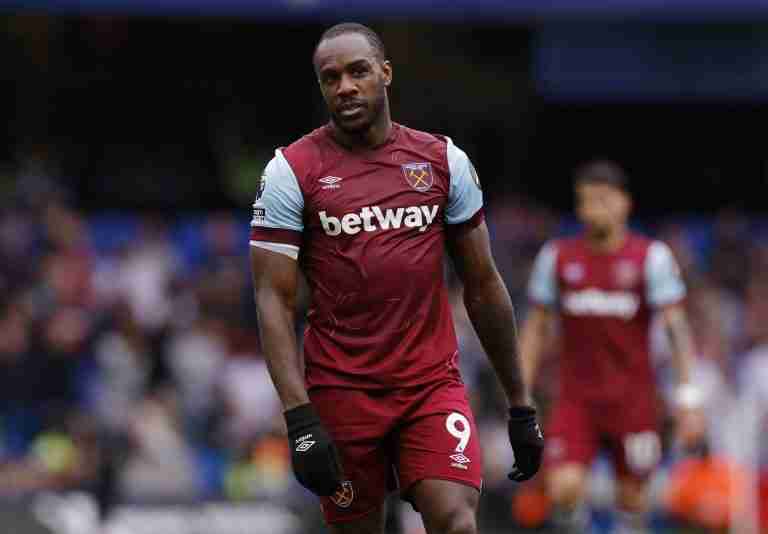
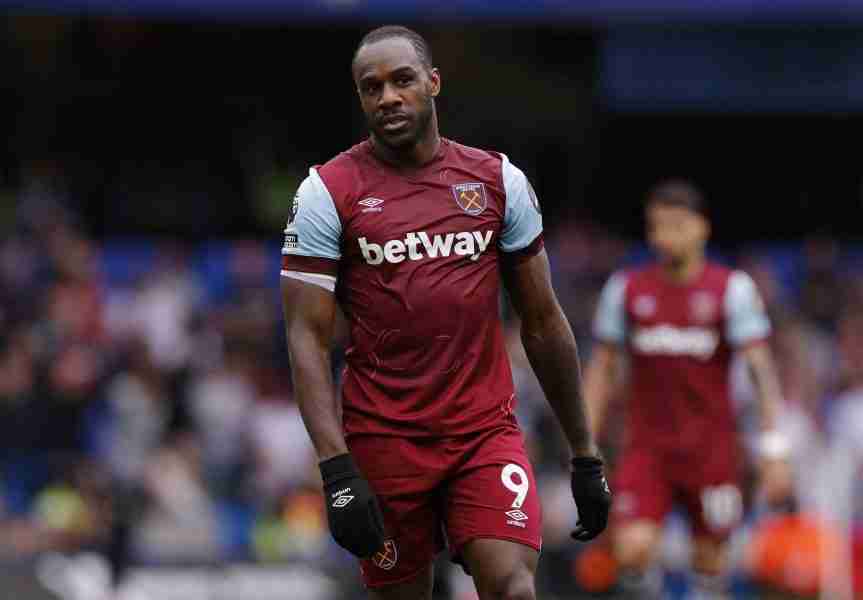
FILE PHOTO: Soccer Football – Premier League – Chelsea v West Ham United – Stamford Bridge, London, Britain – May 5, 2024 West Ham United’s Michail Antonio reacts after conceding their third goal scored by Chelsea’s Noni Madueke Action Images via Reuters/Andrew Couldridge/File Photo
International news via Reuters:
West Ham United forward Michail Antonio is confident he will be able to play again after suffering a serious leg injury in a road accident in December.
Antonio’s car hit a tree on his way home from training, shattering the Jamaica international’s femur in four places, and he spent over three weeks in hospital after undergoing surgery.
“The most difficult part is that I almost wasn’t there for my children,” Antonio said in an interview with the BBC’s “Morning Live” published on Monday.
“It’s just made me happy, positive about life, because I’ve got another chance at life.”
The 34-year-old Antonio, who has been at West Ham since 2015, is able to walk again but still faces a long road to recovery before he can return to playing football.
“Overall, they say it will be between six (and) 12 months before my leg starts healing properly,” he said.
“It’s the biggest injury I’ve ever had in my career. But the fact that I’m already two to three months ahead of where I should be, I know that I’ll play again, and I know that once I’m playing the game I’ll get the sharpness back.”
Reporting by Chiranjit Ojha in Bengaluru, editing by Ed Osmond
More than 20 of the injured and three of those killed were aged under 18
International news via Reuters:
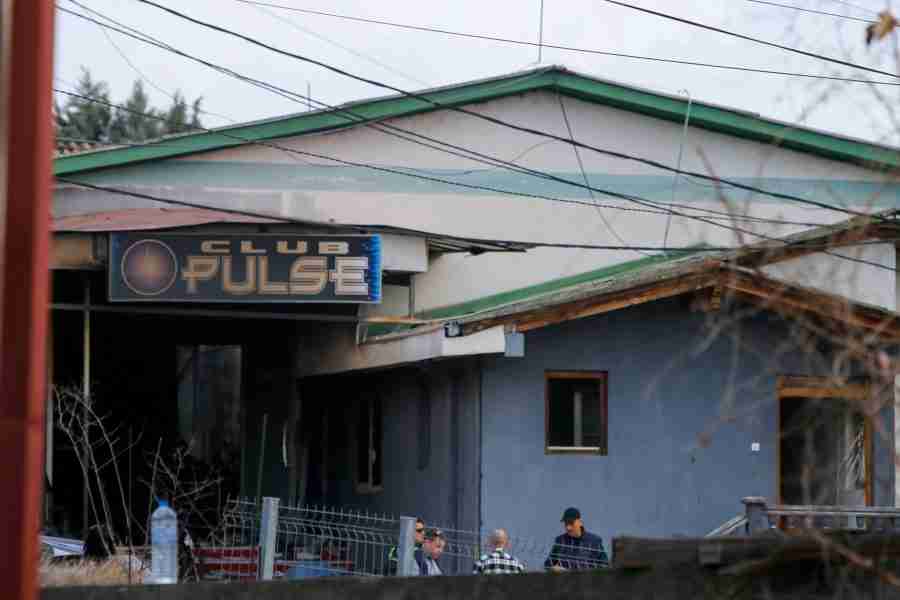
Fire ripped through a packed and unlicensed nightclub early on Sunday in the North Macedonian town of Kocani, killing 59 people and injuring more than 150, officials said, after sparks ignited the roof as a live band performed.
Hundreds of people scrambled for the small venue’s only exit as the fire spread across the ceiling, leaving many trapped in the country’s deadliest incident in years.
One video from the event, verified by Reuters, showed the moment the fire began: as the band played on stage, two flares spat white sparks into the air, setting a patch of ceiling alight. Seconds later, the panic began.
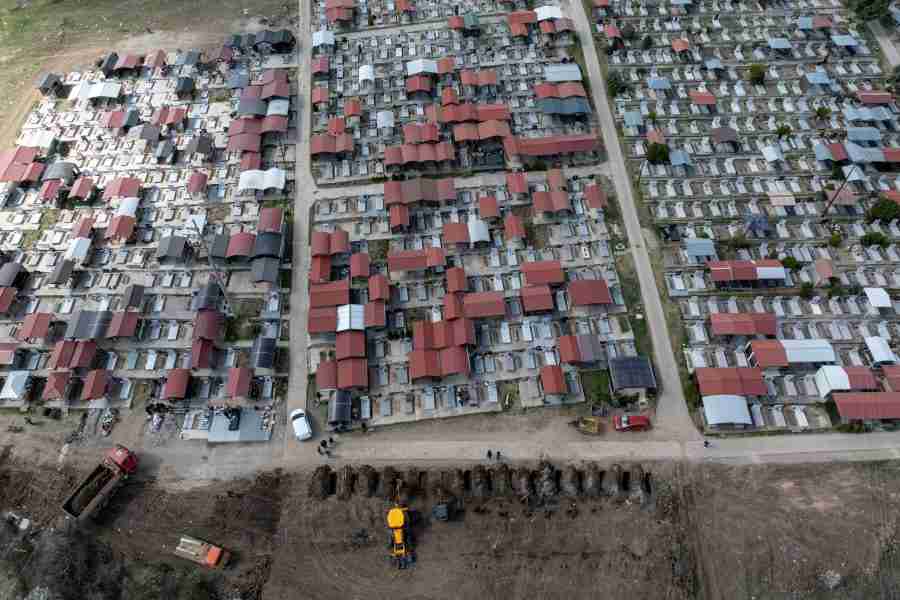
A drone view shows workers preparing graves at the cemetery following a fire at the Pulse nightclub that resulted in dozens of deaths, in the town of Kocani, North Macedonia, March 17, 2025. REUTERS/Marko Djurica TPX IMAGES OF THE DAYWorkers prepare graves at the cemetery following a fire at the Pulse nightclub that resulted in dozens of deaths, in the town of Kocani, North Macedonia, March 17, 2025. REUTERS/Marko Djurica
“Fire broke out, everyone started screaming and shouting: ‘Get out, get out’,” Marija Taseva, 22, told Reuters.
As she tried to escape, Taseva fell to the ground and people trod on her, injuring her face. In the rush, she lost contact with her sister, who did not make it out.
“My sister died,” Taseva said, breaking into tears.
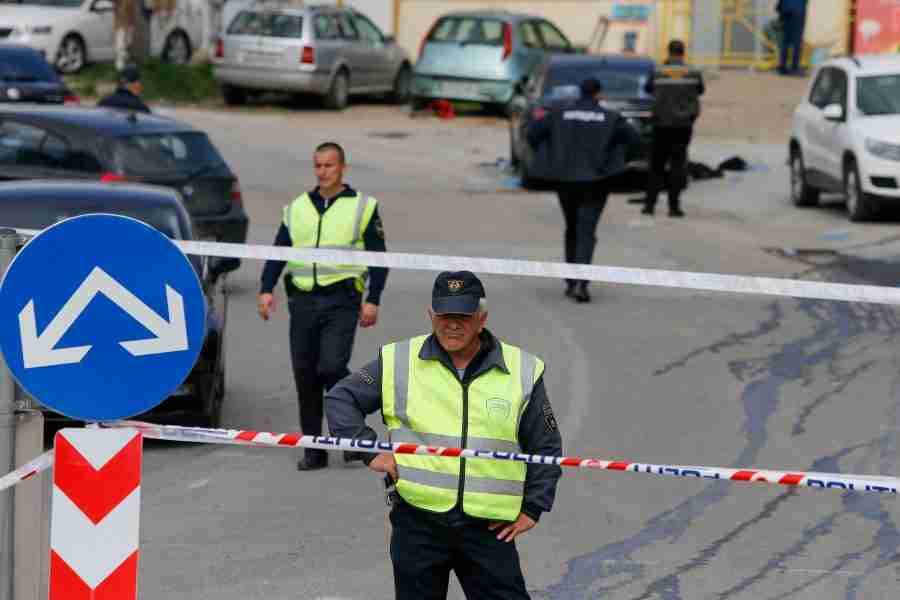
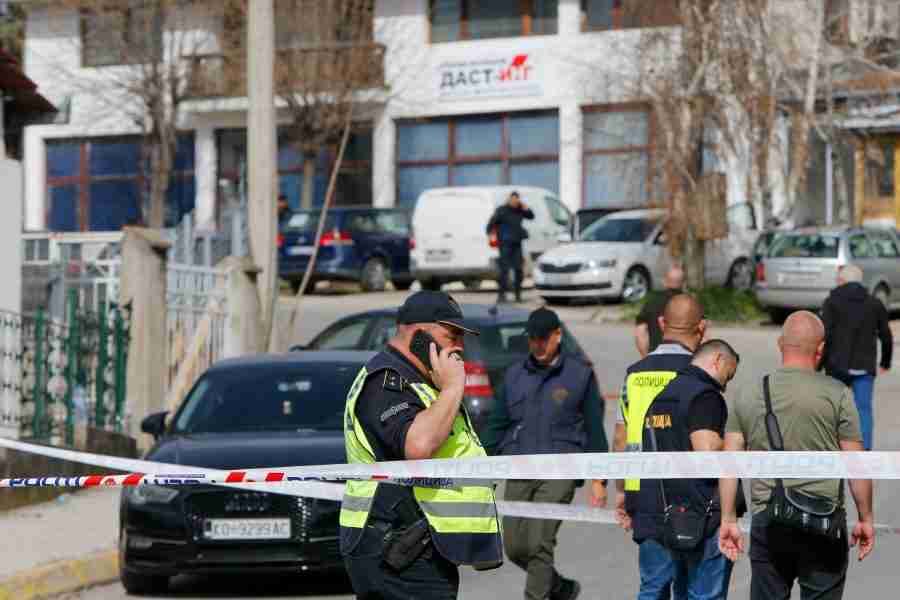
Authorities arrested about 20 people in connection with the fire, including government officials and the manager of the “Pulse” nightclub, which did not have a valid licence, Interior Minister Pance Toskovski told a press conference.
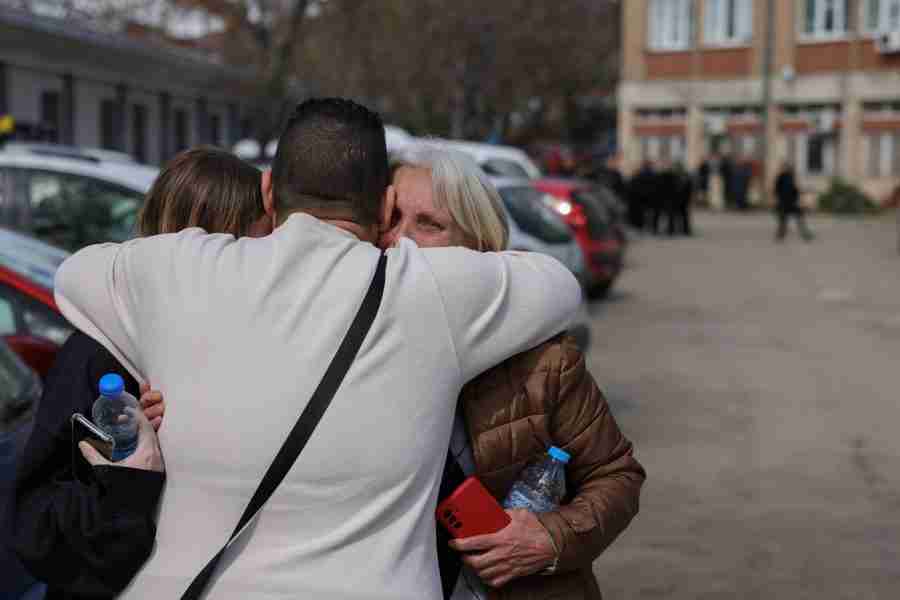
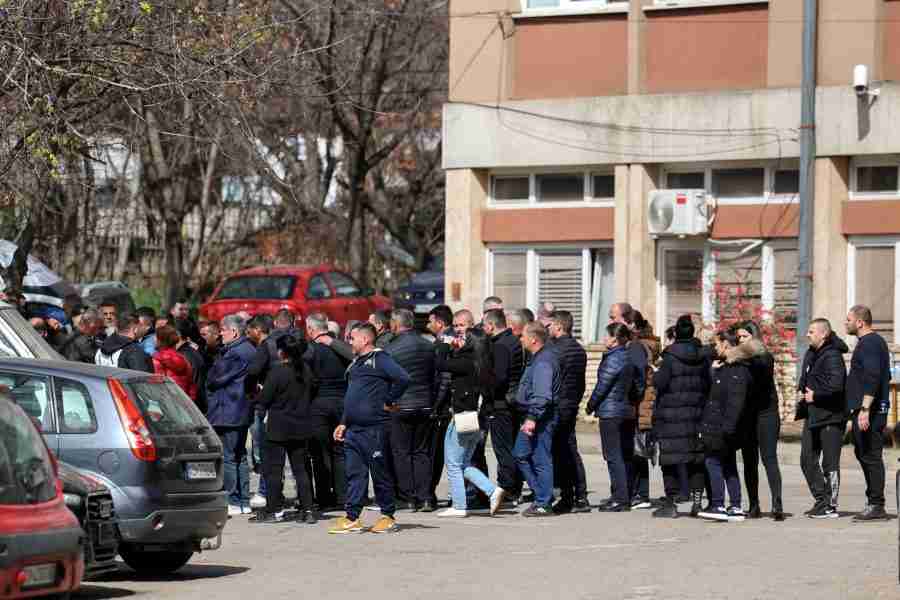
People hug outside a hospital following a fire at the Pulse nightclub that resulted in dozens of deaths in the town of Kocani, North Macedonia, March 17, 2025. REUTERS/Alexandros AvramidisPeople line up to give DNA samples, outside a hospital following a fire at the Pulse nightclub that resulted in dozens of deaths in the town of Kocani, North Macedonia, March 17, 2025. REUTERS/Alexandros Avramidis
More than 20 of the injured and three of those killed were aged under 18, he said.
Prime Minister Hristijan Mickoski said the licence was issued illegally by the economy ministry and promised those responsible would face justice.
“Regardless of who they are, from which institution, from what level, from which party and profession,” Mickoski said. He declared seven days of national mourning.
The fire began at around 3 a.m. (0200 GMT). About 500 people were in the club at the time, authorities said.
Reuters pictures showed the club’s corrugated iron roof burned through and collapsed in places, its interior wooden beams exposed and blackened.
More than 150 people were hospitalized in Skopje, Kocani and surrounding towns, Health Minister Arben Taravari said, adding that 20 people were critically injured.
People searched for missing loved ones online and at hospitals across the country.
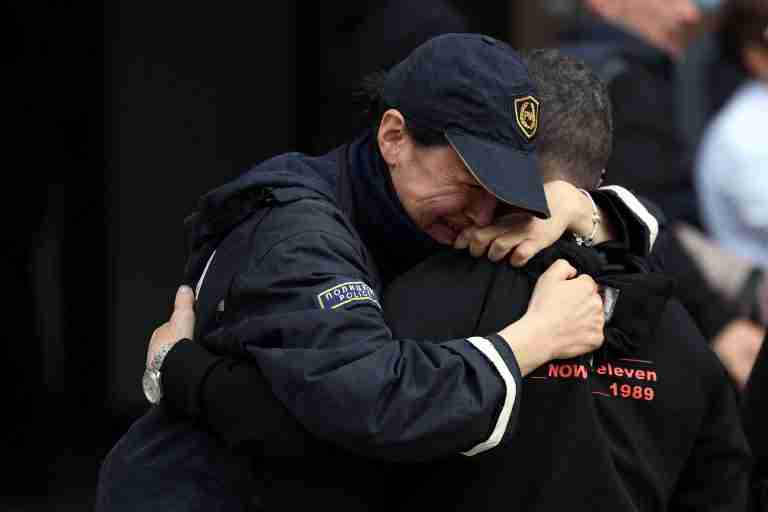
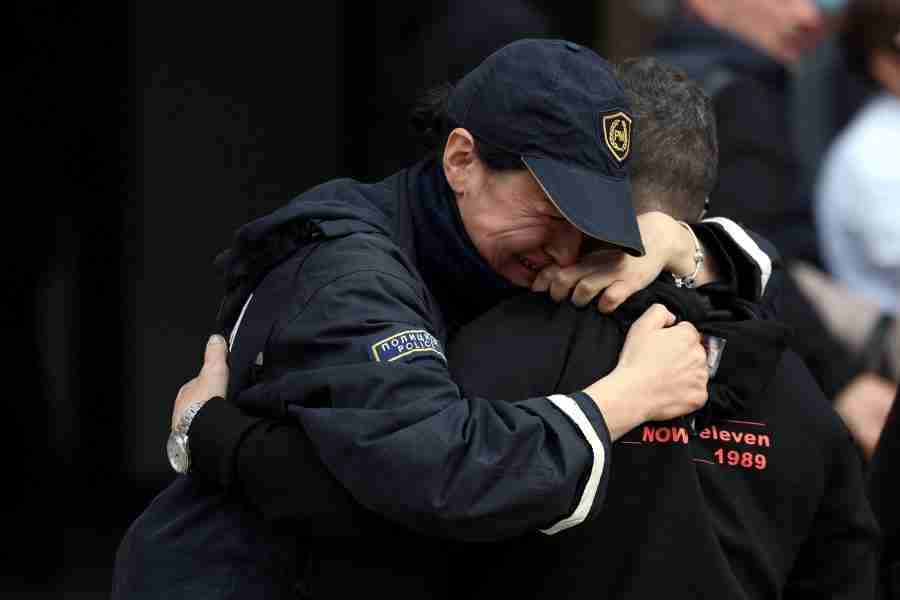
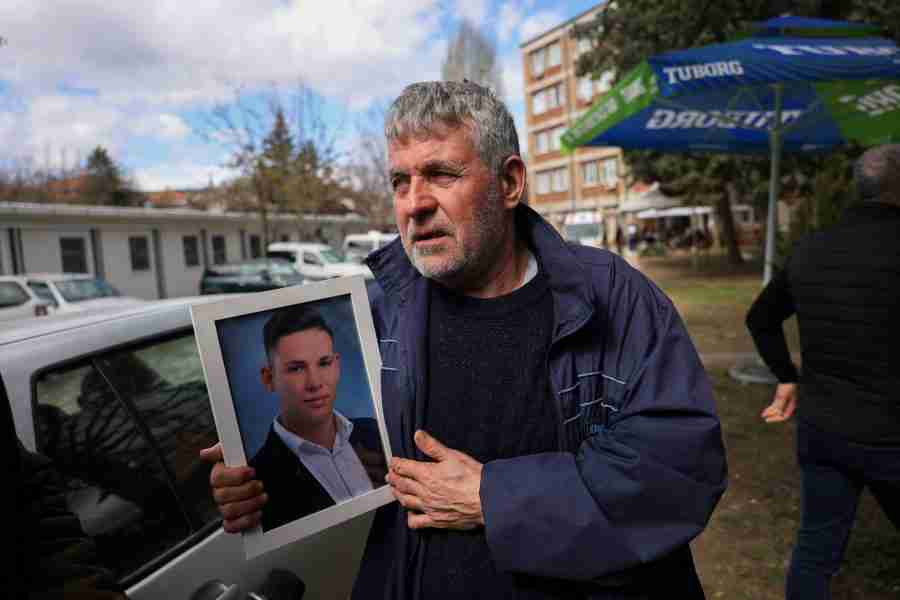
A police officer cries while hugging a person outside a hospital following a fire at the Pulse nightclub that resulted in dozens of deaths in the town of Kocani, North Macedonia, March 17, 2025. REUTERS/Alexandros AvramidisTomco Stojanov, who lost his son Andrej, 24, in a fire at the Pulse nightclub that resulted in dozens of deaths, holds a photo of his son outside a hospital in the town of Kocani, North Macedonia, March 17, 2025. REUTERS/Alexandros Avramidis
Outside the main hospital in Kocani, relatives and friends of the victims hugged each other and lit candles. Anger and grief spilled over.
“I’m a dead man, I lost everything. They should film me, the whole of Europe should know,” said one man.
“(I knew) 5 or 6, one of those was killed,” said Kocani resident Mihail Gavrilov. “It’s devastating for the entire city and the entire country.”
Simeon Sokolov, 50, found his daughter Anastasija in the emergency ward of the September 8 hospital in the capital Skopje, where she was being treated for burns and smoke inhalation.
“I just know that there are many children who have suffered,” he told Reuters. “Doctors are doing their job and the number is big.”
Some patients were transferred to neighbouring Bulgaria, Serbia and Greece for treatment, authorities from those countries said.
Condolences flooded in from global leaders, including EU commission president Ursula von der Leyen and Pope Francis.
Emergency responders operate outside a night club, following a fire resulting in casualties, in the town of Kocani, North Macedonia, March 16, 2025. REUTERS/Ognien TeofilovskiNight club fire scene, Kocani, North Macedonia, March 16, 2025. REUTERS/Ognen Teofilovski
INVESTIGATION
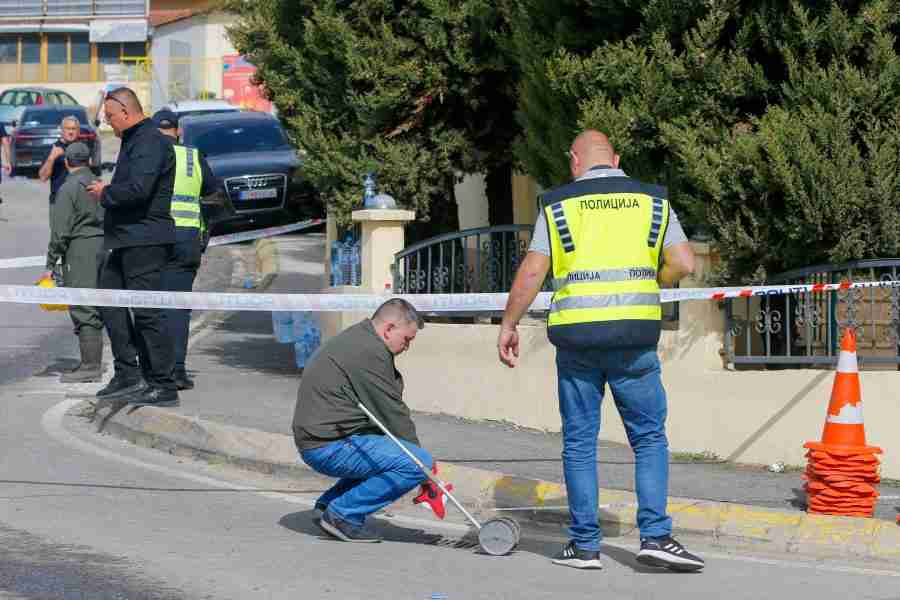
North Macedonia’s Public Prosecutor Ljupco Kocevski said five prosecutors would investigate the incident.
“At the moment, orders have been issued to collect evidence” and people were being interviewed, Kocevski said, without elaborating.
Toskovski said authorities had arrested members of the band, the son of the club owner and government officials.
Emergency responders operate outside a night club, following a fire resulting in casualties, in the town of Kocani, North Macedonia, March 16, 2025. REUTERS/Ognien TeofilovskiEmergency responders operate outside a night club, following a fire resulting in casualties, in the town of Kocani, North Macedonia, March 16, 2025. REUTERS/Ognien Teofilovski
After visiting the injured in a hospital in Skopje, North Macedonian President Gordana Siljanovska Davkova, dressed in black and fighting tears, said authorities would do everything to help all those affected.
“I simply cannot comprehend this … what a disaster, what a tragedy.”
Reporting by Aleksandar Vasovic, Fatos Bytyci, Fedja Grulovic and Lefteris Papadimas; Writing by Edward McAllister; Editing by Bernadette Baum and Giles Elgood
“We must be guided by biological fact, not cultural trends. “
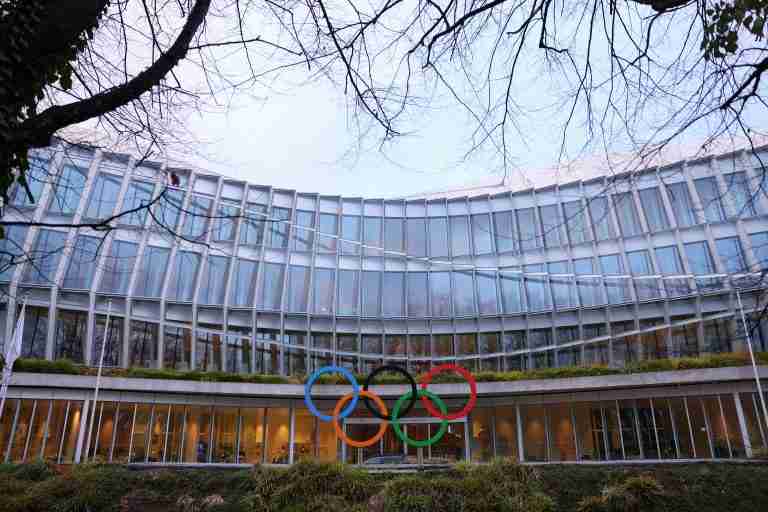
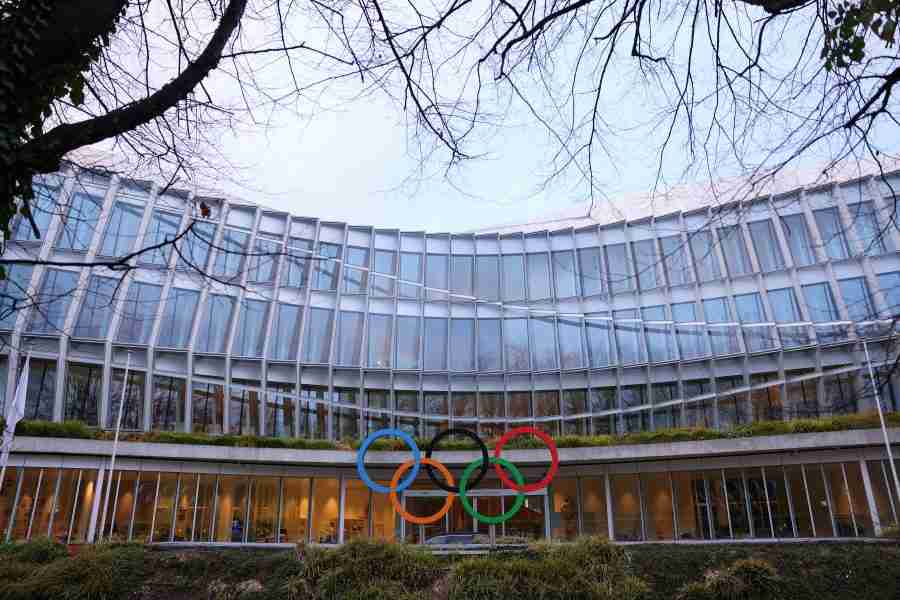
FILE PHOTO: The Olympic rings symbol is displayed at the Olympic House, ahead of the Executive Board meeting of the International Olympic Committee (IOC), in Lausanne, Switzerland, December 3, 2024. REUTERS/Denis Balibouse/File Photo
International news via Reuters:
The increasingly polarising debate over transgender athletes in women’s sport has become a key issue for candidates vying to become the next president of the International Olympic Committee.
This is what the contenders said on the issue in their official bids for the top job in world sport.
Below are references to the issue contained in the manifestos of five of the seven candidates, published in December. Two candidates did not express a view in their manifestos. The link to their full documents can be found here: manifestos.
David Lappartient: French, head of the International Cycling Federation (UCI).
As for transgender athletes, it is a complex matter that must be dealt with rationally to strike the right balance between the need to respect human rights and the obligation to ensure fair competition.
We cannot ignore what female athletes are saying, but our decisions must also be grounded on solid scientific evidence.
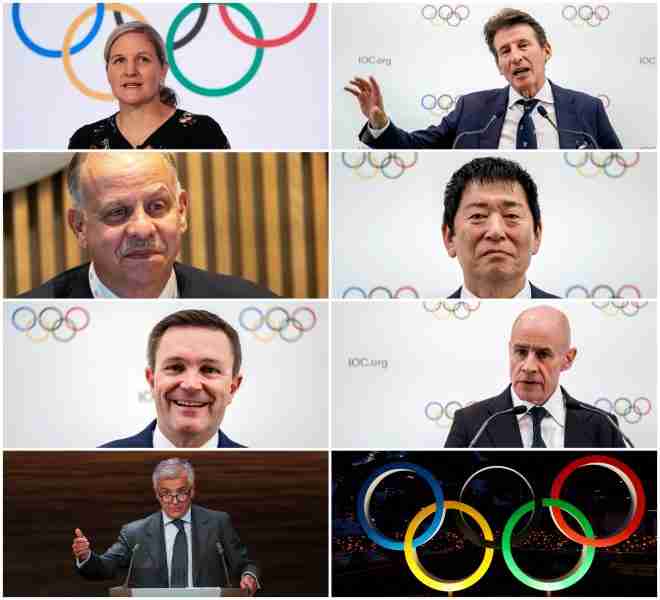
A combination picture shows the seven candidates in the race for the IOC presidency, Kirsty Coventry, Sebastian Coe, Prince Faisal Al Hussein, Morinari Watanabe, David Lappartient, Johan Eliasch and Juan Antonio Samaranch Jr. March 14, 2025. REUTERS
The IOC must guide International Federations towards decisions based on common principles and avoid a situation in which each International Federation takes a different stance in equivalent scenarios, which could harm the unity of the Olympic Movement.
However, we need to accept that the response may vary from one sport to the next.
Johan Eliasch: Swedish/British, president of the International Ski and Snowboard Federation (FIS).
Women’s sports must be ring-fenced: no ifs, no buts. There can be no grey areas. The integrity of women’s sport must be protected whatever the cultural pressures.
We must be guided by biological fact, not cultural trends.
Regardless of current testosterone levels, exposure to puberty creates sex differences in height, weight and so on which can provide a sporting advantage.
It is on the basis of this biological fact that I firmly believe we must ring-fence women’s sport, ensuring that only those who were born female can compete in women’s sport.
While international federations are ultimately autonomous organisations which set their own policies, it is vital that sports bodies across the globe have a uniform approach.
The IOC should lead the way, establishing a simple and clear policy to ensure a fair and safe environment for all athletes, particularly women.
What is paramount is not public opinion or prevailing trends but the integrity and safety of women’s sport.
The Olympics and Paralympics must be inclusive for all. We need to be open-minded about how to recognise the fact that every human being has a right not only to participate in sport, but to compete at the highest levels.
This could mean, for instance, separate categorisation based on biological identity and science-based metrics.
Juan Antonio Samaranch: Spanish, member of the Spanish National Olympic Committee.
The IOC has a fundamental duty to safeguard women’s sport by adopting a policy to maintain unambiguous distinctions between men’s and women’s categories. The IOC must lead on this issue by setting clear guidelines for competition.
Kirsty Coventry: Zimbabwean, national Sports Minister.
I am dedicated to the equality of all athletes from all countries, which also means strengthening women’s sports by protecting female athletes and promoting equal opportunities for women at all levels of our Movement.
Sebastian Coe, British, president of World Athletics.
Protect and promote the integrity of women’s sport. I will advocate for clear, science-based policies that safeguard the female category.
We will work closely with world-leading medical and educational institutions to increase research into female health, performance and exercise physiology. Women’s sport is at a critical juncture. We must navigate this with sensitivity and resolve to ensure current and future generations of women choose sport.
Morinari Watanabe: Japanese, president of the international gymnastics federation (FIG).
No reference in manifesto, but has subsequently said his approach was to balance inclusion with protecting women’s rights.
“The IOC must embrace diversity, but we must also protect women’s rights. This is a principle we have to take seriously.
“We don’t have a final position yet and we need more research to ensure that our decisions are based on science and respect for the rights of all.”
Feisal Al Hussein: Jordanian, president of the Jordan Olympic Committee.
No reference in manifesto, but has subsequently said: “When it comes to the inclusion of transgender people, it is very important that they are treated fairly and equitably, always under the principle that there should be no unfair advantages, and if there are, they should be addressed like any other type of injustice in sport.”
Reporting by Mitch Phillips, Karolos Grohman, Rohith Nair; Editing by Frank McGurty and Julien Pretot
The memo lists a total of 41 countries divided into three separate groups
International news via Reuters:
The Trump administration is considering issuing sweeping travel restrictions for the citizens of dozens of countries as part of a new ban, according to sources familiar with the matter and an internal memo seen by Reuters.
The memo lists a total of 41 countries divided into three separate groups. The first group of 10 countries, including Afghanistan, Iran, Syria, Cuba and North Korea among others, would be set for a full visa suspension.
In the second group, five countries — Eritrea, Haiti, Laos, Myanmar and South Sudan — would face partial suspensions that would impact tourist and student visas as well as other immigrant visas, with some exceptions.
In the third group, a total of 26 countries that includes Belarus, Pakistan and Turkmenistan among others would be considered for a partial suspension of U.S. visa issuance if their governments “do not make efforts to address deficiencies within 60 days”, the memo said.
A U.S. official speaking on the condition of anonymity cautioned there could be changes on the list and that it was yet to be approved by the administration, including U.S. Secretary of State Marco Rubio.
The New York Times first reported on the list of countries.
Tijuana, March 12, 2025. REUTERS/Aimee Melo
The move harkens back to President Donald Trump’s first term ban on travelers from seven majority-Muslim nations, a policy that went through several iterations before it was upheld by the Supreme Court in 2018.
Trump issued an executive order on January 20 requiring intensified security vetting of any foreigners seeking admission to the U.S. to detect national security threats.
That order directed several cabinet members to submit by March 21 a list of countries from which travel should be partly or fully suspended because their “vetting and screening information is so deficient.”
Trump’s directive is part of an immigration crackdown that he launched at the start of his second term.
He previewed his plan in an October 2023 speech, pledging to restrict people from the Gaza Strip, Libya, Somalia, Syria, Yemen and “anywhere else that threatens our security.”
The State Department did not immediately respond to a request for comment from Reuters.
Reporting by Humeyra Pamuk; Writing by Costas PitasEditing by Sam Holmes
Called on the international community to mobilize against what it called a dangerous precedent
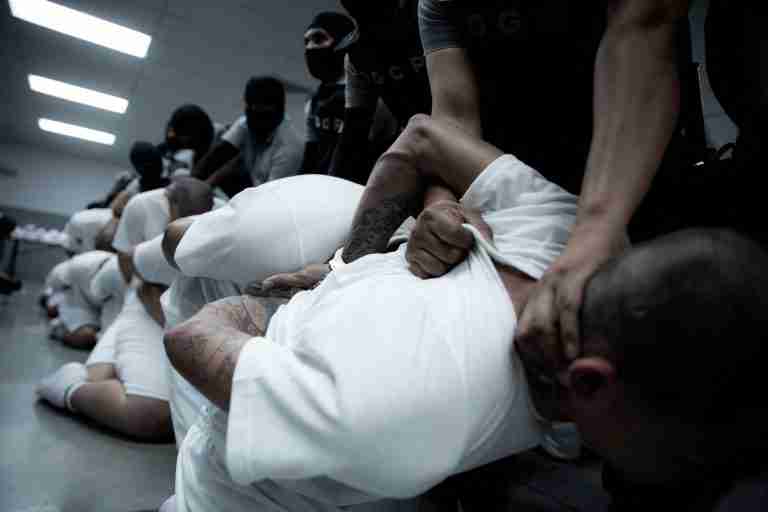
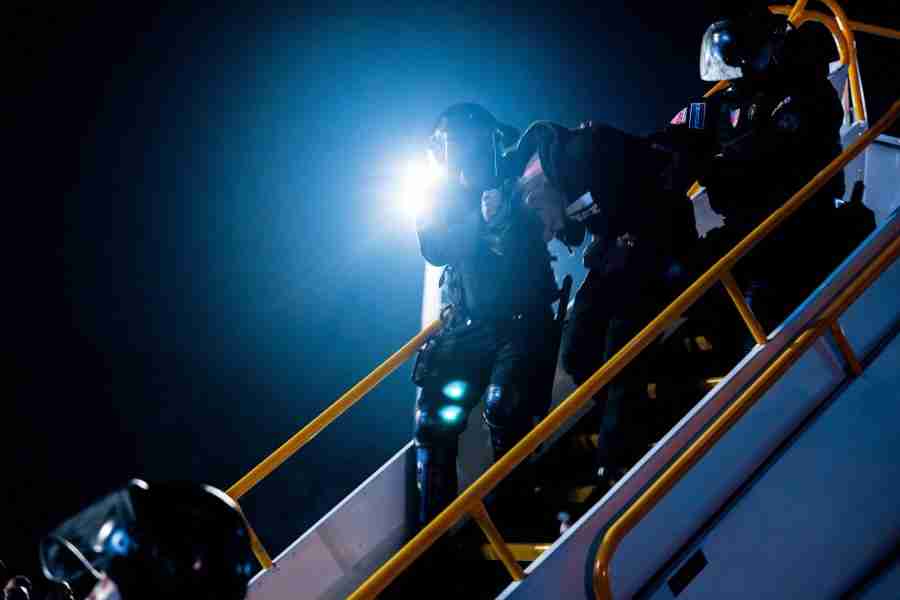
Salvadoran police officers escort alleged members of the Venezuelan gang Tren de Aragua recently deported by the U.S. government to be imprisoned in the Terrorism Confinement Center (CECOT) prison, as part of an agreement with the Salvadoran government, in Tecoluca, El Salvador, in this handout image obtained March 16, 2025. Secretaria de Prensa de la Presidencia/Handout via REUTERS
International news via Reuters:
Venezuela’s government on Sunday blasted the U.S. implementation of a rarely used wartime law, rapidly blocked by a U.S. judge, to deport over 200 alleged members of Venezuelan gang Tren de Aragua to El Salvador.
“Venezuela rejects the application of an anachronistic law, illegal and in violation of human rights, against our migrants,” Venezuela’s government said in a statement, adding its “profound indignation at the threat of kidnapping 14-year-old children.”
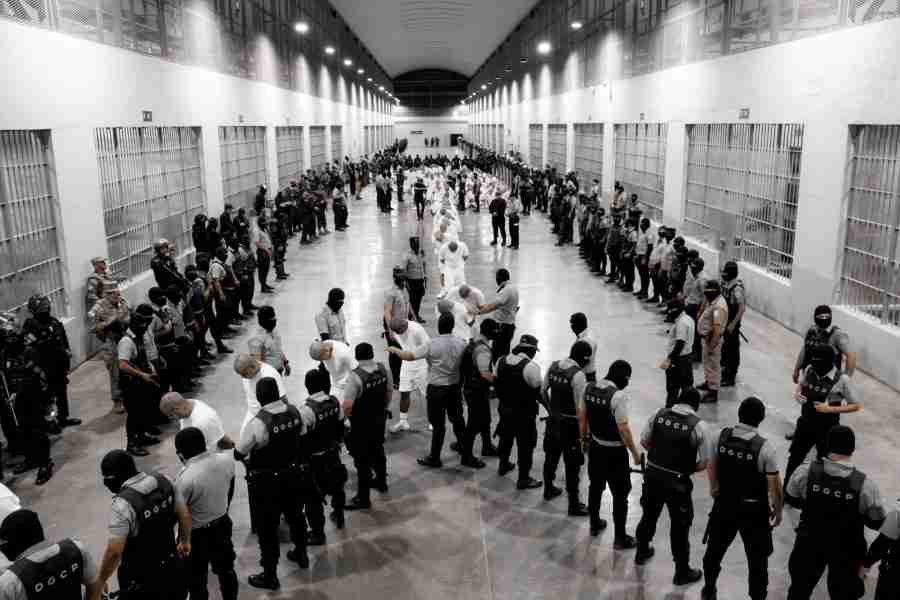
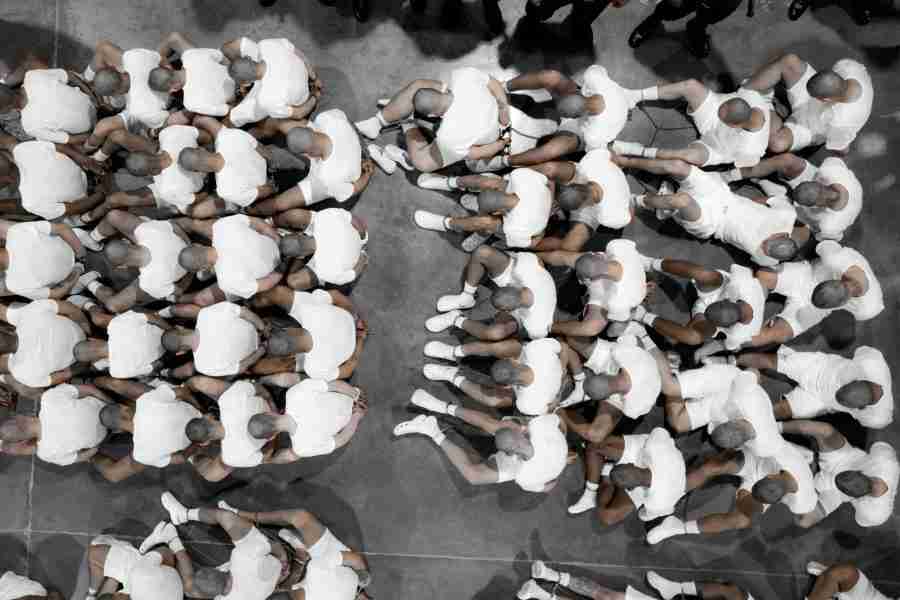
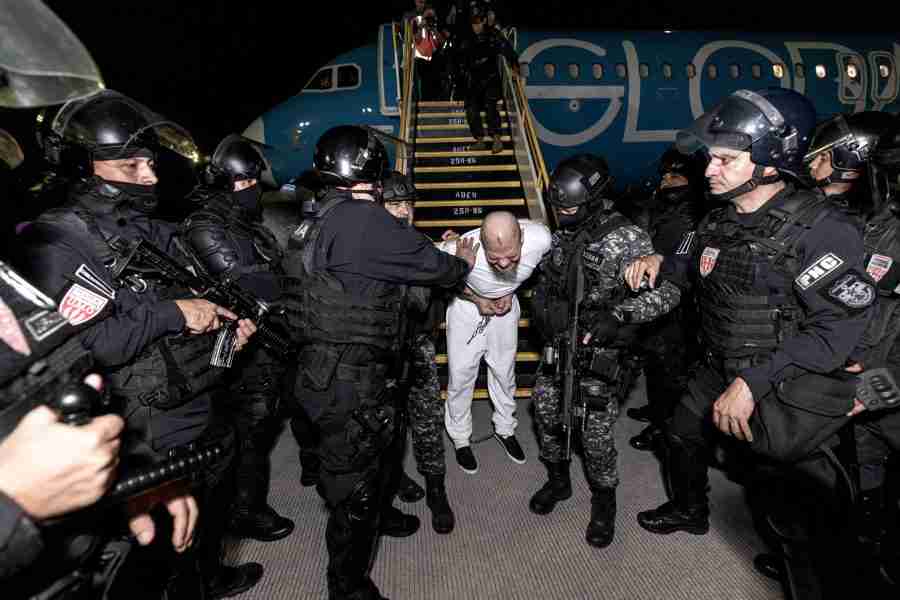
Salvadoran police officers escort alleged members of the Tren de Aragua recently deported by the U.S. government to be imprisoned in the Terrorism Confinement Center (CECOT) prison, as part of an agreement with the Salvadoran government, at the San Oscar Arnulfo Romero international airport in San Luis Talpa, El Salvador, in this handout image obtained March 16, 2025. Secretaria de Prensa de la Presidencia/Handout via REUTERSAlleged members of the Tren Aragua recently deported by the U.S. government are processed to be imprisoned in the Terrorism Confinement Center (CECOT) prison, as part of an agreement with the Salvadoran government, in Tecoluca, El Salvador, in this handout image obtained March 16, 2025. Secretaria de Prensa de la Presidencia/Handout via REUTERS
El Salvador’s presidential office did not immediately respond to Reuters’ request for comment and it was not immediately clear what charges the alleged gang members face in El Salvador, or whether children are part of the group.
El Salvador President Nayib Bukele said in a post on X early on Sunday that it had received the first 238 alleged members of Tren de Aragua, and they had been immediately transferred to a terrorism detention center for a period of one year, subject to renewal.
This was a day after the Associated Press reported, citing an internal memo, that the United States would pay El Salvador $6 million for the arrangement.
“The United States will pay a very low fee for them, but a high one for us,” Bukele said in the post, adding that the country had also sent 23 members of the Salvadoran gang MS-13.
Salvadoran police officers escort alleged members of the Tren de Aragua recently deported by the U.S. government to be imprisoned in the Terrorism Confinement Center (CECOT) prison, as part of an agreement with the Salvadoran government, at the El Salvador International Airport in San Luis Talpa, El Salvador, in this handout image obtained March 16, 2025. Secretaria de Prensa de la Presidencia/Handout via REUTERSSalvadoran police officers escort alleged members of the Venezuelan gang Tren de Aragua recently deported by the U.S. government to be imprisoned in the Terrorism Confinement Center (CECOT) prison, as part of an agreement with the Salvadoran government, at the El Salvador International Airport in San Luis Talpa, El Salvador, in this handout image obtained March 16, 2025. Secretaria de Prensa de la Presidencia/Handout via REUTERS
Venezuela’s government called on the international community, especially the Community of Latin American and Caribbean States (CELAC), to mobilize against what it called a dangerous precedent against the entire region.
Reporting by Vivian Sequera in Caracas; Writing by Sarah Morland; Editing by Mark Porter
To provide the best experiences, we use technologies like cookies to store and/or access device information. Consenting to these technologies will allow us to process data such as browsing behavior or unique IDs on this site. Not consenting or withdrawing consent, may adversely affect certain features and functions.
Functional
Always active
The technical storage or access is strictly necessary for the legitimate purpose of enabling the use of a specific service explicitly requested by the subscriber or user, or for the sole purpose of carrying out the transmission of a communication over an electronic communications network.
Preferences
The technical storage or access is necessary for the legitimate purpose of storing preferences that are not requested by the subscriber or user.
Statistics
The technical storage or access that is used exclusively for statistical purposes.The technical storage or access that is used exclusively for anonymous statistical purposes. Without a subpoena, voluntary compliance on the part of your Internet Service Provider, or additional records from a third party, information stored or retrieved for this purpose alone cannot usually be used to identify you.
Marketing
The technical storage or access is required to create user profiles to send advertising, or to track the user on a website or across several websites for similar marketing purposes.