Wholesale energy prices, which have soared this year due to the Iran war, are the largest single factor contributing to the domestic price cap
International News via Reuters:
British households owe £6 billion ($8.18 billion) in unpaid energy debt and arrears, industry group EnergyUK said on Monday.
• Regulator Ofgem is expected to announce this week a 4% increase in its domestic price cap, taking it to a three-year high.
• EnergyUK presented the updated debt figure in a call with journalists on Monday ahead of the price cap announcement and said the data represented debt at the end of June 2026.
• Unrecovered energy debt is spread across all consumer bills and currently adds around £50 a year or around 3% to a typical annual bill.
• EnergyUK said the debt figure is likely to reach £7 billion by the end of the year without intervention.
• Regulator Ofgem has been looking at options to help indebted consumers but a scheme to clear £500 million of debt for the poorest customers, which needs government legislation, has stalled.
• Wholesale energy prices, which have soared this year due to the Iran war, are the largest single factor contributing to the domestic price cap, which is set on a quarterly basis using a formula that also reflects suppliers’ network costs and environmental and social levies.
($1 = 0.7339 pounds)
Reporting By Susanna TwidaleEditing by Tomasz Janowski
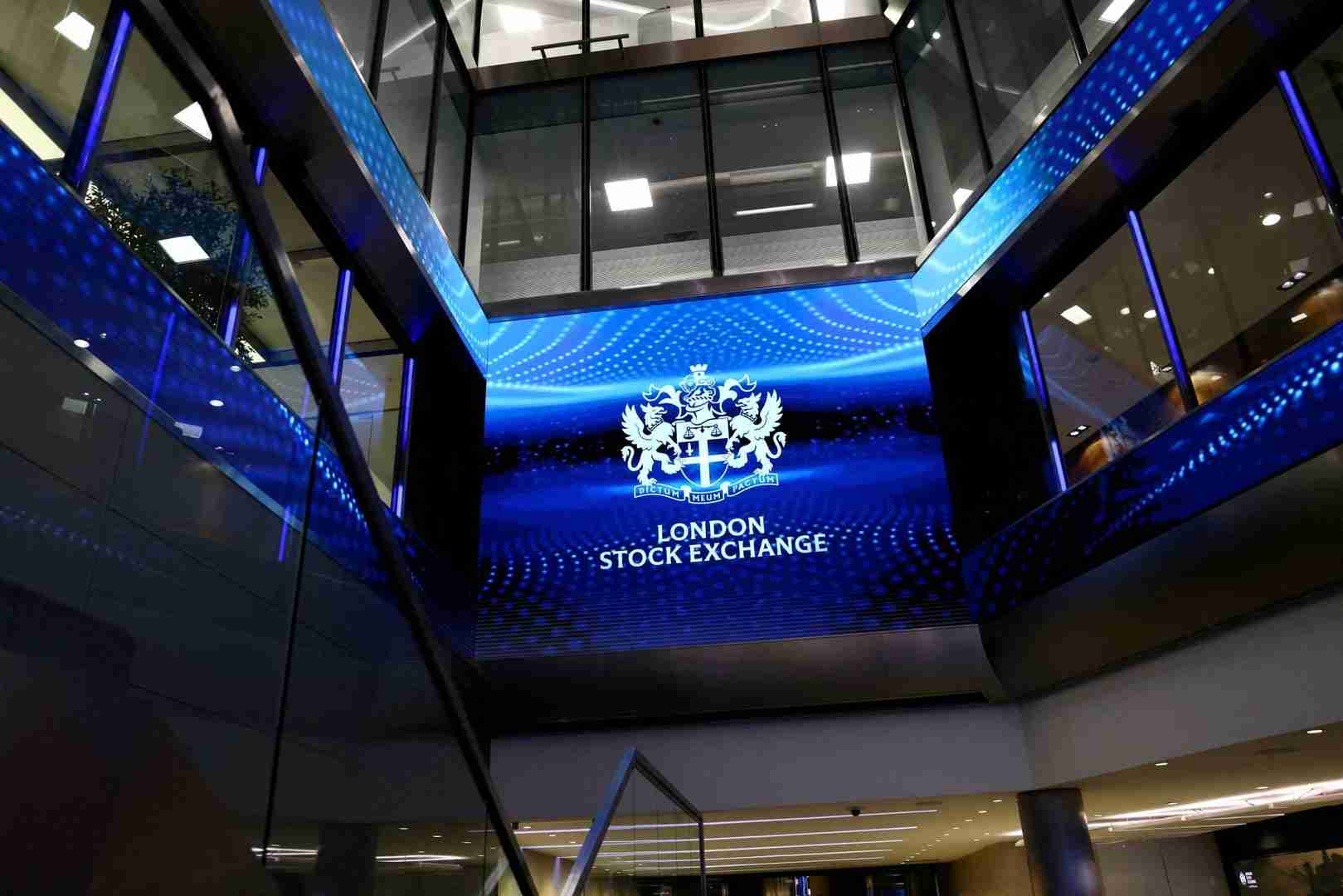
The blue-chip FTSE 100 index rose 0.2% to 10,835.77 points by 1141 GMT, while the midcap FTSE 250 was flat at 24,725.18 points
International News via Reuters:
The main UK stock indexes edged higher on Monday, as miners helped offset geopolitical tensions, while investors braced for big-ticket events that could set the tone for global markets in the near term.
The blue-chip FTSE 100 index rose 0.2% to 10,835.77 points by 1141 GMT, while the midcap FTSE 250 was flat at 24,725.18 points.
• Investors are awaiting details on new U.S. sanctions targeting Iran’s trade partners, which could disrupt crude supplies from the Middle East.
• U.S. Treasury Secretary Scott Bessent is due to hold a press conference later in the day to outline the sanctions. Washington says Iran must relinquish its control over the vital Strait of Hormuz, a route that once carried a fifth of global supplies.
• Oil prices eased ahead of the announcement, dragging down British energy majors BP and Shell. [O/R]
• On the flipside, miners Rio Tinto and Anglo American gained 0.6% and 2.2%, respectively, as a weaker U.S. currency supported metal prices. [MET/L]
• This week, investors will keep a close watch on chipmaker Nvidia’s earnings, seen as a major test of the AI rally that has been a key driver of pushing stocks to record highs.
• U.S. Federal Reserve Chairman Kevin Warsh’s debut speech at the annual Jackson Hole conference this week will also be on traders’ radar as they seek guidance about the recent jump in bond yields and monetary policy outlook.
• British distribution firm Diploma gained 1.5% after J.P.Morgan raised its rating from neutral to outperform and increased price target to 8250 pence from 5760 pence.
• Shell has drawn interest from potential bidders, including ExxonMobil and LyondellBasell, for its U.S. chemical assets that could fetch up to $8 billion, the Financial Times reported. Shell’s stock dipped in-line with oil prices.
• Shares of transport tech company Tracsis rose 7% after raising its full-year forecasts.
Anand Gopal and Sruthi Shankar in Bengaluru; Editing by Nivedita Bhattacharjee
Sterling dipped nearly 0.1% to $1.3633 by 0956 GMT, after hitting a more than six-month high of $1.3675 on Friday
International News via Reuters:
The British pound ticked lower against the dollar on Monday, easing from a four-week rally and as investors braced for a wave of U.S. sanctions on Iran and its trading partners.
Sterling dipped nearly 0.1% to $1.3633 by 0956 GMT, after hitting a more than six-month high of $1.3675 on Friday. The pound was flat versus the euro at 85.57 pence to the common currency.
The pound is one of the best performing among Group of Seven peers this year, benefiting from market expectations that the Bank of England will hike interest rates towards the end of the year in the face of better-than-expected economic resilience.
Traders see benchmark interest rates rising by at least 25 basis points by December, LSEG data showed, although most economists anticipate no change. If pricing shifts to match those expectations, that could weigh on the currency.
“The recent combination of resilient growth and easing domestic inflation pressures is encouraging and reinforces our view that there is no need to tighten monetary policy this year,” said Maelle Quillevere, an economist at UBS Global Wealth Management, who expects rate cuts could potentially resume in 2027.
Providing some relief to concerns about a sluggish economy, economists at the Resolution Foundation think tank said economic productivity was starting to show signs of sustained improvement, on the back of data last week that also pointed to strength among businesses and consumers.
Meanwhile, Prime Minister Andy Burnham told European Council President Antonio Costa that London should be bolder in pursuing closer ties with the European Union, ahead of a UK-EU summit this year.
The Burnham government’s first budget in October will be key for investor confidence in Britain, at a time when concerns over elevated sovereign debt levels and higher borrowing costs have rattled bond markets in the U.S.
The pound’s weakness against the dollar on Monday was also as investors mulled the potential implications of U.S. sanctions on Iran and its trading partners, alongside concerns that it could provoke retaliation from Tehran.
U.S. Treasury Secretary Scott Bessent was expected to give a press conference at 1700 GMT.
Reporting by Johann M Cherian in Bengaluru; Editing by Alex Richardson
Bermudian siblings Nahshon and Shanna Hollis are joining creative forces for the first time with COMPLEMENTARY, a collaborative exhibition exploring identity, community, resilience and the Bermudian experience through their distinct artistic styles.
Kendal Trott spoke with the brother-and-sister duo about how the exhibition came together, the ways they inspire one another creatively, and what it means to share the gallery for the first time. They are encouraging the public to come out and experience COMPLEMENTARY, now on display at Masterworks Museum of Bermuda Art through October 3rd.
Instructors praise growth and confidence of young soldiers
Media Release:
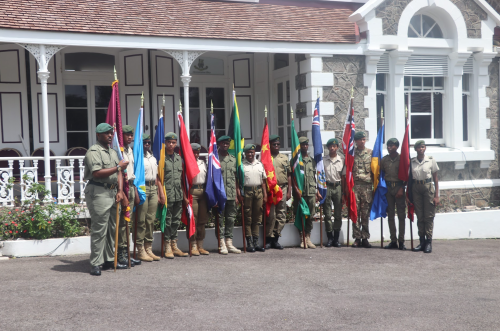
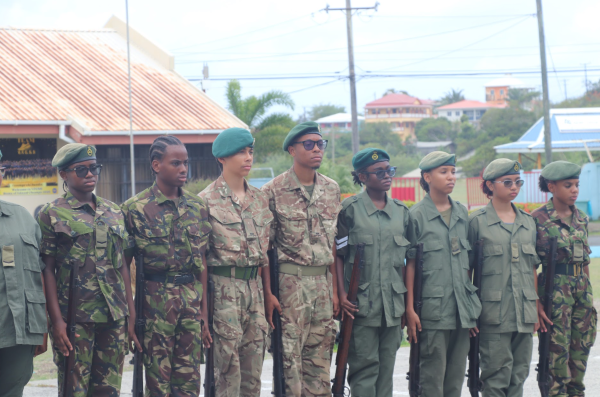
Ten Royal Bermuda Regiment Junior Leaders made lifelong memories and friends as they developed confidence and character on an overseas camp this summer.
Members of the RBR’s youth programme travelled to St Lucia for the two-week training package that not only increased their infantry knowledge but also tested their social skills and resilience.
Their trip came after a locally based camp for a wider group of Junior Leaders as the regiment continues to offer hands-on experiences – such as outdoor survival and public service activities – for Bermuda’s young people, so that they may be prepared for both military and civilian success.
The group of ten joined the Saint Lucia Cadet Corps Annual National Summer Camp last month when the programme covered drill, first aid, adventure training, fieldcraft and map reading.
Various group-level contests were scheduled, including an orienteering and navigation exercise, a public speaking and debate challenge, and a tactical leadership challenge.
It was the first time in nine years that the RBR Junior Leaders travelled to an overseas camp and the teenage troops hailed the benefits of the experience.
Private Amirah Trott, a 15-year-old BHS pupil from Hamilton Parish, said: “It was really fun because we got to experience some new terrain and we made a lot of good friends.
“It was a little challenging getting used to an unfamiliar environment and structure – the schedule of the day – it was a different rhythm for us.
“Since there were a lot of people that we didn’t know, we had to really step out of our comfort zones and take on leadership positions at times.”
Pte Trott, who has been in the youth programme for two years, said that she particularly enjoyed hiking Gros Piton – one of two volcanic peaks that together with their surrounding management area are a UNESCO World Heritage Site.
For Sergeant D’Angelo Williams, 17, the trip offered an opportunity to expand his understanding of how to operate different training camps.
He said: “The Saint Lucia Cadet Corps has more cadets than us so it was very eye opening to see how they run their camp. It allowed me to gain more knowledge and experience.
“It helped me to grow to be a better sergeant.”
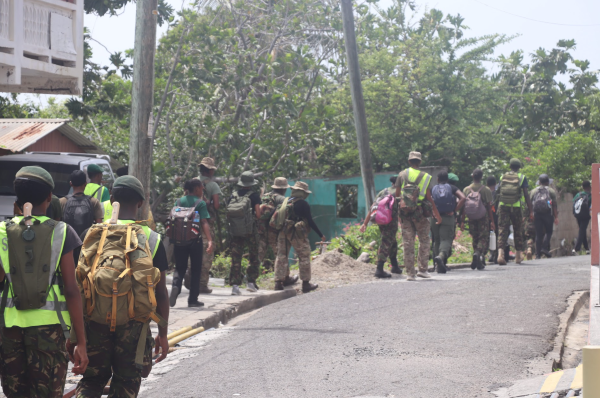
Sgt Williams, who has been in the RBR’s Junior Leaders for five years, reflected on the group’s ten-mile walk from where the camp was based to Moule à Chique lighthouse – the second highest in the world.
“That was a really enjoyable moment to experience together with all the other cadets and the new friends I made,” he added.
The Pembroke resident, who graduated this year from Mount Saint Agnes Academy and is planning to begin aviation training in Canada, relished the chance to go on an overseas trip in his final year with the regiment’s youth programme.
“It was good to have the opportunity to travel away and take part in these experiences with the Junior Leaders, I’m fortunate to have been able to do that,” Sgt Williams said.
Lance Corporal Jade Simons, 27, from Warwick, was one of the adult instructors from Bermuda who accompanied the group.
The bookkeeping cashier, who has worked with the youth programme for four of her five years in the regiment, enjoyed watching the young troops grow and become more confident as the camp progressed.
“In the first few days it was new to them, they were all to themselves, but as time passed, they had a great time,” LCpl Simons said.
“They got far more comfortable, made friends and made memories. I love the fact that I was there to experience it with them.”
She added: “It’s one of the most amazing things – to see a child grow to become such a good leader and their own person. I’m so proud of them all.
“The programme helps young people to grow into the person they wish to become. Once you join, you will never regret it.”
Junior Leaders, for Bermuda-based students aged 12 to17, will resume its term-time schedule of weekly training in September.
For information on joining the Royal Bermuda Regiment, including its Junior Leaders programme, visit rbr.bm, call 238-1045 or contact the recruiting team at rbr.recruiting@gov.bm.
U.S. Treasury Secretary Scott Bessent, who is due to hold a press conference at 2 p.m. EDT (1800 GMT) on Monday, has threatened to impose “the toughest sanctions in history” on Iran
International News via Reuters:
Iran’s foreign minister dismissed the threat of new U.S. sanctions as a sign of desperation on Sunday and said the expected new measures would fail to defeat Tehran.
U.S. Treasury Secretary Scott Bessent, who is due to hold a press conference at 2 p.m. EDT (1800 GMT) on Monday, has threatened to impose “the toughest sanctions in history” on Iran.
Iran’s economy is already under huge pressure from international sanctions, its infrastructure has been hit repeatedly and thousands of people have been killed in airstrikes on the Islamic Republic since the U.S. and Israel launched attacks on February 28.
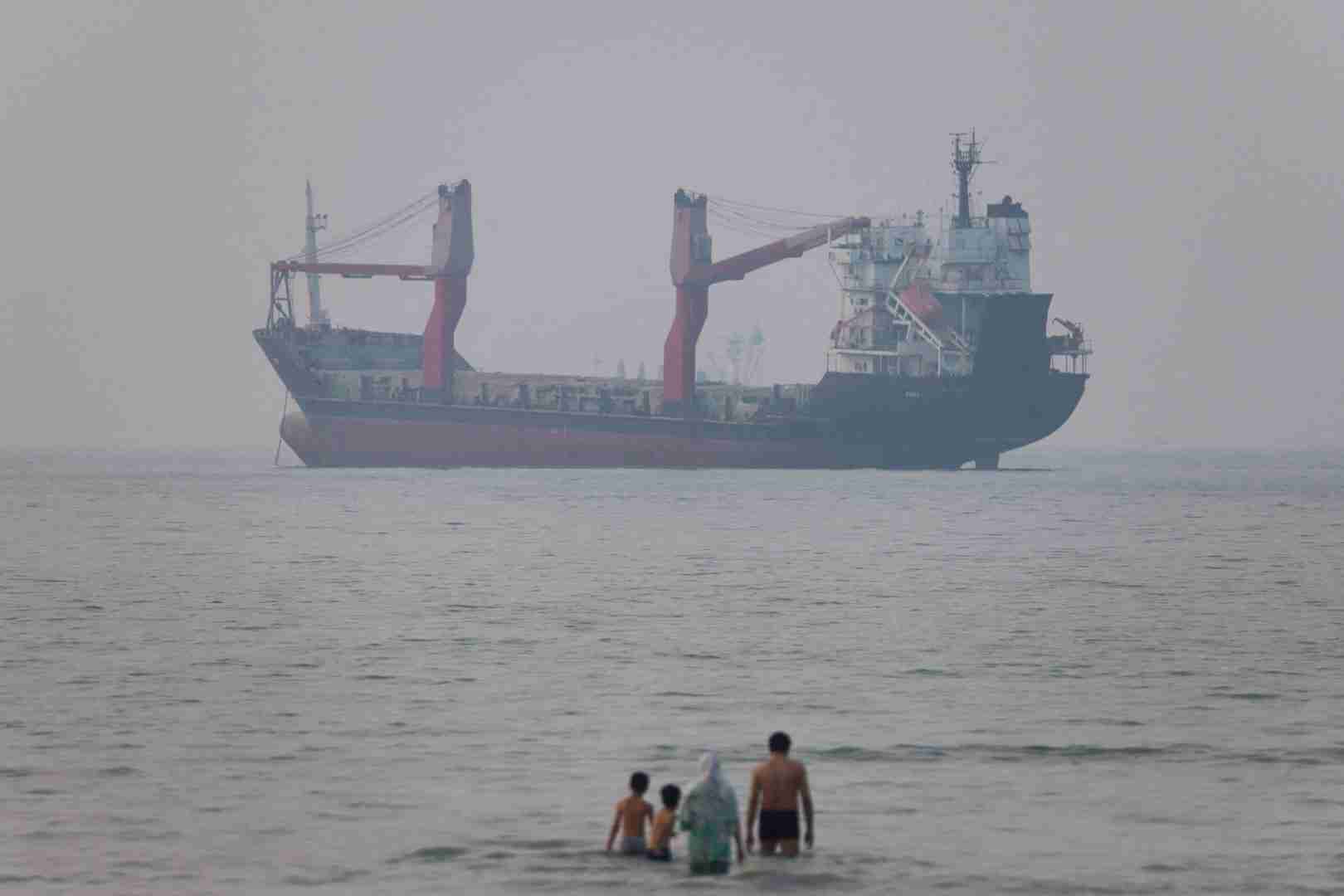
But Tehran remains defiant after nearly six months of war and has brought shipping to a virtual standstill in the Strait of Hormuz, refusing to allow unauthorized oil tankers to transit a waterway that is vital for global oil shipments. The effective blockade of the strait has pushed up global oil prices.
Describing what he said were “repetitive scenarios”, Iranian Foreign Minister Abbas Araqchi said in a video posted on Telegram: “The fact that they (U.S. leaders) have moved on from military operations … to bring up the same old plans shows that they are desperate.”
He said Washington must speak to Iran respectfully to find “a solution based on justice and honour.”
“We have never been afraid. All of their actions – whether blockades or other military moves they have made – have failed, and this new issue of theirs will fail as well,” he said.
U.S. President Donald Trump has warned of economic consequences against any country that provides “any type of lifeline to Iran” and Bessent has urged cooperation with Washington by China, which buys more than 80% of Iran’s shipped oil, according to 2025 data from analytics firm Kpler. China has urged diplomacy.
PAKISTAN’S ARMY CHIEF TO VISIT TEHRAN
Iran said Pakistan’s army chief, Asim Munir, would visit Tehran on Monday as part of efforts to restore peace and security in the region, but gave few details.
Pakistan has been mediating in the conflict and a Pakistani government source said Munir would touch on recent developments including the U.S. threat of new sanctions.
Trump said on Friday that Washington was observing “what happens” in the conflict.
“They would love to make a deal, but they’re not ready to make the right deal, in my opinion,” Trump said of Iran.
U.S. attacks have severely diminished Iran’s economy and devastated its navy and air force, but Tehran maintains enough missile and drone capability to impede oil tanker traffic and attack regional rivals.
Iranian Parliament speaker Mohammad Baqer Qalibaf said on Saturday that Tehran had received “numerous messages” from neighbouring countries about establishing new regional security arrangements and economic cooperation.
Qalibaf did not say which countries he was referring to. He accused the U.S. of endangering the security of its allies in the region for the sake of Israel, adding that an independent, “homegrown” regional order would deliver peace and security.
Trump has yet to achieve objectives he set at the start of the war such as dismantling Iran’s nuclear programme — the state of which remains uncertain given that U.N. inspectors have been shut out since 2025 — and creating conditions for Iranians to overthrow their clerical rulers.
While Iran remains defiant, President Masoud Pezeshkian has also called for a diplomatic solution.
“It would be better to end the war today, when we are powerful and have dignity, and the whole world acknowledges our victory and emphasizes that America, contrary to all regulations, attacked our schools, hospitals, and infrastructure and is hated in the world,” the ISNA news agency quoted him as saying on Friday.
Reporting by Elwely Elwelly in Dubai, Menna AlaaElDin in Cairo and Mubasher Bukhari in Islamabad, Writing by Timothy Heritage, Editing by Susan Fenton
Norwegian Prime Minister Jonas Gahr Stoere and leaders from across the Nordic and Baltic region are visiting Kyiv on Sunday in a show of support for Ukraine in the war with Russia
International News via Reuters:
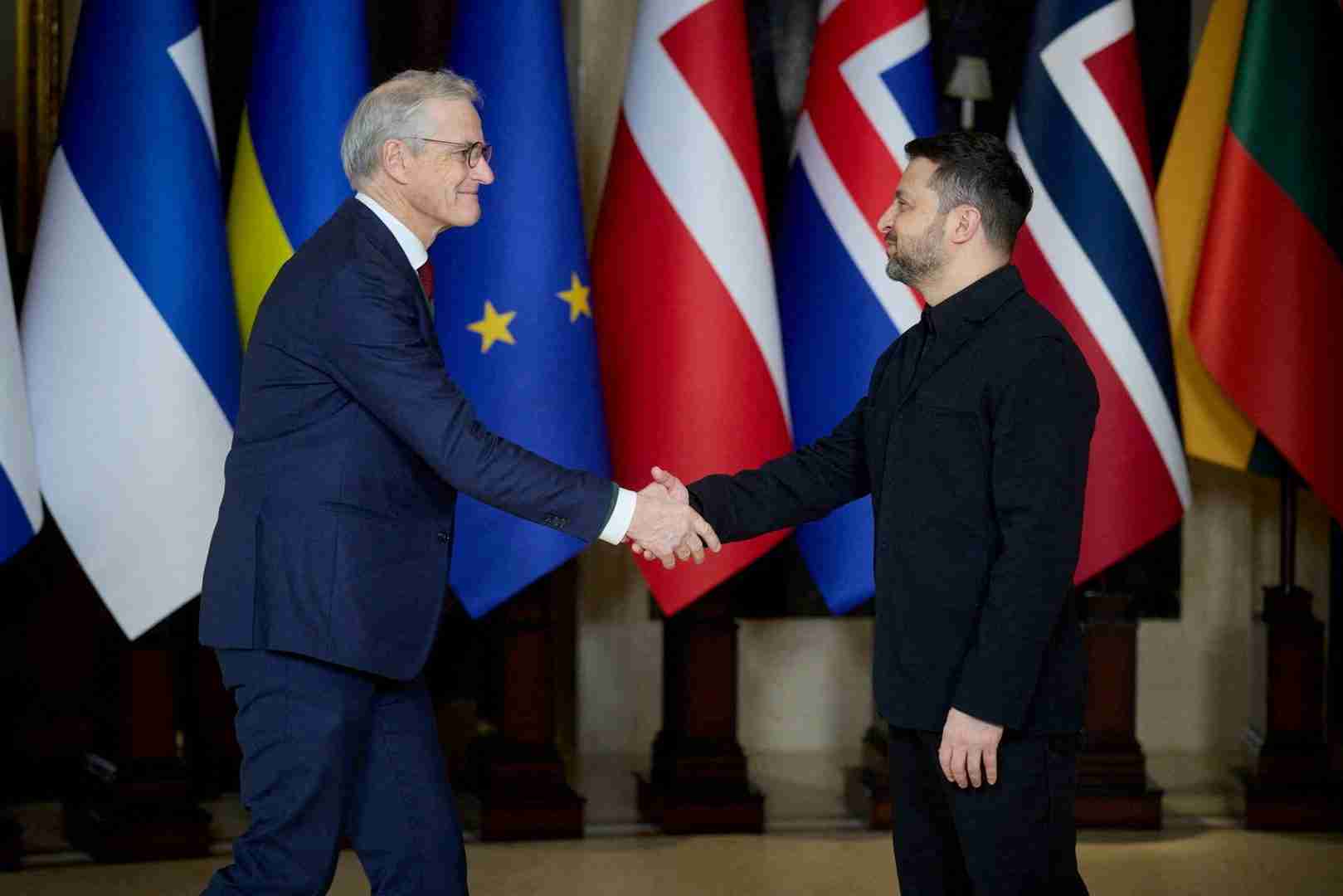
Norway plans to give another 85 billion Norwegian crowns ($9.2 billion) in financial support to Ukraine in the 2027 fiscal year, in line with the amount given in 2026, the Nordic country’s government said in a statement on Sunday.
Norwegian Prime Minister Jonas Gahr Stoere and leaders from across the Nordic and Baltic region are visiting Kyiv on Sunday in a show of support for Ukraine in the war with Russia.
Norway’s donation will be for both military and humanitarian spending, Stoere was quoted as saying in the text of a speech released by the government in Oslo.
“Supporting and rebuilding Ukraine is not assistance alone. It is an investment in Europe’s own security,” Stoere said.
In comments published on Saturday, Russian President Vladimir Putin said that Kyiv had opened a “Pandora’s box” with its strikes on Russian economic targets and that Moscow would hit back at Ukraine’s “most sensitive economic sectors”.
Russia and Ukraine are both ramping up drone campaigns aiming to cripple each other’s economic infrastructure, often striking targets far beyond the frontlines of the war started by Moscow, as fighting on the battlefield grinds toward the 4-1/2-year mark.
($1 = 9.2875 Norwegian crowns)
Reporting by Terje Solsvik; Editing by Emelia Sithole-Matarise
Trump’s threats to make Canada the 51st state and the whiplash from his tariff policy have spurred an outpouring of Canadian patriotism in Quebec, a province that regularly threatens to break away and has had two previous referendums on the issue
International News via Reuters:
When U.S. President Donald Trump levied 50% tariffs on Canadian steel in June last year, a steel factory in Canada’s mostly French-speaking province of Quebec lost about a third of its orders for bolts and fasteners in less than a week.
The factory owner – The Heico Companies – froze hiring, closed a plant in the region and laid off several dozen people, said David Jeannotte, an operations director, whose own brother lost his job. The cuts were part of 140 layoffs by the company, mainly in Quebec.
The factory’s troubles reflect broader anxiety over the fallout from Trump’s trade war in Quebec, which is due to hold a provincial election by October 5. But while some previous economic slowdowns in the province prompted an increase in separatist sentiment, polls show that this time around, support for an independent Quebec is at its lowest level in decades, at about 30%.
“As long as Trump will be in his chair, I don’t feel that we even need to talk about that,” Jeannotte said.
Others in the region are echoing Jeannotte’s concerns, saying the threat Trump poses to Canada means the best way to preserve Quebec’s unique French culture is to stay within Canada — at least for now.
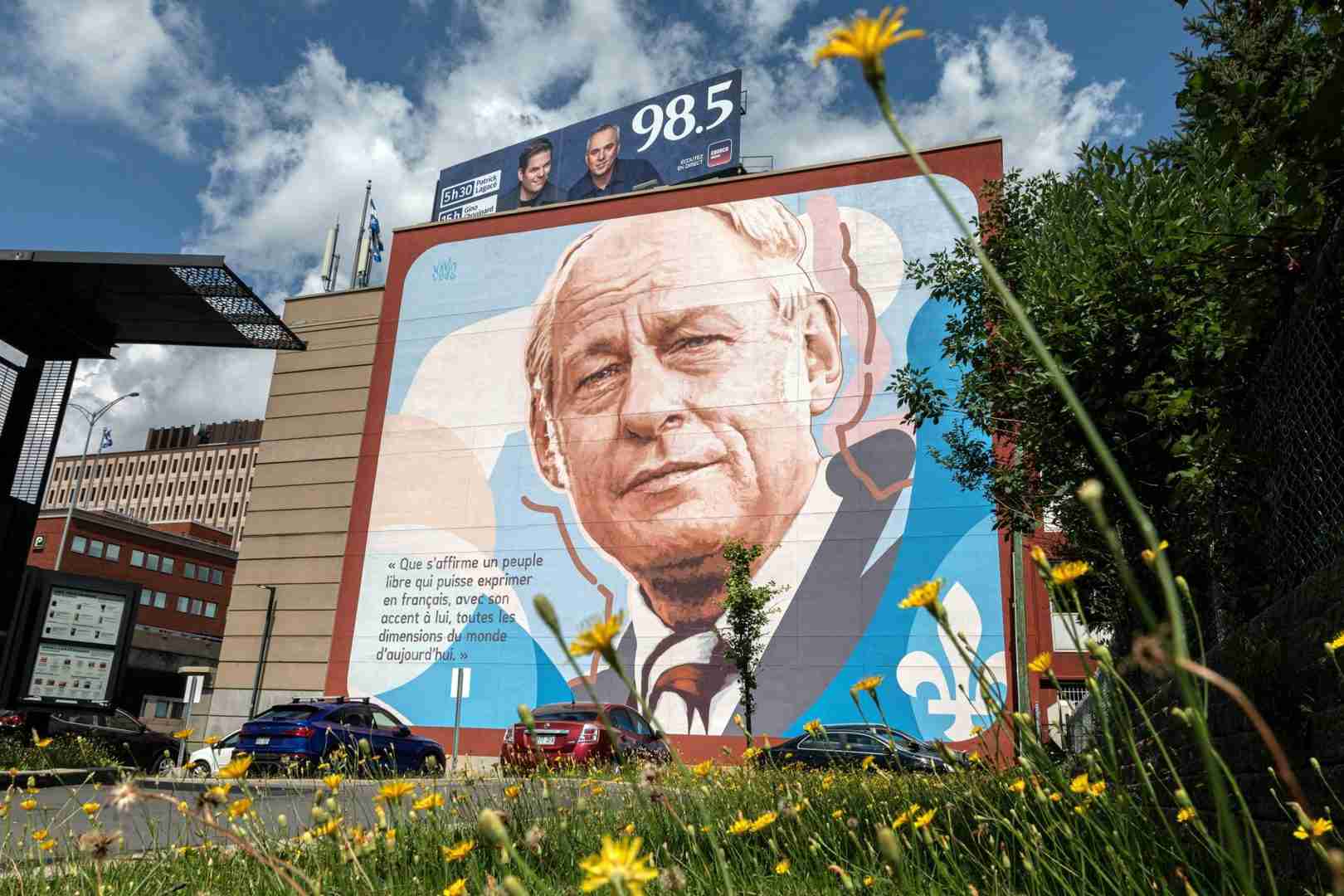
Trump’s threats to make Canada the 51st state and the whiplash from his tariff policy have spurred an outpouring of Canadian patriotism in Quebec, a province that regularly threatens to break away and has had two previous referendums on the issue.
As the country’s only majority French-speaking province, Quebec has a long-established separatist movement that argues independence from Canada is the best way to protect its distinct culture and language. Quebec has never formally signed the Canadian Constitution and separatists argue French Canadians are often overlooked by the English-dominated majority.
CAMPAIGN OF FEAR
The separatist Parti Quebecois currently holds a slim lead in provincial election polls and a win would mark the party’s return to power after a dozen years. But analysts say a vote for the party would be more about disappointment with the ruling party than an endorsement of the PQ’s independence platform.
While the PQ is committed to a third independence referendum if it wins, leader Paul St-Pierre Plamondon vowed that won’t happen while Trump is president, a tacit recognition of falling support for independence. Quebec narrowly voted to stay in Canada in a 1995 referendum, spurring a national reckoning that resulted in the federal government asking the Supreme Court to clarify the legal procedure for separation.
On Tuesday, Plamondon said in a post on X that deciding Quebec’s political fate “must not be hijacked by the upheaval of American politics, the outbursts of an unpredictable president or by a campaign of fear.”
The explicit acknowledgment of the risk Trump poses to Quebec’s independence movement aligns with a broader pattern in which the U.S. president’s policies and rhetoric, including his stance on Greenland, have undermined separatist causes elsewhere.
In both Scotland and Catalonia, efforts to break away from the United Kingdom and Spain have been complicated by uncertainty stemming from Trump’s tariff threats and criticism of NATO.
A delayed Quebec sovereignty vote would be one less headache for Liberal Prime Minister Mark Carney, who himself upended polls favoring the Conservatives to win a national election last year after promising to be a tough negotiator with Trump.
Carney faces another separatist movement in oil-rich Alberta, which has its own referendum scheduled for mid-October. While conservative Alberta’s burgeoning independence movement aligns with Trump’s brand of conservatism, Quebecers have largely supported the rest of Canada in pressing back against the U.S. president’s tariffs and threats of annexation.
“Postponing a referendum is unfortunately a choice we have to accept,” said Stéphane Bédard, a former interim leader of the PQ. “Quebec is stronger than it’s ever been, but the external factor of Trump has created a lot of insecurity, so we have to be realistic.”
Trump is more disliked in Quebec, arguably the country’s most progressive province, than anywhere else in Canada.
According to August data from the pollster Angus Reid, only 10% of Quebecers have a favourable view of the president, and even a deal to lower tariffs is unlikely to reverse public opinion.
“Trump represents everything that Quebec has fought against for the last 60 years in terms of creating a modern, progressive society,” said Jonathan Kalles, former Quebec adviser to ex-Prime Minister Justin Trudeau. Trump’s conservative policies as well as his administration’s comments that the province’s French language requirements are a “trade irritant” are both unpopular.
The financial impact from his policies is also strongly felt in Quebec and economists note the province is among the worst hit by Trump’s tariffs, given its concentration of industries like steel and aluminum.
A March report from the Bank of Montreal estimated Quebec’s economy would grow about 1% this year, compared to more than 2% for Alberta and Saskatchewan.
Jeannotte, of factory near Montreal, said that before Trump levied tariffs on Canadian steel, about 90% of its products were destined for the U.S., with its bolts used in New York’s Empire State Building. Jeannotte said some staffers work without pay on some days and others have voluntarily reduced their hours.
AT THE NEGOTIATING TABLE
Still, some Quebec separatists say independence remains critical, even now.
Marie-Anne Alepin, president of the separatist Société Saint-Jean-Baptiste de Montréal, said Carney’s decision to eliminate a tax that helps finance Canadian programming would cut funding for Quebec’s French-language productions, highlighting that as an example of why the province should become independent. Ottawa has pledged to replace the tax with government funding.
“Canada is not capable of defending Quebec’s interests,” Alepin said. “(Quebec) has to be at the negotiating table and to do that, we have to be a country.”
Vincent Rainville, a fourth-generation Quebec dairy farmer who owns more than 250 cows, disagreed, saying Trump’s policies have complicated efforts to strengthen Quebec’s economy and that a national response is required. Nearly half of Canada’s dairy farms are in Quebec.
“It’s not just Quebec, it’s all of Canada and all our industries that have been affected,” he said. “If I supported an independent Quebec, I would not want to talk about that policy now.”
Reporting by Maria Cheng; Editing by Caroline Stauffer and Deepa Babington
Minister praises historian after his lecture on incident involving a Bermudian slave ship
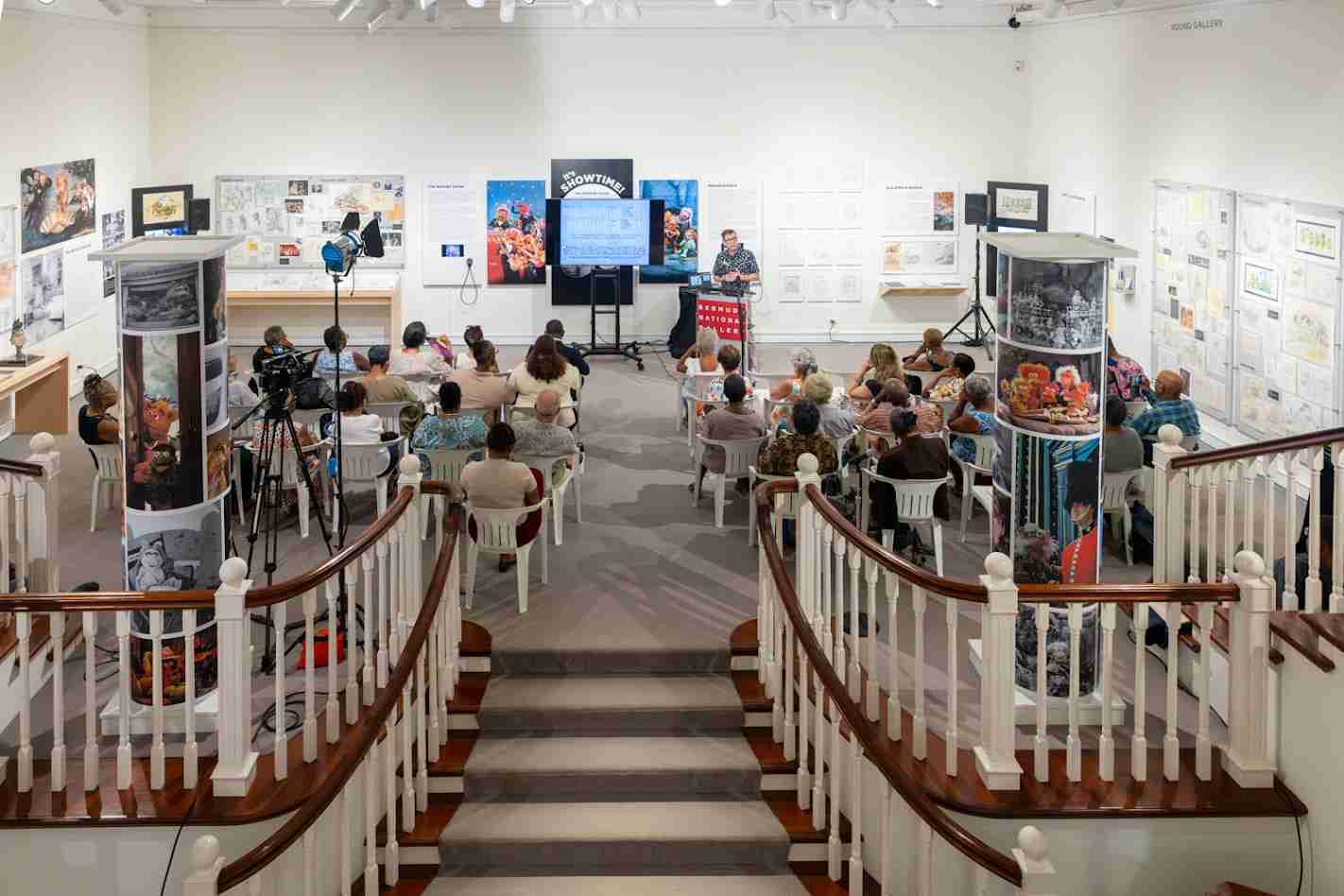
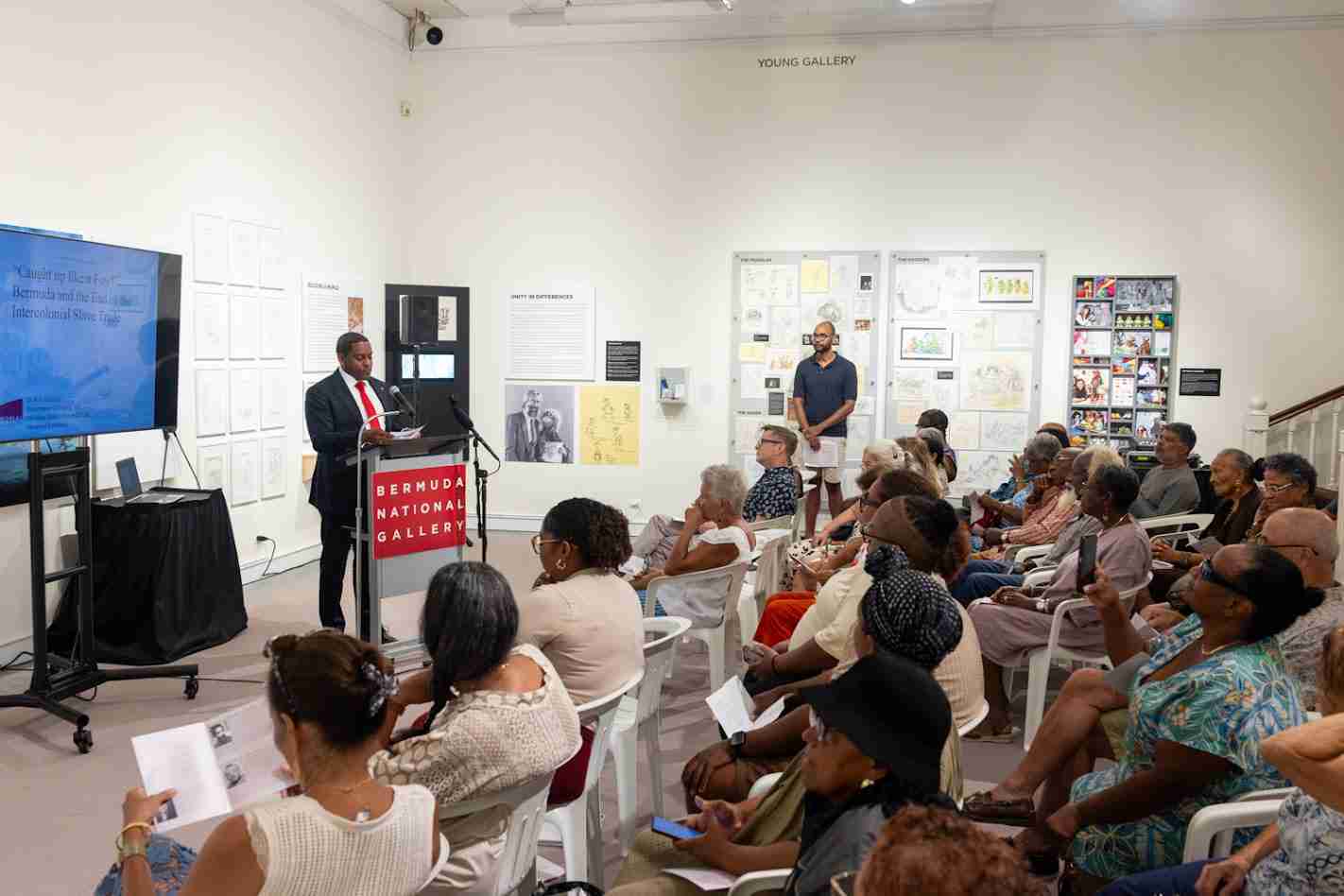
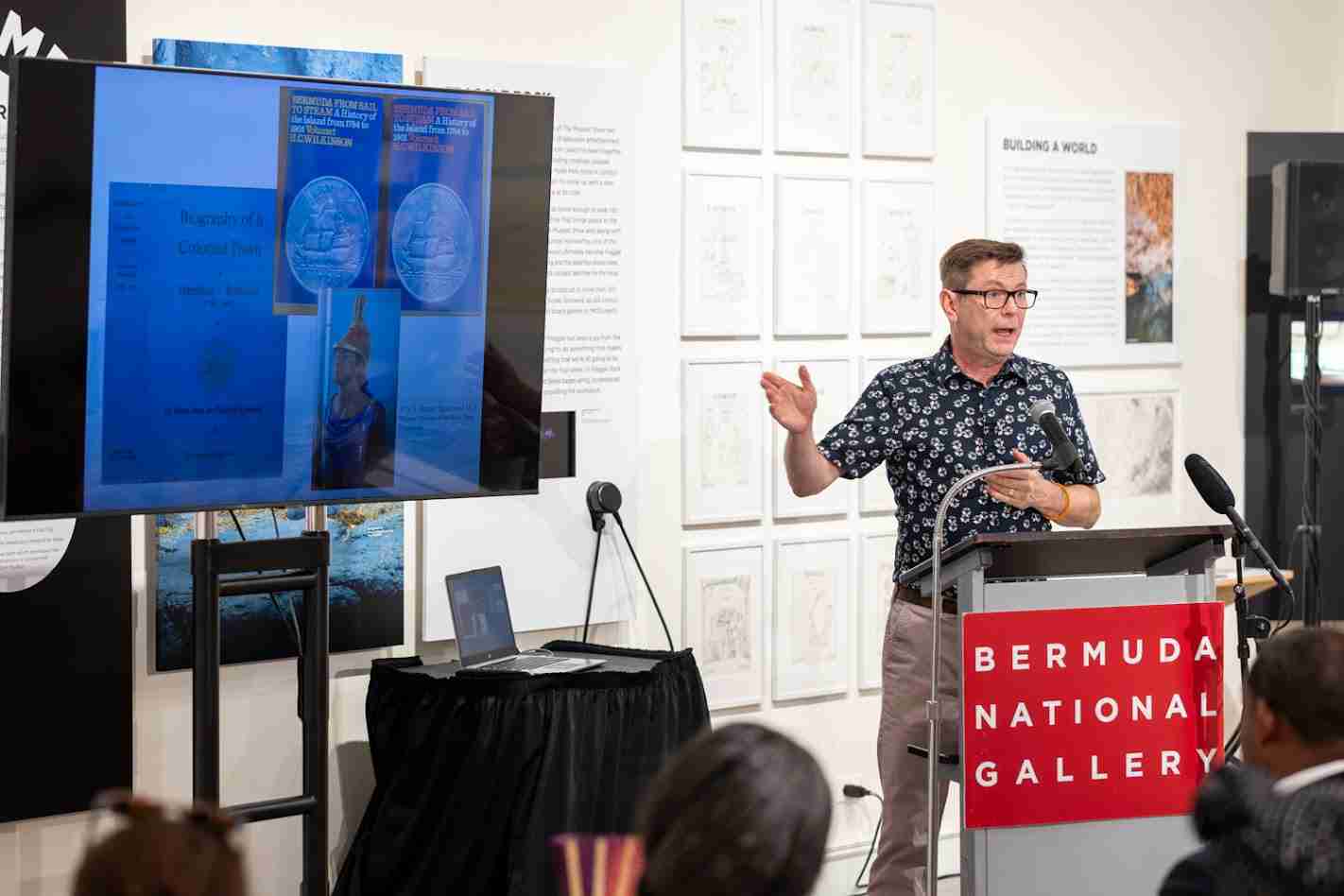
The Department of Culture held the 17th Annual Robinson/Packwood Memorial Lecture on August 18 at the Bermuda National Gallery, bringing together members of the community to reflect on Bermuda’s history and the importance of preserving and understanding the island’s past. This year’s lecture featured Dr. Neil Kennedy, Professor of Atlantic History at Memorial University in St. John’s, Canada. Dr. Kennedy’s presentation focused on a 1827 incident involving a Bermudian ship in the international slave trade, tracing its repercussions across the Atlantic and demonstrating how it influenced laws, policies, and discussions surrounding the intercolonial slave trade.
Minister of Tourism & Transport, Culture & Sport, the Hon. Owen Darrell, JP, MP, said, “Events such as the Robinson/Packwood Memorial Lecture remind us that understanding our history is essential to understanding who we are today. This annual event provides an important opportunity for us to deepen our knowledge of our shared past and consider the lessons it offers for our future.”
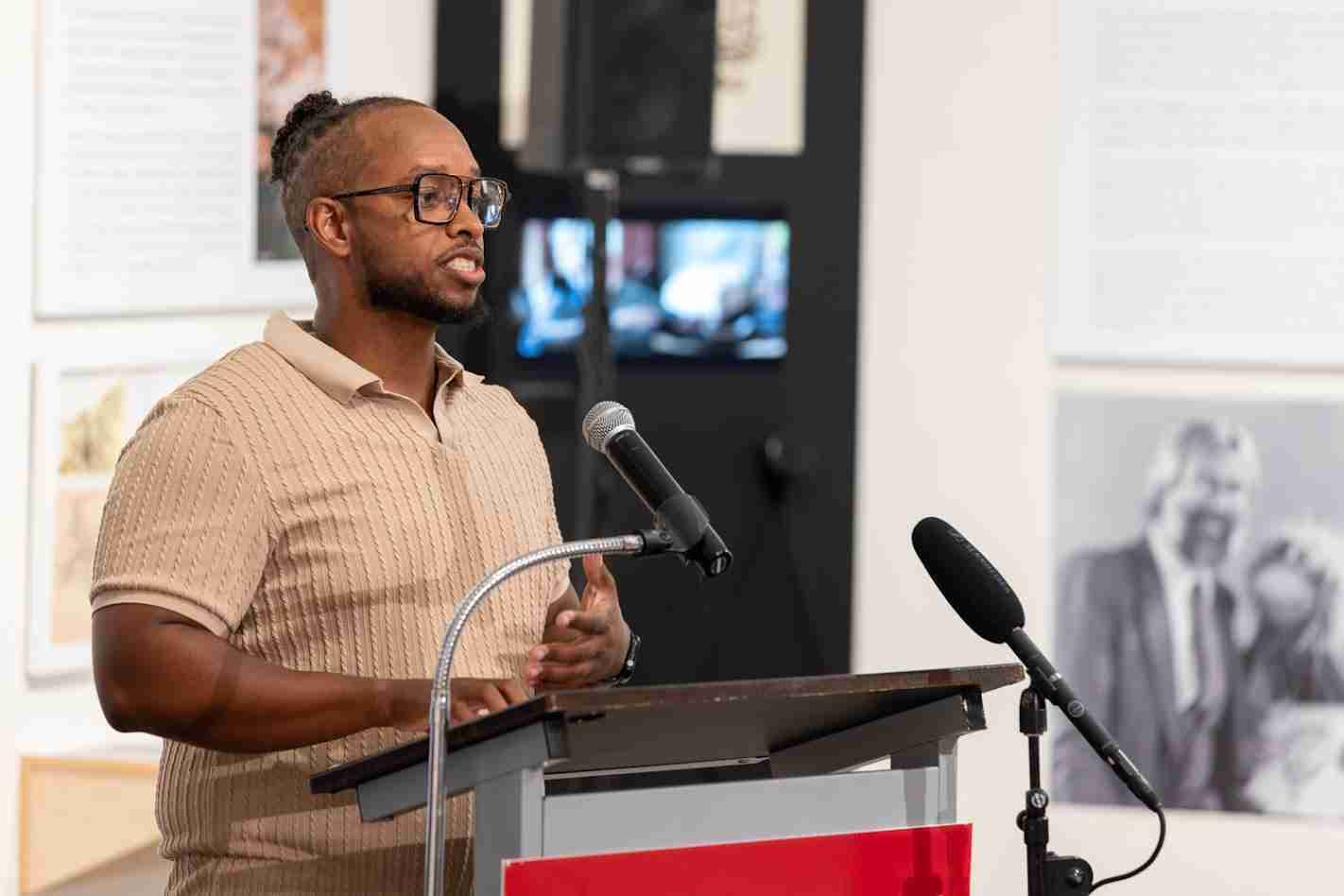
Dr. Kennedy has spent the past decade researching the history of slavery, resistance and emancipation in Bermuda, including archaeological and historical work at Hog Bay and Castle Island. His scholarship has been published in the Journal of Caribbean History and Slavery & Abolition. The event was hosted by Stephan Johnstone, while Matthew Johnston performed a piece of poetry as part of the programme.
The Department extends its appreciation to Dr. Kennedy, the speakers and performers who contributed to the evening, and to all those who continue to support the preservation and sharing of Bermuda’s history and cultural heritage.
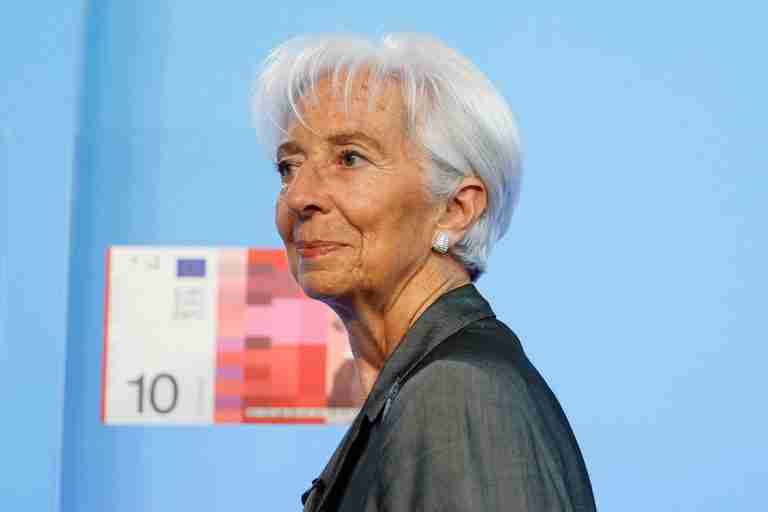
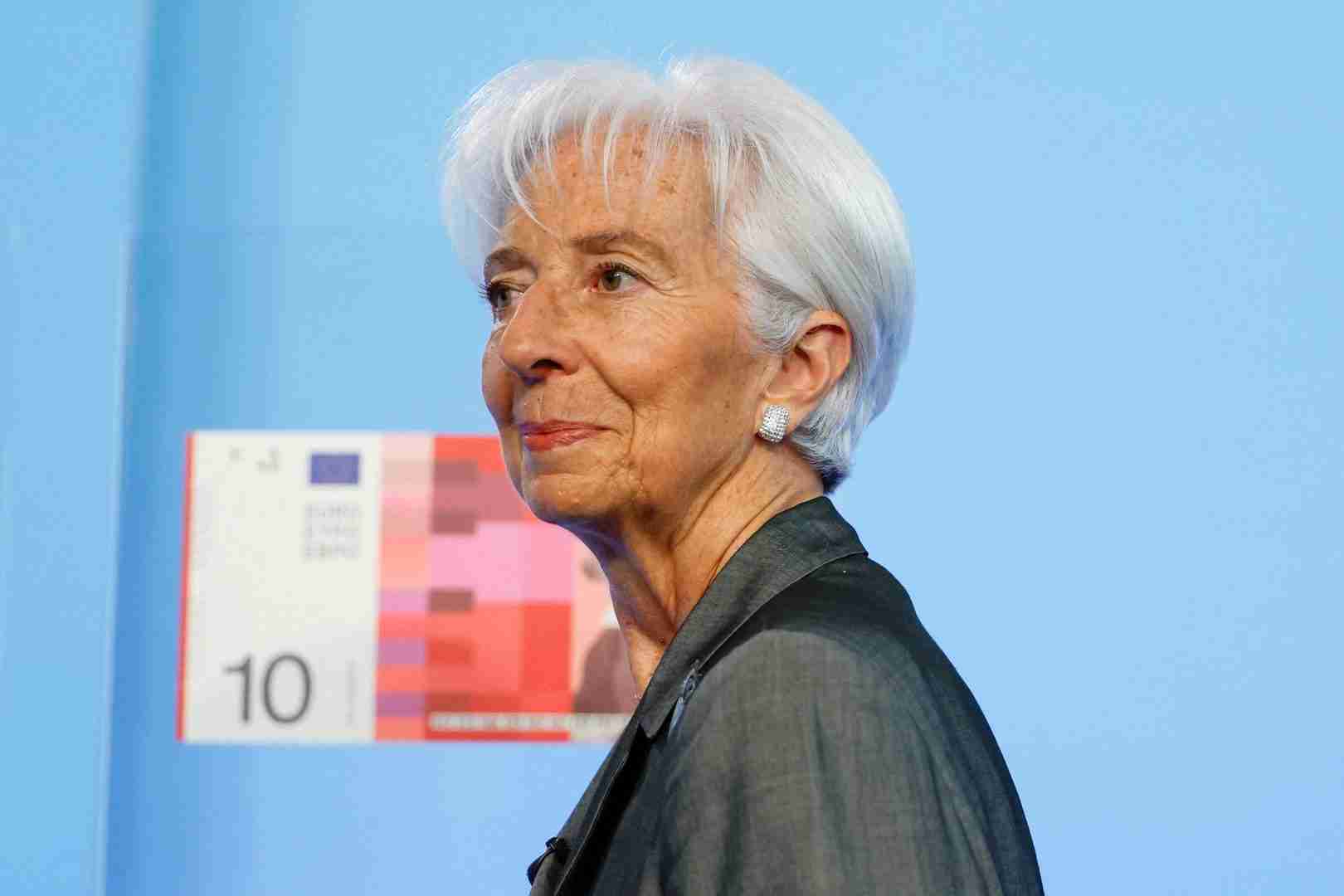
At a board meeting near Geneva this week, Lagarde was reportedly described as a “putative candidate” to lead the organisation behind the annual Davos gathering of political and business leaders
FILE PHOTO: European Central Bank President Christine Lagarde presents shortlisted designs for future euro banknotes at the ECB headquarters in Frankfurt, Germany, July 23, 2026. REUTERS/Heiko Becker/File Photo
International News via Reuters:
Christine Lagarde, chief of the European Central Bank, could take over the presidency of the World Economic Forum at some point in 2027, Swiss newspaper NZZ reported on Sunday.
At a board meeting near Geneva this week, Lagarde was reportedly described as a “putative candidate” to lead the organisation behind the annual Davos gathering of political and business leaders. According to sources cited by the newspaper, she also said she was “ready to serve”.
• The WEF’s board is currently co-chaired by Roche vice-chairman André Hoffmann and BlackRock CEO Larry Fink, who are navigating a leadership transition after founder Klaus Schwab stepped down last year.
• At the board meeting, Singapore’s President Tharman Shanmugaratnam said that the succession to Fink and Hoffmann should be resolved internally as suitable candidates were available, NZZ reported.
• Lagarde, who has been a member of the WEF’s board for several terms, thanked the members of the 28-strong body for their confidence in her, according to the paper’s reporting.
• The board did not determine exactly when Lagarde should take over the presidency, NZZ said, based on sources, adding that the only point of agreement was that Fink and Hoffmann should still chair the annual meeting in Davos in January 2027.
• The WEF did not immediately reply to a Reuters request for comment.
• Christine Lagarde said last year she was determined to complete her term at the ECB, following speculation she might leave early to take up a role leading the WEF. Her eight-year presidential term at the ECB runs out at the end of October 2027.
Reporting by Ariane Luthi;Editing by Elaine Hardcastle
Public meeting participants thanked as second phase of housing plan takes shape
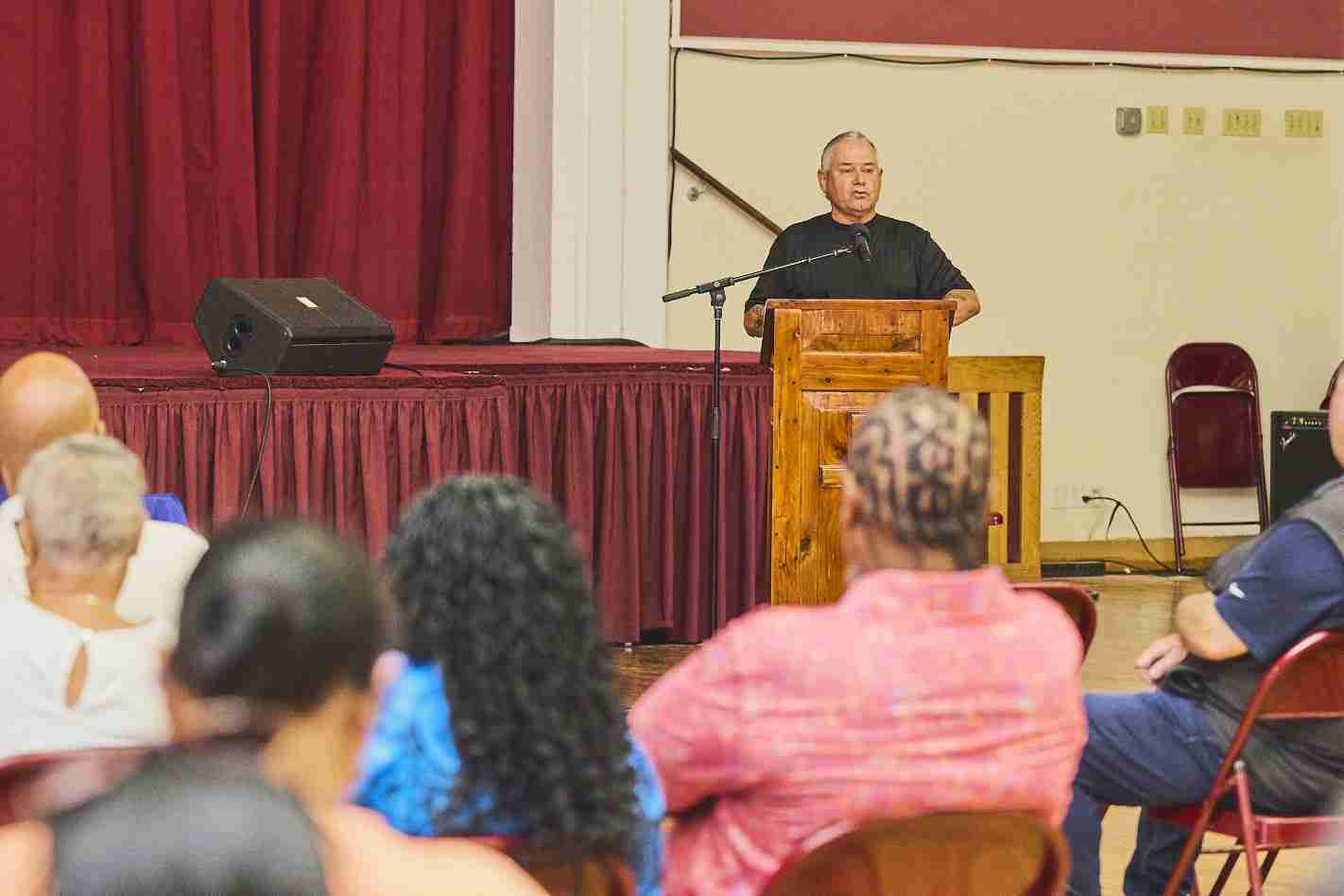
The Ministry of Housing and Municipalities thanks members of the public for attending the town hall meeting held on August 20 at St. Paul AME Centennial Hall to discuss the proposed Phase 2 affordable housing projects. The meeting provided an opportunity for residents and stakeholders to hear about the proposed developments and share their questions and feedback.
Minister of Housing and Municipalities, the Hon. Zane DeSilva, JP, MP, said, “I thank everyone who attended and contributed to the discussion. The feedback received is important as we continue to refine these projects and work towards delivering quality, affordable housing that meets the needs of our community.”
The Ministry will now continue with site investigations, technical assessments and design development to inform the next phase of the work. These efforts will help to further assess and refine the proposed developments across the identified sites.
The definitive plans for this second phase of affordable housing development will be announced no later than the end of September. The Ministry thanks the public for its continued interest and engagement as this important work progresses.
For Kymani Thomas, beginning college marks the start of an exciting new chapter. With support from the Hamilton Rotary Club, that journey will begin with one less financial burden and a community of mentors standing behind him.
The recent CedarBridge Academy graduate has been named the recipient of the 2026 Ted Crawford Scholarship, which will support his studies in Heating, Ventilation and Air Conditioning (HVAC) at Bermuda College.
The scholarship is valued at $15,000 for the first year of study, with the opportunity for renewal. The award will cover tuition, books and a laptop, providing Kymani with important resources as he begins his post-secondary education.
For Kymani, the scholarship provides welcome financial relief for his family while also allowing him to concentrate on developing the practical skills and experience needed for his future career.
“This scholarship will be a great relief to my family and me because we won’t have to stress so much about finding the money for tuition. I’m planning to work part-time to gain more experience. Thank you for giving me this opportunity.”
Kymani plans to combine his HVAC studies with part-time employment, giving him an opportunity to gain practical experience while completing his education.
The scholarship was presented by Hamilton Rotary Club President Sandra Dill, and Directors Dr. George Cook, Chair of Scholarship Committee
Continuing the Legacy of Ted Crawford
The Ted Crawford Scholarship honours the legacy of Ted Crawford, former Principal of the Bermuda Technical Institute, which became a formative part of what is today Bermuda College. His connection to technical and vocational education makes the scholarship particularly meaningful as Kymani prepares to pursue a skilled technical career.
“Education changes lives,” said Sandra Dill, President of the Hamilton Rotary Club. “When we invest in young people, we invest in Bermuda’s future. Kymani has demonstrated the determination and potential that this scholarship was created to recognize, and we are proud to support him as he begins this important journey.”
More Than a Scholarship
The Hamilton Rotary Club’s commitment to Kymani extends beyond financial assistance. The Club will provide ongoing mentorship as he navigates college, develops professionally and works towards his career goals.
Kymani has also agreed to participate in the Club’s community service projects, providing him with opportunities to give back to Bermuda while experiencing firsthand Rotary’s guiding principle of “Service Above Self.”
Supporting education, developing future leaders and strengthening Bermuda’s workforce remain important priorities for the Hamilton Rotary Club. Through initiatives such as the Ted Crawford Scholarship, the Club continues to invest in young Bermudians and create pathways for them to develop their talents, achieve their educational and career goals, and contribute to their community.
About the Hamilton Rotary Club
The Hamilton Rotary Club brings together business and community leaders committed to creating lasting change in Bermuda. Through community service, educational initiatives, scholarships, youth development and other programmes, the Club invests in people and communities while embracing Rotary’s motto, “Service Above Self.”
To provide the best experiences, we use technologies like cookies to store and/or access device information. Consenting to these technologies will allow us to process data such as browsing behavior or unique IDs on this site. Not consenting or withdrawing consent, may adversely affect certain features and functions.
Functional
Always active
The technical storage or access is strictly necessary for the legitimate purpose of enabling the use of a specific service explicitly requested by the subscriber or user, or for the sole purpose of carrying out the transmission of a communication over an electronic communications network.
Preferences
The technical storage or access is necessary for the legitimate purpose of storing preferences that are not requested by the subscriber or user.
Statistics
The technical storage or access that is used exclusively for statistical purposes.The technical storage or access that is used exclusively for anonymous statistical purposes. Without a subpoena, voluntary compliance on the part of your Internet Service Provider, or additional records from a third party, information stored or retrieved for this purpose alone cannot usually be used to identify you.
Marketing
The technical storage or access is required to create user profiles to send advertising, or to track the user on a website or across several websites for similar marketing purposes.