Thursday, November 5, 2026
Home Blog Page 133

OBA on road safety: What’s going to change?

Statement by Shadow Minister of National Security, Governance and Artificial Intelligence Jarion Richardson JP MP

The Government’s decision to bring Transport, National Security, the Bermuda Police Service and the Road Safety Council together for an urgent road-safety meeting is welcome. After twelve road deaths this year, and another weekend in which serious collisions again left families and first responders dealing with the consequences, it would be difficult for anyone to argue that the present position is acceptable. Government has now said publicly that the situation requires an “immediate, whole-of-government response”, including stronger enforcement and additional measures to reduce collisions.

That is an important change in tone, but it must now produce a change in action. An urgent meeting is useful only if something different happens because the meeting took place. The public therefore deserves to know, in reasonably short order, what was agreed, who has responsibility for delivering each measure and when those measures will be implemented. Government has used the word “immediate”; the next update should explain what that means in practice.

There are some straightforward questions that now require answers. Will the Bermuda Police Service increase traffic-enforcement deployments or enforcement hours, and from what current level? Will the automated speed-enforcement programme be accelerated, and when should the public expect the first cameras to become operational? What road-engineering, signage or hotspot interventions are being taken forward alongside enforcement? Will Government begin publishing regular collision, enforcement, impairment, serious-injury and fatality data so that the public can distinguish activity from actual improvement? Most importantly, what did Monday’s urgent meeting produce that was not already being done before it was called?

Those questions matter because Government has now accepted a central point the OBA has been making for some time: road safety cannot be reduced to personal responsibility alone. Every driver and rider has a duty to slow down, remain sober, obey the law and exercise good judgment. But Government has duties as well. It must provide effective legislation, sufficient enforcement, safer infrastructure, functioning public transport, modern administrative systems and consequences capable of deterring dangerous conduct. Road safety is a shared responsibility, but “shared” cannot mean that Government’s share is limited to asking the public to behave better.

This is also why I continue to press for the Road Traffic and Motor Car (Road Safety and Penalties) Amendment Bill. The Bill is not, and has never been presented as, a complete road-safety strategy. It is one legislative component of a much wider response. Government may disagree with particular penalties or mechanisms, and it is entitled to do so. Parliament has a Committee stage precisely so that Members can test provisions, amend them and improve the final law.

What concerns me is the suggestion that we must wait for every element of a wider strategy to be ready before taking forward measures that can be acted upon now. Bermuda does not have to choose between legislation and enforcement, or between cameras, education, better roads and stronger consequences. These are not competing options. They are parts of the same response, and Government is capable of advancing more than one of them at the same time.

The perfect cannot become the enemy of the good while people continue to be seriously injured and killed. Complexity is a reason to organise the work properly; it is not a reason to postpone the work. After years of warnings, repeated announcements and worsening outcomes, delay can no longer be presented as caution or prudence.

The Government now has an opportunity to demonstrate that its urgent meeting marks a genuine change in approach. I welcome practical measures that save lives, whether they originate with Government, the Opposition, the police or the Road Safety Council. But the public should be able to see what was decided, who owns each commitment, when it will happen and whether it is working.

With twelve road deaths already recorded this year, the question is no longer whether Bermuda has a road-safety problem. Government itself has now acknowledged the urgency. The question is what will be done differently because of that acknowledgement, and how soon the public will see the result.

‘People have nothing to fear’

When we asked islanders why so many people drove too fast for our roads, a consensus emerged: Lack of a strong deterrent

As concerns rise about the volume of and seriousness of collisions on our roads, we sought public opinion on one of the main causes – too much speed.
Kendal Trott went into Hamilton to ask islanders – what is the main reason why people drive too fast for our roads?

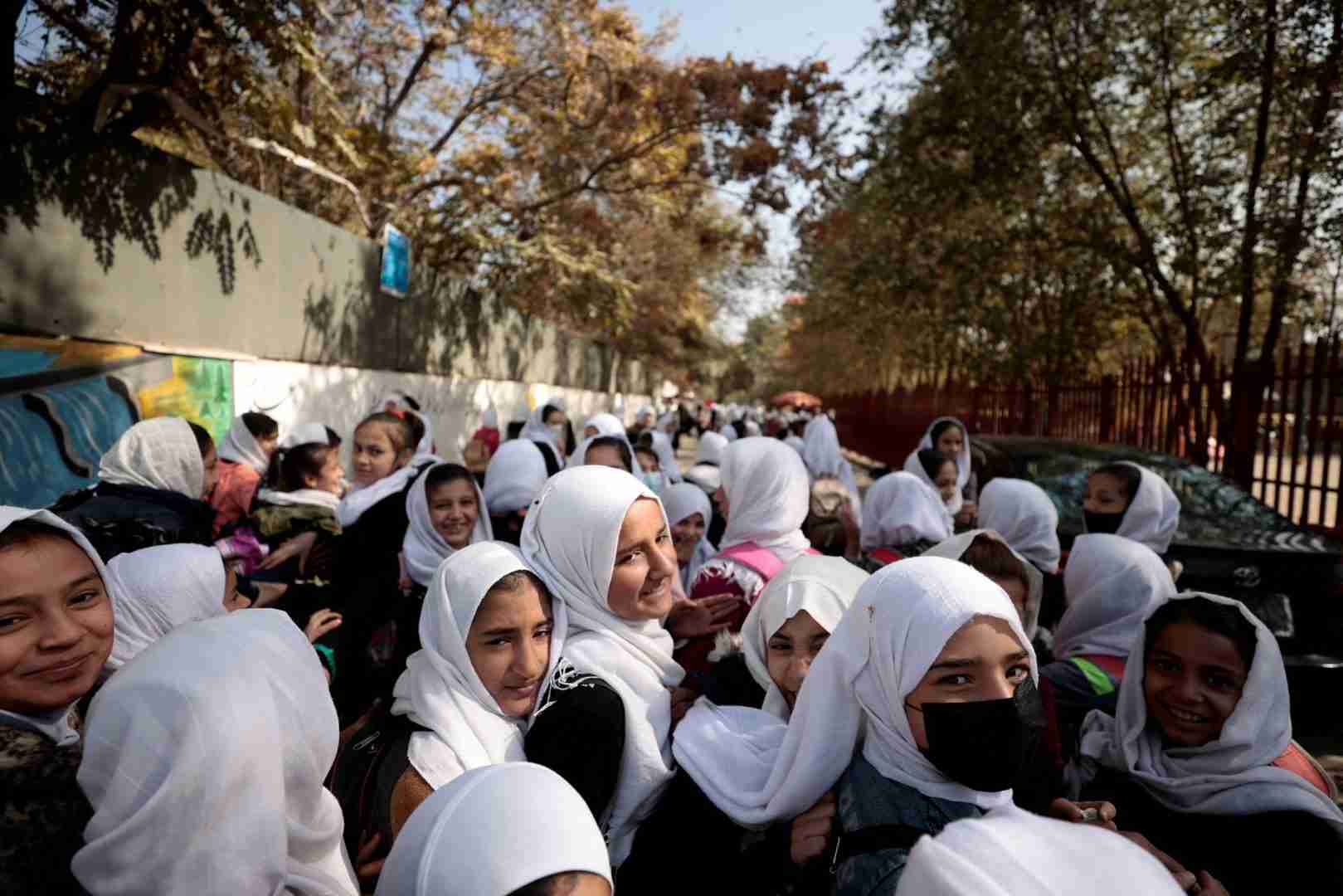
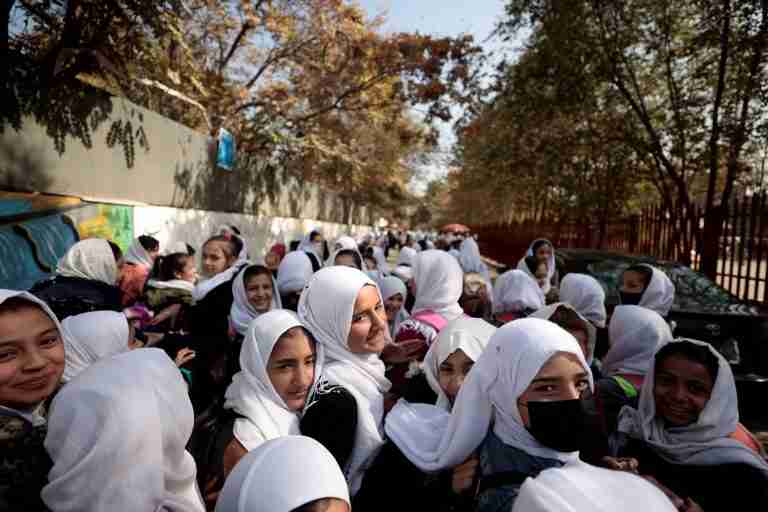
Limits on women’s education in Afghanistan will likely further weaken school quality, UNESCO says

Five years after the Taliban returned to power, about 2.4 million girls in Afghanistan are unable to attend secondary school, while more than 2 million primary school children are out of school

International News via Reuters:

Restrictions on women pursuing higher education in Afghanistan are expected to exacerbate a shortage of female teachers, further diluting education quality in a country where millions of children are already unable to attend school, UNESCO said on Wednesday.

• Five years after the Taliban returned to power, about 2.4 million girls in Afghanistan are unable to attend secondary school, while more than 2 million primary school children are out of school, the UN education agency said.

• Women have been banned from universities since December 2022, reversing nearly two decades of progress in girls’ education, and are barred from teaching boys.

• UNESCO estimates Afghanistan will have a deficit of more than 11,000 qualified female teachers by 2030.

• “Many teachers have left the country … and those who were in the system are banned from continuing teaching,” Hoda Jaberian, the UNESCO programme coordinator for education in emergencies, said in a briefing.

• “This decision to ban women from teaching boys has not only, of course, removed a substantial number of qualified teachers and educators from the education system, but it also resulted in boys being taught by unqualified male teachers,” Jaberian added. “We are left with unqualified male teachers or no teachers at all.”

• UNESCO said over 90% of 10-year-olds cannot read a simple text, with national literacy rates at 37%.

• Many schools are overcrowded and poorly equipped. Nearly half of schools lack water, sanitation or heating, UNESCO said.

• In 2025 alone, some 3 million people returned to Afghanistan, either forced or voluntarily, placing further pressure on the schools, and since 2021, natural disasters including earthquakes and floods have forced the closure of 1,000 schools, UNESCO said.

• Afghanistan is the only country in the world to formally bar girls and women from accessing education after primary school.

• UNESCO estimates that the ban on female education could cause 600,000 Afghan women to leave the workforce by 2066, cause $9.6 billion in cumulative income losses and increase the risk of early marriage.

• The Taliban took power again in Afghanistan in 2021 after U.S. troops withdrew from the country.

Reporting by Lewis Macdonald; Writing by Makini Brice; Editing by Toby Chopra

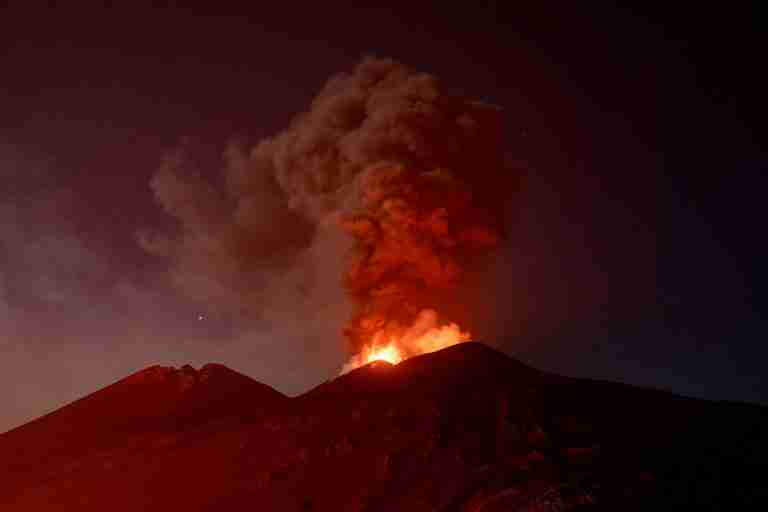
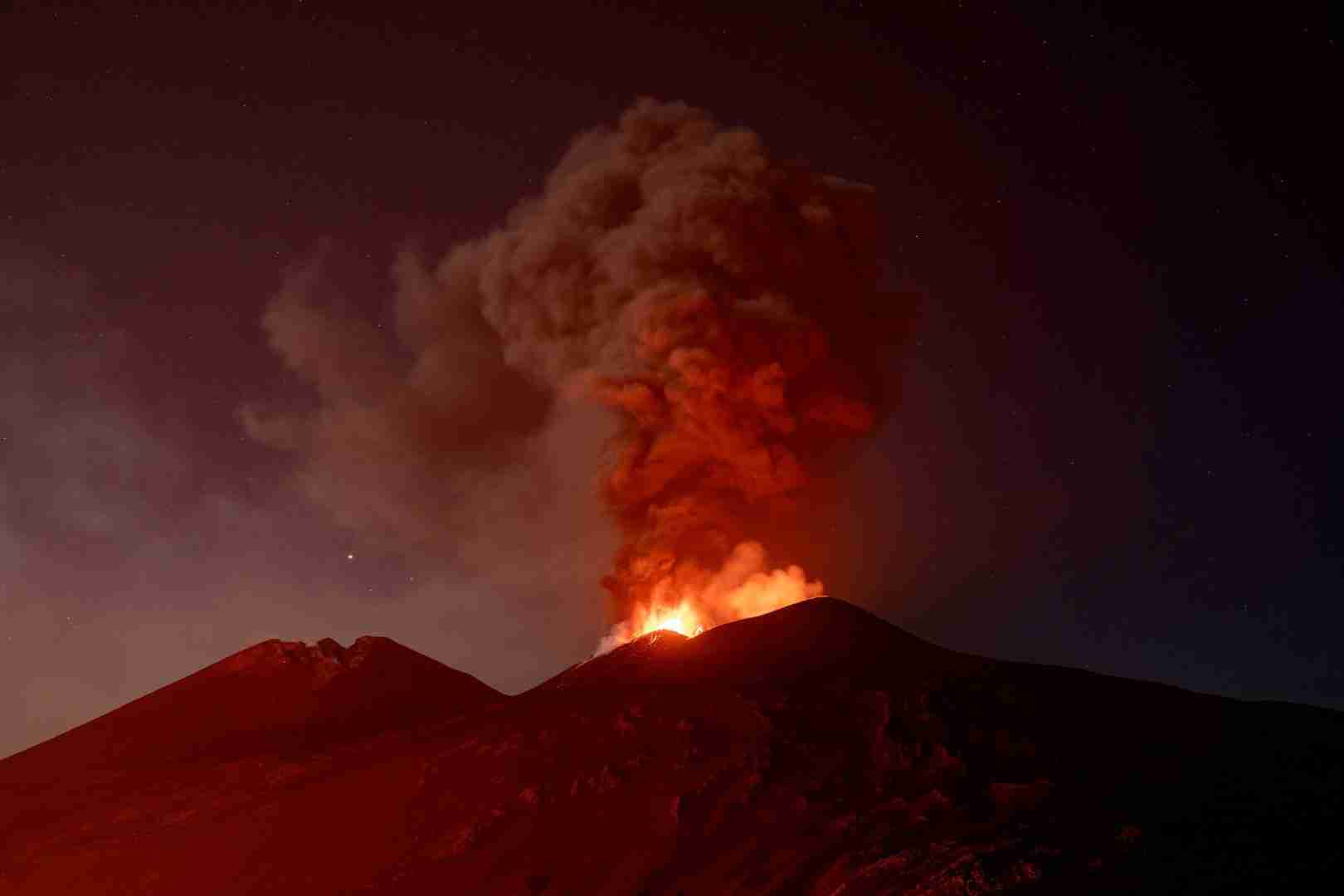
Ash cloud from Sicily’s Mount Etna volcano disrupts Malta flights

A spokesperson said 19 flights had been cancelled by mid-afternoon on Tuesday and several other flights had been significantly delayed

International News via Reuters:

An ash cloud from Sicily’s Mount Etna volcano drifted over Malta on Tuesday, forcing airlines to cancel some flights to the Mediterranean island at the height of the tourism season.

“We’re currently experiencing flight disruptions due to volcanic ash clouds over the Maltese Islands following recent activity at Mount Etna,” Malta International Airport said in a Facebook message.

A spokesperson said 19 flights had been cancelled by mid-afternoon on Tuesday and several other flights had been significantly delayed.

Malta airport is some 220 km (140 miles) south of Mount Etna, the most active volcano in Europe, which started erupting again last week, forcing the closure of Sicily’s main airport in the city of Catania for several days. 

Catania airport, Italy’s fifth busiest by passenger traffic, said on Tuesday it had extended the halt to all arrivals and departures until 11:00 a.m. (0900 GMT) on Wednesday.

Passengers with flights scheduled both out of Catania and Malta were advised to check the status of their journey before travelling to either airport.

Reporting by Chris Scicluna and Crispian Balmer; Editing by Jan Harvey

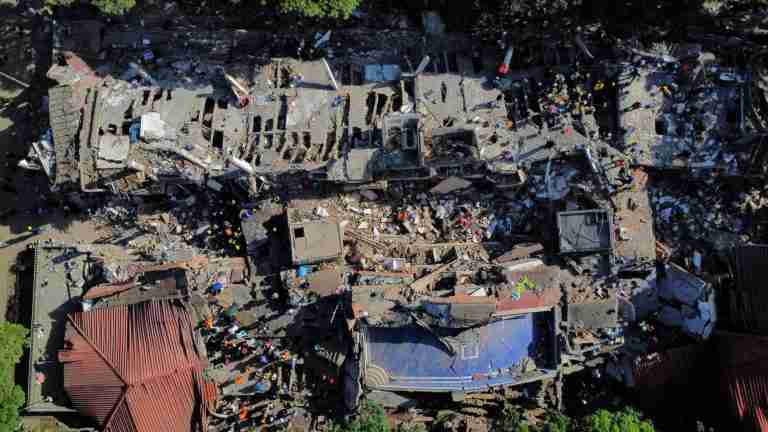
Colombia quake death toll tops 200 as rescuers race to find survivors

The 7.4-magnitude earthquake, the most powerful to strike the South American country in decades, tore through Colombia’s coffee-growing heartland early on Monday, leaving apartment blocks, homes, schools and health centers cracked, leaning or flattened

International News via Reuters:

Rescue crews dug through mountains of shattered concrete in western Colombia on Tuesday, racing to find survivors after a powerful earthquake killed more than 200 people, according to estimates from local authorities.

Families waited beside the rubble for signs of life.

The 7.4-magnitude earthquake, the most powerful to strike the South American country in decades, tore through Colombia’s coffee-growing heartland early on Monday, leaving apartment blocks, homes, schools and health centers cracked, leaning or flattened.

In the hardest-hit cities, rescuers worked through the night with cranes, excavators and, at times, their bare hands, cutting through twisted steel and passing buckets of debris in desperate searches for those still trapped.

“We are … focused on the immediate task of saving lives, guaranteeing the arrival of rescue teams, bringing in medical supplies and field hospitals,” Interior Minister Rodrigo Lara told Blu Radio.

The U.N. humanitarian office OCHA, citing official figures as of Monday night, said 126 people had been confirmed dead and 1,495 injured. But local estimates on Tuesday put the toll around 224, pointing to a disaster still unfolding as crews reached damaged neighborhoods and communications slowly came back online.

Almost 5,000 homes were damaged, while dozens of buildings collapsed and hundreds of residences were destroyed, OCHA said.

In Cali, residents gathered in the streets after parts of homes and apartment blocks gave way. Families cooked outside, salvaged what they could and braced for another day away from home. Several of the top floors of one of the city’s hospitals — some dedicated to pediatric care — collapsed, leaving some patients trapped and 600 others tended to on a street strewn with rubble, Irne Torres Castro, the hospital’s director, told Caracol television.

In Pereira, one of the cities hit hardest, whole sections of residential neighborhoods were reduced to broken slabs of concrete and exposed rooms. Residents and volunteers formed human chains, while others stood silently nearby, listening for tapping sounds or cries from below.

“They’ve already pulled several people out, some alive and some dead. I still can’t believe it — yesterday at this same time I said hello to them, and today they’re gone. It’s very painful,” said Fernanda Gaviria, 33, speaking from a grocery shop opposite a collapsed building.

Gaviria said she spent the night sleeping in a park after her own apartment building was badly damaged.

The earthquake also knocked out vital infrastructure. Civil aviation authorities closed six airports — Quibdo, Pereira, Manizales, Armenia, Cartago and Buenaventura — due to damage, while dozens of roads were reported to be affected.

Electricity, water, healthcare and phone service remained disrupted in several areas, especially in Choco near the epicenter, complicating rescue efforts and aid delivery.

Authorities activated command centers as emergency workers, volunteers and humanitarian agencies rushed in shelter supplies, drinking water, hygiene kits, food and medical support.

International assistance was beginning to arrive. The United States said it had allocated $15.5 million for emergency shelter, food, protection and damage assessments, while the Inter-American Development Bank said it had made $50 million immediately available for reconstruction support if requested by the government.

With communications still patchy in some of the worst-hit areas, officials said the full extent of the damage and the final death toll could take days to establish.

Reporting by Nelson Bocanegra in Pereira, Colombia and Luis Jaime Acosta and Julia Symmes Cobb in Bogota; Writing by Iñigo Alexander, Isabel Teles and Kylie Madry; Editing by Lincoln Feast, Paul Simao, Rod Nickel

French press body asks competition watchdog to take action over Google AI

The group has called on the regulator to make a decision similar to that which ordered Meta to put forward a payment plan and resume talks with traditional media seeking fees for the use of their content by AI tools

International News via Reuters:

A French press association has asked the country’s competition watchdog to take action against Google’s artificial intelligence-generated article summaries, which the trade group says deprive newspapers and magazines of readers.

The group has called on the regulator to make a decision similar to that which ordered Meta to put forward a payment plan and resume talks with traditional media seeking fees for the use of their content by AI tools.

The Alliance of General Information Press, which represents French newspapers and magazines, opposes the recent rollout of AI-generated article summaries by Google without consultation, the alliance said in a statement.

Google did not respond immediately to a request for comment. 

Four years ago the competition watchdog forced Alphabet’s Google to pay for using French press articles on its platforms, including its search engines.

Google was fined €500 million ($576.8 million) after the copyright dispute. 

“The unilateral deployment of new uses of press content, without prior authorisation or dedicated remuneration, disregards these commitments,” the alliance said, adding that the communications regulator, Arcom, has estimated traffic on their sites has fallen by between 33% and 38% because of AI-generated summaries.

“The fact that AI is built upon media content means one single thing: this information has considerable value,” Marc Feuillee, the alliance’s president, said in the statement. Publishers demand this value is shared, he added.

($1 = 0.8669 euros)

Reporting by Inti LandauroEditing by Sudip Kar-Gupta and David Goodman

Consulate reaffirms that visa-free travel is controlled by the U.S. Government 

Statement notes visa-free travel is governed by U.S. policy and may be revised over time

Media Release:

In response to recent questions from the public regarding Bermudians’ visa-free travel to the United States and what might impact that status, the U.S. Consulate offers the following statement.

Decisions regarding visa requirements for foreign nationals seeking to travel to the United States are made by the U.S. government. Citizens of the British Overseas Territory of Bermuda traveling to the United States on valid, unexpired Bermudian passports generally do not require nonimmigrant visas as temporary visitors. This exemption does not apply to individuals with ineligibilities under the U.S. Immigration and Nationality Act.

Visa-free travel for Bermudians to the United States is governed by current U.S. policy, rather than a bilateral agreement with Bermuda or the United Kingdom. Currently, only nationals of Canada and Bermuda enjoy this visa-free travel privilege. As circumstances evolve in Bermuda and countries around the world, U.S. policy decisions on visa requirements can be revised.

In addition, Bermudians traveling to the United States on UK passports may apply for an Electronic System for Travel Authorization (ESTA) or U.S. visa, as appropriate.

Additional information about visa exemptions for Bermudians and ineligibilities is available on the U.S. Consulate’s website: https://bm.usconsulate.gov/visa-exemptions-for-bermudians/

Thai PM suspends firearm purchase licences after school shooting

Anutin directed a deputy prime minister overseeing legal affairs to expedite a new gun control law, with stronger controls and significantly harsher penalties

International News via Reuters:

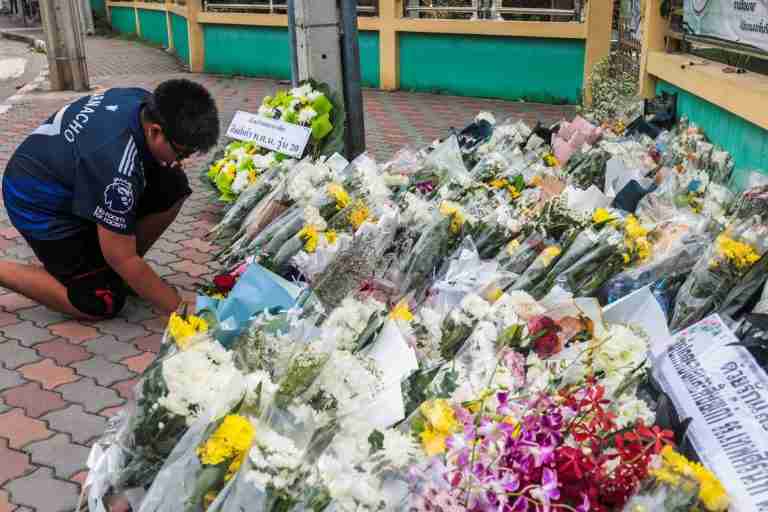
Thai Prime Minister Anutin Charnvirakul on Tuesday suspended the issuance of permits to buy firearms and said existing licences would be reviewed, days after a 14-year-old gunman killed nine people.

• Anutin directed a deputy prime minister overseeing legal affairs to expedite a new gun control law, with stronger controls and significantly harsher penalties.

• Police were ordered to stop renewing permits that enable people to buy firearms.

• Registered firearms must be kept at home and cannot be carried in public, Anutin said, reiterating the current law.

• For illegal firearms, studies are underway to enact legislation requiring their return to the state within a specified period, he said.

• Last week, a teenage student killed six people and himself at a school outside Bangkok after fatally shooting his grandparents in the Southeast Asian nation’s worst mass killing in nearly four years.

• Thailand had an estimated 10.3 million firearms in civilian possession, equating to around 15 guns per 100 residents, the highest rate in the region by a wide margin, according to a 2017 estimate by the Small Arms Survey.

• The education minister proposed new school safety measures to cabinet, including screening everyone who enters education premises for illegal objects and weapons.

Reporting by Chayut Setboonsarng and Panarat Thepgumpanat, Editing by John Mair

US fuel sales to Cuban business bring a glimpse of capitalism to Havana

Oil shipments from Cuba’s traditional suppliers Venezuela and Mexico ended abruptly after the U.S. ousted Venezuelan President Nicolas Maduro in January. U.S. Coast Guard cutters patrol the waters off Cuba

International News via Reuters:

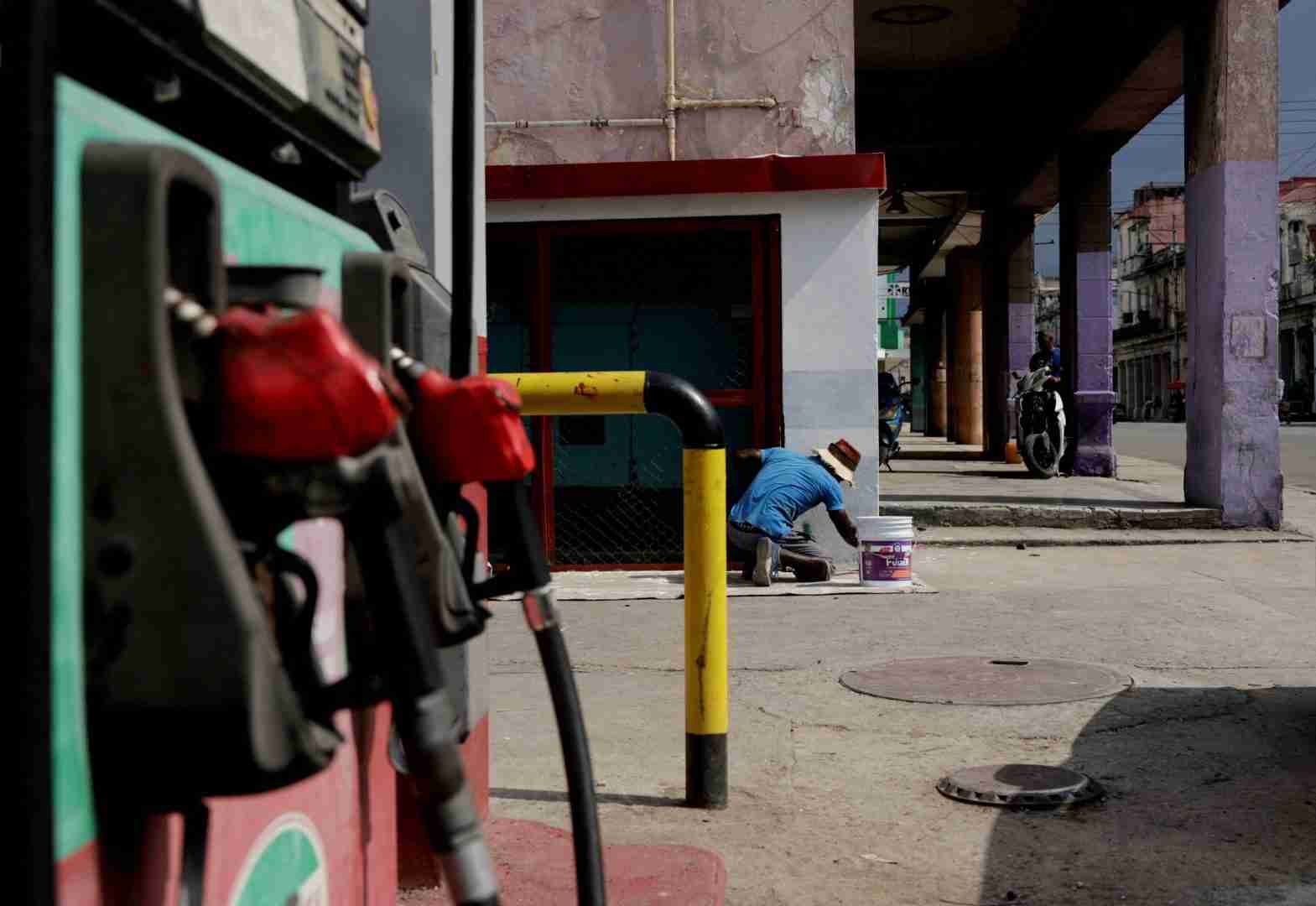
Gasoline at $38 a gallon sold from cramped apartments. Diesel hawked on Instagram by a celebrity model to a reggaeton soundtrack. Six decades after Fidel Castro’s revolution, all of a sudden, capitalist cracks are appearing in Cuba’s communist energy sector. 

Under Washington’s crippling oil embargo against Cuba, an exception that allows U.S. firms to export fuel to private Cuban businesses has kickstarted a chaotic black market and pried the lid off an energy sector tightly controlled by the state ever since Dwight Eisenhower was in the White House.

Oil shipments from Cuba’s traditional suppliers Venezuela and Mexico ended abruptly after the U.S. ousted Venezuelan President Nicolas Maduro in January. U.S. Coast Guard cutters patrol the waters off Cuba, while sanctions and threats have dissuaded tankers from even setting sail. 

The embargo has hobbled essential state-run services like the healthcare system, public transport and schools. But under the Commerce Department exception, a trickle of gasoline and diesel is reaching private restaurants, retailers and taxis, the first significant landings of U.S. fuel on the Caribbean island since Castro nationalized refineries after the 1959 revolution.

Reuters could not determine which U.S. companies are shipping fuel to Cuba, but there is no sign major oil traders are involved. 

Some is resold on the black market, allowing those who can afford it to keep gas in their tank and in home generators, blunting the impact of a collapse in public transport, the rolling blackouts, and, by powering home pumps, the country’s faltering water distribution system.

While providing some relief, the new system is sharpening wealth disparities. On a recent July afternoon in Havana, Amarilis Sanchez, 53, waited for hours at a bus stop. She’d come to celebrate her daughter’s birthday but now had little faith that the bus to return home, which normally cost 2 pesos, would ever arrive.

Across the street, dozens of taxi drivers leaned against antique cars. Ismael Coutiño, one of the drivers, said he could take Sanchez, but the trip would cost 1,000 pesos, he explained, 500 times as much as the bus, because of the black market price of gasoline and diesel, which many Cuban vehicles run on. 

For Sanchez, who does not have a paid job, that was far out of reach. She said her plan was to sit there until it grew dark and, if the bus never arrived, sleep at her daughter’s house and wait for the bus again the next day.

BACKROOM DEALS AND SOCIAL MEDIA ADS

While only enough to fulfill the country’s energy needs for about nine days, the 900,000 barrels of U.S. fuel imported from February to May have opened the door to big changes, Reuters reporters found during visits to black market distribution sites and legal wholesalers, and in conversations with business owners, economists, diplomats and sanctions experts.

When the national grid collapsed shortly before 11 p.m. one Sunday evening this month, Havana was plunged into darkness, but a few restaurants and shops were lit up — thanks to generators running on imported fuel. A thriving resale market has bloomed in plain sight. 

On another day, at a convenience store in central Havana stocked with soda, beer and crackers, customers shot pool on a table in the entryway. In the large backroom, the shopkeeper stores another product: a dozen 20-liter tanks of gasoline, which she retails at $5 a liter ($19 a gallon). 

Inside a nearby tenement building, a man who advertises gasoline on Facebook hoards it in his small apartment despite the risks of fire, explosions and toxic fumes. WhatsApp groups dedicated to illegal fuel sales have proliferated. 

Black-market prices peaked at an eye-watering $10 a liter ($38 a gallon) this spring before easing as the volume of imports grew.

Seeking to avoid paralysis from the oil blockade, the government authorized private businesses to import fuel for their own use for the first time in February.  

In June, Cuban lawmakers approved a sweeping package of economic reforms that would open up the energy sector to private and foreign investors. While this package hasn’t been implemented in full, by late July, nearly 200 Cuban businesses had received permission to carry out wholesale fuel distribution to other private companies.

In a viral social media advertisement for one such company, a model known as the ex-girlfriend of a famous Cuban reggaeton artist struts through a warehouse filled with industrial bulk containers of diesel as Daddy Yankee’s hit song “Gasolina” plays in the background. 

A spokesperson for the company behind the ad, A Granel, said it only sells to other registered private businesses. It charges $2.50 a liter for a 940-liter tank.

CUBA’S GAS STATIONS UP FOR GRABS?

Even more significantly, Cuba has approved the first foreign investment venture dedicated to importing and selling fuel on the island, Prime Minister Manuel Marrero Cruz said in late July. He did not identify the company involved.

Cuban law restricts companies from reselling imported fuel without explicit authorization. Despite the reforms, which indicate private businesses may soon be able to run some of the state’s distinctive red and green Cupet gas stations, Cuba has so far not approved any retail sales. 

Some state-operated gas stations now store U.S. fuel that they can disburse only to vehicles registered to specific private businesses, said Oniel Diaz, founder of Havana-based consulting company Auge.

Cuban authorities did not respond to requests for comment. On July 29, President Miguel Diaz-Canel denounced what he called Washington’s “genocidal siege” of the island. Economic reforms were not undertaken to please the United States, he said, vowing no “massive privatization of national assets.”

In response to Reuters questions, State Department Spokesperson Tommy Pigott said Washington recognized “the significant humanitarian needs” of Cubans, while accusing Cuban officials of incompetence and diverting resources, without providing evidence.

He said private businesses, NGOs, and diplomatic missions can and do import fuel, mostly from the United States, but did not answer questions about the impact of U.S. policy on Cuba’s black market and high prices.

With the average government salary only about $10 a month (effectively 6,700 pesos), imported fuel is out of reach for the vast majority of the island’s 9 million residents.

Fuel sold openly on the black market is in violation of Cuban law – and poses a compliance risk under U.S. export rules, which stipulate that the fuel must be for private sector use and cannot end up in the hands of the Cuban government.

“It looks very good on paper, but there’s no monitoring of whether people follow through” with the restrictions, said Jorge Piñon, a former oil executive and Cuban energy expert who works at the University of Texas at Austin.  

Reuters was unable to determine how much U.S. fuel reaches the black market, nor did the news agency find evidence that it ended up in the hands of Cuban officials or sanctioned government entities.

Other countries, including Mexico and Panama, have also exported small quantities to Cuba’s private sector in recent months, Diaz said.

STATE CONTROLS PORTS AND GAS STATIONS

Currently, U.S. fuel destined for private buyers must pass through the state-owned port and storage tanks, controlled by U.S.-sanctioned entities. 

Private Cuban companies sign service agreements with these entities for the use of state infrastructure, with a payment of about 11 cents per liter, according to Diaz. Reuters found no evidence that fuel is diverted during this process.

Still, large U.S. businesses are wary of getting involved in shipping fuel to Cuba given the complexity of the sanctions, said Jeremy Paner, a former U.S. Treasury Department investigator who now advises companies. 

Cuba says it will continue to ease restrictions and facilitate private investment, but it’s unclear how far the reforms will go.

For Mayra Espina, a Cuban sociologist who specializes in poverty, the small supplies of expensive U.S. fuel don’t begin to make up for the volumes kept away from Cuba by Trump’s embargo.

“It’s at least allowed the country to avoid complete paralysis,” she said. But for the vast majority of Cubans who rely on public services “it is increasing and further entrenching inequalities.”

Reporting by Laura Gottesdiener and Ayose Naranjo in Havana, Stefanie Eschenbacher in Mexico City. Editing by Claudia Parsons

Extreme heat becoming more frequent and intense, UN agency says

Parts of Europe are enduring their fifth heatwave of a summer marked by drought, wildfires and record-breaking temperatures

International News via Reuters:

Periods of extreme heat are becoming more frequent, intense and longer-lasting as climate change warms the planet, the U.N. weather agency said on Tuesday, noting changes since the famously hot European summer of 1976.

Parts of Europe are enduring their fifth heatwave of a summer marked by drought, wildfires and record-breaking temperatures.

“Extreme heat is becoming more frequent, more intense, it’s lasting longer, and covering much wider areas than in the cooler climates of the past,” John Kennedy, the World Meteorological Organization’s head of climate information, told a press briefing in Geneva.

Kennedy said the current pattern of heat across Europe, the world’s fastest-warming continent, reflected the interaction between a persistent pattern of high-pressure systems across the Northern Hemisphere and a warmer climate.

The high-pressure systems trap warm air, reduce cloud cover and block cooler air from moving in, allowing heat to build over large regions for days or weeks.

El Niño, the naturally occurring climate pattern that typically boosts global temperatures, was not contributing to Europe’s heat this year because conditions in the tropical Pacific are currently neutral, he added.

CHANGES OVER THE PAST FIVE DECADES

Kennedy noted that June 1976 featured a broadly similar pattern of high and low pressure systems to those seen this year, but said the outcomes were very different because of decades of global warming.

“The picture for 1976 is one of a few isolated areas above average temperatures in a much cooler world,” he said, whereas today “the picture is reversed” with much of the globe experiencing above-average temperatures and only a few isolated cooler regions.

Exceptionally warm seas and parched soils were amplifying temperatures across Europe, Kennedy said.

Marine heatwaves in the Mediterranean Sea and waters west of Europe are fueling hotter conditions on land by providing additional background warmth for persistent high-pressure systems, he added.

Dry ground was also intensifying the heat because soils warm more quickly once moisture is depleted.

“Lots of these factors are coming together to give us the record heat that we’re seeing this year,” Kennedy stated.

Reporting by Olivia Le PoidevinEditing by Keith Weir

European power prices jump as heatwave curbs French nuclear output, German wind

Successive heatwaves in Europe have seen temperatures rise to unprecedented levels, causing water shortages, wildfires, and some deaths

International News via Reuters:

A fifth summer heatwave lifted European spot power prices by more than 20% with high temperatures expected to further curtail nuclear power production in France, while German wind speeds are expected to slow.

Successive heatwaves in Europe have seen temperatures rise to unprecedented levels, causing water shortages, wildfires, and some deaths.

French day-ahead power prices spiked 21.8% to €142.5 ($164.35)/megawatt hour, while the equivalent German contract rose 22.8% to €138.50/MWh, LSEG data showed.

French nuclear output is expected to be limited by 7.3 gigawatts at the midday peak on Wednesday, about 12% of the entire nuclear fleet, EDF data showed. France relies on nuclear power for about 70% of its energy production.

Two French nuclear reactors are expected to be fully offline due to high water temperatures, while four units have limitations planned. An additional nuclear reactor is expected to be offline due to low river levels.

“The heatwave is expected to be at its highest from Wednesday to Friday in France, so I’d expect significant shutdowns starting from (Tuesday or Wednesday) and they could last up until the start of next week,” Kpler analyst Alessandro Armenia said.

French rules limit how much heat plants can discharge into rivers for environmental protection, forcing reactors to cut output when water temperatures rise during heatwaves.

Meanwhile, German wind output is expected to drop by 8.1 GW to 4.7 GW, about 60% below the average for this time of year, LSEG data showed.

Heatwaves tend to bring still weather, limiting wind output and increasing reliance on gas power, which is increasingly more costly due to ongoing disruptions in the Strait of Hormuz. 

Germany’s growing reliance on wind and solar has displaced gas and coal, so when wind speeds drop, the country must ramp up gas turbines to fill the gap.

The nuclear shortfall also ripples across borders. The outages definitely have an impact on Britain and Germany as nuclear exports tend to be cheaper than coal and gas plants which are mostly price-setters in the neighboring countries, Armenia said.

The heatwave will also increase power demand as people turn on fans and air conditioners, providing more pressure to prices.

The heat is expected to continue to increase on Thursday and Friday, reaching 35 degrees Celsius to 39 degrees Celsius in most regions, but could start to fall during the coming weekend, Meteo-France said.

($1 = 0.8668 euros)

Reporting by Hugo Lhomedet and Forrest Crellin; Editing by Emelia Sithole-Matarise and Keith Weir

UK stats office sees switch to improved jobs market survey in November 2027

A recent assessment showed it was too soon to start a transition to the Transformed Labour Force Survey (TLFS) and it was also too early to publish “research outputs”

International News via Reuters:

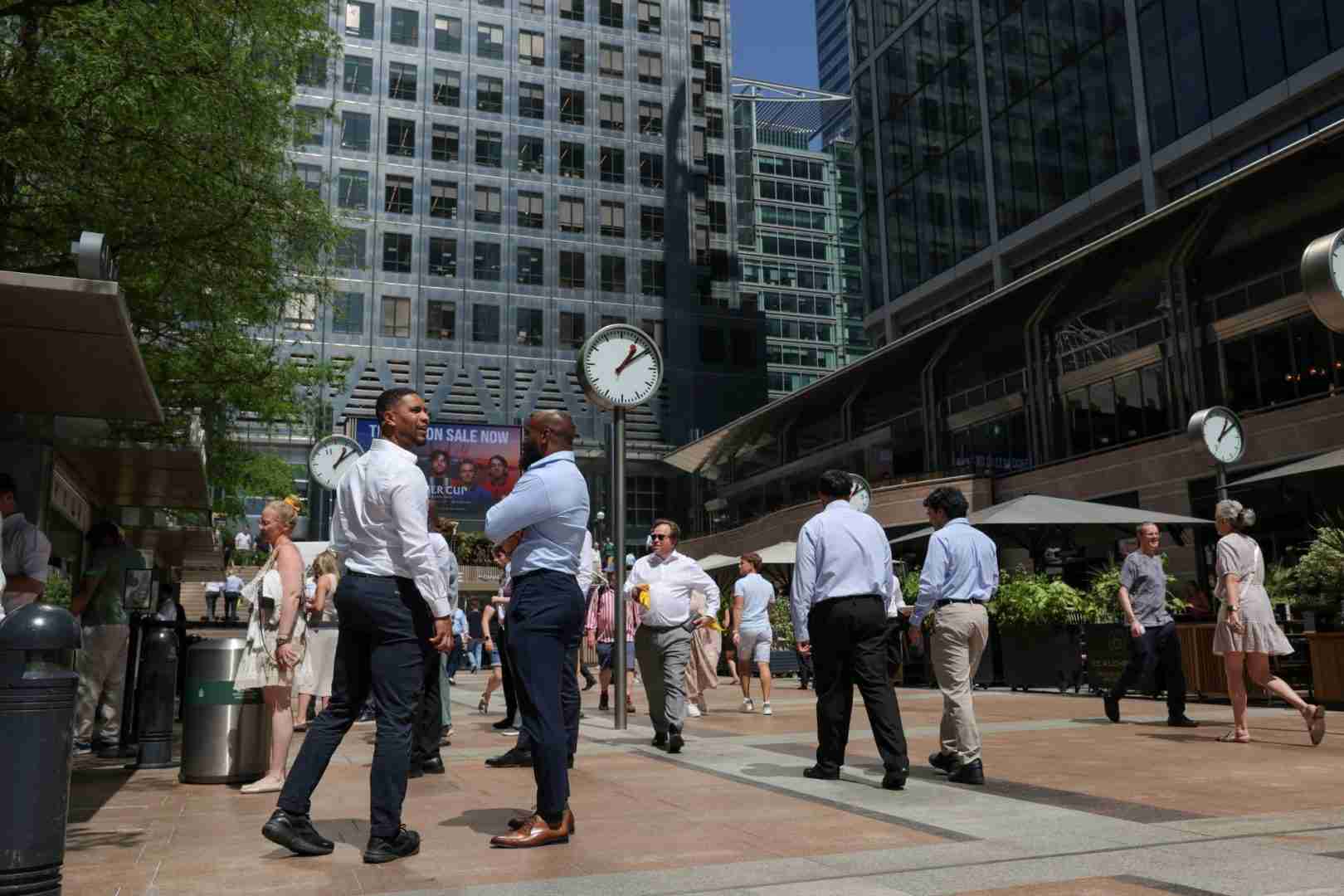
Britain’s statistics office said on Tuesday that November 2027 was the most likely date for switching its flagship gauge of the labour market to a new improved survey, replacing a dataset that has been plagued with problems.

A recent assessment showed it was too soon to start a transition to the Transformed Labour Force Survey (TLFS) and it was also too early to publish “research outputs”, the Office for National Statistics said.

The existing Labour Force Survey (LFS) suffered from a big fall in response rates during the COVID-19 pandemic and has been criticised by the Bank of England and private sector economists for failing to give a reliable picture of the jobs market.

“July 2027 will be an important decision point when, if we and our users are ready, we will start the process for a November 2027 transition to the TLFS,” the ONS said.

“This remains the most likely path and balances a data-led approach with the increasing costs and quality implications of continuing the dual run of the TLFS and LFS (Labour Force Survey).”

Although responses climbed back to around pre-pandemic levels in recent months, the ONS said in June an operational error had caused fresh problems.

Improvements include shorter completion times for people taking part in the survey as well as a doubling of a voucher incentive for participants to £20 ($27).

The ONS said it would publish a detailed transition plan in the first quarter of 2027.

It said previously that the TLFS would become the main measure for labour market statistics at some point in 2027, having originally pointed to November 2026 as a possible earliest start date for the transition.

($1 = 0.7404 pounds)

Writing by William Schomberg, editing by Andy Bruce