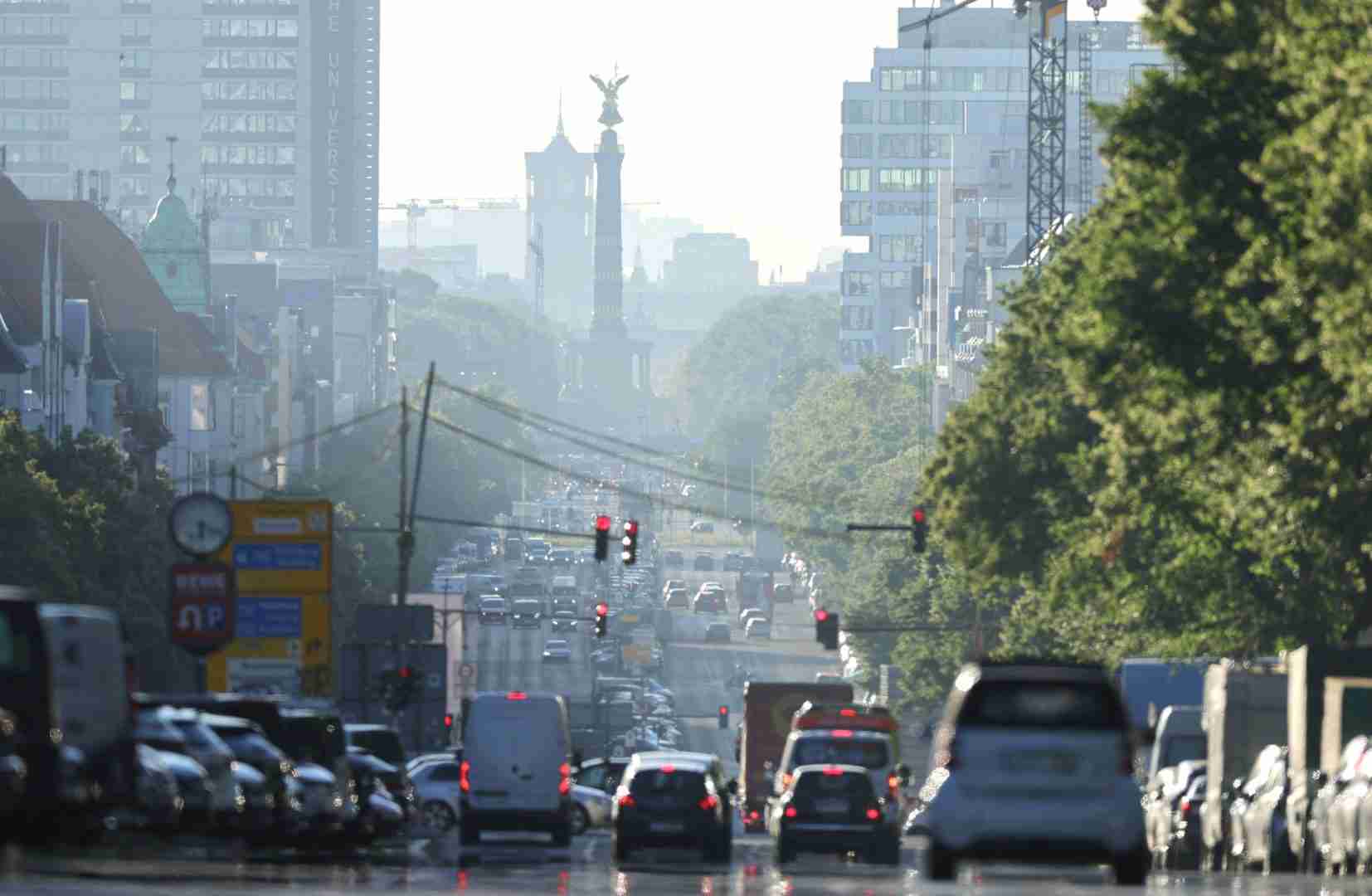
Nearly £50 million in government funding awarded to auto firms and research partners to develop and scale zero-emission vehicle technologies
International News via Reuters:
The British government announced nearly £130 million ($175 million) in funding for zero-emission vehicle technologies on Monday, with almost £65 million in public money and the rest provided by the industry.
• Nearly £50 million in government funding awarded to auto firms and research partners to develop and scale zero-emission vehicle technologies.
• A further £17 million injected into nine connected and automated mobility projects, covering technologies including sensors, brake-by-wire systems and AI simulation.
• “Britain invented the modern motor industry and we’re determined to ensure the next generation of vehicles are designed and built here too,” Industry Minister Blair McDougall said in a statement announcing the funding.
• Britain is committed to ending sales of new cars powered solely by petrol or diesel from 2030, with all new cars required to be zero-emission by 2035.
($1 = 0.7414 pounds)
Reporting by William James; editing by Barbara Lewis
The Caroline Bezengi is loaded with close to one million barrels of Russian oil bound for Asia and first reported difficulties on June 8 off Yemen, with two maritime security sources saying initial assessments indicated a blast had occurred onboard
International News via Reuters:
Leaking crude oil from a tanker grounded off a nature reserve in Oman has created a slick covering almost 400 square kilometres, the country’s government said on Monday.
The Caroline Bezengi is loaded with close to one million barrels of Russian oil bound for Asia and first reported difficulties on June 8 off Yemen, with two maritime security sources saying initial assessments indicated a blast had occurred onboard.
No party has taken responsibility for attacking the vessel.
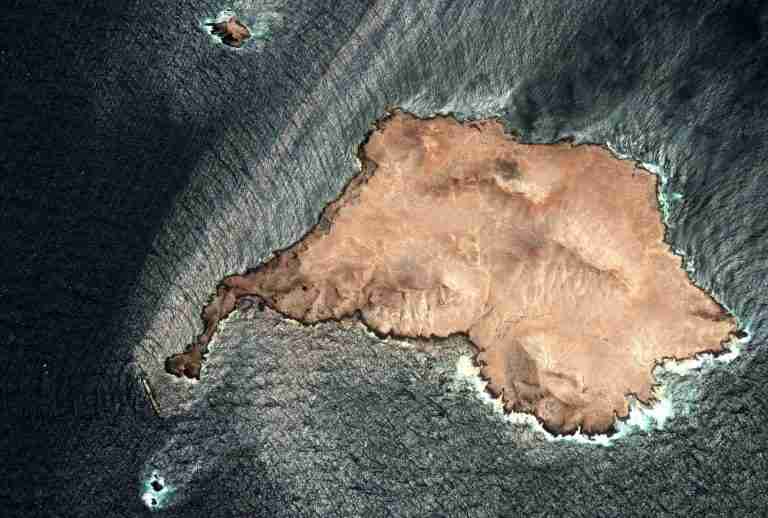
Oman, in its first public disclosure on the environmental impact, said on Monday it was seeking to tackle the oil leak near the Hallaniyat Islands.
Oman’s Sultan Haitham bin Tarik issued a royal decree last year creating a nature reserve around the islands, an area that is home to wildlife including Arabian Sea humpback whales and Socotra cormorants.
The oil slick covers some 390 square km (150 square miles), Oman’s Environment Authority said in a statement carried by the state news agency, adding that there was no concern for facilities in the area including water desalination plants and tourist facilities.
Environmental group Greenpeace last week estimated the slick at around 600 square kilometres citing analysis of satellite imagery.
It extends northeast of the islands and is within an estimated seven kilometres of the coast, the authority said.
A spill of this scale requires dispersant be sprayed across the affected area by aircraft and the use of booms and other equipment to collect the oil before it reaches the shore or sinks to the sea floor, said Tony Gutierrez, professor of environmental microbiology and biotechnology at Edinburgh’s Heriot-Watt University.
“If this oil is kept offshore, the impact will be much less than if the oil reaches shallower waters and the actual coastline,” he said, citing the impact on diverse marine life such as coral, birds and fish.
“You could find oil still there years later. And that’s what happened with Exxon Valdez. Ten years down the line, there still were remnants of oil,” he said, referring to a 1989 spill in Alaska.
An analysis by Reuters of satellite imagery and shipping specialists showed the spill from the stranded 274-metre (900-foot) tanker was still spreading at the end of last month, raising concern about possible environmental damage.
The Caroline Bezengi loaded at Russia’s Black Sea port of Novorossiysk in April and passed through the Suez Canal at the end of May, ship-tracking data shows.
Built in 2001, it is part of the so-called shadow fleet of older oil tankers used by Russia which lack Western insurance cover and sail under the flags of various nations to obscure their true ownership.
It was listed on public shipping databases as flying the Cameroon flag but was among 39 vessels de-listed from Cameroon’s ship registry in June.
The ship is subject to sanctions imposed by the European Union, Ukraine, the UK, Canada and Switzerland.
Its registered owner is Rentoor Shipmanagement Ltd and its manager is Villar Shipmanagement Ltd, according to LSEG data. Reuters could not immediately reach those firms, which appear to be based in China.
Reporting by Nayera Abdallah, Menna Alaa El-Din, Jonathan Saul and Kate Abnett; editing by Barbara Lewis and Jason Neely
The highest reported death toll was in Pereira, a city in Colombia’s coffee-growing region, where Mayor Mauricio Salazar said 18 people had died
International News via Reuters:
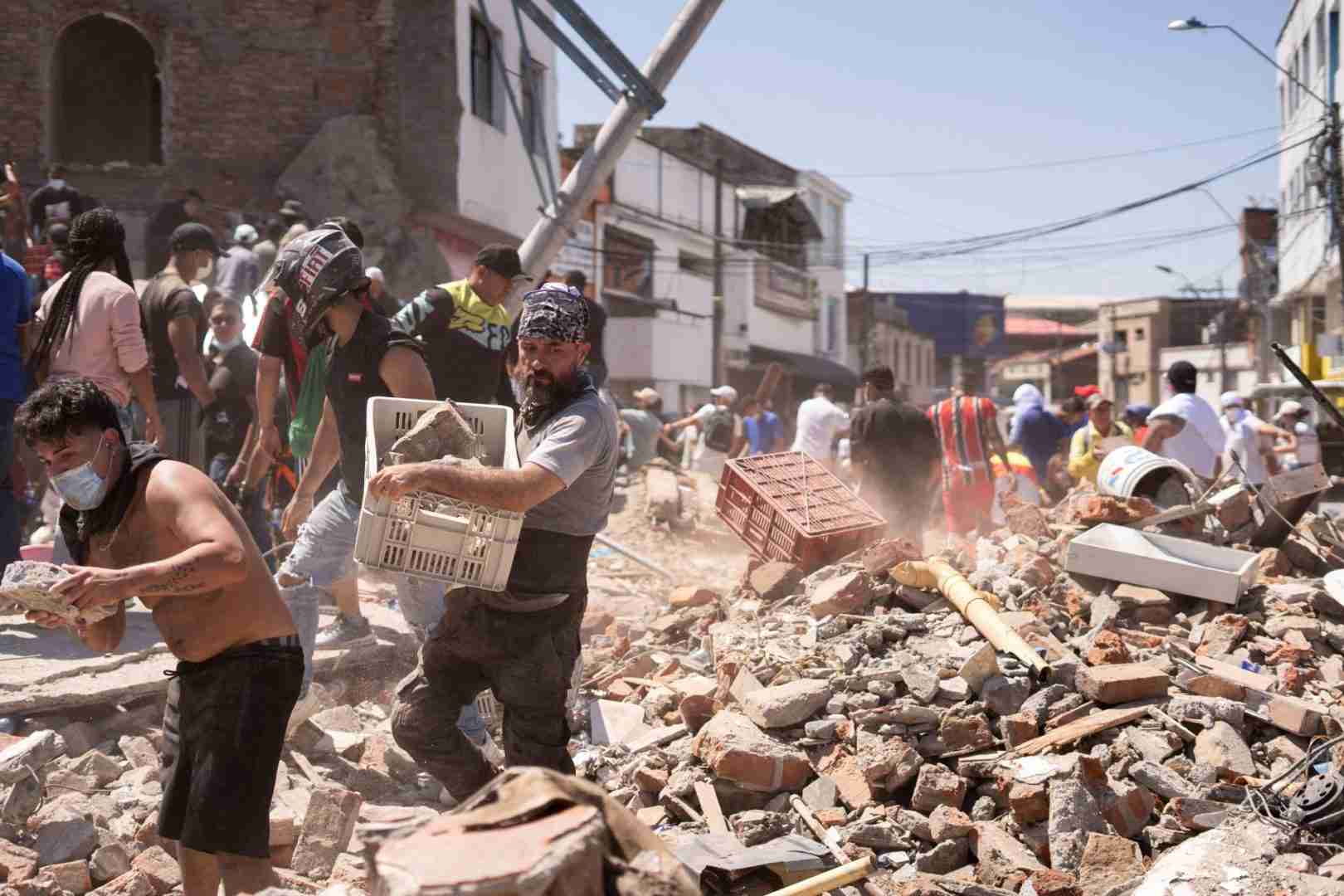
At least 22 people were killed after a powerful earthquake struck western Colombia on Monday, bringing down buildings across several cities and leaving others trapped in the rubble, local authorities said.
The highest reported death toll was in Pereira, a city in Colombia’s coffee-growing region, where Mayor Mauricio Salazar said 18 people had died. In nearby Manizales, Mayor Jorge Eduardo Rojas said three people were killed.
One person died in Buenaventura, Colombia’s main Pacific port, when a building collapsed, trapping several people, Mayor Ligia del Carmen Cordoba said.
People remained trapped in Cali, one of Colombia’s largest cities, after more than two dozen structures collapsed, Mayor Alejandro Eder said. He added that the city had asked authorities in Bogota and Medellin to send disaster teams to support rescue efforts.
“At this point, two people have already been rescued alive, one elderly woman and one young girl. There are more people trapped,” Eder told Blu Radio. “We have at least 12 critical points and 25 collapsed structures that we are responding to.”
The quake’s epicenter was near San Jose del Palmar, in Choco, a sparsely populated province on Colombia’s Pacific Coast. Choco Governor Nubia Carolina Cordoba-Curi said there were injuries and significant damage in Quibdo, the provincial capital, and warned residents about aftershocks.
Colombia’s civil aviation authority said flights were suspended at airports in Pereira, Manizales, Quibdo, Armenia, Cartago and Buenaventura while inspectors checked for structural damage.
The country’s disaster agency said the quake, which occurred at 7:34 local time (1234 GMT) was felt in nine departments and all 32 departmental capitals, triggering evacuations and reports of damage. Colombia’s geological service pegged the magnitude at 7.4 and said the quake struck at a depth of 96 km (60 miles). The U.S. tsunami warning system said there was no tsunami threat.
Reuters witnesses in the Venezuelan border state of Tachira and the central-western city of Barquisimeto reported the quake had been felt there. Venezuela was hit by devastating twin earthquakes in June, which killed more than 6,000 people, mostly on the coast near the capital, Caracas.
Reporting by Nelson Bocanegra, Luis Jaime Acosta, Julia Symmes Cobb and Fabiola Aramburo; Writing by Kylie Madry; Editing by David Holmes and Paul Simao
Brent crude futures were up $2.48, or 3%, at $86.03 a barrel by 10:44 a.m. EDT (1444 GMT)
International News via Reuters:
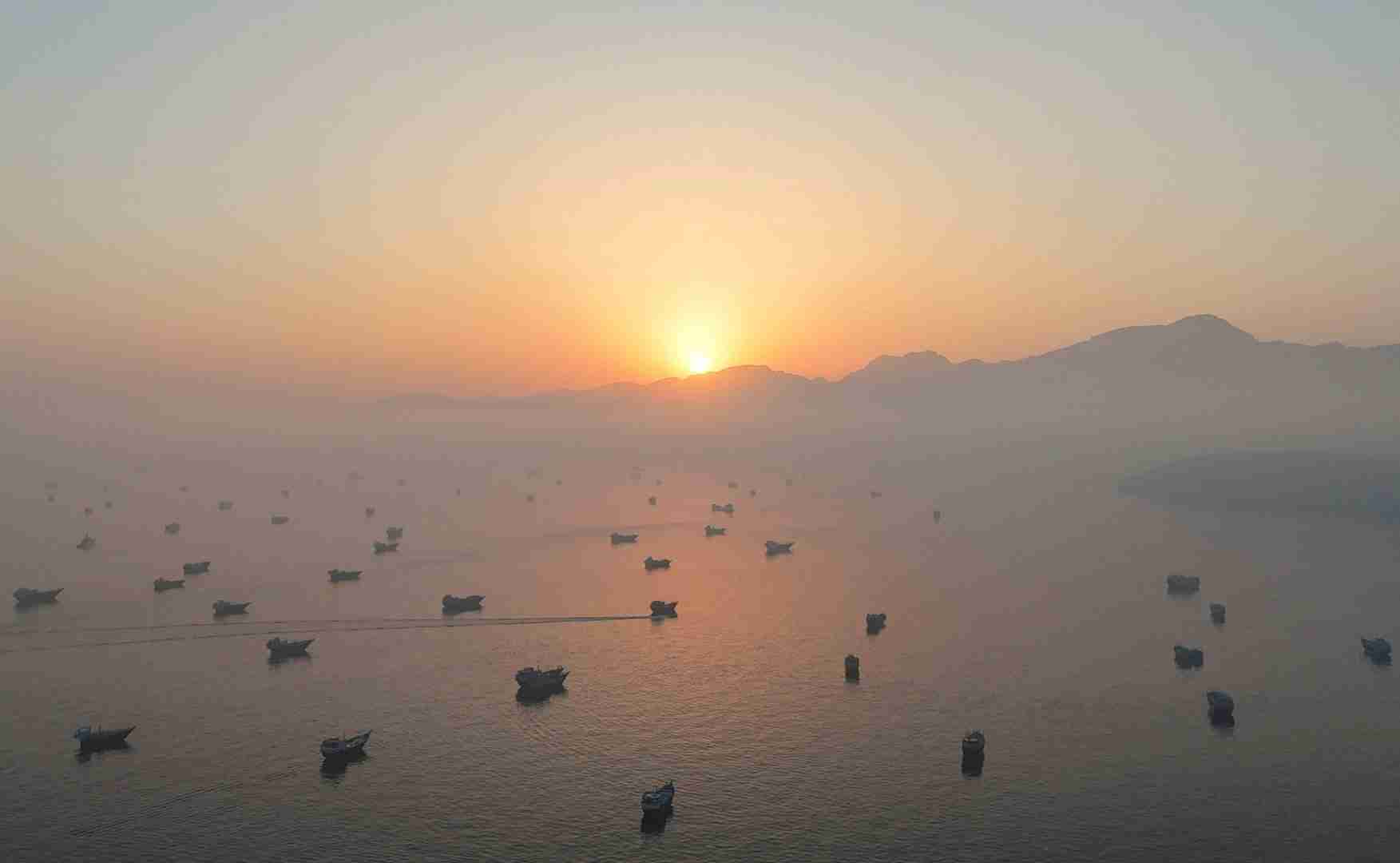
Oil prices jumped 3% on Monday after Iran said the U.S. must lift sanctions on Tehran, pay reparations and meet a number of other conditions before the Strait of Hormuz is reopened.
Brent crude futures were up $2.48, or 3%, at $86.03 a barrel by 10:44 a.m. EDT (1444 GMT). U.S. West Texas Intermediate crude futures were up $2.43, or 3.1%, at $80.61.
Both benchmarks fell more than 7% last week on hopes that Iran and Oman were close to reaching a deal that would result in a reopening of the strait, which carried a fifth of the world’s oil and liquefied natural gas before the start of the Middle East conflict in late February.
Iran said it was nearing a final pact with Oman to define new shipping lanes through the strait but repeated that the U.S. must meet other conditions, including compensation and an end to sanctions and military threats before the strategic waterway is reopened.
Iran and the U.S. are not currently engaged in talks. Tehran will not start them while Washington is in breach of an interim deal signed in June, Iranian Foreign Minister Abbas Araqchi said on Sunday.
“Crude futures (are) seeing gains in the early trade as the US/Iran peace deal looks to be delayed along with further strikes from Ukraine hitting Russian refineries and tankers in the Black Sea,” said Dennis Kissler, senior vice president of trading at BOK Financial.
“With Iran making the added demands, most traders feel near term, tighter supplies are more probable for longer,” Kissler added.
In a further threat to supply, the Iran-aligned Houthis said they had struck Saudi Aramco’s Jazan refinery on Sunday. Saudi Aramco has postponed the restart of the 400,000-barrel-per-day refinery to August 30 after two Houthi attacks in recent weeks, according to an alert from industry monitor IIR that was seen by Reuters.
The latest attack happened two days after the kingdom signed a defence pact with Sunni Muslim allies Turkey and Pakistan in response to growing regional instability from the U.S.-Israeli war with Iran.
ADNOC, a state-owned oil company in the United Arab Emirates, said on Friday that 15 of its vessels had been attacked while transiting the Strait of Hormuz since the beginning of the conflict.
Meanwhile, Ukraine’s military continued to attack Russia’s energy infrastructure. Ukrainian strikes hit the Taneco oil refinery in Tatarstan and the ZapSibNeftekhim petrochemical plant in Russia’s Tyumen region.
Reporting by Arathy Somasekhar in Houston, Stephanie Kelly in London and Helen Clark in Perth; Editing by David Goodman and Paul Simao
Housekeepers down tools after a supervisor was reportedly let go
Photo by Bermuda Broadcasting
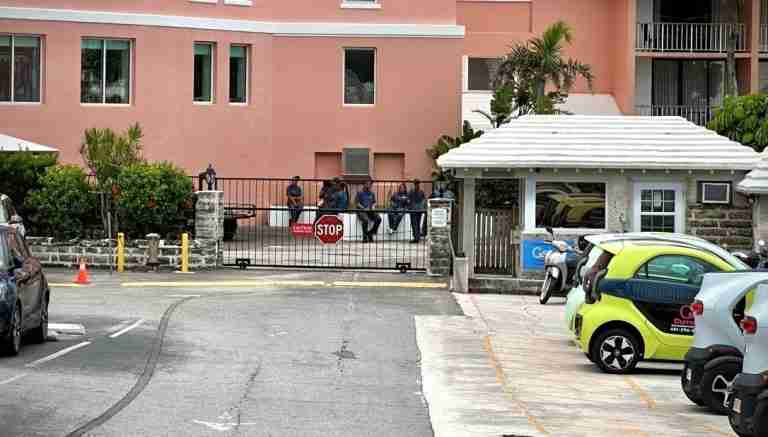
Hamilton Princess housekeeping staff staged a walkout this morning.
The downing of tools was apparently due to the firing of a supervisor.
Bermuda Broadcasting attempted to speak to the group of about 20 staff, but we were asked to move along by hotel security.
The group went back into the hotel around 12:40pm, where we understand Bermuda Industrial Union officials were meeting with hotel management to discuss the matter.
The group subsequently re-merged and remain gathered outside the premises.
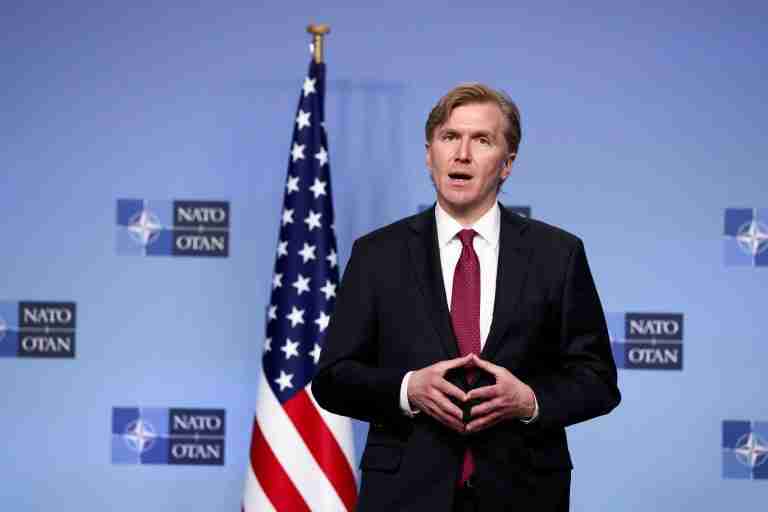
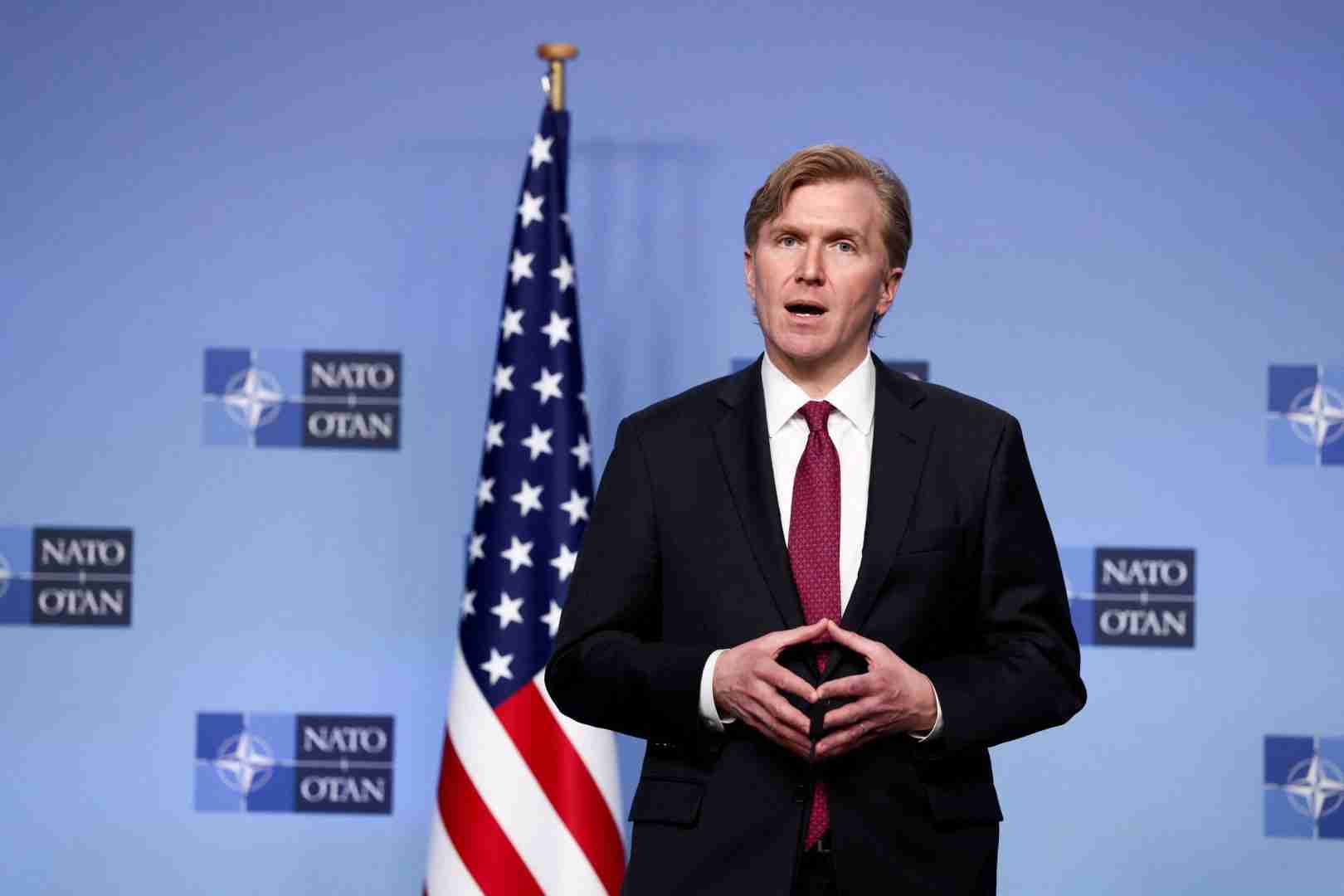
Seeking to counter concerns about Washington’s reliability, Elbridge Colby, Undersecretary of Defense for Policy, reiterated the U.S. interest in the region as he called for greater burden-sharing and “partnership, not dependency”
International News via Reuters:
The United States is not disengaging from Asia and is instead “digging in” to maintain a favourable balance of power in the Indo-Pacific, but wants its partners to shoulder more responsibility for their defence, a senior Pentagon official said on Monday.
Seeking to counter concerns about Washington’s reliability, Elbridge Colby, Undersecretary of Defense for Policy, reiterated the U.S. interest in the region as he called for greater burden-sharing and “partnership, not dependency”.
“America is definitely not disengaging from Asia,” Colby said in a speech in Manila. “We are not leaving; in fact, we are digging in, to ensure a favourable balance of power where it matters most.”
The Philippines, the United States’ oldest treaty ally in Asia, is the first stop on a Southeast Asian trip that also will take Colby to Indonesia, Thailand and Cambodia.
Colby said maintaining a favourable balance of power in the Indo-Pacific required a “posture of deterrence by denial along the First Island Chain” and pointed to what he said was a growing U.S. military commitment in the region.
The First Island Chain refers to an area stretching from Japan down to Taiwan, the Philippines and Borneo.
The strategy could not rest on American forces alone, he said, arguing that allies should invest more in their security.
“When we ask our allies and partners to step up, to invest more in their own defence, and to take responsibility for their own sovereign security, we are not signaling abandonment,” Colby said. “We are looking for partners, not protectorates.”
“When our partners are strong, deterrence is strong,” he added.
Reporting by Karen Lema; Editing by Martin Petty and John Mair
The bank, which specialises in financing environmentally and socially sustainable projects, estimates that heat-related disruption could shave around 1% off the European Union’s gross domestic product
International News via Reuters:
The extreme heat and drought affecting large parts of Europe this summer could erase much of the economic growth expected across the region, Dutch bank Triodos said in a report on Saturday.
The bank, which specialises in financing environmentally and socially sustainable projects, estimates that heat-related disruption could shave around 1% off the European Union’s gross domestic product, equivalent to roughly €180 billion ($208 billion) in economic losses, driven primarily by weaker labour productivity.
• Labour productivity losses alone could cut EU GDP by around 0.6%, while agricultural output is expected to fall by 3% to 7%.
• “Higher food prices, constrained power generation and higher electricity prices, and disruption to roads, rail and inland waterways add to the damage,” Triodos said.
• France is expected to be the hardest hit, with recurring heatwaves reducing GDP by around 1.4% and potentially tipping it into an annual contraction of 0.6%.
• Italy, Spain and Belgium also face substantial losses, while countries such as Poland, which experienced fewer exceptionally hot days, are expected to be less affected.
• The European Commission has forecast EU GDP growth of 1.1%, while the IMF expects the euro area to grow by around 0.9%.
($1 = 0.8657 euros)
Reporting by Jakob Van Calster, editing by Milla Nissi-Prussak
The government will also provide a further 5 trillion won in trade finance for suppliers, Presidential Chief of Staff Kang Hoon-sik told a press briefing after a meeting chaired by President Lee Jae Myung on Monday
International News via Reuters:
South Korea will launch a 5 trillion won ($3.52 billion) semiconductor fund targeting promising chip materials, parts, equipment and fabless companies, a presidential official said, as Seoul seeks to accelerate plans for new chip manufacturing hubs across the country.
The government will also provide a further 5 trillion won in trade finance for suppliers, Presidential Chief of Staff Kang Hoon-sik told a press briefing after a meeting chaired by President Lee Jae Myung on Monday.
The measures are part of Lee’s semiconductor megaproject initiative unveiled in June, under which Samsung Electronics and SK Hynix, together with suppliers and local governments, are expected to invest more than $576 billion in new chip manufacturing projects, including major fabrication facilities in the country’s southwest region.
“The government will create a new semiconductor fund worth about 5 trillion won focused on promising materials, parts and equipment firms and fabless companies,” Kang said.
The government would also launch a 10-year, 1 trillion won programme to support cooperation between large companies and smaller suppliers across semiconductor development, testing and production, Kang said.
The government will also seek passage of a Mega Special Zone Act at parliament within the year to speed up permits, environmental reviews and infrastructure construction, he said.
In his opening remarks before Monday’s meeting, which was also attended by senior executives from Samsung Electronics and SK, Lee urged the Defence Ministry to relocate functions of a military air base in Gwangju by mid-2028 to accelerate development of a semiconductor manufacturing complex planned for the site.
The government has designated the 8.3 million-square-metre area (9.9 million square yards) as a candidate national industrial complex and plans to complete relocation and temporary dispersal of military facilities by the second half of 2028.
Kang said the government would ensure power and water supplies are available on schedule for new semiconductor projects.
For the planned chip cluster in the southwestern Gwangju-South Jeolla region, authorities plan to secure 650,000 metric tons of water daily by 2030 using recycled wastewater and supplies from nearby dams, he said.
For the Yongin semiconductor cluster, South Korea’s flagship chip manufacturing project south of Seoul, Kang said the government plans to supply 14.7 gigawatts of electricity by 2041 using a combination of cogeneration facilities, LNG generation and power from other regions.
Kang said megaprojects worth over 350 trillion won in other regions of the country are scheduled to begin construction or facility expansions this year, while a further 57 trillion won of research and development projects are also due to start.
The Lee administration has made expanding semiconductor production capacity a central pillar of its industrial strategy, arguing that existing production bases around Yongin and Pyeongtaek will not be sufficient to meet demand driven by artificial intelligence.
Reporting by Kyu-seok Shim and Heejin KimEditing by Ed Davies
Called to Oallen, a town about 200 km (125 miles) south-west of Sydney, police officers established a crime scene but did not examine the contents too closely
International News via Reuters:
Australian police have ended a homicide investigation that began with two members of the public on a Sunday drive finding a dumped suitcase on the side of the road in a remote town, opening it up and finding what appeared to be remains of a human body.
Instead, forensic examinations later determined that “the item located in the bag was a lifelike doll, wearing clothing, with hair and a nose piercing,” police said in a statement on Monday.
“The item also had markings that resembled bruises and grazes,” it said.
Called to Oallen, a town about 200 km (125 miles) south-west of Sydney, police officers established a crime scene but did not examine the contents too closely.
Superintendent Linda Bradbury told reporters that police “don’t like to disturb remains too much in situ, particularly when we have faced inclement weather, as we did yesterday and again today.”
The item was “very realistic in terms of looking like human remains,” she added.
Reporting by Christine Chen in Sydney; Editing by Edwina Gibbs
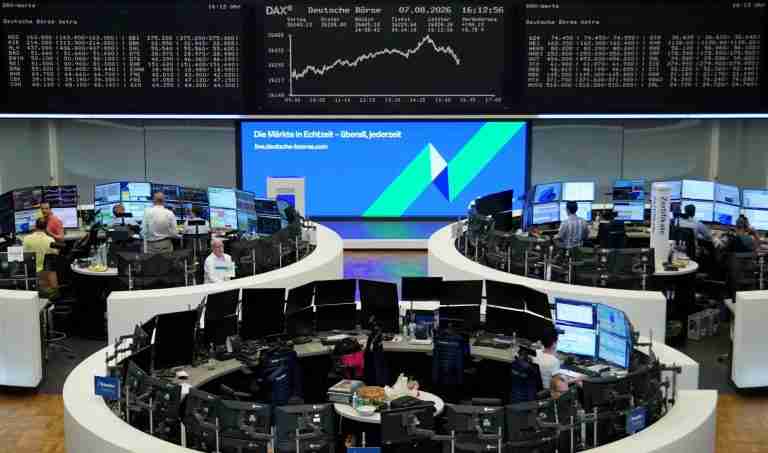
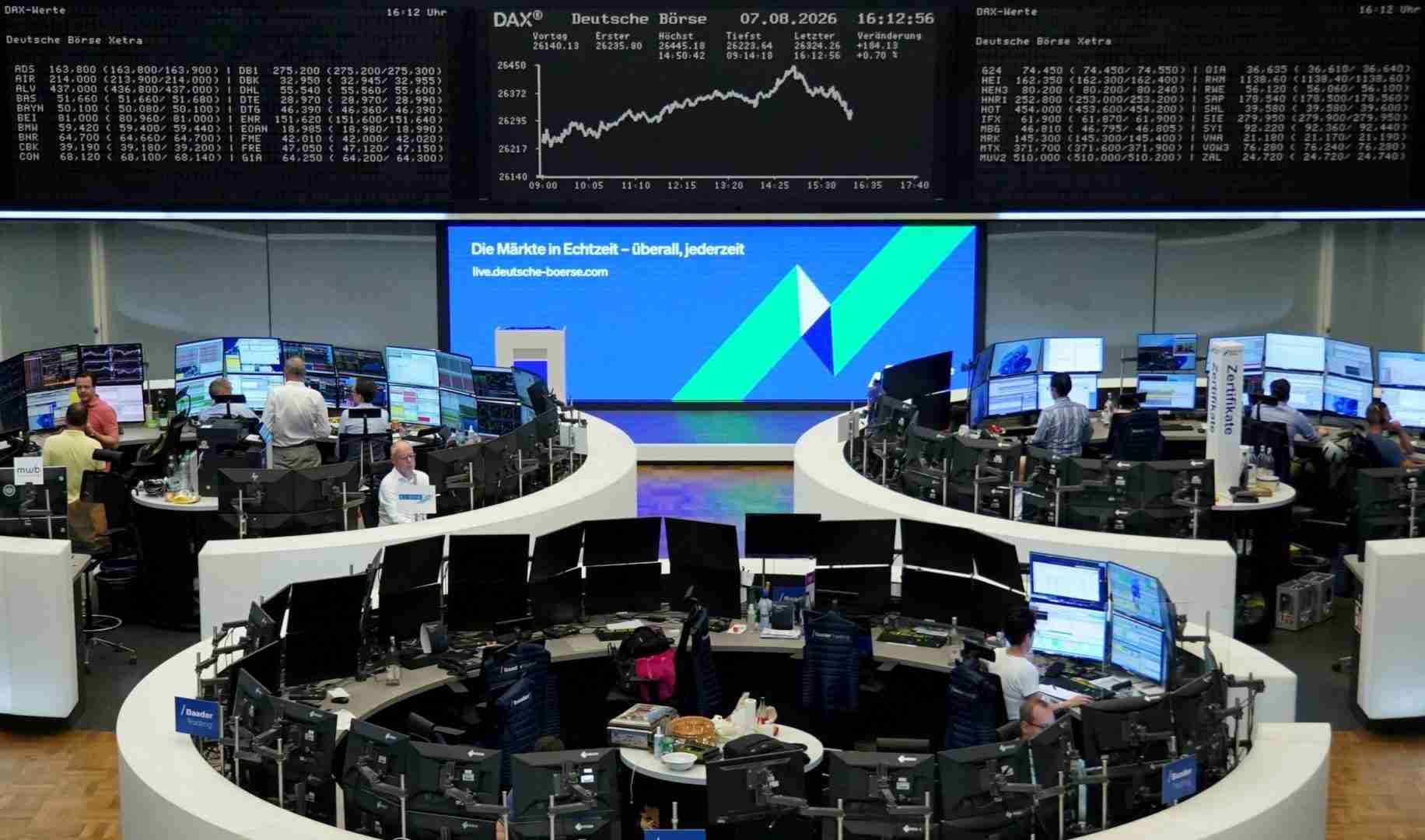
The pan-European STOXX 600 was flat at 660.09 points, as of 0848 GMT
International News via Reuters:
The European share benchmark on Monday steadied around a record high close hit last week, as uncertainty around the Middle East conflict kept oil prices elevated, while investors prepared themselves for a week packed with economic data.
The pan-European STOXX 600 was flat at 660.09 points, as of 0848 GMT.
The benchmark climbed 1.7% last week and closed at a record high on Friday, supported by expectations of lower U.S. borrowing costs after soft jobs data and strong corporate earnings on both sides of the Atlantic.
In the Middle East, Iran said it was nearing a final pact with Oman defining new shipping lanes between them through the Strait of Hormuz but repeated that the U.S. must meet other conditions before the strategic waterway is reopened, which is critical for oil-import-dependent Europe.
Europe’s energy sector was up 0.5%, with Brent crude futures rising 0.8% to $84.22 a barrel. [O/R]
Investors this week will be watching euro zone employment data and U.S. consumer price figures for clues on the interest rate outlook.
“Markets are really just in a period of digestion and wait-and-see,” said Kiran Ganesh, managing director, global head of investment communications at UBS.
“U.S. CPI data (on Wednesday) will probably be the main thing that investors will be watching out for, along with any further developments in the Strait of Hormuz.”
In Europe, the technology sector led the gains on Monday with a 1% rise. Infineon Technologies rose 3.8% after the German chip manufacturer launched a limited-term share buyback programme.
On the flip side, media stocks fell 0.9%, with WPP, Publicis Group and Pearson down between 1% and 3.1%.
As the earnings season draws to a close, the latest LSEG estimates showed second-quarter STOXX 600 earnings are expected to rise nearly 21%, higher than forecasts of about 12.5% in early May.
Plus500 jumped 6% after the trading platform reported a rise in half-year core profit, aided by higher trading activity as the company expanded its U.S. business and rolled out more products.
Affordable homebuilder Vistry dropped 7.5% after the FT reported credit insurer Allianz was reducing the cover to Vistry’s suppliers by up to 70%.
Aumovio gained 3.2% after Bernstein upgraded the stock to “outperform” from “market-perform” and raised its target price to €54 ($62.42) from €38.
Shares of bottler Coca-Cola HBC fell 3.3% after BNP Paribas cut its rating to “neutral” from “outperform.”
($1 = 0.8651 euros)
Reporting by Tharuniyaa Lakshmi and Ragini Mathur in Bengaluru; Editing by Sherry Jacob-Phillips and Harikrishnan Nair
The index has now increased for four straight months and reached its highest level since February 2026
International News via Reuters:
Investor morale in the euro zone returned to positive territory in August and rose for a fourth consecutive month, helped by a sharp improvement in current economic conditions and continued confidence in the recovery, a survey showed on Monday.
• The Sentix index for the euro zone rose to 0.9 points in August from -3.1 in July, compared with a Reuters poll forecast of -0.5
• The index has now increased for four straight months and reached its highest level since February 2026
• Sentix said the improvement was driven mainly by a sharp recovery in investors’ assessment of current conditions, while expectations also improved
• The current situation subindex climbed to -8.0 points in August from -14.8 in July, while the expectations gauge rose to 10.3 points from 9.3
• Sentix added that the confidence shock caused by the Iran war appeared to have been partially absorbed, though high energy costs and subdued order books remained a drag on the outlook
• Sentix’s headline index for Germany rose to -11.9 points from -19.4, its third consecutive increase and highest reading since February
• “Further economic stabilisation is on the horizon for Germany,” Sentix said, pointing to stronger economic data and second-quarter growth of 0.2% that helped the economy avoid another recession
• The survey of 1,097 investors, including 213 institutional investors, was conducted between Aug. 6 and Aug. 8
Reporting by Friederike Heine, Editing by Linda Pasquini
To provide the best experiences, we use technologies like cookies to store and/or access device information. Consenting to these technologies will allow us to process data such as browsing behavior or unique IDs on this site. Not consenting or withdrawing consent, may adversely affect certain features and functions.
Functional
Always active
The technical storage or access is strictly necessary for the legitimate purpose of enabling the use of a specific service explicitly requested by the subscriber or user, or for the sole purpose of carrying out the transmission of a communication over an electronic communications network.
Preferences
The technical storage or access is necessary for the legitimate purpose of storing preferences that are not requested by the subscriber or user.
Statistics
The technical storage or access that is used exclusively for statistical purposes.The technical storage or access that is used exclusively for anonymous statistical purposes. Without a subpoena, voluntary compliance on the part of your Internet Service Provider, or additional records from a third party, information stored or retrieved for this purpose alone cannot usually be used to identify you.
Marketing
The technical storage or access is required to create user profiles to send advertising, or to track the user on a website or across several websites for similar marketing purposes.