

AI companies run virtual drug trials, aim to improve success of human studies
The global biopharmaceutical industry spends some $140 billion a year on human clinical testing, but only around 12% of drug candidates are approved by regulators — a rate that has changed little in decades
International News via Reuters:
Novartis’ experimental del-desiran for a rare type of muscular dystrophy was expected to be a winner, with the Swiss company’s CEO predicting annual peak sales of $5 billion. When a late-stage trial missed its goal last month, shares fell 11%, erasing $30 billion in market value.
AI start-up BioinvestGPT was not surprised. In July, it ran a simulated trial to measure how virtual patients would respond to del-desiran and predicted an insignificant clinical benefit.
It and other artificial intelligence companies say they are working with some drugmakers on virtual trials to boost the odds an experimental medicine will prove safe and effective when used by actual patients in an expensive traditional clinical trial.
The global biopharmaceutical industry spends some $140 billion a year on human clinical testing, but only around 12% of drug candidates are approved by regulators — a rate that has changed little in decades.
AI firms say simulations are being used to identify which pharmaceutical programs are worth moving forward and to assess the value of acquisition targets. As AI tools get better at flagging clinical risks, they say unexpected trial failures may become less frequent.
Human clinical trials typically start with small Phase 1 studies primarily to gauge safety, followed by mid-stage Phase 2 and the large Phase 3 trials required by regulators that also assess efficacy. The process takes years, compared with a month or less for some AI simulations.
“We shouldn’t only ask how to run trials faster. We should ask how to run fewer trials that are going to fail,” said Francisco Beca, chief medical officer at QuantHealth, an AI clinical trial simulation platform headquartered in Tel Aviv.
Investment in AI drug discovery more than doubled to $8.4 billion in 2025 compared to 2023, according to a recent report from McKinsey. It said spending is currently focused where the technology works best today, particularly molecule design, rather than the industry’s major bottlenecks, such as proving a drug will work as intended through lengthy trials.
Pharma companies are “dipping their toes” into AI trial modeling, said McKinsey partner Alex Devereson. They are using different types of the technology, internally or with partners, to do things like assess drug candidates before committing capital to a program, he said.
US health regulators last week announced a set of initiatives aimed at speeding drug trials. If successful, the program could help create a path for predictive AI to be used in clinical development, a federal health official said.
FIVE OUT OF SIX CORRECT
Copenhagen-based BioinvestGPT in July shared with Reuters its detailed analyses of the likely outcome of several high-profile drug trials before the results were known and has so far been correct in five of six.
They include the negative result for del-desiran, success for Moderna and Merck’s melanoma vaccine, a weak clinical benefit for AstraZeneca and Ionis’ heart drug Wainua, the first failed trial for Novo Nordisk’s heart drug ziltivekimab, and success for Vaxcyte’s pneumococcal vaccine.
The fundamental goal of the pharma industry is proof of a superior clinical benefit compared to the standard of care, said Bragi Lovetrue, who co-founded BioinvestGPT with his wife Idonae Lovetrue in 2024.
The AI platform uses DNA sequencing to simulate a human body matching the eligibility criteria for a specific clinical trial. A virtual trial is then done using a model of the test drug.
“We can pinpoint the reason why a drug is effective and safe, and in many cases, why not,” Lovetrue said.
The simulations are not always right. The predictive AI forecast positive results for Novartis’ pelacarsen, which lowers blood levels of a cholesterol-carrier called lipoprotein(a). Novartis in September said the drug did not cut the risk of a major heart attack or stroke in patients with a genetic risk factor in a late-stage trial.
A subsequent analysis showed “we got the mechanism wrong,” by not accounting for genetically set variations in the size of the lipoprotein, Lovetrue said.
QuantHealth, which uses real-world data and AI to simulate patient-level responses to therapies, has published its simulations of ulcerative colitis and cholesterol drug trials.
BIOGEN, TAKEDA TRIALS PREDICTED TO FAIL
BioinvestGPT has done predictions for a wide range of trials.
For anticipated trial results expected before year-end, the AI company predicts failure for two Phase 3 trials of Biogen’s litifilimab in the most common type of lupus, as well as for Phase 2 studies of Japanese drugmaker Takeda’s zasocitinib in Crohn’s disease and ulcerative colitis.
The AI model shows that both drugs are “suboptimal” for those specific trial populations.
Biogen’s drug, which targets an immune cell receptor called BDCA2, is also being studied in a different type of lupus. Takeda filed recently for US approval of zasocitinib, which blocks an enzyme called tyrosine kinase 2, in plaque psoriasis and has a Phase 3 trial in psoriatic arthritis.
Takeda research chief Andy Plump said TYK2 was identified as a target by analyzing human genetics, while machine learning was used to optimize and “polish” the structure of the daily pill.
“I have immense confidence in this mechanism,” Plump said. “I don’t think we are near being able to use tools like AI to make definitive predictions.”
Diana Gallagher, Biogen’s head of clinical development for multiple sclerosis, immunology and Alzheimer’s, said the company uses “every tool available to us,” including AI.
She said only two biologic drugs have been approved for lupus and AI algorithms that rely on historical data could be prone to predicting a negative result.
QuantHealth’s Beca and other experts said human trials will always be necessary, but AI simulations can be valuable when assessing the potential of an experimental drug.
“Is it still ethical in 2026 to expose patients to a trial that most likely will fail?” he said. “With the advancement of this (AI) technology, come 2027, 2028, or 2029, probably the answer is going to be that it no longer is.”
Reporting By Deena Beasley; Editing by Caroline Humer and Bill Berkrot
Microsoft brings more AI to PCs as it challenges Apple

The software company also presented at the event in San Francisco a high-powered Surface laptop called Ultra powered by Nvidia’s RTX Spark chips

International News via Reuters:
Microsoft unveiled on Wednesday an AI coding model that can run directly on personal computers and new security technology to prevent AI agents from accessing data without permission, challenging Apple’s push to bring more AI into personal devices.
The software company also presented at the event in San Francisco a high-powered Surface laptop called Ultra powered by Nvidia’s RTX Spark chips. Redmond, Washington-based Microsoft is seeking to turn Windows into a platform for AI agents to handle tasks such as writing computer code or tackling complex business projects on desktops and laptops.
For Microsoft, the move represents a bet that some work that currently happens in its costly Azure cloud computing data centers can shift to high-powered Windows machines in businesses and homes, a market where the firm retains a stronghold — and where its customers foot the hardware bills. It is a market opportunity rival Apple is also chasing with new Mac computers.
For Nvidia, cracking the Windows PC market could help it go after one of the last major markets dominated by Intel and Advanced Micro Devices.
As a guardrail against increasingly autonomous AI agents that have created security risks, Microsoft said it was releasing Microsoft Execution Containers, a tool to prevent agents from accessing data and doing unauthorized tasks when running on a laptop or desktop machine. Anthropic, OpenAI and Nvidia will use the tools, said Pavan Davuluri, executive vice president for Windows and devices.
“We needed to make the desktop the most secure place for agents to execute,” Microsoft CEO Satya Nadella said.
Davuluri said new tools would let IT departments set rules for agents and the Windows operating system would enforce those rules on each employee’s machine.
Nvidia CEO Jensen Huang, who joined Nadella on stage, said Microsoft’s new execution container technology, which goes by MXC for short, “is going to revolutionize how agents are built and deployed.”
“Without it, (agents are) a complete nonstarter,” he said.
Nvidia is trying to prevent a repeat of the hack of AI hub Hugging Face, while Apple is looking to tighten up the process for giving AI agents full access to a Mac computer’s hard drive.
AI MOVES TO THE PC
Microsoft also unveiled AI models that previously required cloud access but can now run locally on high-powered Windows desktops and laptops, including Nvidia’s open-source Nemotron model. Davuluri said a version of Chinese AI firm DeepSeek’s V4 model can run on machines with at least 60 gigabytes of memory and outperform OpenAI’s GPT-5 on some coding and reasoning tasks.
Microsoft is taking a similar approach with its own Copilot AI assistant, splitting tasks between the cloud and individual laptops. “Copilot will still use the cloud for the hardest tasks, but for times when cost or privacy matter more, it can delegate down to local models that run directly on your computer,” said Microsoft’s Copilot chief Jacob Andreou.
Davuluri also said Meta’s Muse personal assistant will come to Windows devices as a native app, using some of Microsoft’s new security tools, and that OpenClaw, the open-source AI agent system, can also work with those security tools.
PRICE BARRIER
One of the key challenges Microsoft and Nvidia face is the steep pricing of these devices after a memory-chip crunch drove up costs.
The new Surface Laptop Ultra will start at $2,599 and rise to $5,899 for a model with a 20-core processor, 128 gigabytes of memory and one terabyte of storage.
Apple’s MacBook Pro with a 40-core graphics chip, 128 GB of memory and two TB of storage costs $6,700, although the machines are not directly comparable. Microsoft’s entry-level Ultra costs more than Apple’s $1,999 base MacBook Pro, but comes with 24 GB of memory compared with 16 GB on Apple’s entry-level model.
When Microsoft originally pitched the idea of running AI tasks on PCs two years ago to save costs, the laptops were mostly priced below $2,000, but Nvidia increased the price of an AI desktop machine called the DGX Spark by about 75% since its launch to $6,950 amid rising memory costs.
Two years ago, “the software wasn’t ready, but the hardware was. Now the software is ready and the hardware is too expensive to actually run it locally,” said Anshel Sag, an analyst at Moor Insights & Strategy. “So it’s becoming this thing where only the people who have the budget can really afford to run AI locally.”
Reporting by Stephen Nellis in San Francisco; Additional reporting by Jaspreet Singh Unnamalai L in Bengaluru; Editing by Muralikumar Anantharaman, Sayantani Ghosh and Rod Nickel
Russia says plague institute worker’s death does not risk an epidemic
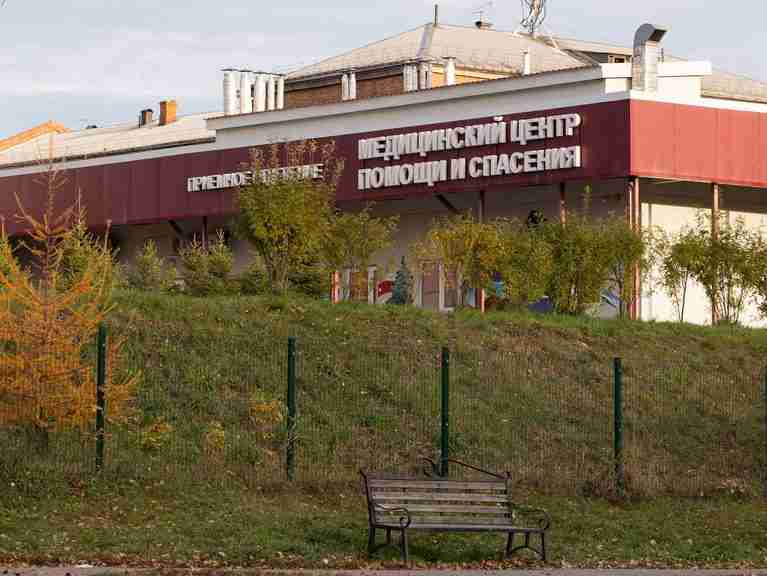
Russian authorities say the 28-year-old laboratory worker died last Friday from pneumonia of an as-yet unestablished origin, in a case that has prompted international concern
International News via Reuters:
Russia’s health regulator said on Wednesday there were no risks of an epidemic breaking out in Siberia after a plague institute worker there died, as the World Health Organization pressed Moscow for more information about her cause of death.
Russian authorities say the 28-year-old laboratory worker died last Friday from pneumonia of an as-yet unestablished origin, in a case that has prompted international concern, including from US President Donald Trump. Around 200 people were initially placed in quarantine.
Asked on Wednesday whether the death was caused by a bioweapon, Trump told reporters: “Well, we don’t think so. We’re going to find out soon enough, but we don’t think so.”
He said Russia was not saying much about the situation but “they do say they have it very much under control,” adding he had set up a call with Russian President Vladimir Putin.
“They’re sharing (information) a little bit with our people. We expect them to share it a lot with our people,” said Trump, speaking in the Oval Office.
Global health officials – as well as the world’s media – have been particularly alert to pneumonia cases of undetermined cause since the COVID-19 pandemic, which began with a cluster of fast-spreading fatal respiratory illness in China.
However, the cause of individual pneumonia cases can often not be determined.
US Centers for Disease Control and Prevention Director Erica Schwartz said at an event the agency was prepared to monitor and screen travelers although the risk to the US was extremely low.
The WHO initially said it estimated the risk of the Russia case to the public as low, based on what had been made known, but told a press conference on Wednesday it could not make a fuller risk assessment due to insufficient information from the Russian authorities.
Rospotrebnadzor, Russia’s health watchdog, said on Wednesday it was winding down precautionary measures it had put in place after concluding there was no risk of an epidemic and that it had shared its latest information with the WHO.
No cases of plague had been detected among anyone who had come into contact with the deceased worker, Darya Shipilova, it said, and 90% of those placed in quarantine had been released after nearly 5,000 lab tests had failed to detect any dangerous pathogens.
It said Shipilova had been vaccinated and had therefore been “immune to the dangerous infections with which she worked”. It did not say, however, what had caused the pneumonia which killed her or how she fell ill.
WHO CALLS FOR MORE INFORMATION
Tedros Adhanom Ghebreyesus, the director-general of the WHO in Geneva, said on Wednesday his organisation needed more information from Russia to understand what had happened.
“We would like more information to understand which laboratory tests were conducted, which pathogens were evaluated, and if this individual didn’t die from plague, then how did she die?” Maria Van Kerkhove, director of the WHO’s department of epidemic and pandemic management, told a virtual press conference.
Tedros said the WHO had offered assistance to Russia and also repeated a request for Russia to verify “media reports of a second employee with pneumonia of undetermined cause”.
KREMLIN CRITICISES ‘FALSE INFORMATION’ IN MEDIA
The Kremlin said Russia had properly informed the WHO about the incident in line with established procedures.
When asked about the WHO’s request to respond to reports about a second person in Siberia allegedly falling ill, Kremlin spokesman Dmitry Peskov urged caution when it came to using media reports as a reference for what was happening.
“There is a great deal of media coverage, and the vast majority of what the media are reporting about this situation is false information,” said Peskov.
He advised the media and others to rely on information provided by the health regulator. It did not immediately respond to a Reuters request for comment on Wednesday about the WHO’s questions.
EXACT CAUSE OF DEATH REMAINS UNKNOWN
Some Western media outlets have reported — citing unnamed “Russian media” — that a second person in Siberia had died, saying they had died of plague.
Reuters was unable to find any such stories in Russian media or any evidence that a second person in Siberia had died although some bloggers on social media were making — without evidence — such assertions.
After the press conference, the WHO sent Reuters a link to a story about a potential second case by the Russian media organization starhit.ru, a celebrity gossip outlet, and a follow-up from British newspaper the Daily Mail.
Tedros said it was important to be transparent based on the lessons from COVID, adding, “We don’t have any mandate actually to see whether this media is credible or not.”
Russia has not formally responded to the reports about a second person dying, Tedros said, adding that he had heard only informally that Russia had denied those reports.
Tedros’ call for more information echoed that of US Secretary of State Marco Rubio, who has also said Moscow needs to share more information about the incident.
Pneumonia, a lung infection, can have a variety of causes including plague as well as other bacterial infections or viral respiratory diseases, such as flu or COVID-19.
Reporting by Jennifer Rigby in London, Shubham Kalia in Bengaluru, Andrew Osborn, Anastasia Lyrchikova and Dmitry Antonov in Moscow and Bo Erickson in Washington; Writing by Andrew OsbornEditing by Toby Chopra, Alison Williams, Philippa Fletcher, Gareth Jones
France to release 10 million barrels of diesel from stocks, French PM says
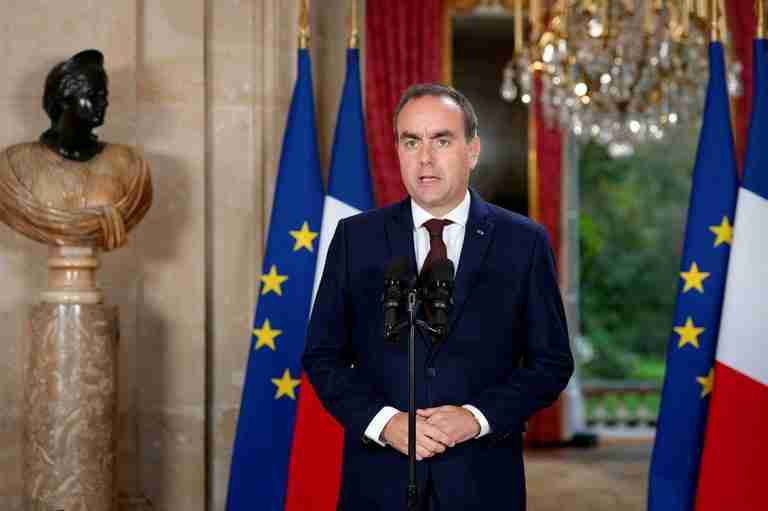
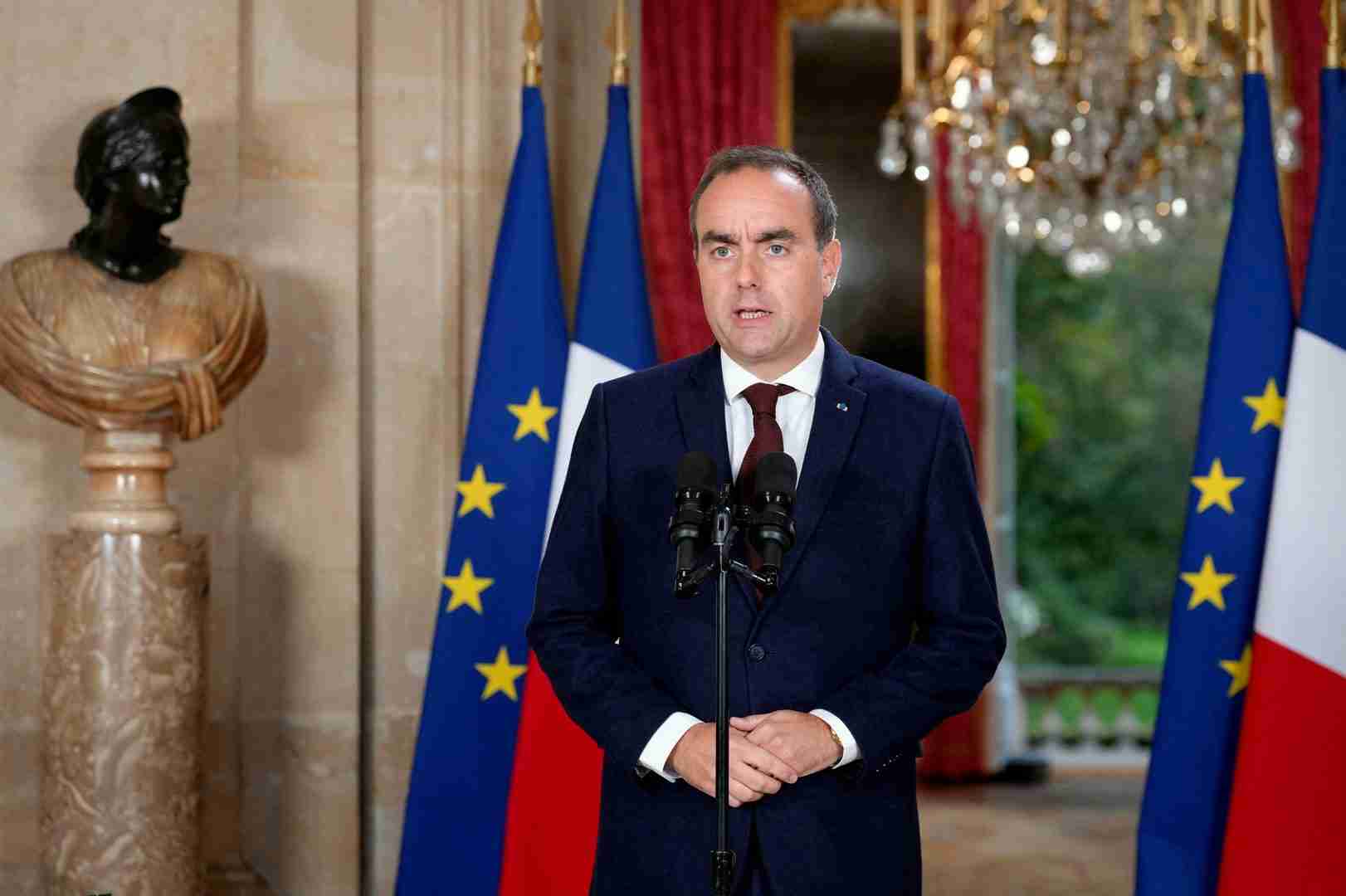
Lecornu said the move “will automatically lower prices at the pump by an estimated amount ranging from 0.12 to 0.18 euros per liter of diesel.”
International News via Reuters:
France will release 10 million barrels of diesel from its strategic stocks to try to ease tight supplies amid surging energy prices stemming from the wars in Iran and in Ukraine, French Prime Minister Sebastien Lecornu said on Wednesday, confirming a report by Franceinfo radio.
“Last Friday, President (Emmanuel) Macron convened an emergency meeting of the G7, which decided to mobilize strategic reserves in a coordinated manner. As part of this effort, we will make 10 million barrels of diesel from our reserves available to distributors in France,” Lecornu said in a national address.
Lecornu said the move “will automatically lower prices at the pump by an estimated amount ranging from 0.12 to 0.18 euros per liter of diesel.”
Reporting by Inti Landauro, Michel Rose, Editing by Dominique Vidalon
France suspends use of stun grenades to police student protests
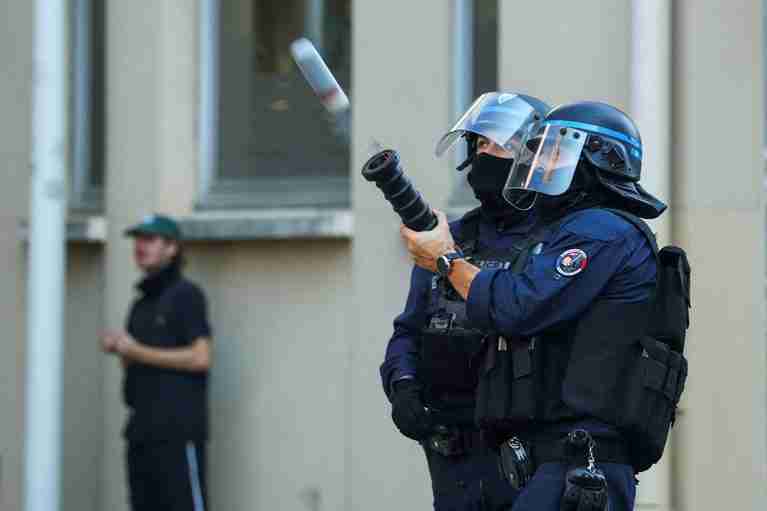
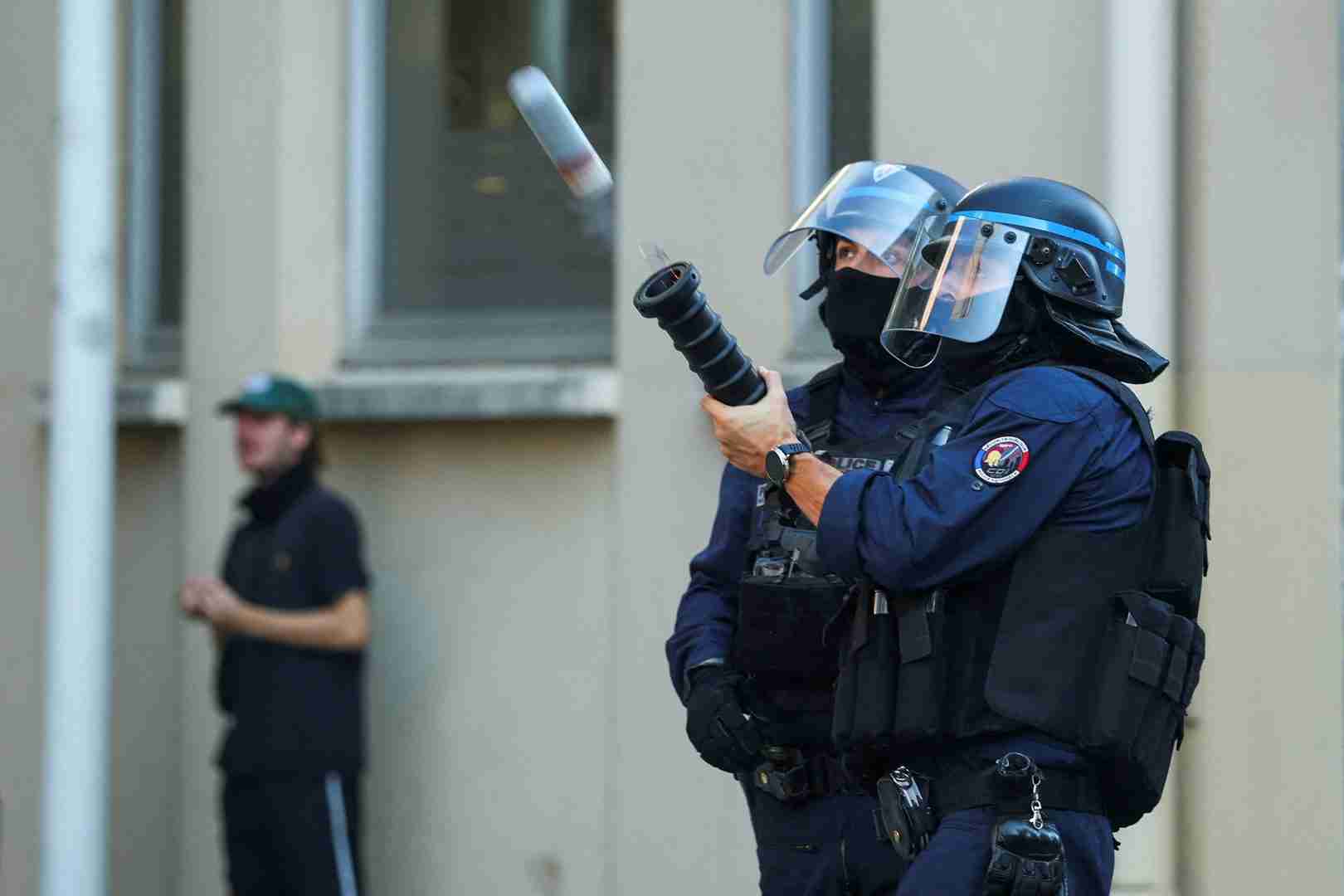
Protests showed no sign of easing, with more than 500 schools closed a day after demonstrations swept across the country, and unions representing high-school students, teachers and other workers planning more marches for Thursday
International News via Reuters:
The French government said on Wednesday it was pausing the use of stun grenades in its policing of student protests, after a 15-year-old boy’s hand was blown off during a clash with riot police, fuelling protesters’ accusations of police brutality.
Protests showed no sign of easing, with more than 500 schools closed a day after demonstrations swept across the country, and unions representing high-school students, teachers and other workers planning more marches for Thursday.
The wave of protests has been going on for more than two weeks and has exposed widespread public anger six months ahead of an election to replace President Emmanuel Macron.
At Lycee Lamartine, a high school in central Paris, protesters sang the Marseillaise, chanted slogans and performed Mexican waves as they blockaded the entrance to the school.
“We saw there were lots of crumbling walls, a shortage of teachers in public schools, absent teachers,” said Gabriel Fillieule, who used to attend a public school but now goes to a private one. He and others said they were protesting to demand better learning conditions for all.
POLICE’S USE OF FORCE BEING INVESTIGATED
While most of Wednesday’s blockades were peaceful, police used tear gas and pushed back protesters in a street barricaded by rubbish bins outside Sciences Po university in central Paris.
Rights groups, labour unions, students and some opposition politicians have accused the police of using disproportionate force to quell the wave of protests.
Interior Minister Laurent Nunez said he had ordered the suspension of the use of stun grenades following an incident in the northern city of Lens on Monday in which there was a “strong possibility” the firing of a stun grenade had caused a teenager to lose his hand.
“I am suspending their use for the high-school students’ movement until light has been shed on what happened in this case,” said the minister, who added that 18 incidents in total had been referred to the police inspectorate for investigation.
Protesters have said they blame poor learning conditions for a sharp drop in French teenagers’ scores in reading and maths over the past decade.
French 15-year-olds scored 43 points lower in reading in 2025 than in 2015, according to the OECD’s Programme for International Student Assessment, the biggest drop among the OECD countries. Their maths scores also dropped the most.
But the government, under pressure to tame public debt amid weak growth, has little spare cash to address students’ complaints of teacher shortages, ageing school buildings and inequalities between schools in affluent and poor areas.
TWENTY-FOUR HIGH SCHOOLS DAMAGED BY FIRE OR VANDALISM
Prime Minister Sebastien Lecornu has acknowledged the “legitimate” demands of France’s students but also described the unrest as the most violent student demonstrations in decades.
Education Minister Edouard Geffray told parliament that 24 high schools had been damaged by fire or vandalism to the extent that they would remain closed for weeks, meaning some 30,000 students would receive no in-person teaching until they reopened.
He estimated it would cost €20 million to €30 million ($22 million to $34 million) to fix the damage.
Far-right presidential candidate Marine Le Pen, the frontrunner according to opinion polls, said those who damaged schools should pay for the repairs rather than taxpayers.
The government has adopted a similar stance and has a bill going through parliament that aims to set up such a system.
UNREST ELSEWHERE
Elsewhere in Europe, where budgets have been under pressure as governments respond to successive cost-of-living and energy crises, students in parts of Belgium staged similar protests.
In the Belgian city of Liege in the southern French-speaking Wallonia region, at least 107 people have been arrested in connection with student protests this month, the Belga news agency reported.
Teachers are also on strike.
In Portugal, the main teachers’ union FENPROF launched an indefinite strike in mid-September over working conditions, with teachers refusing to do any unpaid work beyond the 35 hours a week mandated by law.
And in Spain, teachers’ unions have been protesting conditions in state schools. Teachers in Madrid plan a strike on October 14 to press demands including a reduction in hours, smaller class sizes and higher salaries.
($1 = 0.8952 euros)
Reporting by Paris bureau; additional reporting by Amina Ismail in Brussels and Charlie Devereux in Madrid; Writing by Richard Lough and Estelle Shirbon; Editing by Philippa Fletcher and Hugh Lawson
Nobel chemistry prize goes to pair who solved mystery of ‘mirror image’ molecules
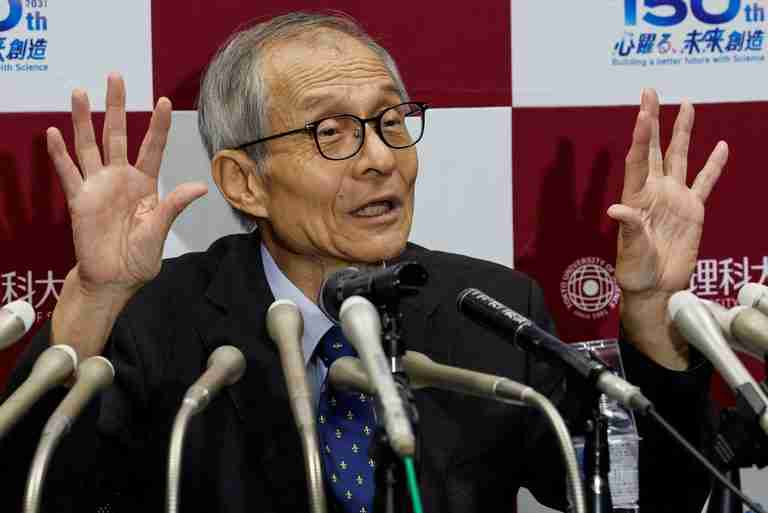
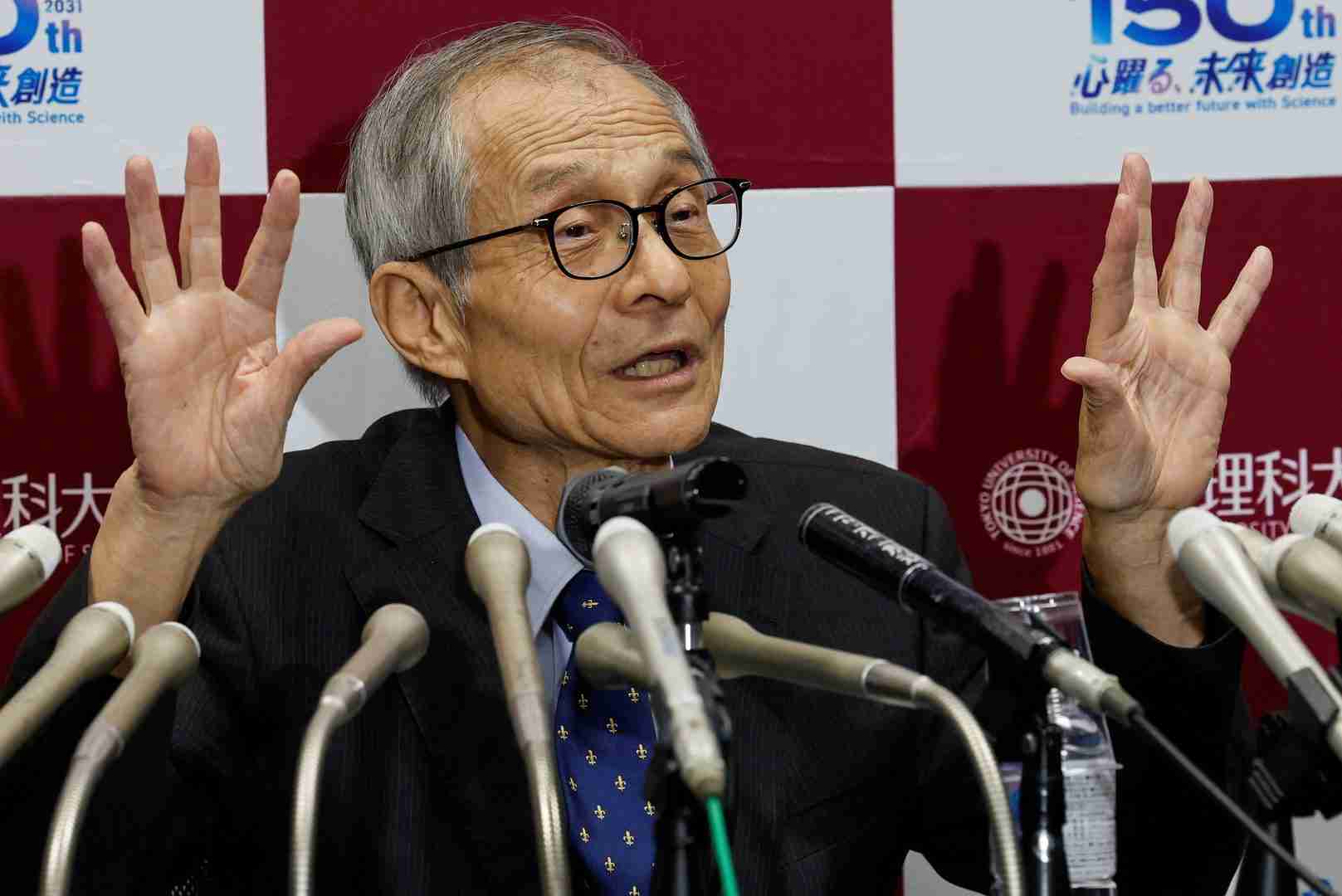
Soai, 76, is Japanese, and Kagan, 95, is French, and their work built on a discovery by the 19th-century French chemist Louis Pasteur
International News via Reuters:
Scientists Henri Kagan and Kenso Soai won the 2026 Nobel Prize in Chemistry on Wednesday for solving a long-standing riddle of asymmetric “mirror image” molecules, a discovery hugely important for pharmaceutical manufacturing.
Soai, 76, is Japanese, and Kagan, 95, is French, and their work built on a discovery by the 19th-century French chemist Louis Pasteur.
“This is the most exciting day in my life, I am very glad to share this prize with Professor Henri Kagan,” Soai said, speaking by phone to the Nobel Prize press conference, adding he had been out grocery shopping when he received the news.
Reuters was unable to reach Kagan, the third-oldest person to be awarded a Nobel Prize, but his daughter, Veronique Le Deunff, said she was “very happy” and that “the creativity and originality of his work have opened up new avenues for research”.
French President Emmanuel Macron congratulated the laureates on X, calling it an immense honour for the country. “A recognition suited to a lifetime of research,” he said.
In fact, Kagan’s work has long been seen as influential on the field and the then-French research minister complained to the Nobel Foundation in 2001 when Kagan was left out that year. The prize instead went to two American and one Japanese scientist for work in the same field.
In a congratulatory phone call, Japanese Prime Minister Sanae Takaichi told Soai: “As a Japanese, I’m very proud of you.”
‘RIGHT-HANDED’ AND ‘LEFT-HANDED’ MOLECULES
Many of the molecules essential to life exist in two forms that are mirror images of each other, like left and right hands. Yet living organisms almost exclusively use only one version, a phenomenon known as “homochirality” – from the Greek word for hand – that has puzzled chemists for more than a century.
This year’s prize was awarded for discoveries that showed how chemical reactions can be driven to favour a single molecular mirror image, work that has been key for chemists who design reactions for the manufacture of pharmaceuticals.
“The left-handed version of the drug can have one effect, and the right-handed version can have another effect, and then we need methods for selectively preparing them,” Peter Somfai, a member of the Nobel Committee for Chemistry, said.
“In developing such methods the findings of this year’s laureates are important. They provided powerful tools for that.”
BUILDING ON WORK BY LOUIS PASTEUR
The first link in the chain in solving the problem was work by Pasteur, who died a few years before the Nobel Prizes were first awarded in 1901.
He was looking at tartaric acid, important in the production of wine, and noticed that bacteria only ferment one of the two forms of tartaric acid – that which is naturally found in grapes. With the other there is no fermentation.
That proved that some substances occur in two forms and that they have different properties, sometimes very damaging to health.
How to create the right form of a chiral substance was a problem not solved until Kagan and Soai were able to produce asymmetric reactions, creating an excess of one form.
“This is probably the coolest experiment in organic chemistry,” said Somfai.
The importance of the work is illustrated by the case of the thalidomide scandal in the early 1960s, when thousands of children were affected by birth defects caused by a sedative, thalidomide.
When researchers analysed what had happened, they realised that it was the active substance’s mirror image that caused the harm.
AWARD CEREMONY IN STOCKHOLM IN DECEMBER
The chemistry Nobel, always the third prize to be awarded during Nobel week, followed those for medicine and physics announced on Monday and Tuesday.
Established in the will of Swedish inventor and businessman Alfred Nobel, the prizes for achievements in science, literature and peace have been awarded since 1901, with a few interruptions mostly due to the world wars.
Nobel, a chemist by trade, amassed huge wealth in the 19th century from inventions primarily tied to warfare, most notably dynamite. The economics prize is a later addition funded by the Swedish central bank.
Sometimes overshadowed by more famous laureates in the fields of physics, literature and peace, the chemistry awards have still recognised many influential discoveries such as nuclear fission and genetic sequencing techniques.
Last year’s chemistry award went to scientists Susumu Kitagawa, Richard Robson and Omar Yaghi for the development of so-called metal-organic frameworks, molecular constructions that can help tackle challenges such as climate change and lack of fresh water.
The laureates will receive their medals from Sweden’s King Carl XVI Gustaf at a ceremony in Stockholm on December 10, the anniversary of Alfred Nobel’s death. The awards are followed by a lavish banquet at Stockholm City Hall.
They also share 12 million Swedish crowns ($1.2 million).
($1 = 10.0309 Swedish crowns)
Reporting by Johan Ahlander, Niklas Pollard, and Marie Mannes in Stockholm; additional reporting by Simon Johnson, Greta Rosen Fondahn and Anna Ringstrom in Stockholm, Terje Solsvik in Oslo, Elizabeth Pineau in Paris and Nobuhiro Kubo in Tokyo; Editing by Alex Richardson and Toby Chopra
UK PM Burnham’s Labour Party faces challenge from Greens in Starmer’s old seat
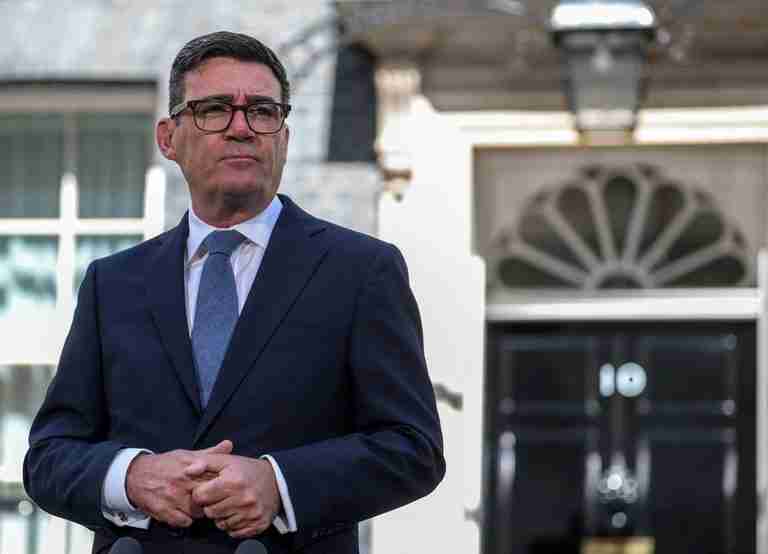
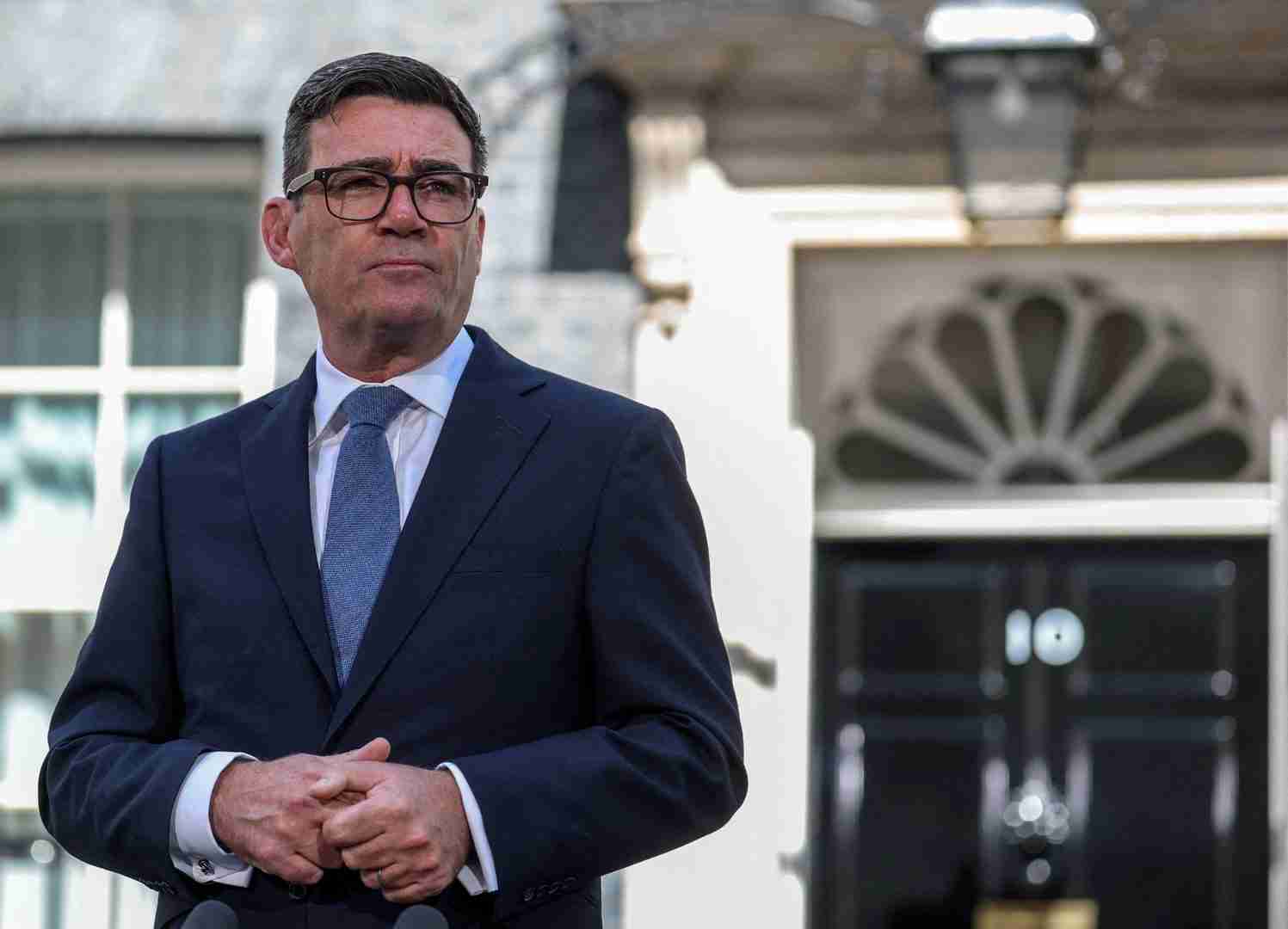
The vote for a parliamentary seat in the inner London electoral district of Holborn and St Pancras, made vacant by the resignation of former Prime Minister Keir Starmer, is a first test of whether Burnham can restore voters’ faith in Labour
International News via Reuters:
Andy Burnham needs to win over voters like tech worker Dani Arbid in a by-election on Thursday if he is to fend off a national threat to his Labour Party from the Greens — and the early signs are encouraging for Britain’s new prime minister.
The vote for a parliamentary seat in the inner London electoral district of Holborn and St Pancras, made vacant by the resignation of former Prime Minister Keir Starmer, is a first test of whether Burnham can restore voters’ faith in Labour, which saw its popularity among left-wing voters plunge over the war in Gaza.
Many, like Arbid, turned instead to the Greens, helping them to their strongest result ever in local elections in May. Now, he says he is undecided on how he will vote in Thursday’s so-called by-election but welcomed Burnham’s tougher messaging on Israel and his more ambitious approach to ties with the European Union.
“It’s very important to read the room, which I think the current Labour government is doing a lot better job at,” Arbid, 38, told Reuters. “There is still room for Labour to kind of claw back some of those losses for sure.”
LABOUR TIPPED TO WIN BY-ELECTION
Unlike the national picture, where Nigel Farage’s Reform UK poses a serious challenge to Burnham, the by-election is mainly a contest between Labour and the Greens, with thousands of activists from both parties out canvassing in recent weeks.
Burnham hopes to show he can consolidate the left-of-centre vote, strengthening his efforts to take on a British right now split between Reform UK and the Conservatives. But the by-election also offers him a chance to rob the Greens of the momentum they have built up under new leader Zack Polanski.
Polanski himself is the Greens’ candidate in Holborn and St Pancras but Labour’s Sagal Abdi-Wali, a local council leader, is tipped to hold the seat for the governing party.
Green gains in areas of London contributed to Labour’s dismal local election results in May, which helped set in train a process that culminated on July 20 with Starmer’s resignation and his replacement by Burnham.
Since then, however, Labour has rebounded in national opinion polls, while the Greens have suffered setbacks.
At a conference last weekend, Green Party members voted to class Zionism as a form of racism, drawing criticism from British Jewish groups, Israel and even some Green lawmakers. Polanski, who is Jewish, did not take part in the vote.
Burnham’s government, which has taken a more critical approach towards Israel and banned the import of goods from West Bank settlements, said the Greens had overstepped a line.
On Camden High Street, an area of London brimming with market stalls and popular with musicians, artists and tourists, Kamran Ahmed, a local resident who works in AI, said Polanski could have managed the issues raised at conference better.
But on a local level he said the Greens had something new to offer, echoing frustration heard around the country that the previously dominant Conservative and Labour parties no longer have the answers.
“Nothing is set in stone, but some of the mainstream parties have over-promised and under-delivered… If you take an area like Camden, it could benefit from some of the fresher thinking that the Green Party offers,” Ahmed said.
Damian Lyons Lowe, head of pollster Survation, said the seat was one of the Greens’ top targets, and that governments rarely did well at by-elections. But the Greens’ anti-Starmer message, which resonated so well in May, was being tested by Burnham.
“Burnham has made direct appeals to Green-minded voters in terms of some of the things they care about,” he told Reuters.
“The Burnham vibe check is very different to the Starmer-led Labour government, and that’s a problem for the Green Party.”
Reporting by Alistair Smout and Ben Makori; Editing by Kate Holton and Gareth Jones
Police issue 130 traffic tickets over weekend

Bermuda Police handed out more than 130 traffic tickets in just two six-hour patrols this weekend, and speeding once again tops the list.
Katie Martin reports…
Attacks on tankers in Hormuz hit highest of any week since start of Iran war, sources say

Attacks, attempted attacks and harassment activity including drone overflights, surveillance and hailing using VHF radio by Iran’s Revolutionary Guards have persisted in the strait

International News via Reuters:
Attacks on tankers sailing through the Strait of Hormuz hit their highest last week of any week since the Iran war began, according to maritime security sources tracking incidents, amid a bigger export push by Gulf producers.
Attacks, attempted attacks and harassment activity including drone overflights, surveillance and hailing using VHF radio by Iran’s Revolutionary Guards have persisted in the strait, the US Navy-led Joint Maritime Information Center (JMIC) said in a note on Sunday.
“These actions continue to demonstrate Iran’s intent to assert presence along key transit lanes and maintain pressure on transiting vessels,” the JMIC said.
In the week of September 28-October 5, there had been at least 12 attacks on oil, liquefied natural gas and liquefied petroleum gas tankers around the Strait of Hormuz, according to data from three maritime security sources who analysed incidents based on information received from the area.
That was the highest number of attacks in a single week since the US war with Iran began on February 28, the sources said.
Separate data collated by the UN’s shipping agency, the International Maritime Organization (IMO), showed nine incidents involving vessels in the same week.
The UN body tends to take longer to verify and officially record incidents, maritime sources say.
The closest week in terms of comparable incidents was the week of July 13 when there were eight incidents, separate IMO data showed.
Gulf oil exporters topped pre-war levels for about half of September, shipping data showed on Monday, though attacks on tankers and logistical constraints cloud the outlook for sustained higher flows.
India’s foreign ministry said on Tuesday that 12 crew members were injured after an unknown projectile struck Panama-flagged oil tanker On Peace while it was passing through the Strait of Hormuz.
Reporting by Jonathan Saul; Additional reporting by Nerijus Adomaitis; Editing by Jan Harvey
James stars with milestone debut and hunter victory in Kentucky


Bermudian rider Tyler James capped off a productive fortnight of high-calibre competition with a series of eye-catching performances at the prestigious Split Rock Jumping Tour series in Lexington, Kentucky.
Competing across both the Split Rock Kentucky National CSI2* and the Split Rock Fall Classic CSI3* from 16 to 27 September, James delivered consistent rounds alongside coach Wendy Arndt and Team I.E.C.
Partnering Case Closed 441, James proved his mettle in competitive company, securing back-to-back 11th-place finishes in both the 1.20m Jumper Speed Class and the 1.30m Jumper division. The duo then reached a major development milestone by stepping up to make their debut in the 1.35m National Grand Prix, testing themselves over the heavier tracks.
James’ momentum continued in the hunter ring aboard Vino Blanco 441, where the combination produced standout results in the 3’6″ Amateur-Owner Division—claiming an emphatic victory alongside a solid fourth-place finish. They rounded out their week with a sharp fifth-place finish in the National Hunter Derby.
Completing an encouraging fortnight, James guided young prospect Zero to Sixty into the 1.10m Jumper division, showing poise to deliver consistent clear rounds throughout the competition.
Economy is ‘better than we inherited’, says Burt
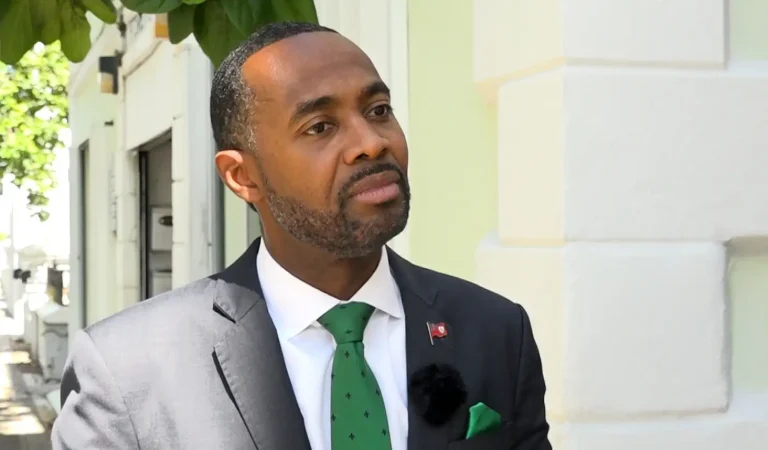
Premier and Finance Minister David Burt delivered a fiscal performance update to the House of Assembly on Friday
Premier David Burt has performed the first verse of his swan song as Finance Minister.
Delivering a fiscal performance update to the House of Assembly on Friday, the Premier cited the Bermuda’s economic position when the PLP returned to power in 2017, and said that, thanks to the collective work of his Government, he will leave office with a much better economy than the one his party inherited.
Premier Burt reiterated his points in conversation with Jasmine Patterson:
Premier Burt says he will provide a further update in November, along with the next phase of tax reductions and relief.
He cited that the first projected Corporate Income Tax collections that are more than 100 million dollars above original estimates at $291million.
When we suggested that the CIT is enabling some increased spending, the Premier said that revenues are up in other areas…
