Wednesday, November 4, 2026
Home Blog Page 413

UNESCO fears for fate of historical sites during Iran war

The United Nations’ cultural agency on Wednesday urged all parties to protect the region’s outstanding cultural sites
International News via Reuters:

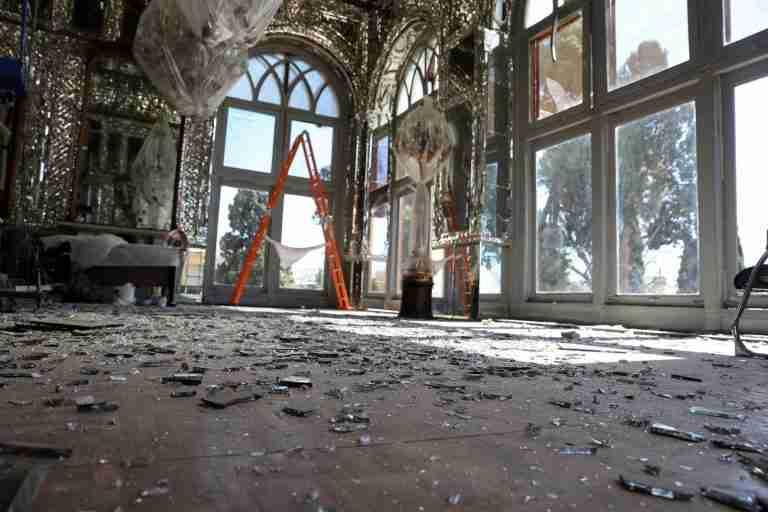
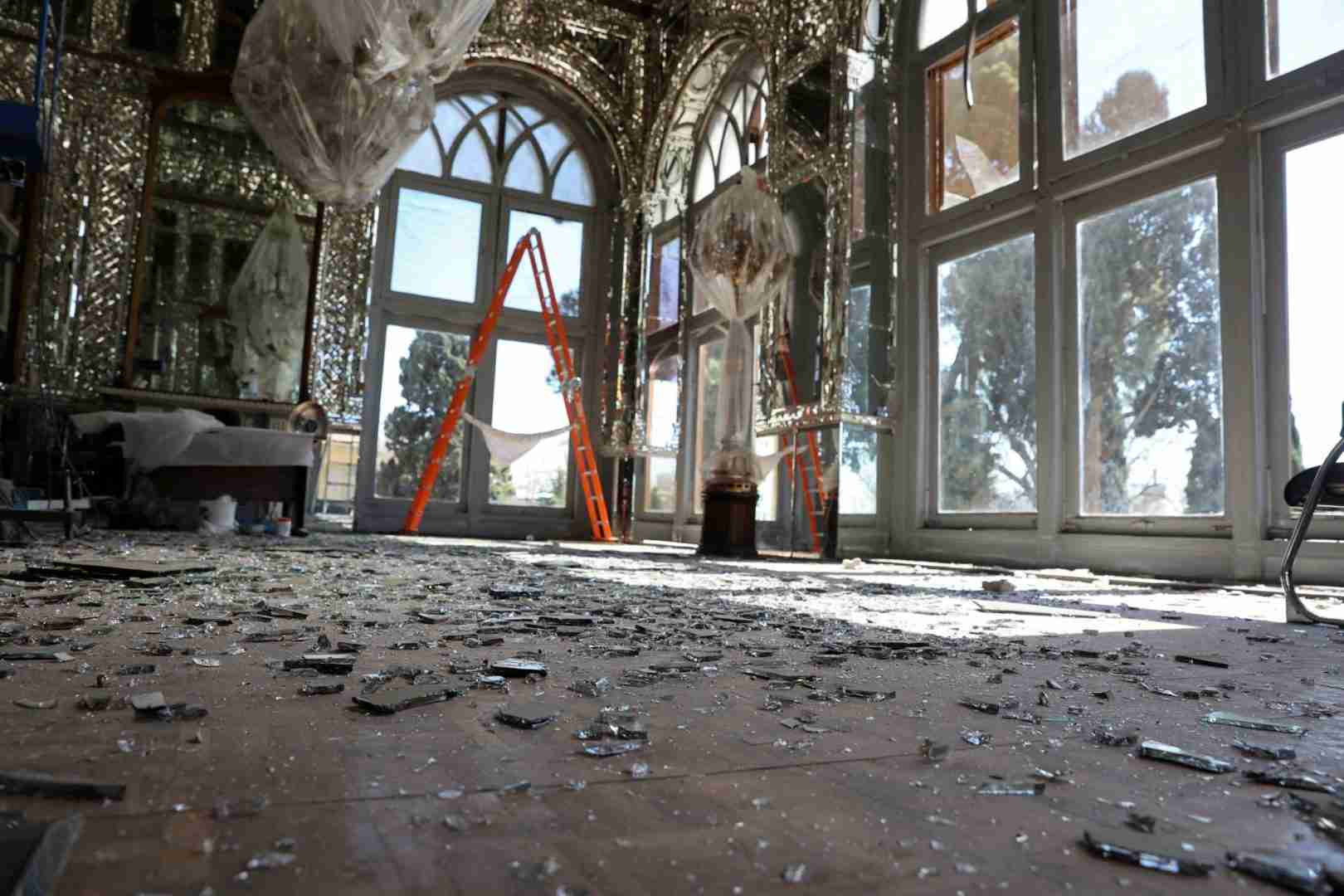
UNESCO said it is deeply concerned about the fate of world heritage sites in Iran and across the region, after Tehran’s Golestan palace, often compared to Versailles, and a historic mosque and palace in Isfahan were damaged in the war.

The United Nations’ cultural agency on Wednesday urged all parties to protect the region’s outstanding cultural sites, saying four of Iran’s 29 world heritage sites had been damaged since the start of the U.S. and Israeli war with Iran.

“UNESCO is deeply concerned by the first impact that the hostilities are already having on many world heritage sites,” Lazare Eloundou Assomo, director of the World Heritage Centre, told Reuters, adding he was also concerned for sites in Israel, Lebanon and across the Middle East.

Tehran’s Golestan palace, damaged in U.S.–Israeli strikes, is testimony to the grandeur of Iran’s civilization in the 19th century, he said.

The palace was chosen as the Persian royal residence and seat of power by the Qajar family and shows the introduction of European styles in Persian arts, according to the UNESCO website. The last Shah of Iran, Mohammad Reza Pahlavi, held a coronation ceremony there in 1969.

“We sometimes even compare it with the Versailles Palace in France, for instance, and it has suffered, unfortunately, some damage. We don’t know the extent for the moment. But clearly, with the images that we have been able to receive, we can confirm … it has been affected,” Eloundou Assomo said.

Photos of the interior of the palace have shown piles of smashed glass and shards of wood on the floor, and shattered woodwork.

Isfahan was one of Central Asia’s most important cities and a key point on the Silk Road trading route. Its Masjed-e Jame (Jameh Mosque) is more than 1,000 years old and shows the development of Islamic art through 12 centuries.

Buildings close to the buffer zone of the prehistoric sites of the Khorramabad Valley have also been damaged, UNESCO said.

UNESCO has shared coordinates of key cultural sites to all parties, Eloundou Assomo said, and was monitoring damage.

“We are calling for the protection of all sites of cultural significance … everything that tells the history of all the civilisations of the 18 countries in the region,” he said.

Writing by Ingrid MelanderEditing by Alexandra Hudson

Dollar rises, as investors remain on edge about Middle East risks 

The dollar has risen about 2% against the euro since February-end on a flight to safe-havens – was 0.4% higher against the euro on Wednesday

International News via Reuters:

The dollar strengthened against the euro and the yen on Wednesday as investors remain on edge over further escalation in the Middle East conflict that has driven up energy prices worldwide as Iran struck tankers and energy storage facilities in fresh attacks.

The dollar has risen about 2% against the euro since February-end on a flight to safe-havens – was 0.4% higher against the euro on Wednesday. Those gains eased earlier in the week on brief hopes that the conflict, which started nearly two weeks ago when the U.S. and Israel struck Iran, would be resolved.

Iran’s military command said on Wednesday the world should be prepared for oil to hit $200 a barrel, as three more ships came under attack in the blockaded Gulf. 

Oil prices gained more than 4% on Wednesday as fresh attacks on ships in the Strait of Hormuz worsened supply disruption fears, and analysts said the International Energy Agency’s proposal for a record release of 400 million barrels of oil reserves is inadequate to ease those fears.

“The war in Iran and the impact on energy prices is still the predominant focus for FX,” Kyle Chapman, FX markets analyst at Ballinger Group in London, said.

“Optimism around a near-term end to the war appears to be fading again as Iran is striking vessels and attempting to mine the Strait of Hormuz.”    

The U.S. military “eliminated” 16 Iranian mine-laying vessels near the key shipping artery of the Strait of Hormuz on Tuesday, the U.S. Central Command said in a statement, as President Donald Trump warned that any mines laid in the strait by Iran must be removed immediately.

Against the yen, the dollar was 0.5% higher at 158.90 yen.

INFLATION CHECK

U.S. consumer prices rose moderately in February, according to data released Wednesday, as rents maintained a steady pace of increases, though households paid more for gasoline and at the supermarket.

However, in light of the surge in energy prices, traders were looking past that data to concerns about inflation in coming months.

“(The report) is not relevant at the moment … the current price action, the move in rates we’ve had recently is much more of a forward-looking story,” said Shahab Jalinoos, head of G10 FX research at UBS.

“What would happen if energy prices globally stay elevated? What would be the spillover effects from that, how would that feed through into core CPI as well as headline CPI? These are the questions the market is thinking about,” Jalinoos said.

A jump in inflation in coming months would make it hard for the Federal Reserve to cut rates further, investors said.

“While today’s inflation numbers give the market some relief, we could very well be facing some nasty inflation prints in the months to come which the Fed may, or may not, be able to look through,” John Kerschner, global head of securitized products and portfolio manager at Janus Henderson Investors, said in a note.

The Australian dollar was up 0.4% on the day at $0.7149, supported by growing expectations for the Reserve Bank of Australia to hike rates next week.

The risk-sensitive currency faring well, even as market volatility spiked and positioning has been crowded, was notable, Jalinoos said.

The British pound was about flat on the day at $1.3414 in a choppy session driven by fears of an oil supply shock. Oxford Economics estimated that UK inflation could be 0.4 percentage points higher if shipping through Hormuz was disrupted for up to two months.

Leading cryptocurrency bitcoin rose 1% to $70,794 but remained close to the multi-year low touched in early February.

Reporting by Saqib Iqbal Ahmed in New York; Additional reporting by Niket Nishant in London and Ankur Banerjee in Singapore; Editing by Jamie Freed, Edwina Gibbs, Alexander Smith and Nick Zieminski

‘Government is treating single fathers like second-class citizens’

OBA critiques Employment Amendment Act 2026

Statement by Shadow Minister for Legal Affairs, Scott Pearman:

 “This PLP Bill is a slap in the face to single fathers seeking to adopt or assume legal guardianship for a child in need,” says Shadow Minister for Legal Affairs, Scott Pearman after the Employment Amendment Act 2026 was passed in the House of Assembly earlier this week.

“It is a courageous step to adopt a child.  Yet rather than supporting single fathers, the PLP chooses to discriminate against them – treating single fathers like second-class citizens.

 “To compound the problem, Jason Hayward, the Minister of Economy and Labour, refused to adopt an OBA solution to fix the problem.  When the OBA invited the Minister to press pause on the PLP Bill – for necessary amendments to be made – the PLP decided to ignore us.  Instead, Minister Hayward simply pressed on with his defective legislation.”

Mr Pearman points out that in the past the Government has had to backpedal when it refused to accept the opinion of the Opposition: “Remember, this is the same PLP Government that passed a law to have health care workers arrested, only to be forced to return to Parliament weeks later to amend their defective legislation. Yet again, this Government refuses to listen.”

“We cannot ignore that three of its MPs abstained from voting. It sends a very loud message to the electorate.”

US gasoline prices surpass $3.50 a gallon at the pumps as Iran war rages on

Disruptions to Middle Eastern oil exports through the Strait of Hormuz have caused a surge in fuel prices across the globe that is threatening to pinch consumers’ wallets and derail global economic activity

International News via Reuters:

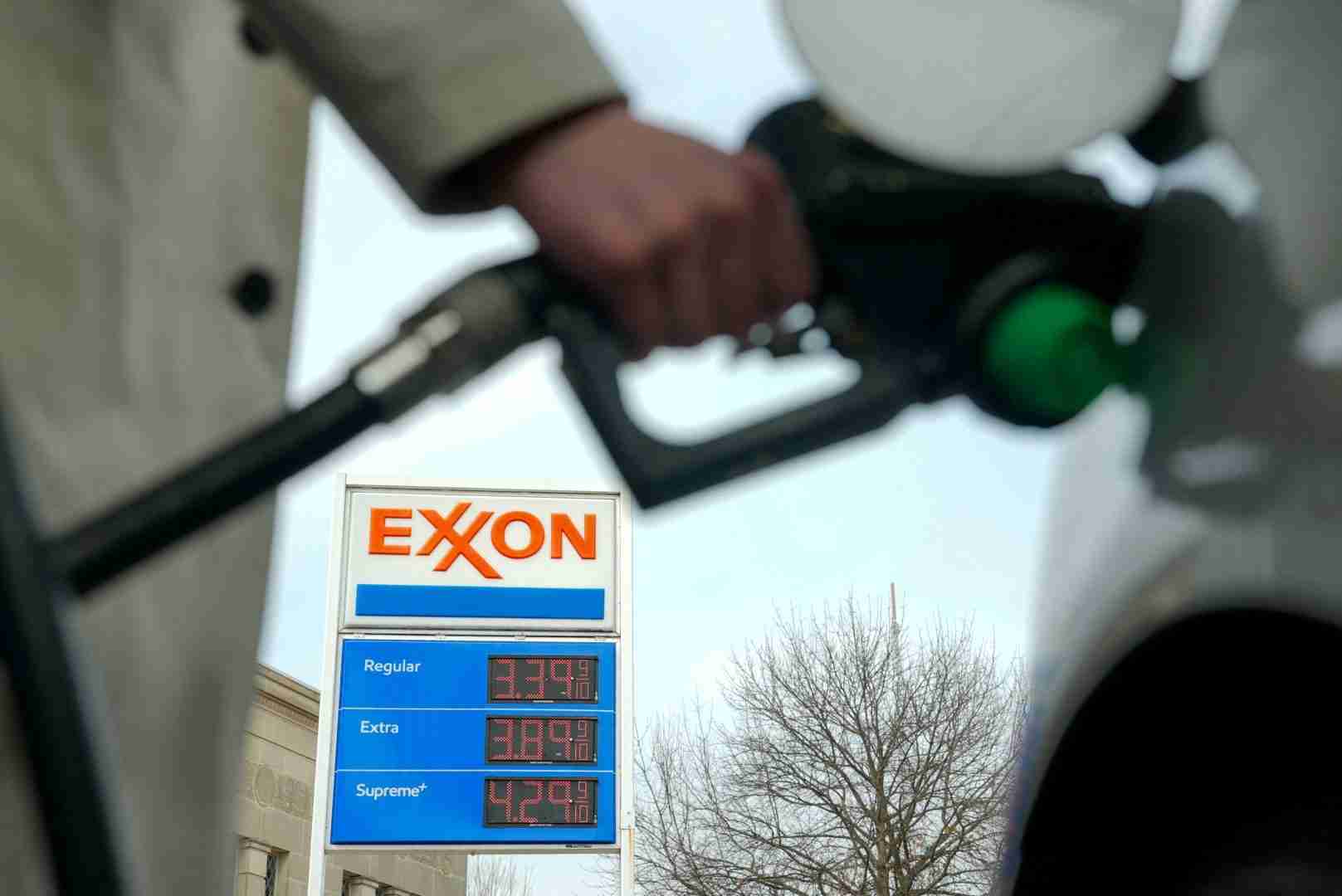
The national average retail price of gasoline crossed $3.50 a gallon this week to hit its highest since May 2024, data from price tracking services AAA and GasBuddy showed, as the Israel-U.S. war with Iran stokes supply concerns.

Disruptions to Middle Eastern oil exports through the Strait of Hormuz have caused a surge in fuel prices across the globe that is threatening to pinch consumers’ wallets and derail global economic activity. That could pose the biggest risk for U.S. President Donald Trump and his Republican Party in the Midterm elections in November, especially as a major driver of Trump’s re-election in 2024 was his vow to lower energy costs.

“Geopolitical shockwaves don’t take months to hit your wallet. They take days,” said William Stern, chief executive officer at U.S.-based small business lender Cardiff. “You feel the exact squeeze the second you fill up your car just to take the kids to practice.”

U.S. average retail gasoline prices have jumped nearly 60 cents since Trump’s decision to join Israel in attacking Iran on February 28 and stood at $3.58 a gallon on Wednesday.

Even more increases are likely to follow in the days ahead as more ships were hit in the Strait of Hormuz on Wednesday and as the United States undergoes a transition to summer-grade gasoline sales, which burns cleaner but is costlier to produce.

Spot and wholesale gasoline prices were registering double-digit increases on Wednesday, said Denton Cinquegrana, chief oil analyst at Oil Price Information Service.

Wholesale price changes are typically reflected at the pumps the next day.

Crude oil prices, the biggest component in fuel costs, were also on the rise on Wednesday despite a proposal by the Paris-based International Energy Agency to release a record 400 million barrels of oil from strategic stockpiles. [O/R]

The IEA’s announcement on the release raised more questions than answers as the group did not announce who would release how much oil and when, Cinquegrana said.

Reporting by Shariq Khan in New York, Editing by Nick Zieminski

UK stocks drop as Middle East war keeps investors cautious

The blue-chip FTSE 100 closed down 0.5%, while the mid-cap FTSE 250 fell 0.4%

International News via Reuters:

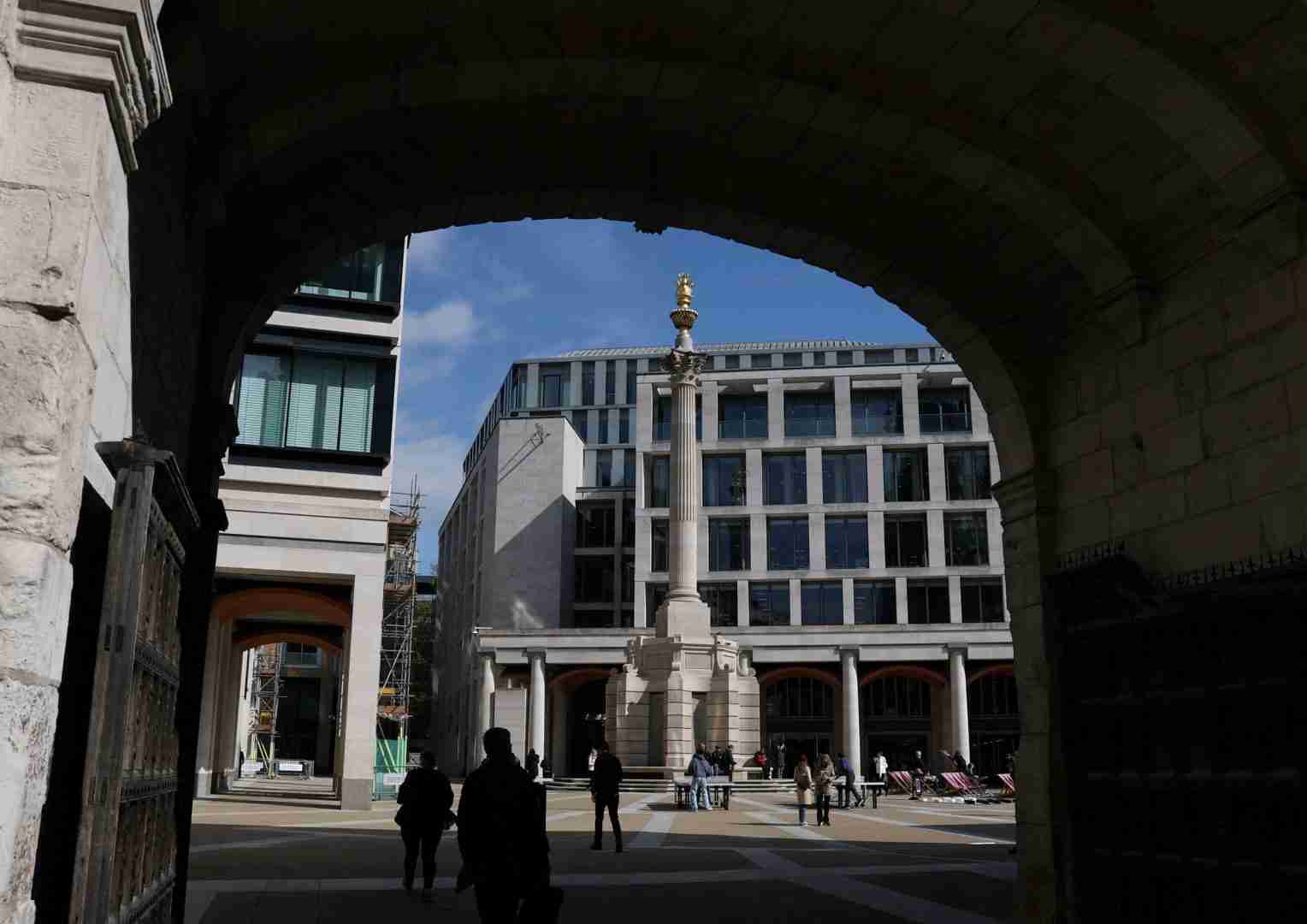
The UK’s main indexes closed lower on Wednesday, as oil prices continued to climb on concerns that the Middle East conflict will disrupt supply, while disappointing corporate earnings also weighed on sentiment. 

The blue-chip FTSE 100 closed down 0.5%, while the mid-cap FTSE 250 fell 0.4%.

Global stocks have sold off sharply in recent days as the the U.S.-Israeli war with Iran disrupted key shipping routes through the Strait of Hormuz, pushing oil prices higher and raising the risk of an inflation shock.

Brent crude rose above $90 a barrel on Wednesday despite the International Energy Agency’s proposal for a record release of oil reserves as analysts warned it will be inadequate to ease those fears. [O/R]

British finance minister Rachel Reeves said she would consider action to shield households from surging energy costs, but that it was premature to cap tariffs or freeze fuel duty now.

The energy index gained 2.1%, with oil majors Shell and BP up 1.9% and 2.8% respectively. 

Most other FTSE 350 sub-sectors were in the red. 

Investors also assessed a slew of mixed corporate updates.

Legal & General fell 6.7% after the insurer missed estimates for its full-year profit and reported a lower solvency ratio as CEO Antonio Simoes pursues an overhaul. 

Robert Walters dipped 7.9% after the recruiter scrapped its final dividend for 2025 following a swing to an annual pretax loss due to a weak job market.

Balfour Beatty rose 8.9% after the construction group forecast a high-single-digit percentage rise in 2026 profit from operations, with a record order book heavy with UK power projects, including nuclear power.

Reporting by Tharuniyaa Lakshmi in Bengaluru; Editing by Harikrishnan Nair and Nick Zieminski

What’s next for Morgan’s Point?

Proposals are being sought to develop a comprehensive master plan for the site

Plans to redevelop Morgan’s Point are moving into a new phase.

A Request for Proposals for comprehensive master-planning services at Morgan’s Point has been circulated to local and international firms with expertise in large-scale, mixed-use waterfront redevelopment.

This update from Housing and Municipalities Minister Zane DeSilva, who briefed parliamentarians on the work of the Morgan’s Point Development Company at the close of the fiscal year.

He says proposal submissions are expected between late in the first quarter and early in the second quarter of this year. After evaluation, the board plans to bring forward a recommendation allowing a master-planning team to be appointed early in the 2026–2027 fiscal year.

Minister DeSilva outlined what the master plan will need to address:

  • “Establish a realistic and financially viable development framework
  • Integrate marina assets and waterfront opportunities
  • Consider residential, hospitality, commercial, community, and public realm
    components
  • Incorporate climate resilience and environmental sustainability
  • Provide phased implementation options aligned with market demand
  • Incorporate participation from qualified Bermudian firms to the greatest
    extent possible”

He continued: “… the purpose of this work is not to rush to construction, but to ensure that any redevelopment pathway is evidence-based, financially sound, and aligned with Bermuda’s broader economic, and development objectives.

Government says the development company has spent the past year stabilising operations, strengthening governance and advancing site control.

The company is also working to expand the acreage under its management from just over 51 acres to more than 73 acres, pending final verification of surveys and legal processes.

During the fiscal year, Minister DeSilva said the company operated within its approved budget while strengthening financial oversight.

“At the end of the 2025–2026 fiscal year, the Morgan’s Point Development Company stands on significantly firmer footing than at any time since its establishment,” said Minister DeSilva.

Officials say they will continue to evaluate potential revenue opportunities through interim uses of the site including SailGP.

Looking ahead, the minister says the next fiscal year will focus on moving the project from preparation into structured planning.

“As we move into the 2026–2027 fiscal year, the Company’s priorities are clear:

  1. Finalise and verify expanded land control.
  2. Complete and award the master planning contract.
  3. Advance structural and infrastructure assessments to inform phased
    development options.
  4. Maintain rigorous governance, compliance, and financial controls.
  5. Develop a clear strategic roadmap for Cabinet consideration, including potential partnership models and investment structures.”

The government says the goal is to ensure the redevelopment of Morgan’s Point delivers sustainable economic value while protecting public funds and reflecting the long-term interests of Bermudians.

The Minister’s full remarks are below.

Two motorcyclists involved in Pembroke collision

Traffic is being diverted in the area; Police encourage witnesses to call 211

The Bermuda Police Service issued the following media release:

A reported two-motorcycle collision occurred around 2:10pm today (Wednesday, 11th March 2026), along North Shore Road, near Bandroom Lane, Pembroke.

Motorists travelling in the surrounding area are currently being diverted at Black Watch Pass and The Glebe Road.

Details are limited at this time. However, initial information suggests that both riders have sustained non-life threatening injuries.

Any witnesses are encouraged to call 211. An update will be provided in due course.

UN warns global aid at risk as Middle East war spreads

Aid supplies to Gaza and sub‑Saharan Africa are being affected by the conflict, as humanitarian relief that needs to travel through the Strait of Hormuz or through airspace in the Gulf has been largely blocked or constrained

International News via Reuters:

The United Nations aid chief warned on Wednesday that the conflict in the Middle East is straining humanitarian operations worldwide, disrupting supply chains and slowing the delivery of life‑saving assistance to numerous crisis zones.

“We are in a moment of grave peril for the Middle East and, actually I believe, for the wider world,” Tom Fletcher, the U.N. aid chief, told Reuters.

The U.S.-Israeli war with Iran, which has expanded to Lebanon and dragged in Gulf countries, has convulsed global markets and disrupted supply chains, with airspace closures and the halt of shipping ​through the critical Strait of Hormuz. 

Fletcher said aid supplies to Gaza and sub‑Saharan Africa are being affected by the conflict, as humanitarian relief that needs to travel through the Strait of Hormuz or through airspace in the Gulf has been largely blocked or constrained.

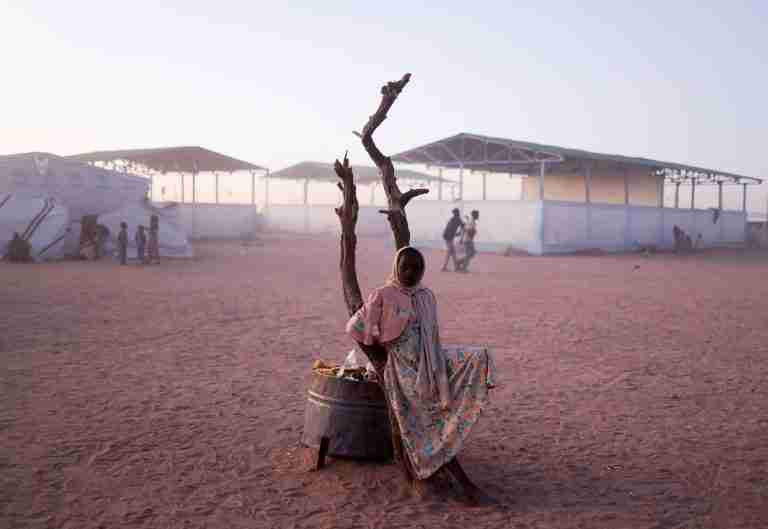
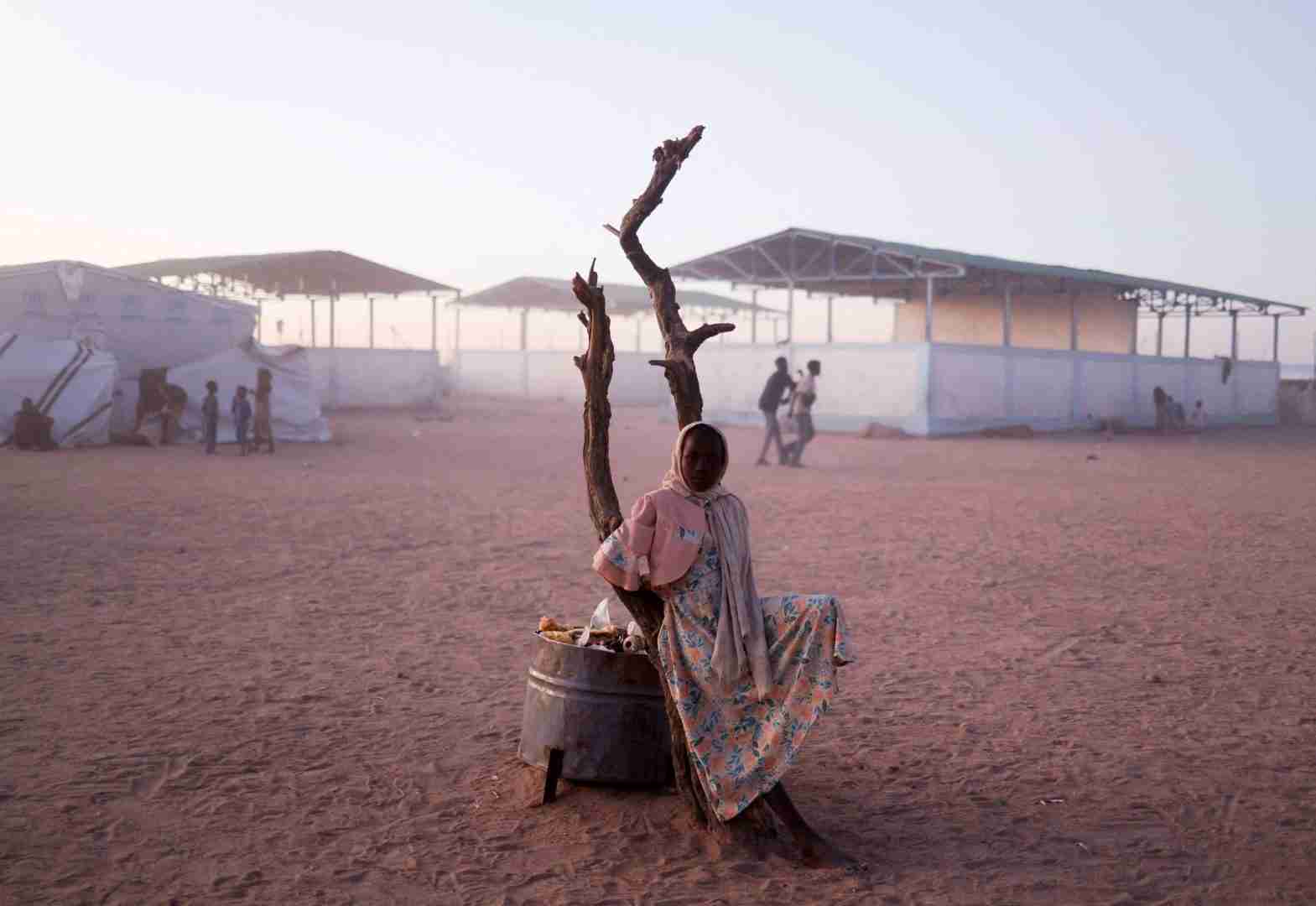
Conflict-ridden Somalia, which is facing a major drought, and Sudan are among a number of countries facing dire humanitarian crises.

“These (constraints) will damage our humanitarian supply chains, reduce the humanitarian supplies we can get to people who need them, but they’ll also drive up energy costs and food costs across the region,” Fletcher said. 

“This really is a perfect storm of factors right now, and I’m seriously worried,” he stated.

There is particular concern for aid supplies to sub‑Saharan Africa, Flether said, which are being impacted by restricted movement through the Strait of Hormuz, with alternative routes slapped with rising freight costs. 

Higher oil prices are making the U.N.’s aid deliveries by air more expensive, at a time when UN agencies and NGOs budgets are already facing major donor cuts, Fletcher explained.

“We’ve just about put some money together to keep more of our UN humanitarian flights in the air, but they’ve suddenly, almost overnight, become much more expensive,” Fletcher said. 

Reporting by Olivia Le Poidevin, Editing by William Maclean

Chile’s Kast to take office in biggest right-wing shift in decades

Leaders from around the Americas, including Argentina’s Javier Milei, Ecuador’s Daniel Noboa and Paraguay’s Santiago Pena have all flown in to Chile to attend the transfer of power ceremony

International News via Reuters:

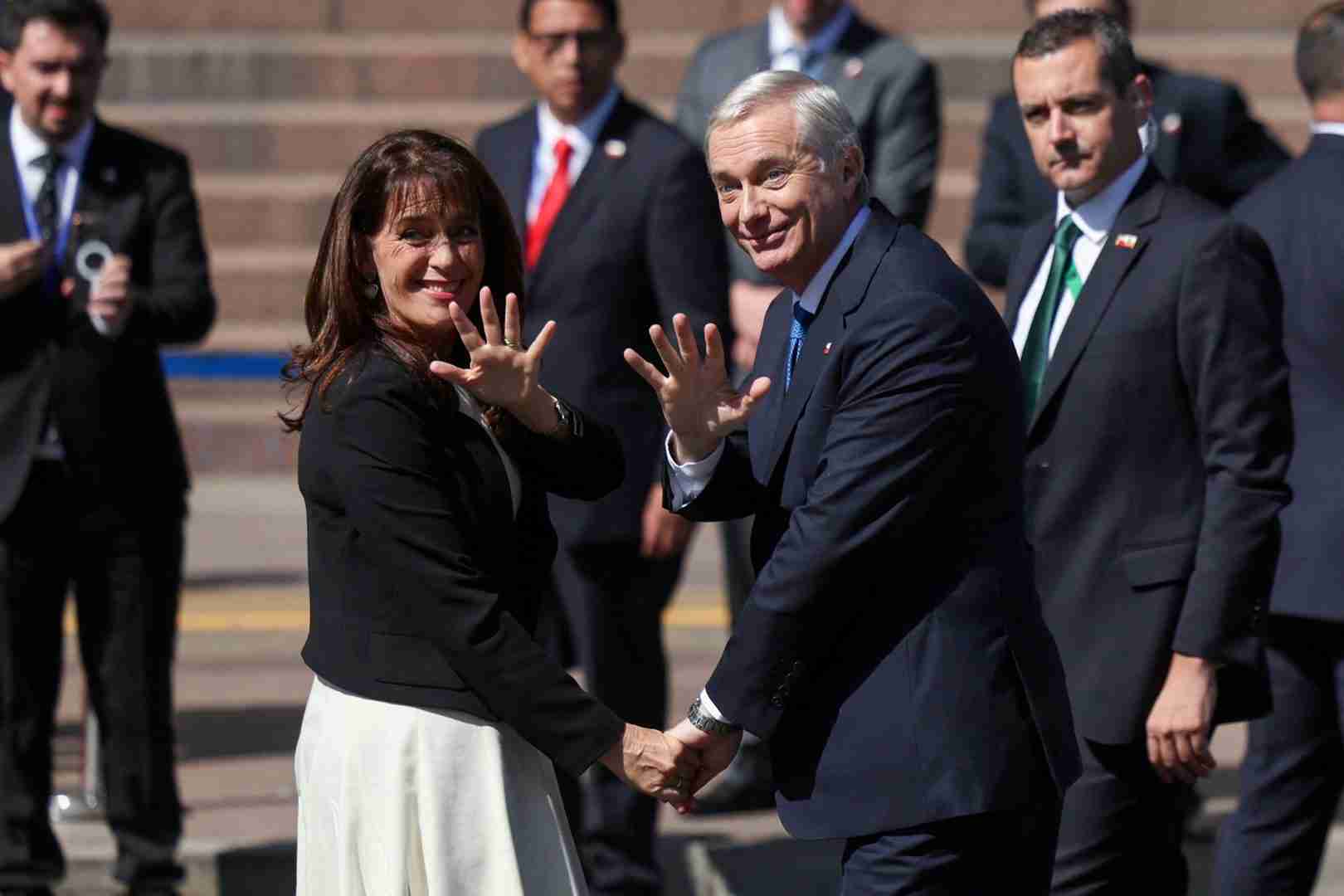
Jose Antonio Kast is set to be sworn in as Chile’s next president on Wednesday, marking the country’s sharpest shift to the right in decades as the country follows the region’s recent conservative shift.

Leaders from around the Americas, including Argentina’s Javier Milei, Ecuador’s Daniel Noboa and Paraguay’s Santiago Pena have all flown in to Chile to attend the transfer of power ceremony in the coastal city of Valparaiso, where Congress is located.

Kast takes over from left-wing President Gabriel Boric, to whom he lost the 2021 election, at a time when Chileans are worried about rising crime and the economy.

Kast has promised to clamp down on migration and crime while boosting economic growth through deregulation, spending cuts and market-friendly policy. Chile is the world’s largest copper producer and Kast was elected during an economic upswing, but takes office as the Iran war rattles global markets.

The political transition also saw increased tensions between the incoming and outgoing administration over heightened pressure from the U.S. over a proposed Chinese undersea cable project.

“(Kast) will have to manage an increasingly challenging international geopolitical landscape,” said Guillermo Holzmann, a political analyst from the University of Valparaiso, noting economic risks from the Iran war, the U.S.’ security strategy in the region and China’s influence in Latin America.

“These decisions will require sophisticated diplomacy and strategic medium- and long-term vision.”

Reporting by Alexander Villegas and Fabian Cambero; Editing by Aidan Lewis

Released UK files reveal concerns on Mandelson’s appointment as US ambassador

The more than 100 pages of documents suggested concerns were raised about the “reputational risks” in appointing Mandelson, particularly over his friendship with Epstein

International News via Reuters:

The British government published the first documents covering the appointment of Peter Mandelson as ambassador to Washington on Wednesday, reviving questions about Prime Minister Keir Starmer’s judgment in employing a man close to Jeffrey Epstein.

The publication of the first tranche of documents covering the vetting of Mandelson, under police investigation for allegedly leaking government documents to the late sex offender, does little to reduce the pressure on Starmer, who is under fire over the appointment and a series of policy U-turns.

The more than 100 pages of documents suggested concerns were raised about the “reputational risks” in appointing Mandelson, particularly over his friendship with Epstein, but also his previous resignations from government and his support for closer ties with China.

Starmer sacked Mandelson from what is considered the most prestigious posting in Britain’s diplomatic service in September, when the depth of his friendship with the convicted sex offender started to become clear.

CONCERNS ABOUT ‘REPUTATIONAL RISKS’

A document labelled “Advice to the prime minister, checks conducted on 4 December, 2024”, said: “After Epstein was first convicted of procuring an underage girl in 2008, their relationship continued across 2009-2011, beginning when Lord Mandelson was business minister and continuing after the end of the Labour government. Mandelson reportedly stayed in Epstein’s House while he was in jail in June 2009.”

In a summary of a fact-finding call between the prime minister’s general counsel and the national security adviser, Jonathan Powell, in September, a document said that Powell found the appointment process “unusual” and “weirdly rushed”.

Powell said he had concerns about Mandelson’s “reputation” in conversations with Morgan McSweeney, then the prime minister’s chief of staff. According to the note, Philip Barton, then the most senior government official at the foreign ministry, “also had reservations around the appointment”.

MORE DOCUMENTS TO COME

Starmer’s allies have sought to play down the importance of the first set of documents, saying an ongoing police investigation meant some of the more revealing exchanges were being withheld.

Further documents will be released at a later date, papers which the British prime minister’s team say will prove Mandelson lied to Starmer about the extent of his relationship with Epstein before his appointment as ambassador in December 2024.

Darren Jones, Starmer’s chief secretary, told lawmakers last month the first tranche of documents would not include any correspondence between Starmer’s Downing Street office and Mandelson, when follow-up questions were asked, due to the probe.

Mandelson, a government minister when Labour was previously in power more than 15 years ago, quit the House of Lords, the upper house of parliament, in February over his links to Epstein. He was arrested last month on suspicion of misconduct in a public office, and later released on bail.

Files released by the U.S. Justice Department in January included emails suggesting Mandelson had leaked government documents to Epstein, and that the convicted offender had recorded payments to Mandelson or his then-partner, now husband.

Mandelson has said he does not recall having received payments. He has not commented publicly on allegations he leaked documents, and did not respond to messages seeking comment.

Starmer has expressed regret over the appointment, saying the Labour veteran had created a “litany of deceit” about his ties to Epstein, an apology that did little to quieten opposition voices saying the prime minister should step down.

Reporting by Elizabeth Piper, Andrew MacAskill, Alistair Smout, William James and Sam Tabahriti, editing by Alex Richardson

British police ban pro-Iranian London march over ‘extreme tensions’

The annual Al Quds march is organised by the Islamic Human Rights Commission (IHRC), which police said was supportive of Iran’s clerical rulers

International News via Reuters:

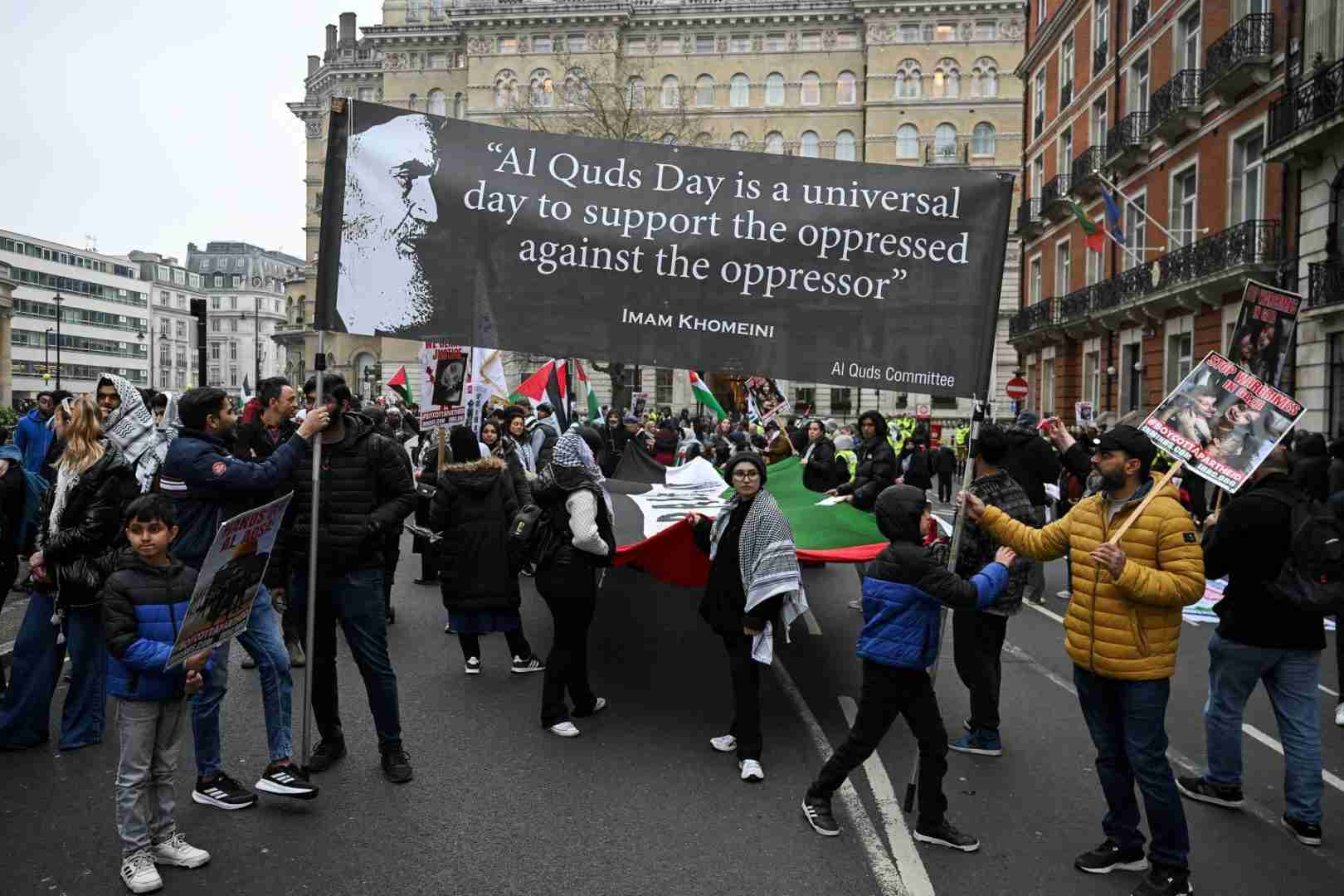
British police have banned a pro-Iranian march that had been due to take place in London on Sunday, citing the possibility of “extreme tensions” with counter-protesters and the risk posed by Tehran during the Iran war.

The annual Al Quds march is organised by the Islamic Human Rights Commission (IHRC), which police said was supportive of Iran’s clerical rulers.

The threshold to ban a protest is high in Britain. The police said it was the first time the power had been invoked in 14 years but described the risk of public disorder as “severe”.

The ban, which required the approval of interior minister Shabana Mahmood, also applies to any counter-protest marches.

The IHRC had said on X that the march was to be in support of “Palestinian liberation”.

“IHRC strongly condemns the decision by the Metropolitan Police to ban the Al Quds Day March,” it said in an emailed statement on Wednesday, adding that it was seeking legal advice.

The police, who have been under scrutiny over their handling of pro-Palestinian protests in London since the Gaza war began, said previous Al Quds marches had resulted in arrests of people suspected of supporting terrorist organisations and antisemitic hate crimes.

“We have taken into consideration the likely impact on protests of the volatile situation in the Middle East, with the Iranian regime attacking British allies and military bases overseas,” police said in a statement late on Tuesday.

It said police had also considered warnings by security services about threats on British soil from Tehran, which has carried out strikes against Israel, U.S. bases and Gulf states since U.S.-Israeli strikes on Iran began on February 28.

Four men were arrested last week on suspicion of helping Iran’s intelligence services carry out surveillance of people and locations linked to the Jewish community in London.

The IHRC said it planned to go ahead with a static assembly. Police have said any such event will be placed under strict conditions.

Reporting by Sarah Young; Editing by Kate Holton and Timothy Heritage