Thursday, November 5, 2026
Home Blog Page 424

Colombians to elect new Congress, chose three presidential candidates

Voters will choose from over 3,000 candidates to fill 102 Senate seats and 182 House seats, in a vote analysts predict will be divided among dozens of parties

International News via Reuters:

Colombians head to the polls on Sunday to elect a new Congress and choose three of the presidential candidates who will contest elections this May, a vote that will shape the next president’s ability to push through legislation and fulfill their agenda.

Voters will choose from over 3,000 candidates to fill 102 Senate seats and 182 House seats, in a vote analysts predict will be divided among dozens of parties, likely forcing the next president to form a coalition government. 

Some 41.2 million eligible voters will also be able to participate in consultations through which the right, center and left-wing parties will select their presidential candidates.

However, the candidates leading the polls, leftist Ivan Cepeda, an ally of current President Gustavo Petro, and right-wing Abelardo De La Espriella, will not participate in Sunday’s consultations but will be on the ballot for the May 31 presidential election.

Sergio Guzman, the director of consultancy firm Colombia Risk Analysis, said that with a Congress split among several political parties, “any government will see its legislative proposals diluted” and have difficulty getting them approved.

Morgan Stanley also expects Colombia’s fragmented party system to persist in Sunday’s legislative vote, meaning centrist and traditional parties will likely remain crucial to forming congressional alliances.

JPMorgan said Colombian assets currently price little extra election risk, suggesting the legislative vote alone is unlikely to move markets unless it clearly signals a shift in policy.

A divided result would likely keep markets steady. Stronger opposition momentum could support the peso and narrow sovereign spreads, while gains for the left could weigh modestly on local assets and keep fiscal concerns in focus.

For Guzman, the consultations to choose candidates will allow the right, the left, and the center parties to measure their strength in the lead-up to the presidential elections.

Petro has repeatedly questioned the software that will be used for the vote count in the elections, calling it unreliable and vulnerable to fraud, and has raised doubts about the way in which the physical tally sheets from the polling stations, called E-14, are filled out manually.

“The transparency of the Colombian electoral process is complete and absolutely guaranteed. There are absolute guarantees with the software and the E-14 forms,” ​National Registrar Hernan Penagos recently said.

The registrar denied the possibility the software used to tally the votes could be altered, and reiterated the main guarantee would be the 860,000 jurors at the 125,000 polling stations set up throughout the country, in addition to more than three million party witnesses.

Some 246,000 members of the military forces and the national police have been placed on high alert to prevent attacks by illegal armed groups seeking to disrupt the election or pressure voters to cast their ballots for certain candidates, Defense Minister Pedro Sanchez said this week.

Leftist guerrillas throughout the country often carry out attacks during elections, a common occurrence of the six-decade internal armed conflict that has left more than 450,000 dead in Colombia.

Report by Luis Jaime Acosta in Bogotá, additional report by Rodrigo Campos in New York, editing by Chris Reese


Sterling pulls back as Iran war sees investors flock to safe havens

Sterling was last down 0.15% against the dollar to $1.3335 on the day, and set for a weekly decline of around 1.1%

International News via Reuters:

The British pound slipped for a second straight session on Friday as the widening Iran conflict dominated market sentiment and pushed investors towards safe-haven assets.

Sterling was last down 0.15% against the dollar to $1.3335 on the day, and set for a weekly decline of around 1.1%. Against the euro, the pound was broadly steady at around 86.83 pence, with the euro also trading lower against the dollar which has strengthened amid the Middle East crisis. 

Hopes for a de-escalation faded this week as attacks persisted and the conflict broadened, raising uncertainty about how long the crisis could last.

Rising oil prices have fuelled inflation worries, particularly for energy-importing countries such as the UK, and have prompted a shift in interest rate expectations.

The Bank of England, due to announce its latest interest rate decision later this month, is now no longer expected to cut policy then. Markets have pared back chances of a March cut to just 15%, down from roughly 75% a week ago, according to LSEG data. 

Traders were last pricing in an around 65% chance of a rate cut by the end of the year, after still expecting two cuts from the Bank of England this year at the end of February. 

“Given the uncertainty from what’s happening in the Middle East, it makes more sense for the Bank of England to kind of just keep rates on hold and assess how the situation in the Middle East plays out before cutting,” Hardman said.

Rate-cut expectations being pushed back could support the pound, he added.

“But in terms of the bigger picture, obviously the energy price shock is a bigger negative for the pound, really and I think that would outweigh any support for the pound from the Bank of England holding back on cutting rates this month,” he said. 

The yield on British government bonds picked up again Friday, with interest-rate expectation sensitive 2-year gilt yields last trading roughly 9 basis points higher at 3.894% after hitting their highest level since mid-October earlier in the day.

Reporting by Sophie Kiderlin, Editing by Louise Heavens

Traffic diverted after paget rollover

Woman extracted and taken to King Edward VII Memorial Hospital as police ask witnesses to call 211

Shortly after 1:00 a.m. on Friday, 6th March 2026, police officers on mobile patrol came across an overturned vehicle on South Road near the junction with St. Paul’s Lane in Paget.

Details surrounding the circumstances remain unclear at this time. However, it is believed the female driver had to be extracted from the overturned vehicle.

EMTs attended the scene and the woman was transported to King Edward Memorial Hospital for treatment. The extent of her injuries is unknown at this time.

Traffic is currently being diverted onto Middle Road while police process the scene.

Witnesses are encouraged to contact police on 211 at the earliest opportunity.

Gov’t plans 10% vehicle licence fee cut

Legislation to reduce licensing costs for motorists will be tabled in the House of Assembly tomorrow

Government media release:

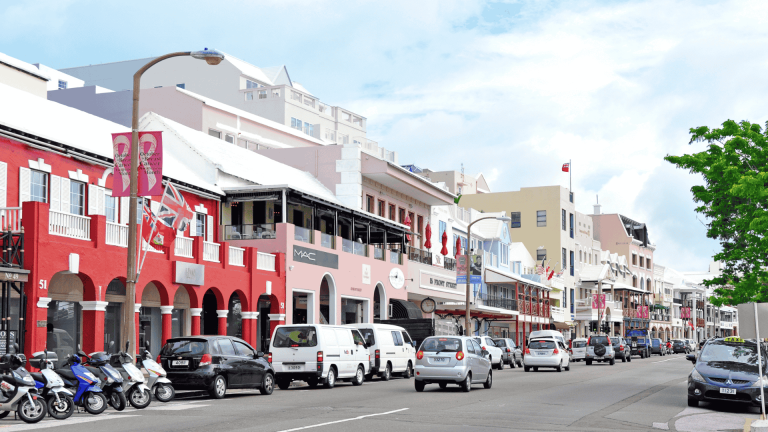
Tomorrow in the House of Assembly, the Government will table legislation to reduce vehicle licence fees by a further 10 percent, providing additional relief to motorists across Bermuda.

When this measure is passed, annual licence fees will have been reduced by 10 percent on top of the 10 percent reduction already delivered since 2018, continuing our record of providing relief where possible. In practical terms, this means that in 2026, families will be paying between $57 (Class A) and $318 (Class H) less per year to licence their vehicles.

For many Bermudians, a car is not a luxury. It is how parents get their children to and from school, how workers commute to their jobs early in the morning or late at night, and how families manage the everyday responsibilities of life on our island. Reducing these fees is a practical way to help ease the cost pressures that many households continue to face.

This measure builds on the work outlined in the recent Budget, including the largest payroll tax cut for workers in Bermuda’s history, saving Bermudians up to $840 a year. This reflects the Government’s commitment to ensuring that economic progress translates into real relief for Bermudian families.

Some have suggested that relief should only be provided to a limited group of people. Our view is different. Every Bermudian who pays vehicle licence fees deserves to benefit when Government can reduce costs. Families across Bermuda are feeling the effects of rising global prices, and broad-based relief ensures that working people in every parish feel the difference.

Importantly, this reduction is being delivered while the Government continues to manage the country’s finances responsibly, strengthen Bermuda’s economic position, and steadily reduce the national debt.

This legislation reflects a simple principle: when the country is doing better, Bermudians should benefit too.

We look forward to presenting the Bill to Parliament tomorrow and continuing the work of building a fairer Bermuda where progress is shared by everyone.

Officials trained on anti-money laundering standards

Sessions led by Caribbean Financial Action Task Force advisors drew more than 100 participants

Images and media release supplied by the Government of Bermuda

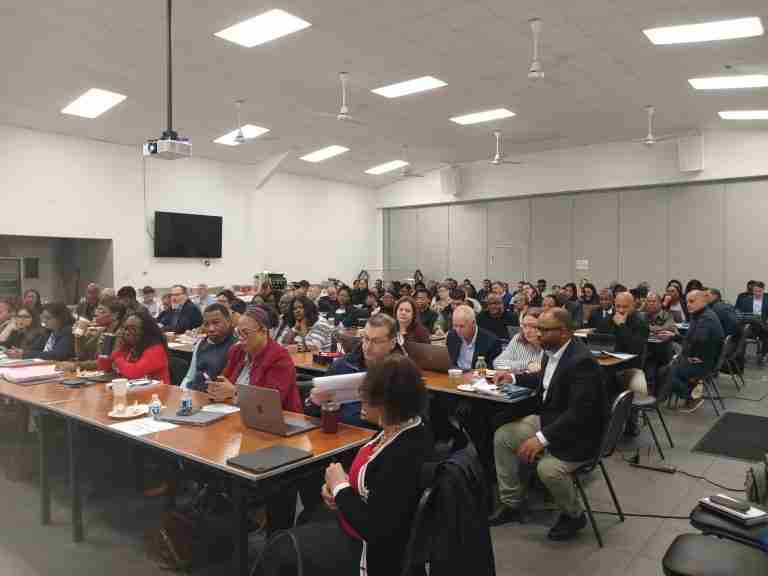
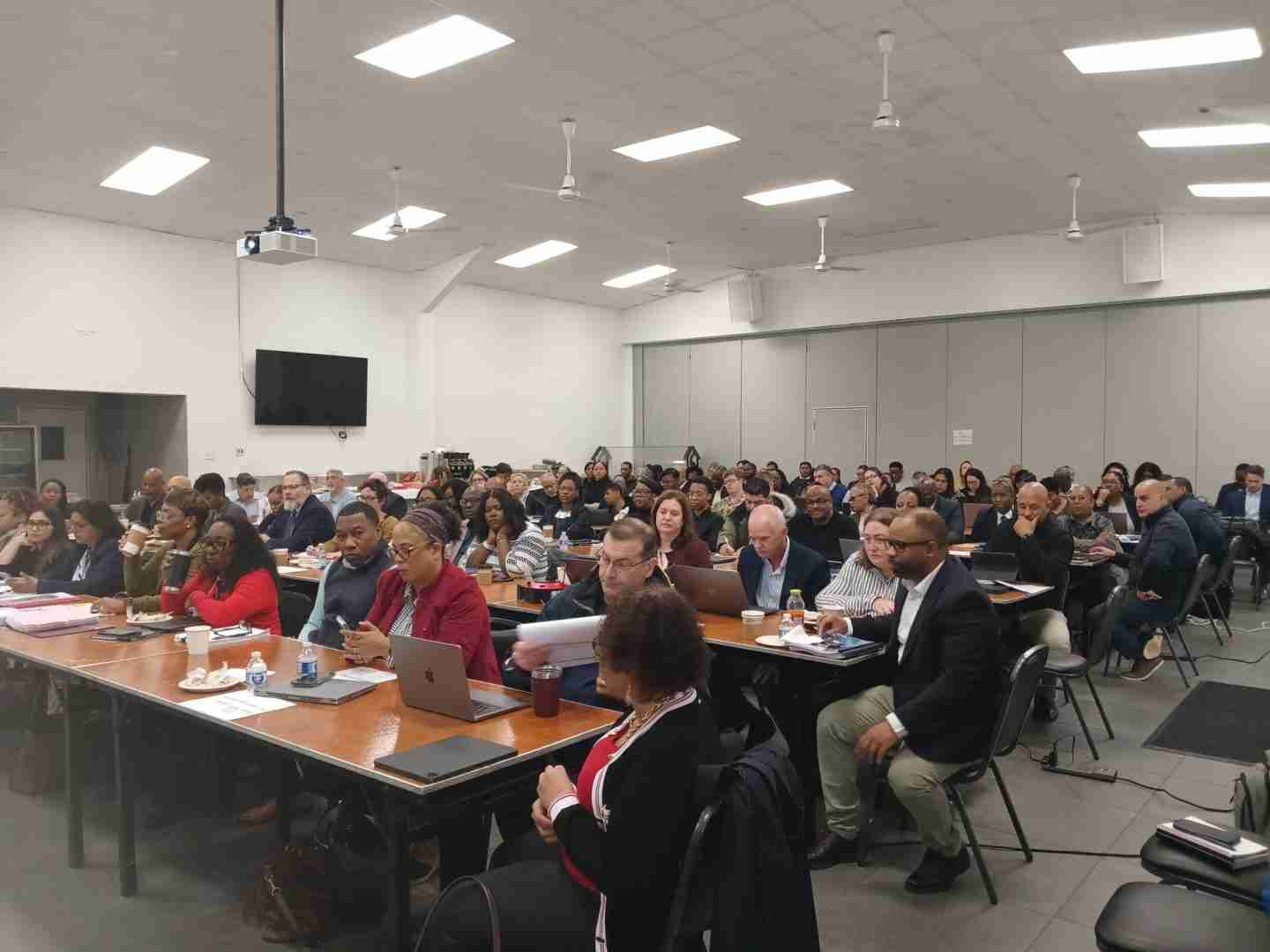
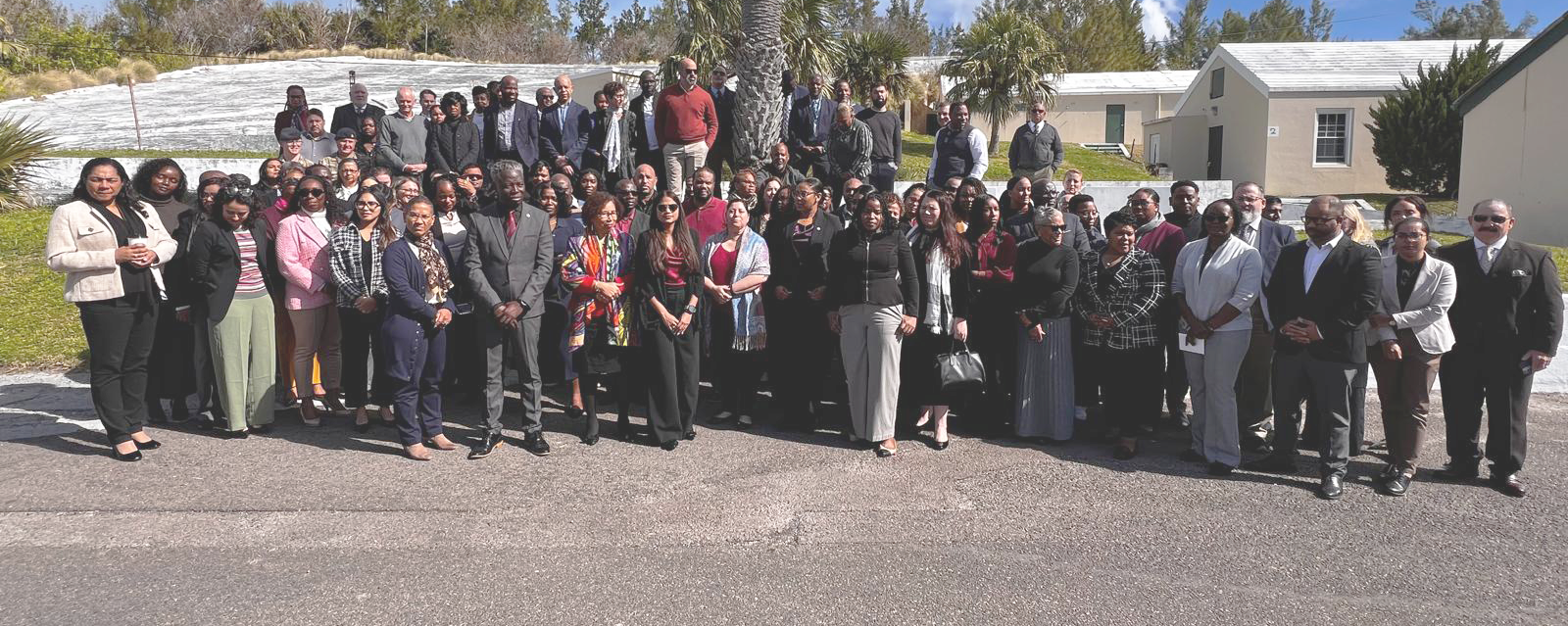
Bermuda, through its National Anti-Money Laundering Committee (NAMLC), in partnership with the Ministry of Finance, Ministry of Justice and Ministry of National Security, successfully hosted a three‑day training programme on the revised Financial Action Task Force (FATF) Standards and Methodology from February 23–25, 2026 at the Royal Bermuda Regiment Warwick Camp.

The training brought together over 100 participants per day from Bermuda’s competent and relevant authorities responsible for combatting money laundering, terrorist financing and proliferation financing. Attendees included representatives from regulatory bodies, law enforcement, policy agencies and other key stakeholders who play a critical role in safeguarding Bermuda’s financial system.

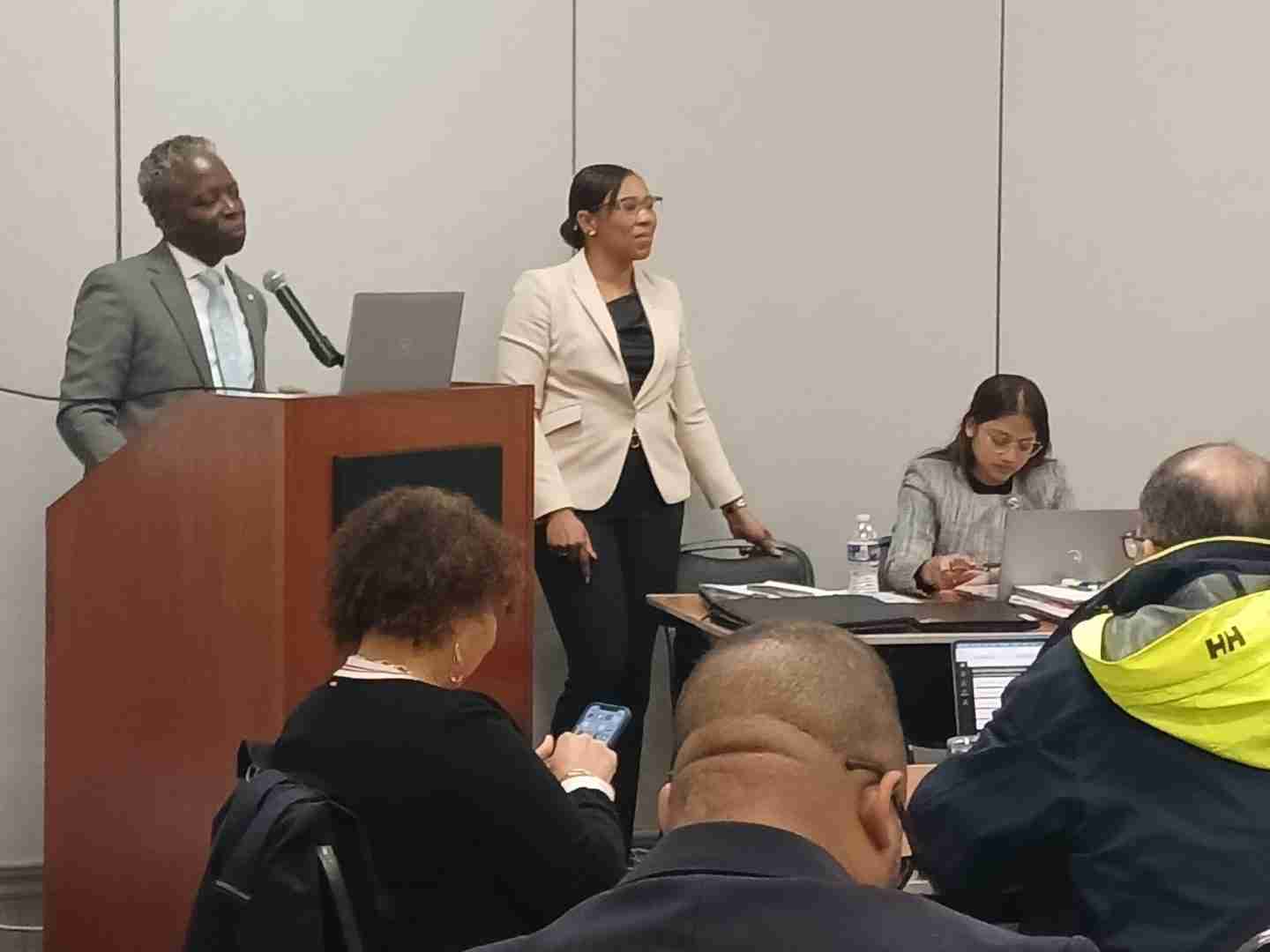
The sessions were led by expert advisors from the Caribbean Financial Action Task Force (CFATF) Secretariat:

  • Ms Keisha Fraser, Financial Advisor
  • Ms Shivana Sharma, Legal Advisor
  • Mr Jefferson Clarke, Law Enforcement Advisor

The training provided in‑depth insight into the recent updates to the FATF Standards and Methodology, which switch focus toward effectiveness rather than technical compliance.

The implications for Bermuda’s upcoming 5th Round Mutual Evaluation, which will formally begin with pre‑onsite visit training scheduled for April 20-22, 2026, were also outlined. Participants received practical guidance on meeting both technical and effectiveness requirements under the revised framework.

The knowledge gained will strengthen Bermuda’s national understanding, enhance institutional capacity and further support the island’s ongoing efforts to maintain a robust and compliant Anti-Money Laundering/ Anti-Terrorist Financing/ Counter Proliferation Financing (AML/ATF/CPF) regime.

The Attorney-General and Minister of Justice, Senator the Hon. Kim Wilkerson, JP, attended sessions during the training programme.

Reflecting on the significance of the initiative, Minister Wilkerson stated: “This training is a direct reflection of the Government’s commitment to ensuring Bermuda has the capacity to combat money laundering, terrorist financing and proliferation financing ahead of our 5th Round Mutual Evaluation.

“This training supports our preparedness, and I thank all departments for their dedication.”

Bermuda extends its sincere appreciation to the CFATF Advisors for delivering an impactful and timely training experience that supports the jurisdiction’s continued commitment to international standards.

Europol warns Iran crisis raises threat of terror, extremism and cyberattacks

Europol spokesman Jan Op Gen Oorth said he expected to see more cyberattacks against European infrastructure and an increase in online fraud using increasingly sophisticated Artificial Intelligence

International News via Reuters:

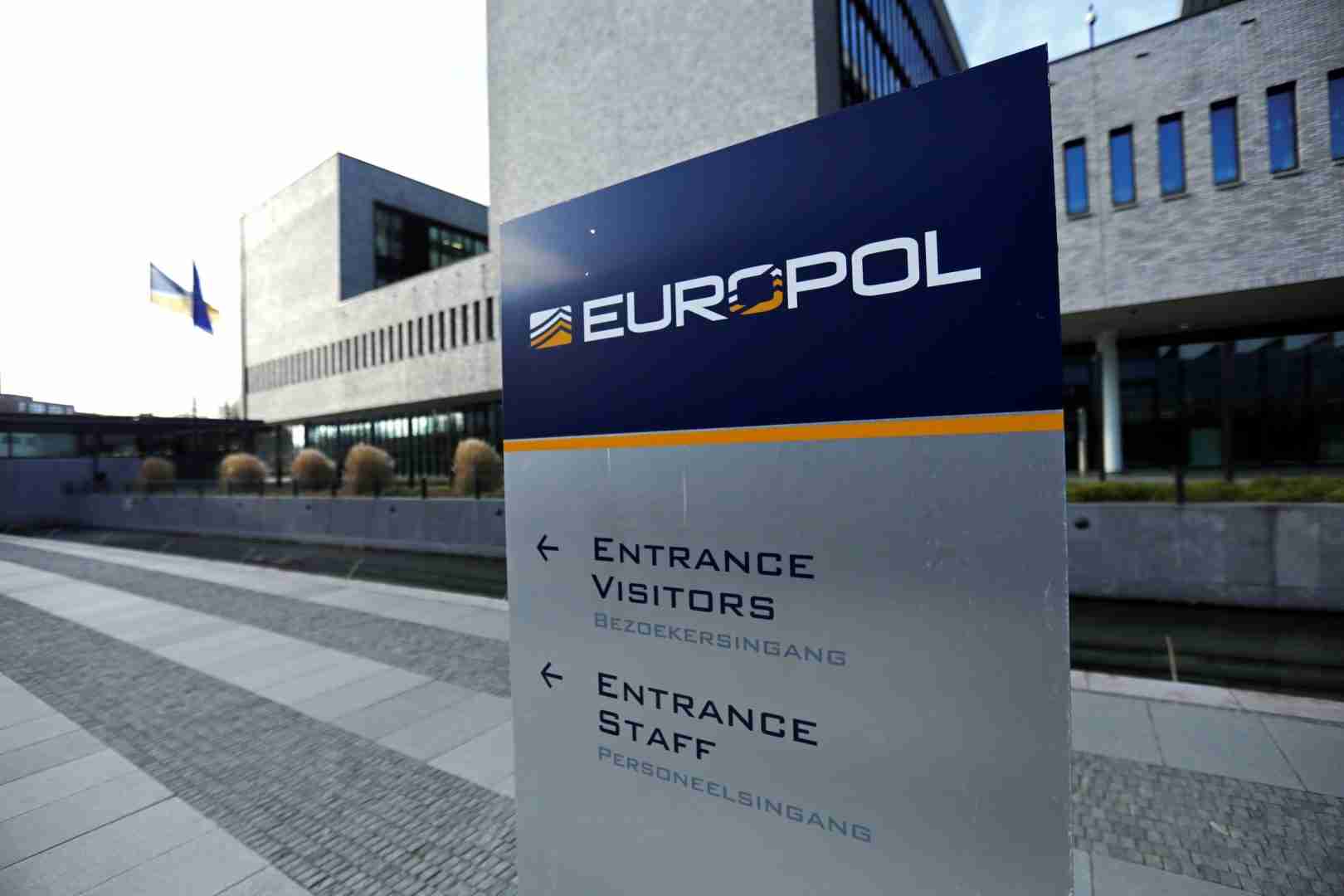
The Middle East conflict will have “immediate repercussions” for European Union security with an increased threat of terrorism, serious and organised crime as well as violent extremism and cyberattacks, European police body Europol told Spanish news agency EFE on Thursday. 

Europol spokesman Jan Op Gen Oorth said he expected to see more cyberattacks against European infrastructure and an increase in online fraud using increasingly sophisticated Artificial Intelligence and exploiting the flurry of information swirling about the conflict online, EFE reported. 

Groups linked to Iran could seek to carry out “destabilising activities” within the EU, he added, referring to groups linked to the so-called Axis of Resistance, the network of anti-American and Israeli Shi’ite militias in countries including Iraq, Lebanon and Yemen. These could include terrorist attacks, intimidation campaigns, terrorist financing and cybercrime. 

“The level of terrorist threat and violent extremism in EU territory is considered high,” he told the news agency.

The terror threat could be heightened by individuals acting alone or small cells acting on their own initiative, he said. 

“The rapid spread of polarising content on the internet can accelerate short-term radicalisation processes among diaspora communities within the EU and other individuals,” he said. 

Europol did not immediately return a Reuters request for comment on the reported statements. 

Iran and Israel on Thursday were exchanging fire on a sixth day of war after Israel and the United States launched joint air strikes on Iran on the weekend. So far the attacks have killed more than 1,000 people including Iran’s Supreme Leader, prompted Iran to attack neighbours including Qatar and UAE along with energy shipments. 

Reporting by Aislinn Laing

Is Gov’t talking to taxi drivers?

The Tourism and Transport Minister has not formally met with the Bermuda Taxi Owners and Operators Association since May 2025, according to the BTOA

Resistance from taxi operators to the Tourism & Transport Minister’s rideshare plans, at least in their current form, is the latest in what has been a contentious relationship.

Meanwhile, public reaction to the move appears split – although everyone agrees that service must improve.

Gary Foster Skelton has more in the report above…


UPDATE: Bermuda Broadcasting reached out to Government on Monday evening for response to the BTOA’s comments.

Just after 5:30pm on Thursday, a Government spokesperson stated that “a Ministry spokesperson advised the Minister that he should not continue in an environment where basic standards of professionalism and respect were not upheld and further stated the apology from the BTOA was well warranted. The level of disrespect shown by the BTOA was improper.”

“Subsequently, formal correspondence was sent to the BTOA from the Ministry on 8th Oct 2025, inviting them to move the matter forward appropriately. They were advised that if they wished to proceed, they should confirm meeting arrangements directly with senior staff.”

“To date, BTOA has not taken up that offer.”

ECB has no preset response to Middle East war, Lagarde says

The ECB will take its decisions “in view of all the data that we can harness, and that we can analyse, and that we can scrutinize with sufficient confidence,” she said

International News via Reuters:

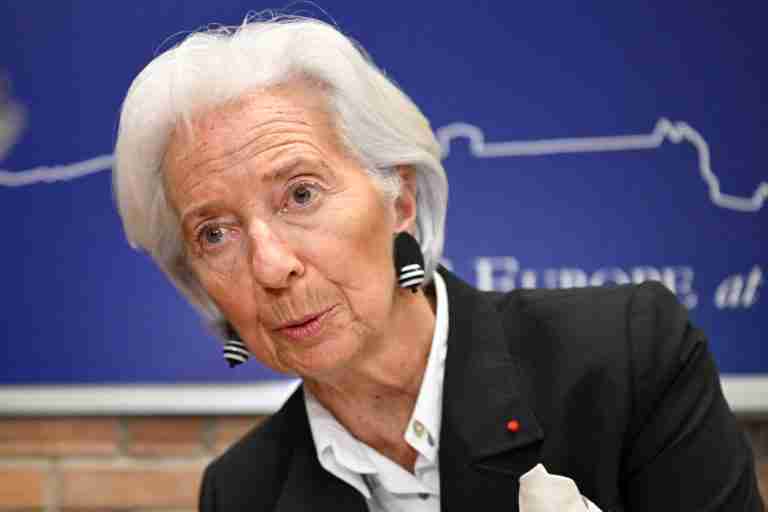
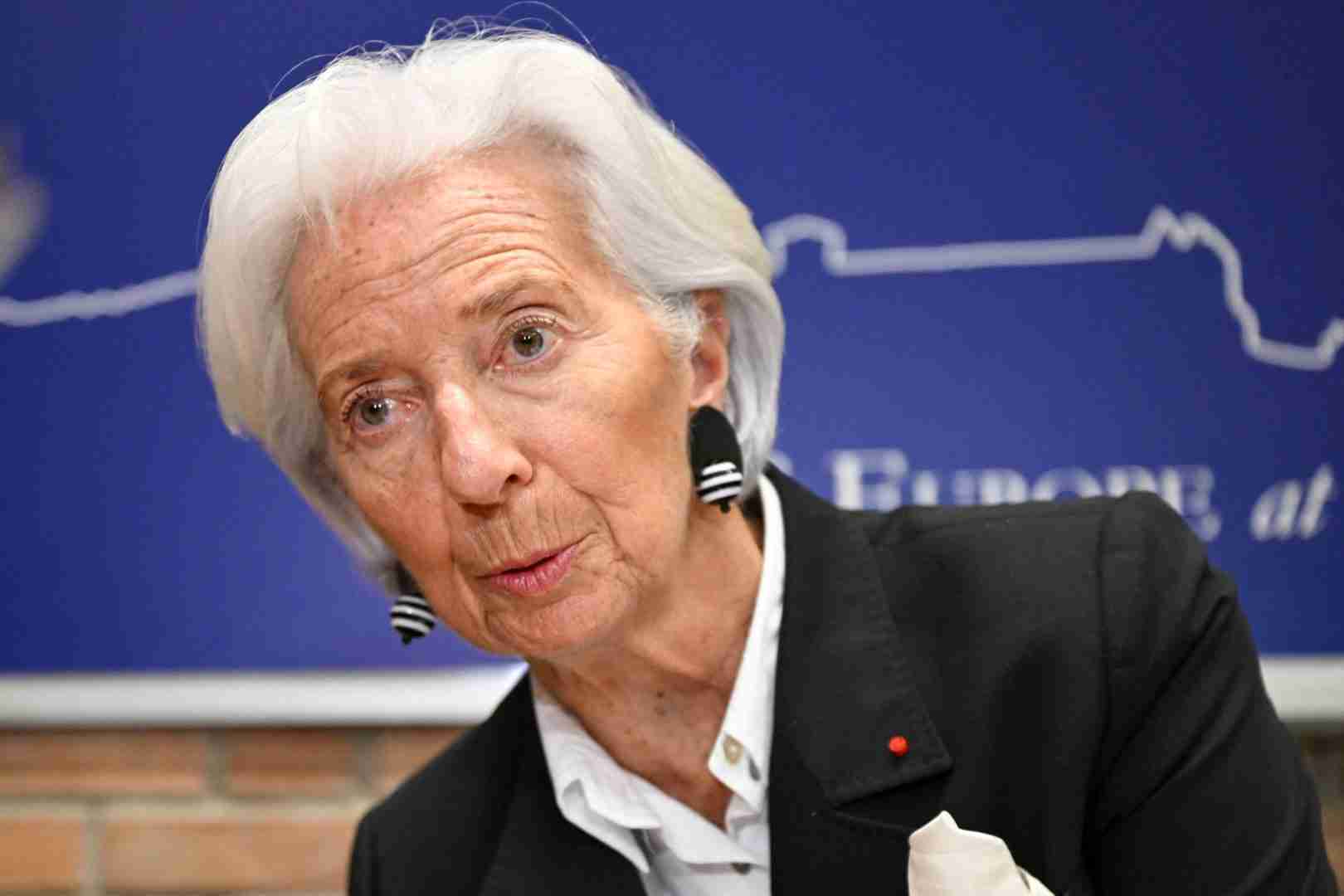
The European Central Bank will carefully analyse the impact of the war in the Middle East, taking its monetary policy decisions on a “meeting-by-meeting” basis and without any preset stance, President Christine Lagarde said on Thursday.

The ECB will take its decisions “in view of all the data that we can harness, and that we can analyse, and that we can scrutinize with sufficient confidence,” she said.

There is no “preset pace for our monetary policy stance,” Lagarde said during a Q&A session after delivering a speech at the Johns Hopkins University in Bologna, Italy.

“And I think that if you bring these two elements together, it places the ECB and the euro system in a good position to monitor very carefully and to try to understand what the consequences of the current shocks will be in the future,” she added.

The U.S.-Israeli war on Iran, which has spread to other countries in the Gulf, is threatening to drive up inflation and hit sluggish euro zone growth by making energy more expensive and disrupting supply chains.

Prior to the attacks, Lagarde and other ECB policymakers had repeatedly said that the central banks’s interest rate policy was in a “good place”.

On Thursday, three ECB policymakers warned that a prolonged, wider war could push up inflation, both present and expected.

Lagarde said the ECB had the advantage of facing potential shocks to growth and prices from a good starting point.

“I think that when you face additional shocks, additional uncertainty, it’s certainly more convenient and more appropriate to be in a good place than to be in a less good place.”

The ECB president, who has been fighting speculation about a possible early exit, also reiterated her mandate at the euro zone’s central bank ends in 2027.

Reporting by Giulio Piovaccari, editing by Alvise Armellini

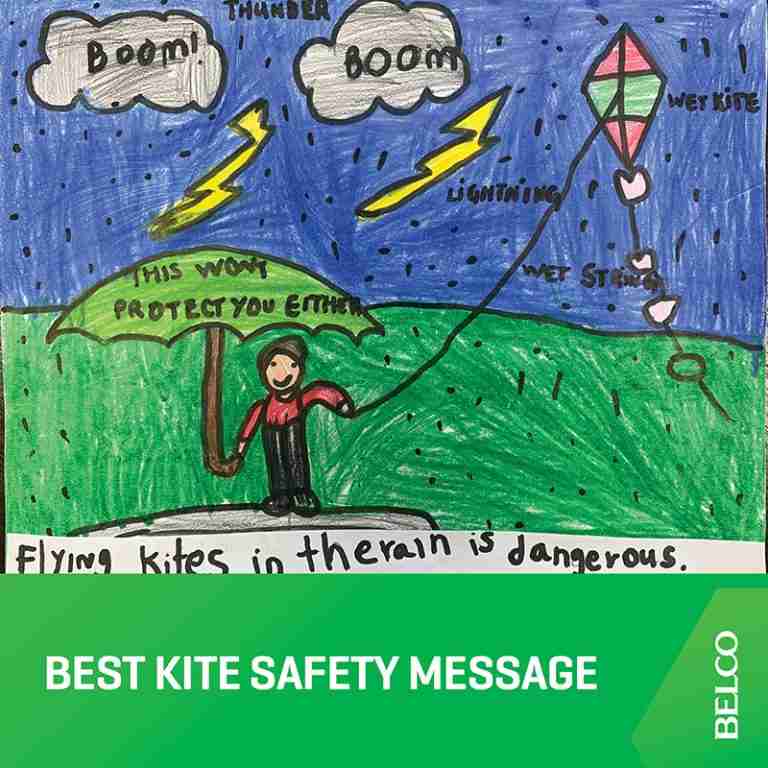
Students invited to take part in BELCO kite safety competition

The deadline for entries is Friday, March 13

Bermuda Electric Light Company Limited (BELCO or the Company) today reminds the public that the deadline for entries for the Company’s annual Kite Safety Poster competition is Friday, March 13, 2026. 

The competition is open to Primary 1 and Primary 2 students only with one entry per child permitted. All submissions must be on an 8.5″ x 11″ paper and either be photographed or scanned and emailed to communications@belco.bm or delivered to BELCO, located on 27 Serpentine Road, Pembroke. 

“As Bermuda’s kite season approaches, we’re excited to engage our youngest community members in promoting safety around power lines,” said Krista Barnes, BELCO’s Director Communications and Corporate Strategy. “This competition helps children understand the importance of flying kites safely while showcasing their creativity. With the deadline just days away, we encourage all eligible students to submit their entries.” 

Kite safety remains a top priority in Bermuda, particularly during the Easter season when traditional kite flying is at its peak. BELCO continues this annual competition to raise awareness about the dangers of flying kites near power lines, which can cause power outages and pose serious safety risks to the public. 

The prizes for this year’s competition include: 

  • Best Overall Poster: $200 Toy Voucher & $200 BELCO Gift Card 
  • Best Kite Safety Message: $100 Toy Voucher & $100 BELCO Gift Card 
  • TD&R Choice Award: $100 Toy Voucher & $100 BELCO Gift Card 
  • Most Beautiful: $100 Toy Voucher & $100 BELCO Gift Card 
  • Most Original: $100 Toy Voucher & $100 BELCO Gift Card 
  • Best Use of Mixed Media: $100 Toy Voucher & $100 BELCO Gift Card 
  • Honourable Mention: $50 Toy Voucher & $50 BELCO Gift Card 

Deadline for submissions is Friday, March 13, 2026. Students who would like to submit an entry can find information about kite safety on BELCO’s website at www.belco.bm. For questions regarding the competition, parents and teachers can contact the BELCO Communications Team at 441-295-5111 or email communications@belco.bm. 

Somali parliament backs constitutional changes that could extend president’s term

The vote happened on Wednesday, and on Thursday analysts who follow the Horn of Africa country closely were still debating exactly what the implications are

International News via Reuters:

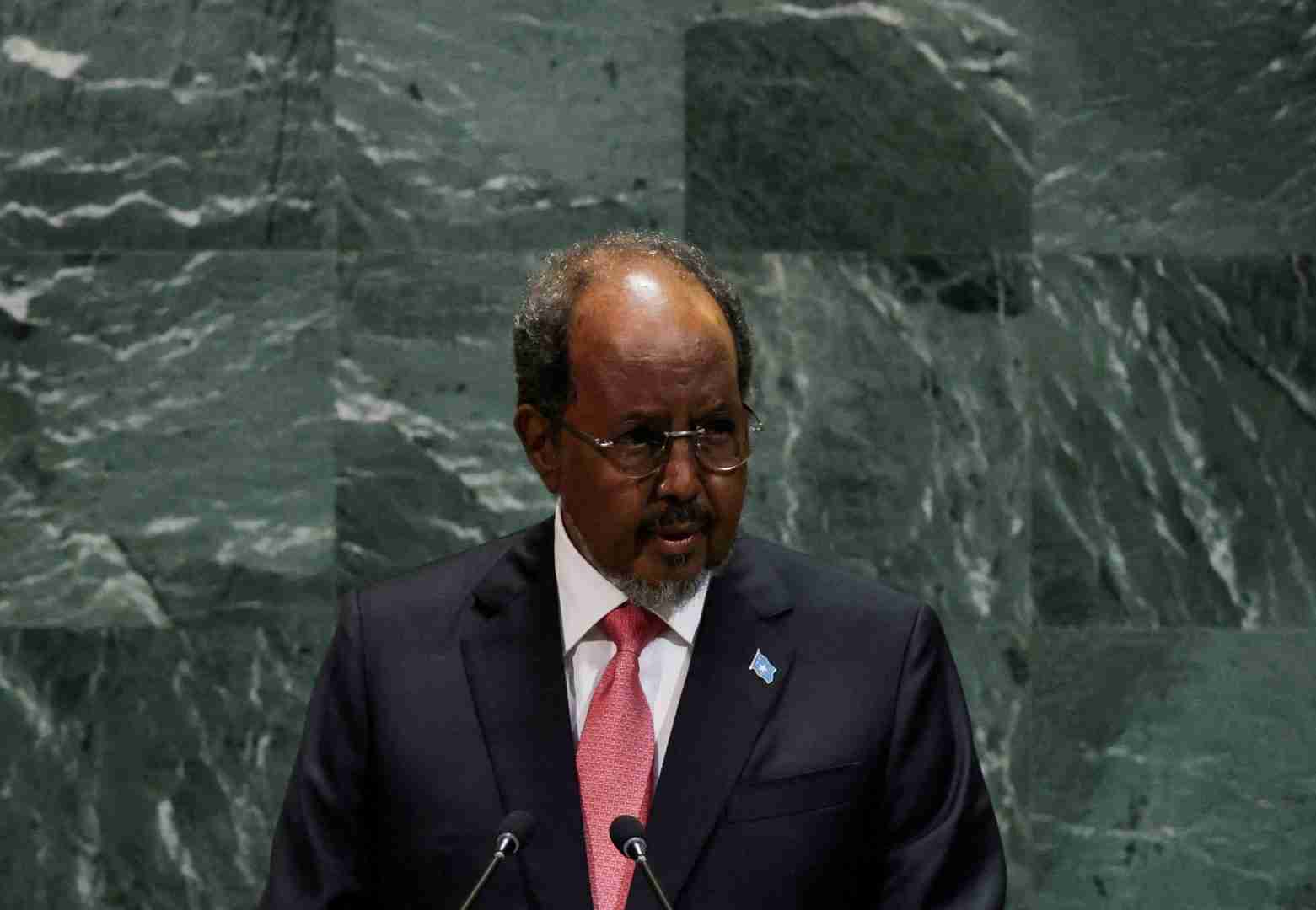
Somalia’s parliament has backed constitutional changes that could extend the president’s term in office by a year and push back planned elections.

The vote happened on Wednesday, and on Thursday analysts who follow the Horn of Africa country closely were still debating exactly what the implications are.

Somalia has endured conflict and clan battles with no strong central government since the fall of autocratic ruler Mohamed Siad Barre in 1991.

While an African Union peacekeeping mission has pushed back the al Qaeda-linked al Shabaab group, it still controls vast areas of the countryside and has the ability to conduct regular strikes on major population centres.

President Hassan Sheikh Mohamud celebrated parliament’s backing of the constitutional changes at a press conference on Wednesday, saying the approval process “had dragged for a long period”.

Samira Gaid, an analyst with Balqiis, a Mogadishu-based think tank, said the implications of the constitutional amendments, which have been criticised by opposition lawmakers, remained unclear.

“The constitutional change doesn’t automatically extend the current president’s term but it is a matter of interpretation. For now, the president is being very careful not to say that he is extending his term because of potential criticism from the international community,” she said.

Gaid said the elections slated for May would be delayed regardless because there is no agreed framework currently.

Reporting by Abdi Sheikh and Ammu Kannampilly; Writing by George Obulutsa; Editing by Alexander Winning and Sharon Singleton

Conservative Anglicans challenge Archbishop of Canterbury with rival leadership

GAFCON opposes liberal shifts in parts of the Communion, including the ordination of women and greater inclusion of LGBTQ+ members

International News via Reuters:

An influential group of conservative Anglicans announced on Thursday the establishment of a new council to lead the global Anglican Communion, in a direct challenge to the authority of the Archbishop of Canterbury as she is about to be installed.

The move by the Global Anglican Future Conference (GAFCON) – which brings together conservative churches mainly from Africa and Asia and claims to represent a majority of the world’s Anglicans – highlights a deepening rift within the Church after years of tension over theological and social issues.

GAFCON opposes liberal shifts in parts of the Communion, including the ordination of women and greater inclusion of LGBTQ+ members.

CHALLENGE TO FIRST FEMALE ARCHBISHOP OF CANTERBURY

It strongly criticised the Church of England’s appointment last October of Sarah Mullally as its first female Archbishop of Canterbury, and thus spiritual leader of the world’s 85 million Anglicans spread across 165 countries.

“Believing the current instruments of communion no longer meet the needs of the majority of Anglicans around the world, the global Anglican Communion is to be led by a conciliar structure,” Bishop Paul Donison, secretary-general of the new council, told the conference in Abuja, Nigeria.

The council will include bishops, priests and lay members, each with voting privileges, GAFCON announced. 

Archbishop Laurent Mbanda, a former Rwandan refugee who later studied in the United States, was elected chairman of the new council. GAFCON said he would not be “primus inter pares” (first among equals) but would share power.

Asked if GAFCON members still recognised the leadership of the Archbishop of Canterbury, the group’s spokesman Justin Murff said: “The Global Anglican Council recognises Archbishop Laurent Mbanda as its leader.”

A spokesperson for the Anglican Communion Office in London said GAFCON’s announcement failed to take into account years of consultations over “Anglican identity, structures and leadership”.

This had led to ideas, known as The Nairobi-Cairo Proposals, which included exploring “more collegial, diverse approaches to shared leadership” in a post-colonial world, the spokesperson said.

“We encourage Anglican member churches and Anglican groups to engage with this conversation about The Nairobi-Cairo Proposals,” they added.

Mullally, who was officially confirmed in her new role at a ceremony in St Paul’s Cathedral, London, on January 5, is due to be enthroned as the 106th archbishop of Canterbury on March 25.

GAFCON’S MBANDA SAYS ‘NO TURNING BACK’

The Church of England broke from Rome nearly 500 years ago under King Henry VIII. Since then, the Archbishop of Canterbury has been the symbolic head of an Anglican Communion that has expanded worldwide through missionary activity, especially in countries that were once part of the British Empire.

Over the last three decades, reforms in the Church of England have allowed women to be ordained first as priests and later as bishops. But such reforms – along with debate over same-sex relationships – have increasingly pushed the Communion toward what some leaders describe as a breaking point.

Many Anglicans in Africa and Asia, where the Church has been growing fastest, reject the more progressive trends seen in England and other Western countries. 

GAFCON, founded in 2008 to counter what members describe as the abandonment of scripture, says it is not seeking to break away from the Anglican Communion but to “reorganise and realign” it around Biblical authority.

One of the proposed reforms aimed at warding off a full schism would dilute the Archbishop of Canterbury’s role, creating a rotating international figurehead, who would assume some organisational responsibilities while the Archbishop focuses on pastoral duties.

In October, Mbanda said the grouping had “not left the Anglican Communion; we are the Anglican Communion”.  

While leading prayers on Thursday, he said: “The future has arrived, no turning back”.

Additional reporting by MacDonald Dzirutwe and Ben Ezeamalu in Lagos and Alexander Winning in Johannesburg; Editing by David Lewis, Gareth Jones and Andrew Heavens