Thursday, November 5, 2026
Home Blog Page 443

Sterling slips before key Manchester vote; rate outlook under scrutiny

The currency traded 0.13% lower against the dollar at $1.3541

International News via Reuters:

The British pound edged lower on Thursday ahead of a local election in Manchester that could offer an early read on Prime Minister Keir Starmer’s political standing.

The currency traded 0.13% lower against the dollar at $1.3541. It was also 0.1% weaker against the euro at 87.14 pence.

Political uncertainty has been a major drag on sentiment, with the vote in Gorton and Denton, in northwestern England’s Greater Manchester, marking the latest challenge for Starmer.

The prime minister’s judgment came into question over several policy U-turns and the appointment of Labour veteran Peter Mandelson as ambassador to Washington.

Mandelson was sacked after a trove of emails showed his links to the late sex offender Jeffrey Epstein. He has denied any wrongdoing.

“A defeat for the Labour Party could increase pressure on Keir Starmer’s position as prime minister and would add to concerns over the Party’s sliding popularity ahead of the local elections in May,” analysts at MUFG wrote.

RATE POLICY IN FOCUS

Sterling has swung this week as investors assessed the Bank of England’s rate path.

At a session of the parliamentary Treasury Committee, BoE Governor Andrew Bailey said a rate cut in March was a “genuinely open question,” pointing to services inflation as a key concern.

On the other hand, sluggish GDP growth and higher unemployment in the fourth quarter, combined with lower inflation in January, have reinforced expectations that the BoE may need to reduce rates soon.

The BoE left policy rates unchanged in a narrow 5–4 split at its meeting earlier this month. Bailey voted to hold.

Gilt yields are also drawing attention ahead of next week’s bond issuance plans from the UK Debt Management Office.

British 10-year yields dipped one basis point to 4.31% after falling to their lowest since December 2024 earlier this week.

Finance minister Rachel Reeves is due to announce new economic forecasts in an annual budget update speech next week.

“Don’t expect a blockbuster — but there are several areas to watch. Markets will be particularly sensitive to the inflation narrative,” said Rathbones’ financial planning divisional lead Rebecca Williams.

Reporting by Niket Nishant in London; Editing by Sharon Singleton

Caribbean tourism signs MOU with airport council to boost air connectivity

The inaugural Caribbean Tourism Organisation Air Connectivity Summit was held in Bermuda on Tuesday

Dona Regis- Proctor, Secretary-General & CEO of the CTO and Rafael Echevarne, Director General of ACI-LAC sign the MOU agreement at the Hamilton Princess & Beach Club. Photo: Caribbean Tourism Organisation

More than 150 Caribbean tourism industry leaders… airline representatives and government reps turned out for The Caribbean Tourism Association’s Air Connectivity Summit on Tuesday.

Despite flight cancellations due to inclement weather on the east coast, leaders made progress on ways to develop connectivity, identify new international routes and advance sustainable air operations in the region.

Jasmine Patterson was there.

Edmond de Rothschild to monitor CEO’s Epstein links, Bloomberg News reports

The Swiss private bank’s board of directors “has organized itself to independently monitor the situation, in addition to the work and analysis carried out by management,” the report said

International News via Reuters:

Edmond de Rothschild Group will “monitor the situation” after CEO Ariane de Rothschild’s links to convicted sex offender Jeffrey Epstein were revealed in documents made public by the U.S Department of Justice, Bloomberg News reported on Wednesday, citing a statement from the bank.

The Swiss private bank’s board of directors “has organized itself to independently monitor the situation, in addition to the work and analysis carried out by management,” the report said.

The bank’s board has taken the “necessary measures to protect the interests of its customers, employees, and shareholders,” Bloomberg News added.

Edmond de Rothschild did not immediately respond to Reuters’ request for comment.

Reporting by Fabiola Arámburo in Mexico City, Editing by Franklin Paul

US lawmakers want UK briefing on backdoor order to Apple

The two lawmakers last year warned that such an order could allow encrypted user data to be exploited by cyber criminals and authoritarian governments

International News via Reuters:

U.S. House Judiciary Chair Jim Jordan and Foreign Affairs Chair Brian Mast on Wednesday asked the British government to brief them on its order to Apple to create a back door to its encrypted user data so they could better understand the British move.

The two lawmakers last year warned that such an order could allow encrypted user data to be exploited by cyber criminals and authoritarian governments. Britain subsequently dropped its demand, U.S. Director of National Intelligence Tulsi Gabbard said in August.

Jordan and Mast, who have previously criticised European Union actions against Big Tech, said the public should be informed of the facts of the case. Britain left the EU in 2020.

“For there to be a ‘mature and informed public debate,’ it is imperative that the Committees fully understand the actions taken by the UK government with respect to the TCN issued to Apple,” they wrote in a joint letter dated Wednesday to British interior minister Shabana Mahmood, seen by Reuters.

“We respectfully ask that the Home Office and UK Embassy to the United States arrange for the briefing to occur as soon as possible but no later than 10:00 a.m. ET on March 11, 2026,” they said.

TCN refers to a technical capability notice issued by the British government to Apple. 

Apple, which has said it would never build such access into its encrypted services or devices, had challenged the order at the UK’s Investigatory Powers Tribunal.

Reporting by Foo Yun CheeEditing by Rod Nickel

UK public inflation expectations fall in January, Citi/YouGov survey shows

Short-term inflation expectations fell to 3.3% in February from 3.8% in January, while long-term expectations fell to 3.6% from 4.1%

International News via Reuters:

The British public’s expectations for inflation over the coming year and further ahead fell sharply in February, according to a monthly survey by YouGov for U.S. bank Citi which was published on Wednesday.

Short-term inflation expectations fell to 3.3% in February from 3.8% in January, while long-term expectations fell to 3.6% from 4.1%.

“Despite the volatility in recent months, there may be cautious reason for optimism that the move this month may be something of a ‘level shift’,” Citi said in a note accompanying the survey results.

The bank said the survey was “clearly dovish” for Bank of England interest rates.

BoE Governor Andrew Bailey said on Tuesday that an interest rate cut in March was a possibility, although services price inflation in recent data had not fallen as much as hoped.

He said he would need further evidence to feel confident about cutting borrowing costs at the bank’s policy announcement on March 19, having voted with a 5-4 majority on the Monetary Policy Committee to hold interest rates this month.

Reporting by William James; Editing by Toby Chopra

Vendor market a tonic for black entrepreneurs

Bacardi is set to host its 4th Annual Black Vendor Market on Friday, February 27th from 4:30 to 7:30 p.m. at the Bacardi Global Headquarters on Pitts Bay Road. 
The free, family-friendly event will bring together 50 Black-owned Bermudian businesses for an evening of shopping, culture, food, and live entertainment. 
Since its launch, the initiative has grown into one of Bacardi Bermuda’s signature community events, welcoming more than 1,100 attendees last year. 
Kendal Trott spoke with Danielle Paynter, Bacardi’s Director of Corporate Affairs, who talked about what to expect from Friday’s event.ReplyForward

Death toll from Brazil floods rises to 40, dozens still missing

Flooding and landslides displaced around 3,600 people in the cities of Juiz de Fora and Uba, about 110 km (68 miles) apart, while 27 people remain missing, the fire department added

International News via Reuters:

The death toll from the heavy rains in Brazil’s southeastern state of Minas Gerais has risen to 40, according to figures released by the state fire department on Wednesday.

Flooding and landslides displaced around 3,600 people in the cities of Juiz de Fora and Uba, about 110 km (68 miles) apart, while 27 people remain missing, the fire department added. 

Juiz de Fora resident Ricardo Dutra was comforted by relatives and friends on Wednesday during the funeral of his 11-year-old son Bernardo Lopes Dutra, while worrying about the condition of his daughter and wife, both hospitalized.  

“I’m trying to pick up the pieces,” he said.

FEELING OF POWERLESSNESS 

As the rains eased on Tuesday evening, authorities and volunteers worked to assist residents who lost their homes and loved ones in the flooding. 

Juiz de Fora Mayor Margarida Salomao urged people living in high-risk areas to leave and seek help at shelters set up by the city government, which is still in a state of calamity.

Brazil’s federal government has sped up relief and humanitarian aid to the region, sending health agents and national defense professionals, according to a statement.

“No matter how hard you try, at some point you feel powerless. You witness a situation like this – people trapped in the rubble – and there is nothing more you can do, your contribution has a limit,” said Nalvan Luiz, a friend of Bernardo Dutra, at the funeral.

Much of Brazil enters the peak of its rainy season during summer, from December to March, bringing frequent intense downpours, thunderstorms, flooding and mudslides.

The Juiz de Fora city hall said this has been the rainiest February in the city’s history, with rainfall already more than double the amount expected for the month.

Reporting by Isabel Teles in Sao Paulo and Sergio Queiroz in Juiz de Fora; Editing by Aurora Ellis

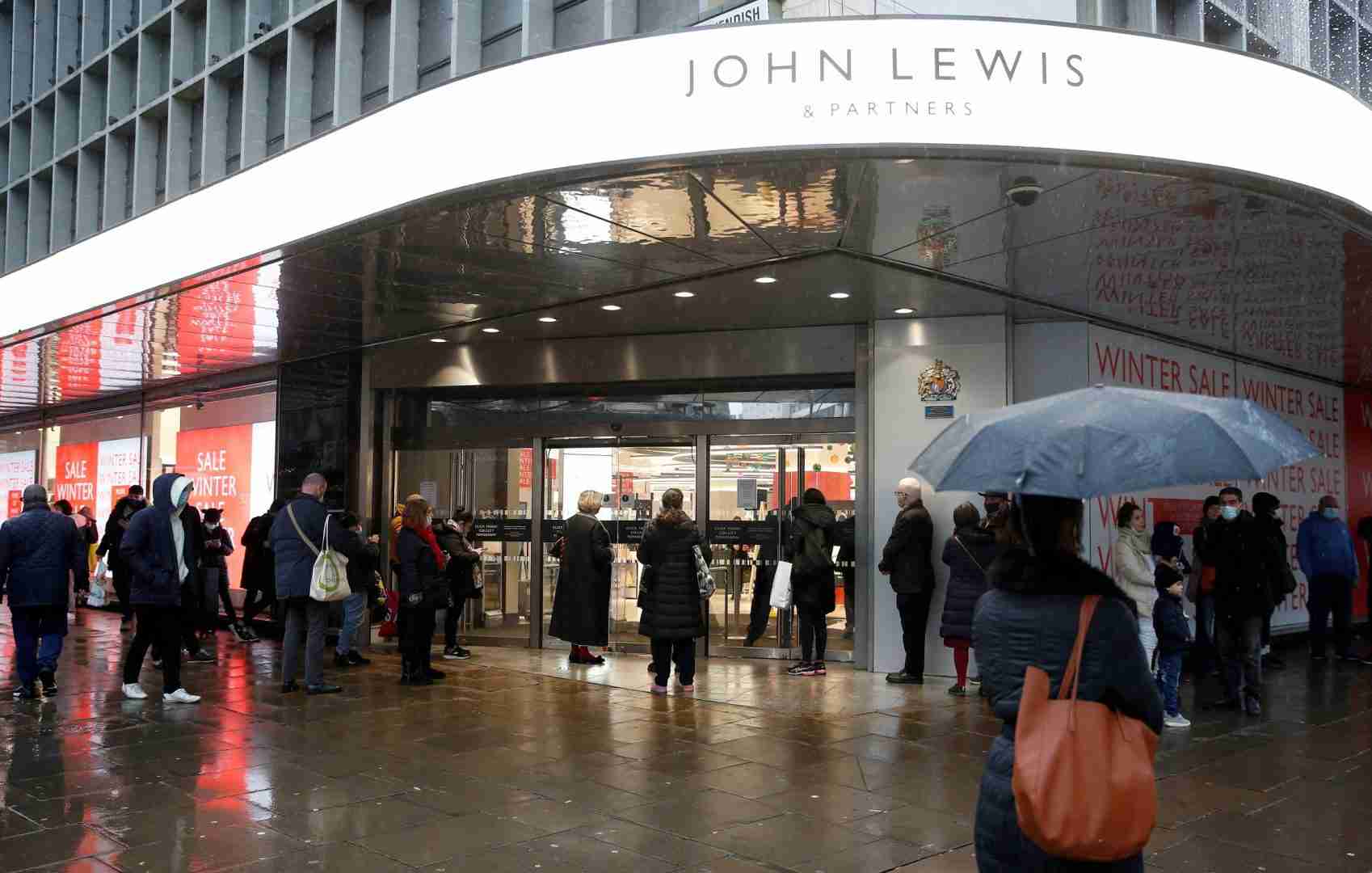
Britain’s John Lewis Partnership quits build to rent business

The UK’s largest employee-owned business said the move is part of a broader strategic decision to refocus on its core retail brands under executive chair Jason Tarry

International News via Reuters:

British retailer the John Lewis Partnership said on Wednesday it is withdrawing from its Build-to-Rent property business, blaming a “fundamental shift” in the economic conditions that underpinned the venture when it launched in 2020.

The UK’s largest employee-owned business, which runs John Lewis department stores and the upmarket Waitrose supermarket chain, said the move is part of a broader strategic decision to refocus on its core retail brands under executive chair Jason Tarry.

The partnership’s venture into BTR formed part of former chair Sharon White’s strategy to diversify. She had a now-abandoned target to generate 40% of the partnership’s revenue from outside retail.

PROPERTY AMBITION WAS BASED ON DIFFERENT ENVIRONMENT

“Our rental property ambition was based on a very different financial environment: one with more stable investment returns, lower borrowing costs and more affordable costs to build homes,” said a partnership spokesperson.

Despite not building a single home, the partnership was “proud” of what it achieved in BTR, the spokesperson said, noting the progression of three planning applications for about 1,000 homes and the managing of third-party BTR homes at four sites.

Tarry, a former Tesco executive, has focused on modernising

John Lewis and Waitrose stores, enhancing digital platforms and improving the supply chain.

The partnership is expected to publish full-year results next month.

Reporting by James Davey; Editing by Toby Chopra

Climate shocks threaten $2.3 trillion global sports economy, study warns

The sector’s growth should be used to maximise social benefits such as reducing public healthcare spending and advancing gender equality

International News via Reuters:

Extreme weather threatens annual revenue growth in the $2.3 trillion sports economy, where expansion is driven mainly by tourism tied to resource-depleting global events such as the just-concluded Milano Cortina Games, a report has shown.

The sector’s growth should be used to maximise social benefits such as reducing public healthcare spending and advancing gender equality.

That entails tackling the threat the industry faces from climate change and nature loss – which it risks exacerbating through its own footprint, said Tony Simpson, partner and global sports industry lead at consultancy Oliver Wyman, the report’s authors.

“Sports has more power than any other sector to drive behaviour because it sees itself as a community asset. And if you’re a community asset, you need to act as one,” he told Reuters.

Elite sports’ $140  billion slice of the industry is dwarfed by sports tourism worth $672 billion and a sporting goods sector with annual turnover of $612 billion, the report prepared for the World Economic Forum showed.

The fastest-expanding segment of the overall tourism industry, sports tourism is forecast to account for 60% of total sports economy revenue increase until 2030. 

Participatory sports and sports-driven revenues in sectors such as broadcasting, nutrition, wearable technologies complete the picture of an economy which the report said is set to grow to $3.7 trillion by 2030 and $8.8 trillion by 2050.

For the report, Oliver Wyman analysts gathered and cross-checked data from organisations including major leagues, investors, sponsors and the World Federation of the Sporting Goods Industry, Simpson said, adding the project required more than 5,000 hours of work.

“By showing how large the sports economy is — and doing so through a rigorous process … — this report highlights what’s at stake if we don’t put the right behaviours in place,” he added.

HEATWAVES AND FLOODS

Growing youth inactivity and extreme weather events disrupting competitions, the natural landscape and supply chains could cost the sports industry over $500 billion in lost revenue by 2030, the study found.

“There are fewer young men aged 15 to 25 playing football at weekends than ever,” Simpson said, highlighting a trend that undermines the future fan base.

While women’s rising involvement and more children joining organised activities lift the overall numbers, “the ‘core’ segment — young men playing sport — has shrunk,” he said.

Meanwhile weather events such as extreme heat, floods, lack of snowfall and pollution can lead to competitions being cancelled, hurting media coverage and advertising slots.

Last year, France experienced heat waves ahead of the Tour de France, forcing cyclists to find ways to cope with sweltering temperatures. 

“Broadcasters are increasingly writing into contracts the risk that events may not take place because of extreme weather – which means lower advertising revenues,” Simpson said.

Outdoor activities account for more than 90% of media rights revenues in professional sport and 76% of sponsorship revenues – the sector’s two main revenue streams.

As for community sport, in the UK alone adverse weather conditions translate into around 320 million pounds ($433 million) in lost income and maintenance costs annually.

However, growing awareness among sponsors and investors as sport evolves can help channel its positive effects through “impact investing”, Simpson said.

“Sponsors increasingly want their money to drive outcomes, not just put a logo on a shirt,” he said, pointing to Standard Chartered’s sponsorship of Liverpool FC, which has led the club to set up community programmes for women and girls or support recycling initiatives.

“That’s financial incentives driving social outcomes — and major brands are now pushing for exactly that,” he said.

($1 = 0.7391 pounds)

Reporting by Valentina Za; Editing by Hugh Lawson

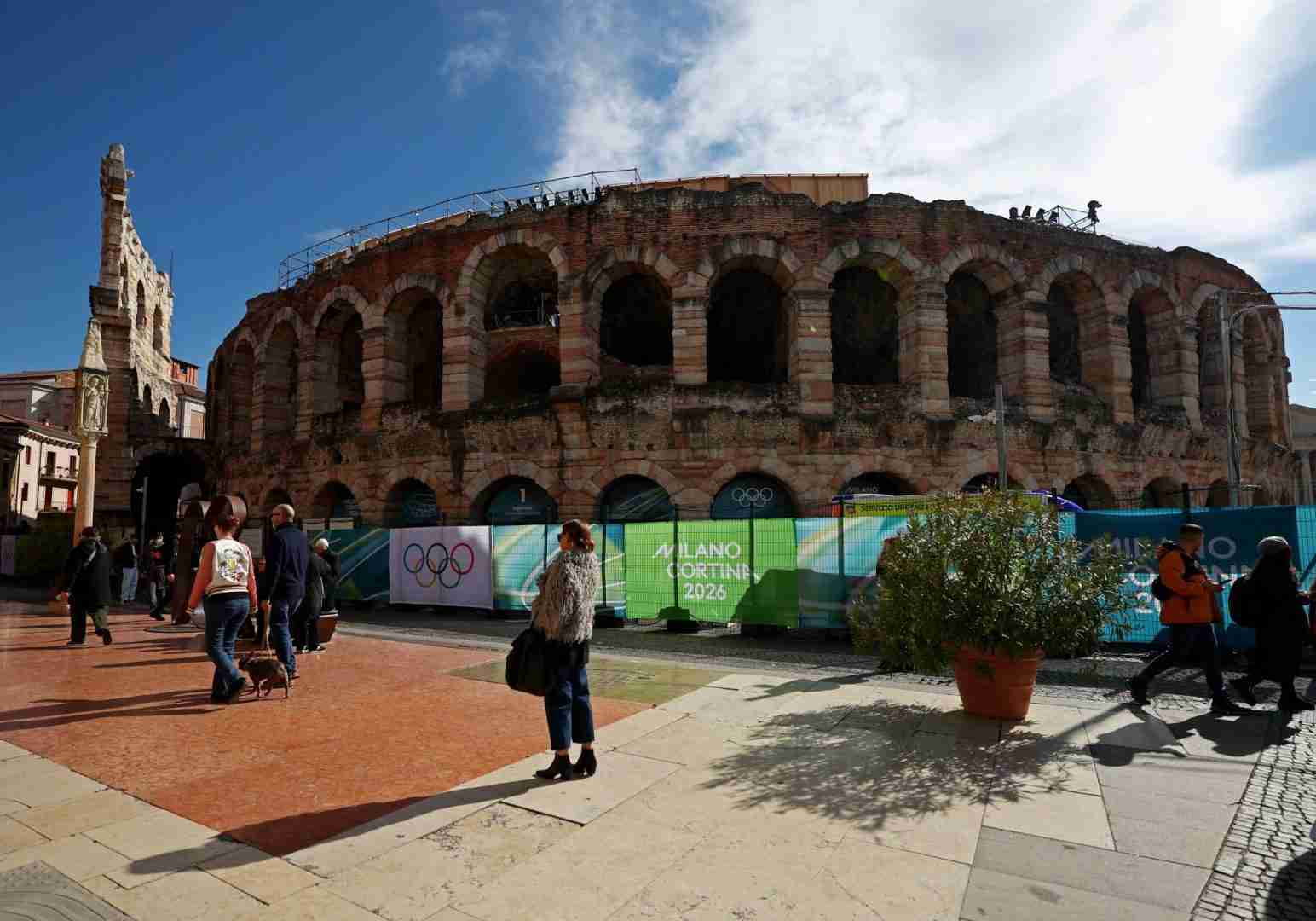
Five‑star hotels lead price increases in Milan during Olympics

Italy hosted the Winter Games from February 6 to 22

International News via Reuters:

Luxury hotels led a sharp rise in Milan room rates during the Winter Olympics, a local industry lobby said on Wednesday, confirming that visitors to the Games skewed towards big spenders.

Italy hosted the Winter Games from February 6 to 22.

While Alpine resorts such as Cortina d’Ampezzo and Bormio were home to the mountain sports, indoor activities like figure and speed skating or ice hockey took place in Milan.

High hotel occupancy in the city contrasted with weak demand

for short-term rentals.

Ticket prices running into several hundred euros put the events out of reach for many, filling the ice arenas with deep-pocketed spectators.

The average price of a hotel room in Milan rose to 319 euros per night between February 3 and 23, up from 225 euros in the same period last year, industry association Federalberghi Milano told Reuters.

Five-star hotels recorded the steepest increase, with average rates 87% higher than in 2025, while prices rose 46% for four-star properties and about 20% for three-star hotels.

Rates peaked between February 11 and 14, the association said.

Reporting by Valentina Za; Editing by Nivedita Bhattacharjee

ECB approves Vujcic as new vice-president

Vujcic, currently Croatia’s central bank governor, was picked by euro zone’s finance ministers last month

International News via Reuters:

The European Central Bank on Wednesday approved the appointment of Boris Vujcic as its new Vice-President for an eight-year term starting in June.

Vujcic, currently Croatia’s central bank governor, was picked by euro zone’s finance ministers last month.

Reporting by Francesco Canepa; Editing by Toby Chopra