Tuesday, November 3, 2026
Home Blog Page 65

Global stocks stall, oil ticks up as investors await Mideast peace signals

Hopes of improving crude supplies have weighed on oil prices for most of this week
International News via Reuters:

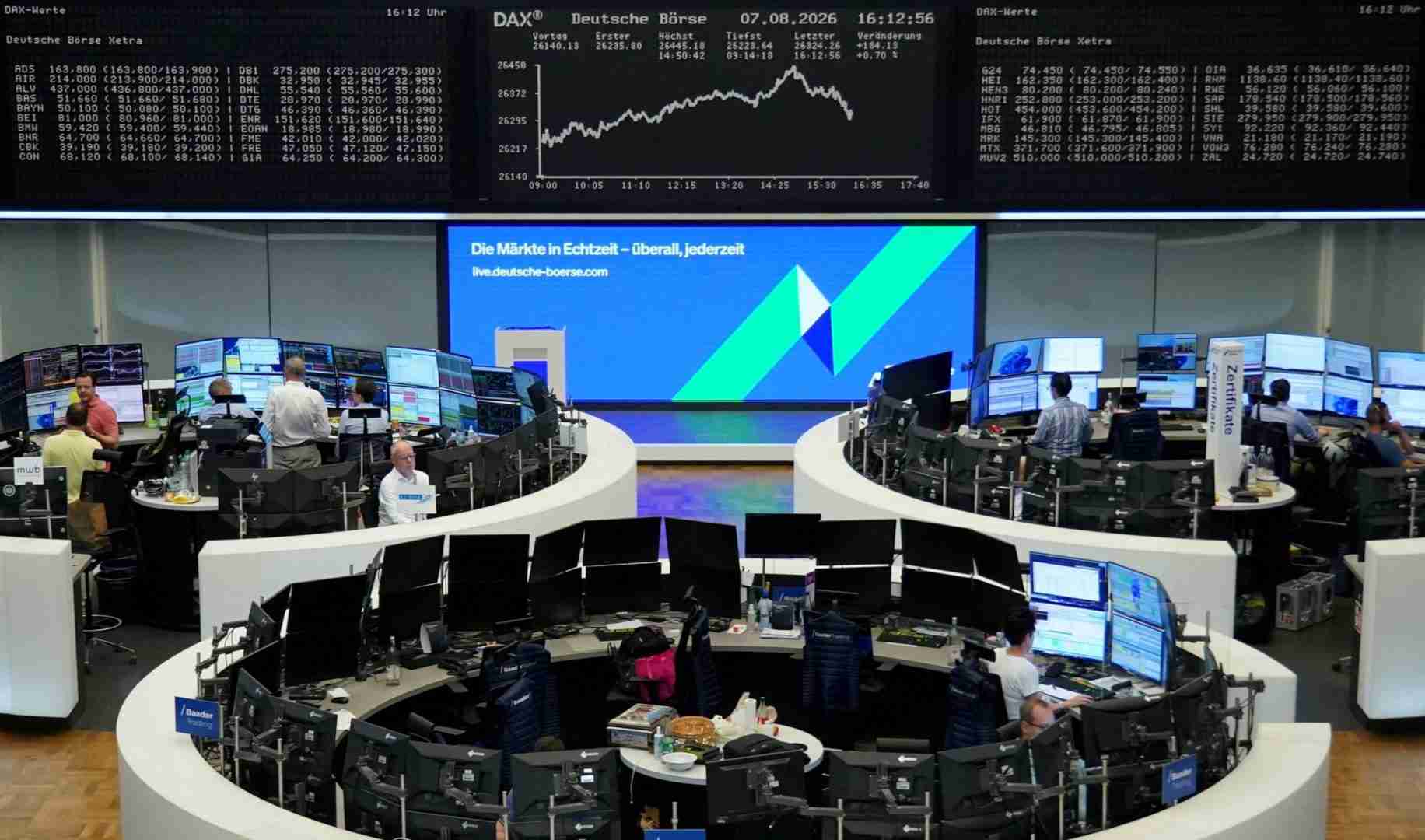
Global shares paused on Wednesday after a four-day winning streak as oil prices drifted higher while investors awaited details on peace efforts in the Middle East.

Hopes of improving crude supplies have weighed on oil prices for most of this week. A sustained resumption of oil flows through the Strait of Hormuz would help significantly to keep inflation in check, which in turn would impact the global outlook for interest rates. 

However, caution persists as similar hopes have been quickly dashed in the past. US President Donald Trump said talks with Iran in New York had made progress, but then threatened to “annihilate” the country if a deal was not reached. 

“We’ve been through a series of starts and stops like this,” said Cole Smead, CEO and portfolio manager at Smead Capital Management.

“We’re in a pretty momentum-dominated market. I don’t think most people feel comfortable stepping in the way of headlines.”

The pan-European STOXX 600 index slid 0.42% to 640.16 points, while Brent crude futures rose 0.62% to $98.86 per barrel.

An MSCI index of global stocks dipped 0.11% after four consecutive days of gains.

“We’re probably nearing a point where it’s in both sides’ best interests to de-escalate the conflict and find a way to move forward,” said Brock Weimer, analyst, investment strategy, at Edward Jones.

Iranian President Masoud Pezeshkian addresses the UN General Assembly later on Wednesday and markets are alert to reports he might hold talks with Trump.

On Wall Street, futures tracking the benchmark S&P 500 and the tech-heavy Nasdaq-100 were down 0.07% and 0.27%, respectively.

ASIA RIDES AI WAVE

In Asia, stocks rose as consumer hunger for AI apps continued to buoy tech stocks.

Renewed buzz over AI helped South Korean stocks gain 0.9%, with Samsung up nearly 1%, while Taiwan’s benchmark firmed 0.8% to near all-time peaks.

The data hardware sector has been buoyed by strong consumer take-up of Meta’s Muse agent, which has topped US app download charts in the past two weeks.

Analysts are now keen to see how a similar product from Alphabet’s Google Labs, known as CC, will fare with consumers.

Chinese President Xi Jinping arrives in Washington later in the day amid speculation that a trade truce between the two countries will be extended, and there could be cooperation over AI.

Japanese markets were closed for a holiday, but Nikkei futures were trading at 66,425 , about 1,400 points above where the cash Nikkei closed on Friday. 

“We expect a strong reopening in Japan tomorrow, with another move lower in crude, calm conditions in rates and Treasuries,” said Chris Weston, head of research at broker Pepperstone.

“Memory stocks have taken the leadership baton, backed by another strong session for semis, which have recorded a sixth consecutive day of gains.”

Also of note was demand for SoftBank’s $10 billion-plus debt deal which has reportedly drawn more than $20 billion in indications of interest. That would make it one of the largest junk bond deals ever.

The 10-year yield rose 1.28 basis points to 4.9798%, close to the 5.0% pain barrier.

Richmond Fed President Tom Barkin and Boston Fed President Susan Collins on Tuesday both voiced support for last week’s rise in interest rates given concerns about inflation.

The prospect of higher rates helped the dollar hit multi-week highs versus the euro, sterling and Canadian dollar. The euro was left pinned at $1.1410, near a two-month low. 

Analysts said that a call from Trump to ban US diesel exports was potentially bad news for European inflation since the zone relied heavily on US shipments of the fuel.

The dollar was firmer against the yen at 157.93, with speculators wary of drawing more Japanese intervention on any push past 160.00.

Reporting by Niket Nishant in Bengaluru and Wayne Cole in Sydney; Editing by Christopher Cushing, Kim Coghill and Gareth Jones
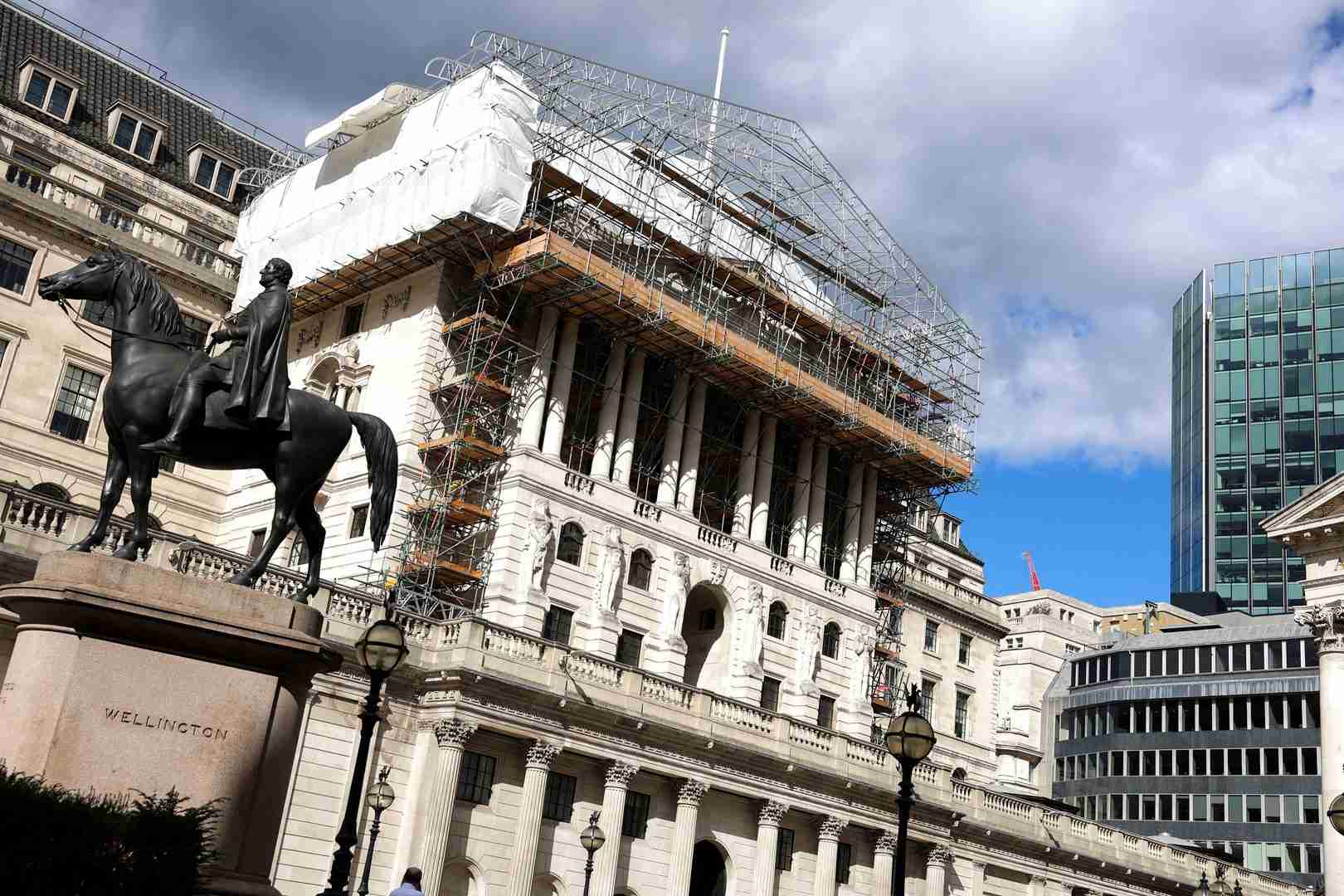
BofA forecasts two BoE rate hikes as energy prices stoke inflation concerns

The shift follows last week’s BoE meeting where policymakers struck a firmer tone on inflation risks, particularly those stemming from a recent surge in oil and natural gas prices

International News via Reuters:

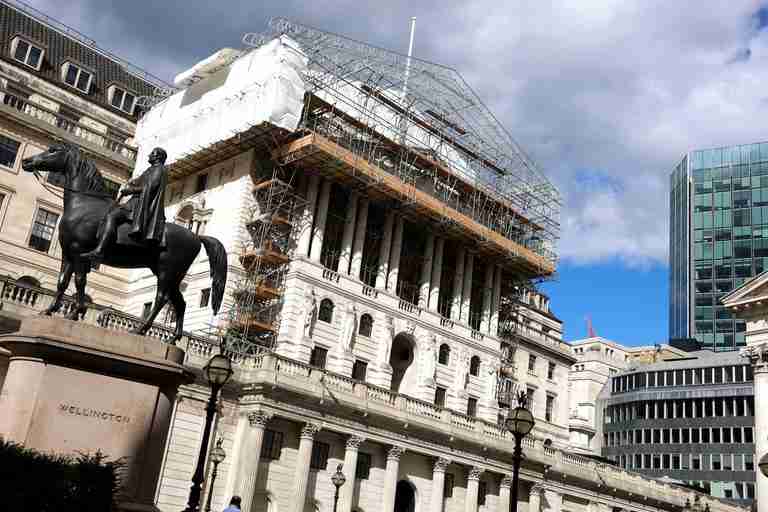
Bank of America Global Research became the latest brokerage to expect the Bank of England to raise interest rates twice over the next six months, as higher energy prices raise the risk of persistent inflation.

In a note on Wednesday, the brokerage said it expects the central bank to raise rates by 25 basis points in November and February, reversing its previous forecast for rates to remain unchanged before a cut in November 2027.

The shift follows last week’s BoE meeting where policymakers struck a firmer tone on inflation risks, particularly those stemming from a recent surge in oil and natural gas prices, prompting brokerages Barclays, UBS Global Research and J.P. Morgan to forecast rate hikes.

The BoE stood out among major central banks this month, keeping rates unchanged while the US Federal Reserve, European Central Bank and Bank of Japan opted to raise borrowing costs.

“We expect the passthrough of the energy shock to domestic inflation and second round effects to remain somewhat contained, but risks are on the upside,” BofA economists said in a note.

The brokerage said inflation staying near 4% early next year could fuel wage growth and broader domestic price pressures, increasing the risk that policymakers tighten policy further.

Markets are pricing in a 67% chance of a BoE rate hike in November, with another increase expected in December, according to LSEG data.

Despite the revised outlook, BofA said markets may be pricing in too much tightening, as it expects only two rate hikes before the BoE begins cutting rates in 2028, ultimately bringing the rate back to 3.5%.

Reporting by Rashika Singh in Bengaluru; Editing by Sahal Muhammed

Pound caught in three-day slide as dollar rallies broadly

Growth in British business activity cooled this month and inflation pressure built, a survey showed on Wednesday

International News via Reuters:

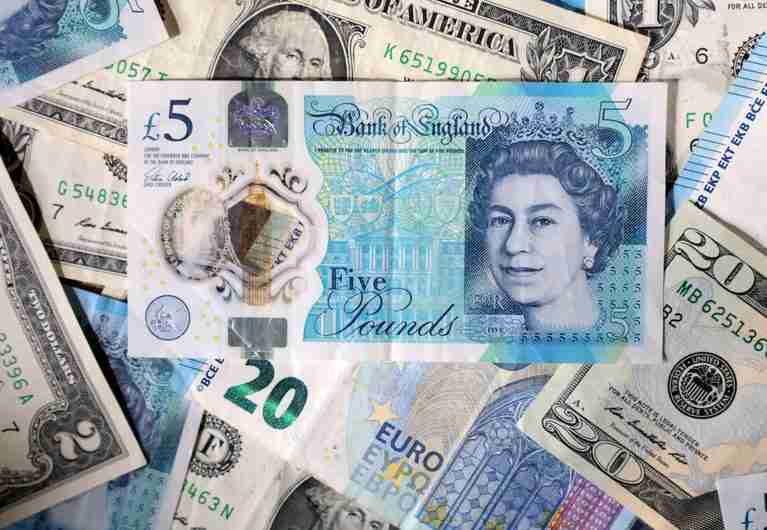
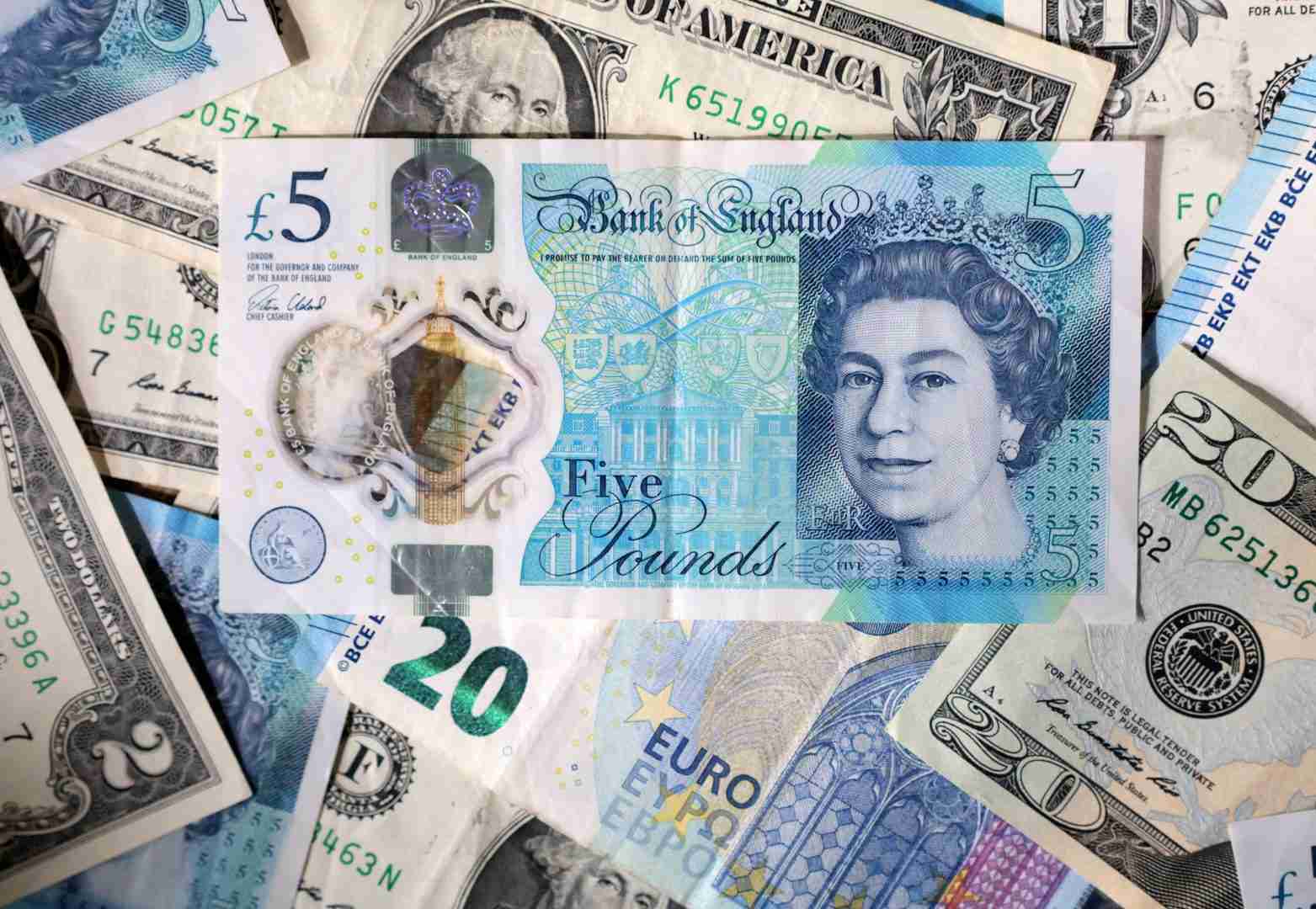
The pound fell for a third day on Wednesday, driven lower by the strength of the dollar, which got a lift from investors pricing in a higher chance of a string of US rate rises over the coming months, even as the oil price trades below $100 a barrel.

Sterling was around $1.328, down 0.45% on the day, even with oil futures dropping below $99 again, as investors clung on to evidence that supply from the Middle East was slowly improving, while optimism grew over a possible diplomatic breakthrough between the US and Iran. 

Growth in British business activity cooled this month and inflation pressure built, a survey showed on Wednesday, an awkward backdrop for finance minister John Healey ahead of his first budget in October.

The S&P Global UK Services Purchasing Managers’ Index (PMI) fell in September to 51.7 from 52.5 in August, a three-month low, according to “flash” or preliminary data. A Reuters poll of economists had pointed to a reading of 52.0.

“Growth in Britain’s economy has been remarkably resilient so far this year, though we think that a slowdown is almost inevitable during the remainder of the year – energy costs have risen, borrowing costs are up, the jobs market continues to weaken and political uncertainty looks set to rear its ugly head again as we approach budget day next month,” Matthew Ryan, head of market strategy at Ebury, said.

“We expect this to keep sterling under pressure in the near-term, though we do contend that sterling appears a bit oversold at current levels.”

Money markets show traders expect UK rates to be around a full percentage point above the current rate of 3.75% this time next year, which would imply four quarter-point hikes between now and then.

They assign roughly a 65% chance of a rate rise at the BoE’s November meeting, which falls right after the Autumn Budget, with a December hike seen as a done deal.     

Reporting by Amanda Cooper; Editing by Andrew Cawthorne

UN chief calls for AI curbs and end to wars in his last assembly address

The former Portuguese prime minister, whose second five-year term ends on December 31, reiterated his calls for global oversight of AI risks, just as the UN’s 15-member Security Council prepares to host AI leaders for a briefing on the powerful technology

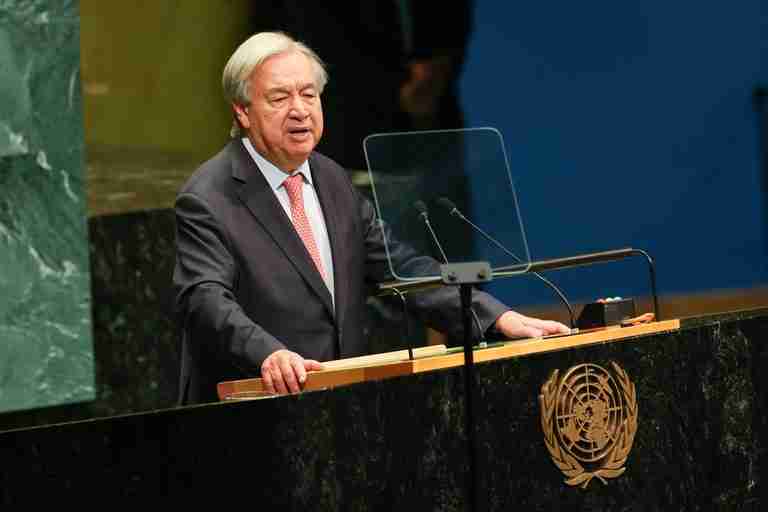
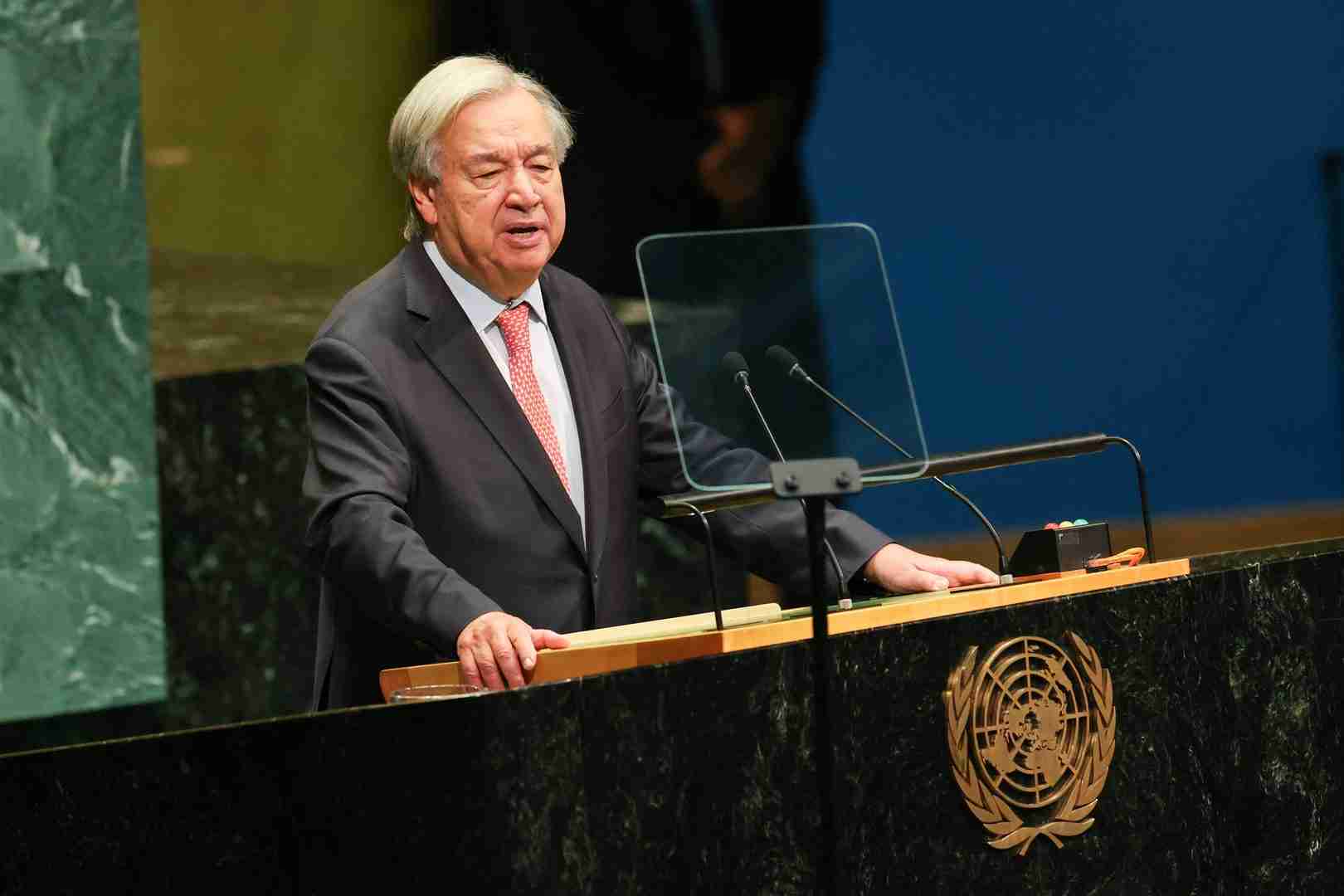
United Nations Secretary-General Antonio Guterres addresses the 81st United Nations General Assembly at UN headquarters in New York City, US, September 22, 2026. REUTERS/Shannon Stapleton

International News via Reuters:

United Nations Secretary-General Antonio Guterres used his final address to the General Assembly on Tuesday to urge world leaders to regulate artificial intelligence, end wars, focus on climate change and overhaul UN institutions he warned are struggling to confront mounting global challenges.

The former Portuguese prime minister, whose second five-year term ends on December 31, reiterated his calls for global oversight of AI risks, just as the UN’s 15-member Security Council prepares to host AI leaders for a briefing on the powerful technology.

Guterres also reflected on the gridlock within the organization, as nearly 130 world leaders gathered in New York, and Chinese President Xi Jinping and others — including leaders from South Africa, India and Germany — skipped the diplomatic meeting.

Delegates responded with sustained applause when Guterres defended a two-state solution for Israelis and Palestinians, demanded that “polluters must pay” for climate change and pressed for reforms to international institutions, causes he has championed throughout his decade leading the United Nations.

The address capped a decade-long tenure in which Guterres sought to position the UN as a mediator in conflicts and a forum for governing emerging technologies, even as major powers increasingly bypassed the organization and Washington slashed its funding.

“Those countries leading this technological revolution must share information on emerging safety risks, cooperate on testing and evaluation – and work towards common safeguards that protect us all,” Guterres told the assembly.

He called on the leaders gathered in New York to “advance the conditions for the responsible pacing of AI and the additional safeguards needed to address risks” and to “work towards a multilateral AI risk management framework, supported by credible and independent oversight.”

US Treasury Secretary Scott Bessent said on Sunday that Washington had proposed a new AI safety notification mechanism for US President Donald Trump and Chinese President Xi to consider at their summit this week. The proposal emerged from talks on establishing a US-China AI dialogue and would cover AI-related incidents with national security implications.

A CHAMPION FOR GLOBAL GOVERNANCE OF AI

Guterres has long pushed for global governance of AI. In 2023, the UN created a ‌39-member ⁠advisory body on AI, with members including tech company executives, government officials and academics from countries such as the US, Russia and Japan.

The Security Council, which is charged with maintaining international peace and security, met for the first time on the risks of artificial intelligence the same year, when China said the ​technology should not become a “runaway horse” and Washington warned against its use ​to censor or ⁠repress people.

On the Middle East, where the conflict has widened as Houthi gains along the Red Sea coast threaten shipping routes and tensions persist in the Strait of Hormuz, Guterres called for “de-escalation and dialogue.”

“Together, let’s send a clear message from this hall: The fighting must stop. Humanitarian aid must flow. And navigational rights and freedoms must be fully restored in accordance with international law,” Guterres said.

On the UN system, criticized by Trump and others as bloated and ineffective after Washington withdrew from several UN agencies and slashed funding, Guterres said, “our mechanisms for collective action are under growing strain” and global institutions “continue to reflect the power realities and interests of a largely bygone age.”

Guterres used the address to bid farewell to most of the global leaders he has worked with over the last 10 years.

“So, on January 1st, when I am no longer Secretary-General, be sure of this. Wherever I will be, whatever I will be doing – I will keep championing the conviction that peace is possible,” he said. “I will continue to stand up for the values of the United Nations Charter and I will never, ever give up. Thank you.”

Reporting by Antoni Slodkowski; Editing by Howard Goller

Trump says Iran deal nearing, Tehran offers Hormuz reopening

Trump’s remarks came just hours after he repeated a threat at the UN General Assembly to annihilate Iran if it failed to strike a deal

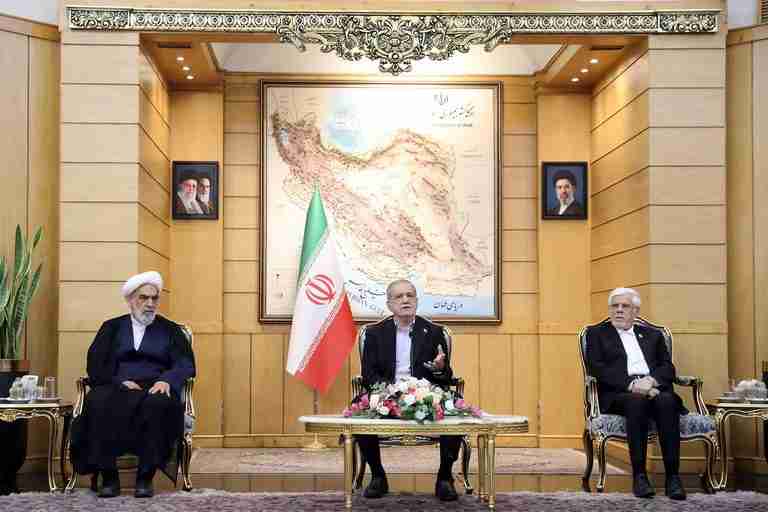
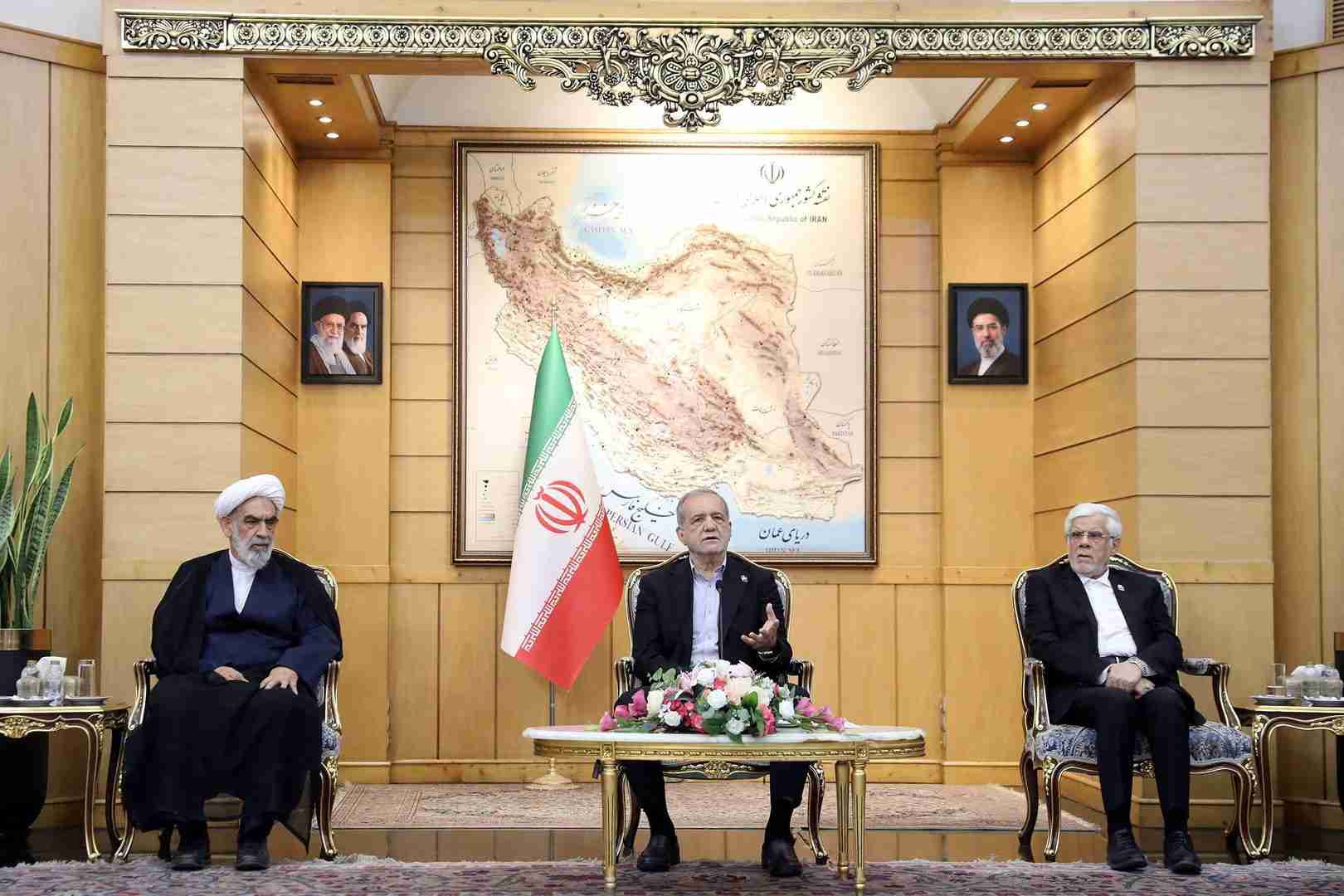
Iranian President Masoud Pezeshkian speaks before departing for New York, at Mehrabad Airport in Tehran, Iran, September 22, 2026. Iran’s Presidential website/WANA (West Asia News Agency)/Handout via REUTERS

International News via Reuters:

President Donald Trump said on Tuesday that Washington and Tehran were moving toward a settlement, while a senior Iranian official said Tehran could reopen the Strait of Hormuz within days if the US eased military pressure and lifted its blockade on Iranian ports.

Trump’s remarks came just hours after he repeated a threat at the UN General Assembly to annihilate Iran if it failed to strike a deal.

Speaking after a meeting with British Prime Minister Andy Burnham at the United Nations in New York, Trump said: “They want to talk to us. They have been talking to us, even today they’ve been talking to us, and the relationship is developing.

“But we can’t let them – and they understand that – we can’t let them have a nuclear weapon.”

He gave no details on the talks. No face-to-face meetings between Iran and the United States are known to have taken place since July, when an agreement on an interim deal to end the war collapsed weeks after it was signed.

Earlier, in a combative speech to the UN, Trump gave no sign of readiness to compromise. He called for Iran’s complete economic isolation and said he believed a deal would be done after November’s midterm elections “because it doesn’t make sense for them not to. They’re waiting to see how I do in the midterm election.”

Trump faces growing domestic discontent over the unpopular Iran war, rising energy costs and stubbornly elevated inflation.

Iran had earlier signalled a willingness to revive negotiations to end their almost seven-month-old conflict, with the presidents of both countries due at the UN for the annual gathering.

The senior Iranian official told Reuters that Tehran had conveyed its latest proposal to Washington through mediators last week and could reopen the Strait of Hormuz to Gulf shipping within seven days if its demands were met.

IRAN SEES ‘GOLDEN OPPORTUNITY’ TO REVIVE DIPLOMACY

The official had earlier told Reuters that the US should “announce that it wants to resolve the issue diplomatically, make that official, and then agree on a timeline”.

“The UN General Assembly is a golden opportunity for the US to return to diplomacy,” the official said.

In a reminder of Iran’s firm position so far, Parliament Speaker Mohammad Baqer Qalibaf, who headed Iran’s negotiating team at previous talks, said Iran would never surrender: “Trump must understand that he cannot impose his power on the Iranian people and its armed forces.”

Trump was due to meet on Tuesday with leaders of the six Gulf Arab states: Bahrain, Kuwait, Qatar, Oman, Saudi Arabia and the United Arab Emirates.

All are keen to restore shipping through Hormuz, the conduit for a fifth of global oil and gas shipments before the war, but wary of giving their longstanding rival Iran too much power.

All apart from Oman also host huge US military bases that have come under repeated Iranian attack throughout the war.

Saudi Arabia, the largest of the Gulf states, has been drawn deeper into the war this month as Iran-aligned Houthi fighters have advanced in Yemen, routing forces of the Saudi-backed government and threatening Saudi oil exports through the Red Sea.

Oil markets found some relief on Tuesday after sources told Reuters that Saudi Arabia had restarted operations at its East-West Pipeline and could resume exports from the Red Sea port of Yanbu within hours, albeit at reduced volumes. [O/R]

The pipeline, Saudi Arabia’s main export route bypassing wartime disruption in the Strait of Hormuz, had been shut after attacks this month that Riyadh blamed on Iranian-backed groups in Iraq.

SAUDIS SEEK US SUPPORT AGAINST HOUTHIS

The Houthis have driven back Saudi-supported government forces along the Red Sea and the Bab el-Mandeb Strait at its mouth, and have attacked Saudi Arabia directly with missiles and drones. They are now pushing to seize the strategic heights of the Kahboub Mountains that overlook the Red Sea coast.

The US, which bombed the Houthis for two months last year, has so far rebuffed repeated pleas from Saudi Arabia’s Crown Prince Mohammed bin Salman to rejoin the fight. The New York Times reported that Trump called off US strikes against the Houthis on Sunday at the last minute.

Asked why Washington had held back from striking the Houthis, US Secretary of State Marco Rubio said: “Ultimately, if it comes down to it, the United States will always stand with Saudi Arabia and support them because we have an agreement with them to do so.

“That said, that is a very dangerous and complex conflict that pre-exists … We have a history with the Houthis as well, and that’s something we don’t want to see impacted either.”

On the table at the Gulf states’ meeting with Trump is a Qatari proposal for a framework to bring Iran and the Arab Gulf states into a common security architecture, regional sources said. One source said Iran was reviewing the proposal.

Speaking at the Qatar Economic Forum in New York on Sunday, Qatari Prime Minister Sheikh Mohammed bin Abdulrahman Al Thani said any such arrangement would need to provide security guarantees for the Gulf states and expand economic interdependence with Iran.

Reporting by Reuters Gulf bureaux;Writing by Peter Graff and Kevin Liffey; Editing by Gareth Jones, Alexandra Hudson, Ros Russell

Oil price becoming increasingly important for ECB, Bundesbank chief says

The ECB has already lifted its key rate twice this summer but investors see another three or four moves in the next year as both oil and gas prices are now at its “severe” scenario and inflation could peak at around 4%, twice the bank’s target

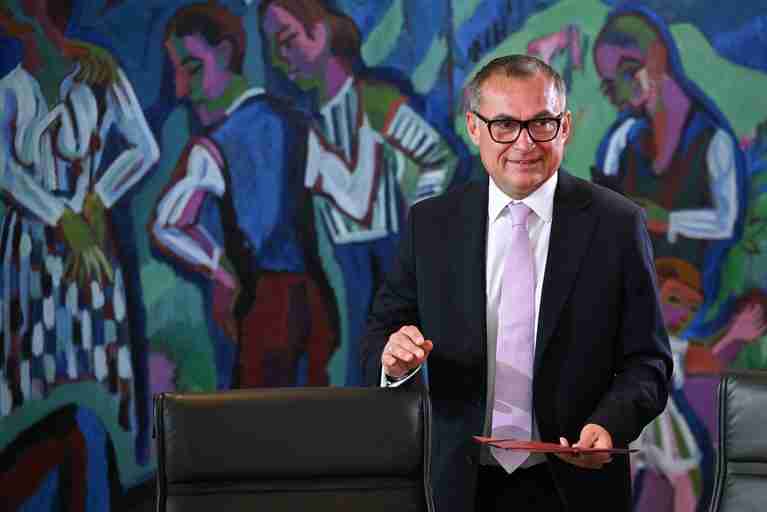
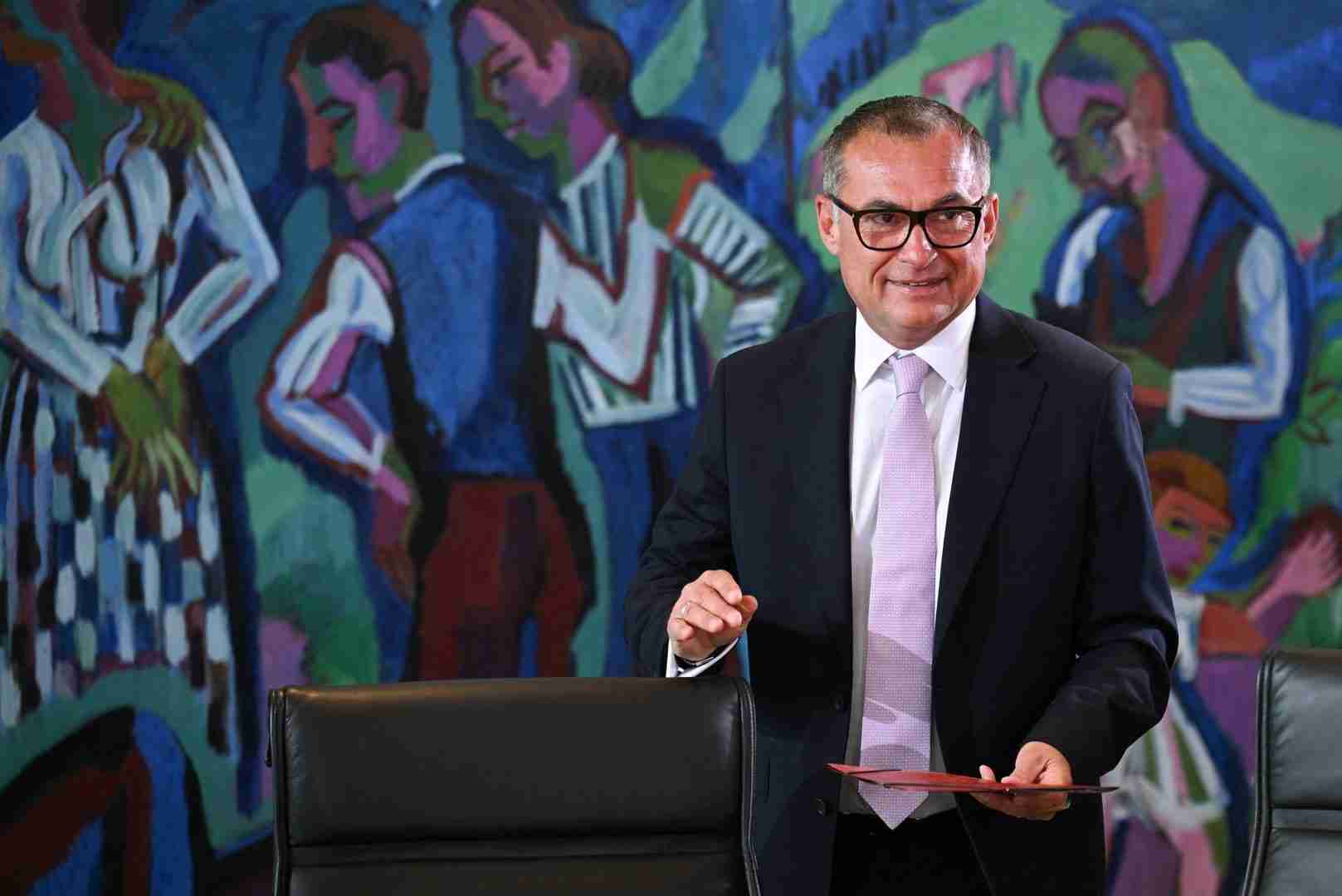
FILE PHOTO: Deutsche Bundesbank President Joachim Nagel arrives for a German cabinet meeting at the Chancellery in Berlin, Germany, July 6, 2026. REUTERS/Annegret Hilse/File Photo

International News via Reuters:

Oil prices are an increasingly important indicator for ECB policymakers in setting interest rates but other factors also play a crucial role, Bundesbank President Joachim Nagel said on Tuesday after markets raised rate-hike bets on expensive energy.

The ECB has already lifted its key rate twice this summer but investors see another three or four moves in the next year as both oil and gas prices are now at its “severe” scenario and inflation could peak at around 4%, twice the bank’s target.

ECB President Christine Lagarde and Vice President Boris Vujcic have both pushed back on those bets, arguing that rates do not move in lockstep with oil prices. Their remarks suggested the bank may wait until December to pull the trigger next.

“It’s definitely not the only indicator but it’s become a more relevant indicator over the last four years, this is for sure,” Nagel told an event hosted by London’s Society of Professional Economists. 

“It is obvious that we in governing council have to look at it and we have to take it into account when we take our decisions,” he said about oil prices.  

Still, he kept open the door to more rate hikes. He said rates, now at 2.5%, are in a territory that neither restrict economic growth nor stimulate it.

“I cannot exclude that if we are confronted with higher energy prices like this, that we have to go into the mild restrictive territory of monetary policy,” he said.

But he played down some worries about second-round inflation effects, arguing that the labour market was far softer than in 2022, when an energy-price-led inflation fuelled increasing wage demands, leading to a wage-price spiral.

He also said there were no significant second-round effects in the data.

For now, the ECB needed to maintain its approach of making decisions meeting by meeting, Nagel said.

This means that policy needs to be somewhere between “constructive ambiguity,” or intentional policy vagueness, and setting “forward guidance” or making explicit commitments about future policy moves, Nagel said.

Reporting by David Milliken; writing by Balazs Koranyi; Editing by David Gregorio

Canada is giving C$100 million in international aid for Palestine, says Carney

Canada is giving C$100 million in international assistance for Palestine, Prime Minister Mark Carney said on Tuesday

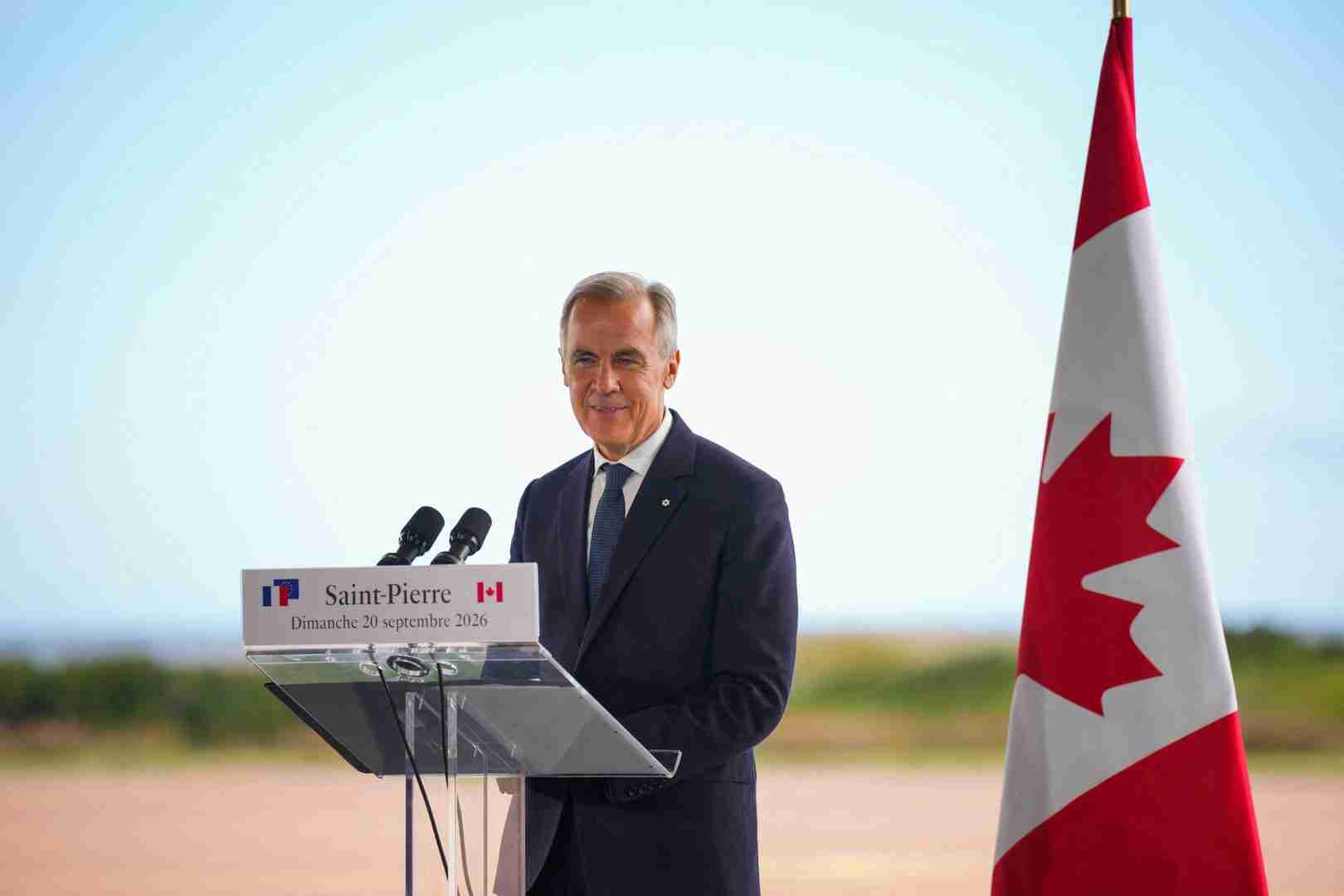
Canada’s Prime Minister Mark Carney speaks to the media during his visit to the small French territory of Saint Pierre and Miquelon, France September 20, 2026. REUTERS/Chris Tanouye

International News via Reuters:

Canada is giving C$100 million in international assistance for Palestine, Prime Minister Mark Carney said on Tuesday.

Carney told reporters at the United Nations that C$80 million was for humanitarian aid to alleviate immediate human suffering, and C$20 million was to support peace and security capacity building.

Reporting by David Ljunggren, editing by Promit Mukherjee

New features for Taste of Bermuda event

Taste of Bermuda returns October 8th through 11th, with two brand new experiences being introduced as part of this year’s culinary celebration.

Kendal Trott spoke with City of Hamilton Senior Events Coordinator Lorna Hayward, who shared more about the new initiatives and how they aim to bring a unique dining and entertainment experience to Bermuda.

Docks dispute over union chief’s son quietly settled

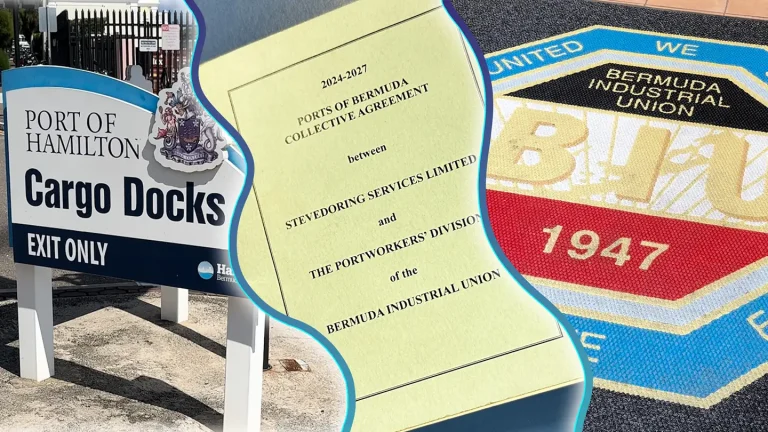
A long-running dispute at the Cargo Docks over a sacked worker has been quietly settled… Bermuda Broadcasting discovered that industrial action related to the case may have been based on a disputable interpretation of the rules

A special report on the outcome of a long-running labour dispute…

Chris Furbert, who has been the President of the Bermuda Industrial Union for 20 years, recently announced his intention to retire in March 2028.

Mr Furbert was recently at the forefront of a labour dispute between the BGA family of companies and its employees over plans to effectively delay the payment of wages.

The row saw many workers join the BIU for support.

On another matter, however, Bermuda Broadcasting has discovered that industrial action at the Cargo Docks last year, centered on the dismissal of Mr Furbert’s son, may have been based on a disputable interpretation of the rules.

WATCH the report above.

Police investigate after public sex act allegedly caught on video

Bermuda Police Service Press Release:

The Bermuda Police Service (BPS) is aware of images depicting a male and female engaged in a sex act at what appears to be a local beach, being circulated on social media.

While no official report has been made, the matter is now under investigation and anyone with information is encouraged to call 211, or the main police number, 295-0011.

The BPS reminds the public, Any person who wilfully and without lawful excuse does any indecent act in any public place; or who wilfully does any indecent act in any place with intent to insult or offend any person, is guilty of a summary offence, and is liable to imprisonment for five years.

Arrest after Front Street knife incident

On Monday, September 21, 2026, officers from the Tactical Operations Division of the Bermuda Police Service (BPS), conducted a targeted operation, which resulted in the arrest of a male in connection with an incident which occurred on Front Street, City of Hamilton, at approximately 2:30 p.m. on Saturday, 12th September 2026.

The arrest relates to an altercation captured on CCTV, during which the male is alleged to have brandished a large knife.

During the operation, officers recovered a large knife believed to be of evidential significance to the investigation. The item has been seized and will be subject to further examination.

The matter remains under investigation as enquiries into the circumstances surrounding the incident continue.

Anyone with information regarding this incident who has not already spoken with police is encouraged to contact Police Sergeant Ascensius Jn Baptiste at 717-2203 or ajnbaptiste@bps.bm.

Chief Inspector Nidol Barker of the Tactical Operations Division reminded: “The BPS remains committed to addressing incidents involving bladed articles and other weapons and will continue to take appropriate enforcement action to safeguard the community.”