As whale watching season peaks, Andrew Stevenson highlights rising humpback numbers and the importance of respectful observation
“Be patient, be passive and you’ll have an amazing encounter,” said Andrew Stevenson, who, for nearly two decades, has dedicated himself to researching, filming, and writing about humpback whales in Bermuda.
March and April are peak months for whale sightings as the mammals travel from Southern breeding grounds to Northern feeding grounds.
“We have this incredible opportunity here in Bermuda, which is unique where we have a platform providing a window into the pelagic social lives of humpback whales,” Mr Stevenson said.
Just yesterday, he identified 29 individual whales by their fluke patterns. In the past 18 years, he has identified nearly 2,500 whales through fluke IDs.
While sightings anecdotally appear to be on the rise due to the positive impact of conservation efforts, Stevenson warns that humpback whales still face threats, including boat strikes, entanglement, and plastic ingestion.
“We did publish a paper a couple of years ago on an abundance analysis of the humpbacks and it does indicate that the humpbacks are definitely increasing in numbers and there’s obvious reason for that because we’ve stopped hunting them since 1986,” he said. “So, if we’re not killing them, then they are going to increase in numbers. However, they still have exposure to getting hit by motorboats, boat strikes, ship strikes. Entanglement is a big, big issue. I think every single whale that I see has got entanglement scars. And, then ingesting plastic is also a big problem.”
As part of his passion for sharing knowledge, Mr Stevenson created the Facebook group Whales Bermuda Sightings for fellow enthusiasts to report their humpback sightings.
As whale watching activity intensifies, boaters are reminded to adhere to guidelines, including keeping a respectful distance – at least 100 meters (or 300 feet) away from any whale.
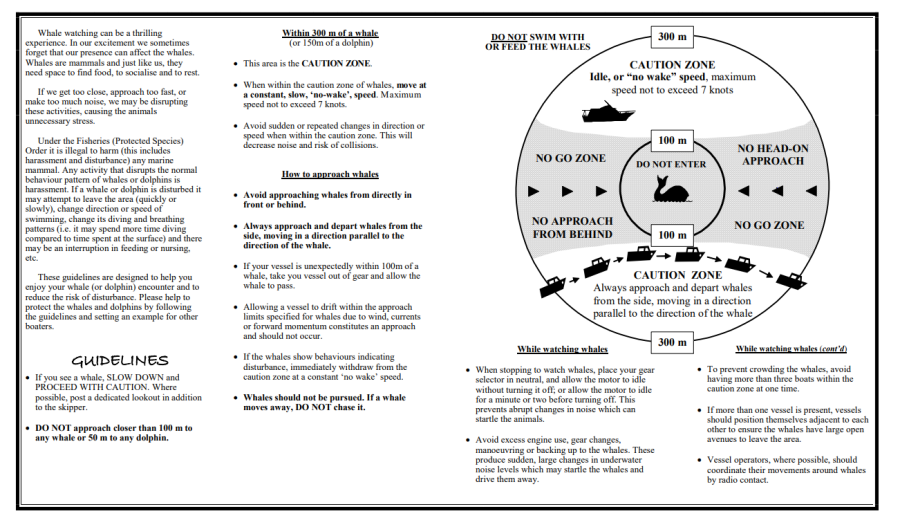
Under the Protected Species Act, it is illegal to harm, harass, or disturb a humpback or sperm whale—with violations resulting in fines of up to $25,000 or imprisonment.
Stevenson urges boaters not to chase whales and said he has noticed a recent positive shift in behaviour.
“I got to a point some years ago where I was really quite dismayed at watching the number of boats out there and how aggressive they were in pursuing the whales,” he said. “Recently I noticed that there has been a change in boaters’ behaviour, and I think the message is getting out there that if you just sit there and wait, you can have these encounters. So, I’ve been really pleasantly surprised at how patient people have been in trying to observe whales.”
The public can soon have a chance to see Mr Stevenson’s work at a double screening of his films, Where the Whales Sing and The Secret Lives of Humpbacks, at Specialty Cinema on April 9th. Tickets are available for purchase at the theatre.
Currently, a third film is in the works.
He says his passion for whales is driven by a desire to increase understanding and advocacy for their protection.
“I have no background in marine biology or film making and that encounter that I had with a whale almost 20 years ago has changed my life,” Mr Stevenson said. “So I’m passionate about these whales. I do everything I can to increase our knowledge of them, increase our understanding of them. And the more we know, the more we understand, the more we can. And so that’s my ambition – that’s my call to action personally.”