Thursday, November 5, 2026
Home Blog Page 139

Europe’s would-be water bombers in race to tackle future wildfires

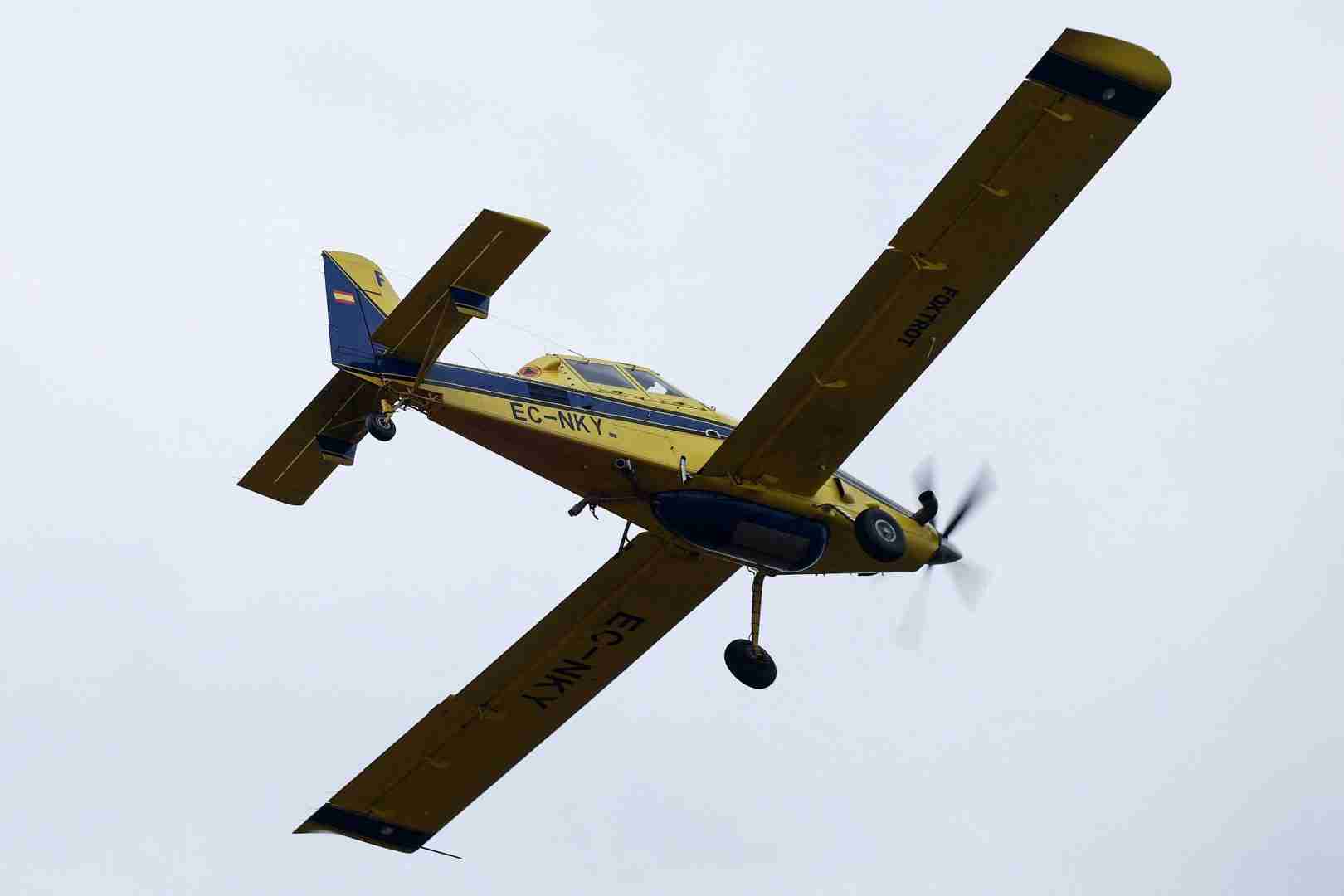
A parliamentary panel warned last year that France’s existing fleet of aerial firefighters faced a “major crisis” and called for European alternatives to the rugged water-scooping Canadairs, which have dominated the market for decades
International News via Reuters:

Deep inside the carcass of a disused turboprop aircraft, engineer Jonathan Beck squeezes between rows of tanks as he demonstrates how his French startup plans to challenge ageing Canadair water-bombers in combatting European wildfires.

From the birthplace of Concorde to the laptops of a retired general in southern France or an architect in Belgium, designs for new or converted water-bombers have gained momentum after nearly 500,000 hectares burned across Europe this year.

A parliamentary panel warned last year that France’s existing fleet of aerial firefighters faced a “major crisis” and called for European alternatives to the rugged water-scooping Canadairs, which have dominated the market for decades.

At first glance, the task looks daunting. A water-scooper is partly a seaplane, the art of which has eroded over the years.

“We will have eight tons of water inside this aircraft,” former Airbus engineer Beck, who heads design at Positive Aviation, told Reuters, pointing to Y-shaped pipes that would draw water from new floats designed to skim over lakes or sea.

The Toulouse-based startup is using the dismembered ATR-72 fuselage as an early demonstrator or testbed, and giving a new lease of life to the historic Hangar 16 that spawned Concorde.

A few miles away, Kepplair is receiving an ATR-72 to test its vision of a ground-loaded tanker to replace Canada’s veteran Dash-8 on pre-emptive patrols to tackle initial outbreaks.

“It’s the difference between an uncontrollable fire and one that is halted quickly,” said Kepplair founder David Joubert.

Europe’s last serious effort to match Canadair by Germany’s Dornier and Italy’s Aeritalia in the 1980s, Advanced Amphibious Aircraft (AAA), never left the drawing board due to cost.

“Western nations… have lost their skills in professional seaplane design since the 1950s or even World War Two,” said former AAA project chief Elmar Welczek, a German professor widely seen as a leading expert in the mainly forgotten field of water flying.

Before they can quench a single flame, would-be water-bombers must scoop up significant amounts of capital to fund the R&D, certification tests and factories needed.

“What I think people under-estimate is the time to go from design to delivery,” said John Boag, CEO of top private Canadair operator Avincis.

Estimates of development costs by entrepreneurs run from tens of millions for a simple conversion to $1 billion for a new plane and analysts warn that could go far higher.

CONVERTED OR NEW PLANES

Positive Aviation hopes to tap a market for converting second-hand planes and be ready for 2028, company president Laurent Schmitt said. It has a provisional order for 10 planes from U.S.-based Bridger Aerospace.

Kepplair is raising a new round of funding and aims to start deliveries next year, Joubert said.

At least three other firms are touting even bolder plans to design and build planes from scratch, while so far giving few details in public about their backers.

The most prominent so far is French startup HYNAERO, which announced Latecoere – a pioneer of early boat planes and now an aerostructures supplier – as a provisional partner last week.

It says its Fregate-F100 scooper plane would hold 10 tons of water and cost the same as a Canadair – roughly $80 million with support – but be twice as efficient in fighting fires. 

In Italy, 19-01 Holding has been promoting since 2011 what it calls an integrated firefighting and emergency-response system centred on a new amphibious plane, WF-X.

CEO Renato Sacchetti said assembly would start in Italy from 2031. He added it would have entirely private funding worth €1.2 billion but declined to give details.

In Belgium, the amphibious Seagle is the brainchild of Gaetan du Four, an architect who aims to partner with industrial groups. He is candid about financial and industrial challenges.

“We are looking at the middle of next decade because we have to get funding. But I don’t think any other (new) plane will fly before then,” he told Reuters.

Startups must also compete with a new version of the Canadair, which resumed production this year subject to safety approval, after an 11-year gap.

Deliveries of the DHC-515 have been delayed three years to 2028, but owner De Havilland Canada argues alternatives carry more risk. “It’s a lot of years and a lot of engineering,” said Neil Sweeney, its corporate affairs vice-president.

Even so, Europe’s aspiring water-bombers see a window of support as politicians debate firefighting capacity.

“What worries me is that in four weeks’ time, nobody will talk about it, either media or politicians,” Schmitt said.     

Reporting by Tim Hepher in Paris, Giulia Segreti in Rome, Allison Lampert in Montreal; Editing by Alexander Smith

Discounters should face same land rules as grocers, UK regulator says

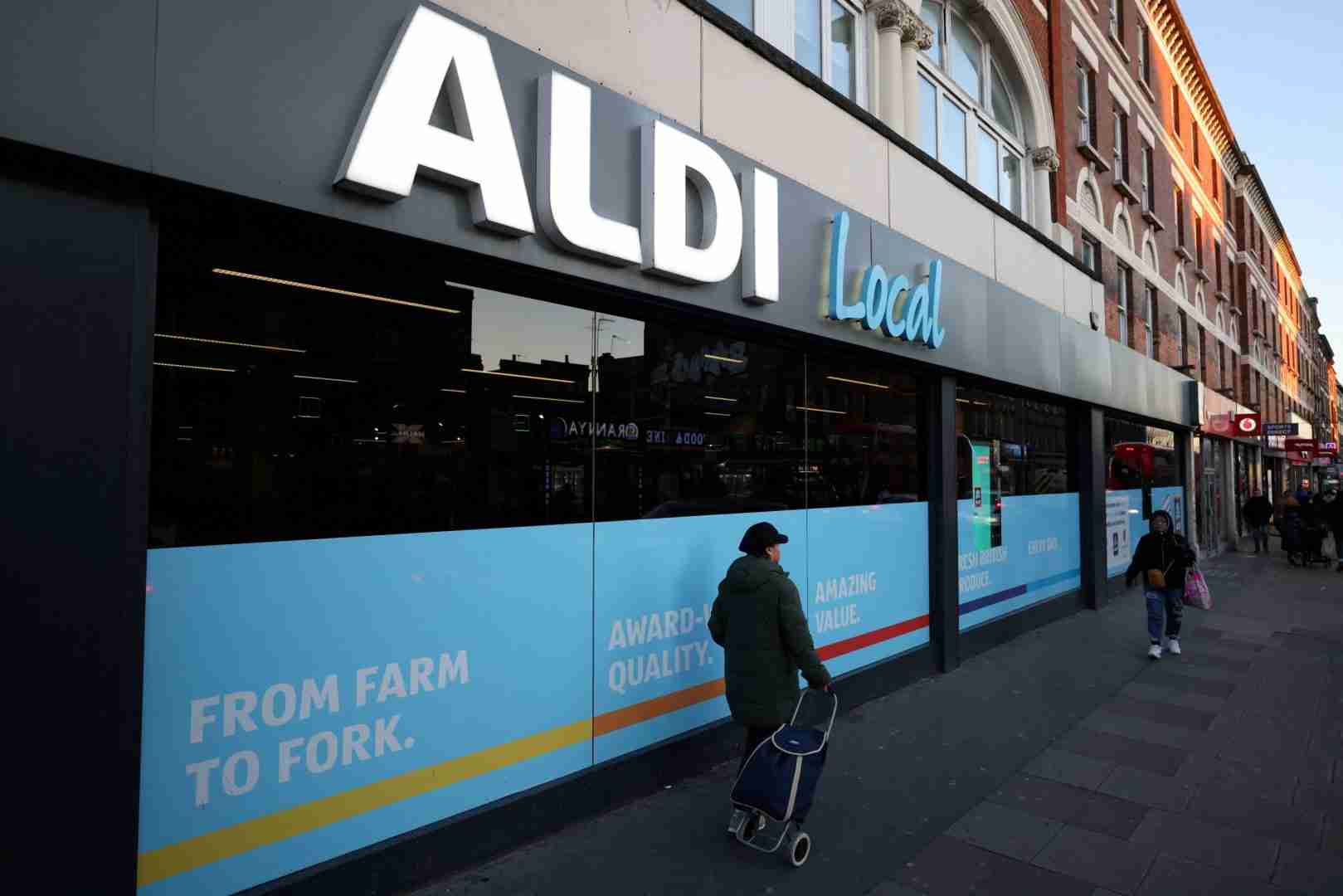
The order currently applies to seven supermarket groups: industry leader Tesco, Sainsbury’s, Asda, Morrisons, the Co‑op, Marks & Spencer and Waitrose, but not Aldi and Lidl

International News via Reuters:

Britain’s competition regulator on Friday proposed extending supermarket land agreement rules to German-owned discounters Aldi and Lidl, saying the move would help ensure shoppers have the widest possible choice of where to buy groceries.

The Competition and Markets Authority (CMA) wants Aldi and Lidl covered by an order designed to stop supermarket groups using land agreements, such as restrictive covenants and exclusivity clauses, that can prevent rival grocers from opening nearby stores.

The order currently applies to seven supermarket groups: industry leader Tesco, Sainsbury’s, Asda, Morrisons, the Co‑op, Marks & Spencer and Waitrose, but not Aldi and Lidl.

The CMA said its provisional view is that Aldi and Lidl should now be covered because of the scale and geographic reach of their store networks, their full range of groceries and their procurement model.

Aldi is Britain’s fourth largest grocer, while Lidl is number five.

“This is about allowing shoppers to choose where they spend their money and levelling the playing field for all major supermarkets,” Juliette Enser, executive director of competition enforcement and markets at the CMA, said.

Before reaching a final decision, the CMA will seek further views on whether Aldi and Lidl should be designated as “Large Grocery Retailers” under the order and therefore become subject to the land agreement rules.

Stakeholders have until September 7 to submit their views. The CMA said it expects to make a final decision in the autumn.

A spokesperson for Aldi said the CMA’s move would not impact its long-term UK expansion plans: “We remain firmly committed to opening hundreds of new stores across the country.”

A spokesperson for Lidl said the group welcomed competition: “Any outcome will not impact our steadfast momentum and growth.”

Reporting by Prerna Bedi in Bengaluru and James Davey in London. Editing by Nivedita Bhattacharjee and Mark Potter

Thai teen kills 7 in rampage at home and school before shooting himself

Those killed at the school were all teachers and staff and police said the 14-year-old shooter, a student, fired at least 26 bullets using a gun that belonged to his grandfather

International News via Reuters:

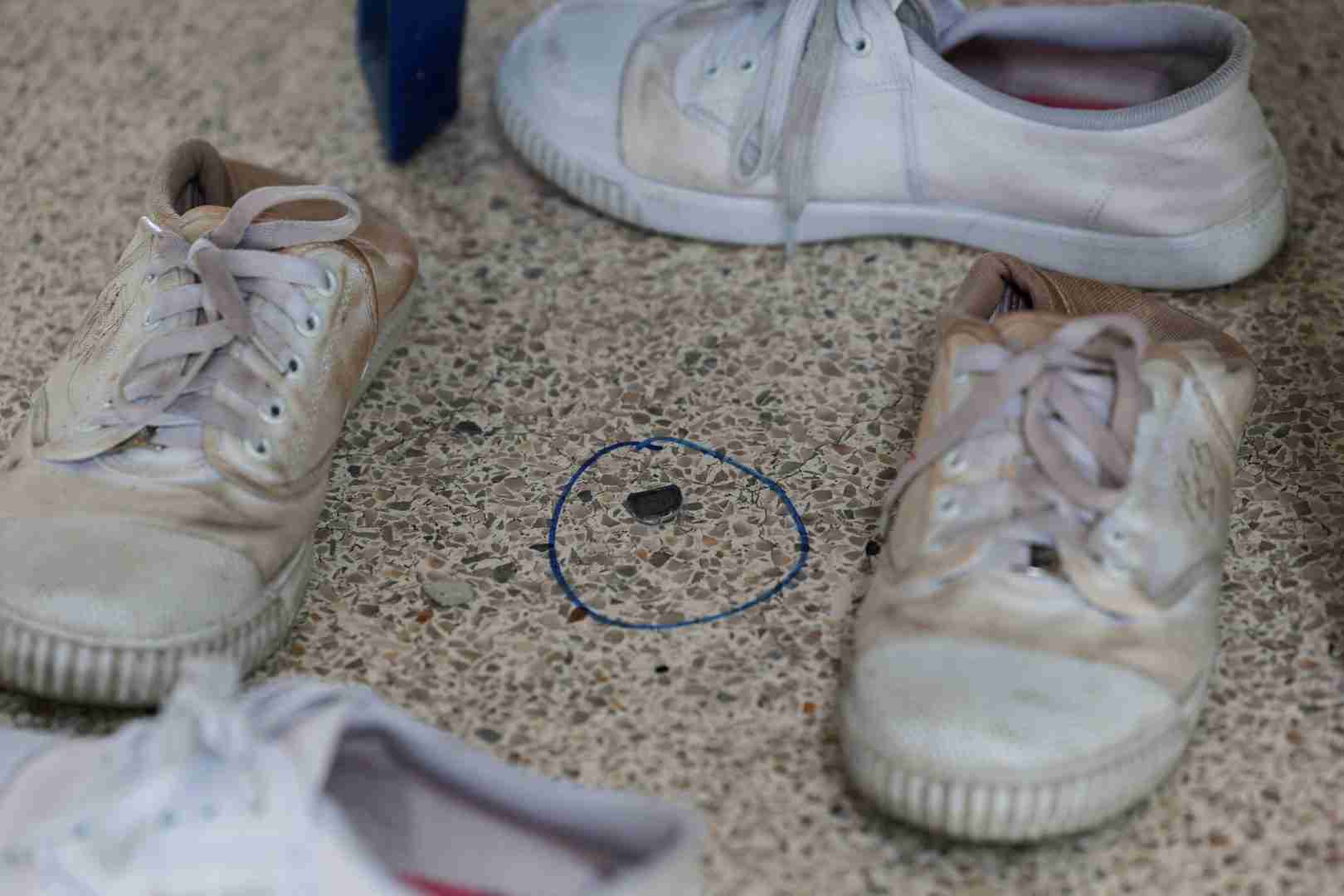
A Thai teenager killed at least five people and himself at a school outside Bangkok on Friday after fatally shooting his grandparents, police said, in the Southeast Asian nation’s worst mass killing since 2022.

Those killed at the school were all teachers and staff and police said the 14-year-old shooter, a student, fired at least 26 bullets using a gun that belonged to his grandfather. An additional 34 rounds were found, police said.

Students streamed out of the Debsirin Nonthaburi School, on the capital’s northwestern outskirts, as the wounded were loaded on to ambulances and teachers hugged each other and cried. In photos circulated by emergency workers, one person is seen lying down on a stretcher outside an ambulance, while another is attended to by a medic.

Police said 23 people were wounded in the incident, the latest in a succession of high-profile shootings in recent years in Thailand, which has by far the largest number of guns in civilian possession in Southeast Asia, and among the most per capita in Asia, according to a 2017 estimate by the Small Arms Survey.

One 18-year-old student told Reuters he initially thought there were firecrackers going off or someone banging an object.

“I didn’t think it was a gun at first,” he said. “There were many shots: bang, bang, bang. Then it went quiet. Then it started again.”

SECOND SCHOOL SHOOTING

Education Minister Prasert Jantararuangtong told Reuters that both teachers and students were among the casualties. The motive for the shooting was being investigated, he told reporters.

It is the second school shooting in Thailand this year after a teacher died and a student was injured in the south of the country in February.

Emergency worker Kiatikhun Verapongpradith, 47, described arriving as the shooting was ongoing and his team treated students with injuries in the back, chest and arms. They found a male teacher lying dead on an upper floor of the school, and in another room they found a female teacher with wounds in her chest and arm.

He said he was called to treat the teenage shooter after hearing a final shot.

“We rushed up and found that the perpetrator had shot himself in the right side of the head and collapsed. When we got up there, we checked his pulse, he still had one, so we started CPR.”

In the 2025 academic year, the school had an enrolment of around 3,100 students and 147 teachers, according to district authorities.

“This is terrible for something like this to happen,” Prime Minister Anutin Charnvirakul told reporters. “I’m sad for those who died and sad for something like this to happen in our country.”

HISTORY OF SHOOTINGS

Thailand’s worst mass killing by a single perpetrator in its recent history took place in 2022, when a sacked former policeman ran amok in a three-hour gun-and-knife attack in the northeast that killed 36 people including his wife, son and 22 children stabbed as they slept at a daycare centre.

In 2020, a soldier killed 29 people in a shooting rampage in Nakhon Ratchasima that included a shopping mall, while in July last year, a gunman killed five people at a Bangkok market, among them security guards and a vendor, before turning the gun on himself.

In 2023, a 14-year-old killed two people and wounded five others at a luxury Bangkok shopping centre, using a modified handgun that police said was likely purchased online.

After the 2023 shooting, Anutin, who was then serving as interior minister, ordered a raft of gun control measures, including a short-term ban on new licenses, import restrictions, and banning of people under 20 years from shooting ranges.

Longer-term measures also included a medical certificate assessing the mental health and psychological condition of gun owners as well as a specified validity period for some gun licenses.

Thailand had an estimated 10.3 million firearms held by civilians, equating to around 15 guns per 100 residents, the Small Arms Survey estimated.

Reporting by Chalinee Thirasupa, Panarat Thepgumpanat, Panu Wongcha-um, Chayut Setboonsarng and Devjyot Ghoshal; Writing by Josh Smith and Martin Petty; Editing by David Stanway and Saad Sayeed

World food prices hit 3-year high in July as weather and war weigh, FAO says

The FAO Food Price Index, which tracks monthly changes in a basket of internationally traded food commodities, averaged 131.1 points in July, up from 130.3 in June and the highest reading since January 2023

International News via Reuters:

World food prices rose in July to their highest in more than three years as adverse weather and war escalation in the Gulf and Black Sea supported crop markets, the United Nations’ Food and Agriculture Organization said on Friday.

• The FAO Food Price Index, which tracks monthly changes in a basket of internationally traded food commodities, averaged 131.1 points in July, up from 130.3 in June and the highest reading since January 2023.

• The FAO’s chief economist told Reuters this week that the world faces another bout of food inflation as wars in Iran and Ukraine along with El Nino create a perfect storm of higher costs and lower crop yields.

• A 3.4% month-on-month rise in the FAO’s cereal price index drove the July trend, fuelled in turn by a 5.8% jump in wheat prices, the agency said.

• Wheat markets were affected by concerns over Black Sea export disruptions and heat damage to crops in key producing regions, it said. [GRA/]

• The FAO’s vegetable oil index rose 2% to its highest level since June 2022.

• Higher crude oil prices amid escalation in the Iran war and strong demand for biodiesel supported palm and soy oil prices, though rapeseed and sunflower oil declined.

• Sugar prices rose 5.6% on weather concerns in Europe and Asia and expectations of stronger ethanol demand in Brazil.

• In contrast, meat prices fell 2.8% from a record high in June, FAO said.

• Poultry, pig and bovine meat prices declined, though sheep meat prices reached a record high amid tight export supplies in Oceania. Dairy prices fell 0.7%.

• The FAO’s overall food price index reading for July was slightly above a previous three-year high in April.

• The latest reading was nonetheless 18.2% below its March 2022 peak that followed Russia’s full-scale invasion of Ukraine.

Reporting by Gus Trompiz;Editing by Tomasz Janowski and Emelia Sithole-Matarise

UK stock indexes set for fourth week of gains, miners rally

The blue-chip FTSE 100 rose 0.6% to 10,933.67 points by 1009 GMT, while the midcap FTSE 250 added 0.3% to 24,771.10 points

International News via Reuters:

The main UK indexes were on track for a fourth consecutive week of gains on Friday, as a rally in precious metal miners helped offset worries about a lasting peace agreement between the United States and Iran.

The blue-chip FTSE 100 rose 0.6% to 10,933.67 points by 1009 GMT, while the midcap FTSE 250 added 0.3% to 24,771.10 points. Both were on track for weekly gains, with the midcap index set for its biggest weekly gain since mid-April. 

• UK-listed shares of Hochschild, Fresnillo and Endeavour Mining rallied in the range of 2.5% to 8.3%, as gold prices jumped against a sluggish dollar. [GOL/]

• Meanwhile, fresh concerns surrounding the reopening of the Strait of Hormuz and potential Iranian bans and fines on vessels it deems hostile kept oil prices supported. [O/R]

• Investors will closely watch U.S. monthly non-farm payrolls report at 1230 GMT for signs on the health of the U.S. labour market as well as monetary policy trajectory.

• Traders expected the U.S. Federal Reserve to hike interest rates by 25 basis points at least once this year, while placing the odds of a second such hike by the end of the year at 33%, as per LSEG data.

• Britain’s housing market slowed in July in both monthly and annual price rise terms as higher borrowing costs and uncertainty caused by the Iran war overshadowed the market, mortgage lender Lloyds said.

• Investors were fully pricing in a quarter-point increase in the main bank rate in December. The Bank of England kept interest rates on hold last week, flagging that it needed more time for a sense of how much the war in the Middle East would push up inflation.

• The UK’s housing stocks index dipped 0.6%.

• Among midcap stocks, Oxford Biomedica tumbled 18% after the cell and gene therapy manufacturer cut its 2026 revenue forecast, citing operational delays at a U.S. site and deferred client orders.

• Engineering company Goodwin gained 10% as it said it was exploring a potential sale of parts of its mechanical engineering business as it embarks on a broader strategic review.

Reporting by Anand Gopal and Sruthi Shankar in Bengaluru; Editing by Harikrishnan Nair

Sterling inches lower as markets focus on Mideast developments, U.S. payrolls

Investors were cautious about diplomatic efforts to end the Iran war and reopen the crucial Strait of Hormuz, especially as tensions flared up again in the Middle East

International News via Reuters:

The British pound edged lower against both the euro and U.S. dollar on Friday, with markets weighing talks, and escalations, in the Middle East and awaiting the closely watched monthly U.S. payrolls report due later in the day. 

Sterling was 0.1% lower against the dollar at $1.3438. Against the euro, the pound was similarly lower at 85.76 pence.

Investors were cautious about diplomatic efforts to end the Iran war and reopen the crucial Strait of Hormuz, especially as tensions flared up again in the Middle East. An attack by Yemen’s Houthis on southern Saudi Arabia wounded 11 civilians on Thursday, a military official said, as the kingdom warned that coordinated attacks by the Houthis and Iran-backed Iraqi militias were imminent.

Brent crude futures were last slightly lower on the day at $82.16 per barrel.

Elsewhere, U.S. nonfarm payrolls are forecast to have risen by 80,000 last month after an increase of 57,000 in June, according to a Reuters survey of economists. The data could provide clues about the Federal Reserve’s interest rate path ahead as markets are weighing the chance of a potential interest rate hike. 

Domestic catalysts for Sterling are meanwhile few and far between. 

“The next big sterling catalyst that we are looking for is actually that everything else in the world calms down. When that happens, what we tend to see is attention switches back to some of the UK fiscal concerns,” Nick Rees, head of macro research at Monex Europe, said. 

“If Middle East tensions can cool once we’re through payrolls, then we think attention can turn back to some of these UK fundamentals, which aren’t good for the pound,” he said. 

Investors next week will also get fresh UK economic data, with a gross domestic product reading for both the second quarter and the month of June due Thursday. The data could provide hints about how the economy has fared throughout the Iran war so far. 

Last week, the Bank of England kept interest rates on hold, noting that it needed more time for a sense of how much the war in the Middle East would push up inflation. Investors were last pricing in around 25 basis points of tightening by year-end, and were not fully pricing in a rate hike until the BoE’s February 2027 meeting. 

Reporting by Sophie Kiderlin, editing by Joyjeet Das

Alphabet looks to raise up to $25 billion from latest bond sale, source says

The company is offering notes in as many as 10 parts, a regulatory filing showed

International News via Reuters:

Alphabet is looking to raise between $20 billion and $25 billion from its latest U.S. bond offering, a source familiar with the matter said on Thursday, weeks after the tech giant’s 2026 capital spending outlook triggered a steep selloff.

The company is offering notes in as many as 10 parts, a regulatory filing showed. The maturities on the notes range from two to 40 years, the source said.

Alphabet did not comment on the size of the offering and maturities. Bloomberg News first reported the offering size.

The debt raise is the latest in a series of moves by tech giants looking to fund their costly AI spending, a shift in strategy for these companies that have typically relied on their large cash reserves to fund investments.

Hyperscalers Amazon, Alphabet, Meta and Oracle issued about $194 billion worth of bonds in 2026 through July 7, up 79% from roughly $108 billion in 2025, a Reuters analysis of LSEG data showed last month.

Big Tech is expected to spend more than $730 billion this year primarily on AI, and the massive outlay is already squeezing cash flows. Alphabet late in July posted its first ever negative free cash flow in its second-quarter report.

It also raised its annual capital expenditure forecast for the second time this year, fanning fears over the pace of returns on its AI investments, especially as concerns mount over delays to its flagship AI model.

Alphabet in June announced an $80 billion raise through equity offerings, including an investment from Berkshire Hathaway, and later increased the offering size to nearly $85 billion due to strong investor appetite.

The company has also sold bonds in Japanese yen, Swiss francs and British pounds – including a rare 100-year bond earlier this year.

Reporting by Deborah Sophia in Bengaluru and Tatiana Bautzer in New York; Editing by Arun Koyyur

EU should use leverage with Morocco after Ceuta crossings, EU migration chief says

About 72,000 migrants entered the Spanish enclave of Ceuta in North Africa last week, according to Spanish authorities, in one of the largest movements into EU territory in recent years

International News via Reuters:

The European Union should use all available leverage, including visa and trade policy, to secure cooperation from Morocco on migration, EU Migration Commissioner Magnus Brunner said on Thursday.

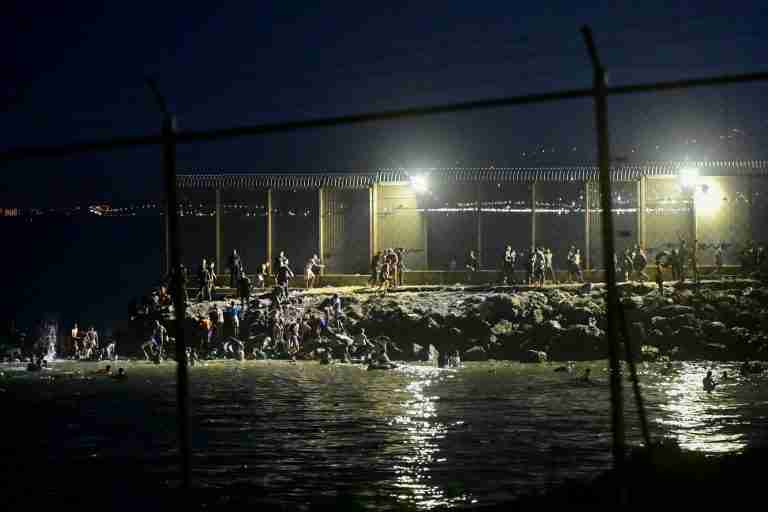
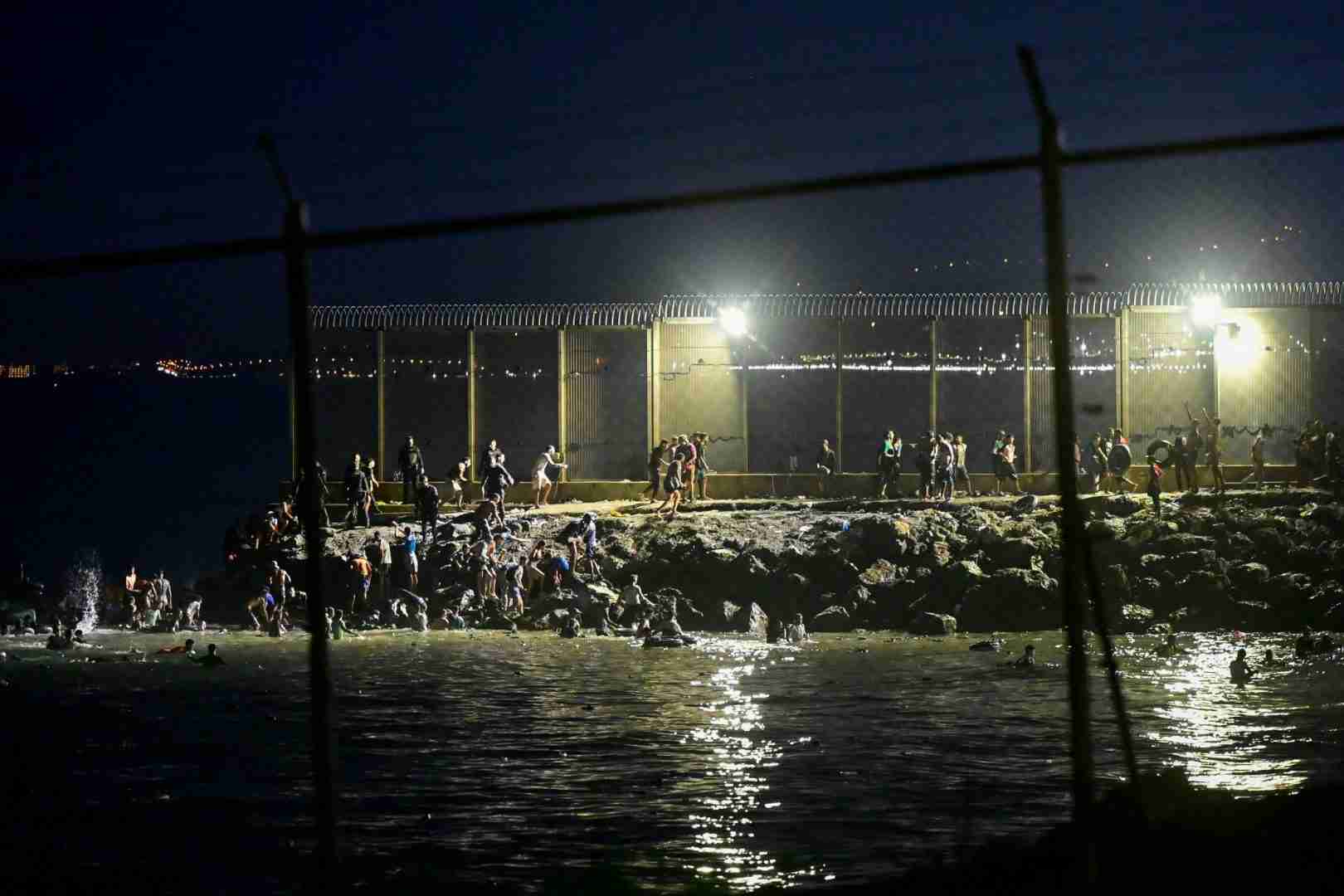
About 72,000 migrants entered the Spanish enclave of Ceuta in North Africa last week, according to Spanish authorities, in one of the largest movements into EU territory in recent years.

“One very important reminder from Ceuta is that to have control, we must cooperate with our neighbours,” Brunner told a European Parliament committee meeting. “But as long as control depends on the goodwill of one neighbouring state, we remain… vulnerable.”

Morocco’s Foreign Ministry did not immediately respond to a request for comment.

The EU has increasingly relied on agreements with North African countries to limit irregular migration, providing financial support and other incentives in exchange for stronger border controls and cooperation on returns.

Critics argue the approach leaves the bloc exposed to pressure from transit countries that can use migration flows to seek political or economic concessions.

Brunner said the EU must deepen cooperation with third countries on returns and readmission while using all available tools to ensure effective partnerships.

The comments came amid questions over whether Moroccan authorities turned a blind eye to the crossings.

Lahcen Haddad, co-president of the EU-Morocco Joint Parliamentary Committee, defended Morocco’s record, telling Reuters that the country had prevented more than 227,000 attempted irregular crossings and dismantled over 1,050 smuggling networks between 2023 and 2025.

“Criticism is legitimate, but so is acknowledging the scale of Morocco’s contribution,” he said.

Ceuta mayor Juan Jesus Vivas told lawmakers on Thursday that around 100 people had died during the mass crossing and that between 3,000 and 5,000 migrants remained in the enclave.

“I reiterate this today, having seen what I have seen: Morocco is not a reliable country,” he said, adding that responsibility for Europe’s only land border with Africa should rest with Europe rather than Morocco.

On Monday, Morocco rejected suggestions it was responsible for the surge, saying Spain should have anticipated the consequences of a court ruling that migrants arriving by swimming could not be immediately deported if no physical border barrier had been crossed.

ANTI-SMUGGLING DEBATE

European Commission President Ursula von der Leyen and Spanish and Moroccan authorities have said migrant smuggling networks drove the crossings into Ceuta.

Brunner said the episode underscored the need for stronger action against smugglers and urged lawmakers to advance the EU’s anti-smuggling directive, proposed by the Commission nearly three years ago.

Humanitarian groups have criticised the proposal, saying it does not clearly exempt those providing migrants with food, shelter or other assistance from criminal sanctions.

“What happened in Ceuta should be a wake-up call to expand safe pathways to work and protection, not a pretext to simply push through new sanctions,” said Chiara Catelli, advocacy officer at PICUM, a rights organisation.

“Smuggling networks thrive where people have no safe or realistic way to seek protection or rebuild their lives in Europe.”

Reporting by Inti Landauro, Charlotte Van Campenhout in Amsterdam, Amina ISmail in Cairo, additiona reporting by Ahmed Eljechtimi,writing by Amina Ismail, Editing by Charlotte Van Campenhout, Barbara Lewis and Ros Russell

Athletics-London submits bid to host 2029 World Championships

Athletic Ventures (AV), a joint venture between UK Athletics, London Marathon Events and the Great Run Company, submitted the final bid documents to World Athletics on Thursday

International News via Reuters:

London has formally submitted its final bid to stage the 2029 World Athletics Championships, with organisers saying the event could generate more than £400 million ($530 million) in economic and social benefits.

• Athletic Ventures (AV), a joint venture between UK Athletics, London Marathon Events and the Great Run Company, submitted the final bid documents to World Athletics on Thursday.

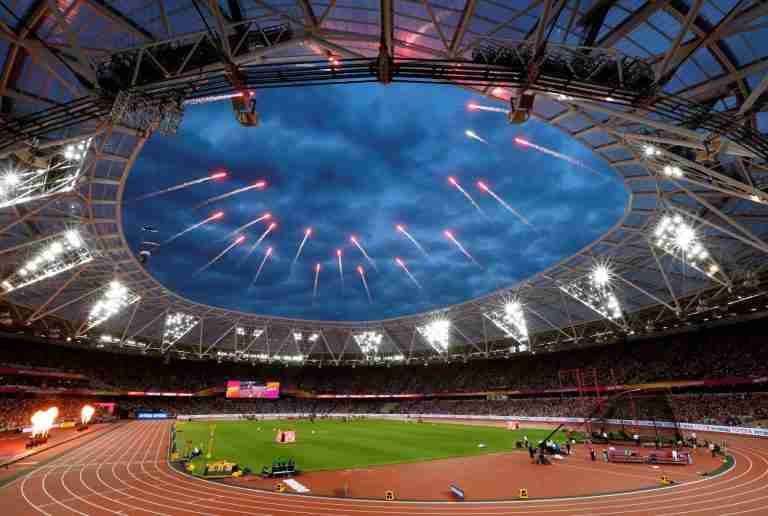
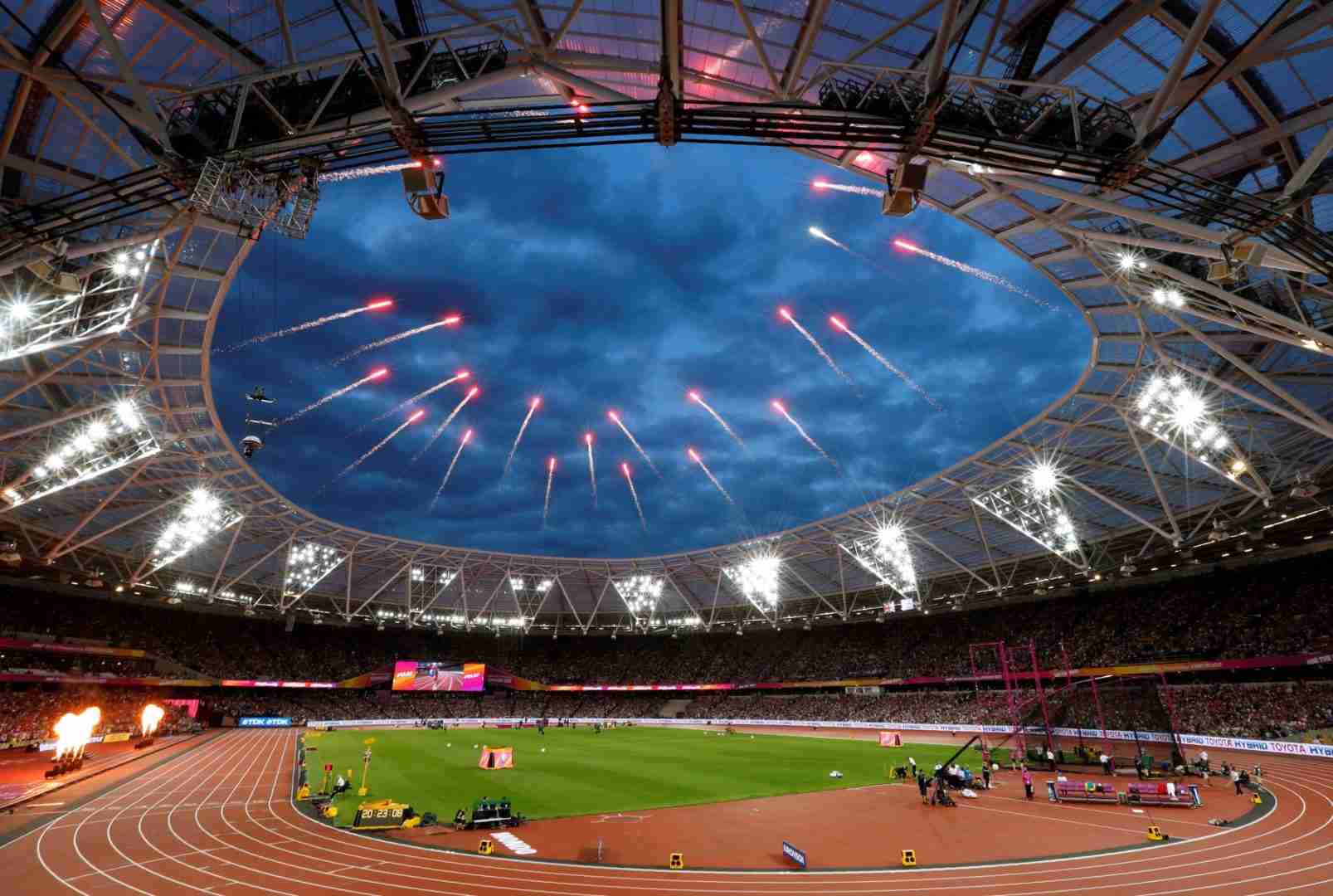
• The bid proposes hosting the championships at the London Stadium, which staged the 2012 Olympic Games and the 2017 World Athletics Championships.

• UK Athletics CEO Jack Buckner called the bid a long-time part of Britain’s Olympic legacy plans, saying “We’re delighted that we have reached agreement with the London Stadium and West Ham United for the use of the London Stadium.”

• Great Run Company CEO Paul Foster said London had submitted an “outstanding bid”, citing the city’s record of hosting major athletics events including the Olympics, World Championships, London Marathon and Diamond League meeting.

• London Marathon Events CEO Hugh Brasher said the championships would deliver more than £400 million in economic and social benefits and would be accompanied by mass-participation events across Britain.

• World Athletics is expected to announce the host city for the 2029 World Championships in September.

Reporting by Lori Ewing, editing by Ed Osmond

Congo tests passengers after boat that carried suspected Ebola case intercepted near Kinshasa

Authorities deployed a mobile laboratory to the vessel after it was stopped in Maluku, around 65 km (40 miles) upstream from the capital on Wednesday

International News via Reuters:

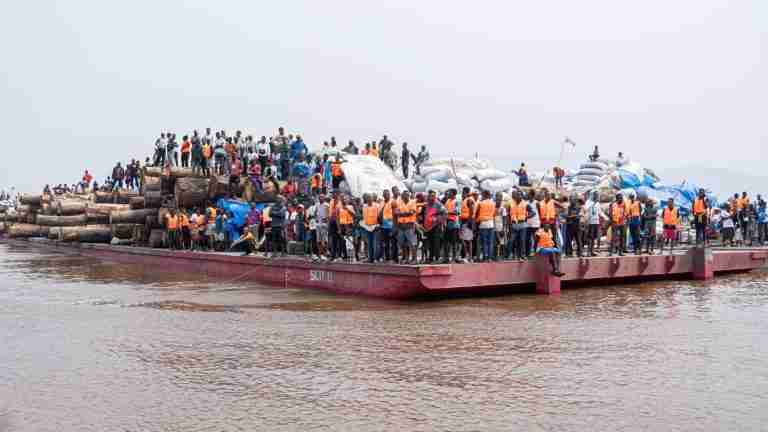
Congolese health authorities were screening more than 300 people travelling on a river boat intercepted near Kinshasa on Thursday after the death of a passenger suspected of having Ebola raised concerns the virus may have spread on board, officials said.

Authorities deployed a mobile laboratory to the vessel after it was stopped in Maluku, around 65 km (40 miles) upstream from the capital on Wednesday. 

The secretary-general of Congo’s health ministry, Body Ilonga Bompoko, said all passengers were undergoing temperature checks and clinical screening.     

He told reporters samples had been collected from four passengers with symptoms including fever and sent for testing, with results expected on Friday.

QUESTIONS OVER SUSPECTED CASE

The operation was launched after health authorities in Mongala province reported the death on July 25 of a 32-year-old man suspected of having Ebola who was believed to have travelled on the vessel.

Officials have given differing accounts of the man’s movements and where he may have contracted the virus.

Africa CDC Director General Jean Kaseya told reporters on Thursday the boat came from Mongala province, where no Ebola cases have been recorded, rather than from Tshopo province, where the outbreak has spread. Congolese authorities had earlier identified Kisangani, the capital of Tshopo, as the vessel’s point of origin.

Kaseya also said the man fell ill while travelling on the vessel, while Congo Health Minister Samuel Roger Kamba said on Wednesday that he developed symptoms only after disembarking. 

Mongala provincial health chief Eustache Bibala Faray said authorities had not established where the man boarded the vessel. Health officials initially linked him to Kisangani because documents found on him indicated he was from there, he told Reuters.

VACCINES, TREATMENTS TO BE EXPANDED

Separately, Kaseya said authorities had decided to expand use of a vaccine developed against the Zaire ebolavirus species after data suggested it provided some protection against the Bundibugyo species driving the current outbreak.

He said authorities also planned to expand use of the antiviral drug remdesivir in affected areas.

Reporting by Clement Bonnerot and Benoit Nyemba; additional reporting by Anait Miridzhanian; editing by Jessica Donati and Mark Potter

Kaelyn Kastle shares secrets of social media success

Bermudian singer and content creator Kaelyn Kastle has spent nearly a decade building a successful career in the digital space, and now has millions of followers across social media – 2.8 million on Tik Tok alone. 

Since beginning her content creation journey in 2016, she has continued to generate millions of views by adapting to the ever-changing social media landscape. 

In an interview with Kendal Trott, Ms Kastle shared advice for aspiring entertainers and content creators, and specified the kind of content currently performing well today on various platforms.