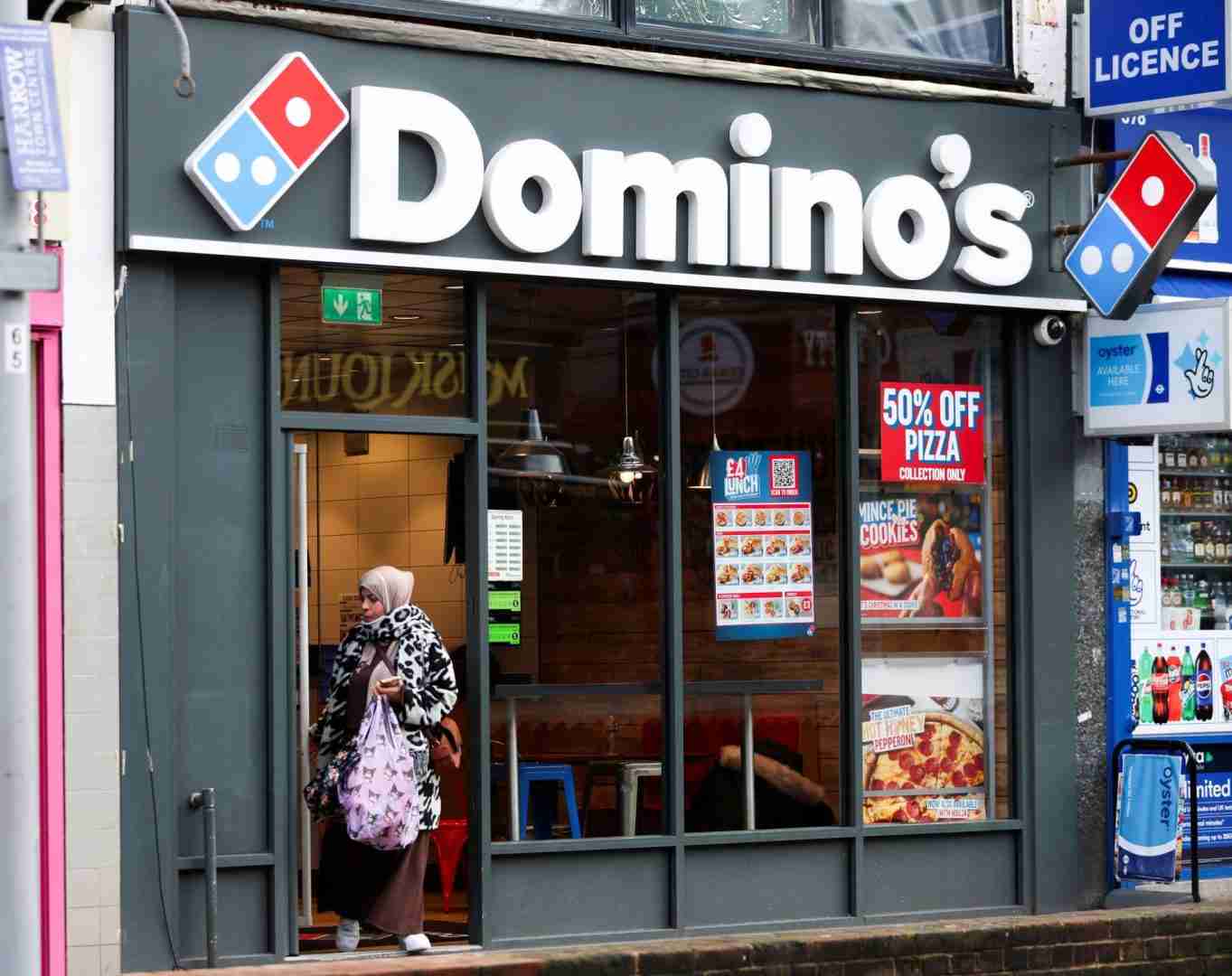
Such new products helped offset broader constraints in consumer budgets due to the surge in energy prices driven by the Iran war
International News via Reuters:
Domino’s Pizza Group reported a 3.6% rise in first-half profit on Tuesday, helped by solid demand for its pizzas during the soccer World Cup and new products like Chick ‘N’ Dip.
Such new products helped offset broader constraints in consumer budgets due to the surge in energy prices driven by the Iran war.
“We have carried positive momentum into July and, with our major cost lines hedged through 2026 and into next year, remain confident in delivering our full-year expectations,” CEO Nicola Frampton said a statement.
The group operates under the umbrella of U.S.-based Domino’s Pizza in the UK and Ireland.
Official data last week showed British retail sales were boosted in June by the soccer World Cup, thanks to England’s good run in the tournament, as fans spent on food and other things despite concerns over the cost of living.
“The earnings profile laid out looks much brighter and secure than at any time in the last five years,” Panmure Liberum analyst Wayne Brown said.
Domino’s shares, which have gained nearly 18% so far this year, were up about 1.8% at 207.8 pence as of 0802 GMT.
The group posted underlying EBITDA (earnings before interest, tax, depreciation and amortisation) of £66.2 million ($88.86 million) for the 26 weeks ended June, above the £63.9 million reported a year earlier.
Total system sales – a term used in the franchising industry to represent sales of all outlets that use a brand name – came to £825.3 million in the first half, up over 6% year-on-year.
($1 = 0.7450 pounds)
Reporting by Prerna Bedi in Bengaluru; Editing by Nivedita Bhattacharjee and Susan Fenton
State television journalist Lazaro Manuel Alonso said a new disconnection of the National Electric System, or SEN, occurred on Monday afternoon despite progress made earlier in restoring service
International News via Reuters:
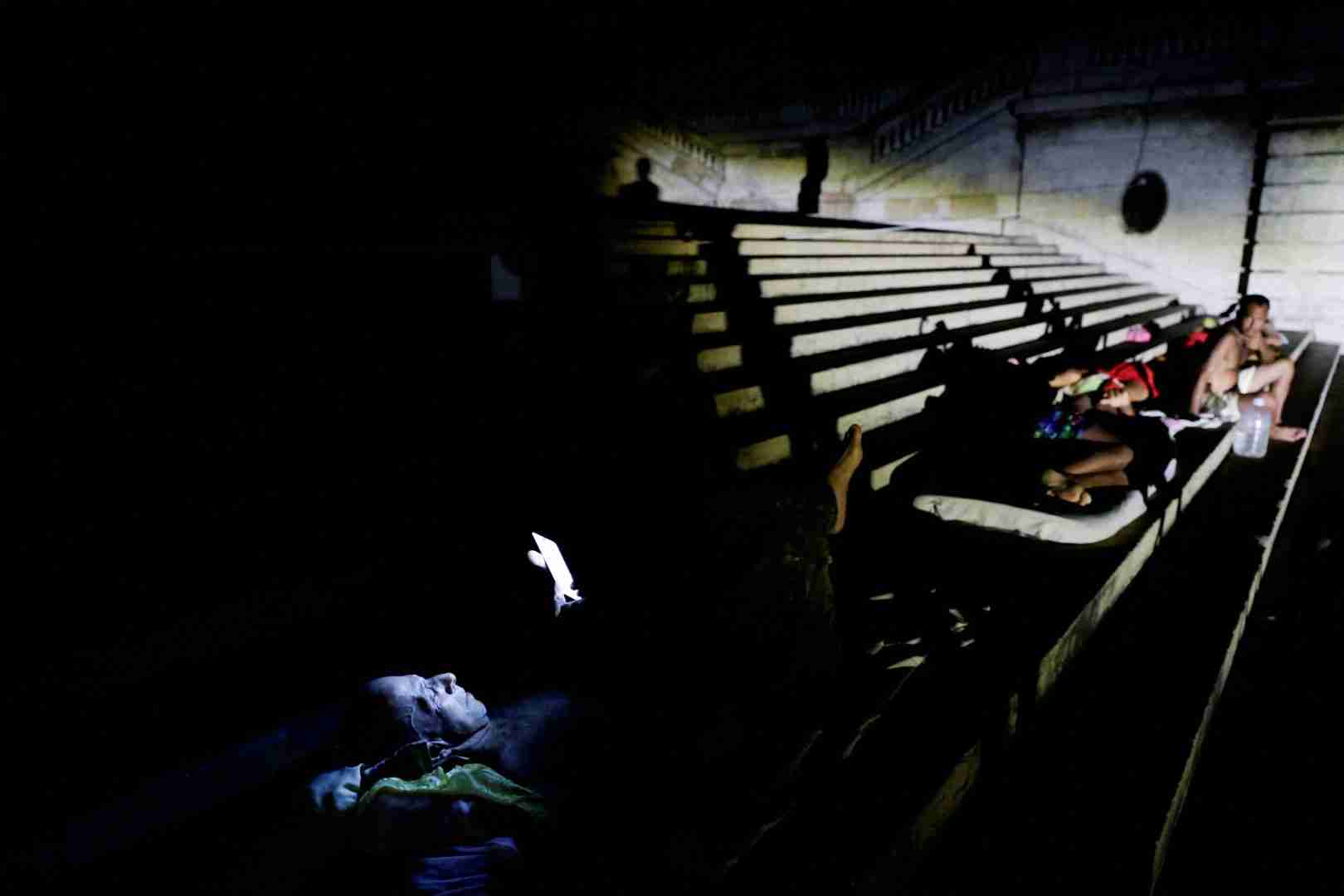
Cuba’s national electrical grid collapsed again on Monday as authorities struggled to restore power following a nationwide blackout late Sunday, state-run media reported, marking a fresh setback in the country’s deepening energy crisis.
The second collapse in less than a day underscored the fragility of Cuba’s power system, which has become a potent symbol of the island’s broader economic woes as fuel shortages, aging infrastructure and chronic underinvestment leave millions vulnerable to increasingly frequent blackouts.
State television journalist Lazaro Manuel Alonso said a new disconnection of the National Electric System, or SEN, occurred on Monday afternoon despite progress made earlier in restoring service.
“A fluctuation caused the collapse,” Alonso reported.
The UNE power utility later said adverse weather conditions affected the transmission network during restoration efforts, directly impacting generating units that had already returned to service.
“During the process of restoring the SEN, existing weather conditions caused disruptions to the grid, directly affecting generating units that were online,” UNE said in a statement carried by state media.
By early evening, authorities reported some progress, saying four generating units at Energas Jaruco were operating and several transmission substations around Havana had been re-energized.
The latest outage comes after three nationwide grid failures over a nine-day period in July and another collapse late Sunday, shortly before 11 p.m. (0300 GMT on Monday).
Repeated blackouts have disrupted homes, businesses and public services across the Caribbean island of roughly 10 million people, adding to pressure on a government already battling shortages of food, fuel and medicine and a years-long economic downturn.
The electricity crisis has also taken on a diplomatic dimension. Cuba blames decades of U.S. sanctions and trade restrictions for limiting access to fuel, financing and spare parts needed to maintain its power system, while Washington says the outages reflect failures of the country’s state-run economic model.
Cuba’s thermal generating fleet, much of it decades old, has suffered recurring breakdowns as fuel shortages and maintenance problems strain the grid, making the system increasingly vulnerable to disruptions and complicating efforts to restore power after major outages.
Reporting by Ayose Naranjo and Daina Beth Solomon; Editing by Kylie Madry and Stephen Coates
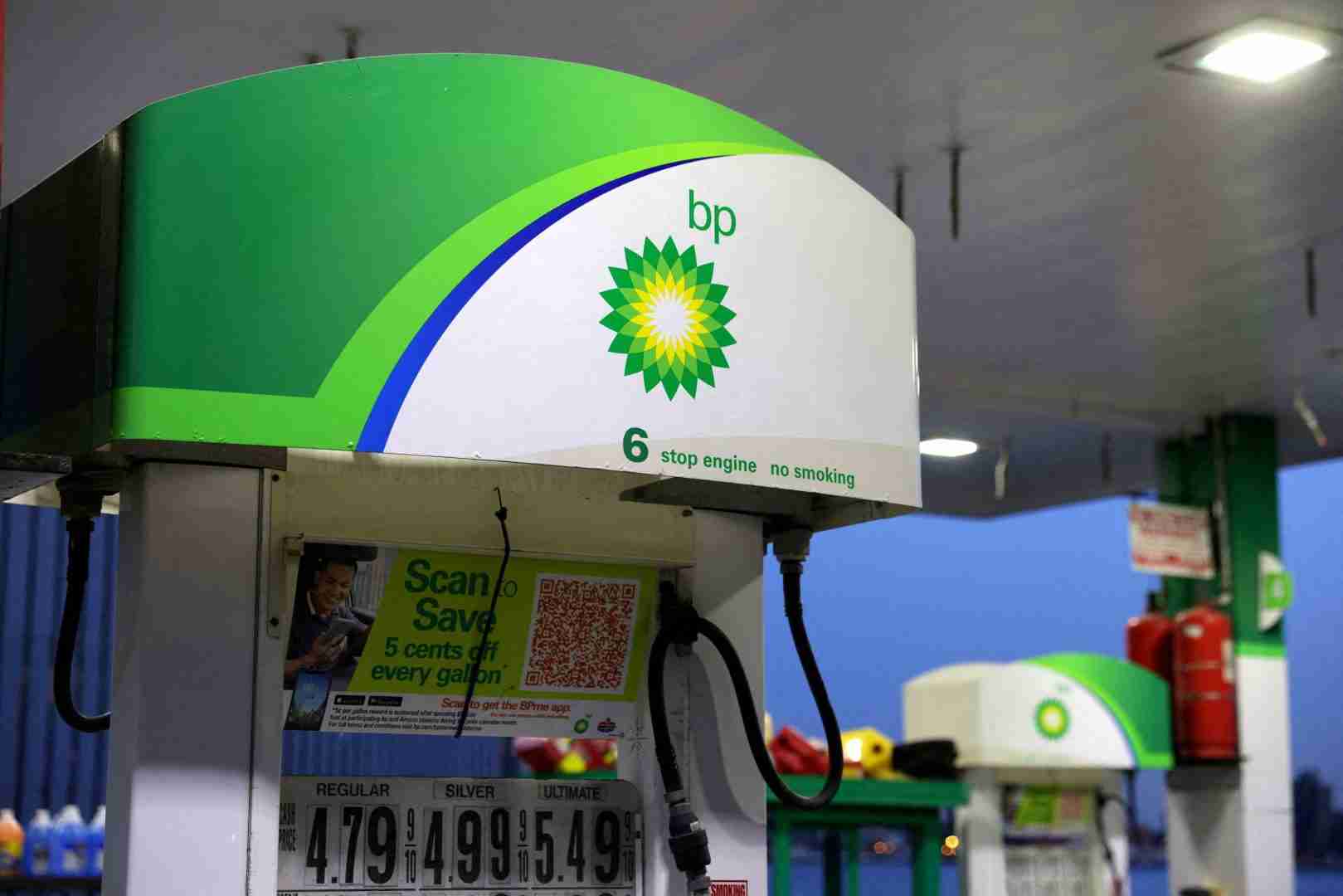
Oil majors have benefited this year from market volatility caused by the U.S.-Iran conflict, which has disrupted energy flows and tightened global supplies
International News via Reuters:
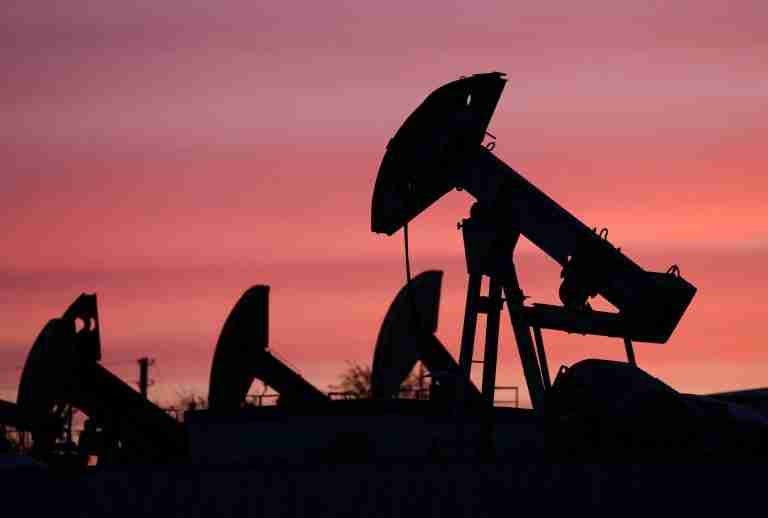
BP reported second-quarter profit more than doubled to $5.73 billion, beating forecasts thanks to higher energy prices, trading and refining margins, as CEO Meg O’Neill outlined the group’s priorities.
Oil majors have benefited this year from market volatility caused by the U.S.-Iran conflict, which has disrupted energy flows and tightened global supplies.
BP’s second-quarter underlying replacement cost profit, its version of net income, beat expectations of $5.11 billion in a company-provided poll of analysts and rose from $2.35 billion a year earlier. The group said it would increase its dividend by 4% to 8.66 cents per ordinary share for the second quarter.
BP also on Tuesday said it had launched processes to sell its U.S. biogas business Archaea as it continues to reduce its renewables investments to focus on oil and gas.
It bought Archaea in 2022 for $4.1 billion as part of an aggressive expansion in renewables – a strategy it abandoned in 2025. BP has written down over $4 billion in recent months, mainly related to Archaea, its solar unit Lightsource BP and other low-carbon ventures.
In recent weeks, BP has also completed the sale of its Gelsenkirchen refinery, agreed to sell its retail business in Austria and announced its intention to sell its UK North Sea business.
BP’s shares rose 0.4% in early trading, compared with a 0.9% uptick for a broader index of European energy firms.
‘WE HAVE NOT DELIVERED CONSISTENTLY’
O’Neill, who took over as CEO in April, outlined on Tuesday five priorities for BP: further strengthening the balance sheet, simplifying the portfolio, tightening investment discipline, improving operational performance, and creating structures that enable faster decision-making and greater accountability.
“We are not making the most of our potential,” O’Neill said. “Our performance over the past few years has not met our own expectations, let alone those of our shareholders. We have not delivered consistently; we have written off too much value; and our costs and liabilities are not resilient enough in a low price environment.”
BP’s priorities ultimately will be judged on execution, RBC analysts said in a note.
“Ownership of BP’s historical failings is a good step forward for the investment case, and we look to the call for more clarity on the financial framework and tangible plans ahead,” they said.
NET PROFIT AT HIGHEST SINCE 2022
BP expects capital expenditure in 2026 to be $13.5 billion to $14 billion, reflecting a decision to delay asset farm-downs and capture better value. Previous guidance was $13 billion to $13.5 billion.
BP recorded its highest quarterly net profit since the third quarter of 2022, and second-quarter profits across all units beat expectations. Pre-tax profit at its customers and products unit, which includes BP’s huge oil trading desk, was $4.95 billion, above the average estimate in a BP-provided analyst poll of $4.46 billion and $1.53 billion a year ago.
The group said upstream plant reliability fell to 92.4% in the second quarter from 95.7% in the previous quarter, while production declined to 2.2 million barrels of oil equivalent per day and its refineries processed less crude, partly due to planned maintenance and disruption from the conflict in the Middle East.
Brent crude prices averaged about $97 a barrel in the second quarter, up from $78 in the first quarter and $67 a year earlier, while European gas prices rose to €46 ($52.96) per megawatt-hour from €40 in the first quarter and €36 a year earlier.
($1 = 0.8686 euros)
Reporting by Stephanie Kelly and Shadia Nasralla; Editing by Louise Heavens and Susan Fenton
Local crews supported by water-bombing aircraft and reinforcements from Romania and France were operating on three fronts west of Athens in the Gulf of Corinth, dousing flames raging since Friday
International News via Reuters:
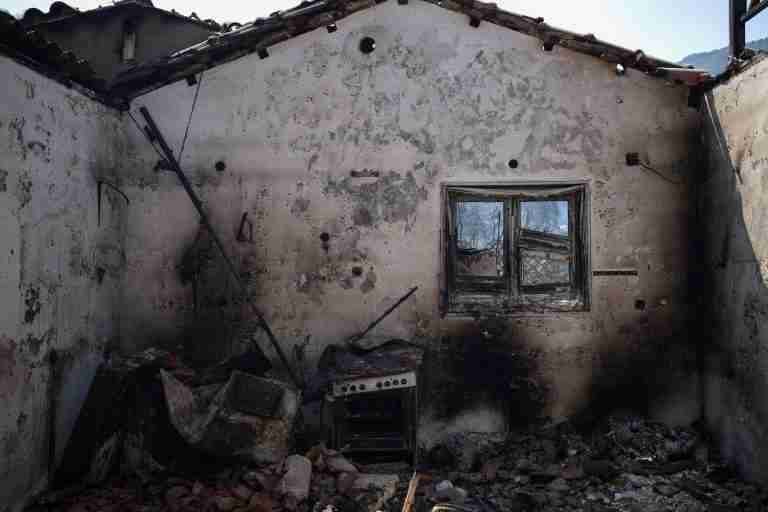
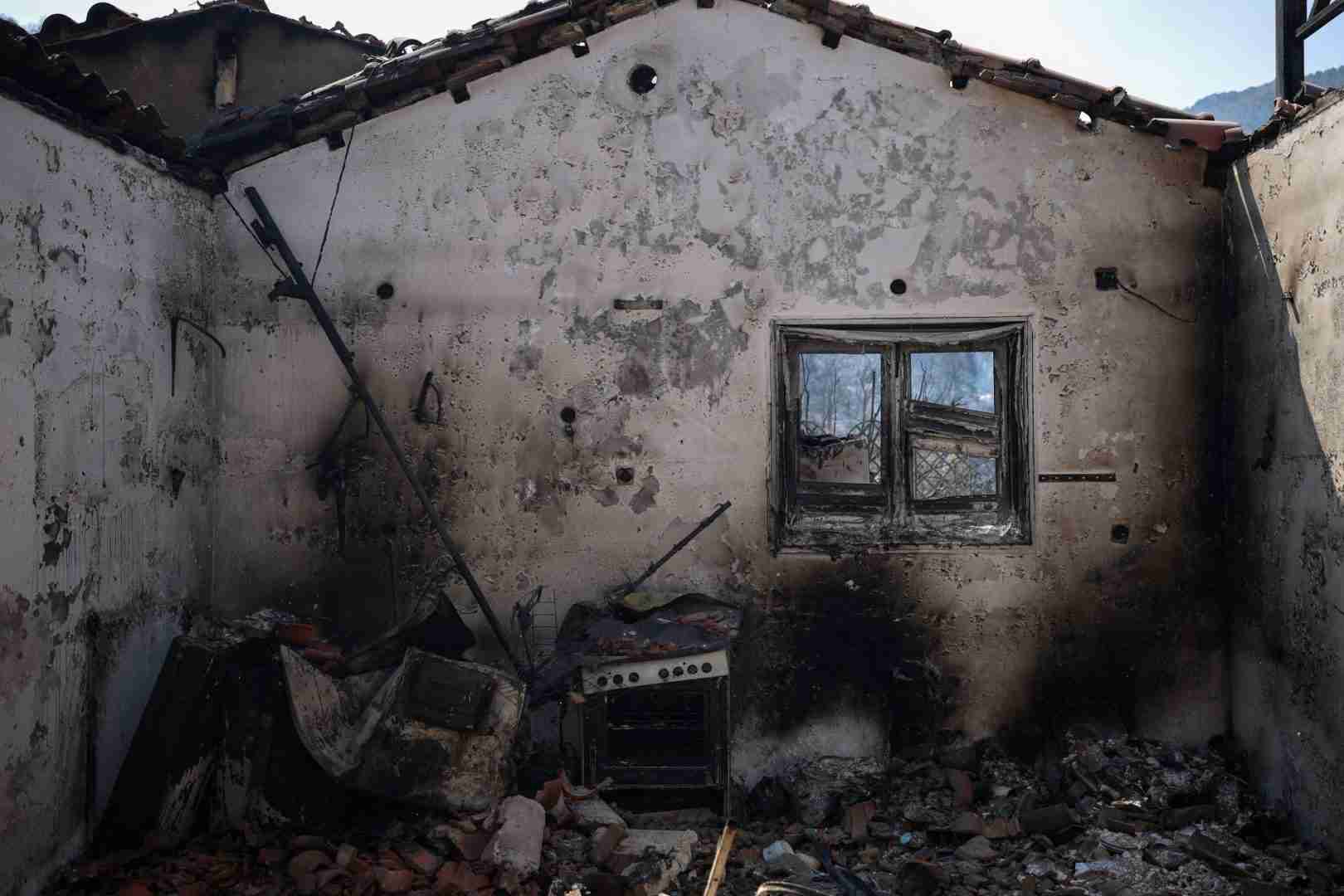
Wildfires were easing in Greece on Tuesday though hundreds of firefighters were on alert for persistent flare-ups northwest of Athens, where rugged hills and canyons hampered efforts to fully contain a blaze that gutted homes and scorched forests, farmland and olive groves.
Local crews supported by water-bombing aircraft and reinforcements from Romania and France were operating on three fronts west of Athens in the Gulf of Corinth, dousing flames raging since Friday.
Strong dry winds blowing from the Aegean Sea, known as the meltemi, had complicated their efforts, with water bombers unable to operate at times, officials said.
“We are talking about a fire where we didn’t have an aircraft at our disposal for 30 continuous hours, which caused us a lot of difficulties,” deputy fire brigade spokesperson Ioannis Artopoios told public broadcaster ERT.
In the coastal community of Porto Germeno, some 60 km (40 miles) northwest of Athens, Vivi Gialia, 45, surveyed the remains of her parents’ home and the fire-ravaged landscape of her childhood summers.
“It’s as if my heart has been torn out,” she told Reuters.
Europe has been ravaged by wildfires this summer after a period of record-breaking heatwaves and little rain — conditions that many scientists say have been exacerbated by human-driven climate change.
France and Spain have been particularly hard hit, although huge blazes there died down over the weekend, providing some respite. Greece, a known fire hotspot, had until now experienced a relatively mild summer.
Two crew members of a firefighting helicopter died on Sunday near the seaside community of Psatha, about 40 km (25 miles) from Athens, after a mid-air brush with a second helicopter, whose two crew survived. The circumstances of the crash, which involved U.S.-registered Bell helicopters, were under investigation by the U.S. Federal Aviation Administration, Greek authorities said.
At Porto Germeno, small religious shrines, ubiquitous in many Greek homes, still stood on the sides of roads or at the entrance to a gutted house. In one home, a woman was attempting to sweep away broken tiles in a darkened room, her steel front door black from the flames.
“It was a beautiful place, we spent our summers here. We have spent happy times here, and there is nothing anymore,” Gialia said, criticising what she said was a slow response by firefighters.
Additional reporting by Deborah Kyvrikosaios, Lefteris Papadimas, Angeliki Koutantou and Renee Maltezou; writing by Michele Kambas; Editing by Andrei Khalip
Qatar Foreign Ministry spokesperson Majed Al Ansari said diplomatic efforts to resolve the U.S.-Iran war were ongoing, but an attack near the Strait of Hormuz underscored doubts that the conflict was nearing an end
International News via Reuters:
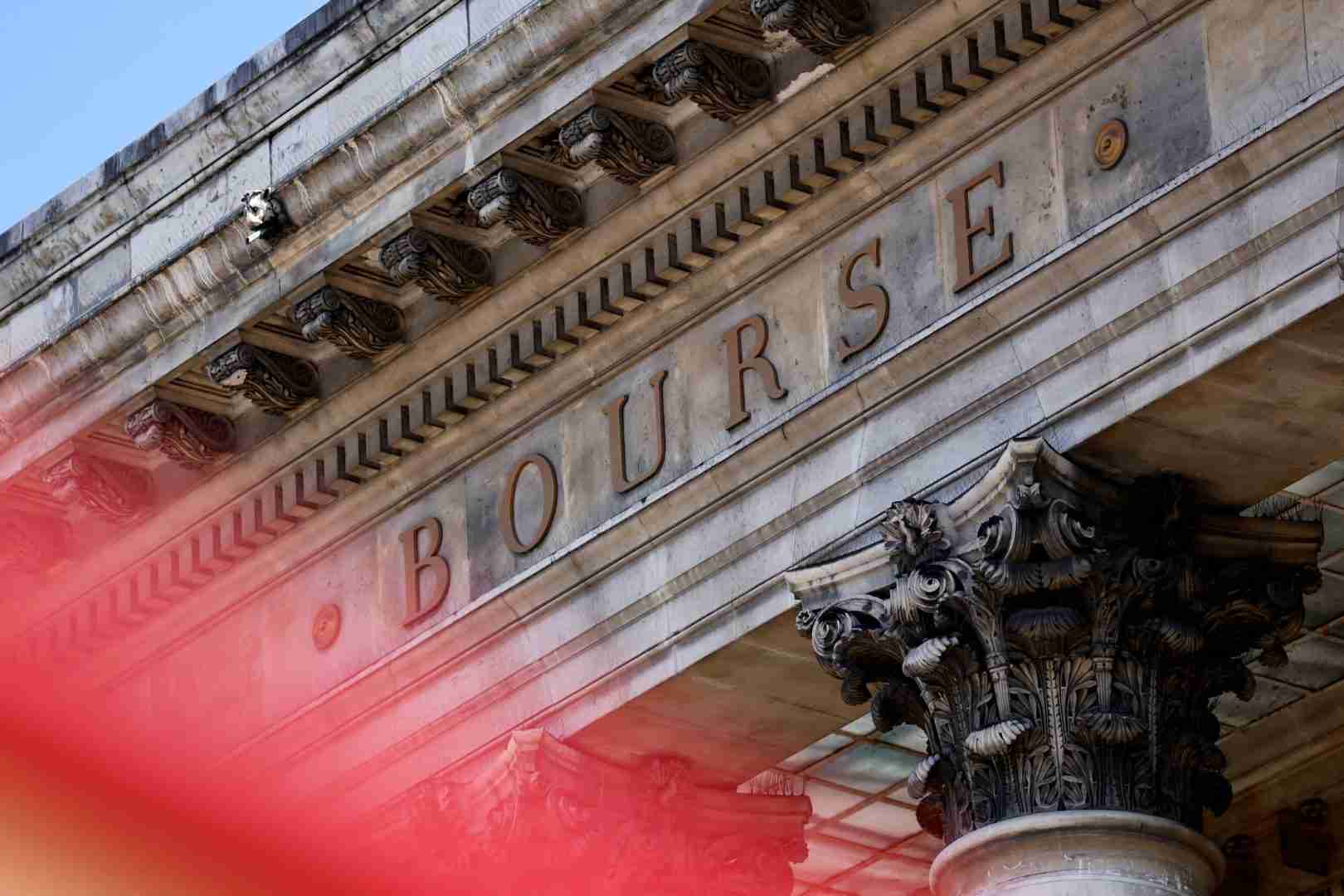
European stocks climbed alongside U.S. futures on Tuesday, although a rebound in oil prices underscored market scepticism that the U.S.-Iran war would be resolved quickly through diplomacy.
Meanwhile the yen eased, but held on to most of its intervention-driven gains after last week’s joint action by Tokyo and Washington to support the currency.
Qatar Foreign Ministry spokesperson Majed Al Ansari said diplomatic efforts to resolve the U.S.-Iran war were ongoing, but an attack near the Strait of Hormuz underscored doubts that the conflict was nearing an end.
Brent futures rose 1.5% to $85.05 a barrel after dropping 7% in the previous session to a three-week low.
Europe’s STOXX 600 .STOXX was up 0.60%, with tech stocks rising 1.85%. Nasdaq futures climbed 0.77% and S&P 500 futures increased 0.20%.
The S&P 500 index <.SPX> rose 1.48% on Monday, hitting 7,610.04, not far from its all-time high of 7,620.90, while the Dow Industrials reached a record closing high. Nasdaq Composite jumped 2.12%.
MSCI’s main world stocks index <.MIWD00000PUS> rose 0.10%.
“We are adding risk to sectors which should be less impacted by higher rates. Tech and financials would be our favourite sectors to add back risk in the portfolio,” Mohit Kumar, an economist at Jefferies, said, recalling the recent rally in bond yields.
“One underlying factor that continues to support our medium term bullish view is the amount of cash in the system,” he added.
Longer-dated U.S. Treasury yields rose to a 19-year high last week after comments from U.S. Federal Reserve Chairman Kevin Warsh raised concerns the Fed may not act aggressively to head off inflation.
Most analysts believe Warsh does not want to hike rates, and the incoming data could provide him enough cover to stay put. The first round of U.S. jobs data is due later on Tuesday.
With almost two-thirds of S&P 500 companies reporting for the second quarter, 84% have beaten earnings estimates, according to LSEG data and market participants.
“Market leverage is high, but a reversal requires aggressive tightening and a yield-curve inversion,” Manish Kabra, lead U.S. equities and multi-asset strategist at Societe Generale, said, adding that a yield-curve inversion is not SG’s scenario.
SG sees the S&P index at 8,000.
However, concerns linger elsewhere for Europe, with some economists warning that its economy faces a more challenging outlook than other regions as drought hampers Rhine shipping and gas inventories remain under pressure.
YEN DROPS AFTER INTERVENTION-DRIVEN RALLY
The dollar was up 0.4% at 157.80 yen, rebuilding strength after coordinated intervention by U.S. and Japanese authorities to prop up the yen last week.
The Japanese currency remains about 4% stronger against the greenback compared with levels a week ago that prompted official support and marked the first U.S. intervention in the Japanese foreign exchange market in 15 years.
However, Japan’s expansionary fiscal policy and the Bank of Japan’s gradual pace of rate hikes could weigh on the yen, some market participants warn.
“The catalysts that can amplify the unwinding of short yen positions (supporting the currency) are, potentially, lower crude oil prices, BoJ policy tightening in September and thereafter, and some moderation in prime minister Sanae Takaichi’s fiscal plans, in order to bring debt sustainability back,” Thierry Wizman, global forex and rates strategist at Macquarie Group, said.
The U.S. dollar index, which measures the greenback against a basket of six currencies, was steady, not far from the lowest levels of the past two months at 99.97.
Reporting by Stefano Rebaudo. Editing by Jamie Freed and Mark Potter
The FTSE 100 index was up 0.3% at 10,886.98 points by 0905 GMT, while the midcap FTSE 250 inched up 0.1% to 24,244.35 points
International News via Reuters:
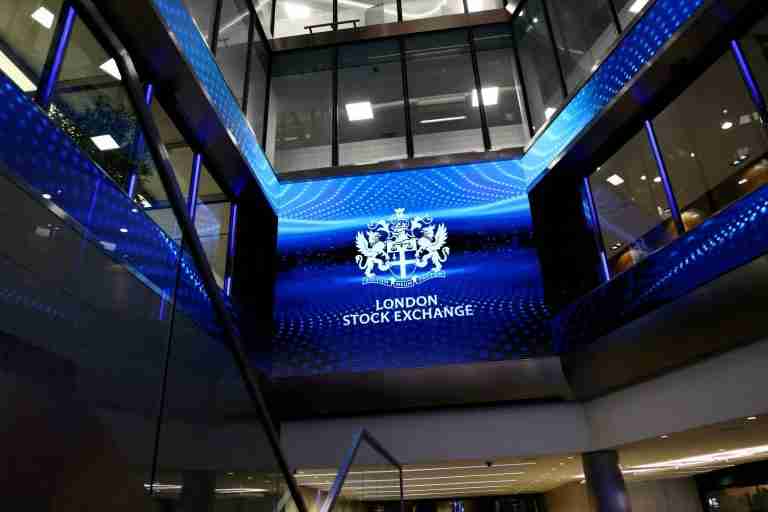
London’s FTSE 100 rose on Tuesday, buoyed by strong results from blue-chip company BP and a surge in metal miners as commodity prices climbed.
The FTSE 100 index was up 0.3% at 10,886.98 points by 0905 GMT, while the midcap FTSE 250 inched up 0.1% to 24,244.35 points.
• Shares of BP rose 1% after the oil major reported second-quarter profit that more than doubled to $5.73 billion and beat analysts’ forecasts, thanks to higher energy prices, trading and refining margins.
• HSBC dipped 1.1%, having hit a record high earlier in the session, after the bank raised its net interest income target for this year.
• Industrial metal miners such as Glencore and Rio Tinto added 4.1% and 2.7%, respectively, as copper prices touched two-month highs, supported by falling inventories. [MET/L]
• The broader pan-European STOXX 600 index touched record highs and U.S. futures rose as an upbeat earnings season and renewed buying in big U.S. technology stocks offset uncertainty around the Middle East conflict.
• The FTSE 100 is rebounding after three sessions of declines, and held below a record high hit last week. The FTSE 250 was trading at a near six-year high.
• Oil prices rose on Tuesday as a diplomatic resolution to the U.S.-Iran conflict remained uncertain, with Iran’s Foreign Ministry spokesman Esmail Baghaei saying no negotiations with the U.S. were taking place. [O/R]
• Among other movers, Travis Perkins jumped 18% after the building materials supplier reported higher first-half profit, helped by price increases and cost-cutting measures. It was the top gainer in the FTSE 250 index.
• Segro gained 0.8% after the British warehouse landlord accepted a takeover bid by rival U.S. logistics firm Prologis in a deal worth up to £14.3 billion ($19.19 billion).
• Smith+Nephew dipped 6.9% after the medical products maker lowered its revenue growth forecast, hurt by continued weakness in its U.S. orthopaedics unit.
Reporting by Sruthi Shankar in Bengaluru ; Editing by Sonia Cheema
Sterling was last up less than 0.1% at $1.344, after rising sharply at the end of last week as the dollar slid in the wake of official intervention to prop up the yen and as the U.S. Federal Reserve held interest rates
International News via Reuters:
The pound was little changed on Tuesday as markets waited for further details on possible U.S.-Iran peace talks and traders were on alert for further intervention in the Japanese yen that has the potential to spill over into other markets.
Sterling was last up less than 0.1% at $1.344, after rising sharply at the end of last week as the dollar slid in the wake of official intervention to prop up the yen and as the U.S. Federal Reserve held interest rates.
The pound was also little changed against the euro, with the euro zone’s currency down less than 0.1% at 85.62 pence.
Oil prices have fallen this week after U.S. President Donald Trump said on Monday that talks with Iran were under way, reducing potential inflationary pressures for energy-importing countries, such as Britain.
Yet Iran denied that any negotiations were being held or planned, pushing oil prices back up slightly on Tuesday, with Brent crude up 3% to $86.10 a barrel.
Currency traders were also bracing for potential further intervention in the yen after Japan and the U.S. bought the currency in a rare move at the end of last week.
Two market sources told Reuters the U.S. Treasury bought yen with euros instead of dollars, a highly unusual move likely aimed at helping Japan without encouraging a view that Washington wants a softer dollar.
The swings in currency markets, as well as the Fed decision, helped drive sterling up 1.4% over three days at the end of last week.
This week, investors are also waiting for Friday’s monthly U.S. jobs report for July, which could jolt markets should it cause traders to shift their bets on Fed rate hikes.
“We think further U.S. dollar losses from here require a more compelling macro argument,” said Francesco Pesole, currency strategist at ING. “That is, soft data justifying a new round of dovish repricing.”
Reporting by Harry RobertsonEditing by Tomasz Janowski
Self-expression was fully encouraged at the Bermuda College recently, during its 3rd annual Cosplay Chaos event
Self-expression was fully encouraged at Bermuda College recently, during its 3rd annual Cosplay Chaos event.
Gary Foster Skelton chatted with young people who were embodying some of the characters that have inspired and engaged them, along with counsellor Kennita Perry who started the event.
Earlier on Monday, after Iran said there were no talks under way, Trump slammed what he called Iran’s “unbelievably duplicitous” leadership
International News via Reuters:
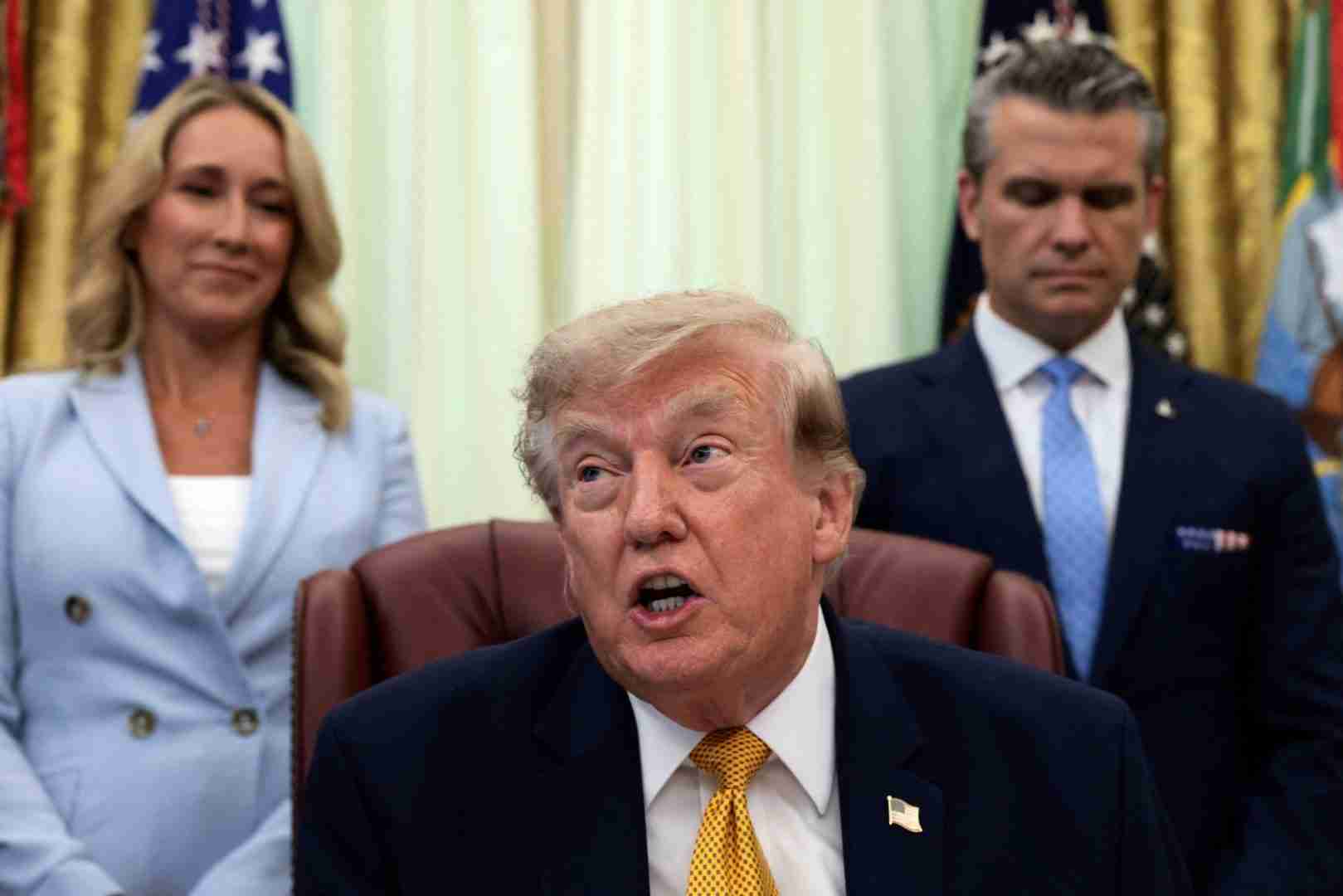
U.S. President Donald Trump on Monday said talks with Iran “are going on right now”, adding that the negotiations represented the last chance for Tehran to sign a good deal.
Earlier on Monday, after Iran said there were no talks under way, Trump slammed what he called Iran’s “unbelievably duplicitous” leadership.
“They are going on right now,” Trump told reporters when asked about the status of the negotiations, saying the two sides were talking at the request of Iran, Saudi Arabia, the United Arab Emirates and Qatar among others.
“This is a last chance for them to sign a good document,” he said, referring to Iran.
Reporting by Nandita Bose, writing by David Ljunggren; editing by Michelle Nichols
The report said Apple last month lodged a legal complaint at the Investigatory Powers Tribunal — Britain’s independent judicial body — over the Interior Ministry’s demand that Apple allow it access to encrypted cloud backups of data belonging to British users
International News via Reuters:
Apple has launched a new legal challenge against the British government’s latest attempt to create a so-called backdoor to access encrypted customer data, the Financial Times reported on Monday.
The report said Apple last month lodged a legal complaint at the Investigatory Powers Tribunal — Britain’s independent judicial body — over the Interior Ministry’s demand that Apple allow it access to encrypted cloud backups of data belonging to British users.
Britain dropped last year a previous mandate for such a backdoor that would have allowed access to British and U.S. customers’ data following months of negotiations with the U.S. President Donald Trump’s administration.
However, British authorities subsequently issued a new “technical capability notice” to Apple that did not apply to U.S. users, the FT report said.
A British government spokesperson said it would not comment on legal proceedings or operational matters, including confirming or denying the existence of individual notices.
“The UK supports strong encryption and robust privacy protections, but it is also vital that law enforcement can access communications when necessary and proportionate to protect the public from terrorism, serious crime, and child sexual abuse,” the spokesperson said.
Apple confirmed the filing but declined to comment further. The company has previously said it has never built a backdoor or master key to any of its products or services and never would.
“This is a hugely important case that will have far-reaching implications for the public’s privacy rights well into the future,” Ruth Ehrlich, director of external relations at human rights advocacy group Liberty, which has previously been involved in the legal case, said in a statement.
“Opening a backdoor to all of that information carries a wide range of risks to our personal data. It is critical that the government listens to the many concerns and commits to protecting our privacy rights.”
Reporting by Muvija M and Michael HoldenEditing by Tomasz Janowski and Nick Zieminski
The Spokane Area Fire, which contains three separate blazes, was threatening the areas under evacuation orders
International News via Reuters:
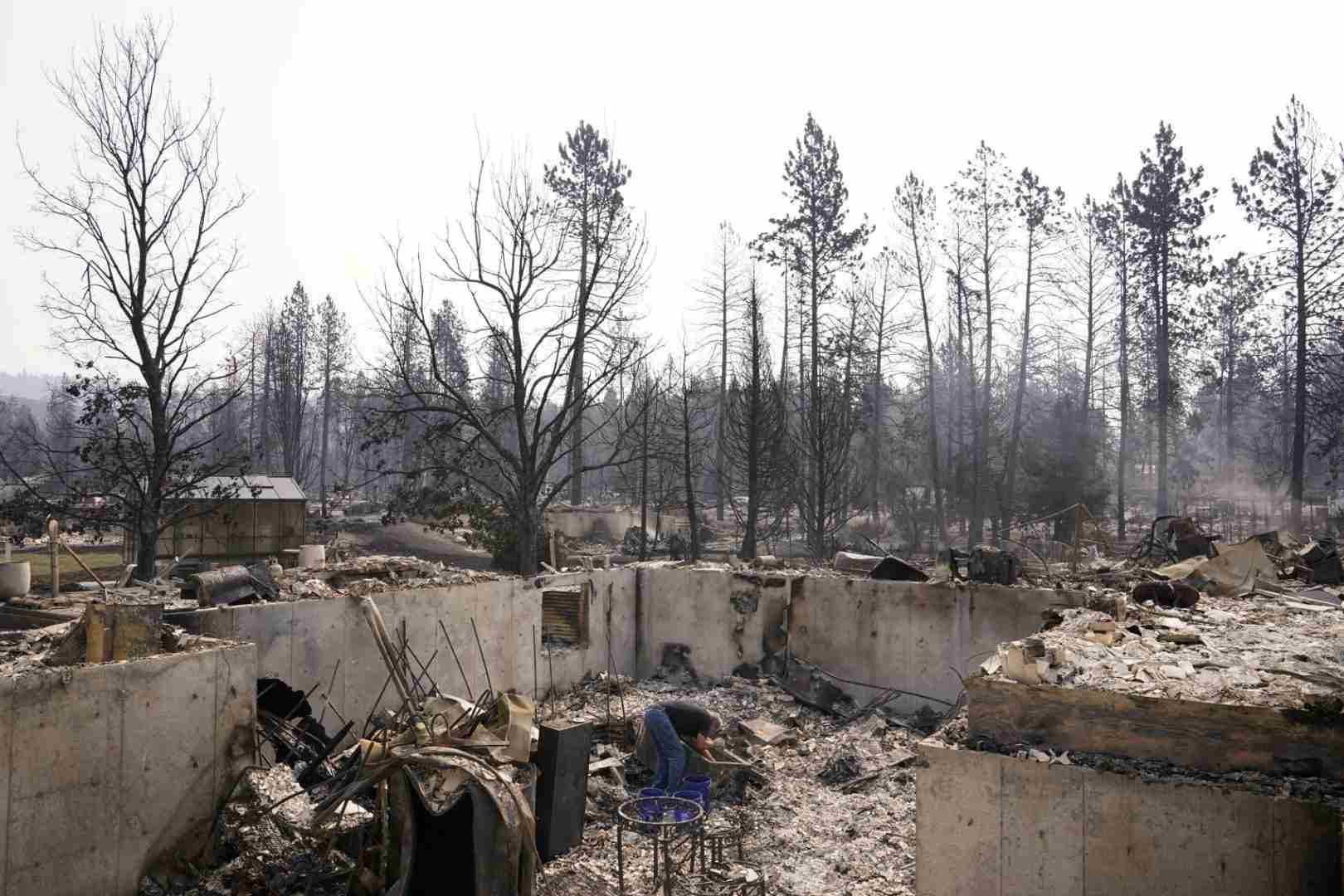
Around 60,000 people have been ordered to evacuate as wildfires threaten the city of Spokane in Washington state, local officials said Sunday, adding the fires in the region had destroyed 600 buildings, including homes and businesses.
The Spokane Area Fire, which contains three separate blazes, was threatening the areas under evacuation orders, Spokane Fire Chief Tom Williams told Reuters.
The fires had burned 5,390 acres (2,180 hectares) by Sunday, according to a federal incident management team.
Williams said the fires had yet to be contained.
No injuries or deaths had been reported, officials said at a Sunday afternoon news conference.
Spokane Mayor Lisa Brown called it “the worst natural disaster our region has faced.”
Around 10,000 electricity customers in the region had no power as of Sunday afternoon, Avista Utilities CEO Heather Rosentrader said.
State officials have said that more than 250,000 acres (101,171 hectares) are burning across Washington state.
Washington Governor Bob Ferguson said he had spoken with U.S. President Donald Trump on Sunday and requested assistance from the Federal Emergency Management Agency. The governor has declared a statewide emergency.
Reporting by Tatiana Bautzer; Editing by Sergio Non and Michael Perry
Oil prices fell sharply after U.S. President Donald Trump held off on a fresh attack on Iran in the hope of sealing a quick deal that could boost oil supplies from the Gulf
International News via Reuters:
Oil prices dropped and major stock indexes gained on Monday on signs that U.S.-Iran tensions were easing again, while the yen strengthened against the euro and dollar after the U.S. and Japan confirmed joint intervention to support it.
Oil prices fell sharply after U.S. President Donald Trump held off on a fresh attack on Iran in the hope of sealing a quick deal that could boost oil supplies from the Gulf. U.S. crude was last down 6.07% at $79.53 a barrel and Brent was off at $83.64 per barrel, down 4.88% on the day.
However, Iran said on Monday there were no talks under way with the U.S. and no plans for any meetings.
Optimism over earnings helped to underpin equities. More than 300 of the S&P 500 component companies have reported earnings so far, with roughly 85% of firms beating expectations, according to LSEG data.
“The sharp drop in oil prices, due to Trump’s cancelling severe attacks against Iran and hopes of a diplomatic resolution, set the ball rolling this morning,” said Peter Cardillo, chief market economist at Spartan Capital Securities in New York.
Also a plus for equities, “so far most of the earnings have beat expectations,” and guidance has been upbeat, he said.
Amazon’s market value topped $3 trillion for the first time on Monday, helped by a sharp rally following strong earnings and signs that the AI boom is driving fresh demand for its cloud-computing services.
The Dow Jones Industrial Average rose 512.69 points, or 0.98%, to 52,998.45, the S&P 500 rose 96.74 points, or 1.29%, to 7,586.46 and the Nasdaq Composite rose 512.28 points, or 2.02%, to 25,886.13.
MSCI’s gauge of stocks across the globe rose 8.86 points, or 0.79%, to 1,129.37. The pan-European STOXX 600 index rose 0.45%.
AstraZeneca investors punished the pharmaceutical firm on Monday over reports of merger talks with U.S. rival Bristol Myers Squibb that could make it one of the world’s biggest drugmakers with a combined value of nearly $400 billion.
Japan’s Nikkei closed 1% lower, while South Korea’s KOSPI slid more than 5%.
Japan and the U.S. conducted coordinated yen-buying intervention and will not hesitate to take further action, Japan’s finance ministry said on Monday, confirming a rare bilateral action to halt the yen’s slide to fresh 40-year lows.
Trump said on Sunday that the U.S. was helping Japan prop up the yen as a sign of friendship and to help the world economy.
The dollar index, which measures the greenback against a basket of currencies including the yen and the euro,rose 0.24% to 99.95, with the euro down 0.18% at $1.1506. Against the Japanese yen, the dollar weakened 0.44% to 156.87.
Tokyo’s solo intervention conducted between late April and early May caused only a brief yen rebound, while a rate hike in June by the Bank of Japan provided little support, underscoring the challenge policymakers face of rising oil prices and a wide interest-rate differential against other major economies.
Elsewhere, U.S. Treasury yields retreated as oil prices fell, even as traders continued to weigh the odds of a Federal Reserve rate hike should the war drag on.
The yield on benchmark U.S. 10-year notes dropped 5.52 basis points to 4.69%. It reached 4.747% on Friday, the highest since January 2025.
The 30-year bond yield fell 4.44 basis points to 5.2306% after peaking at 5.2811% on Friday, the highest since 2007.
Reporting by Caroline Valetkevitch in New York and Nell Mackenzie in London; Additional reporting by Ankur Banerjee in Singapore; Editing by Barbara Lewis and Kevin Liffey
To provide the best experiences, we use technologies like cookies to store and/or access device information. Consenting to these technologies will allow us to process data such as browsing behavior or unique IDs on this site. Not consenting or withdrawing consent, may adversely affect certain features and functions.
Functional
Always active
The technical storage or access is strictly necessary for the legitimate purpose of enabling the use of a specific service explicitly requested by the subscriber or user, or for the sole purpose of carrying out the transmission of a communication over an electronic communications network.
Preferences
The technical storage or access is necessary for the legitimate purpose of storing preferences that are not requested by the subscriber or user.
Statistics
The technical storage or access that is used exclusively for statistical purposes.The technical storage or access that is used exclusively for anonymous statistical purposes. Without a subpoena, voluntary compliance on the part of your Internet Service Provider, or additional records from a third party, information stored or retrieved for this purpose alone cannot usually be used to identify you.
Marketing
The technical storage or access is required to create user profiles to send advertising, or to track the user on a website or across several websites for similar marketing purposes.