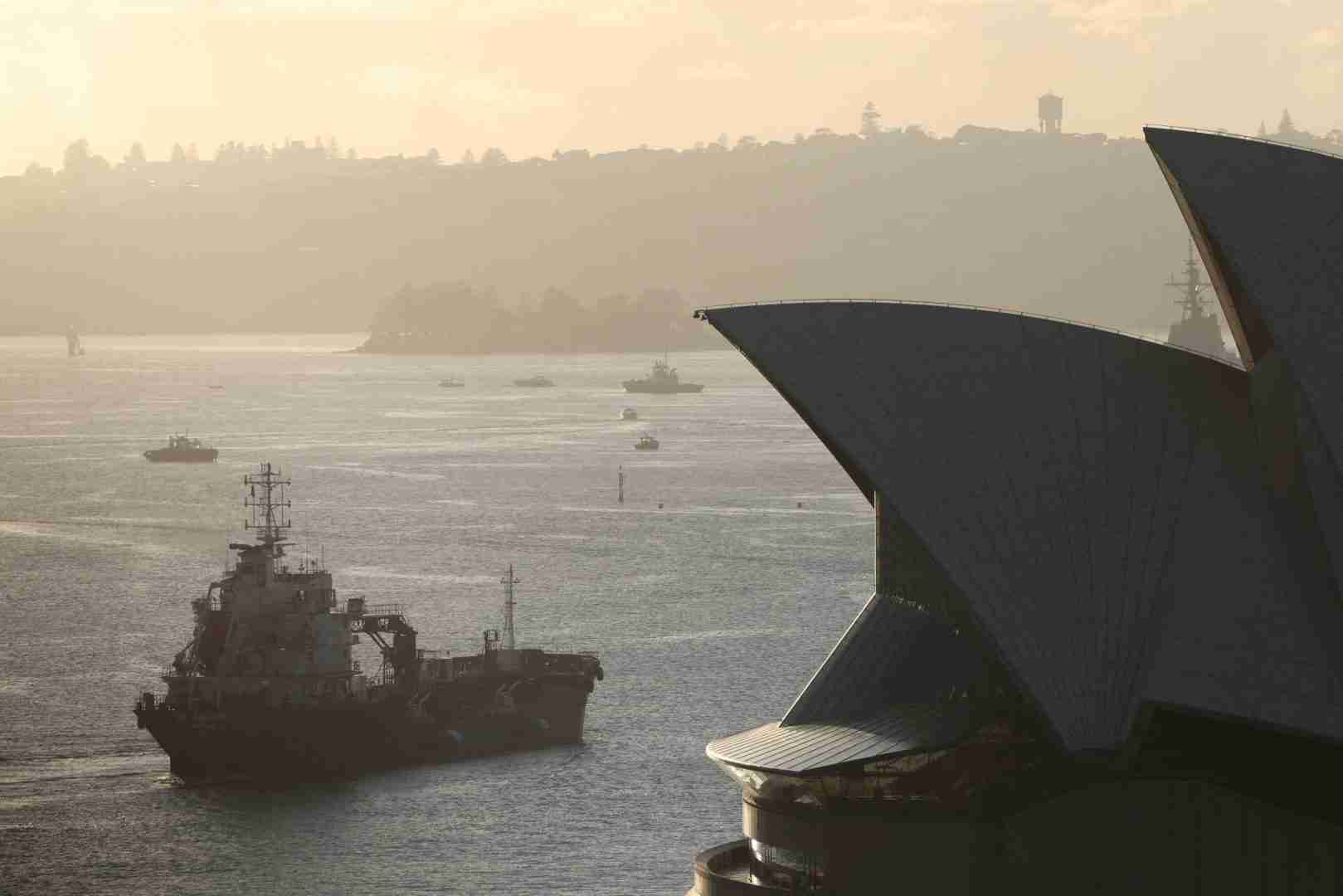
The annual rate of house price inflation slowed to 1.3% in January from 1.9% in December 2025, taking the average house price in the United Kingdom to 268,000 pounds ($359,000)
International News via Reuters:
British house prices rose at the slowest pace since September 2024 in the year to January, official figures showed on Wednesday, while the pace of increase in rents was unchanged.
The annual rate of house price inflation slowed to 1.3% in January from 1.9% in December 2025, taking the average house price in the United Kingdom to 268,000 pounds ($359,000), the Office for National Statistics said.
Private-sector rents in February were 3.5% higher than a year earlier, unchanged from January’s rate of increase and the joint-smallest rise since March 2022.
($1 = 0.7465 pounds)
Reporting by David Milliken; editing by Suban Abdulla
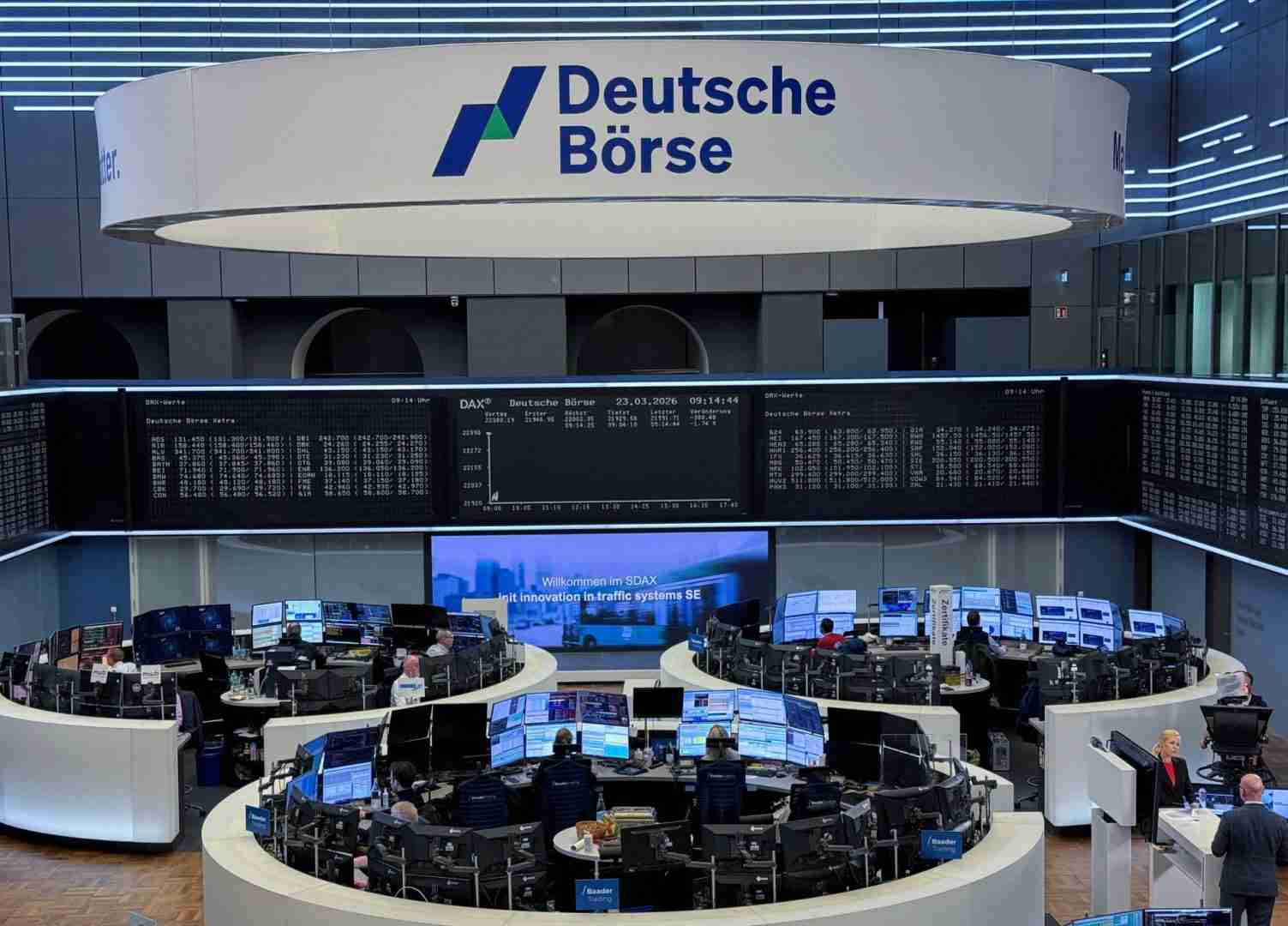
The pan-European STOXX 600 was up 1.4% at 587.04 points by 0856 GMT, on track for its third straight day of gains after briefly dropping 10% from record highs earlier this week
International News via Reuters:
European shares rose more than 1% on Wednesday on expectations of an imminent de-escalation in the Middle East conflict, though concerns about the war’s economic impact kept gains in check.
The pan-European STOXX 600 was up 1.4% at 587.04 points by 0856 GMT, on track for its third straight day of gains after briefly dropping 10% from record highs earlier this week.
The major regional bourses also advanced more than 1%, with Germany’s DAX leading the pack, while an index tracking volatility slipped 1.8 points to 29.9.
All the key sectors logged gains, with cyclicals such as industrial goods and banks up 2% each. Cyclical sectors are those that are typically affected the most during an economic slowdown.
Travel and leisure stocks, which were hit earlier in March due to soaring energy prices, added 1.8%, with airlines, such as Lufthansa and Air France climbing 2.4% and 3.7%, respectively.
Energy stocks were up marginally, after Morgan Stanley turned bullish on the sector.
Oil prices slipped below the $100 mark after President Donald Trump said the U.S. was making progress in its efforts to negotiate an end to the war with Iran. A source confirmed that Washington had sent Iran a 15-point settlement proposal.
However, caution lingered as Tehran denied that direct talks had taken place, with a spokesperson saying the U.S. is “negotiating with itself”.
“The market is right now running on optimism that is being injected by the U.S. alone,” said Ipek Ozkardeskaya, senior analyst at Swissquote Bank. “If Iran doesn’t cooperate in the coming days… we still could see oil prices spike back up and above the $100 per barrel level.”
There is little clarity on whether the talks would lead to the reopening of the Strait of Hormuz, which has been largely cut off since the Iran war erupted, with analysts saying that the long-term repercussions of elevated crude prices on the global economy could be drawn out.
Europe’s dependence on oil imports has weighed on equities since the start of the war and the STOXX now underperforms the U.S. benchmark S&P 500.
BlackRock CEO Larry Fink in a BBC interview said that if oil prices rise to $150 a barrel, it could trigger a global recession.
Among individual stocks, Spanish drugmaker Grifols climbed 8.1% after announcing it had approved a U.S. initial public offering of its biopharma business.
INWIT dropped 2.5% after Swisscom said its Italian business Fastweb + Vodafone was terminating its master service agreement (MSA) with the country’s top mast operator.
Reporting by Avinash P and Johann M Cherian in Bengaluru; Editing by Eileen Soreng and Sonia Cheema
The rejection of negotiations by the unified command of the Iranian Armed Forces comes amid reports the U.S. has sent a 15-point plan for discussion to Tehran
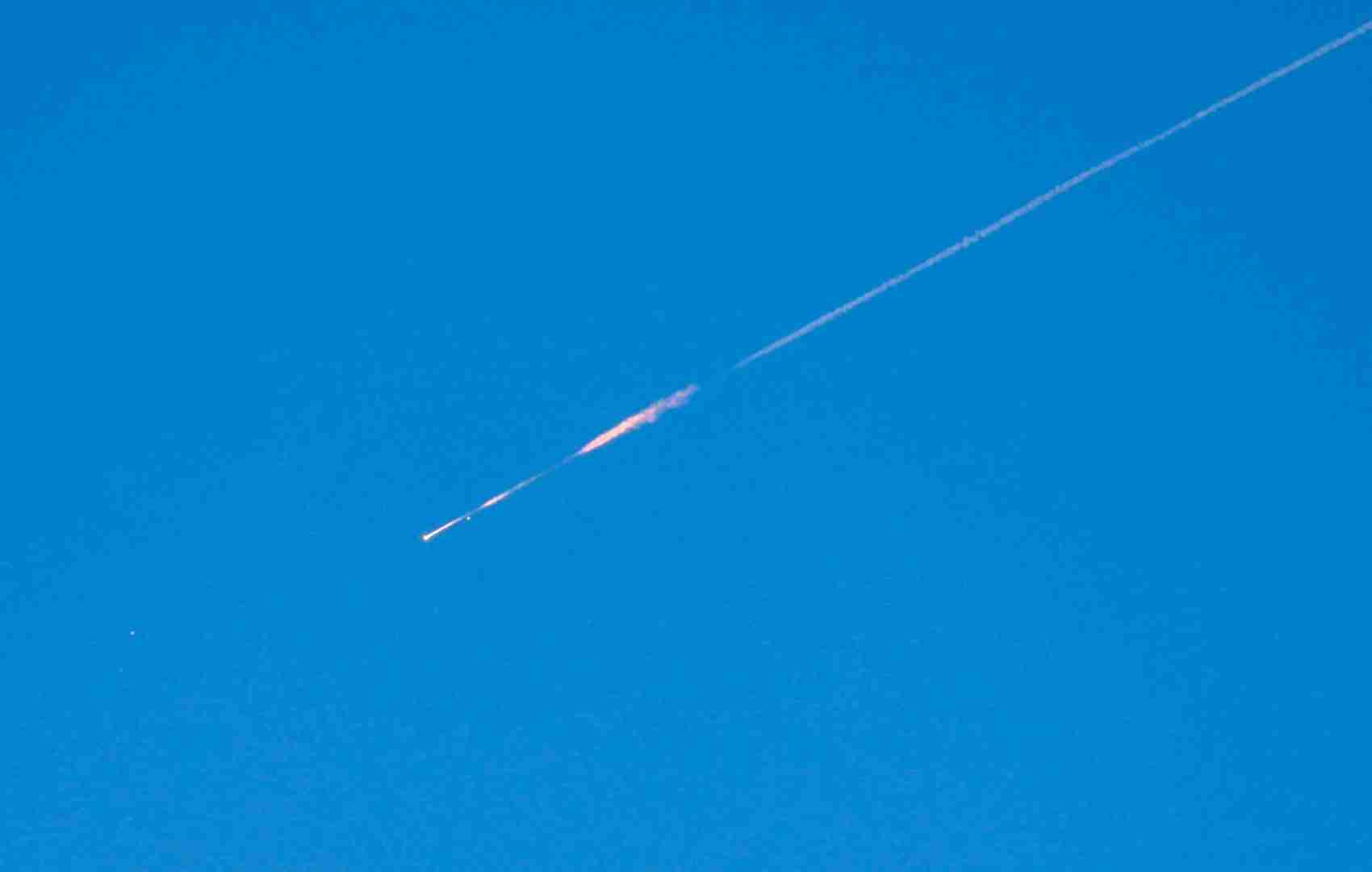
A projectile launched from Iran heads towards Israel, amid the U.S.-Israeli conflict with Iran, as seen from Ramallah, in the Israeli-occupied West Bank, March 25, 2026. REUTERS/ Mohammed Torokman
International News via Reuters:
Israel and Iran exchanged airstrikes on Wednesday, as Iran’s military rejected President Donald Trump’s assertion the U.S. was in negotiations to end the war which has roiled energy and financial markets, saying the U.S. is negotiating with itself.
The rejection of negotiations by the unified command of the Iranian Armed Forces, which is dominated by the hardline elite Revolutionary Guards, comes amid reports the U.S. has sent a 15-point plan for discussion to Tehran.
“Has the level of your inner struggle reached the stage of you (Trump) negotiating with yourself?” the top spokesperson for Iran’s joint military command, Ebrahim Zolfaqari, said on Iranian state TV.
“People like us can never get along with people like you.”
“As we have always said … no one like us will make a deal with you. Not now. Not ever.”
Iran’s leadership has previously said it cannot negotiate with the U.S. as Washington has attacked the country twice during high-level negotiations in the past two years.
Iran had a “very bad experience with American diplomacy,” Iran’s foreign ministry spokesperson Esmaeil Baghaei told India Today on Tuesday. There was no dialogue or negotiations with Washington, as Iran’s armed forces are focused on defending the country, he added.
Four weeks into the war that has killed thousands, created the worst energy shock in history and sparked global inflation fears, there was no letup in airstrikes from Iran and Israel on Wednesday.
The Israeli military said in a Telegram post it had launched a wave of strikes targeting infrastructure across Tehran. It later said its air force had struck two naval cruise missile production sites in Tehran.
The semi-official Iranian SNN News Agency said the strikes hit a residential area in the city, with rescuers searching the rubble.
Kuwait and Saudi Arabia said they had repelled fresh drone attacks, without saying where they came from. Drones targeted a fuel tank at Kuwait International Airport, causing a fire but no casualties, Kuwait’s Civil Aviation Authority said.
Iran’s Revolutionary Guards said it had launched a new wave of attacks against locations in Israel including Tel Aviv and Kiryat Shmona, as well as U.S. bases in Kuwait, Jordan and Bahrain, Iranian state media reported.
Trump told reporters at the White House on Tuesday the U.S. was in “negotiations” with “the right people” in Iran to end the war, adding the Iranians wanted to reach a deal very badly.
Stocks rose and oil prices fell on Wednesday on reports the U.S. is seeking a month-long ceasefire and had sent a 15-point plan to Iran for discussion, raising hopes for a resumption of oil exports out of the Persian Gulf.
REPORT OF 15-POINT PLAN SENT TO IRAN
The New York Times reported on Tuesday that Washington sent Iran a 15-point plan to end the war in the Middle East. Israel’s Channel 12, quoting three sources, said the U.S. was seeking a month-long ceasefire to discuss the 15-point plan.
A source familiar with the matter confirmed that the U.S. had sent a plan to Iran but provided no further details.
The Israeli media outlet said the plan would include the dismantling of Iran’s nuclear programme, ceasing support for proxy groups, such as Lebanon’s Hezbollah, and the reopening of the Strait of Hormuz.
The U.S. and Israel launched strikes on Iran on February 28 after saying they had failed to make enough headway in talks aimed at ending Iran’s nuclear programme, although mediator Oman said significant progress had been made. The U.S. struck Iran’s nuclear facilities in June 2025.
Since the start of “Operation Epic Fury” by the U.S. in February, Iran has attacked countries that host U.S. bases, struck Gulf energy infrastructure and effectively closed the Strait of Hormuz, conduit for a fifth of the world’s oil and liquefied natural gas.
Iran has told the United Nations Security Council and the International Maritime Organization that “non-hostile vessels” may transit the Strait of Hormuz if they coordinate with Iranian authorities, according to a note seen by Reuters on Tuesday.
The effective closure of the waterway, where 20% of the world’s oil and gas normally transits, has created the worst energy supply shock in history, sent fuel prices soaring, and disrupted global aviation.
Asia is at the frontline of the fuel crisis, buying more than 80% of the crude that transits the Strait of Hormuz, and governments there are scrambling to respond to fuel shortages with policies such as enforced work-from-home and stimulus measures enforced during the COVID pandemic era. Some countries have declared public holidays and closed schools.
The International Energy Agency has agreed to a record release of around 400 million barrels of oil from strategic stockpiles to deal with the crisis, and Japanese Prime Minister Sanae Takaichi asked IEA chief Fatih Birol for an additional release of oil when they met on Wednesday, Jiji Press reported.
PAKISTAN OFFERS TO HOLD US-IRAN TALKS
Pakistan’s Prime Minister Shehbaz Sharif said on Tuesday he was willing to host talks between the U.S. and Iran on ending the war, a day after Trump postponed threats to bomb Iranian power plants after what he called “productive” talks.
Pakistan has long-standing ties to neighbouring Iran’s Islamic Republic and has been building a relationship with Trump.
Despite reports of negotiations, the Pentagon is expected to send thousands of soldiers from the U.S. Army’s elite 82nd Airborne Division to the Middle East, two people familiar with the matter told Reuters on Tuesday, adding to a massive U.S. military buildup.
The forces will add to the 50,000 U.S. troops already in the region and accelerate Washington’s massive U.S. military buildup there, fuelling fears of a longer conflict.
Reporting by Reuters bureaus Writing by Alasdair Pal; Editing by Michael Perry and Andrew Heavens
Asia is at the frontline of the fuel crisis, buying more than 80% of the crude that transits the Strait of Hormuz, which has been almost totally blocked by Iran since the war broke out on February 28
International News via Reuters:
Countries across Asia are weighing up work-from-home policies and stimulus measures enforced during the COVID pandemic, as they scramble to respond to global fuel shortages triggered by the Iran war.
Asia is at the frontline of the fuel crisis, buying more than 80% of the crude that transits the Strait of Hormuz, which has been almost totally blocked by Iran since the war broke out on February 28.
No country in the region has enforced work-from-home measures yet, but some have said they are on the table.
“I think it is a good idea,” South Korean Energy Minister Kim Sung-whan said on Tuesday when asked about an International Energy Agency recommendation for people to work from home.
The IEA, which agreed a record release of around 400 million barrels of oil from strategic stockpiles to deal with the crisis, has outlined proposals to ease oil price pressures such as working from home and avoiding air travel.
IEA Executive Director Fatih Birol repeated those calls at a conference in Sydney this week.
“There were real-life tests, such as after the Russian invasion of Ukraine, European countries adopted these measures, and it was announced by the European governments. It helped them a lot to go through these difficult times without Russian energy … but keeping the lights on,” Birol said.
Industrial powerhouse South Korea on Tuesday launched a public campaign asking people to cut shower time, charge phones during the day and run vacuums on weekends.
“We will consult with relevant ministries and actively consider measures for work-from-home,” Energy Minister Kim told a briefing.
The Philippines, which relies heavily on Middle Eastern oil for its energy needs, shortened the work week in some government offices earlier this month. President Ferdinand Marcos declared a state of national energy emergency saying the conflict poses an “imminent danger” to the country’s energy supply.
Pakistan closed schools for two weeks and said office workers would work more from home. The island nation of Sri Lanka declared a public holiday every Wednesday to help make its fuel supplies go further.
Singapore, an Asian financial hub, urged people and businesses to switch to energy-efficient appliances, use electric vehicles and set the temperature higher on their air conditioners.
Thai Prime Minister Anutin Charnvirakul ordered bureaucrats to suspend overseas trips, set air conditioning temperatures above 25 degrees Celsius (77 degrees Fahrenheit), avoid suits and ties, use stairs instead of elevators, and work from home.
COST-OF-LIVING RELIEF
Some countries have turned to stimulus measures as rising fuel costs bite into household budgets.
The Japanese government said on Tuesday it plans to tap 800 billion yen ($5 billion) in reserve funds to finance subsidies aimed at keeping gasoline prices at about 170 yen per litre on average. The measure would cost as much as 300 billion yen per month.
New Zealand said on Tuesday that it would provide temporary financial support of NZ$50 ($29.30) every week from April for low-income families.
“We know these families will be hit particularly hard by the global fuel-price shock. We are delivering them timely relief,” New Zealand Finance Minister Nicola Willis said.
In neighbouring Australia hundreds of petrol stations are running dry from panic buying and shortages, which are acutely hitting the remote regional areas of the vast continent.
The centre-left government introduced legislation in the parliament to double penalties for fuel price gouging.
Several Asian countries have also released petrol and diesel from domestic reserves and temporarily loosened gasoline and diesel quality standards to increase supply.
POLICY DILEMMA
The glaring contrast with the pandemic, however, is that central banks are not rushing to cut interest rates. In fact, they are considering hikes.
During the pandemic, demand collapsed as many economies were essentially shuttered for health reasons, so policymakers responded with massive stimulus.
Now, the Reserve Bank of Australia has already hiked rates twice this year. It cited energy risks as a material risk to inflation and a reason for raising rates to a 10-month high last week.
Investors expect Japan, Britain and Europe will all raise rates in coming months, and pressure on Asian economies may be even more acute as their currencies slip against the dollar.
“Central banks face a classic policy dilemma when oil prices surge – inflation rises but growth might weaken,” Jennifer McKeown, chief global economist at Capital Economics, said in a note last week.
“The right response depends crucially on why oil prices are rising, how persistent the shock is, and whether inflation expectations are at risk,” she added.
Reporting by Alasdair Pal and Wayne Cole in Sydney, Jack Kim in Seoul, Xinghui Kok and Tom Westbrook in Singapore, Lucy Craymer in Wellington, Makiko Yamazaki in Tokyo, Karen Lema in Philippines, Chayut Setboonsarng in Bangkok and Tanvi Mehta in New Delhi; writing by Praveen Menon; Editing by Stephen Coates
Minister pledges stronger support and a national entrepreneurship strategy
The Minister of Economy and Labour, The Hon. Jason Hayward, JP, MP, attended the 2026 Bermuda Economic Development Corporation (BEDC) Business Awards on Saturday, where he recognised the contributions of Bermuda’s entrepreneurs and reaffirmed the Government’s commitment to fostering a strong entrepreneurial environment.
Minister Hayward said, “Entrepreneurs play an essential role in Bermuda’s economic growth. Their ideas, innovation and determination strengthen our economy and contribute to greater economic resilience. The Government’s work to advance small and medium sized business development, including the forthcoming national entrepreneurship strategy, is designed to ensure that entrepreneurs have access to the tools and opportunities needed to build and scale their businesses.”
Minister Hayward added, “I extend my appreciation to the BEDC for its continued dedication to supporting entrepreneurs across the Island. Its work remains an important part of fostering a healthy and vibrant entrepreneurial ecosystem, and the Government will continue to support its mission. Congratulations to this year’s outstanding winners. Your passion and commitment to excellence continue to shape and inspire Bermuda’s business community. Here’s to your continued success and the impact you’re making every day!”
The Ministry of Economy and Labour is pleased to celebrate excellence, innovation, and entrepreneurship at the BEDC Business Awards.
* Business of the Year – Bananas Party
* Startup of the Year – Feet First Podiatry
* Entrepreneur of the Year – Swan’s Pyrotechnics
* Vendor of the Year – Strange Bird
* Most Enterprising Young Entrepreneur – Metal & String
Motorists urged to use Hermitage detour via South Road
The Ministry of Public Works and Environment advises the motoring public that paving works on Verdmont Road in Smith’s are expected to cause traffic delays this evening between Hermitage Road and St. Mark’s Road.
Motorists are encouraged to avoid this section of road during the rush-hour period and to plan alternative routes where possible.
To help reduce congestion in the area, the Ministry advises motorists to use the detour route via Hermitage Road at Collector’s Hill to South Road, and to use Middle Road or South Road when travelling east or west.
Delays are expected as works continue in the area, and motorists are urged to exercise caution and follow any traffic management measures in place. The Ministry thanks the public for its patience and cooperation while these paving works are carried out.
Governments host civil society consultation on Hamilton II draft
On the 20 March, the Governments of Bermuda and the United Kingdom hosted the first civil society engagement and formal consultation on the draft text for a Hamilton II Declaration at the Bermuda Institute of Ocean Studies (ASU BIOS).
Representatives from 24 organisations were represented at the meeting, where they were able to discuss the process and draft text, and exchange views on Ocean protection.
A joint initiative, the Hamilton II Declaration, which builds on the first Hamilton Declaration that created the Sargasso Sea Commission, aims to seek political support to protect the Sargasso Sea under the BBNJ Agreement on Marine Biological Diversity of Areas Beyond National Jurisdiction (BBNJ) Agreement, sometimes now referred to as the ‘High Seas Treaty’.
The groundbreaking BBNJ Agreement came into force in January this year, and when States first meet at a Conference of Parties, scheduled to take place before 17 January 2027, consideration will turn to identifying what areas of the high seas should be prioritised for protection. Both the Government of the United Kingdom and the Government of Bermuda consider that the Sargasso Sea should be protected, and the Declaration is intended to galvanise international support to make that happen.
Chaired jointly by representatives from the Governments of Bermuda and the United Kingdom, the engagement and consultation event on Friday 20th March:
Introduced the draft Hamilton II Declaration and its aims
Explained the Declaration’s relevance to Bermuda
Captured feedback on the draft Declaration text
Explained how the Declaration will fit into the BBNJ Agreement process and
Explained how the Declaration will fit into the BBNJ Agreement process and identified the role and importance of consultation
Sought to elicit views on where attendees may be able to assist in gathering information relevant to a collective proposal for Area Based Management Tools (ABMTs) under Article 19 of the Agreement
The Hon, Jache Adams, JP, MP, Minister of Public Works and Environment, said “Protecting the Sargasso Sea has long been a priority for Bermuda. The Hamilton II Declaration is the next step in bringing countries together to take real action. With the support of our community and international partners, we now have an opportunity to turn that goal into lasting protection.”
The Governor, Andrew Murdoch CMG, said “I’m delighted to welcome to Bermuda the UK Ocean policy leads from the Foreign, Commonwealth and Development Office to take part in this important event alongside their colleagues in the Government of Bermuda. The draft Declaration was compiled by a small group of experts. It is not a final text and will be subject to a thorough process of consultation to ensure the final text achieves its aim with maximum support, particularly amongst those States that will decide on a proposal under the BBNJ treaty. As part of that consultation process, it is important that members of civil society in Bermuda, including our scientists, charities, and fishermen, have a voice in that process. The Sargasso Sea is a globally important area, and it is great to see Bermuda, as the only land territory in the Sargasso Sea, playing a leading role in seeking its protection.”
David Freestone, Executive Secretary, Sargasso Sea Commission Secretariat said “The Sargasso Sea Commission is delighted to support this timely new initiative by Bermuda and the United Kingdom. We have just completed a comprehensive scientific analysis that we can now use to highlight key threats and identify appropriate conservation proposals. We look forward to hearing the feedback of Bermudians and Bermuda residents.”
Craig Carlson, President of Bermuda Institute of Ocean Sciences (ASU BIOS) and Professor of Marine Microbiology in the ASU School of Ocean Futures said ‘The Sargasso Sea provides an extraordinary natural laboratory for understanding ocean eco-systems and long-term environmental change. Initiatives like the Hamilton II Declaration highlight how scientific research can guide international collaboration to protect critical ocean regions beyond national jurisdiction. I was delighted to attend this discussion, and it was our pleasure to host this meeting on campus’.
Representatives from the United Kingdom and Bermuda Governments will now travel to New York to attend the Preparatory Commission for the BBNJ Agreement where they will jointly host a Hamilton II side event on 25 March 2026, as part of the process to engage States on the draft text and encourage signature of the final agreed Declaration ahead of the first Conference of Parties.
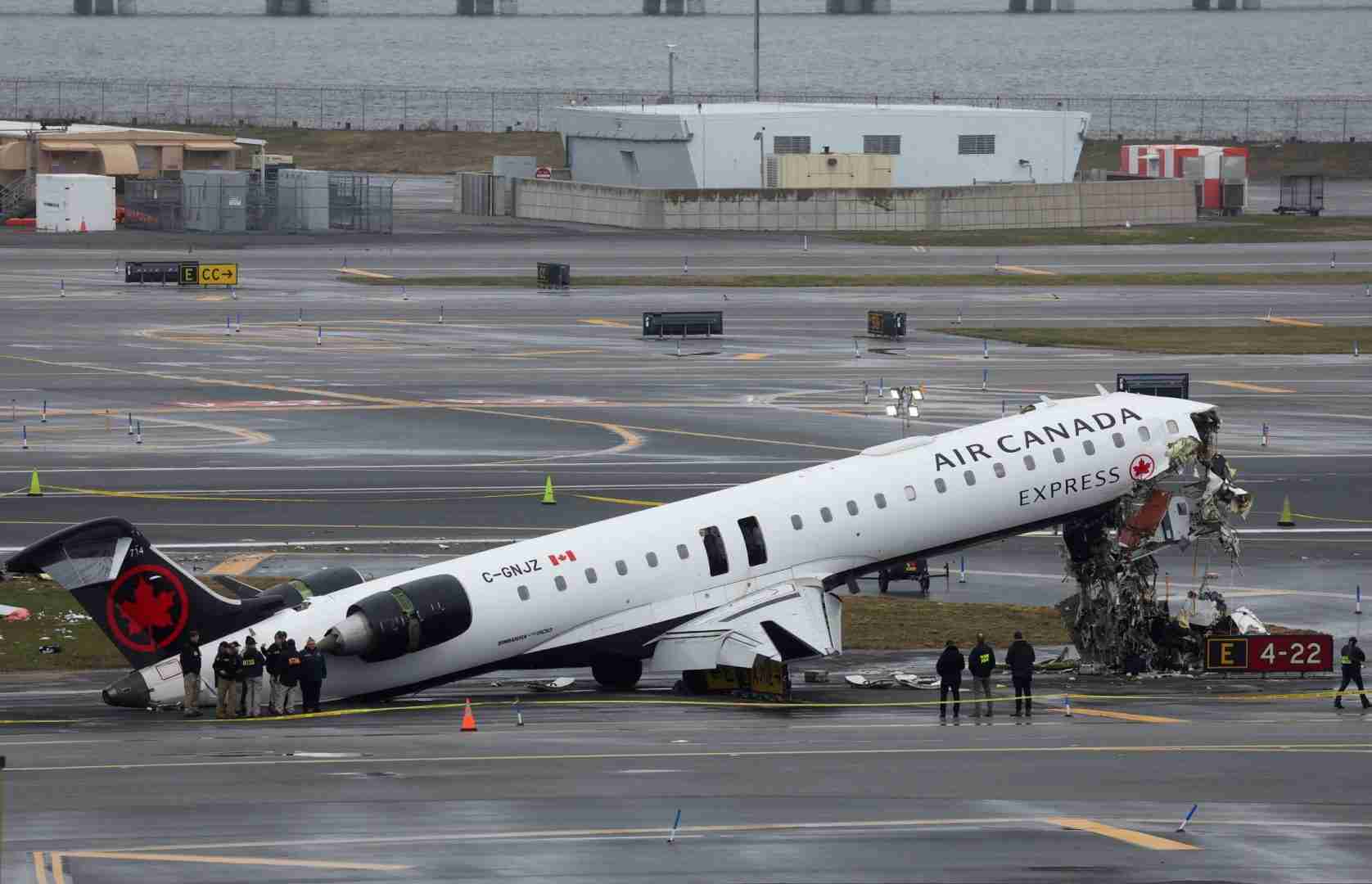
The NTSB, an independent safety agency, is leading the investigation into the fatal collision of the Air Canada Express CRJ-900 jet with a firetruck at LaGuardia Airport
International News via Reuters:
The National Transportation Safety Board said on Tuesday that a system which would have allowed a New York airport controller to track movement of aircraft and vehicles did not alert during a Sunday night collision between an Air Canada commercial jet and a truck that killed two pilots.
The NTSB, an independent safety agency, is leading the investigation into the fatal collision of the Air Canada Express CRJ-900 jet with a firetruck at LaGuardia Airport. The flight, operated by regional partner Jazz Aviation, had 72 passengers and four crew.
The truck, which was on its way to assist another plane that had reported an emergency, crossed the runway just nine seconds before the crash, according to the plane’s cockpit voice recorder.
“ASDE-X did not generate an alert due to the close proximity of vehicles merging and unmerging near the runway, resulting in the inability to create a track of high confidence,” NTSB Chair Jennifer Homendy told reporters in New York.
ASDE-X, or the Airport Surface Detection Equipment Model X, is a surveillance system designed to help reduce runway incursions that allows air traffic controllers to track surface movement of aircraft and vehicles.
TRUCK LACKED TRANSPONDER
Homendy also said the truck did not have a transponder, unlike similar vehicles at other airports in the U.S. The Federal Aviation Administration has encouraged airports to equip firetrucks with transponders because it makes the vehicles’ movement easier to track at busy airports.
She said it is unclear if an alerting technology would have prevented the incident since it happened so fast.
Air crashes typically are caused by multiple factors with the investigation’s goal to improve aviation safety and not assign blame.
U.S. air safety experts have said communications between the plane that was landing, the controller and the trucks would be key areas of the investigation. The collision has raised questions about the controller’s workload and staffing at the busy New York airport.
The NTSB, which has sounded the alarm about close calls and runway incursions for years, last month found the deadly January 2025 mid-air collision of an American Airlines regional jet and an Army helicopter was caused in part because the high workload “degraded controller performance and situation awareness”.
Homendy said the tower had standard staffing for a Sunday night. She added that there were two controllers working in a glass-enclosed section of the airport’s traffic control tower.
Homendy said on Tuesday that the NTSB will interview the local controller who started at 10:45 p.m. ET after a shift change 15 minutes earlier and whose interactions with different planes and the truck were heard on liveatc.net. A separate controller in charge was providing clearances for departing aircraft.
It is not clear who was conducting the duties of ground controller, or assigning directions to airport vehicles.
Air traffic controllers make the decisions about when planes can land and take off, and when ground vehicles can enter runways. The controller who made the call for the Air Canada flight to land had been trying to find a gate for a separate United Airlines flight that complained of a bad odor, according to the recording.
The incident has raised questions about whether the controller was distracted by the United Airlines flight, which had declared an emergency.
“I would caution pointing fingers at controllers and saying distraction was involved,” she said. “This is a heavy workload environment.”
Reporting By David Shepardson in New York and Allison Lampert in Montreal; Editing by Chris Reese and Aurora Ellis
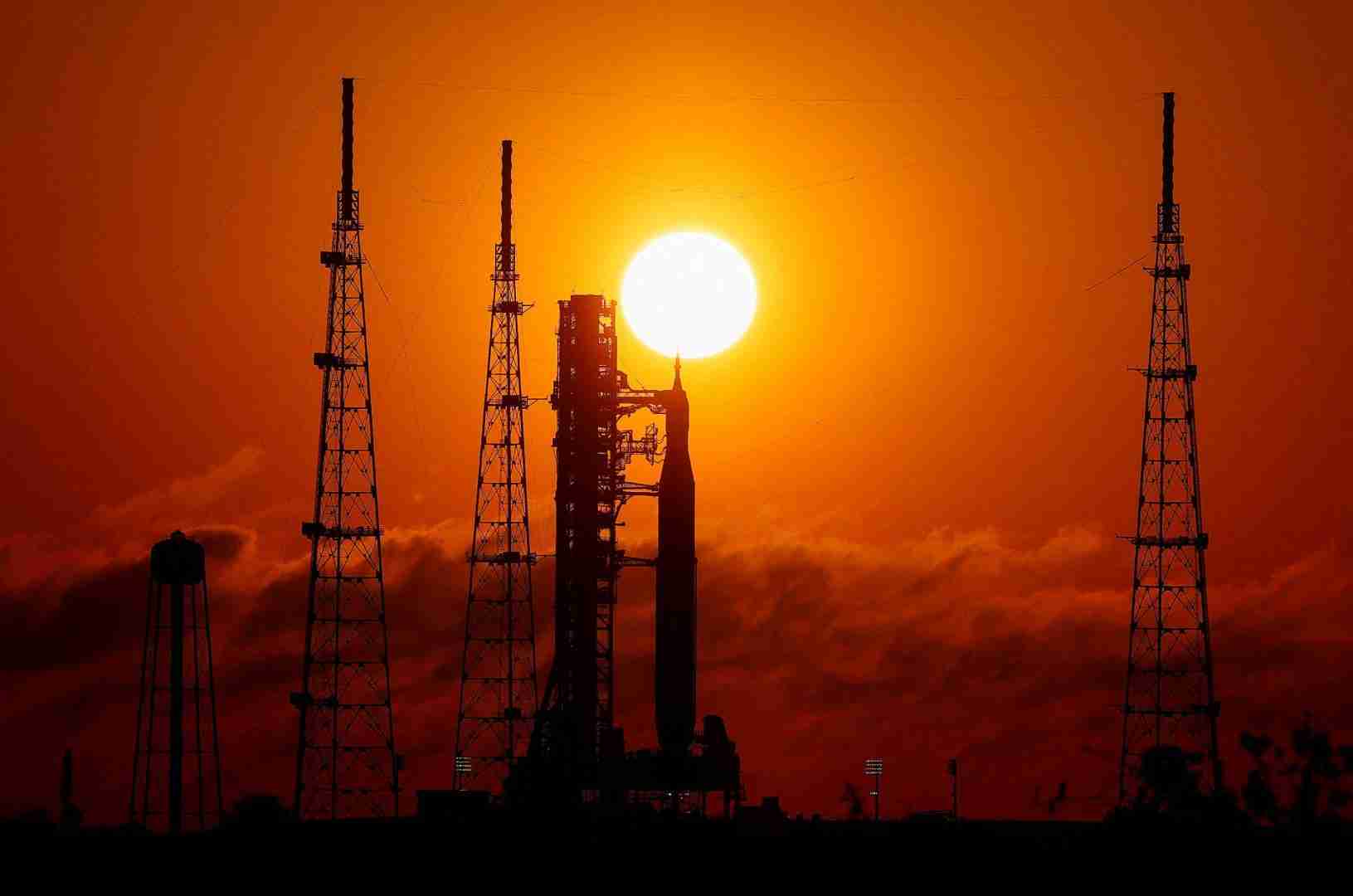
U.S. space agency chief Jared Isaacman, an appointee of President Donald Trump who took charge at NASA in December, announced an array of changes to the Artemis moon program
International News via Reuters:
NASA announced on Tuesday it has canceled plans to deploy a space station in lunar orbit and will instead use components from the project to build a $20 billion base on the moon’s surface, while also planning to send a nuclear-powered spacecraft to Mars.
U.S. space agency chief Jared Isaacman, an appointee of President Donald Trump who took charge at NASA in December, announced an array of changes to the Artemis moon program including an aim to send more robotic landers to the moon and lay the groundwork for using nuclear power on the lunar surface.
NASA also disclosed plans to launch a spacecraft called Space Reactor 1 Freedom to Mars before the end of 2028 in a mission it said would demonstrate advanced nuclear electric propulsion in deep space. NASA called this a major step forward in bringing nuclear power and propulsion from the laboratory to space. NASA said the spacecraft, once it reaches Earth’s planetary neighbor, will deploy helicopters for exploring Mars.
The Lunar Gateway station, largely already built with contractors Northrop Grumman and Intuitive Machines subsidiary Lanteris Space Systems, was meant to be a space station in a lunar orbit.
“It should not really surprise anyone that we are pausing Gateway in its current form and focusing on infrastructure that supports sustained operations on the lunar surface,” Isaacman told a crowd of foreign delegates, companies and journalists at a day-long event at NASA’s headquarters in Washington.
Repurposing Lunar Gateway to create a base on the moon’s surface – a difficult undertaking – leaves uncertain the future roles of Japan, Canada and the European Space Agency in the Artemis program, three key NASA partners that had agreed to provide components for the orbital station.
“Despite some of the very real hardware and schedule challenges, we can repurpose equipment and international partner commitments to support surface and other program objectives,” Isaacman said.
European Space Agency chief Josef Aschbacher, who attended the event, told Reuters he will study the new plans and continue talking to NASA about them.
Lunar Gateway was designed to serve as both a research platform and a transfer station that astronauts would use to board the moon landers before descending to the lunar surface. NASA’s current plans call for landing astronauts on the moon’s surface in 2028.
The changes made by Isaacman in recent weeks on the flagship U.S. moon program are reshaping billions of dollars worth of contracts under the Artemis umbrella, sending companies scrambling to accommodate the extra U.S. urgency as China makes progress toward its own planned 2030 moon landing.
Central to the Artemis program is its astronaut lunar lander program, with Elon Musk’s SpaceX and Jeff Bezos’ Blue Origin both racing to develop moon landers for NASA. The two companies, each targeting an initial crewed landing on the moon in 2028, have fallen behind schedule.
The Artemis program, begun in 2017 during Trump’s first term as president, envisions regular lunar missions as NASA’s long-awaited follow-up to its first moon missions in the Apollo program that ended in 1972.
Reporting by Joey Roulette; Editing by Andrew Heavens and Jan Harvey
The Pentagon plans to send thousands of troops from the 82nd Airborne Division to the region, adding to the military buildup even as the Trump administration seeks talks with Iran
International News via Reuters:
The dollar strengthened on Tuesday as investors dialed back expectations for a quick end to the Middle East conflict, reversing some of Monday’s optimism-fueled moves.
The Pentagon plans to send thousands of troops from the 82nd Airborne Division to the region, adding to the military buildup even as the Trump administration seeks talks with Iran.
“Geopolitical headlines this afternoon pushed the dollar and oil to their session highs on reports of U.S. plans to deploy an airborne division to the Middle East,” said Uto Shinohara, senior investment strategist at Mesirow Currency Management in Chicago. “Elevated headline risk is reflected through high market sensitivity to such news.”
In afternoon trading, the dollar rose 0.3% against the yen to 158.98 yen, while the dollar index, which measures the U.S. currency against a basket of peers, advanced 0.2% to 99.42 after dropping to a near two-week low on Monday.
The index has strengthened 1.8% this month, on track for its strongest monthly gain since October, as the conflict fueled safe-haven demand.
The euro slid 0.3% against the dollar to $1.1584, after gaining 0.4% in the previous trading session.
Sterling fell 0.5% versus the dollar to $1.3383 after jumping nearly 1% on Monday.
With geopolitics and energy still steering markets, investors showed little reaction to data on U.S. business activity, which slowed to an 11-month low in March as the war raised energy and other input costs, reinforcing concerns that inflation could accelerate.
Markets rallied on Monday after U.S. President Donald Trump said that the U.S. and Iran had held “very good and productive” conversations about a “complete and total resolution of hostilities in the Middle East.” Iran denied it had engaged in any direct negotiations. Trump’s comments gave investors hope for a short war, but now markets seem to be taking a more measured tone.
“With risk of escalation and the jump in U.S. rates, tough to sell the U.S. dollar,” said Marc Chandler, chief market strategist at Bannockburn Capital Markets in New York.
Survey data on Friday showed early signs that the war was starting to hit the global economy. Business activity in the euro zone and Britain fell to multi-month lows, suggesting Europe was already suffering economically from the conflict.
SEVERE DISRUPTION OF ENERGY TRADE
Contrasting comments and a new wave of fighting have left markets in flux, with investors mindful that the war has all but halted shipments of about one-fifth of the world’s oil and liquefied natural gas through the Strait of Hormuz.
Oil prices rose again on Tuesday after plunging more than 10% on Monday.
The expected inflationary impact from the jump in energy prices has also prompted markets to scale back expectations of rate cuts from the Federal Reserve.
Markets have priced in at least two hikes each from the European Central Bank and the Bank of England this year.
The two-year U.S. Treasury yield, which typically moves in step with Fed rate expectations, rose 8.7 basis points to 3.919% on Tuesday after dropping over 6 bps on Monday. [US/]
Reporting by Laura Matthews in New York; Additional reporting by Samuel Indyk in London, Jiaxing Li in Hong Kong and Ankur Banerjee in Singapore; Editing by Kevin Liffey, Barbara Lewis, Ros Russell and Edmund Klamann
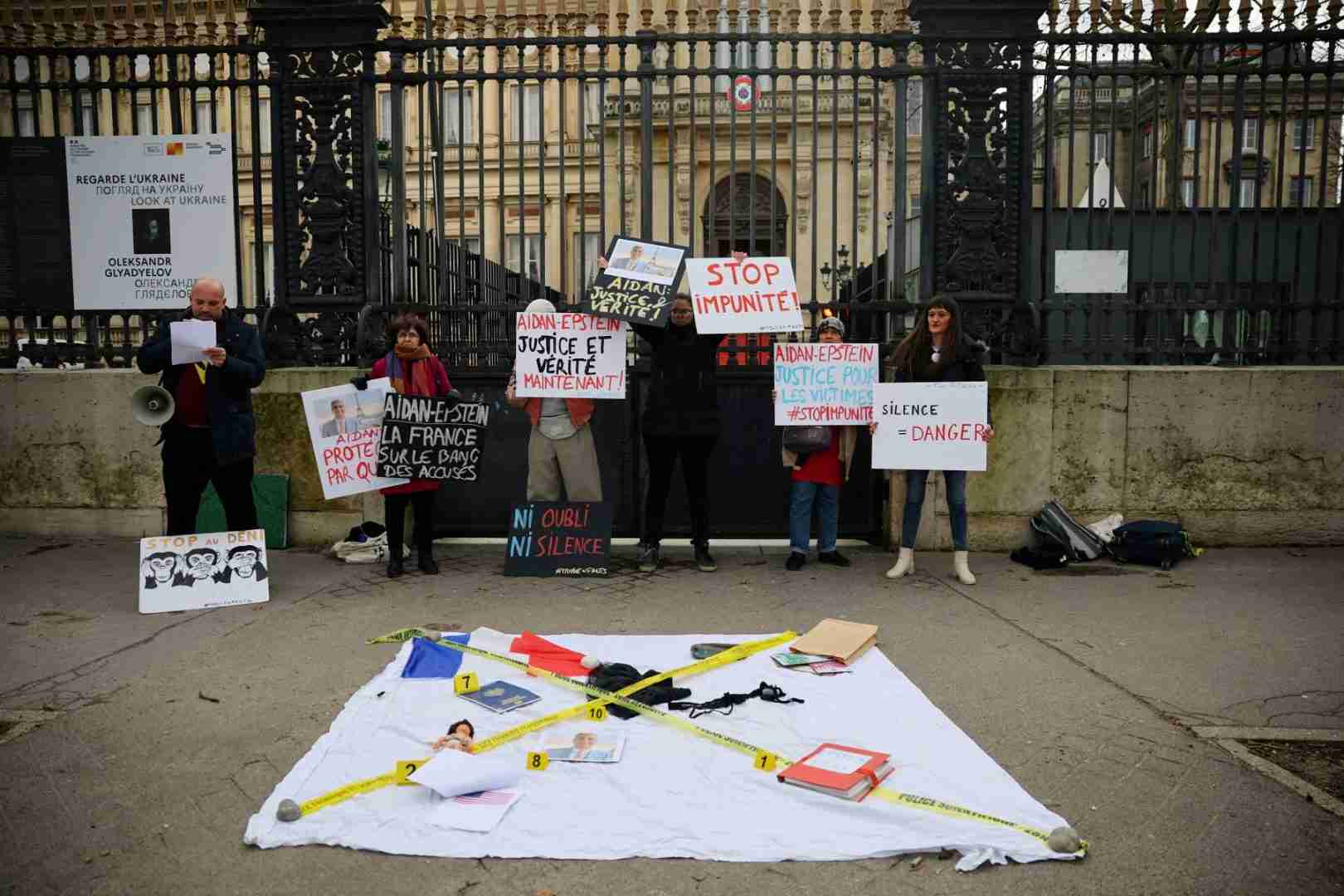
The name of Fabrice Aidan appeared in more than 200 documents released by the U.S. Justice Department
International News via Reuters:
French investigators searched the Paris offices of Swiss bank Edmond de Rothschild as part of an inquiry into alleged corruption involving a French diplomat named in documents linked to the late sex offender Jeffrey Epstein, prosecutors said on Tuesday.
The name of Fabrice Aidan, a middle-ranking French diplomat who was seconded to the United Nations from 2006 to 2013 and later worked at the bank, appeared in more than 200 documents released by the U.S. Justice Department.
These include emails he is alleged to have sent Epstein between 2010 and 2016 from his personal and U.N. accounts.
Some of the emails reviewed by Reuters show the transfer of U.N. Security Council briefings and other confidential documents to Epstein during that period.
Aidan has denied wrongdoing, and his lawyer did not immediately respond to requests for comment.
The French Foreign Ministry said it had completed an administrative investigation, performing about 30 interviews. The ministry said all current and former staff members who had been summoned to its investigation had cooperated, adding that it was available to judicial authorities and was considering disciplinary proceedings.
The search was carried out on Friday in the presence of Ariane de Rothschild, the Swiss bank’s boss, a source close to the bank said.
Edmond de Rothschild was cooperating fully with the justice system in the investigation led by the financial prosecutor, the same source said, adding that an internal inquiry had been launched as soon as suspicions emerged concerning the former employee, who worked at the bank from 2014 to 2016.
A spokesperson for the bank declined to comment.
ACCUSATIONS OF ‘PASSIVE CORRUPTION’
The investigation is being led by officers from France’s central office against corruption and financial and tax offences, which questioned Aidan in a voluntary interview in late February.
The French financial prosecutor’s office said it was investigating accusations of passive corruption of a foreign public official and complicity in that crime, targeting Aidan in particular.
When asked if it was looking into Epstein links with the Geneva-based Edmond de Rothschild, Swiss financial regulator Finma said it considered all reliable information in its supervision and conducted in-depth reviews when in doubt about the integrity of business activities.
Swiss federal prosecutors did not immediately respond to a request for comment on whether they were also investigating. A spokesperson for the Geneva prosecutor’s office declined to comment on whether any measures were taken in the city.
Ariane de Rothschild also appeared in the files released by the U.S. Justice Department in January, which showed she kept up a years-long personal correspondence with Epstein before his 2019 arrest.
After the files were released, a spokesperson for the bank said that Epstein was a business acquaintance of de Rothschild from 2013 to 2019. De Rothschild had no knowledge of Epstein’s conduct, the spokesperson said.
Reporting by Mathieu Rosemain, Makini Brice and Charlotte van Campenhout,Additional reporting by John O’Donnell, Emma Farge and Oliver HirtEditing by Bart Meijer, Kevin Liffey and Alex Richardson
To provide the best experiences, we use technologies like cookies to store and/or access device information. Consenting to these technologies will allow us to process data such as browsing behavior or unique IDs on this site. Not consenting or withdrawing consent, may adversely affect certain features and functions.
Functional
Always active
The technical storage or access is strictly necessary for the legitimate purpose of enabling the use of a specific service explicitly requested by the subscriber or user, or for the sole purpose of carrying out the transmission of a communication over an electronic communications network.
Preferences
The technical storage or access is necessary for the legitimate purpose of storing preferences that are not requested by the subscriber or user.
Statistics
The technical storage or access that is used exclusively for statistical purposes.The technical storage or access that is used exclusively for anonymous statistical purposes. Without a subpoena, voluntary compliance on the part of your Internet Service Provider, or additional records from a third party, information stored or retrieved for this purpose alone cannot usually be used to identify you.
Marketing
The technical storage or access is required to create user profiles to send advertising, or to track the user on a website or across several websites for similar marketing purposes.