Thursday, November 5, 2026
Home Blog Page 427

Are the US attacks on Iran legal?

Below is a look at the legality of the U.S. attacks, which critics say exceed the president’s authority and fails to comply with international law
International News via Reuters:

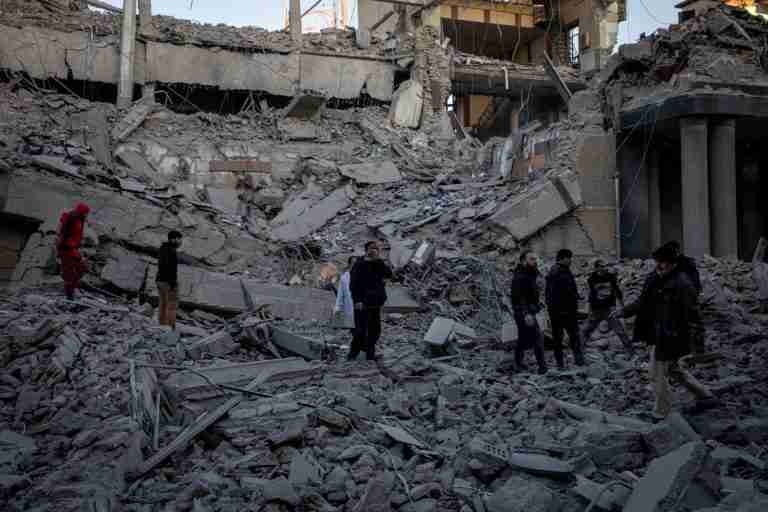
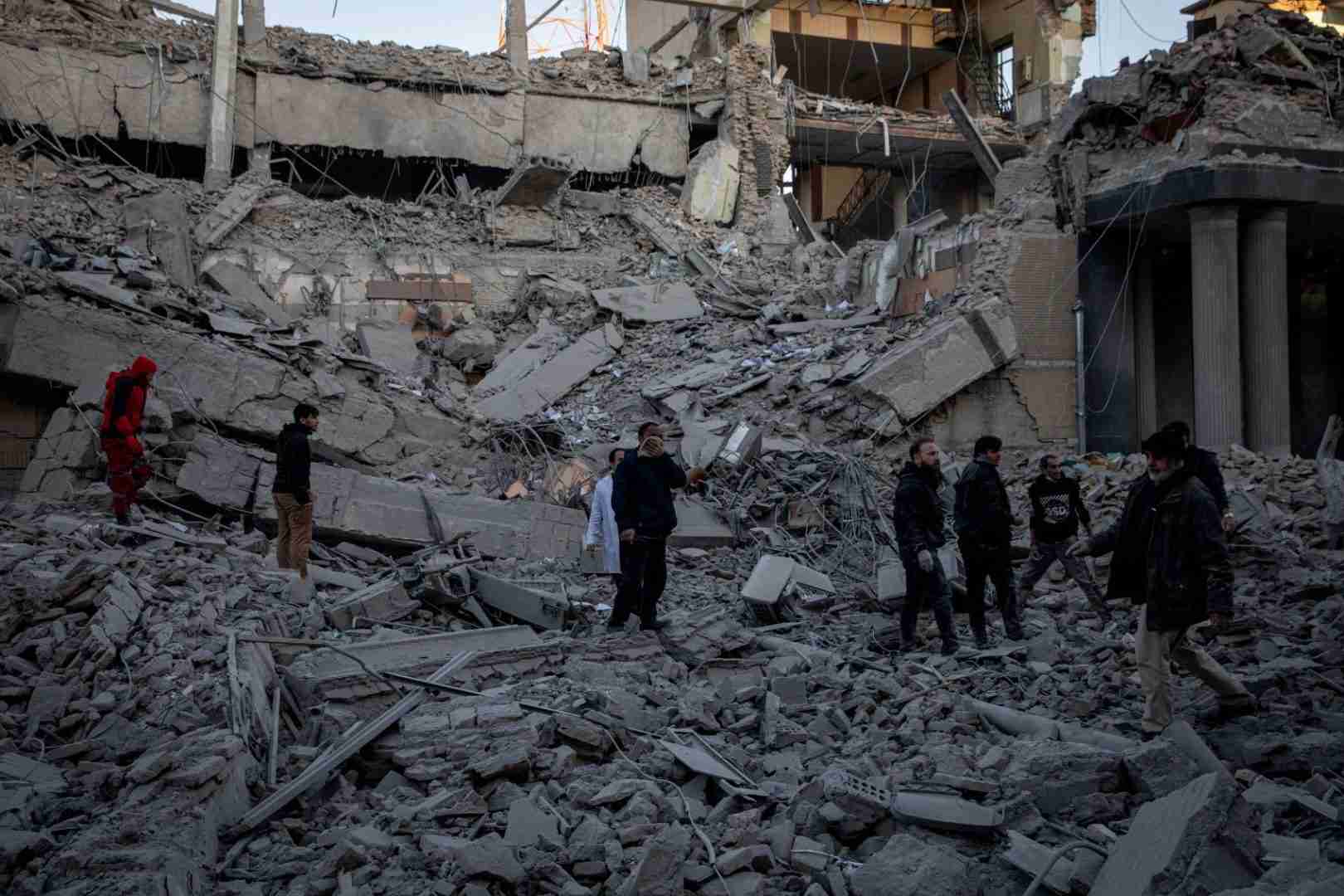
The U.S. military has joined Israel and attacked more than 1,000 targets in Iran and killed many of its top officials, including Supreme Leader Ayatollah Ali Khamenei. On Wednesday, a U.S. submarine sunk an Iranian navy vessel near Sri Lanka.

Below is a look at the legality of the U.S. attacks, which critics say exceed the president’s authority and fails to comply with international law.

WHAT HAS TRUMP SAID?

President Donald Trump has provided varying objectives and justifications. He has said he felt Iran was going to strike first and the attack was meant to eliminate imminent threats to the United States, its military bases overseas and allies, although he did not provide details and some claims were not backed by U.S. intelligence reports. Trump also said Iran could obtain a nuclear weapon within one month but he did not provide evidence and this contradicted his claims in June that the U.S. military had “obliterated” Iran’s nuclear program. 

PRESIDENTIAL POWER TO USE THE MILITARY

The attacks on Iran are pushing the boundaries of Trump’s constitutional authority, according to legal experts.

Under the U.S. Constitution, the president commands the armed forces and directs foreign relations but only Congress has the power to declare war.

Presidents of both parties have conducted military strikes without congressional approval when it was in the national interest but less intense in duration and scope than what would be considered a war — a limit that Trump may be testing.

Trump and Defense Secretary Pete Hegseth have both described the action as a war and Hegseth called it “the most lethal, most complex and most-precision aerial operation in history.” Trump said it could last five weeks or more and cautioned that there will be more U.S. casualties.

Congress has provided authorization for large military operations, such as President George W. Bush’s invasions of Afghanistan in 2001 and Iraq in 2003. 

WAR POWERS RESOLUTION

The War Powers Resolution (WPR) of 1973 acts as a check on presidential power.

Under the WPR, the president can only involve the military in an armed conflict when Congress has declared war or provided specific authority or in response to an attack on U.S. territory or its military. It requires the president to report regularly to Congress, which the administration started to do on Monday.

The WPR also requires unauthorized military actions to be terminated within 60 days unless the deadline is extended.

It provides a procedure for Congress to withdraw the military from a conflict and members of both parties have said they plan to put such legislation to a vote this week.

It’s highly unlikely such a vote would garner a two-thirds majority needed to override a Trump veto but some lawmakers said it would put members on the record in an election year. Legal experts said popular opposition might be the main check on Trump’s ability to continue the attacks.  

WHAT DOES INTERNATIONAL LAW SAY?

Legal experts said many countries will consider the attacks unjustified under the United Nations Charter, which states that member states must refrain from using force or the threat of force against other states. There are exceptions when force is authorized by the U.N. Security Council or used in self-defense in response to armed attack, neither of which applies.

There is also the concept of pre-emptive self-defense, which would arguably allow the United States to attack Iran if it had proof of an imminent, overwhelming attack. 

The United States has a veto at the U.N. Security Council, shielding Washington.

Legal experts said violating international law still carries a cost and both the United Kingdom and Spain have limited the use of their bases in the attacks, citing the lack of justification for the conflict.

WAS THE SUBMARINE ATTACK NEAR SRI LANKA LEGAL?

Wednesday’s submarine attack appeared to comply with the law of war, according to legal experts. The attack occurred in international waters and the target was a military ship which was not disabled. However, it could be argued that if Washington is attacking Iran to eliminate an imminent threat, a warship far from Iran would not be justified target unless it could be connected to those threats.

WAS THE KILLING OF KHAMENEI LEGAL? 

Legal experts said it is not clear cut.

Israel is reported to have carried out the actual strike that killed Khamenei, while the U.S. offered intelligence and operational support.

Republican President Ronald Reagan in 19intens81 signed Executive Order 12333 which prohibited anyone working for the U.S. government or acting on its behalf from engaging in assassination. It also barred participation in assassination by the U.S. intelligence community.

However, the killing of a leader which might qualify as assassination in peacetime could be a legitimate act of war during an armed conflict, legal experts said. 

In Khamenei’s case, legality would partly depend on whether the U.S. was at war when he was killed and whether he was considered a military leader. 

Reporting by Tom Hals in Wilmington, Delaware;Editing by Noeleen Walder and Alistair Bell
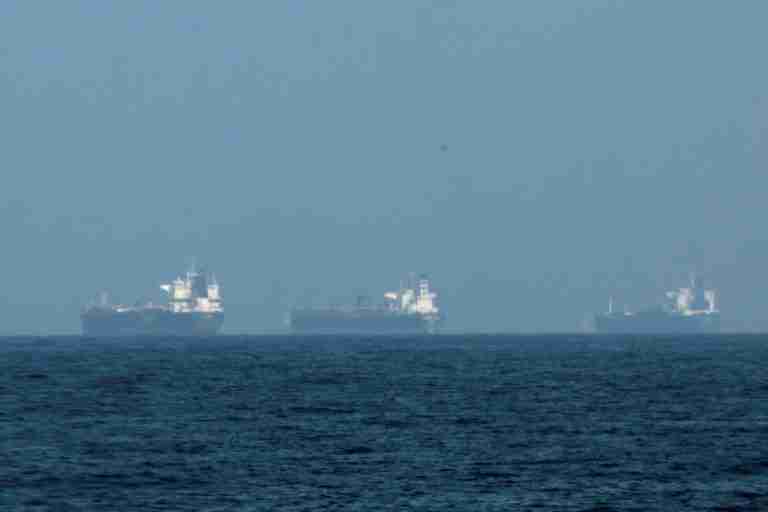
Gulf shipping crisis deepens as tankers stranded for fifth day, US sinks Iranian warship

Hundreds of other vessels remained outside Hormuz unable to reach ports, shipping data showed

International News via Reuters:

The U.S.–Iran war widened on Wednesday after a U.S. strike hit an Iranian warship off Sri Lanka, deepening a crisis that has paralysed shipping through the Strait of Hormuz for a fifth day and choked off vital Middle East oil and gas flows.

The U.S. submarine strike on the Iranian vessel came as U.S. President Donald Trump pledged to provide insurance and navy escorts to ships exporting oil and gas from the Middle East in a bid to contain soaring energy prices.

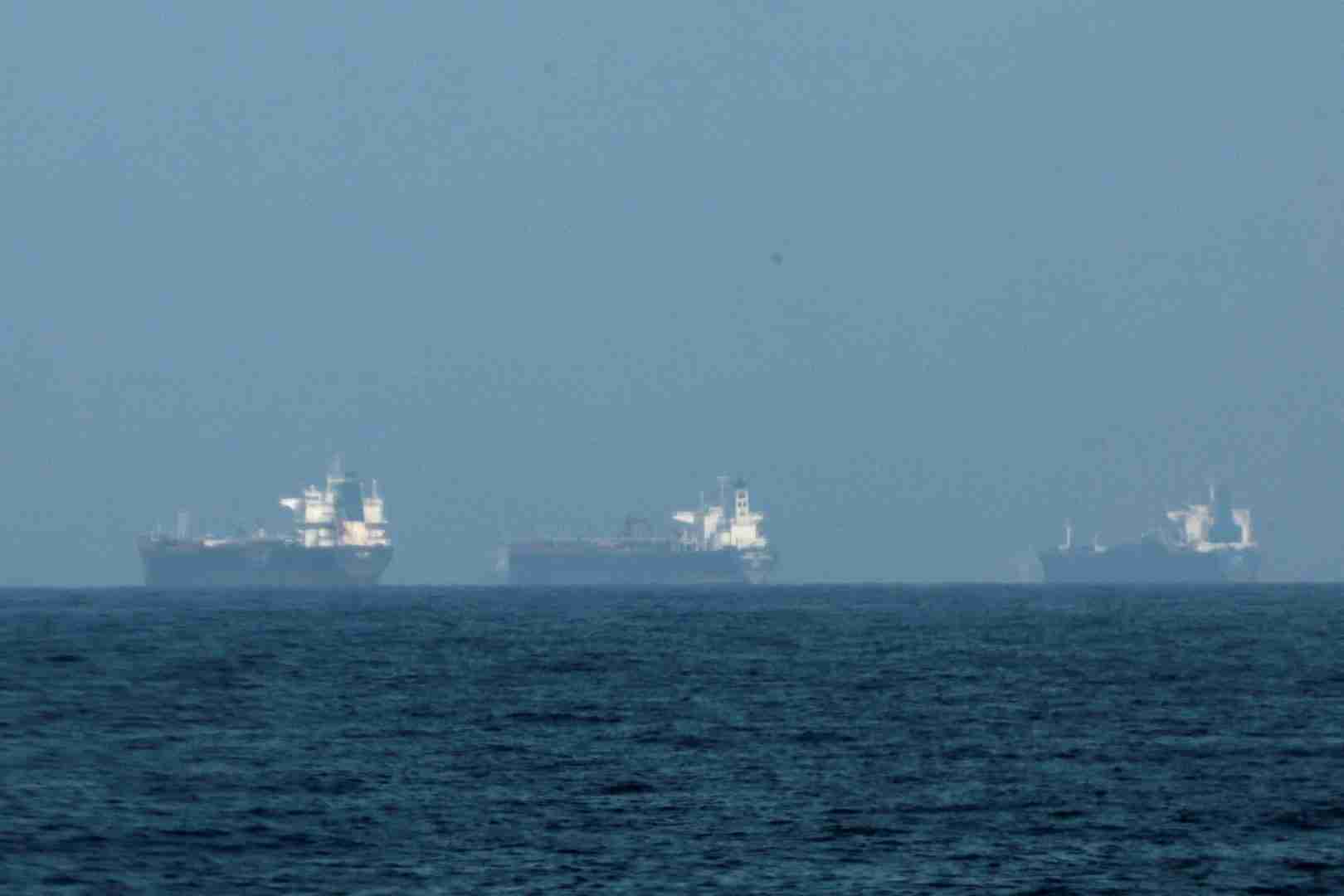
At least 200 ships, including oil and liquefied natural gas tankers as well as cargo ships, remained at anchor in open waters off the coast of major Gulf producers including Iraq, Saudi Arabia and Qatar, according to Reuters estimates based on ship-tracking data from the MarineTraffic platform. 

Hundreds of other vessels remained outside Hormuz unable to reach ports, shipping data showed. The waterway is a key artery for around a fifth of the world’s oil and LNG supply.

At least eight vessels have suffered have been hit in the area since the Iran conflict began on Saturday. On Wednesday, the Maltese-flagged container ship Safeen Prestige was damaged by a projectile as it sailed toward the northern end of the Strait of Hormuz, prompting the crew to abandon ship, British navy agency UKMTO said. 

Marshall Islands crude oil tanker Libra Trader and Panama-flagged bulker Gold Oak also sustained minor damage some 7-10 nautical miles off the United Arab Emirates port of Fujairah early on Wednesday, UKMTO said later.

The Libra Trader experienced a loud blast and debris from an unknown projectile, while the Gold Oak was struck by a projectile, though neither vessel sustained major damage or crew injuries, the agency added.

Qatar will fully shut down gas liquefaction on Wednesday and won’t return to normal production and exports for at least a month, two sources familiar with the matter told Reuters. Gas giant QatarEnergy declared force majeure on shipments of LNG after attacks on its production facilities.

Iraq cut its oil production as the country ran out of storage, unable to load it on tankers. Saudi Arabia, the UAE and Kuwait were also struggling to load oil but it was not yet clear if they cut output.

RARE TANKER TRANSIT AMID SHIPPING FREEZE

Despite the gridlock, a rare voyage took place on Tuesday when the Suezmax tanker Pola sailed through the Strait of Hormuz to the UAE to load crude, according to industry sources and LSEG ship-tracking data.

The Pola had switched off its AIS transponder late on March 2 as it approached the Strait and reappeared the next day off Abu Dhabi.

Trump on Tuesday said he had instructed the U.S. International Development Finance Corporation to provide political-risk insurance and financial guarantees for maritime trade in the Gulf.

“No matter what, the United States will ensure the free flow of energy to the world,” he wrote in a social media post.

Commercial war risk insurance costs have soared at least five-fold in recent days.

“Rates have increased from levels that owners and charterers will be used to,” said Angus Blayney with insurance broker Gallagher.

“The cost will vary depending on the vessel type, cargo and routing, however marine insurers are very much continuing to provide cover.”

Oil prices dipped on Wednesday, but were up 12% since the war started on Saturday, as U.S.-Israeli strikes on Iran disrupted Middle East supplies.

On Wednesday, Goldman Sachs raised its forecast for Brent crude oil in the second quarter by $10 to $76 per barrel. It also raised its prediction for WTI by $9 to $71 per barrel. 

The bank said it sees longer-than-expected disruption to exports of oil and gas through the Strait of Hormuz and damage to oil production facilities as risks. It also assumes that low oil flows through Hormuz will lead to large declines in OECD inventories and Middle East production in March. 

“Providing protection for all tankers operating in areas currently threatened by Iran is unrealistic as this would require a very high number of warships and other military assets,” said Jakob Larsen, chief safety and security officer with shipping association BIMCO.

ASIA SCRAMBLES FOR REPLACEMENT BARRELS

Some Asian refiners and petrochemicals companies face output cuts because they are unable to get prompt replacement cargoes from their suppliers in the Gulf due to the shipping standstill. 

India’s Mangalore Refinery and Petrochemicals and Petronet LNG both issued force majeure notices due to the disruptions.

Asia sources 60% of its oil from the Middle East, leaving the region vulnerable to the disruptions. Refiners in Indonesia and Japan are sourcing more oil from the U.S. to replace the shortfall. India will consider buying more from Russia, sources at two companies have said. 

Saudi Aramco’s largest domestic refinery and key crude export terminal Ras Tanura was struck on Wednesday, four sources said.

Reporting by Jonathan Saul; Additional reporting by Renee Maltezou; Writing by Anna Hirtenstein; Editing by Louise Heavens, Aidan Lewis

Parks staff undergo advanced training

Goal is to ensure that personnel are equipped with internationally recognised horticultural knowledge and practical techniques

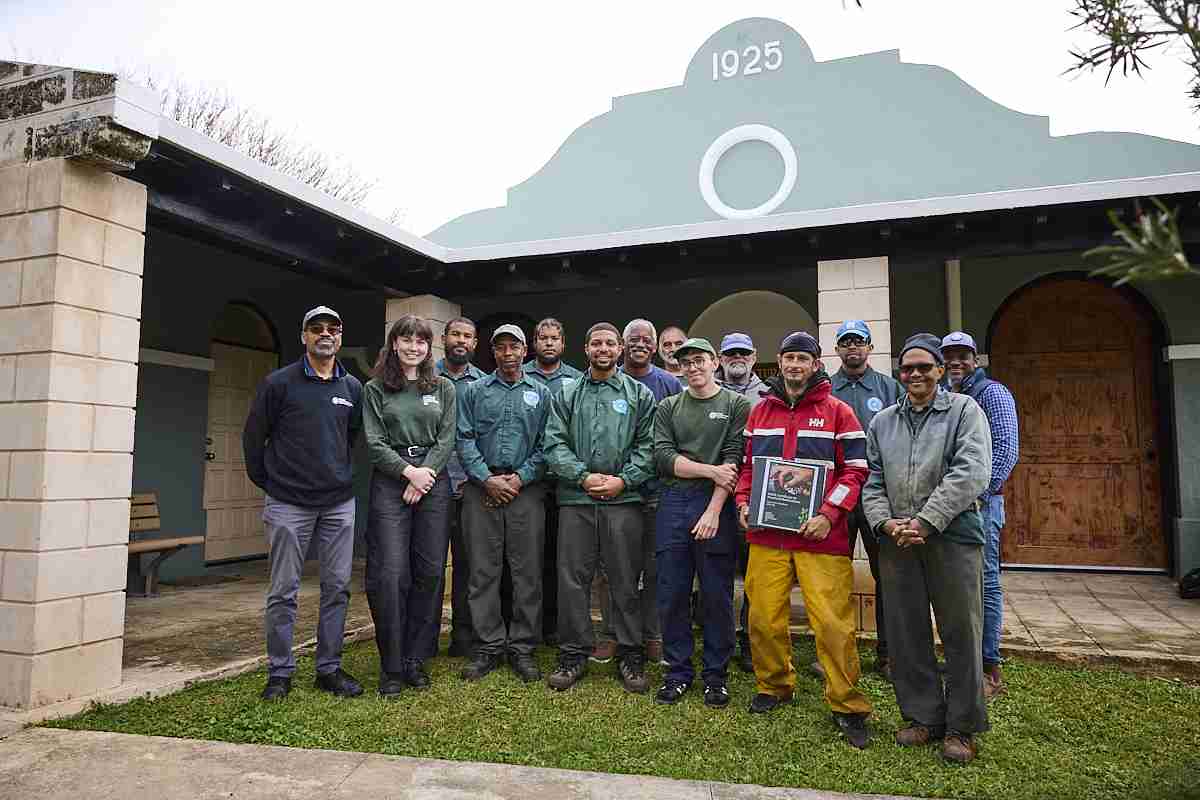
The Ministry of Public Works and Environment is highlighting its continued investment in professional development after nine members of the Department of Parks took part in an internationally recognised horticulture training programme recently held in Bermuda.

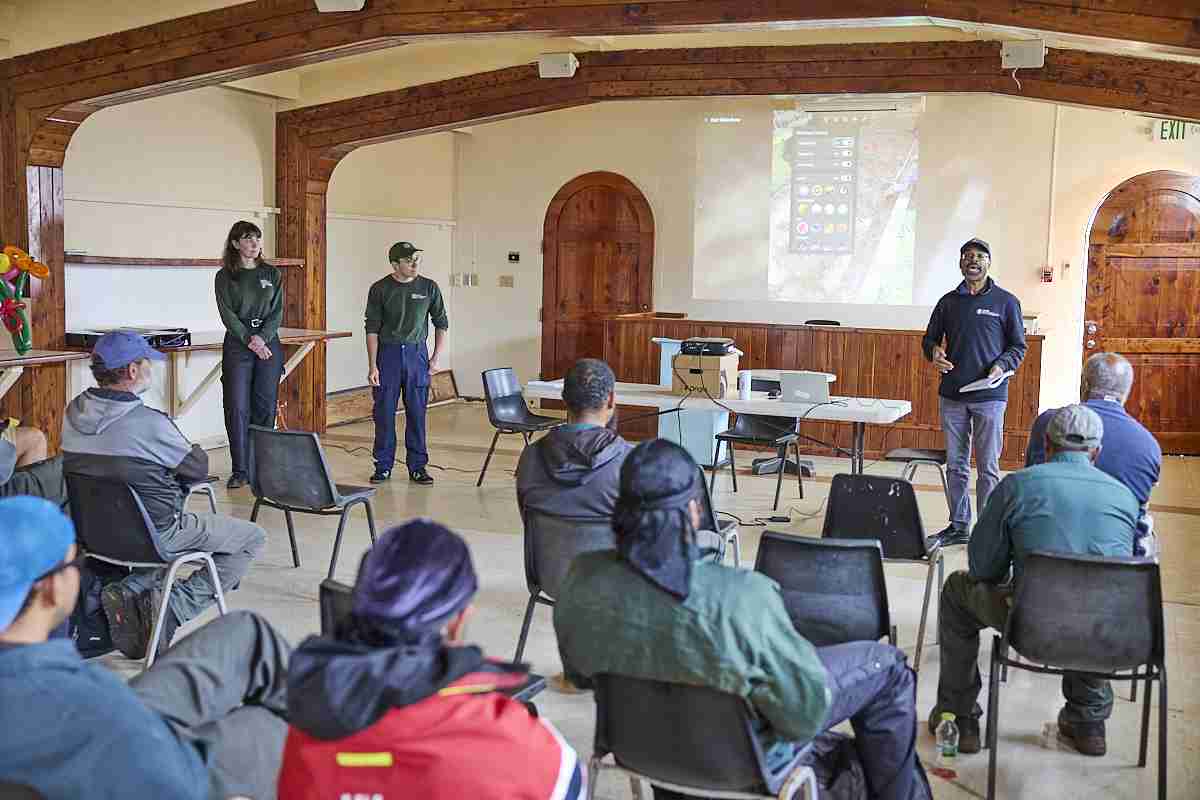
The specialised instruction was delivered by visiting trainers from the Royal Botanic Garden Edinburgh (RBGE), who were on the island to conduct an eight-day Certified Practical Horticulture course.

L-R: RBGE Trainer Lucy Baines, CPH* Recipient Gerritt (Jimmy) Harvey, RBGE Trainer Daniel Batie & Senior Superintendent W. Omari Dill.

This initiative represents the second time such training has been hosted locally with public-private partnerships.

The Certified Practical Horticulture course was a partnership involving the Department of Parks, the Bermuda Botanical Society, and the Royal Botanic Garden Edinburgh.

Funding for the programme was awarded through Darwin Plus Local, a competitive UK Government grant scheme that supports environmental projects as well as fellowships in the UK Overseas Territories and Crown Dependencies.

Horticultural training demonstrates compliance with Target 9 of the Botanical Gardens Conservation International’s Accreditation Standard and plays a foundational role in the renewal of our Botanical Gardens.

The Minister of Public Works and Environment, the Hon Jaché Adams, JP, MP, said, “This training reflects a deliberate effort to ensure that Bermuda’s parks personnel are equipped with current, internationally recognised horticultural knowledge and practical techniques.

“The work carried out by our parks teams directly affects the quality, safety, and appearance of our public spaces, and that work must be supported by strong technical training.”

L-R: RBGE Trainer Lucy Baines, CPH Recipient Jermaine Wilson, RBGE Trainer Daniel Batie & Senior Superintendent W. Omari Dill.

The Minister added, “Opportunities such as this strengthen local expertise, support sustainability, and help ensure that our parks and green spaces continue to meet the highest standards for the public.”

The programme combined classroom instruction with practical field application and was designed to strengthen plant care, nursery management, landscape maintenance, and problem-solving skills relevant to Bermuda’s climate and growing conditions.

L-R: RBGE Trainer Lucy Baines, Course Credit Recipient Gary Robinson, RBGE Trainer Daniel Batie & Senior Superintendent W. Omari Dill.

The Ministry noted that initiatives of this kind form part of a broader strategy to build professional capacity across its departments and reinforce Bermuda’s reputation for maintaining attractive, healthy, and well-managed public landscapes.

Britain’s energy price-cap forecast to rise about 10%, Cornwall Insight says

A rise would be unwelcome news for Prime Minister Keir Starmer’s Labour government, which is under pressure to meet a pledge to curb household energy costs

International News via Reuters:

Britain’s domestic energy price cap is forecast to rise by about 10% in July in response to a surge in wholesale prices tied to the war in Iran, analysts at Cornwall Insight said on Wednesday.

A rise would be unwelcome news for Prime Minister Keir Starmer’s Labour government, which is under pressure to meet a pledge to curb household energy costs.

It would also wipe out the savings made from the decision to scrap a policy that forces energy suppliers to pay for measures like insulation and new heating systems for low-income households and move some levies onto general taxation.

Wholesale energy prices are the largest single factor contributing to British energy regulator Ofgem’s domestic price cap, which is set on a quarterly basis using a formula that also reflects suppliers’ network costs and environmental and social levies.

Disruptions to shipping in the Middle East and a halt to liquefied natural gas exports from Qatar, one of the world’s largest gas exporters, has led to a surge in international gas prices. Gas prices in Britain are currently more than 70% higher than last week.

“This latest forecast puts the role of wholesale markets firmly back in the spotlight and illustrates how exposed UK households remain to international market movements,” said Craig Lowrey, principal consultant at Cornwall Insight.

Cornwall Insight forecasts Ofgem’s price cap will rise in July to 1,801 pounds ($2,409) a year for typical use, from 1,641 pounds in April.

A spokesperson for Britain’s Department for Energy Security and Net Zero said using short-term price fluctuations to predict coming prices was not reliable and the only way to protect consumers from price spikes is to curb fossil fuel use.

Ofgem is expected to publish the next price cap level by May 27, and Lowrey said the forecast could change before then if wholesale prices fall or rise further.

($1 = 0.7476 pounds)

Reporting by Susanna Twidale. Editing by Paul Simao and Mark Potter

Apple debuts $599 MacBook Neo to challenge Chromebooks, Windows PCs

A lower-priced laptop marks one of Apple’s most aggressive entry points into the PC market in years

International News via Reuters:

Apple on Wednesday unveiled the MacBook Neo, a lower-priced addition to its laptop lineup starting at $599, as it looks to broaden its reach in a price-sensitive PC market while rivals face tighter supply of memory chips.

A lower-priced laptop marks one of Apple’s most aggressive entry points into the PC market in years. The new MacBook will be powered by the A18 Pro chip, the same processor that debuted in the company’s iPhone 16 Pro models in 2024.

At $599, it is far cheaper in both nominal and inflation-adjusted terms than Apple’s previous non-Pro, non-Air MacBook, which debuted in May 2006 at $1,099 – roughly $1,750 in today’s dollars.

Customers can pre-order the device starting Wednesday, with deliveries and in-store availability beginning March 11, Apple said.

“The real question is not whether Apple can sell a MacBook at this price (because it will be one of the most sold Macs ever if they can deliver), but how it balances cost, performance and brand positioning while maintaining the premium experience that defines the Mac,” said Francisco Jeronimo, vice president of client devices at IDC.

The new MacBook is not Apple’s first foray into the price point. The company made a special $699 MacBook Air for Walmart using its M1 chip, which originally debuted in 2020, after retiring other models with that chip.

The new MacBook aims squarely at users of Google-powered Chromebooks and lower-end Windows devices, where Microsoft’s own efforts to shift to more battery-life-friendly chips made with technology from Arm have failed to ignite a sales boom.

Its foray into the mid-range PC segment could help Apple broaden its reach among students and first-time buyers.

In the midst of a global memory chip crunch, the new MacBook also comes with only 8 gigabytes of unified memory, half of the 16 gigabytes in the M4-based MacBook and less than the 12 gigabytes in the iPhone 17 Pro.

Global PC and smartphone markets remain highly price sensitive after several quarters of uneven demand, and hardware makers continue to navigate fluctuating component costs, particularly for memory chips.

Apple this week launched its $599 iPhone 17e with higher base storage and refreshed its MacBook Air and Pro lineup with new M5 chips and standard configurations with larger memory, as it looks to defend market share in competitive smartphone and softening PC markets, which are strained by rising memory costs.

Reporting by Akash Sriram, Aditya Soni in Bengaluru and Stephen Nellis in San Francisco; Editing by Anil D’Silva

Bermuda beat Barbados but fall short of qualification

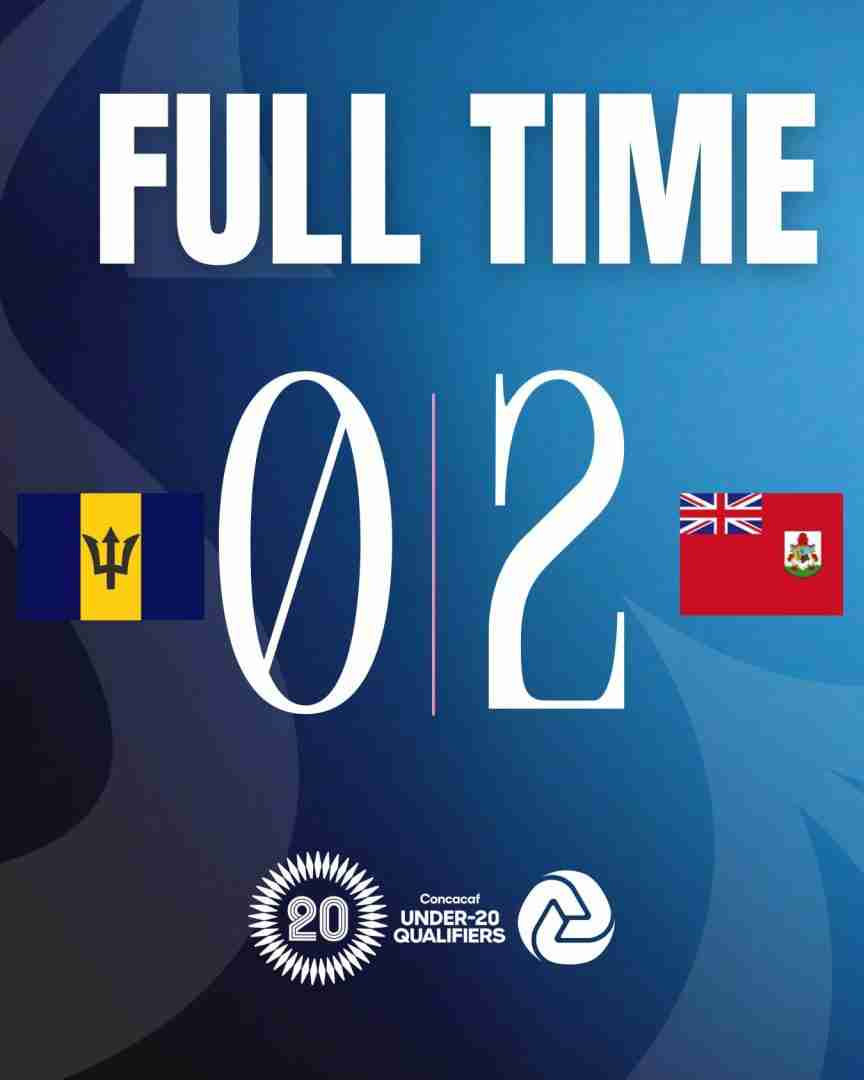
Bermuda’s Under-20 national team concluded their 2026 Concacaf Qualifying campaign on a high note with a clinical 2-0 victory over Barbados at the Proyecto Goal in San Rafael, Costa Rica.

Entering the final Group E fixture, Bermuda faced the daunting mathematical task of needing a 13-goal swing to keep their qualification hopes alive. Despite the pressure, Cecoy Robinson’s side maintained the impressive form that had seen them hold tournament hosts Costa Rica to a thrilling draw earlier in the week.

The breakthrough came in the 11th minute following a period of sustained pressure. Jace Donawa, a constant threat on the flank throughout the tournament, delivered a precise cross that found Kalen Brunson in the area. Brunson showed great composure to direct his effort past the Bajan goalkeeper and give Bermuda an early advantage.

The lead was doubled just nine minutes later as the Barbados defense struggled to deal with a loose ball inside their own penalty box. Malachi Belboda reacted quickest to the hesitation, spinning his marker before firing a powerful shot into the back of the net.

Bermuda remained the dominant force for much of the second half, with the backline led by Emeer Peets and Logan Jimenez largely untested by the Barbados attack. While further goals eluded them, the result ensures Bermuda finishes the qualifying round with a commendable record of two wins and two draws from their four matches.

The victory sees Bermuda end the tournament with eight points, a tally that would often be enough to secure progression in other groups. However, with only the group winners advancing to the Concacaf U-20 Championship in San Juan, the young Gombey Warriors’ journey comes to an end despite a series of performances that earned significant praise across the region.

Young sailors given city tour

Visiting young sailors from the Alexander Von Humboldt II tall ship, which is docked in Hamilton, took part in an educational tour around the city, led by educator Ajala Omodele. 

Mr. Omodele, who has an ongoing relationship with the Class Afloat programme, guided the students through key historical sites across the city, sharing Bermuda’s rich history and its connections to other parts of the world. 

Here, he shares more about the students’ visit to the island and what they gained from the tour.

Harvard singers return to Bermuda this month

Their traditional Spring Break tour will include a free performance at noon on Friday, March 20 at the Cathedral

The U.S. Consulate and the Cathedral of the Most Holy Trinity (Anglican Cathedral) invite residents, school groups, and visitors of all ages to attend a free daytime concert on Friday, March 20, at 12:00 p.m.  The event will feature a vibrant and engaging performance by the Harvard Krokodiloes and the Radcliffe Pitches. 
 
Harvard University’s oldest a Capella groups return to Bermuda to continue their traditional Spring Break tour to perform an entertaining blend of harmony and humor for audiences at different venues across the island.  U.S. Consul General Antoinette Hurtado stated, “I am delighted to welcome the return of students from my alma mater to continue their decades-long tradition of performing in Bermuda.  I extend my sincere thanks to Bishop Nicholas Dill and his team for their continued partnership in hosting this traditional daytime concert at the Cathedral.  This has become a signature event during Harvard’s annual visit, and I invite everyone to join us over the lunch hour to enjoy a special musical performance.  The arts are a universal language that bring people together and highlight our shared experiences, and we look forward to sharing this opportunity with the Bermuda community.”  

As two of Harvard’s most distinguished a Capella groups, these students have captivated audiences around the world. The Pitches are known for their repertoire inspired by jazz and soul legends such as Ella Fitzgerald, Louis Armstrong, Nina Simone, Frank Sinatra, and Stevie Wonder, while the Kroks bring their signature blend of jazz and swing to each show.  Harvard University joins several U.S. colleges and universities with alumni resident on island, and this annual visit underscores the longstanding educational and cultural ties between the United States and Bermuda. 

US and Britain split over crypto collaboration, sources say

The U.S. and Britain announced in September a taskforce for reducing regulation for companies seeking to access each other’s markets and to improve digital asset cooperation

International News via Reuters:

British and U.S. regulators are divided over how to test blockchain-based versions of financial securities, with Britain pushing for a more cautious approach in talks aimed at boosting crypto collaboration, sources said.

The U.S. and Britain announced in September a taskforce for reducing regulation for companies seeking to access each other’s markets and to improve digital asset cooperation.

The split shows how financial regulators globally have to contend with a pro-crypto U.S. under President Donald Trump. The U.S. has eased crypto regulation and encouraged cryptocurrency adoption.

Britain also wants to expand its digital assets industry, but some UK regulators, such as the Bank of England, are cautious about moving too quickly.

The U.S. and Britain are already in broad agreement on the taskforce’s aims, including working towards closer alignment of rules for stablecoins, digital assets backed by actual currencies.

But Britain’s preference for testing joint work on tokenised securities – blockchain-based versions of financial assets such as stocks or bonds – via a so-called “sandbox” emerged as an obstacle when the regulators met earlier this year, two sources who attended the discussions said.

Regulatory sandboxes are used by Britain’s financial watchdog to test innovative financial products in a controlled environment.

A U.S. Securities and Exchange Commission representative at the meeting in January this year expressed concern about using a sandbox, citing doubts about the commercial viability for participants and its potential impact on innovation, the two sources, who attended the January meeting of the Transatlantic Taskforce for Markets of the Future, said.

The SEC is weighing a different approach to tokenisation, known as “exemptive relief”, which has the backing of the U.S. crypto industry, the sources said, asking for anonymity because the talks were private.

The SEC told Reuters it would continue working with the UK “to build consensus and harmonize rules for international market participants”, adding there was “significant opportunity to align our frameworks to support the future of finance.”

The BoE and UK finance ministry declined to comment. The U.S. Treasury did not respond to a request for comment.

The FCA said sandboxes can be valuable as the two countries develop capital markets and payments systems while “maintaining trust and integrity.”

Regulatory sandboxes give firms “space to test new ideas in a live but controlled environment and helping us understand emerging risks and opportunities,” the FCA said.

Tokenisation’s supporters say it can be more efficient and cheaper, but regulators say tokenised stocks create new risks for investors and could harm market integrity.

Both sides of the taskforce also want to agree on reciprocity, so that companies regulated in one market will be able to transact in tokenised stocks in the other with limited additional checks, the two sources said.

The taskforce will report its recommendations by the summer.

Reporting by Phoebe Seers and Elizabeth Howcroft; Additional reporting by Hannah Lang and Douglas Gillison; Editing by Tommy Reggiori Wilkes and Jane Merriman

Tesla’s UK sales plummet in February but outpace BYD, New Automotive data shows

Tesla sold 2,208 vehicles in February, down 45.2% from a year earlier

International News via Reuters:

Tesla’s UK sales fell sharply in February, but still outpaced Chinese rival BYD, data from New Automotive showed on Wednesday, as battery-electric vehicles (BEVs) made up a quarter of the overall car market.

Tesla sold 2,208 vehicles in February, down 45.2% from a year earlier. BYD’s sales rose 40.9% to 968 units.

Reporting by DhanushVignesh Babu in Bengaluru and Alessandro Parodi; Editng by Tasim Zahid

Turkey says NATO defences destroyed Iran missile, risking war expansion

It was unclear where the missile was headed

International News via Reuters:

Turkey said that NATO air defences destroyed an Iranian ballistic missile headed into Turkish airspace on Wednesday, marking the first time the alliance member has been drawn into the Middle East conflict and raising the possibility of a major expansion involving its bloc allies. 

Turkey – Iran’s neighbour that had sought to mediate U.S.-Iran talks before the air war that began at the weekend – warned “all parties to refrain from actions that would lead to further escalation,” suggesting it was not poised to call upon the trans-Atlantic defence bloc for support. 

But Ankara could potentially invoke NATO’s Article 4 after the airspace breach if it deemed the threat serious enough, a step that could lead to the alliance’s Article 5, which would oblige members to come to its defence. 

It was unclear where the missile was headed. NATO condemned Iran’s targeting of Turkey, which has the bloc’s second-largest military, and said it stood firmly with all allies.

U.S. BASE IN NEIGHBOURING PROVINCE 

The U.S. has air forces stationed at southern Turkey’s Incirlik base, which is located in an area neighbouring Hatay province, where authorities said debris from the intercepting NATO missile had fallen.

Ankara says that Washington has not used Incirlik in its air assault, alongside Israel, on Iran, which triggered Tehran’s missile and drone attacks. 

Iran did not immediately comment on the incident. In a separate call about Iranian missile attacks in Qatar, a close Turkish ally, Iran’s Araqchi told his Qatari counterpart that the missiles targeted only U.S. interests, and not Qatar. 

The Turkish defence ministry said the missile had passed over Iraq and Syria before it was downed by NATO air and missile defence systems stationed in the eastern Mediterranean Sea, adding there were no casualties in the incident. 

“All necessary steps to defend our territory and airspace will be taken… (and) we reserve the right to respond to any hostile actions,” the ministry said, adding: “We will continue to consult with NATO and our other allies.”

Statements by senior Turkish officials did not mention Article 4 and Ankara did not comment when asked by Reuters. 

The article states that NATO allies will “consult together whenever, in the opinion of any of them, the territorial integrity, political independence or security” of a member is threatened. 

U.S. Defense Secretary Pete Hegseth said there was no sense that the incident would trigger Article 5, which has only been invoked once before, after the September 11, 2001 attacks, and which would mark a major escalation in the conflict. 

ANKARA PROTESTS TO TEHRAN

Turkish Foreign Minister Hakan Fidan conveyed a protest to Iranian counterpart Abbas Araqchi in a call after the incident, a Turkish diplomatic source said.

Several countries in the Gulf and elsewhere – including as far west as EU member Cyprus, where a British air base was hit by a drone – have been caught in the fallout.

Ankara had sought to mediate between the sides in the weeks before the conflict erupted. 

Reporting by Tuvan Gumrukcu; Additional reporting by Daren Butler; Writing by Jonathan Spicer; Editing by Aidan Lewis