Thursday, November 5, 2026
Home Blog Page 426

Exclusive-Euro zone banks face multiple threats from Iran war, ECB supervisor says

Pedro Machado addressed concerns stretching from Middle East tensions to the recent wobble in private markets, while warning that a boom in complex securitisation deals merits closer scrutiny
International News via Reuters:

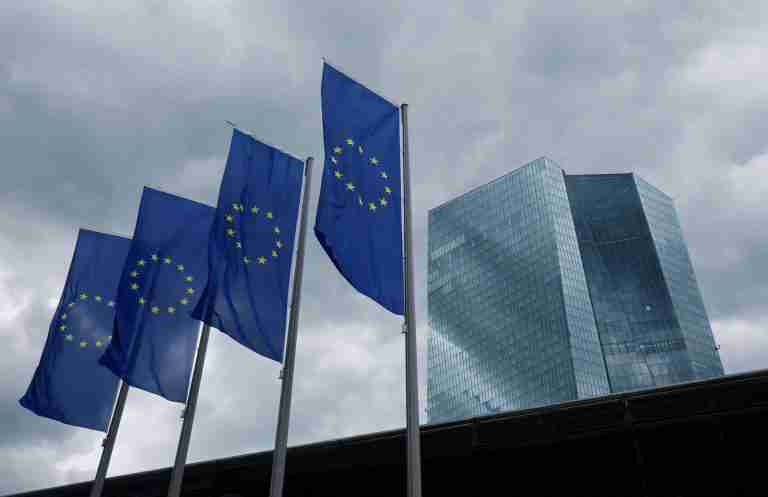
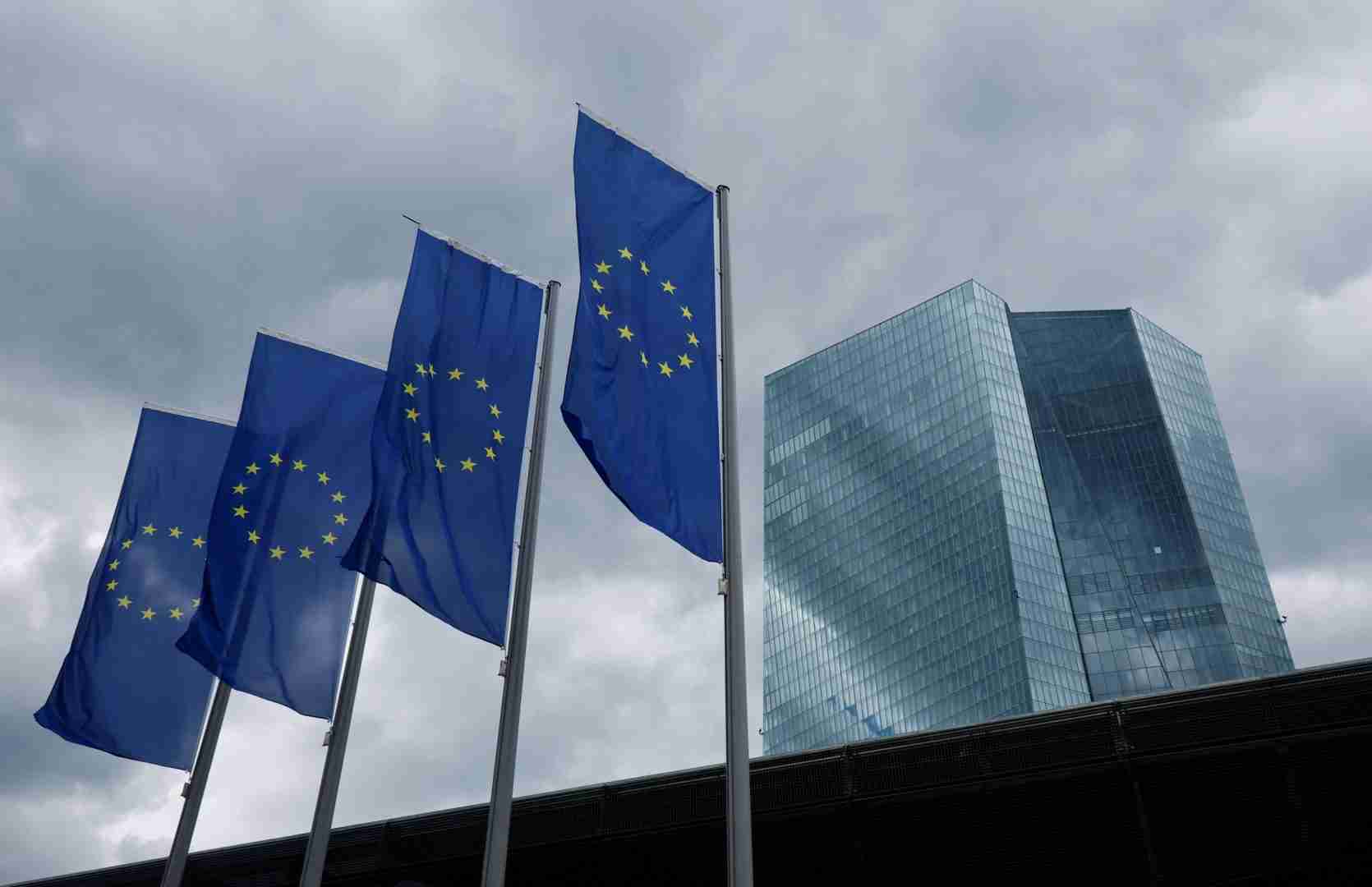
Euro zone banks face only a limited direct impact from the war in Iran, but the larger danger lies in how a weakened economy might feed back into lenders’ balance sheets, a senior European Central Bank supervisor told Reuters.

In a wide-ranging interview, Pedro Machado addressed concerns stretching from Middle East tensions to the recent wobble in private markets, while warning that a boom in complex securitisation deals merits closer scrutiny.

The threat of a broader conflict in the Middle East has sharpened fears of another inflation burst and renewed pressure on growth in the euro zone, which depends on Gulf suppliers for some of its gas and on Suez Canal routes for Asian goods.

Machado, one of the ECB’s top bank watchdogs, said euro zone banks’ direct exposure to Iran and Israel was small relative to their ability to absorb losses at 0.7% of core capital for assets, such as loans, and 0.6% for liabilities like bank bonds.

“Even if you include neighbouring countries, the exposures are pretty contained, representing slightly less than 1% of supervised entities’ total assets,” he said in an interview. 

Large euro zone banks have assets worth 27.8 trillion euros ($32.32 trillion), according to the latest ECB data, meaning 1% of that would be worth 278 billion euros.

Machado did not quantify the exposure for individual banks, consistent with the ECB’s communication policy.

The more consequential risk, he added, lies in any renewed surge in energy prices feeding into inflation and, ultimately, a slowdown that would squeeze borrowers.

“In the long term if we have energy prices heating up, we might have an inflation spike with recessionary potential impacts in terms of economic activity,” Machado said. “And this translates into a potential impact on unemployment, which is a variable that is quite important for banks.”

SHADOW BANKS IN FOCUS

Machado downplayed the relevance for European lenders of the recent turbulence in U.S. private credit – most recently at Blackstone’s flagship fund – saying he had not seen “any particular evidence” of spillover.

But he said the ECB was sharpening its focus on synthetic securitisations, in which banks shift portfolio risks to outside investors using derivatives or guarantees. Supervisors want to ensure the risk does not boomerang back into the banking system through indirect financing channels.

“We intend to collect individual information on those transactions to then try to have a much more aggregate view on those, both in terms of volume but also in terms of potential exposure through the back door,” he said.

Synthetic risk-transfer deals have been booming, rising 85% in the first half of 2025 from a year earlier, helped by changes in regulation.

($1 = 0.8602 euros)

Editing by Kirsten Donovan and Nick Zieminski
Airline shares rebound as trickle of Middle East flights resume

Governments have scrambled to arrange flights out of the Middle East for tens of thousands of citizens stranded by the intensifying U.S. and Israeli conflict

International News via Reuters:

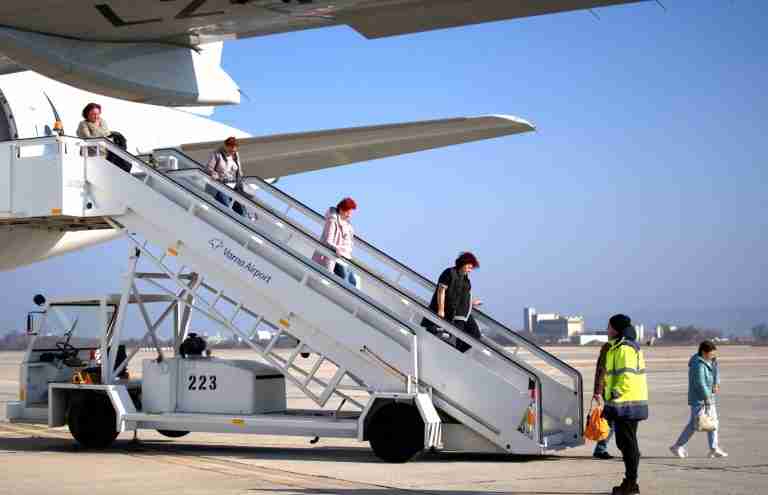
Airline shares rebounded on Thursday, as more flights took off from the Middle East, giving carriers some reprieve after U.S.-Israeli strikes on Iran wiped billions of dollars off their market value earlier in the week.

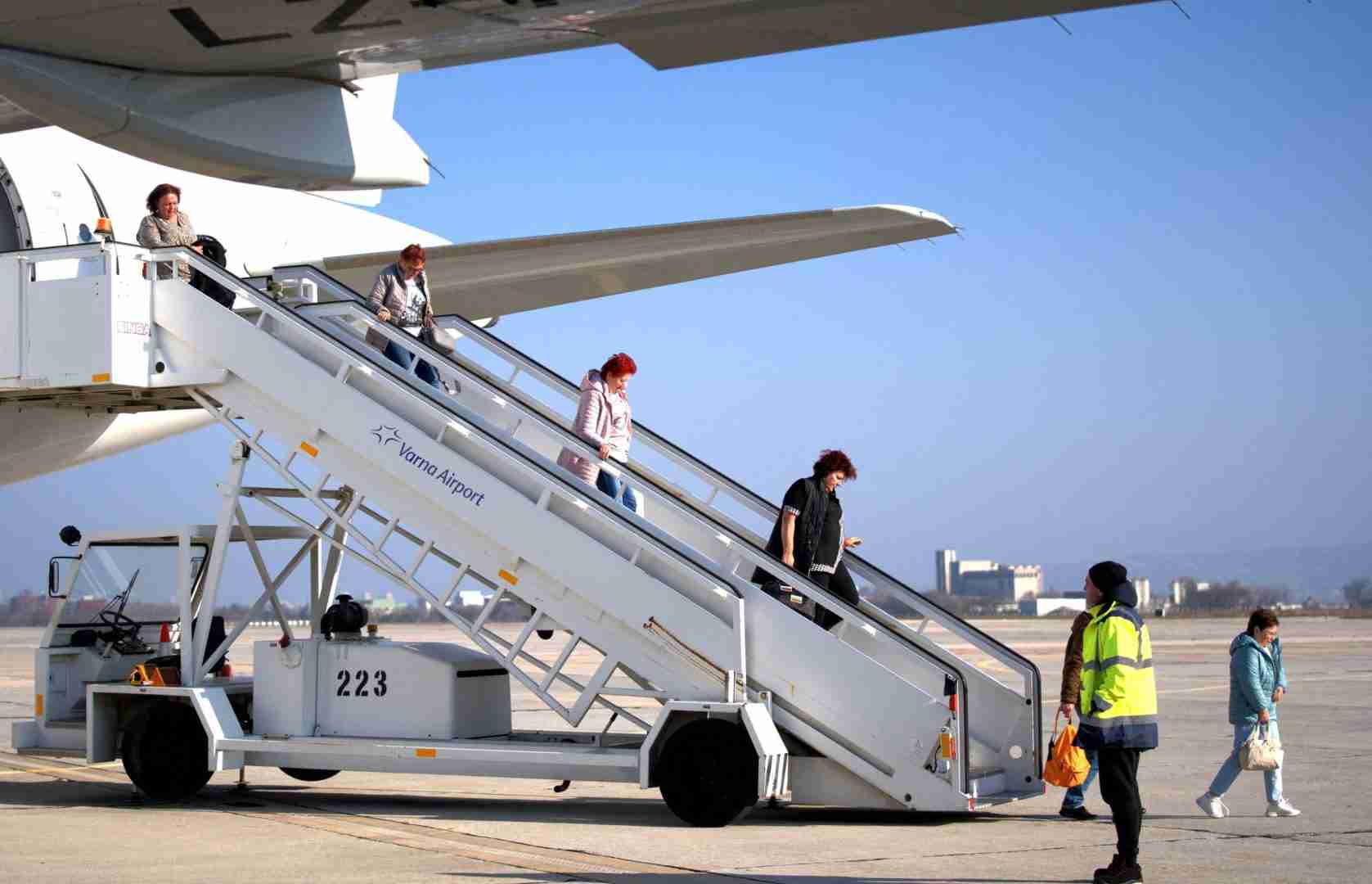
Governments have scrambled to arrange flights out of the Middle East for tens of thousands of citizens stranded by the intensifying U.S. and Israeli conflict that closed most of the region’s airspace due to the risk of missiles hitting planes.

Shares in Hong Kong’s Cathay Pacific Airways closed up 2.2%, Qantas Airways rose 1% and Korean Air Lines jumped 5.6%. Japan Airlines closed down 1%, paring the week’s losses.

Major Chinese carriers such as Air China,, China Eastern Airlines, and China Southern Airlines, fell between 1% and 4% in both Hong Kong and Shanghai as they stabilised.

“Asian airlines are highly sensitive to Iran’s situation due to exposure through routes and energy in both revenue and costs. Any news on shortening the duration of the war can easily turn sentiment,” said Gary Ng, a senior economist at Natixis.

Ticket prices soared on popular routes such as Australia to Europe after the closure of Dubai, the world’s busiest international airport, which normally handles more than 1,000 flights a day.

Emirates and Etihad Airways are now operating a limited number of services from Dubai and Abu Dhabi through the United Arab Emirates’ safe air corridors.

Qatar Airways said it would run limited relief flights from Thursday for stranded passengers departing from Muscat in Oman to six European destinations including London, Berlin and Rome as well as from Riyadh to Frankfurt.

These would be the airline’s first flights since Saturday, when its Doha hub was shut after the strikes on Iran, according to flight-tracking service Flightradar24.

By Thursday morning, Emirates flights had left Dubai for destinations such as Sydney, Hong Kong, Paris, Amsterdam, Toronto and Mumbai, data from the tracking service showed, though the vast majority of services remained cancelled.

The number of take-offs and landings at Dubai airport totalled 161 on Wednesday, Flightradar24 said, nearly double those of the previous day.

A U.S. government charter flight was bringing Americans home from the Middle East, with additional flights being arranged from other regional locations, the U.S. State Department said.

Since February 28, more than 17,500 Americans have returned to the United States from the Middle East.

Canada said it was working to repatriate stranded citizens on commercial flights and contracting charter flights.

In addition to upending travel, the escalating Middle East conflict has also reduced the world’s air cargo capacity by more than a fifth and driven up freight rates.

ASIAN AIRLINE SHARES REBOUND

Jet fuel prices have soared globally since the strikes on Iran, hitting an all-time high in Singapore on concerns of supply disruption, S&P Global Platts said on Thursday.

Nevertheless, many Asian airline shares rebounded from double-digit percentage drops in the past few days amid concerns over how long the conflict might last and the impact of surging oil prices.

“For now, I consider this rebound to be primarily short-term in nature, and its sustainability will still depend on the ongoing situation in the Iranian conflict,” said Kenny Ng, a securities strategist at China Everbright Securities International.

In a sign of possible relief, operatives from Iran’s Ministry of Intelligence signalled openness to the U.S. Central Intelligence Agency (CIA) to talks on ending the war, the New York Times said, citing officials briefed on the matter.

The restrictions on airspace forced airlines to reroute flights, load extra fuel or make additional refuelling stops to guard against sudden diversions or longer flights on safer routes.

Marooned tourists and some expatriates have also tried to find their own way out of the Middle East through Saudi Arabia or Oman, where the airspace remains open.

Reporting by Julie Zhu and Joyce Zhou in Hong Kong; Additional reporting by Li Gu in Shanghai; Writing by Anne Marie Roantree; Editing by Jamie Freed and Clarence Fernandez

Oil leaps 3% on supply concerns as Iran conflict widens

Brent crude advanced $2.44, or 3%, to $83.84 per barrel by 0722 GMT, a fifth session of gains. U.S. West Texas Intermediate crude rose $2.44, or 3.27%, to $77.10

International News via Reuters:

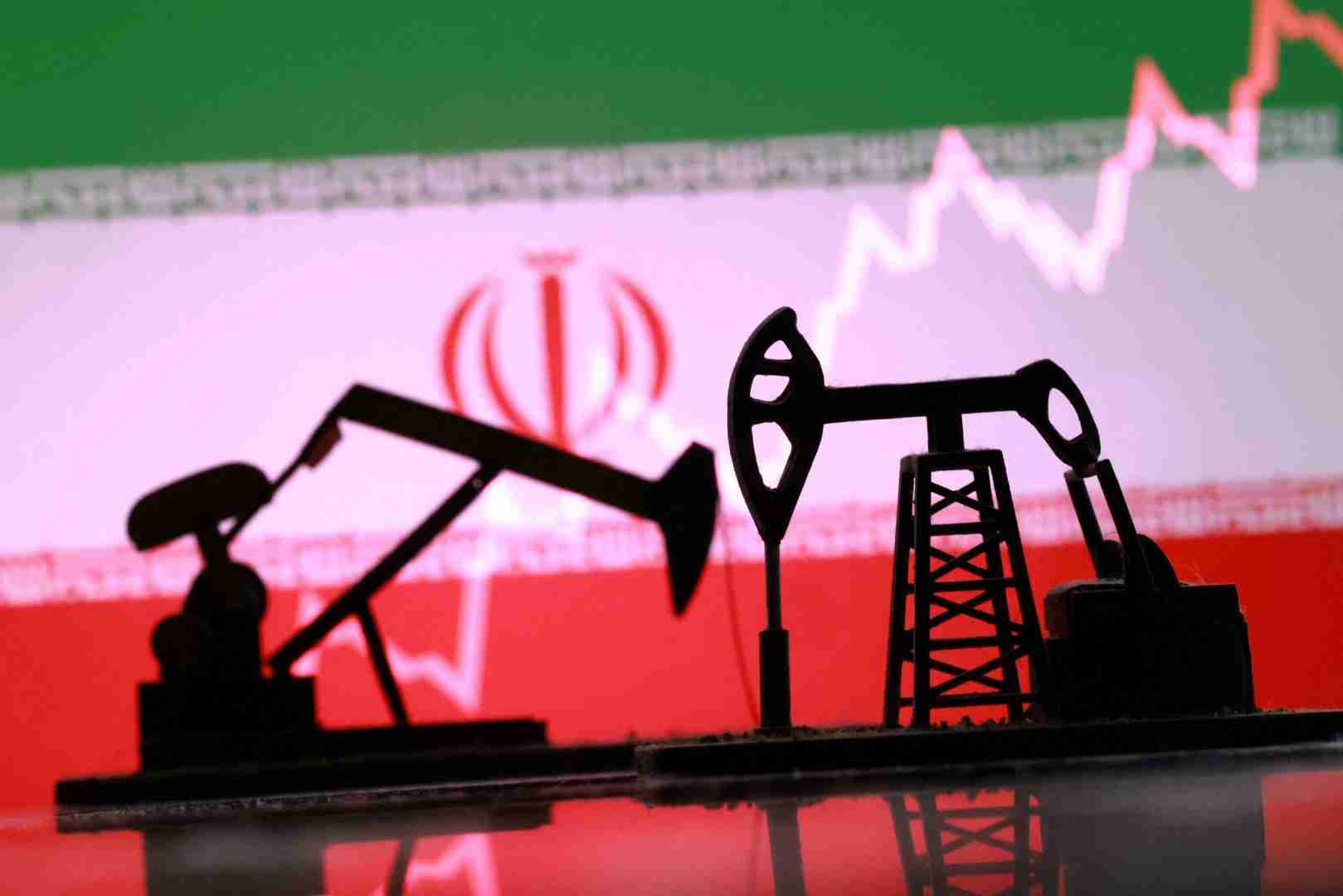
Oil prices surged more than 3% on Thursday, extending a rally as the escalating U.S.-Israeli war with Iran raised fears of prolonged disruptions to vital Middle East oil and gas supplies.

Brent crude advanced $2.44, or 3%, to $83.84 per barrel by 0722 GMT, a fifth session of gains. U.S. West Texas Intermediate crude rose $2.44, or 3.27%, to $77.10.

Crude oil markets remained on edge as they face ongoing risks to supply following the attacks in the Middle East, with concerns centred on trade flows through the Strait of Hormuz, ANZ analysts said in a note on Thursday.

Iran launched a wave of missiles at Israel early on Thursday, sending millions of residents into bomb shelters as the conflict entered its sixth day and just hours after moves to halt the U.S. attacks were blocked in Washington.

On Wednesday, a U.S. submarine sank an Iranian warship off Sri Lanka, killing at least 80 people, and NATO air defences destroyed an Iranian ballistic missile fired towards Turkey.

Iranian forces have struck oil tankers in or near the Strait of Hormuz. Explosions were reported near a tanker off Kuwait, according to the United Kingdom Maritime Trade Operations.

The escalation came as the powerful son of Iran’s slain supreme leader emerged as a frontrunner to succeed him, suggesting Tehran was not about to buckle to pressure five days after the United States and Israel launched a military campaign that has killed hundreds and convulsed global markets.

Iraq, the second-largest crude producer in the Organization of the Petroleum Exporting Countries, has cut output by nearly 1.5 million barrels a day for lack of storage and an export route, officials told Reuters.

Qatar, the biggest liquefied natural gas producer in the Gulf, declared force majeure on gas exports on Wednesday, with sources saying a return to normal production volumes may take at least a month.

Two oil traders said they held bullish expectations for oil prices as a quick resolution to this war seemed unlikely.

At least 200 ships, including oil and liquefied natural gas tankers as well as cargo ships, remained at anchor in open waters off the coast of major Gulf producers including Iraq, Saudi Arabia and Qatar, according to Reuters estimates based on ship-tracking data from the MarineTraffic platform.

Hundreds of other vessels remained outside Hormuz unable to reach ports, shipping data showed. The waterway is a key artery for around a fifth of the world’s oil and LNG supply.

China’s government has asked companies to suspend signing new contracts to export refined fuel and to try to cancel shipments already committed, industry and trade sources said on Thursday.

Reporting by Katya Golubkova in Tokyo and Siyi Liu in Singapore; Editing by Clarence Fernandez, Jacqueine Wong and Tom Hogue

Italy ready to hike taxes on firms that speculate on energy prices, PM says

In an interview with radio broadcaster RTL 102.5, Meloni also reiterated Italy was in favour of freezing the ETS carbon-permit scheme to soften energy bills across the European Union

International News via Reuters:

Italy is ready to hike taxes on companies that take undue benefits from the rise in gas prices triggered by the Middle East crisis, Prime Minister Giorgia Meloni said on Thursday.

In an interview with radio broadcaster RTL 102.5, Meloni also reiterated Italy was in favour of freezing the ETS carbon-permit scheme to soften energy bills across the European Union.

“We will do everything we can to stop speculation. I am ready to react, if necessary, even by raising taxes on companies that may speculate on prices through energy bills,” Meloni said.

Her remarks come just a few days after Italy increased its IRAP corporate tax on energy firms to help fund an aid package for families and businesses, in a move that would yield state coffers around 1 billion euros ($1.16 billion) through 2028.

EU leaders are assessing ways to curb volatility in the EU carbon market, as part of a revision of the market planned for later this year.

Meloni said the ETS scheme should be reviewed to avoid affecting companies producing energy from renewable sources.

The Emissions Trading System (ETS), which is the EU’s most important climate-change policy, forces power plants and industries to buy CO2 permits when they pollute – and caps the number of permits in the market – to curtail emissions over time.

“We have always called for the cost of ETS to be separated from the pricing of renewable energies such as hydroelectric and solar power, in order to lower energy costs,” Meloni said.

Italy, however, triggered widespread criticism last month for adopting a reimbursement scheme benefitting thermoelectric producers, with green energy advocates saying the move would favour fossil-fuel-based producers.

($1 = 0.8617 euros)

Reporting by Claudia Cristoferi and Giuseppe Fonte, Editing by Alexandra Hudson

Arcline joins list of bidders for UK aerospace supplier Senior

The aero parts supplier to Boeing and Airbus in February disclosed that it had received five proposals, of which two bidders, Advent and Tinicum-Blackstone, were known

International News via Reuters:

British aerospace supplier Senior said on Thursday Arcline Investment Management has made a preliminary all-cash offer for the company, as talks with other potential buyers continue.

The aero parts supplier to Boeing and Airbus in February disclosed that it had received five proposals, of which two bidders, Advent and Tinicum-Blackstone, were known.

Senior and the bidders have not yet disclosed the value of the bids. The company had a market value of about 1.26 billion pounds ($1.68 billion), as of Wednesday’s close.

Bloomberg News first reported on the private equity firm’s interest on Wednesday, a day after a consortium including Tinicum and Blackstone announced their interest to acquire Senior. 

($1 = 0.7502 pounds)

Reporting by Prerna Bedi and Yamini Kalia in Bengaluru; Editing by Sumana Nandy and Subhranshu Sahu

Portuguese leader, in contrast with Spain, defends decision to let US use base in Iran campaign

A longstanding agreement with the United States allows Washington to use the base without prior authorisation during peacetime, but required Portugal to give approval once hostilities began

International News via Reuters:

Portuguese Prime Minister Luis Montenegro defended his decision to let the United States use the Lajes airbase on Portugal’s Azores Islands during the Iran bombing campaign, a position at odds with that of neighbour Spain which refused such requests.

A longstanding agreement with the United States allows Washington to use the base without prior authorisation during peacetime, but required Portugal to give approval once hostilities began.

Montenegro told parliament on Wednesday that U.S. use of the base was in compliance both with Portuguese law and agreements with the United States. Authorisation was granted for defensive purposes, based on necessity and against military targets, following international law, he said.

“Portugal objectively has a close relationship with our ally, the United States,” Montenegro told lawmakers.

“Iran repeatedly violated international norms with its nuclear ambitions and long-range missile capabilities,” he said, describing Tehran as a state sponsor of international terrorism.

Portugal’s stance starkly contrasted with that of Spain, which angered President Donald Trump by refusing permission to use its bases. Montenegro did not directly address the difference in policy between the neighbours but noted that Portugal was a founding member of the NATO alliance in 1949, whereas Spain joined only in 1982.

He said the government believed diplomacy must be the priority, but since the start of the conflict, Iran had attacked other countries that had not previously engaged in any hostilities.

The government will also implement an “extraordinary and temporary” reduction of the tax on petroleum and energy products to offset any fuel price increase above 0.10 euros ($0.12) of this week’s price due to the conflict, he added.

($1 = 0.8595 euros)

Reporting by Sergio Goncalves; Writing by Paolo Laudani; Editing by Charlie Devereux, David Latona and Peter Graff

Nepal goes to the polls; voters seek change after youth-led protests

Perched between China and India, the country of 30 million people has been plagued for decades by political instability, crippling a largely agrarian economy and worsening unemployment

International News via Reuters:

Nearly six months after a wave of unprecedented youth-led protests and the deaths of 77 people forced Nepal’s then prime minister to quit, people began voting on Thursday in a general election that will choose a new parliament in the Himalayan nation.

Perched between China and India, the country of 30 million people has been plagued for decades by political instability, crippling a largely agrarian economy and worsening unemployment – structural issues compounded by rampant corruption.

The long-festering malaise erupted into street demonstrations last September, triggered by a social media ban, that brought thousands on the streets, leading to clashes and fatalities that forced the resignation of Prime Minister K.P. Sharma Oli. 

On Thursday, voters flocked to schools, temples and ancient courtyards that have been converted into polling booths across the country, with some braving the morning chill in the capital Kathmandu to vote early.

Voting started at 7 a.m. local time (0115 GMT) and will close at 5 p.m., with counting scheduled to start soon after, according to the country’s election commission.

Officials said more than 300,000 security personnel, including the military, had been deployed to ensure peaceful voting in the more than 23,000 pooling booths across the country.

Oli, who leads the moderate Communist Party of Nepal (Unified Marxist-Leninist, UML), is once again in the fray, along with more than 3,400 other candidates from 65 parties.

They include the country’s oldest party, the Nepali Congress led by 49-year-old Gagan Thapa, and the Nepali Communist Party (NCP) comprising former Maoist insurgents who joined mainstream politics. 

Together with UML, these parties have dominated Nepali politics for the last three decades, although the country has seen 32 government changes in the past 35 years.

But the frontrunner for these polls is the three-year-old Rastriya Swatantra Party (RSP), which has fielded the charismatic rapper-turned-politician Balendra Shah as its prime ministerial candidate.

The 35-year-old former mayor of Nepal’s capital Kathmandu is drawing large crowds, connecting with legions of young voters clamouring for change on the ground and online, even as he takes on Oli, 74, on his home turf in the Jhapa constituency along the Indian border.

JOBS, CORRUPTION, MAIN ISSUES

In Jhapa, Menuka Chauhan,70, standing in line for more than 40 minutes at a polling booth, said she was worried about her son who was working in Qatar as a security guard, as tensions in the Middle East escalated.

“I can’t sleep at night. I worry all the time. My son tells me bombs keep dropping there. I wish there were employment opportunities here,” she said.

Promises of jobs, reining in corruption and improving governance – all demands raised during the September protests – have dominated much of the election campaign.

“The election is critical to address the aspirations of the youths expressed during the Gen Z protests,” said political analyst Puranjan Acharya.

“If the newly elected leaders are seen as unfit to do so, there is a risk of further trouble.”

Some 19 million voters are eligible to cast their ballot for 275 members of parliament through a mixed electoral system – 165 seats in direct first-past-the-post elections and 110 through proportional representation.

Early trends are likely to emerge by Friday but complete results could take a week or more as counting of proportional representation votes would take time, election commission officials said.

“Voting is not just about sending someone to victory,” Interim Prime Minister Sushila Karki, who took over after Oli, said in a public broadcast this week.

“It’s a decision you make about your future and that of your children.”

Reporting by Gopal Sharma and Sahana Bajracharya , Writing by Devjyot Ghoshal and Shilpa Jamkhandikar; Editing by Raju Gopalakrishnan

Iran crisis could disrupt supply of key chipmaking materials, South Korea warns

South Korea’s chip industry, which supplies around two-thirds of global memory chips, is also concerned that a prolonged conflict in Iran will lead to higher energy costs and prices

International News via Reuters:

The U.S.-Israel war with Iran could disrupt supplies of key semiconductor manufacturing materials, a South Korean ruling party lawmaker said on Thursday, as the conflict in the Middle East entered its sixth day.

South Korea’s chip industry, which supplies around two-thirds of global memory chips, is also concerned that a prolonged conflict in Iran will lead to higher energy costs and prices, Kim Young-bae said after meeting with executives from companies such as Samsung Electronics and trade groups.

“Officials raised a possibility that semiconductor production could be disrupted if some of these key materials cannot be sourced from the Middle East,” he said at a briefing with reporters, giving helium as one example.

Helium is essential for heat management during semiconductor production and it has no viable alternatives currently. It is only produced in a handful of countries, with Qatar among the leading players in the industry.

The warnings come as chipmakers grapple with severe supply bottlenecks due to surging chip demand from AI data centre operators that has tightened supplies to many other industries, including smartphones, laptops and automobiles.

South Korean chipmaker SK Hynix said in a statement it has “long secured diverse supply chains and sufficient inventory” of helium, “therefore there is almost no chance that the company will be affected.”

Samsung declined to comment. 

Taiwan’s TSMC said in a statement that it did not anticipate any significant impact currently, and will continue monitoring the situation closely.

Contract chipmaker GlobalFoundries said it is “in direct contact with suppliers, customers and partners in the region”, and “mitigation plans” are in place.

South Korea’s industry ministry said the country relies heavily on the Middle East for 14 other items in chip supply chains, including bromine and chip inspection equipment, but that many of them can be sourced domestically or from other markets.

IMPACT ON DATA CENTRES

South Korea’s chip industry also warned the crisis could deal a setback to plans by big tech firms to build AI data centres in the Middle East in the longer term, thus weighing on chip demand, said Kim, the ruling party lawmaker. 

Amazon said on Monday some of ​its data centres in the United Arab Emirates and Bahrain were damaged by drone strikes, sparking questions around Big Tech’s pace of expansion in the region.

U.S. tech giants like Microsoft and Nvidia have been positioning the UAE as a regional hub for artificial intelligence computing needed to power services such as ChatGPT. 

Iran launched a wave of missiles at Israel early on Thursday in retaliation for U.S. and Israeli strikes that killed Supreme Leader Ayatollah Ali Khamenei on Saturday.

Reporting by Heejin Kim, Hyunjoo Jin and Joyce Lee; Additional reporting by Heekyong Yang and Jun Yuan Yong; Editing by Ed Davies, Christian Schmollinger, Miyoung Kim and Kevin Buckland

Man hospitalised after reported gunshots in Devonshire

Evidence of firearm discharge discovered; investigation underway.

Around 10:40pm on 4 March 2026, police received several reports of what were believed to be gunshots in the Mary Victoria Road / Alexandra Road area of Devonshire.

Armed officers were quickly dispatched to the location to conduct inquiries, and evidence suggesting that a firearm had been discharged was discovered.

A short time later, police also received reports that a male had attended King Edward Memorial Hospital with injuries consistent with a gunshot wound. The seriousness of the male’s injuries is not known at this time.

Police have since cordoned off the area, and an investigation is now underway.

Anyone with information that may assist this investigation is urged to contact police by calling 211 as soon as possible.

Bermuda pauses for grief awareness

Residents are invited to gather at City Hall to remember loved ones, observe a moment of silence, and support counselling and outreach

This Friday, March 6, 2026, Bermuda will pause together as The Gina Spence
Program (Registered Charity #856) hosts Bermuda’s 2nd Annual Grief & Loss Awareness Day
(BGLAD) from 12:00 PM to 1:30 PM on the Front Steps of City Hall, Hamilton.


Now in its second year, BGLAD is a national observance dedicated to honoring loss, acknowledging
grief in all its forms, and reminding our community that healing is supported and possible. The day
brings together individuals, families, professionals, leaders, and community partners in a shared
moment of compassion, reflection, and care.


The 2026 observance places a focused lens on road fatalities, recognizing the profound impact of
sudden loss in a close-knit island community, while still holding space for the more than 40 types
of grief and loss
people experience across a lifetime.


Minister of Tourism & Transport, Culture & Sport The Hon. Owen Darrell, JP MP, emphasized the
importance of the observance and the community’s role in supporting those experiencing grief.
“This Friday, March 6 is not just another day. It is a time for us to stop and acknowledge the deep
emotional pain that many people in Bermuda are feeling, particularly those who have lost loved
ones suddenly through road accidents. No one should have to face grief alone.”


Community partners and first responders who witness the impact of road tragedies firsthand are
also supporting the initiative. Chief EMT Officer Walter Brangman of the Bermuda Hospitals
Board
noted that emergency responders see the human impact of road accidents every day. “Our
EMTs respond to road traffic accidents daily, and increasingly the injuries are serious and
sometimes fatal. Our hearts go out to the families and loved ones of these victims every time it
happens.”


Similarly, Chief Inspector Derricka Burns of the Bermuda Police Service shared that road
fatalities leave lasting impacts on families and communities. “Behind every statistic is a name, a
face, and a family. Every road fatality represents a life cut short. We encourage the community to
honor those we have lost not only with remembrance, but with action — by making responsible
choices on our roads.”

The public is warmly invited to attend and participate by:

  • Wearing orange in visible support of grief awareness
  • Bringing a chair for comfort during the community gathering
  • Making a donation in memory or honor of a loved one, contributing to accessible grief
    and loss services across Bermuda

The observance will include community reflection, live testimonials, local performances, a
national moment of silence observed across major radio platforms, and a facilitated therapeutic
solidarity activity led by trained professionals.


Corporate companies, local businesses, community groups, and individuals who wish to make a
donation or learn more about supporting Bermuda’s Grief & Loss Awareness Day are encouraged
to contact 296-0016 or email info@gspcharity.com.


All funds raised support The Gina Spence Program’s grief and loss services, including subsidized
counselling, education, and outreach for individuals and families impacted by sudden and
traumatic loss.


Bermuda’s Grief & Loss Awareness Day is more than an event it is a collective pause. A moment to
remember, to stand together, and to affirm that grief deserves care, understanding, and
community support.


This Friday, Bermuda wears orange. Bermuda remembers. Bermuda stands together.

Ministry releases 2025 Cambridge Checkpoint and IGCSE results

System-wide data show high overall certification while underscoring the need to raise A*–C attainment and strengthen literacy and numeracy

(SCROLL down for PDF of results)

The Department of Education has released the 2025 Cambridge International Education (CIE) Checkpoint and IGCSE results for the Bermuda Public School System (BPSS). These assessments provide important insight into student performance as the Ministry continues its work to strengthen teaching and learning across the system. Checkpoint assessments serve as diagnostic tools that help identify specific learning gaps, while IGCSEs are internationally recognised qualification examinations. Only the Checkpoint assessments are designed for diagnostic purposes.

The BPSS serves every child, regardless of learning needs or starting point; it is a comprehensive, not a selective system. As a result, system performance reflects the full range of student outcomes across Bermuda’s public schools. The system-wide summary report for the 2025 Checkpoint diagnostic assessments and the IGCSE qualification results is available at www.moed.bm under the “Public Documents and Reports” tab.

The Ministry does not publish individual school-level CIE and IGCSE results in isolation because cohort sizes in Bermuda are small, and publication of raw results without appropriate statistical context can lead to misleading comparisons and unintended identification of individual students. As previously mentioned, checkpoint assessments are diagnostic in nature and are not designed for school ranking or league table publication.

At this time, there are no plans to publish annual league-table style comparisons of individual schools. However, the Ministry continues to review its reporting framework to ensure that it balances transparency, student privacy, and responsible interpretation of data. System-wide data and A*–C attainment data are published to ensure public accountability.

Within the Cambridge framework, grades A* through G are all internationally recognised passing grades, with a “G” confirming that a student has met the threshold for a certified qualification. The Department remains committed to transparent reporting by publishing both the percentage of students who meet the A*–G passing thresholds and the percentage who meet competitive international benchmarks (A*–C). While the Checkpoint and IGCSE (A*–C) results are available on the Ministry’s website, the current Budget Book reports performance measures aligned to the full range of internationally recognised passing grades (A*–G).

The Ministry does not consider the Budget Book performance measures to be disingenuous. They reflect internationally recognised passing thresholds. However, the Ministry acknowledges that international competitiveness is more commonly benchmarked at A*–C, and for that reason, A–C performance data is also publicly available. Both measures provide important, but different, insights into system performance.

While overall A*–G pass rates exceed 90 per cent, A*–C attainment rates demonstrate that there remains work to be done to align more closely with international averages. The Ministry recognises this gap and is addressing it directly through instructional reform and targeted academic supports.

The results indicate that, when compared to international averages, there is room for improvement and the continued need to strengthen literacy and numeracy, enhance instructional quality, and stabilise school operations—areas that remain central to the Ministry’s ongoing education transformation efforts.

It should be noted that Bermuda’s performance relative to international averages is influenced by several factors, including the non-selective nature of the public school system, small cohort sizes, which can create statistical volatility, and the academic disruption experienced globally during and following the COVID-19 pandemic. Additionally, the system is emerging from a prolonged period of leadership turnover and structural reform, which has impacted the consistency of instructional delivery.

The 2025 results reinforce the importance of the system-wide improvements that are currently underway. The Ministry and Department remain focused on:

  • Long-term stability and strengthening classroom-level capacity. This includes ensuring leadership stability across schools, with all primary and middle schools now led by substantively appointed principals.
  • Sustained instructional focus on literacy and numeracy, ongoing intentional professional development for teachers and implementation and monitoring of accountability measures.
  • Multi-Tiered System of Support (MTSS) process is being strengthened to ensure that students receive targeted, holistic support when they need it.
  • Each school is implementing a data-driven School Improvement Plan aligned to system priorities.

Since the introduction of strengthened leadership development, including SMART goal-setting training for school leaders, all schools now operate under measurable School Improvement Plans with defined literacy and numeracy targets. Leadership stability has improved with reduced acting appointments and improved continuity in instructional oversight. These measures are foundational and are expected to support academic outcomes.

The 2025 results demonstrate that, although overall certification rates are being sustained, greater progress is required to improve A*–C attainment and align diagnostic performance more closely with international benchmarks. The Ministry remains committed to transparent reporting, strengthened instruction, stable leadership, and structural changes designed to focus on measurable student achievement. Education transformation extends beyond facilities; infrastructure adjustments are intended to support coherent instructional delivery and improved learning conditions. Student outcomes remain the central measure of success, and all structural and operational improvements are being advanced with that objective in view.