Thursday, November 5, 2026
Home Blog Page 432

School book drive seeks public support

Nikita Robinson invites residents to help deliver over 1,300 books to schools for World Book Day


Media release:

Evangelist Nikita Robinson of The Worship Room on Magic102.7FM is inviting the public to support a school of their choice by purchasing and or reading their favorite book(s) to help celebrate World Book Day 2026, 2 days away.

1,337 books will be delivered to 37 pre/nursery schools throughout the Island in celebration of World Book Day. Each preschooler will receive their very own book. In addition, 15 public primary school reading classes and Public Middle and High school libraries, as well as the Boys and Girls Home will be receiving books as well. World Book Day is Nikita’s favorite day of the year, which happens to be 2 days after her 58th birthday this year. The love of literacy will be spread from one end of the island to the other by community sponsors and reading volunteers. Dr. Llewellyn Simmons from the Department of Education has lent his support by encouraging each of the reading specialists at our public primary schools to pick out specific books in the Bookmart department of Brown & co., and by donating copies of Celebrating 50 years of Motocross in Bermuda to each student motocross champion across our island schools.

It’s not too late to participate:

To donate, go to or call The Bookmart department at Brown & co with your debit or credit card at 279-5441 to purchase books or a gift card for a school that still needs books. All 37 nursery & preschools on the birthday book drive list have been sponsored, Yayyyyy! but there are just a few Primary Schools that either need co-sponsors or additional books to be purchased.

Please help me by sending thank-you(s) to our wonderful community sponsors that have already committed to helping share the love of reading this Thursday March 5th:

Sponsors: Premier the Honourable David Burt & First Lady Kristin Burt, Minister Diallo Rabain, Minister Alexa Lightbourne, Minister Tinee Furbert, Minister Michael Weeks, MP Jamahl & Sherrie Simmons, MP Renee Ming, Dr Ewart & Wanda Brown, Michael Dunkley, Wayne Caines, SMITH Technologies, Deloitte, MWI Community Rehabilitation Services, RenRe, Inter-Island Communications, Lindo’s, Customs Department, Sandy’s Rotary, Hamilton Re, Orchid Nail Spa, Skyport, Southampton Parish Council, AKA, Lifestyle Co. Ltd, One Communications, AllShores, Security Associates, Barritt’s, Northshore Medical, Options/Noesis Consulting Ltd., Paynter’s Towing, Bermuda Longtail Real Estate, Bermuda College, English Department at Cedarbridge Academy, Janet & Tiffany Durham, Smith & Dowling family, Furbert & Harris Family, Kleita & Tazara Pitcher, Traci Burgess & Kira Hines, Cindy Clarke, Carys Caisey, L’tanya Roberts, Lizzie Gibbons, Victoria Millett, Reading Between the Wines, Media Mavens, Book Solid, Bermuda Book Club, Bermuda Community, and those that choose to remain anonymous.

If you are interested in purchasing books or a gift card, contact Brown & Co 279-5441. Interested in reading email Nikita@hott1075bermuda.com. Thank you for helping celebrate World book day 2026!


UK’s Senior gets takeover proposal from consortium that includes Blackstone

Senior, a parts-supplier to Boeing and Airbus, last week disclosed it had received five takeover proposals in recent months, with private equity firm Advent confirming it was one of the suitors

International News via Reuters:

Senior Plc has received a takover proposal from a consortium comprised of Tinicum and Blackstone, the British aerospace supplier said on Tuesday.

Senior, a parts-supplier to Boeing and Airbus, last week disclosed it had received five takeover proposals in recent months, with private equity firm Advent confirming it was one of the suitors.

Discussions with the consortium and other potential offerors are ongoing, Senior said.

Reporting by Prerna Bedi and Rishab Shaju in Bengaluru; Editing by Mrigank Dhaniwala

Euro zone inflation jumps before likely oil price hit

Inflation in the 21 countries that share the euro jumped to 1.9% from 1.7% a month earlier, outpacing expectations for 1.7%, as rising food and services costs offset low energy prices, data from Eurostat showed

International News via Reuters:

Euro zone inflation rose more than expected last month but remained below the European Central Bank’s 2% target, fresh data showed on Tuesday, before a likely hit from surging oil and gas prices.  

Inflation in the 21 countries that share the euro jumped to 1.9% from 1.7% a month earlier, outpacing expectations for 1.7%, as rising food and services costs offset low energy prices, data from Eurostat showed.

Underlying inflation, which excludes volatile fuel and food prices meanwhile increased to 2.4% from 2.2% as services inflation once again accelerated more than predicted.

The figures, though surprisingly high, carry only modest relevance now as policymakers will be focusing on how war in the Middle East and the resulting more than 10% surge in oil prices could affect inflation and economic growth. 

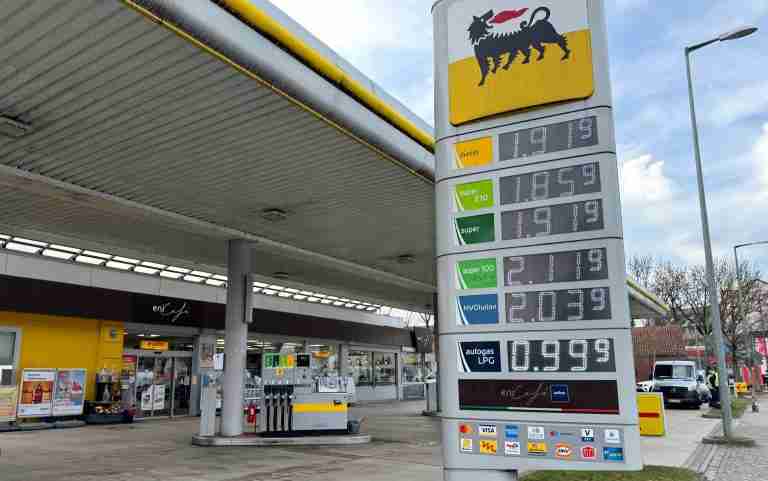
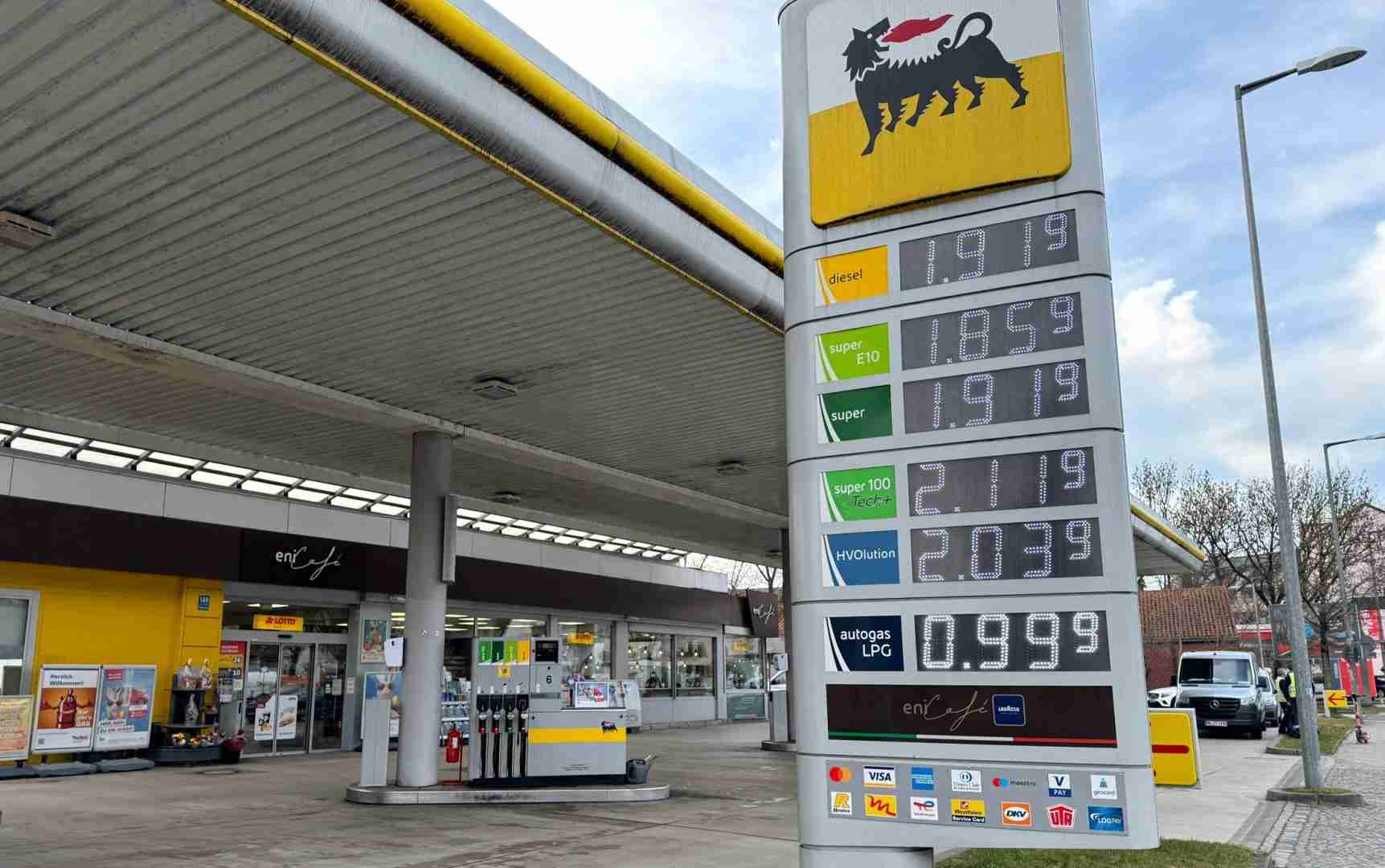
Fuel retailers pass surging costs onto drivers in a matter of only days, so the price impact could be quite immediate, if the conflict continues to limit energy production or shipments beyond just a few days. 

JP Morgan argues that a 10% increase in Brent crude oil prices calculated in euros would lift headline inflation by 0.11 percentage points within three months.

On that basis, the energy price move seen in the past week would lift inflation by about 0.2 percentage points, if prices stabilised at their current level, it argued.

However, inflation was projected to run below target in both 2026 and 2027, so an increase, if indeed contained, may not put immediate pressure on the ECB to raise interest rates, especially since policy acts with long lags and does little to dampen price pressures in the near term.

Indeed, financial markets see no change in the ECB’s 2% deposit rate all year and there has also been no meaningful uptick in longer-term inflation expectations, indicating that the war was unlikely for now to dislodge the ECB from its ‘good place’.

“Given that headline inflation is still expected to remain below 2% in 2026–27, there is no immediate need for ECB policy action,” Societe Generale said in a note.

“Only a persistent and substantially larger increase in oil prices — well above $10/bbl — and evidence of durable second‑round effects would justify a tightening response,” it added.

But the ECB may not be as patient as it was in 2022, when the bank was late in recognising the inflation surge and had to lift rates at a record pace to contain prices.

The ECB is also likely to be more alert as domestic inflation has been holding above target for years and only an earlier fall in oil prices pulled the measure below target. 

Such a setting would suggest that the ECB stays put as long as the price surge looks like a one-off but would act quickly if longer-term expectations or wage-setting behaviour started to change. 

The bank will next meet on March 19 and a policy change is highly unlikely as the bank only acts on persistent changes in financial conditions and would need more evidence that the war had caused permanent changes in how the economy works.

Reporting by Balazs Koranyi; Editing by Kate Mayberry

Free public safety seminars roll out island-wide

The programme teaches practical tools to help residents avoid and respond to threats

A new series of free public safety awareness seminars is underway across the island, designed to give residents practical tools to stay safe.

The joint initiative brings together the Ministry of National Security and a veteran martial arts instructor who says awareness is the first line of defence.

WATCH the above report.

To register for the seminars, click here.

ECB should be flexible as Iran conflict muddies outlook, Stournaras says

The U.S.-Israeli war on Iran, which is widening to other countries in the region, is seen as threatening to push up inflation and make a dent in Europe’s already meagre economic growth

International News via Reuters:

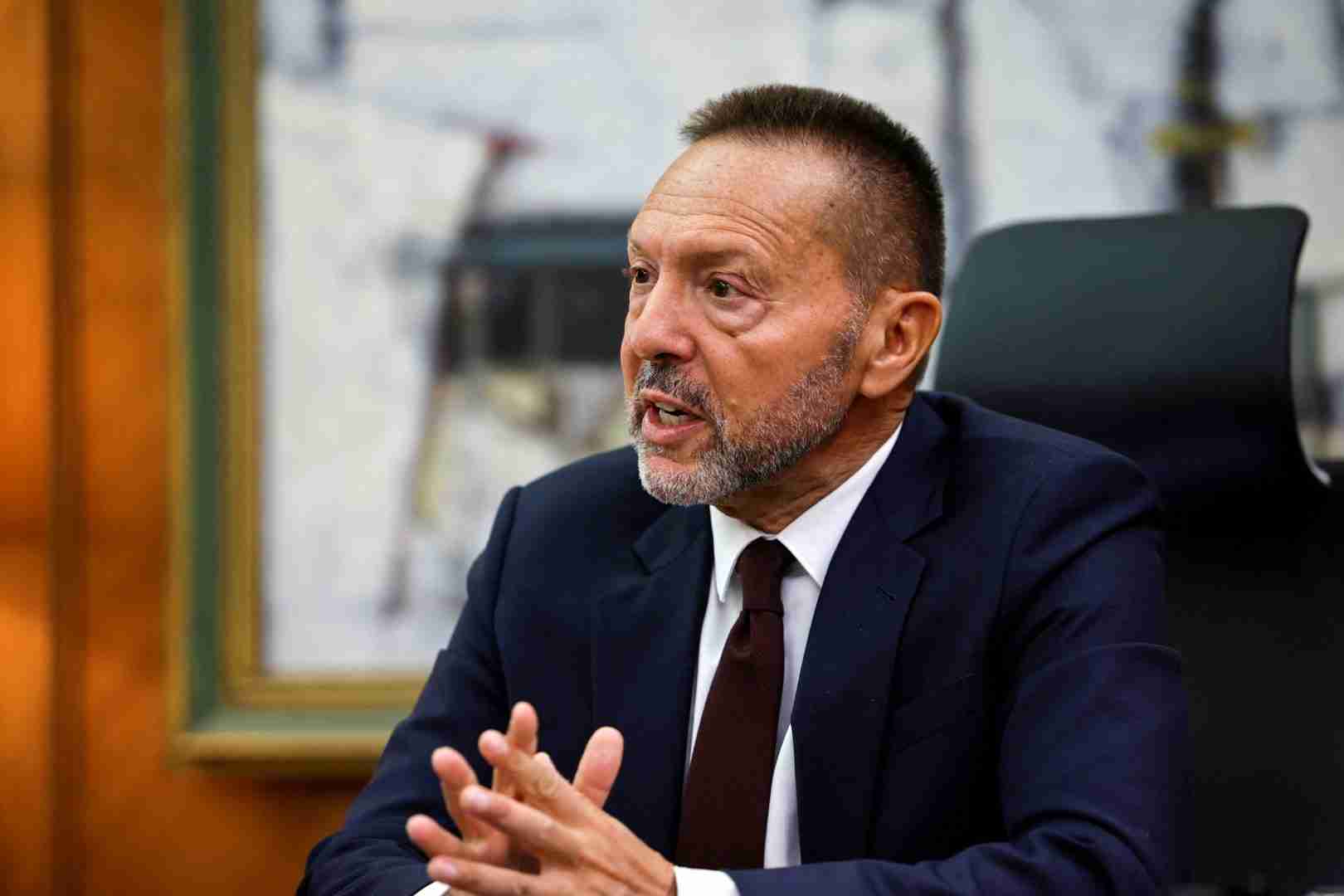
The European Central Bank should keep its options open in setting interest rates as the fallout from the Iran conflict, including a possible rise in inflation, will depend on how long it lasts, ECB policymaker Yannis Stournaras said on Tuesday.

The U.S.-Israeli war on Iran, which is widening to other countries in the region, is seen as threatening to push up inflation and make a dent in Europe’s already meagre economic growth by making energy more expensive and disrupting supply of other chemicals.

Stournaras, the Greek central bank governor, said a prolonged conflict would raise inflation but it was still too early to draw conclusions.

“If negotiations start tomorrow, there will be de-escalation,” he said in a phone interview. “If it continues, there will be upward pressure on inflation. I do not exclude either. So, we should show flexibility.”

Israeli Prime Minister Benjamin Netanyahu said the war on Iran was “not going to take years”. U.S. President Donald Trump initially projected the conflict to last four to five weeks, but has since sought to justify a broad, open-ended war.

For now, however, Stournaras said the central bank should sit tight and watch as the conflict unfolds.

“Its impact on inflation and output depends on the duration and the depth of the armed conflict,” he said.

“As we have no visibility on either of them and taking into account the outlook of inflation, in my view we should not rush to change any of the monetary policy parameters now but be alert and monitor the situation very carefully.”

He described the conflict as “another serious supply-side shock” hitting the euro zone economy which has already been weighed down by an energy shock following Russia’s invasion of Ukraine in 2022 and U.S. trade tariffs last year.

Reporting by Francesco CanepaEditing by Ros Russell

Reeves set for careful UK budget update as Iran conflict alarms investors

Reeves will announce fresh economic and borrowing forecasts by Britain’s fiscal watchdog and she is expected to steer clear of any spending surprises that could upset bond investors already worried about new inflation risks

International News via Reuters:

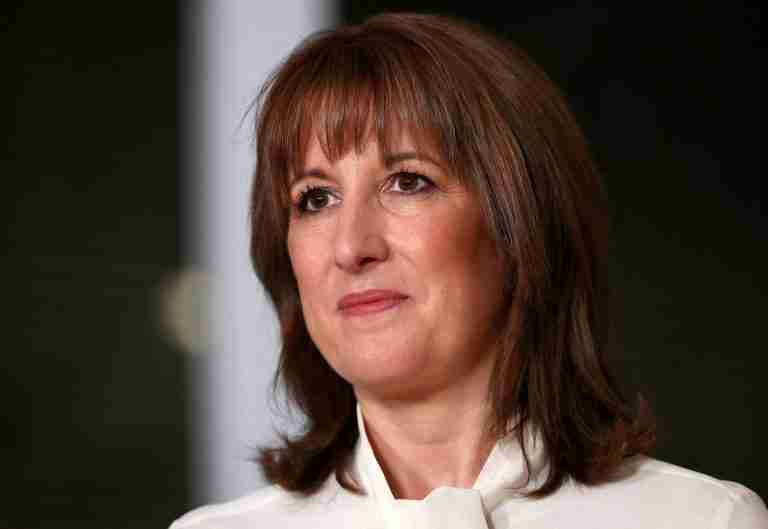
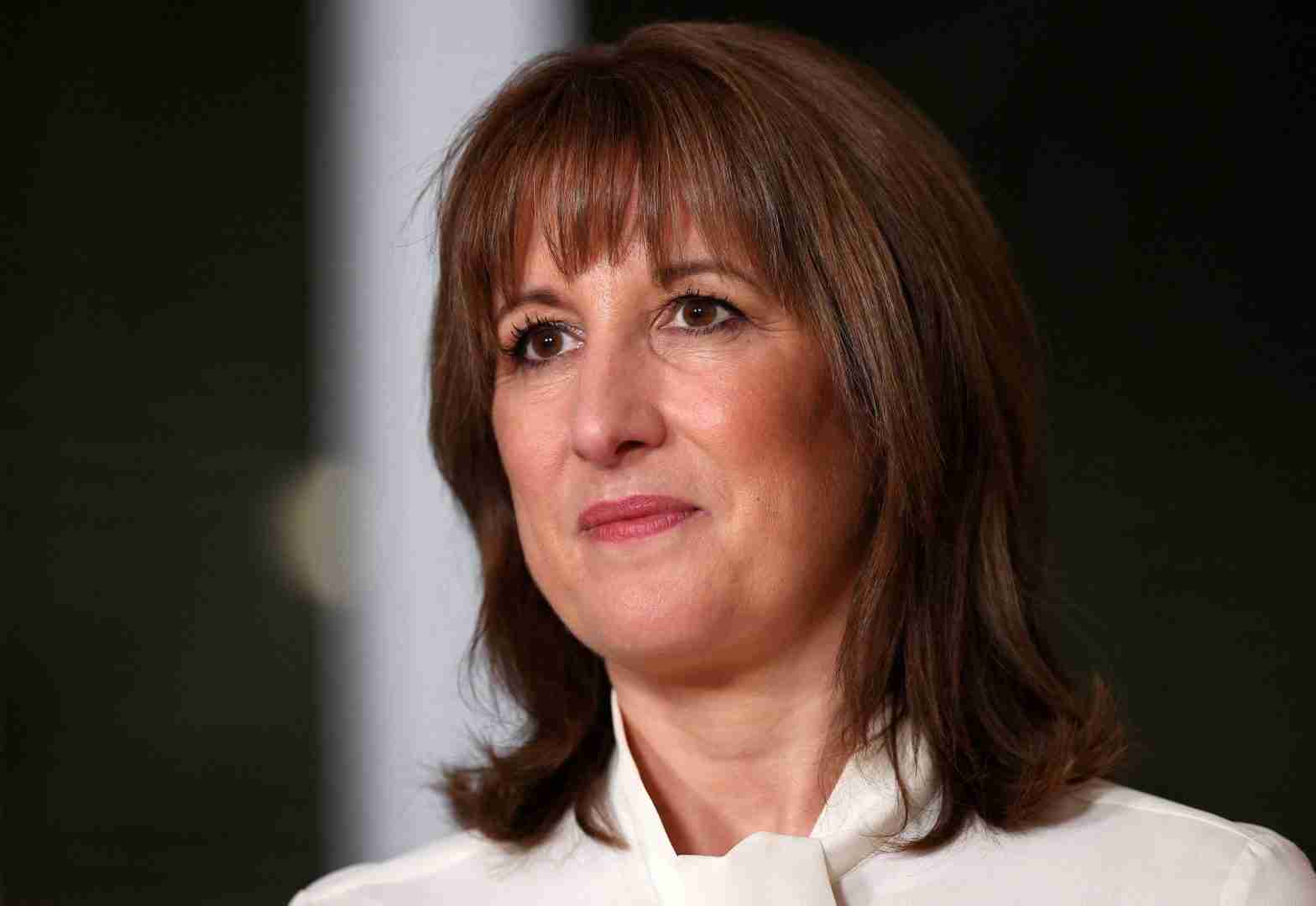
British finance minister Rachel Reeves is likely to stick closely to her promises to fix the public finances in a budget update speech on Tuesday that will be overshadowed by alarm among investors over the conflict in the Middle East.

Reeves will announce fresh economic and borrowing forecasts by Britain’s fiscal watchdog and she is expected to steer clear of any spending surprises that could upset bond investors already worried about new inflation risks.

Prime Minister Keir Starmer suffered defeat in an election for a parliamentary seat last week, the latest setback for his government that has led to calls for extra public spending.

But Reeves says she will make major fiscal policy changes only in her full budget statements in the autumn and she has promised stability to employers in the hope of speeding up economic growth.

Monday’s surge in global energy prices and bond yields due to the strikes launched by the United States and Israel on Iran, and Iran’s retaliation, is likely to add to her caution.

“This government has the right economic plan for our country in a world in that has become yet more uncertain,” Reeves was due to say, according to advance excerpts of her speech released by the finance ministry.

She also stressed the need for stability in the public finances as well as investment in infrastructure.

RISK OF HIGHER DEBT COSTS

“If anything, she will probably be trying to keep the Spring Forecast as dialled back as possible given how sensitive the market could be after the last 48 hours,” Ken Egan, director of European sovereign credit at Kroll Bond Rating Agency, said.

A low-key speech would represent a contrast to Reeves’ three previous fiscal events in which she took the tax burden to its highest since shortly after World War Two.

At the time of her last full budget speech in November, Reeves’ headroom for meeting her main fiscal target was judged to stand at almost 22 billion pounds ($30 billion) – higher than chancellors have achieved in recent years but still a relatively narrow 0.6% of annual economic output.

Analysts think she might now have a bit more room for manoeuvre and see a likely cut in the amount of debt sold by the government in the coming financial year.

But much of the improvement is due to a fall in borrowing costs since November which could quickly be wiped out if war in the Middle East drives up fuel prices over a long period.

Around a quarter of British government bonds are linked to inflation, more than in other similar economies, leaving Reeves exposed to the risk of higher debt costs.

British two-year gilt yields leapt by the most in one day since May 2025 on Monday.

CREDIBILITY AT STAKE

Furthermore, the Office for Budget Responsibility is likely to cut its forecast for economic growth this year and might warn of the hit to the public finances if a recent fall in net migration to Britain continues in the coming years.

Another risk is that the OBR raises its forecasts for unemployment after the government increased costs for employers.

Henry Cook, senior economist at MUFG Bank, said pressure could grow on Reeves to spend more to help voters, for example by scrapping a plan to end a pandemic-era cut to fuel duty. But for now she was likely to play it safe with investors.

“Rachel Reeves has won a fair amount of credibility from market participants and she’ll be reluctant to lose some of that,” Cook said.

Writing by William Schomberg; Editing by Alison Williams

France to send anti-drone systems to Cyprus after British base attack, report says

The reported French aid to the island follows Greece’s offer of assistance hours after RAF Akrotiri, a British sovereign base, was targeted in two separate drone incidents on Monday

International News via Reuters:

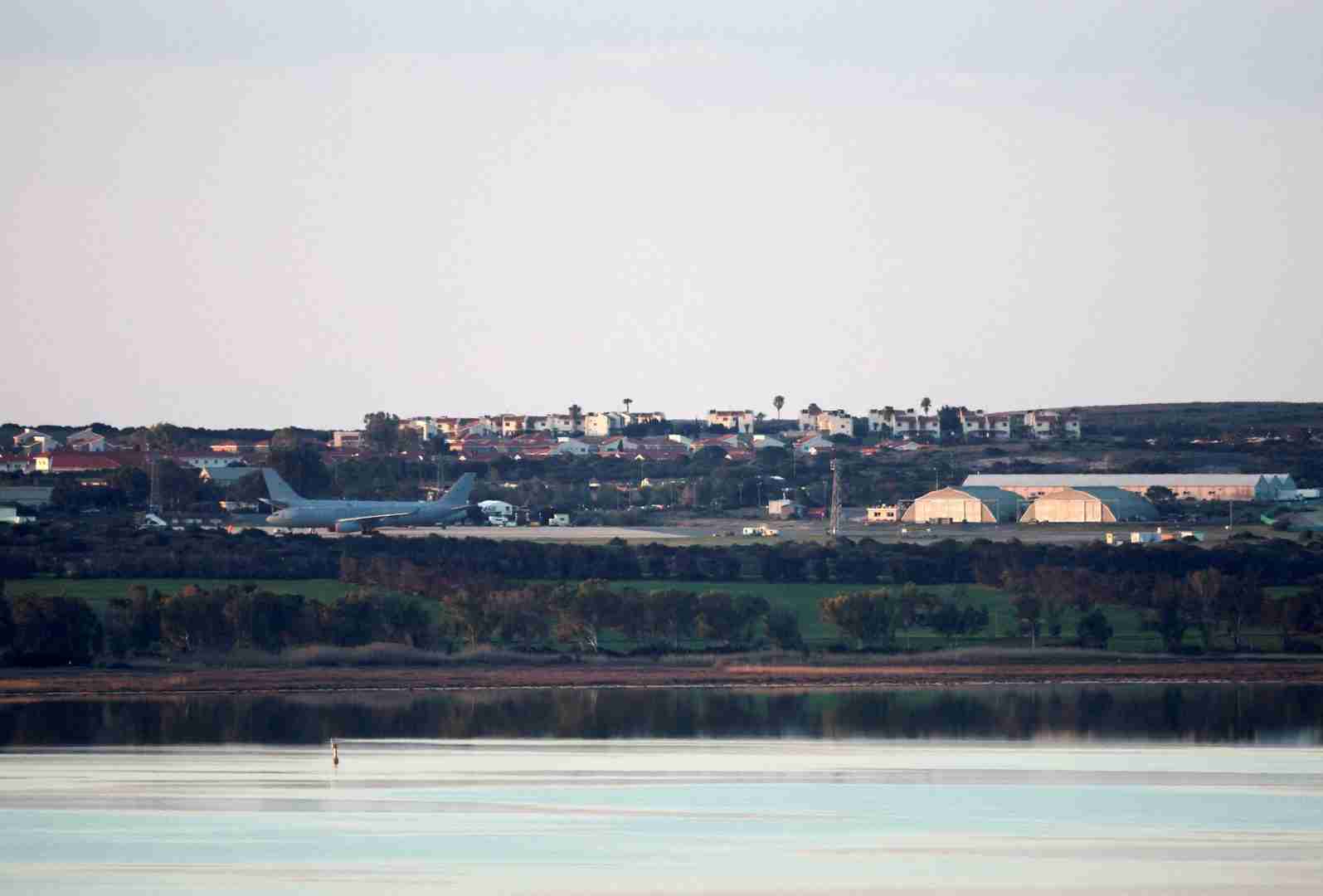
France plans to send anti-missile and anti-drone systems to Cyprus after a British air base on the island was attacked by drones, the semi-official Cyprus News Agency (CNA) said on Tuesday.

France would send anti-missile and anti-drone systems, as well as a frigate, CNA reported. It said French President Emmanuel Macron communicated the intention to Cypriot President Nikos Christodoulides early on Tuesday. 

A Cypriot government source, speaking on condition of anonymity, confirmed the report. The French defence ministry did not immediately respond to a request for comment.

The reported French aid to the island follows Greece’s offer of assistance hours after RAF Akrotiri, a British sovereign base, was targeted in two separate drone incidents on Monday.

In the first instance an Iranian-made Shahed drone crashed into the runway of the base, causing limited damage. Hours later two other drones were intercepted.

Senior Cypriot officials say the attack was carried out by an Iranian Shahed drone most likely fired by Iran-backed militant group Hezbollah from Lebanon. The officials have stressed that the base – considered sovereign British territory – rather than Cyprus, was the target.

Britain said on Sunday that it had accepted a U.S. request to use its military bases for “defensive” strikes against Iran, a day after the launch of a U.S. and Israeli military campaign against Iran, which triggered Iranian retaliation. British Prime Minister Keir Starmer later said Britain’s bases on Cyprus were not being used by U.S. bombers.

Cyprus has asked Britain that the bases only be used for humanitarian purposes.

Greece on Monday dispatched four F-16 fighter jets to the island. Two frigates, one equipped with its anti-drone Centauros jamming system, were also sailing to Cyprus.

Centauros, which has been successfully deployed against Houthi rebels attacking shipping lanes off Yemen, has the capability of detecting and incapacitating low-flying drones, such as the one which crashed into RAF Akrotiri and evaded radars, Cypriot defence sources said. 

Writing by Michele Kambas; Editing by David Goodman, Aidan Lewis

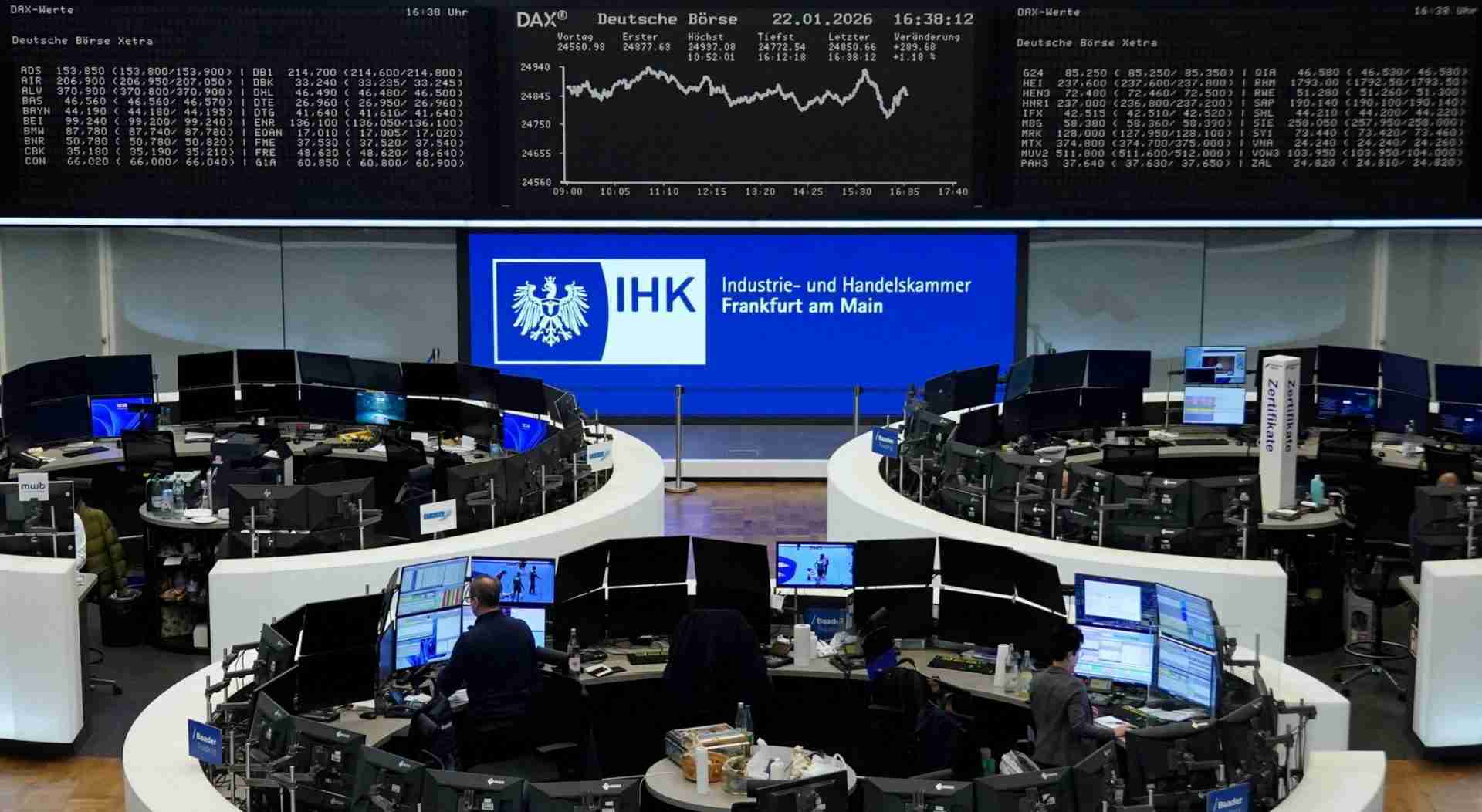
European markets hurting as Iran war widens

ING says the euro zone is the most exposed major economy to the conflict, making the region, which has benefited from investor diversification out of U.S. assets, vulnerable to setbacks

International News via Reuters:

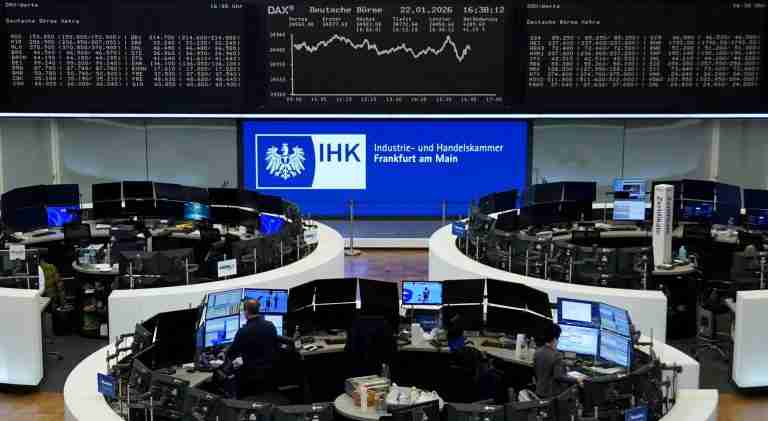
European financial markets are under strain as the U.S.-Israeli war on Iran revives concerns about an energy supply shock exacerbating inflation.

ING says the euro zone is the most exposed major economy to the conflict, making the region, which has benefited from investor diversification out of U.S. assets, vulnerable to setbacks.

NOT GOOD, BUT 2022 WAS WORSE

The jump in oil and gas prices evokes memories of Russia’s invasion of Ukraine in 2022, which triggered a global energy crunch and hit Europe particularly hard. 

Since Friday, Brent crude is up nearly 10%, while European natural gas prices have shot up 50%. The region is almost entirely dependent on imports for oil and gas.

Major liquefied natural gas exporter QatarEnergy said on Monday it had halted production, while global oil and gas shipping rates have soared.

But, unlike 2022, European buyers don’t have to wean themselves off one major energy supplier, as they did with Russia and this conflict has erupted as winter heating demand ebbs.

Furthermore, the euro is still some 4% higher than in February 2022. So, barring a spike in the dollar, euro strength helps limit energy import bills. By contrast, other big importers like Japan, South Korea have seen their currencies weaken. 

INFLATION, NOT AGAIN

For interest rates, it’s all about the impact of energy prices on inflation.

The immediate outlook for the European Central Bank hasn’t changed. But traders now see no change in rates by year-end, compared with around a 40% chance of a cut last week.

Rate-sensitive German two-year bond yields rose 7 basis points on Monday. 

The ECB expects inflation to undershoot its 2% target this year and next, so it has some leeway. It has calculated, however, that a permanent 14% jump in energy prices would lower growth by 0.1% this year and raise inflation by up to 0.5%. 

Oil prices are over 20% higher than its December forecast, which it refreshes on March 19.

A sustained rise in oil to around $100 would raise inflation to just under 3% from 1.7% today, Commerzbank’s Chief Economist Joerg Kraemer said, adding that would hurt euro zone growth, posing a “dilemma” for the ECB. 

EURO TRASHED 

A prolonged war could cause a substantial spike in euro zone inflation and reduce economic growth, ECB Chief Economist Philip Lane told the Financial Times in an interview published on Tuesday.

Such fears have hit the euro, a big faller among developed market currencies. The euro declined 0.3% to $1.1656 on Tuesday, its lowest since January, and is now down 1.4% since Friday’s close.

It also hit an over-10-year low on the Swiss franc that triggered threats from authorities they might intervene to weaken the franc.

It could fall further if the economy gets hit by higher energy prices, and investors reverse previous bets on euro appreciation. 

JPMorgan said if Brent crude reaches $100-$120, which might happen if the conflict lasts more than three weeks, the euro could weaken to $1.10-$1.13.

Sharp shifts in three-month risk reversals, a derivative product, are also telling. Investors are paying a small premium to insure against euro depreciation. A month ago, the cost of protecting against euro appreciation was its highest in nine months.          

BRITISH MARKETS FEEL A STING 

Sterling touched its lowest against the dollar since December, while gilt yields jumped on concerns that rising oil prices will feed into inflation.

The Bank of England estimates that a 10% rise in the price of Brent crude adds around 0.2 to 0.3 percentage points to UK inflation. 

While trending down, Britain still has the highest inflation in the Group of Seven industrialised economies and it’s no surprise that traders have trimmed March BoE rate cut bets. 

“Although you could say that (the change in rate cut bets) is sterling supportive in the short term, the reality is higher energy prices in the UK at a time when taxes have gone up would have a very negative business impact, growth impact, and political impact,” said Rabobank head of FX strategy Jane Foley. 

BANKS UNDER PRESSURE

European banks have been hit hard this week, extending losses made on Friday due to concerns about private credit. 

European banks shed almost 5% over Monday and Friday, their biggest two-day drop since last April’s tariff turmoil. 

“It’s very classic risk-off. Just broad selling of equities across the board,” said Marlborough portfolio manager Rory Dowie.

While European banks do have counterparty exposure in the Middle East, the European Banking Authority’s 2024 risk assessment noted this made up only a fraction of the EU/EEA banking sector’s total.

MAKE EUROPE GREAT AGAIN TRADES

Some noted a silver lining to the selloff, should U.S. policy strengthen Europe’s push to invest in defense and infrastructure. That would boost long-term growth.

“The European story is underappreciated and growth will surprise on the upside this year,” said Lloyds FX strategist Nick Kennedy.

“The strikes on Iran are also a reminder of the tricky nature of dealing with Trump and galvanise that approach to invest more in defense and become more independent.”  

Reporting by Alun John, Yoruk Bahceli, Samuel Indyk, Dhara Ranasinghe and Amanda Cooper; Editing by Sharon Singleton and Edwina Gibbs

UK grocery inflation edges higher to 4.3%, says Worldpanel

Grocery inflation had hit a nine-month low of 4.0% in its previous report

International News via Reuters:

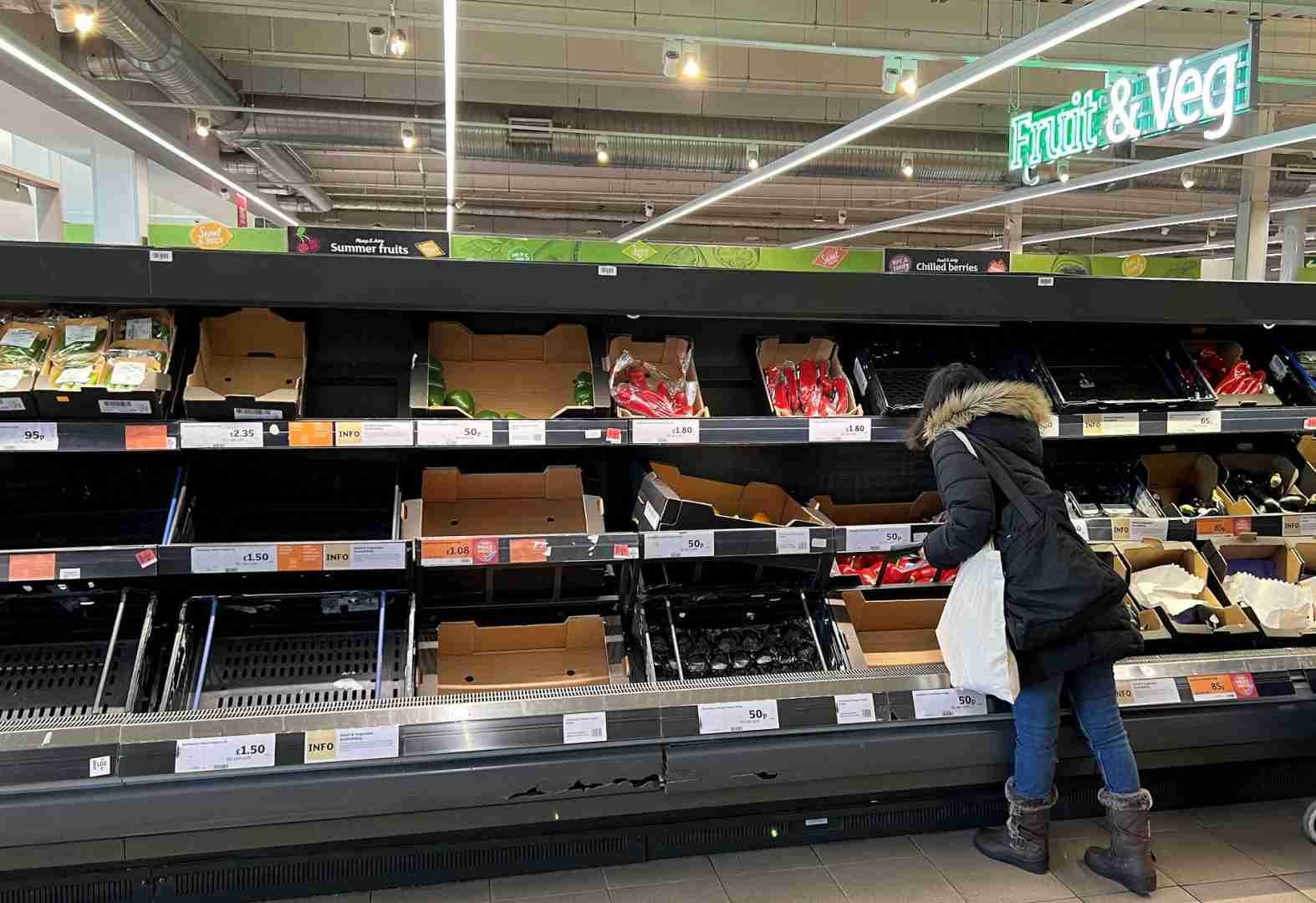
UK grocery inflation edged up to 4.3% in the four weeks to February 22, dealing a new blow to consumers after it eased in January, data from market researcher Worldpanel by Numerator showed on Tuesday.

Grocery inflation had hit a nine-month low of 4.0% in its previous report.

The figure from Worldpanel provides an early indication of pricing pressures ahead of official UK inflation data on March 25.

MEAT, SKIN CARE AND CHOCOLATE PRICES RISING FASTEST

It said prices are rising fastest in markets such as fresh unprocessed meat, skin care and chocolate confectionery and falling fastest in chilled butter and spreads, household paper and sugar confectionery.

The Bank of England is watching food prices closely as it believes they play a key role in shaping the public’s overall inflation expectations. Britain’s headline inflation rate eased to 3% in January.

Separate data on Tuesday from the British Retail Consortium showed annual shop price inflation slowed to 1.1% in February, with food inflation easing to 3.5%.

Worldpanel said that over the 12 weeks to February 22 industry leader Tesco’s sales rose 4.5% year-on-year and its market share grew 20 basis points to 28.7%. Number two Sainsbury’s sales increased 5.2%, taking its share to 16.1%.

Discounter Lidl GB remained the fastest growing bricks-and-mortar retailer, with sales up 10.0%, while online supermarket Ocado remained the fastest growing overall, with sales up 15.1%.

Number three player Asda continued to struggle – its sales fell 2.6%, giving it a market share of 11.5%, down 80 basis points on the year.

UK supermarkets’ market share and sales growth (%)

% change in

Market share Market sales

12 weeks to share 12 (year-on-ye

Feb 22 2026 weeks to ar)

Feb 23

2025

Tesco 28.5 28.3 4.5

Sainsbury’s 16.1 15.8 5.2

Asda 11.5 12.3 -2.6

Aldi 10.1 10.2 3.1

Morrisons 8.4 8.5 2.3

Lidl 7.8 7.3 10.0

Co-operative 5.0 5.3 -1.6

Waitrose 4.8 4.7 5.6

Iceland 2.3 2.3 2.7

Ocado 2.1 1.9 15.1

Source: Worldpanel by Numerator

Reporting by James Davey; editing by Sarah Young

Premier honours centenarian Margaret Burgess

Presentation marks her 100th birthday as family and friends celebrate at Coco Reef Resort

The Premier and Minister of Finance, the Hon. David Burt, JP, MP, made a special presentation to Ms Margaret Burgess in recognition of her centennial birthday and her life as a Bermudian matriarch.

Ms Margaret Burgess, who was born on February 23, 1926, marked her 100th birthday surrounded by family and friends, with a two-day birthday celebration at Coco Reef Resort.

During his presentation, the Premier said: “It is a privilege to recognise Ms Burgess on her 100th birthday. Thank you for who you are and for the life you have lived.

“As my favourite constituent in C18, I wish you a very happy birthday and good health in the days ahead.”

On February 22, family and friends gathered to celebrate Ms Burgess’s milestone birthday. Loved ones travelled from Bermuda and overseas, including the United States, the United Kingdom, and Canada.

The following day, February 23, a more intimate group of friends and family joined Ms Burgess for breakfast. Saxophonist Aaron Spencer serenaded Ms Burgess, adding to a warm and memorable celebration.

Born on Serpentine Road, Ms Burgess is the daughter of the late Doris Braithwaite and Oswald Braithwaite. Her parents came from Barbados, and her father travelled to Bermuda to work as an engineer in an ice cream factory in Hamilton.

Ms Burgess attended St Alban’s School on St John’s Road, the precursor to West Pembroke Primary School, and worked as a seamstress, as did her mother, Doris. She celebrated the milestone with her children, Eunice Hart and Steven Burgess, and generations of family, including her grandchildren, great-grandchildren, and great-great-grandchildren.

Walking tour honours ‘stories of resistance’

Activists and artists reflect on defining historical moments

The Department of Culture hosted the Creatives Live Historical Tour: They Arrive: Remembering the Enterprise (and Other Stories of Resistance) on 26 February 2026, curated by writer, community activist and entrepreneur Kristin White. The event brought together residents and visitors for a meaningful journey through Bermuda’s history, presented in partnership with storytellers, artists and activists dedicated to preserving our shared heritage.

Minister of Tourism & Transport, Culture & Sport, the Hon. Owen Darrell, JP, MP, stated, “This tour is a powerful reminder that Bermuda’s history is alive in the very streets we walk each day. By bringing these stories of resistance into public spaces, we ensure that the struggles, sacrifices and triumphs of those who came before us remain part of our island’s conversation and continue to inspire future generations.”

Beginning at Barr’s Bay Park, the programme featured a poetic performance by Yesha Townsend and an overview by Kristin White. Maxine Esdaille also shared the story of the Enterprise (1835). Participants then moved through the City where Florenz Webbe Maxwell reflected on the 1959 Theatre Boycott; Sen. Mischa Fubler and Monique Lister spoke on the 2020 Social Justice Bermuda protest at the US Consulate; Liana Nanang Omodele recounted the 1977 execution appeal of Buck Burrows and Larry Tacklyn and the uprisings that followed; Ajala Nanang Omodele highlighted the 1965 Belco Uprising; and Kristin White, who told the story of Sally Bassett, alongside performer Joy T. Barnum, who performed an original song.

The Creatives Live Historical Tour highlighted the importance of community-centred storytelling and collaboration in preserving Bermuda’s heritage. Through the voices of local historians, activists and artists, the event created space for reflection, dialogue and a deeper understanding of the moments that have shaped our island’s journey.