Friday, November 6, 2026
Home Blog Page 612

Spain keen to keep ECB board seat once De Guindos leaves, economy minister says

Four of the six jobs on the ECB’s executive board will become vacant by the end of 2027, beginning with Vice President Luis de Guindos, whose term ends in May 2026

International News via Reuters:

The Spanish government will seek to keep a Spaniard on the executive board at the European Central Bank where the race for top jobs will kick off next year, Economy Minister Carlos Cuerpo told Reuters on Wednesday.

Four of the six jobs on the ECB’s executive board will become vacant by the end of 2027, beginning with Vice President Luis de Guindos, whose term ends in May 2026.

“From the Spanish side, we will, of course, work to keep on having a prominent representation and a seat at the ECB executive board,” Cuerpo said in an interview on the sidelines of an event in Toronto.

Speculation around Spain’s chances to fill future vacant roles at the ECB resurfaced after Cuerpo withdrew from the race to become Eurogroup president last week.

The minister said it was “important that we have a balanced view of the final composition of the ECB council, once all the positions are filled in, because there needs to be a balance in its composition”.

ECB President Christine Lagarde, chief economist Philip Lane and board member Isabel Schnabel will all reach the end of their terms in 2027, sparking a competition between capitals to secure the euro zone’s most powerful monetary policy roles.

Asked if a Spaniard could potentially succeed Lagarde, Cuerpo said: “Well, it’s early to say, but again, we will make sure also that whichever position we will be running for, we will present the best candidate possible.”

Reporting by Caroline Stauffer in Toronto; Writing by Jesús Aguado in Madrid; editing by Andrei Khalip
Multilateralism works even as US, fossil fuel industry oppose climate action, UN chief says

Brazil’s COP30 presidency pushed through a compromise climate deal after over two weeks of negotiating that would boost finance for poor nations coping with global warming

International News via Reuters:

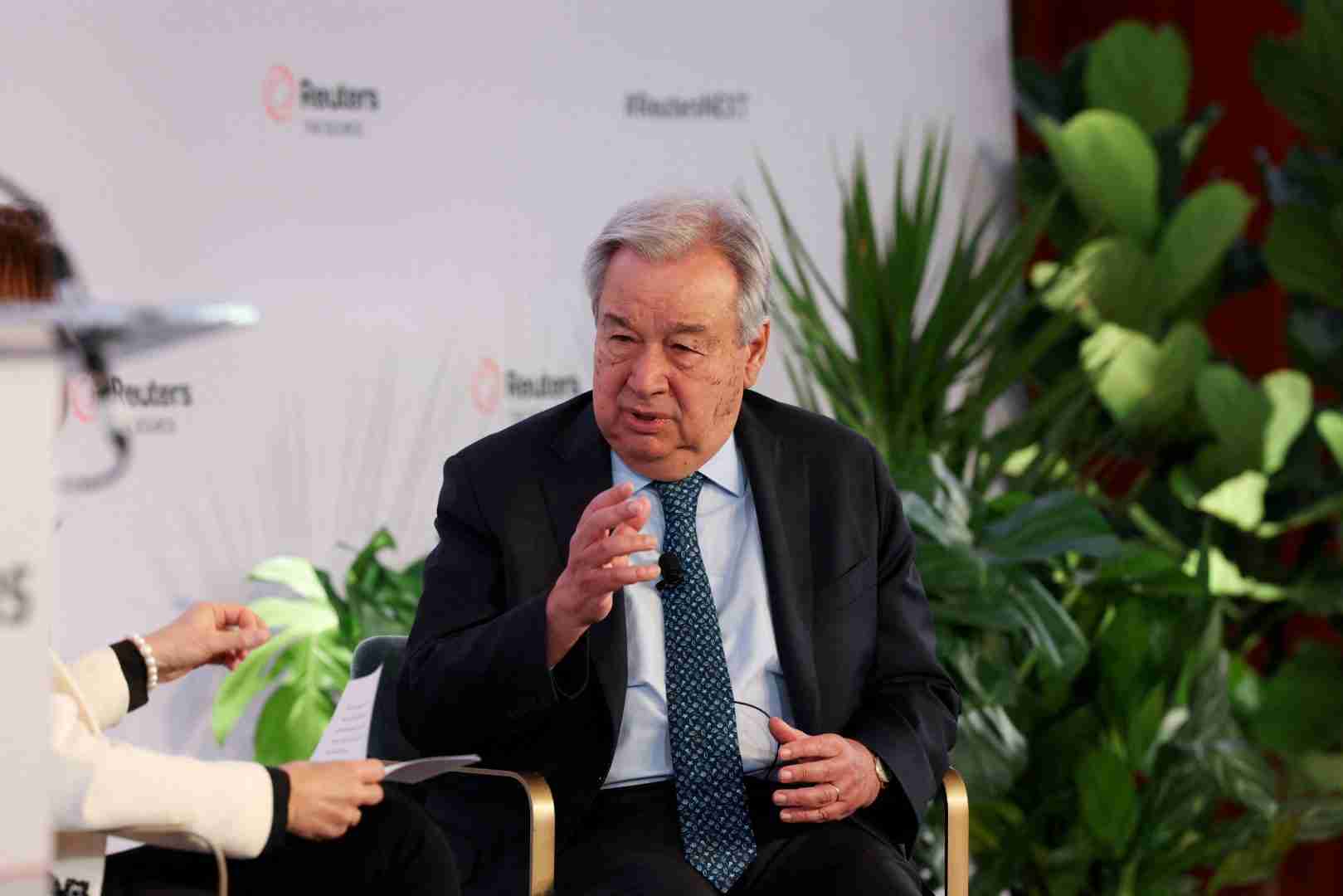
The final outcome of the COP30 climate summit in Brazil last month was “disappointing,” but showed multilateralism still works in the absence of the United States’ participation and amid growing geopolitical tensions, UN Secretary-General Antonio Guterres told the Reuters Next conference in New York on Wednesday.

“I have mixed feelings about the COP,” Guterres said about the annual UN climate negotiations that took place on the edge of the Amazon rainforest. 

“On one hand, I think it is remarkable that with the United States out and campaigning against it and the fossil fuel industry clearly determined to make sure that things would not move forward … with all these movements against it, it was possible to have an agreement, and this shows that multilateralism works,” he said.

WORRIED ABOUT MISSING TEMPERATURE GOAL

Brazil’s COP30 presidency pushed through a compromise climate deal after over two weeks of negotiating that would boost finance for poor nations coping with global warming. Still, it omitted any mention of the fossil fuels driving it, which critics say showed the world was backtracking on the previous consensus that the world should phase down their use.

Several countries objected to the summit ending without stronger plans to rein in greenhouse gases or address fossil fuels.

“What worries me more is that we are at the present moment in a situation in which the scientific community is already unanimous in recognizing that we are going to go above 1.5 C,” he said, referring to the temperature threshold world governments set at a landmark 2015 climate agreement in Paris.

“This overshoot means that all these things that we are witnessing will get more frequent, more dramatic,” he said, referring to devastating storms and floods, adding that countries need to strive to cap greenhouse gas emissions now and undertake a drastic reduction over the next few years.

CHINA STEPPING UP

Guterres said the disengagement of the U.S. from climate action has left the door wide open for China, which dominates the global market for renewable energy and electric vehicles.

He said China set a low-ball climate target this year by pledging to reduce its greenhouse gas emissions by only up to 10% from an unspecified peak, but he expects the world’s largest greenhouse gas emitter to outperform its goal.

“An acceleration of reduction of emissions is essential in China, from the point of view of the world, because they represent 30% of (global) emissions,” he said.

He urged developed countries to step up their investments in the next generation of clean technologies beyond solar and wind, such as green hydrogen, to leapfrog China.

“Green hydrogen is probably an important bet that Western countries should be doing to gain in relation to the next market dispute,” he said.

View the live broadcast of the World Stage here and read full coverage here.

Reporting by Valerie Volcovici; Editing by Chizu Nomiyama and Rod Nickel

Britain lifts blanket ban on Spanish pork imports, adopts regional controls

The move aligns Britain with the European Union’s regionalisation approach, which restricts trade only from outbreak zones

International News via Reuters:

Britain said on Wednesday it would allow pork imports from parts of Spain unaffected by African swine fever (ASF), reversing a blanket ban imposed last week after the country reported its first cases of the disease in more than three decades.

The move aligns Britain with the European Union’s regionalisation approach, which restricts trade only from outbreak zones.

The Department for Environment, Food & Rural Affairs (Defra) said imports from the Barcelona area would remain suspended, while pork from other regions could resume.

“Following an outbreak of African swine fever in Spain, all fresh pork and other impacted products from the region affected are restricted,” a Defra spokesperson told Reuters in an emailed statement.

It said that “exports from disease-free areas of Spain can continue as normal”, adding that they would continue to monitor the situation.

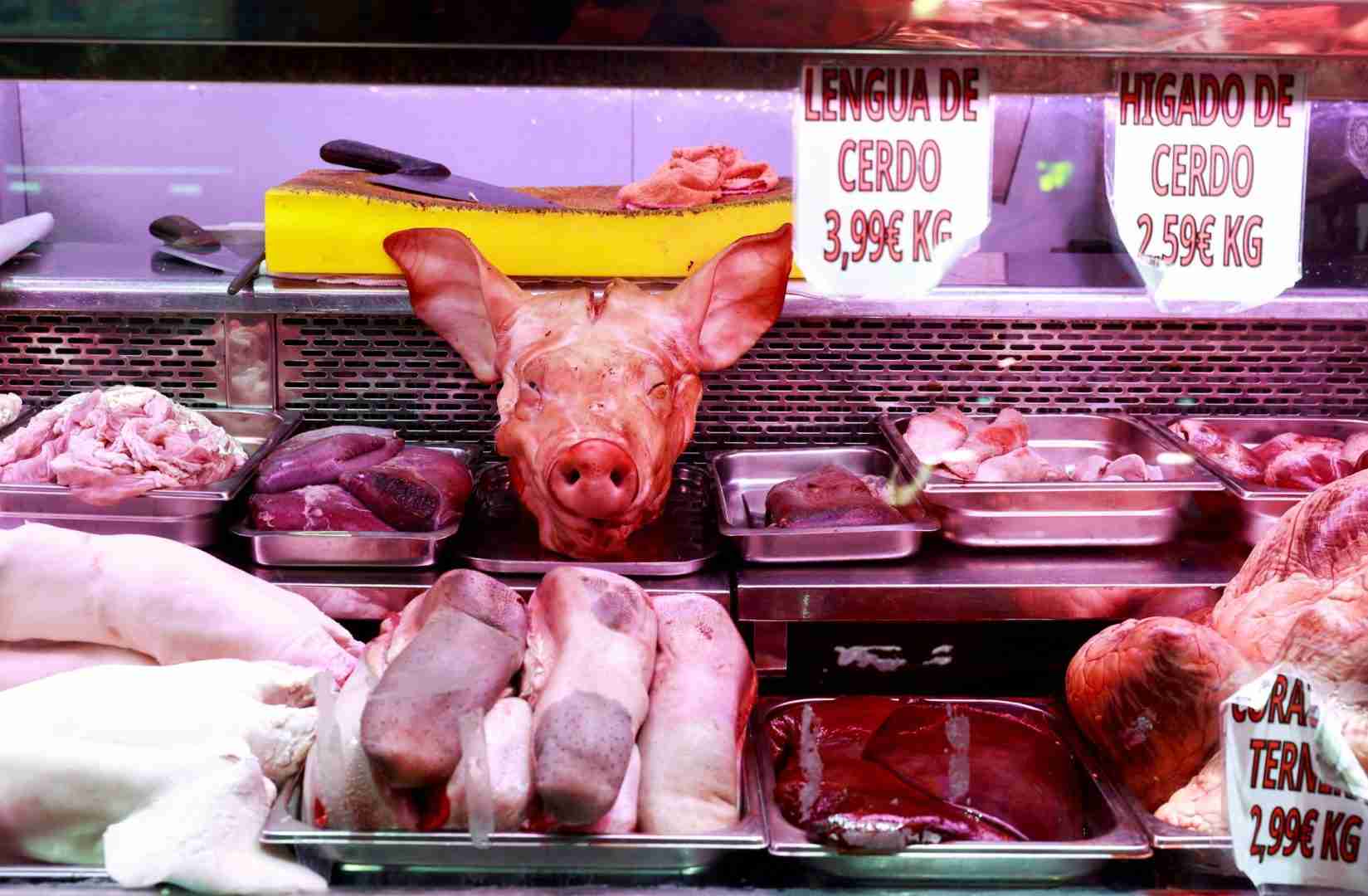
Spain confirmed nine ASF infections in wild boar near Barcelona, prompting emergency measures in Catalonia, a region central to pig farming. The virus does not affect humans but is fatal to pigs and has no vaccine or cure.

Spain is the EU’s largest pork producer and a major supplier to Britain, shipping 37,600 tonnes of pork so far this year worth over 112 million euros ($130 million).

The decision comes after Spanish Prime Minister Pedro Sanchez urged Britain and other trading partners to continue buying from regions outside the containment zone.

Spain resumed shipments to China from unaffected regions earlier this week after Beijing narrowed its restrictions to Catalonia.

Other countries including Mexico and Canada have yet to adopt the same approach as the EU and Britain, and they continue to block pork from across Spain, Spanish officials said.

A task force of EU vets began work in Barcelona on Tuesday to help contain the outbreak.

Reporting by Sam Tabahriti and Nigel Hunt; Editing by Catarina Demony

Cruise ship’s inaugural visit to Bermuda

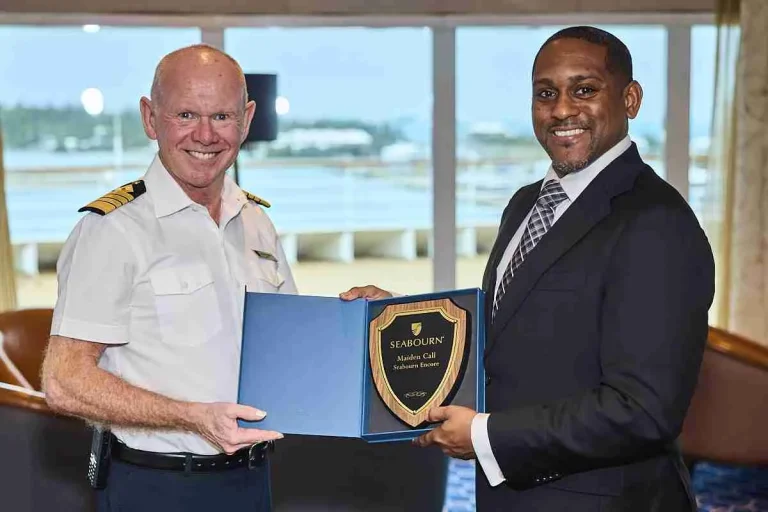
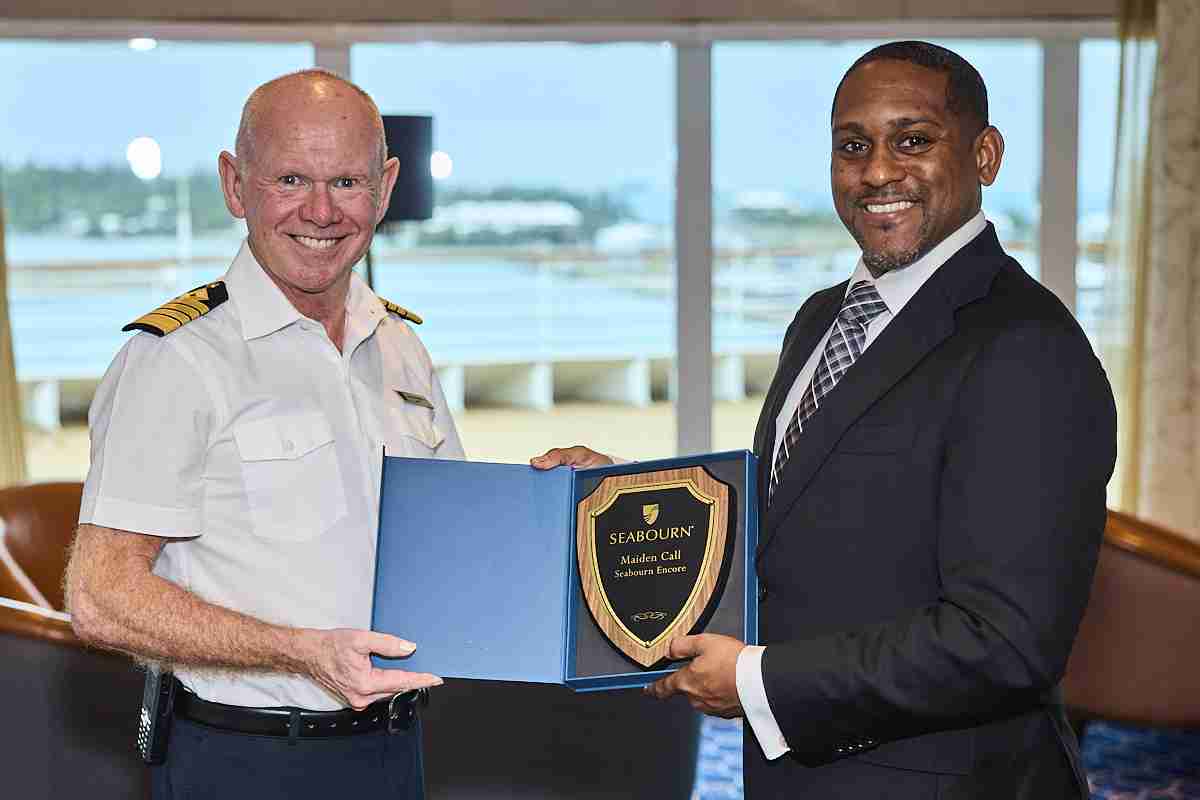
Bermuda proudly welcomed the Seabourn Encore on its inaugural call on Friday, 28 November.

The Hon. Owen Darrell, JP, MP, Minister of Tourism & Transport, Culture & Sport, led a small delegation on board the vessel to greet Captain Andrew Pedder and the officers to welcome the ship to Bermuda officially.

During the visit, Minister Darrell and the Captain exchanged the traditional inaugural-call plaque commemorating the occasion. Minister Darrell recognised that Seabourn Cruises has made many visits over the years and expressed optimism that the line will make future visits to Hamilton.

Originally scheduled to berth in Hamilton, Seabourn Encore adjusted her itinerary due to forecasted high winds and safely docked at the Royal Naval Dockyard. The vessel arrived at 10:00 a.m. from her previous port of call, Lisbon, carrying 535 passengers and then continued her voyage to Miami, Florida. The Seabourn Encore remained in port for two days, allowing guests the opportunity to explore Bermuda.

Also participating in the ceremony was Mr Neville Tyrrell, Chairman of the Bermuda Land Management Corporation (BLMC), who presented a plaque on behalf of the Port of Dockyard.

Firefighters quickly contain Paget retail blaze

0

Cause of fire being investigated but owner believes a candle may be to blame

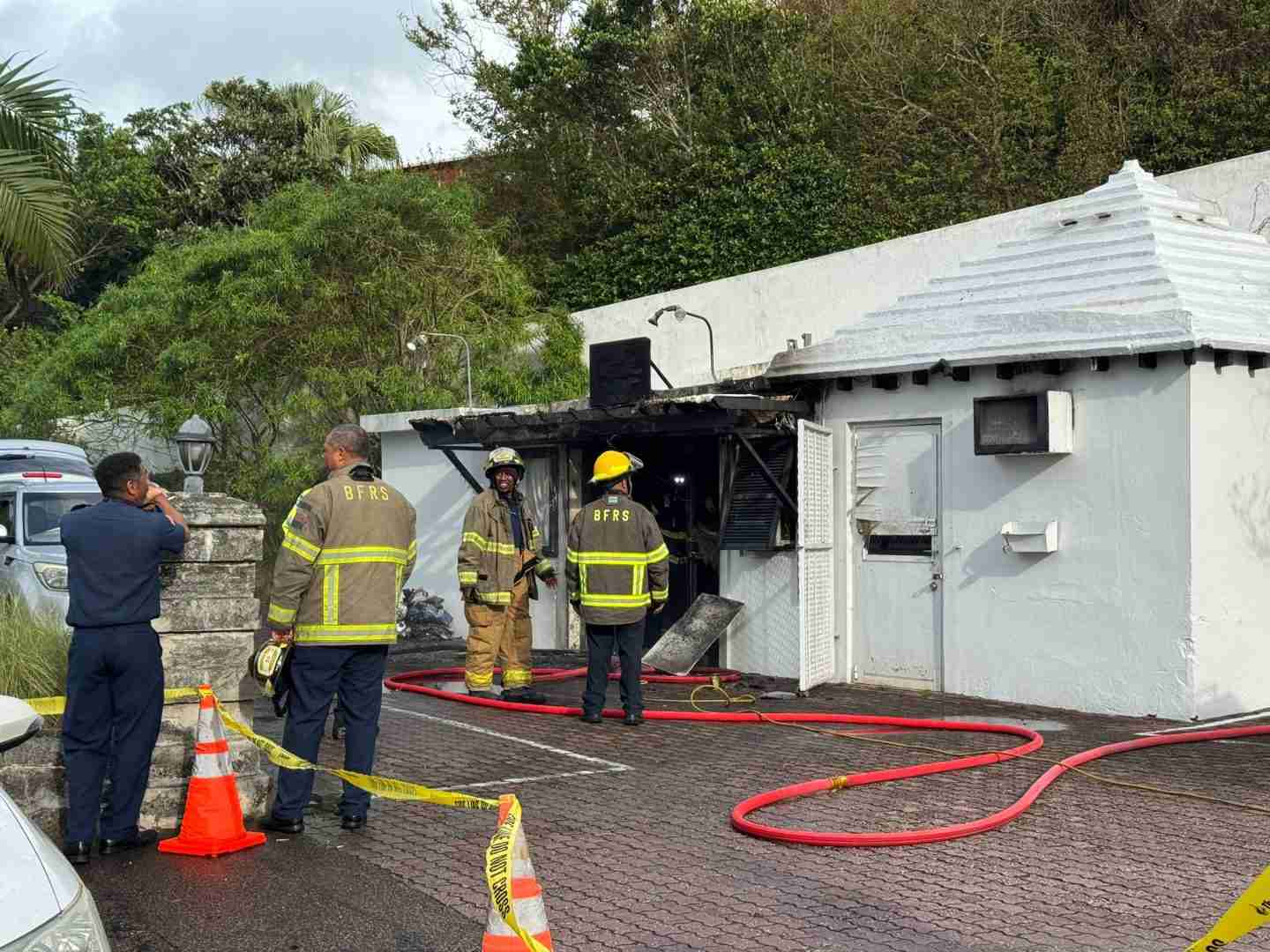
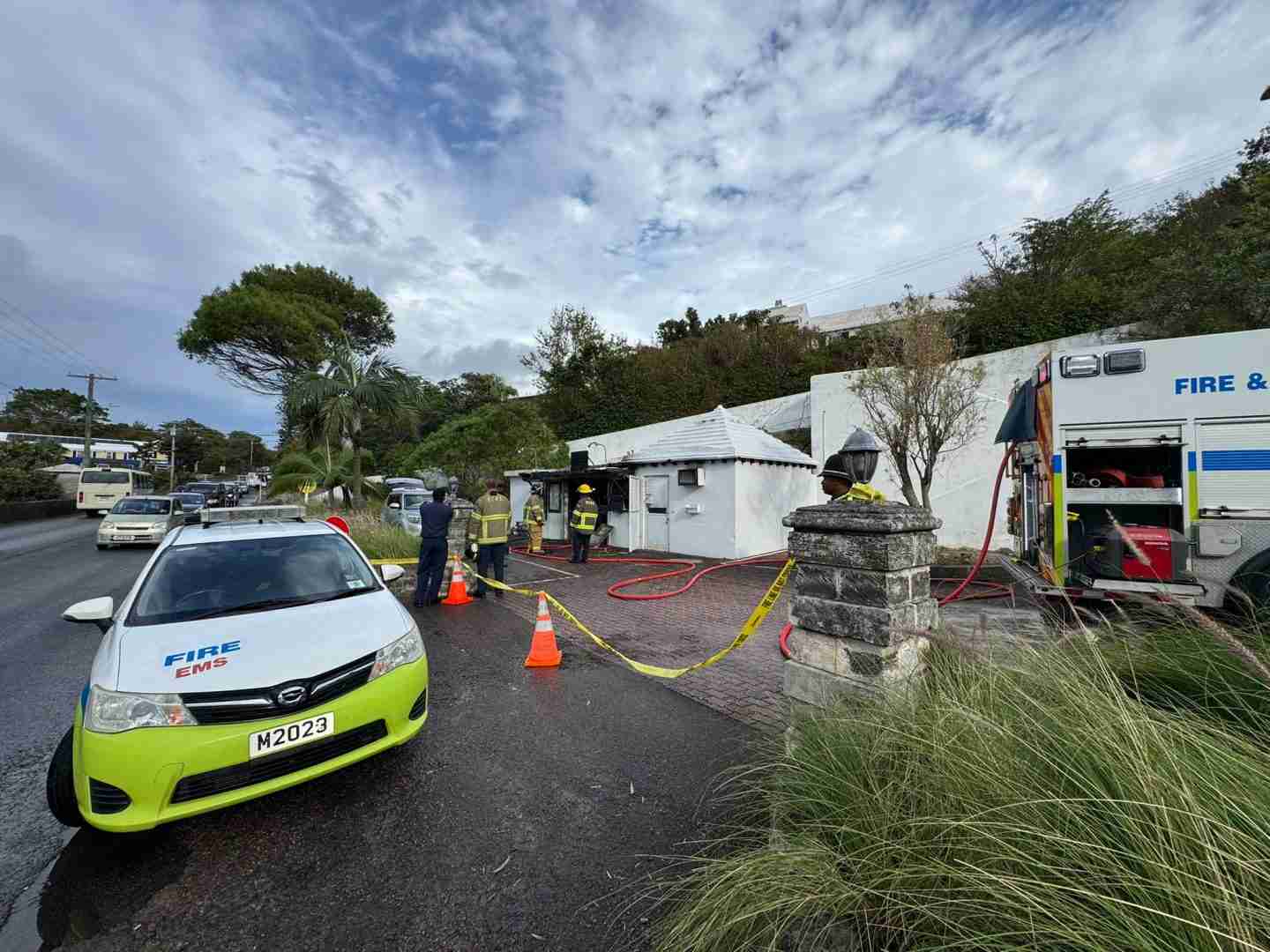
A small business went up in flames this afternoon at Rural Hill Plaza in Paget.

The Bermuda Fire and Rescue Service responded to the blaze at Hose’s Fashions, near the Paget stop lights, shortly before 2pm.

Bermuda Broadcasting was on site and spoke with Divisional Officer Jay Donawa as crews worked to stabilise the scene after quickly extinguishing the fire.

An investigation into the cause of the blaze is ongoing. However, the owner of Hose’s Fashions said it may have started from a single candle that burned down to the end of its wick.

He expressed gratitude to his loyal customers and said he hopes to be operational again in the New Year.

National Trust expects thousands of visitors for 45th Annual Christmas Walkabout

The Trust said around 6,000 people came to kick off the festive season last year in St. George’s

The National Trust’s annual Christmas Walkabout event is expected to draw thousands of residents to St. George’s this Friday.


Dr. Dorte Horsfield, Head of Development and Engagement at the Trust said around 6,000 people came to kick off the festive season last year and more than 500 drivers parked at Kindley Field road to make use of the free shuttle service to Penno’s Wharf.

There will be performances by the Bermuda Highland Dancers, Regiment Band & Corps of Drums and Pipe band, and dance groups plus, musical guests while historic BNT homes are open for visitors.

A new ferry service will be a welcome addition for people to experience the event, says Dorte.

She added that parking for the shuttle service is available traveling to St. George’s between 4.30pm to 10.30pm.

EU expected to delay announcement on car climate target, industry source says

With the backing of Germany, European carmakers are lobbying Brussels for greater flexibility as they navigate the costly shift to electric

International News via Reuters:

It is likely that the European Commission will delay announcing its updated plan on climate targets for the auto sector, an industry source said on Tuesday, following pressure on Brussels to weaken a 2035 cut-off for combustion engines.

With the backing of Germany, European carmakers are lobbying Brussels for greater flexibility as they navigate the costly shift to electric while facing competition from China and margin-squeezing tariffs.

The Commission, the EU’s executive arm, is scheduled to make an announcement on December 10 on a package to support the automotive sector, including a possible revision of an effective 2035 ban on sales of new combustion engines.

The German car industry source said that date would probably be delayed.

Earlier this week, EU transport commissioner Apostolos Tzitzikostas told Handelsblatt the announcement of the package could be delayed until early January.

A letter to Brussels from German Chancellor Friedrich Merz appealing for plug-in hybrids and “highly efficient” combustion engines to be exempt from the cut-off was well received, the EU official told the German business daily.

Reporting by Rachel MoreEditing by Kirsti Knolle and Madeline Chambers

Spain plans wild boar cull to curb population after swine fever outbreak

The outbreak was first detected last week in two wild boars in the Collserola mountain range outside Barcelona

International News via Reuters:

Spain’s Catalonia region has pledged to curb its wild boar population, including by ramping up culls, after African swine was detected in several animals outside Barcelona in the country’s first outbreak since 1994.

That has threatened pork exports from Spain, the European Union’s leading producer of the meat, which accounts for a quarter of the bloc’s output with annual exports worth about 3.5 billion euros ($4.05 billion). 

The outbreak was first detected last week in two wild boars in the Collserola mountain range outside Barcelona, and seven more boars in the same area have since been confirmed to have died from the disease.

Spanish officials have said they expect more positive cases.

Although harmless to humans, the virus spreads rapidly among pigs and wild boar. So far, no farms have been affected.

Catalan regional leader Salvador Illa said local authorities had been working for some time to reduce the wild boar population due to its threat to public health, but that the recent outbreak has shown the need to accelerate the effort.

“There are too many wild boars,” Illa told reporters late on Tuesday from Mexico, where he is on an official visit.

“We have activated and intensified this task, contacting all hunting associations and looking at technically acceptable and proven methods to do so.”

BOAR OVERPOPULATION

Farm association COAG said on Wednesday Spain’s wild boar population has grown by 550% in 30 years due to a lack of effective control measures.

There are about 1,000 wild boars in the Collserola mountain range, with 9.2 boars per square km, down from 17.4 in 2021-22 when the population soared following the COVID-19 pandemic, according to data compiled by Catalan public TV.

That reduction was achieved in part through culls, along with other measures.

Officials suspect the virus may have spread after a wild boar ate contaminated food, possibly a sandwich brought from outside Spain by a truck driver who may have stopped at a gas station near the outbreak’s area.

“We have the most biosecure farms in Europe … but we are paying the price for a wild boar that ate a sandwich,” COAG official Jaume Bernis said.

The Spanish government has said it has intensified efforts to maintain international buyers’ confidence, working to secure export certificates following the outbreak.

While China and Britain have agreed to continue allowing pork exports from unaffected regions, Spain is still negotiating similar terms with Canada.

Agriculture Minister Luis Planas told reporters on Tuesday he would fight “certificate by certificate, country by country” to get exports resumed.

Reporting by Joan Faus and Emma Pinedo; Editing by Aislinn Laing and Jan Harvey

Bermuda coaches earn FIBA Level I certification

The Bermuda Basketball Association (BBA) Executive Committee has extended congratulations to a group of local coaches who successfully completed and passed the prestigious FIBA WABC Level I Coaching Course.

The rigorous training program saw several Bermudian coaches achieve the internationally recognized certification. The individuals who successfully completed and passed the course are:

Damiso Husband

Tommy Johnson

Vernon Lambe III

Jason Lowe

Joshua Nesbitt

Eric Rowse

Gladstone Simons

The FIBA WABC Level I Coaches Course was facilitated by Coach Nelson Isley, who is recognized as the number one FIBA Instructor across FIBA’s 213 Federations, having conducted coaching programs in over 150 countries.

The course spanned six days and provided comprehensive training designed to significantly enhance the participants’ coaching knowledge, individual team basketball concepts, and practical teaching ability for aspiring FIBA WABC Level I coaches. This certification will be crucial for developing the sport’s talent pool in Bermuda.

ECB’s Lane flags ‘upside surprises’ to euro zone inflation

Inflation in the 20 nations sharing the euro has been hovering around the ECB’s 2% target for most of this year

International News via Reuters:

Euro zone inflation has delivered some “upside surprises” recently, raising some questions about the European Central Bank’s expectations for a dip early next year, the ECB’s chief economist Philip Lane said on Wednesday.

Inflation in the 20 nations sharing the euro has been hovering around the ECB’s 2% target for most of this year, but some measures of price growth came in higher than expected in the last couple of months.

Lane said there was still a risk that inflation – which rose sharply in 2021-22 before falling back to the ECB’s 2% goal – might surpass the central bank’s expectations.

“The inflation risk is not one way, we’ve seen some upside surprises recently,” Lane told an event.

The ECB’s September projections put inflation at 2.1% this year, 1.7% in 2026 and 1.9% in 2027.

NEW PROJECTIONS

Lane is due to present new forecasts, which will cover 2028 for the first time, at the ECB’s next meeting on December 18, when the central bank is expected to keep its policy rate at 2%.

“We did have a clear projection, because of low energy, of inflation falling below target, especially in the opening months of next year,” Lane said. “But in fact some of the data since then have moved in the opposite direction, so those are some of the mitigants.”

Speaking later, ECB President Christine Lagarde said inflation would hover around 2% in the coming months and underlying price growth, which strips out more volatile prices such as food and energy, remained “consistent” with that level.

Headline inflation edged up to 2.2% last month, slightly above expectations, as prices in the services sector accelerated. In October, underlying inflation had also come in slightly higher than expected.

Lane repeated his mantra that the ECB should not “respond to near-term deviations that are solidly expected to be transitory”.

Reporting by Francesco Canepa. Editing by Andrew Cawthorne and Mark Potter