There were six casualties in the incident, a spokesperson for Stockholm’s rescue services said, without giving the numbers of those killed or those injured
International News via Reuters:
Several people were killed and injured when a bus hit a bus stop in central Stockholm on Friday, Swedish police said, adding that they had no information pointing to it being an attack.
There were six casualties in the incident, a spokesperson for Stockholm’s rescue services said, without giving the numbers of those killed or those injured. The spokesperson said there were no passengers on the bus at the time.
“It is being investigated as involuntary manslaughter. The bus driver has been arrested but that is routine in such an incident,” a police spokesperson said, adding they had no information pointing to it being an attack.
Police said they would not comment on the number, gender or ages of those killed or injured.
Police, rescue services and ambulances were working at the scene, police said.
A picture on daily Aftonbladet’s website showed emergency services at the site, surrounding a blue double-decker bus, with debris scattered around the vehicle.
The incident occurred near the Royal Institute of Technology university, police said.
“We do not yet know the cause of this, but right now my thoughts are foremost with those who have been affected and their families,” said Prime Minister Ulf Kristersson in a post on X.
Reporting by Anna Ringstrom, Louise Breusch Rasmussen, Johan Ahlander and Essi Lehto, Editing by Terje Solsvik and Alison Williams
Babcock declined to comment on its possible involvement in the bid
International News via Reuters:
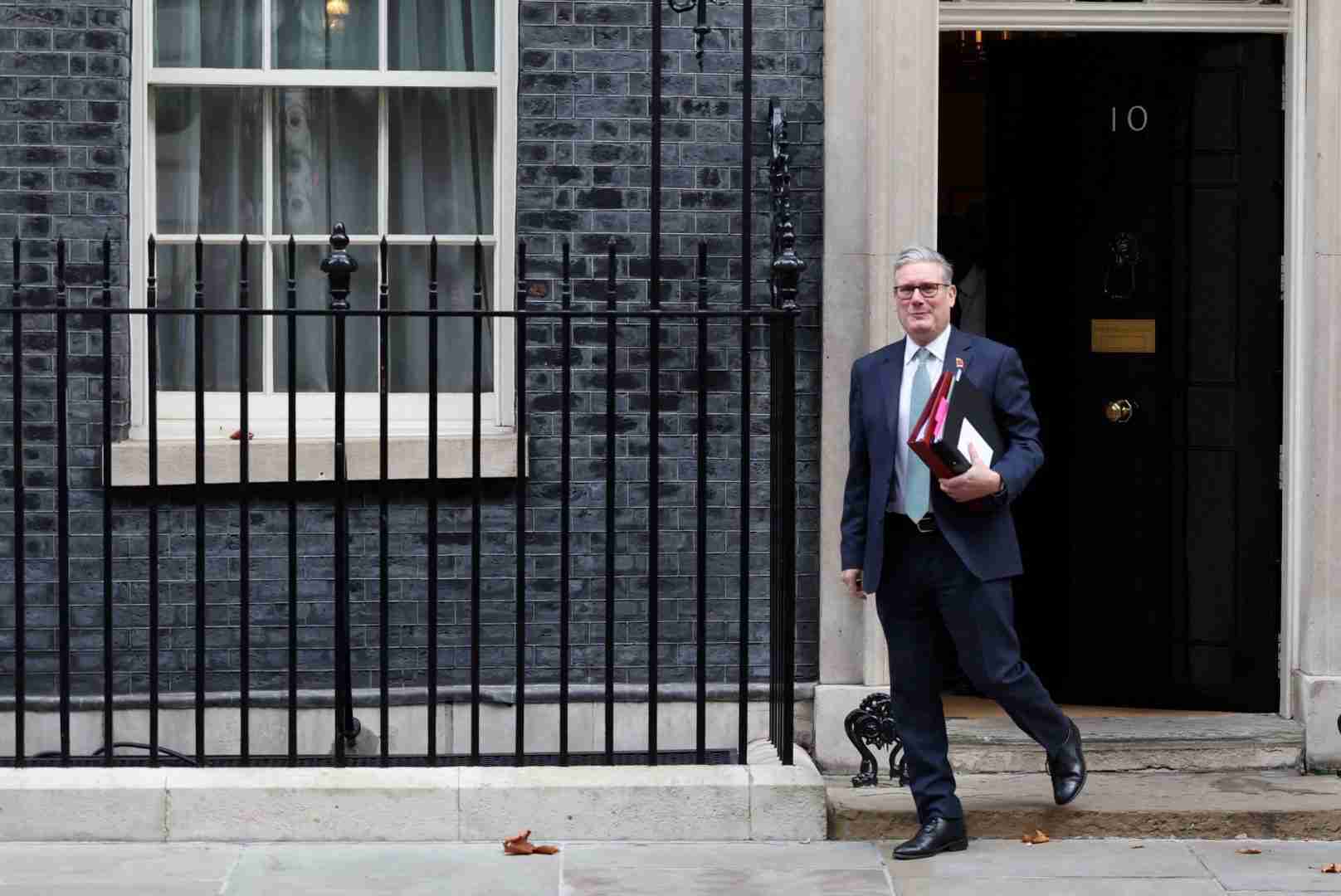
British Prime Minister Keir Starmer is lobbying Poland to award a multi-billion-euro submarine purchase contract to Swedish defence group Saab that may include some deals with UK defence group Babcock, sources said.
Babcock declined to comment on its possible involvement in the bid. The British government did not immediately reply to a request for comment.
A spokesperson for Saab told Reuters on Friday that the company’s submarines are tailored to the specific conditions prevailing in the Baltic Sea, but referred any questions about the UK’s position to the British authorities.
Polish officials have said a decision on the “Orka” programme, a key part of Warsaw’s drive to modernise its navy and bolster NATO ties as tensions with Russia escalate, could be taken within weeks.
Saab, which makes a wide range of military equipment including fighter jets, surveillance systems, missiles and submarines, is among a handful of short-listed contenders for the contract, along with manufacturers from Italy, Spain, France, Germany and South Korea.
Two officials close to the matter told Reuters that Starmer had signed a letter of support, together with Swedish Prime Minister Ulf Kristersson, which was included in Saab’s final offer, submitted in late October.
POLITICAL JOCKEYING
Starmer is keen to boost the British economy, but his involvement is also an example of political jockeying around Europe for a slice of lucrative defence contracts as countries increase military spending in the face of tensions with Russia.
“The UK’s Babcock, among other British partners, will participate in Sweden’s bid,” one of the sources said, requesting anonymity because he was not authorised to speak to the media.
Starmer and Kristersson said in their joint letter they were confident that the Swedish proposal would boost security in the Baltic Sea, according to an official who has seen the document.
Polish media have reported that the offers from Germany, Italy and Sweden are frontrunners in the multi-billion-dollar programme. All three countries are partners of Poland in NATO and the European Union.
Reporting by Barbara Erling in Warsaw, Sarah Young in London and Johan Ahlander in StockholmEditing by Gareth Jones and Susan Fenton
The Bermuda Diabetes Association will host a tag day on November 21 to raise vital funds
Press release:
The Bermuda Diabetes Association is pleased to celebrate the beginning of Diabetes Awareness Month with an invitation to the public to join a series of impactful events throughout November.
The seven public events across the month are designed to raise awareness of diabetes, encourage early detection of prediabetes and diabetes-related conditions, support healthy living, and build community around those affected by the condition.
“Diabetes Awareness Month is a time for our community to come together, take action, and be empowered. Often small actions can make a big impact on your health,” said Lori Rockhead, executive director of the Bermuda Diabetes Association.
“These events are designed to start important conversations and help identify conditions before they lead to serious complications. Whether you come on your own or bring friends, family, or colleagues, we encourage everyone to get involved. Diabetes needs to be talked about more, and through education, practical tools, and support, we can all take steps to protect our health and improve lives in Bermuda.”
Throughout November – Free Prediabetes Screenings:
Take this simple Prediabetes Risk Test to find out if you are at risk of developing prediabetes. If you score 5 or above, schedule a 15-minute appointment with one of the Association’s health professionals for a free HbA1c finger prick blood test.
12th & 13th November – Free Eye Screenings: Complimentary 30-minute appointments with ophthalmologists, Dr. Ramsey and Dr. Bhardwaj from Boston’s Lahey Hospital and Medical Center. The eye screenings are open to those who have been diagnosed with diabetes for 10+ years, to detect diabetic retinopathy, glaucoma and macular degeneration, which can result in vision loss.
13th November (1pm-2pm) – Men and Sexual Health Session: A closed-door, judgment-free space for men to discuss how diabetes can affect their sexual health and overall wellbeing. This free one-hour session is hosted by the Daily Male’s, Dr Jonathan Makanjuola, and will separate fact from fiction, explain the real causes behind sexual health challenges, and highlight safe, effective treatment options that can make a real difference.
13th November (5pm-7pm) – Taking Control of Your Health: Inspirational Speaker Event: An evening with three extraordinary women and health leaders from the Lahey Hospital and Medical Center – Ms. Jane Thomas Edmonds, Dr. Dinamarie Garcia-Banigan, and Dr. Susan Moffatt-Bruce. This free event combines personal stories, professional expertise, and practical insights on living a long and fulfilling life.
14th November (10am-2pm) – Open House: To celebrate World Diabetes Day, the Bermuda Diabetes Association is hosting an on-site Open House featuring free blood pressure and blood glucose checks, pharmacy and nutrition advice, goody bags, a chair-fitness class and light refreshments.
21st November (8am-4pm) – Tag Day:
Charitable volunteers will be visible across the City of Hamilton and throughout the island, raising vital funds to directly support the Bermuda Diabetes Association’s mission. Contributions will be used to provide the Association’s Client Assistance Program (which provides free medication to people living with diabetes who are uninsured or underinsured), educational initiatives, and nutrition and wellness programs.
Dr. Dinamarie Garcia-Banigan of Lahey Hospital and Medical Center said: “It’s a privilege to be part of Diabetes Awareness Month in Bermuda. In partnership with the Association, we are dedicated to promoting early detection and preventing diabetes-related complications. Every bit of education and each screening can make a vital difference in reducing preventable diabetes-related conditions, including vision loss.”
For more information on the upcoming Diabetes Awareness Month events, and to book an eye screening, a prediabetes test, or register for the Men and Sexual Health and Taking Control of Your Health sessions, visit the Bermuda Diabetes Association website: https://www.diabetes.bm/get-involved/events
The ECB is drafting proposals to simplify banking regulation in the European Union, responding to banks’ complaints that they are at a disadvantage to their U.S. peers
International News via Reuters:
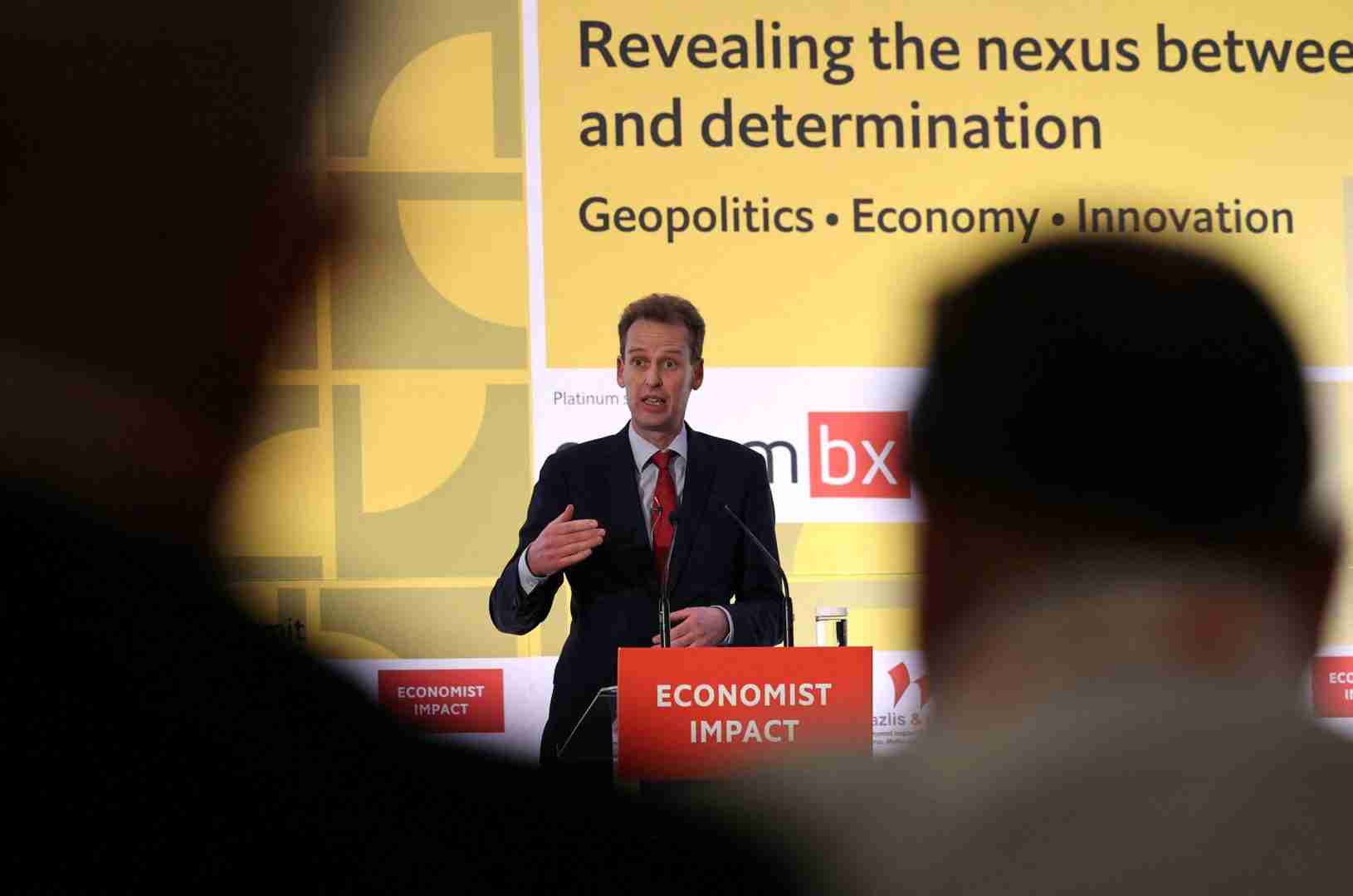
European Central Bank supervisor Frank Elderson on Friday backed simplifying rules for smaller lenders and whittling down capital requirements for the sector as a whole.
The ECB is drafting proposals to simplify banking regulation in the European Union, responding to banks’ complaints that they are at a disadvantage to their U.S. peers, also due to U.S. President Donald Trump’s deregulation drive.
Elderson proposed expanding a regime currently reserved for the region’s tiniest and simplest institutions, which requires them to report just 30% of the data that larger banks must produce and to receive fewer inspections from supervisors.
“One could consider a more systematic application of this regime, as well as an increased scope,” the Dutch legal expert told an ECB conference.
He added this could be done within existing law, maintaining a framework in which assets are weighed based on their risk.
The Small and Non-Complex Institution regime is currently applied to banks that have assets of less than 5 billion euros ($5.83 billion), a small trading book and little exposure to derivatives, among other criteria.
Germany, where regional and smaller lenders still make up nearly half of total assets, has been lobbying to create an entirely separate regime for smaller banks, which would require hard-to-pass changes to EU legislation.
Elderson also said the ECB could make its requirements more predictable and that there was scope for reducing the number of layers from the current nine, including those banks must have to absorb losses if they fail.
France has proposed subjecting Europe’s biggest banks to a single buffer, rather than the current two, for the case of a failure.
An ECB task force will consider all proposals before making its recommendations to the European Commission by the end of the year. This is part of the Commission’s broader simplification initiative.
($1 = 0.8575 euros)
Reporting by Francesco Canepa; Editing by Sharon Singleton and Joe Bavier
Reeves is expected to need to raise tens of billions of pounds to stay on track for her fiscal targets
International News via Reuters:
British finance minister Rachel Reeves has no plans to raise income tax rates in this month’s budget due to improved fiscal forecasts, a source said, following a surge in borrowing costs earlier in the day on reports she had backtracked on tax hikes.
Reeves is expected to need to raise tens of billions of pounds to stay on track for her fiscal targets, and her recent comment that “we will all have to contribute” was seen as paving the way for the government to break its main election pledge and hike income tax rates.
But the latest round of forecasts from the Office for Budget Responsibility pointed to an improving fiscal outlook, two sources familiar with the matter said, one of whom confirmed the government did not plan to raise income tax in light of those latest figures.
British government bond prices fell heavily with yields initially rising by more than 14 basis points across 20- and 30-year gilts. The jump in borrowing costs slightly eased later with yields up by nearly 10 basis points at 1030 GMT but were still on track for their worst day since July 2, when a tearful appearance by Reeves in parliament spooked investors. Ten-year borrowing costs – a better barometer for future gilt issuance – were up by 8 bps on the day at 4.56%, on track for their biggest daily rise since September 25.
A Treasury spokesperson declined to comment on tax policy.
“The chancellor will deliver a budget that takes the fair choices to build strong foundations to secure Britain’s future,” the spokesperson said.
Reeves had committed to making the public finances more resilient and to give herself enough fiscal room for manoeuvre to withstand turbulence in the global economy, they said.
MARKETS HAD TAKEN REASSURANCE FROM TALK OF TAX RISES
In recent weeks investors had taken reassurance from signals from Reeves that she was prepared to take tough measures to remain on course to meet her fiscal targets of balancing the government budget by 2029/2030, excluding investment spending, contributing to a drop in government bond yields. Bond yields move inversely to prices.
Investors have previously said they have more confidence in revenue forecasts based on increases in income tax, rather than a patchwork of smaller taxes which can be easier to avoid.
Economist Kallum Pickering at Peel Hunt said Reeves would now likely opt for a “haphazard patchwork of smaller anti-growth tax increases”.
“That would be a bad outcome,” he said. “It would add to uncertainty, further damage the government’s already tarnished credibility, and complicate any BoE judgement to potentially offset tax rises with rate cuts.”
One revenue-raising alternative for Reeves was to cut the thresholds at which people pay different rates of income tax.
Paul Johnson, a former director of the Institute of Fiscal Studies think tank, told BBC radio that such a move could raise large amounts of money for the Treasury but would disproportionately hurt lower-paid workers.
One source familiar with the matter said that no final decisions had been made, and there was still another round of OBR forecasts to come which could yet change fiscal estimates used for the budget.
THINK TANKS HAVE WARNED OF NEED TO RAISE MONEY
The National Institute of Economic and Social Research, a leading think tank, had warned that Reeves needed to embark on major tax rises to avoid a repeat of the loss of market confidence that cost former prime minister Liz Truss her job.
The FT said the decision to change plans, taken this week, was communicated to the Office for Budget Responsibility on Wednesday. It cited people briefed on the revised plans as saying Reeves would instead rely on a “smorgasbord” approach of hiking a range of narrowly drawn taxes.
Reeves and Prime Minister Keir Starmer said before last year’s election that they would not raise taxes for “working people” including income tax, social security contributions and value-added tax.
The pledge was designed to reassure voters that a Labour government would not resort to ideological tax-and-spend policies.
But at its first budget a year ago it raised 40 billion pounds (52.7 billion) to invest in national infrastructure and improved public services, mostly through higher levies on business. The economic outlook has deteriorated further since then.
Earlier this week, Reeves told BBC radio that she could only stick with the manifesto commitments if she made deep cuts in capital spending.
($1 = 0.7451 pounds)
Reporting by Mrinmay Dey in Bengaluru, Alistair Smout and Andrew MacAskill in London; Additional reporting by Harshita Meenaktshi, Andy Bruce, William Schomberg and David Milliken; Writing by Kate Holton; Editing by Thomas Derpinghaus, Emelia Sithole-Matarise and Sharon Singleton
According to LSEG Lipper data, global investors bought just $4.11 billion worth of equity funds during the week, a sharp reduction from $22.27 billion worth of net purchases the prior week
International News via Reuters:
Global equity fund inflows cooled significantly in the week to November 12 as worries about stretched technology valuations and signs of softening U.S. labour market conditions fuelled risk-off sentiment.
According to LSEG Lipper data, global investors bought just $4.11 billion worth of equity funds during the week, a sharp reduction from $22.27 billion worth of net purchases the prior week.
Concerns intensified after a private report suggested the U.S. economy shed jobs in October, although the official figures remain unavailable due to the weeks-long government shutdown.
A pullback in major technology stocks and SoftBank Group’s disclosure that it sold $5.83 billion worth of Nvidia shares also weighed on sentiment.
Asian equity funds received $3.04 billion, the fifth weekly inflow in a row, and led regional flows. U.S. funds also had a net $1.15 billion worth of purchases while European funds saw outflows of $1.87 billion.
The technology sector attracted $2.59 billion, still the smallest amount in four weeks. Investors also added healthcare and industrial sector funds of $915.2 million and $326 million, respectively.
Global bond funds drew inflows for the 30th week in a row, amounting to $13.11 billion on a net basis.
Short-term bond funds saw an uptick in demand as inflows surged to a seven-week high of $5.77 billion. Euro-denominated bond funds and corporate bond funds also received notable inflows of $2.31 billion and $1.9 billion, respectively.
Gold and precious metal commodity funds witnessed a renewal in demand following two successive weekly outflows as these funds gained $1.64 billion worth of inflows.
Emerging market funds’ data for 28,738 funds showed that equities received $2.17 billion, a third successive weekly inflow, while bond funds had a third consecutive outflow, worth $1.45 billion in the most recent week.
Reporting by Gaurav Dogra; Editing by Andrew Heavens
Now it is water contamination as autumn rains wash ash and sediment down denuded hillsides, clogging waterways and making drinking water unsafe
International News via Reuters:
“The fire started on my birthday,” says taxi driver Simon Rodriguez, hauling jugs of water out of the back of a car four months later. “And here we are, fighting it!”
Although the record-breaking wildfires that ripped across Spain and Portugal in August have subsided, residents in rural communities in Spain’s northwestern Galicia region are still battling the aftermath.
Now it is water contamination as autumn rains wash ash and sediment down denuded hillsides, clogging waterways and making drinking water unsafe.
“We can’t shower because the water is completely black. I haven’t showered in two days. We have to wait for the rain to stop before we can shower,” Rodriguez, 33, says while delivering drinking water to residents in the municipality of Villamartín de Valdeorras, who have been advised since late October to avoid using water for cooking or drinking.
As governments and business leaders meet for the annual UN climate negotiations in Brazil, where a key focus of the talks is providing financing to adapt to climate change, communities globally are reeling from the worsening impacts of rising global emissions on their homes and livelihoods, calling on governments to spend and do more to repair the damage.
ASH CLOGS NATURAL WATER FILTERS
In Galicia, as the seasonal October rains picked up, the entire vegetative layer which had turned to ash began to clog the sandtraps — known locally as areneros — that decant rainwater to prevent debris from reaching the water line, feeding the reservoir.
Local crews hike in three times daily to scoop out heavy sediment, but it has become practically impossible to deliver water in an acceptable condition to residents, Villamartín de Valdeorras Council Mayor Enrique Álvarez Barreiro said.
“We have been here for almost a month, working to remove the ash mixed with mud,” said Raul Lopez, a worker for the municipality.
“We have never seen a disaster like this before in our lives … Neither my grandfather nor my father, nor anyone else, can remember a disaster like this.”
Summer wildfires are common in Spain and neighbouring Portugal and are essential to the local ecosystem, helping to regenerate the land.
But climate change made the hot, dry and windy weather that fueled the deadly wildfires in Spain and Portugal 40 times more likely, according to scientists with World Weather Attribution.
“What happened here is crazy,” said Cristina Santín, a biologist from northwestern Spain who studies fire impacts. “Suddenly you get up one day and your home region is burning on a scale that is completely unprecedented.”
HOMES REDUCED TO RUBBLE
The fires forced more than 42,000 people across Spain to evacuate, according to the Ministry of Interior, with some returning to find their homes had been reduced to ashes.
When Susana Fernandez Gonzalez came back to her family home in San Pedro de Cansoles, in Castilla y Leon, she described it “as if a bomb was dropped (on the village).”
The civil guard and psychologists had escorted them back in, she said. “Everything was shattered.”
The smoke plume from the Iberian fires severely degraded local air quality with the impact felt across parts of France, the UK and Ireland, according to Mark Parrington, a senior scientist with Copernicus Atmosphere Monitoring Service.
Spain’s COAG national farmers’ association estimated that the fires had caused at least 600 million euros ($699.72 million) in damages, devastating crops and buildings and leaving livestock dead in the fields.
Beekeepers also lost over 7,000 hives, COAG said, though this loss may increase with no food available to the bees from lack of vegetation.
WILDFIRES PUSH EMISSIONS TO RECORD LEVELS
As a result of the fires in Spain and Portugal, total estimated emissions across Europe and the UK were the highest on record in the Copernicus Atmosphere Monitoring Service’s dataset, which has monitored global emissions of wildfires since 2003.
Spain is grappling with how to improve forest management across areas where the local population has shrunk and the countryside has rewilded with limited controls.
Prime Minister Pedro Sanchez has acknowledged that more efforts were needed to prevent wildfires and pledged to do whatever it takes to ensure fires on such a scale never happened again.
With the natural vegetative sponge layer of Galicia’s hillsides reduced to ash, locals are concerned about water shortages in years ahead, as the rainfall is carried into streams and rivers, instead of percolating into the local aquifer.
That ash also makes its way to the sea.
“Everyone knows that ash is a problem for shellfish along all the coasts. So the problem doesn’t end for us,” said Álvarez Barreiro.
In the near term, the hillsides are unfit for livestock to graze.
Álvarez Barreiro’s municipality is planning to take protective measures by using drones to plant seeds to protect the areneros. It will cost about 12,000 euros ($14,000) for an area of approximately 40 hectares.
“I think we’re very far from addressing the vastness of the problem,” he said.
($1 = 0.8575 euros)
($1 = 0.8575 euros)
Reporting by Nacho Doce, Violeta Santos Moura, Pedro Nunes, Ali Withers; Additional reporting by David Latona ; Editing by Sharon Singleton
Amid the peaceful protest, security was ramped up and there were long lines of delegates waiting to enter the sprawling compound
International News via Reuters:
Dozens of Indigenous protesters blocked the front of the COP30 summit venue in Brazil on Friday morning, staging a sit-in that forced delegates to use a side entrance to resume their negotiations on tackling climate change.
Amid the peaceful protest, security was ramped up and there were long lines of delegates waiting to enter the sprawling compound, which is built on the site of an old airport in the Amazon city of Belem.
The protesters are demanding that the Brazilian government halt all development projects in the Amazon, including mining, logging, oil drilling and the building of a new railway for transporting mining and agricultural products.
On Tuesday, dozens of Indigenous protesters forced their way into the COP30 venue and clashed with security guards at the entrance. They later defended that action, saying they wanted to demonstrate the desperation of their fight for forest protection.
Brazilian President Luiz Inacio Lula da Silva has highlighted Indigenous communities as key players in this year’s COP30 negotiations.
Reporting by Adriano Machado, Valerie Volcovici and Katy Daigle; editing by William James
Once considered one of the safest countries in Latin America, Ecuador has become a key drug transit hub in recent years because of its location on the Pacific
International News via Reuters:
Ecuadoreans grappling with a surge in violent crime will head to the polls on Sunday to decide whether to allow the return of foreign military bases — which President Daniel Noboa says are central to fighting organized crime – and whether they back convening an assembly to rewrite the constitution.
Once considered one of the safest countries in Latin America, Ecuador has become a key drug transit hub in recent years because of its location on the Pacific, triggering an unprecedented security crisis and battering its already-fragile economy.
Recent polls show majority support for convening the constitutional assembly, but voters appear divided on the military bases.
Noboa argues the current constitution, drafted under former leftist President Rafael Correa, must be revised to reflect the country’s new reality and expand international cooperation in combating crime.
“They wrote the rules to protect themselves. Today, Ecuador chooses a different path,” Noboa wrote this week on X.
Washington, which has praised Noboa as an “excellent partner” in efforts to curb illegal immigration and drug trafficking, has carried out strikes on more than a dozen suspected drug vessels in the Caribbean and Pacific, resulting in over 70 deaths.
Authorities have said a no vote on the military bases question will not derail security plans. Noboa ratified two agreements for joint military operations with the U.S. last year and the two countries also maintain an aerial interception agreement, enabling drug and weapons seizures at sea.
The coastal city of Manta hosted U.S. military personnel for a decade until 2009, when Correa declined to renew their presence and constitutionally banned foreign bases. U.S. Homeland Security Secretary Kristi Noem recently toured military facilities in Manta and an air base in Salinas alongside Noboa.
Drug seizures dropped by more than 70% in the year following the closure of the Manta base, Interior Minister John Reimberg told a local radio station on Tuesday, due to the suspension of joint interdiction operations.
But the possible return of foreign bases is more about geopolitics than domestic security, said Luis Cordova, lead researcher at the Ecuadorean Conflict Observatory, adding Ecuador instead needs better intelligence infrastructure: “Ecuador doesn’t lack cooperation — it lacks public management to address the problem.”
And some voters have sovereignty concerns.
“We won’t allow our country to become a war zone for the United States’ ambitions,” said Jeronimo Ludena, a 55-year-old lawyer in Guayaquil, Ecuador’s most dangerous city. “We must not mortgage our sovereignty.”
Between January and September, Ecuador seized 146.4 metric tons of drugs, down from 208 tons during the same period in 2024. Violent deaths rose more than 36% year-on-year in the first nine months of 2025.
Reporting by Alexandra Valencia in Quito, additional reporting by Yury Garcia in Guayaquil, Editing by Alexandra Hudson
The 20-nation currency bloc has proven unexpectedly resilient to trade strife and uncertainty this year but its rate of expansion remains lukewarm compared to international peers
International News via Reuters:
The euro zone economy continued to expand at a modest but respectable pace in the third quarter while the trade surplus surged in September on healthy exports to the United States, data from Eurostat showed on Friday.
The 20-nation currency bloc has proven unexpectedly resilient to trade strife and uncertainty this year but its rate of expansion remains lukewarm compared to international peers and economists see few catalysts to generate faster growth.
Its economy grew by 0.2% on the quarter, in line with a first estimate from late October, as France and Spain balanced out Germany, which is stagnating for the third straight year on weak output, poor exports and muted private consumption.
Compared to a year earlier, GDP in the euro zone grew by 1.4%, just ahead of expectations for 1.3% in a Reuters poll of economists, propelled by Spain’s continued strong performance.
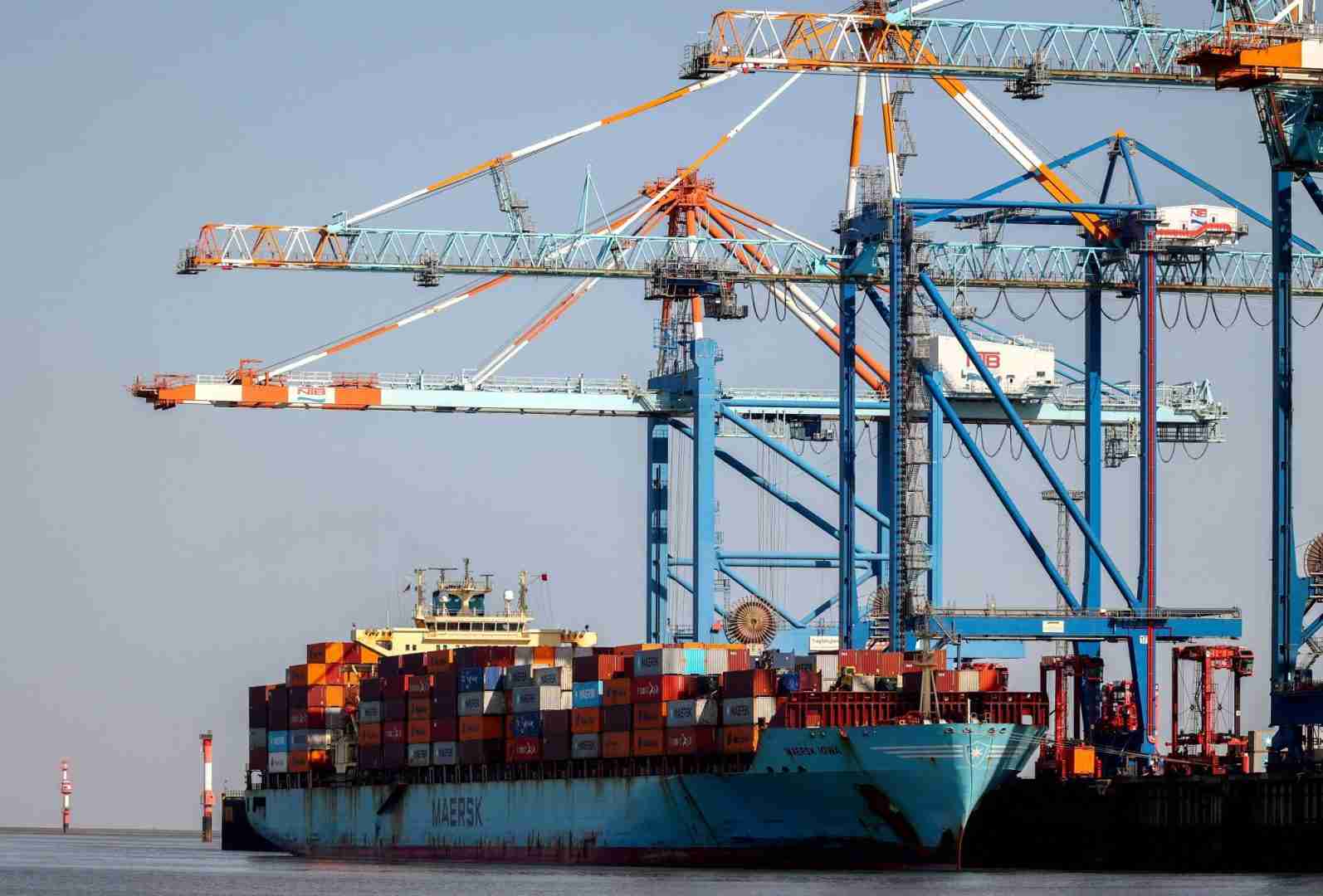
Separate data showed that the bloc’s trade surplus surged to 19.4 billion euros ($22.62 billion) in September from just 1.9 billion a month earlier, as exports to the U.S. grew quicker than imports, despite a raft of tariffs that had hit demand earlier.
The European Union as a whole had a trade surplus of 22.2 billion euros with the U.S. in September, above a 6.5 billion euro figure in August and 18.5 billion a year earlier.
The overall surplus was driven by chemicals, including pharmaceuticals, and machinery sales. This could signal a one-off surge, however, as pharmaceuticals are a historically volatile component, especially because of the large presence of global drug firms located in Ireland for tax reasons.
The euro zone’s trade surplus for the month is the highest since March, when U.S. firms stocked up on goods before tariffs kicked in.
Still, economists have warned against reading too much into monthly numbers since they are affected by one-off factors, including frontloading around tariffs.
($1 = 0.8575 euros)
Reporting by Balazs Koranyi; editing by Mark Heinrich
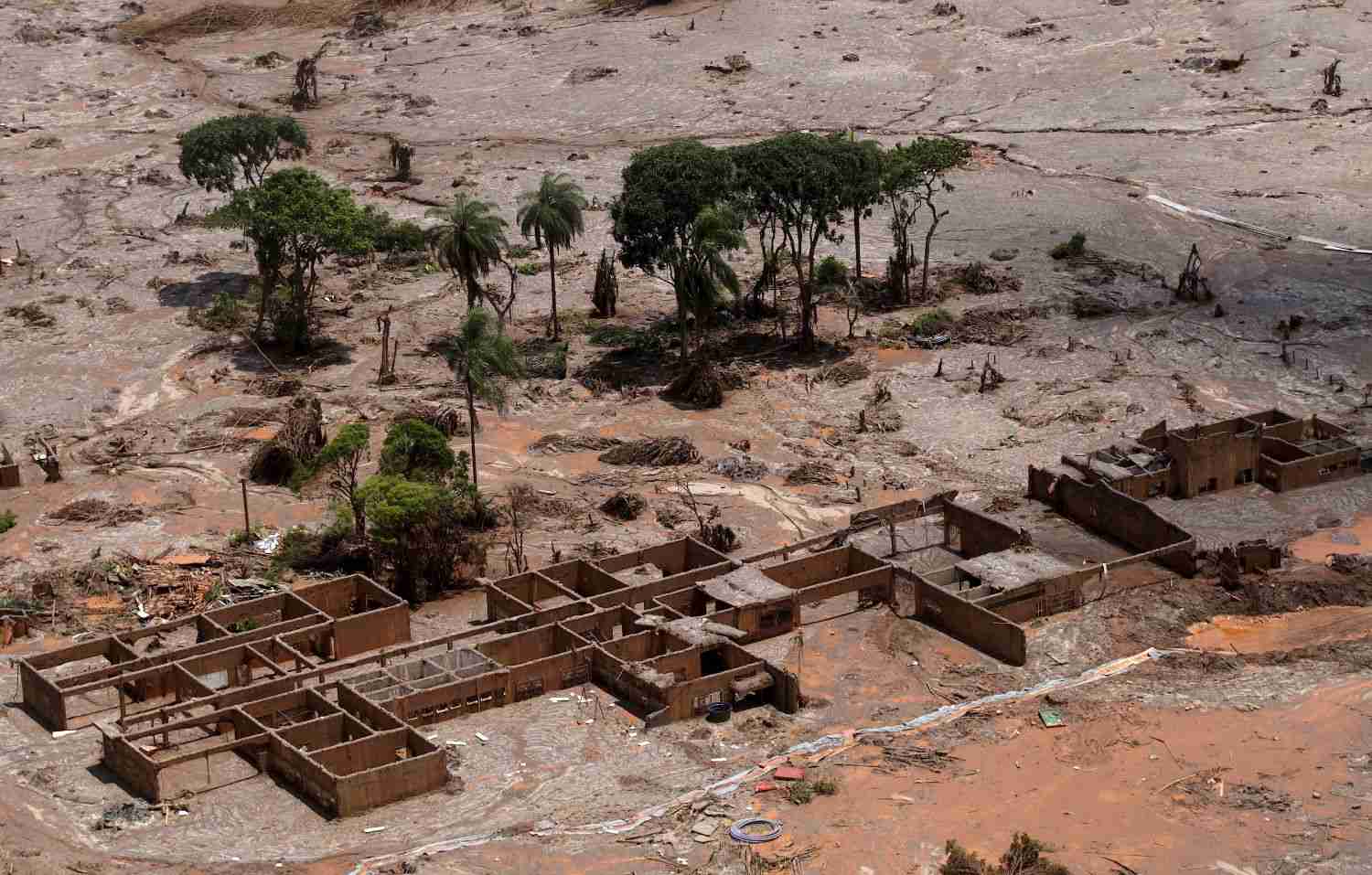
Hundreds of thousands of Brazilians, dozens of local governments and around 2,000 businesses sued BHP over the collapse of the Fundao dam in Mariana
International News via Reuters:
BHP is liable for the 2015 collapse of a dam in southeastern Brazil, London’s High Court ruled on Friday, in a lawsuit the claimants’ lawyers previously valued at up to 36 billion pounds ($48 billion).
Hundreds of thousands of Brazilians, dozens of local governments and around 2,000 businesses sued BHP over the collapse of the Fundao dam in Mariana, southeastern Brazil, which was owned and operated by BHP and Vale’s Samarco joint venture.
Brazil’s worst environmental disaster unleashed a wave of toxic sludge that killed 19 people, left thousands homeless, flooded forests and polluted the length of the Doce River.
Judge Finola O’Farrell said in her ruling that continuing to raise the height of the dam when it was not safe to do so was the “direct and immediate cause” of the dam’s collapse, meaning BHP was liable under Brazilian law.
BHP said it would appeal against the ruling and continue to fight the lawsuit.
BHP’s President Minerals Americas Brandon Craig said in a statement that 240,000 claimants in the London lawsuit “have already been paid compensation in Brazil”.
“We believe this will significantly reduce the size and value of claims in the UK group action,” he added.
CLAIMANTS CELEBRATE MAJOR RULING
Gelvana Rodrigues da Silva, who lost her seven-year-old son Thiago in the flood, said in a statement: “Finally, justice has begun to be served, and those responsible have been held accountable for destroying our lives.”
“The judge’s decision shows what we have been saying for the last 10 years: it was not an accident, and BHP must take responsibility for its actions,” she added.
The claimants’ lawyers accused BHP, the world’s biggest miner by market value, of “cynically and doggedly” trying to avoid responsibility as the mammoth trial began in October.
BHP contested liability and said the London lawsuit duplicated legal proceedings and reparation and repair programmes in Brazil.
In the trial’s first week, Brazil signed a 170 billion reais ($31 billion) compensation agreement with BHP, Vale and Samarco, with BHP saying nearly $12 billion has been spent on reparation, compensation and payments to public authorities since 2015.
BHP said after Friday’s judgment that settlements in Brazil would reduce the size of the London lawsuit by about half.
A second trial to determine the damages BHP is liable to pay is due to begin in October 2026.
($1 = 0.7451 pounds)
($1 = 5.4039 reais)
Reporting by Sam Tobin. Editing by Kate Holton and Mark Potter
Bermuda’s final home match of the Concacaf World Cup 26 qualifying campaign ended in a heavy 7-0 defeat
Bermuda’s final home match of the Concacaf World Cup 26 qualifying campaign ended in a heavy 7-0 defeat to a dominant Curacao side at the Flora Duffy South Field Stadium. The match was an emotional occasion for the home fans, who saw legend Reggie Lambe lead the team out for his final international appearance on home soil.
The Final Round of the Concacaf Qualifiers will determine the region’s remaining participants in the 2026 FIFA World Cup, joining co-hosts Canada, Mexico, and the United States.
Curacao asserted their dominance from the start, controlling 66.8% of the possession in the first half. The scoring began in the 6th minute when Bermuda fell victim to the VAR system, the referee, after reviewing a possible handball, awarded a penalty that Leandro Bacuna calmly slotted home.
The lead was doubled in the 32nd minute when Juninho Bacuna blasted a shot past a diving Dale Eve. Eve kept the game respectable with three amazing saves as Curacao took a 2-0 lead to the break.
The second half saw Curacao relentlessly increase the pressure and the scoreline. Just three minutes after the restart in the 48th minute, halftime substitute Jordi Paulina scored from the spot after being fouled in the box. Sontje Hansen made it 4-0 in the 59th minute.
Following a string of Bermudian substitutions, including the poignant exit of Reggie Lambe in the 62nd minute, Paulina secured his second of the night, following up a save from substitute goalkeeper Detre Bell to make it 5-0.
Another substitute, Ar’jany Martha, added the sixth with a 20-yard free kick that Bell could not keep out. The rout was completed in the second minute of stoppage time when Roshon van Eijma let fly with a long-range shot that found the back of the net, making the final score 7-0.
Curacao finished the match with 69% of the possession and a massive 11 corners, reflecting their total control over the contest.
To provide the best experiences, we use technologies like cookies to store and/or access device information. Consenting to these technologies will allow us to process data such as browsing behavior or unique IDs on this site. Not consenting or withdrawing consent, may adversely affect certain features and functions.
Functional
Always active
The technical storage or access is strictly necessary for the legitimate purpose of enabling the use of a specific service explicitly requested by the subscriber or user, or for the sole purpose of carrying out the transmission of a communication over an electronic communications network.
Preferences
The technical storage or access is necessary for the legitimate purpose of storing preferences that are not requested by the subscriber or user.
Statistics
The technical storage or access that is used exclusively for statistical purposes.The technical storage or access that is used exclusively for anonymous statistical purposes. Without a subpoena, voluntary compliance on the part of your Internet Service Provider, or additional records from a third party, information stored or retrieved for this purpose alone cannot usually be used to identify you.
Marketing
The technical storage or access is required to create user profiles to send advertising, or to track the user on a website or across several websites for similar marketing purposes.