The South American country’s opposition and international human rights bodies have denounced an escalating crackdown on opposition figures there since a July 2024 presidential election
International News via Reuters:
Venezuela arrests opposition figures’ family members in a “sustained and systematic pattern” to generate fear and social control, a United Nations fact-finding mission said in an upcoming report.
The report, seen by Reuters on Friday, is set to be presented at a session of the U.N. Human Rights Council next week. It is based on research conducted from September 2024 through August this year.
The South American country’s opposition and international human rights bodies have denounced an escalating crackdown on opposition figures there since a July 2024 presidential election.
The opposition published ballot box tallies showing a resounding victory for its candidate, but the government of President Nicolas Maduro and the supreme court said Maduro won a third term.
Neither the communications ministry nor the attorney general’s office responded immediately to requests for comment.
Maduro’s government has previously said that the U.N.’s fact-finding mission is a mechanism of aggression, and has insisted that Venezuela is a democracy governed by laws.
Arrests of relatives of “people from the opposition or perceived as such … are not limited to individual actions, but respond to a policy of repression oriented towards creating fear and social control,” the report said.
Family members are detained as reprisals against opposition politicians or as a way to exert pressure, the report said, and the arrests have serious impacts on family units and reinforce a climate of fear.
Among those named in the report is Rafael Tudares, son-in-law of the opposition’s former presidential candidate Edmundo Gonzalez, who was detained in January while taking his young children to school. His family says they have received no information about him since.
Relatives in the cases probed by the U.N. were denied access to a lawyer of their choice and instead were given public defenders, the report said.
Discussions on a digital euro heated up this year because the EU is now keen to reduce its dependence on other countries
International News via Reuters:
European Union finance ministers on Friday agreed on a roadmap for launching a digital euro currency that aims to become an alternative to the now dominant U.S.-based Visa and Mastercard systems.
Discussions on a digital euro, essentially an electronic wallet backed by the European Central Bank, heated up this year because the EU is now keen to reduce its dependence on other countries in key areas like energy, finance and defence.
The ECB has pitched the digital euro as a way to cut Europe’s reliance on U.S. credit cards and as a response to U.S. President Donald Trump’s global push for stablecoins pegged to the U.S. dollar.
But the ECB, the main sponsor of the project, has failed so far to secure legislative approval for it, with lawmakers and bankers complaining it may hollow out banks’ coffers, cost too much or curtail privacy.
In a sign of progress, EU finance ministers gathering with ECB President Christine Lagarde and European Commissioner Valdis Dombrovskis in Copenhagen on Friday reached an agreement on the next steps.
This will give EU finance ministers a say on whether a digital currency is issued and how many such euros each resident will be able to hold, which is seen as crucial for assuaging fears of a run on bank deposits.
“The compromise that we reached is that before the ECB makes a final decision in relation to issuance…there would be an opportunity for a discussion in the Council of Ministers,” Paschal Donohoe, who chairs meetings of finance ministers, told a joint press conference.
Donohoe, Lagarde and Dombrovskis also celebrated a compromise on the procedure for setting the holding limit although they didn’t give details.
A participant at the meeting told Reuters the ECB will also submit a proposed holding limit for approval by the European Council of Finance Ministers.
DELAYS TO LEGISLATION
Though the European Commission proposed digital euro legislation in June 2023, the other two institutions that have to sign off on it, the European Parliament and the European Council, have yet to do so.
The European Council aims to wrap up its side of the work by the end of the year.
The ECB hopes to have the legislation in place by June, after which it will need around two-and-a-half to three years to actually launch the digital euro.
Some EU countries have their own national digital payments systems, but none that would be accepted across the 27-nation bloc.
“The digital Europe is not just a means of payment, it is also a political statement concerning the sovereignty of Europe and its capacity to handle payment, including on a cross-border basis, with a European infrastructure and solution,” Lagarde said at the press conference.
Writing by Francesco Canepa; Editing by Aidan Lewis and Sharon Singleton
Governor Andrew Murdoch says the level of consensus among members of the Governor’s Council is high as resources are being deployed to reduce gun violence in the community
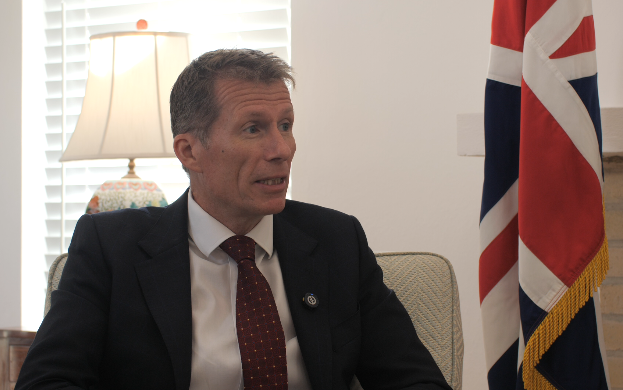
UK authorities are assisting the Bermuda Government to bring in specialist officers to help reduce gun crime.
This today from Governor Andrew Murdoch, who sits on the Governor’s Council with Premier David Burt, the National Security Minister, the Commissioner of Police, the Collector of Customs and the Director of Public Prosecutions.
It was reported this week in the wake of the murder of mother of two, Janae Minors, that police could expect additional resources from the UK.
Governor Murdoch confirmed that measures have been taken to obtain equipment and personnel.
Also, a town hall meeting will be held on the 29th of September to engage the public on the issue directly.
Volkswagen, Europe’s largest carmaker, said it would take a 5.1 billion euro ($5.99 billion) hit from the far-reaching product overhaul at its subsidiary
International News via Reuters:
Porsche AG on Friday dialled back plans for its electric vehicle rollout due to weaker demand, pressure in key market China and higher U.S. tariffs, causing the luxury sportscar maker and its parent Volkswagen to slash their 2025 profit outlooks.
Volkswagen, Europe’s largest carmaker, said it would take a 5.1 billion euro ($5.99 billion) hit from the far-reaching product overhaul at its subsidiary.
The changes are a major shift for the Stuttgart-based maker of the iconic 911 model, and are expected to hit Porsche’s operating profit by up to 1.8 billion euros this year.
Porsche’s Frankfurt-listed shares were down 3.1 at 1731 GMT, while Volkswagen’s shares we 3.4% lower.
“Due to the delayed ramp-up of electromobility, the market launch of certain all-electric vehicle models is planned to take place at a later date,” the company said.
It added that the new sports utility vehicle above the Cayenne model will initially not be offered as an all-electric vehicle, but with combustion-engine and hybrid models.
“In addition, the production period of currently available vehicle models with combustion and hybrid drivetrain will be extended,” Porsche said.
Holding company Porsche SE, Volkswagen’s biggest shareholder, which also owns a 12.1% stake in Porsche AG, cut its outlook for profit after tax as well.
Porsche AG expects its automotive EBITDA margin to come in between 10.5% and 12.5%, versus 14.5% to 16.5% previously.
VW announced it now sees its 2025 operating return on sales in the range of 2% to 3%, with a previous forecast of 4 to 5%.
($1 = 0.8510 euros)
Reporting Christoph Steitz in Frankfurt and Thomas Seythal in Berlin; additional reporting by Simon Ferdinand Eibach and Paolo Laudani in Gdansk; Editing by Jan Harvey
History shows outright wealth taxes rarely generate much revenue and often miss their main targets, tax experts and economists say
International News via Reuters:
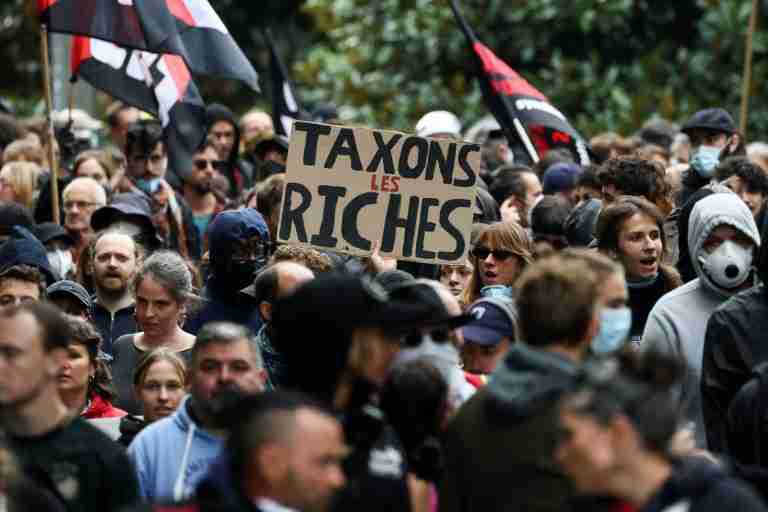
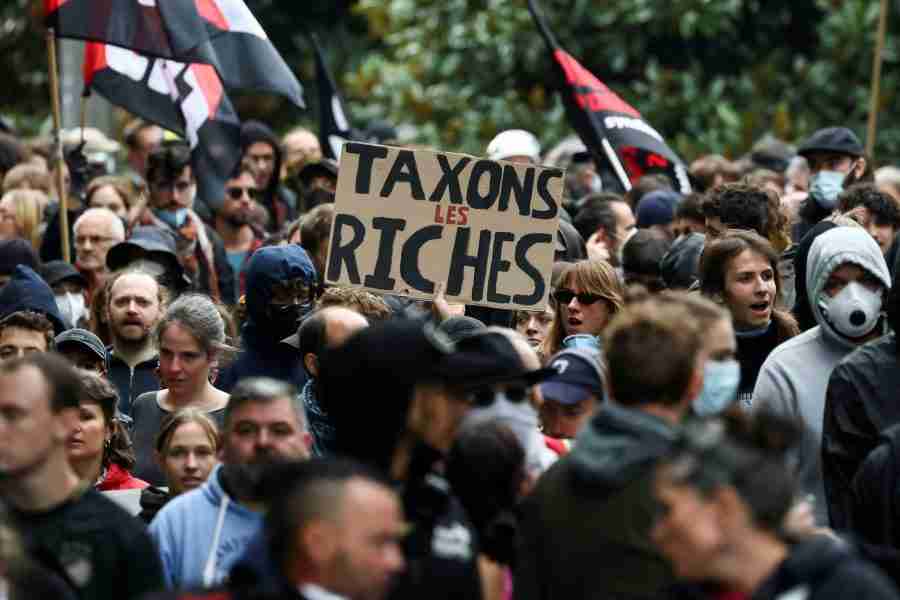
Cash-strapped European governments looking to tax the rich harder to plug holes in public finances and redress rising inequality may find that direct wealth levies are not the most effective solution.
History shows outright wealth taxes rarely generate much revenue and often miss their main targets, tax experts and economists say. They point to a menu of options that work better, including greater scrutiny of capital gains, inheritance taxes and exit fees for those trying to switch to a tax haven.
“Concerns about wealth inequality do not imply that governments should use net wealth taxes,” the IMF said in a recent guide to governments. “Improving capital income taxes tends to be both more equitable and more efficient.”
MODEST REVENUES
In Europe, Switzerland, Spain and Norway have varying forms of a wealth tax on holders of assets above a certain level, and France and Britain are debating the idea to reduce their budget deficits.
The average top income tax rate across the 38 countries in the Organisation for Economic Co-operation and Development fell from 66% in 1980 to 43% currently.
And at the very pinnacle of society, the top 0.0001% of earners can pay hardly any taxes at all in countries such as France and the Netherlands because they can park their assets in holding companies, according to research by Paris School of Economics professor Gabriel Zucman.
He was behind a proposal for a 2% wealth tax on France’s richest 0.01% in the 2026 budget, now being debated by politicians.
“We need to ensure that billionaires pay at least as much as other social groups,” Zucman told Reuters. “It is a basic question of justice and respect for the fundamental principles of tax fairness.”
But taxing a person’s stock of assets isn’t the only or perhaps even the best way to get there.
These taxes typically generate modest revenues of just a few decimal points of gross domestic product. This is because taxpayers, particularly the ultra-rich, can easily shield their assets by placing them in businesses or trusts, in exempted or hard-to-value items such as antiques, or even siphon them off to tax havens.
CAPITAL GETS BETTER DEAL
In addition, a wealth tax is generally levied on all types of wealth at the same rate – effectively penalising those who own lower-yielding assets.
By contrast, a tax on the income derived from capital – such as dividends and capital gains, which are profits made when an asset is sold – is levied on actual returns.
As these are generally subject to lower tax than labour income, proponents of taxes on the wealthy see room for change.
“The favourable tax treatment of gains is a significant driver of low effective tax rates among high-net-worth individuals,” the OECD said in a report published earlier this year.
Income from capital gains and dividends is taxed at a low, flat rate in countries including France, Germany, Italy, South Korea and Japan.
Some economists argue low taxes on capital encourage savings, investment and entrepreneurship, although OECD research shows those aims could be achieved in other ways, such as targeted relief.
Fixes include removing exemptions for capital gains, such as on some real estate, and making sure these are taxed, at the latest, when assets are inherited or a taxpayer leaves the country, especially for a tax haven, according to OECD and IMF research.
DEATH TAX MAY GIVE ECONOMY NEW LIFE
Inheritance tax, sometimes disparagingly called a “death tax”, is both fair and efficient, according to the OECD.
Its researchers argue it has advantages over a wealth tax, such as not discouraging people from saving for their old age or, if the right exemptions are in place, from making a nest for their children.
Detractors say inherited assets have already been taxed when income was earned. They point to the fact that the top 1% of earners are already the biggest contributor to the state’s coffers in most major countries.
While most developed economies do tax inherited wealth, not all make full use of that tool.
Most do not tax unrealised capital gains, and provide generous allowances for business assets.
In Italy, Poland and, up to a threshold, South Korea, heirs don’t pay any levy on a business they inherit. In Ireland, Spain and Germany there are very high exemptions.
In a competitive global environment, policymakers need to strike a balance in raising tax revenue without sending the wealthy to other jurisdictions, tax experts say. Yet tax activist group the Tax Justice Network argues everyone would benefit from a narrower wealth gap.
“One of the things that undermines social outcomes for everybody, including the wealthiest, is inequality… High inequalities undermine economic growth. They undermine life expectancy across the board,” said the Tax Justice Network’s Chief Executive Alex Cobham.
Additional reporting by Leigh Thomas in Madrid, Toby Sterling in Amsterdam, Giselda Vagnoni in Rome, Leftheris Papadimas in Athens, Charlie Devereux in Madrid and Simon Johnson in Stockholm; Editing by Susan Fenton
Monday’s event will reflect on violence in the community
On Monday, September 22nd, residents are invited to unite against the recent cycle of violence by driving with their lights on.
In a collaborative statement from Bermuda is Love, Bermuda Islamic Cultural Centre, Chewstick, CURB, Human Rights Commission, Imagine Bermuda, Peace Collective, Progressive Minds, and Social Justice Bermuda, “Given the murder on Tuesday afternoon, we wish to encourage our whole community to take time to pause for reflection. Please consider all who are impacted by the trauma and meditate on how we personally can make a difference.”
Monday’s initiative, they say, will have the both local and global implications, including addressing the cycle of violence that has continued to plague our Island by those caught up in gangs.
In addition to vehicles shining their lights, residents are encouraged to foster a sense of community.
There will also be a reflective lunchtime gathering at Emmanuel Baptist Church on Monday, September 22nd from 12:30-1:30pm.
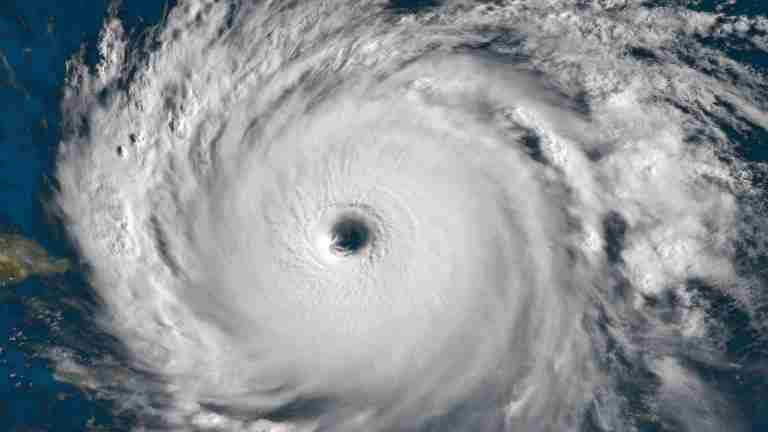
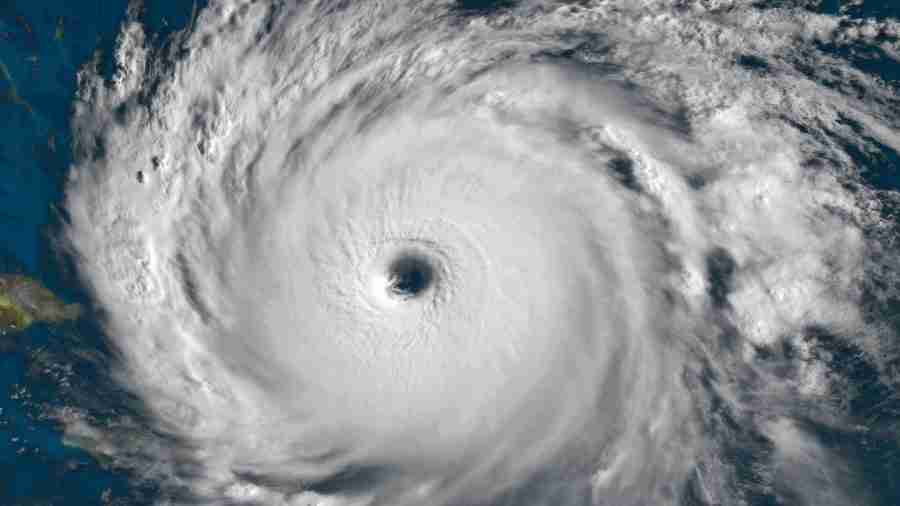
The Ministry of National Security advises that the Emergency Measures Organisation (EMO) Executive met today to review the latest forecasts on Tropical Storm Gabrielle.
Following the meeting, Minister of National Security, the Hon. Michael Weeks, JP, MP, confirmed that the storm is forecast to pass well to the east of Bermuda early Monday morning (between 6:00 a.m. and 12:00 p.m.) and no disruption to daily life is expected.
“Based on current projections, Gabrielle will miss Bermuda entirely. There will be no closures of any kind over the weekend or on Monday,” said Minister Weeks.
“While this is good news, I urge residents to continue monitoring the official updates from the Bermuda Weather Service. Storms can change track and strength without warning, and it is always wise to remain alert.”
As of 12:00 p.m. today, the Bermuda Weather Service reported that Tropical Storm Gabrielle was located approximately 793 nautical miles southeast of Bermuda, moving west-northwest at 10 knots (12 mph). Maximum sustained winds were 45 knots (52 mph), with gusts to 55 knots (63 mph).
The system is expected to pass about 140–150 nautical miles east of the island on Monday. According to the National Hurricane Center, there is a 25 percent chance of tropical storm–force winds affecting Bermuda, but current guidance indicates only light to moderate breezes near 20 knots (23 mph), with no significant rainfall. A few scattered showers or isolated thunderstorms cannot be ruled out.
Seas will increase over the weekend, reaching 7–12 feet, particularly along the South Shore on Monday. Swimmers are advised to heed warnings from the Bermuda Weather Service and any signs or instructions from lifeguards.
The Island’s ferry services are not expected to be disrupted. Marine and Ports staff will monitor sea conditions throughout the weekend and advise the public if any changes to ferry schedules are required.
Minister Weeks added, “The EMO will continue to monitor Gabrielle closely and provide updates if anything changes. For now, Bermuda remains open for business as usual.”
Residents are encouraged to stay informed by visiting www.weather.bm for the latest official forecasts.
City Mayor says he knows the pain of losing a parent at a young age
Statement by Charles Gosling, Mayor of Hamilton:
“On behalf of the Corporation of Hamilton, I extend our deepest and most heartfelt condolences to the family, loved ones, and friends of Ms. Janae Minors.
Though I did not know Janae personally, I do know the pain of losing a parent at a young age. My thoughts are especially with her children, who now face life without their mother. I ask our community to surround them with support and care in the days ahead.
In the past, the City has refrained from commenting on individual tragedies, out of respect and to avoid politicizing these painful moments. But we cannot remain silent in the face of continued violence. It should never be the expectation in Bermuda that someone leaves for work in the morning and does not return home because of gun crime.
Thoughts and prayers are not enough. Each of us must ask what we can do — as individuals and as a community — to bring about change. For our part, the Corporation has, for many years, advocated for stronger safety measures in Hamilton: seeking expanded authority for our enforcement officers, calling for increased policing in the City, and pressing for legislative changes to better protect our people.
Gun violence has no place in our City — or in Bermuda. We cannot and will not tolerate it. This senseless act has shaken our community and serves as a painful reminder that safety must remain our highest priority.
As a City, we will continue working alongside the Bermuda Police Service and the Government. We will keep pressing for greater resources and a stronger presence on our streets. Hamilton must be — and will be — a safe place for all.
To Janae’s family: please know the City stands with you — in grief, in remembrance, and in our determination to honour her life with action.”
Charles R. Gosling The Right Worshipful Mayor of Hamilton Corporation of Hamilton
According to traders, low stock prices have triggered speculation about possible mergers or acquisitions, sending shares up
International News via Reuters:
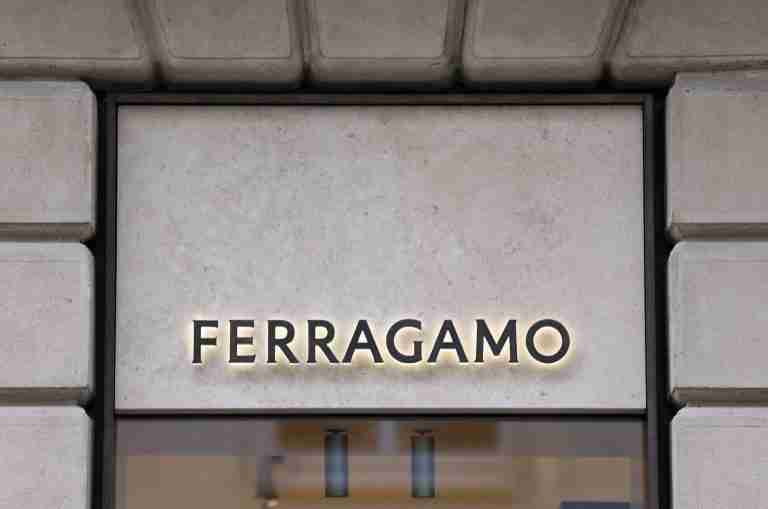
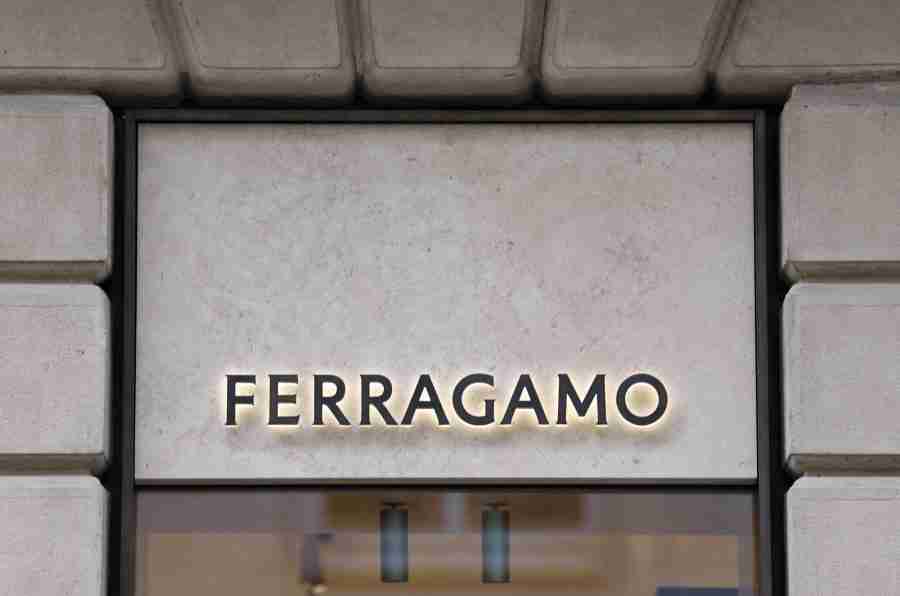
The Ferragamo family said on Friday it was not interested in any kind of “extraordinary transactions” involving the eponymous luxury company.
According to traders, low stock prices have triggered speculation about possible mergers or acquisitions, sending shares up.
“The family has already clearly stated in the past that it is not interested in any extraordinary transactions involving the company and reiterates this today”, they said in a statement to Reuters.
Reporting by Elisa Anzolin, editing by Gavin Jones
The Republican-controlled chamber voted 310-58 to approve the measure, which honors Kirk’s life and legacy while also condemning political violence, including Kirk’s assassination
International News via Reuters:
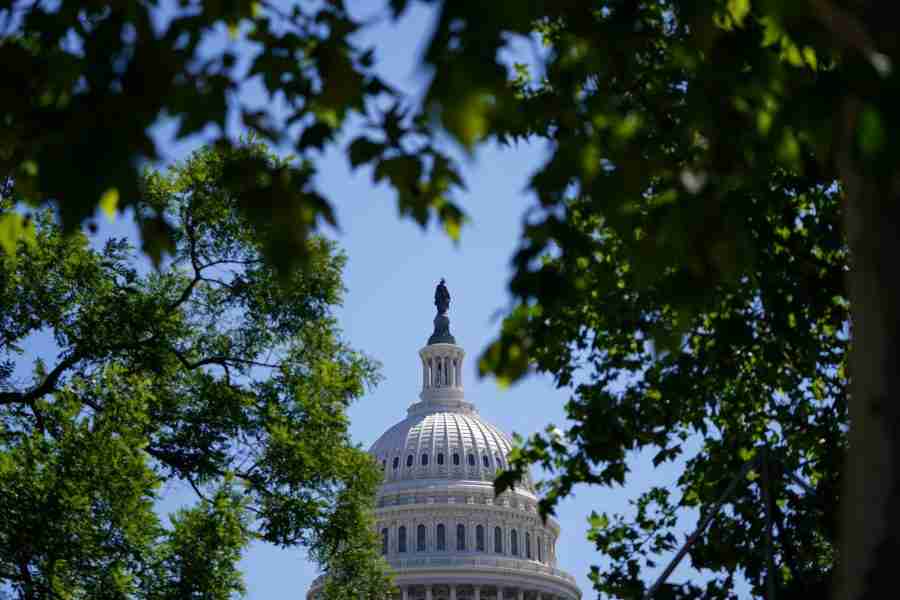
The U.S. House of Representatives on Friday passed a resolution honoring conservative political activist Charlie Kirk, who was killed last week while addressing a college audience in Utah.
The Republican-controlled chamber voted 310-58 to approve the measure, which honors Kirk’s life and legacy while also condemning political violence, including Kirk’s assassination.
Kirk’s killing last week while he addressed a college audience in Utah has sparked a political furor across the U.S., with President Donald Trump and his allies vowing a crackdown on left-leaning groups that they portray as bent on undermining national unity.
There is no evidence the 22-year-old Utah man who killed Kirk with a single rifle shot had organized outside help in plotting his attack.
The House vote divided the chamber’s Democrats. Some have objected to Kirk’s past statements on transgender rights and other hot-button issues, while others said they should not fall into a political trap by voting against a measure that condemns political violence.
In the end, 95 Democrats joined 215 Republicans to vote for the resolution, while 58 voted against it and 38 voted “present.”
Reporting by Nolan D. McCaskill; editing by Andy Sullivan
The U.N. is streamlining as it copes with the fallout from U.S. foreign aid cuts under President Donald Trump that have gutted humanitarian agencies
International News via Reuters:
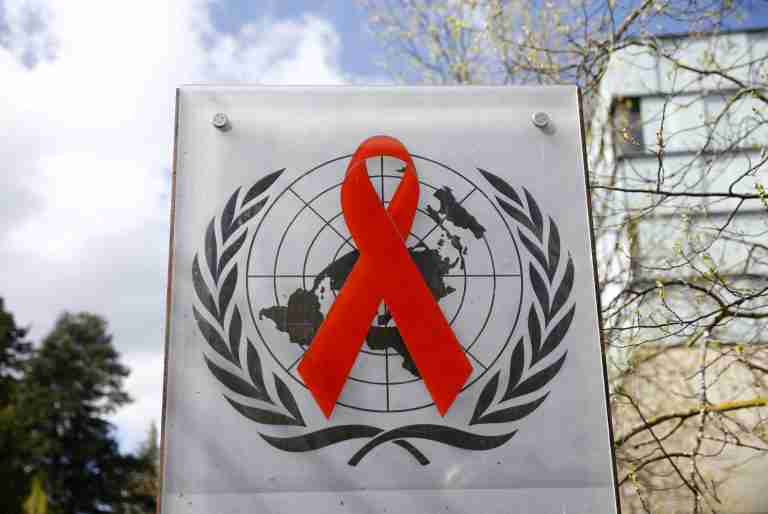
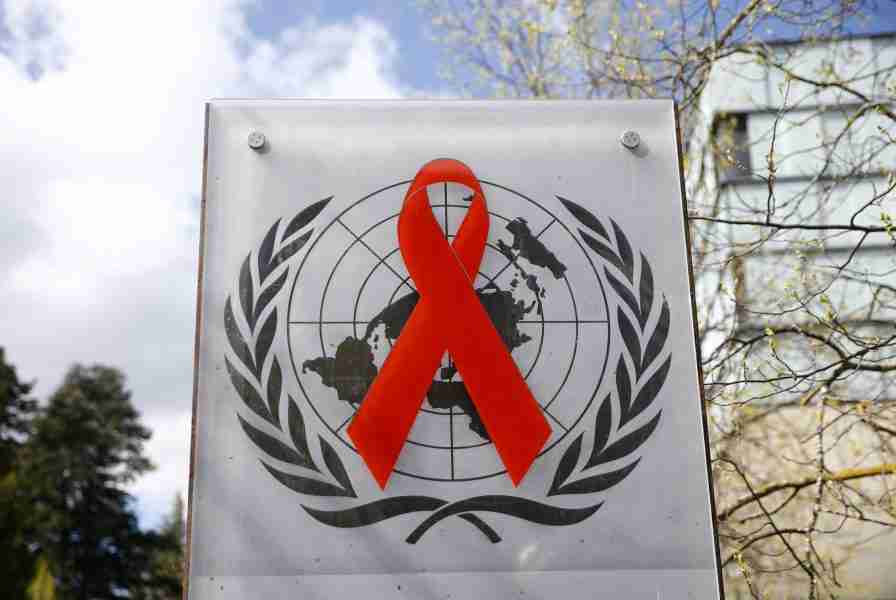
The United Nations agency focusing on the HIV/AIDS pandemic could close by the end of next year as the U.N. restructures in the face of a funding crisis, according to a U.N. document published online.
UNAIDS will “sunset” by the end of 2026, the document published on Thursday reads, part of a set of proposals from the U.N. to member states which they will have to decide on. It adds that UNAIDS’ expertise should be shifted into the wider U.N. system in the following year.
The U.N. is streamlining as it copes with the fallout from U.S. foreign aid cuts under President Donald Trump that have gutted humanitarian agencies.
UNAIDS said in a statement in response to the document that it already had a transition plan in place which would see a 55% reduction in staff in the short term and a review in 2027 that would ultimately lead to its closure.
It said any accelerated timeline as outlined in the U.N. document, which was drafted by the Secretary General, would have to be approved by the UNAIDS board.
UNAIDS began operating in 1996. Since the first cases of HIV were reported more than 40 years ago, 88 million people have become infected and 42 million have died from AIDS-related illnesses, it said.
The organisation said the rollout of new life-saving treatments and better access to care saw AIDS-related deaths halve from 1.3 million in 2010 to 630,000 in 2023. But it warned nearly one quarter of those living with HIV do not have access to those treatments and new infections are rising in some regions.
“AIDS is not over; the global AIDS response has been upended in recent months,” the UNAIDS statement said, adding much more needed to be done if the world wanted to achieve the goal of ending AIDS by 2030.
Reporting by Jennifer Rigby in London; Editing by Alexandra Hudson
To provide the best experiences, we use technologies like cookies to store and/or access device information. Consenting to these technologies will allow us to process data such as browsing behavior or unique IDs on this site. Not consenting or withdrawing consent, may adversely affect certain features and functions.
Functional
Always active
The technical storage or access is strictly necessary for the legitimate purpose of enabling the use of a specific service explicitly requested by the subscriber or user, or for the sole purpose of carrying out the transmission of a communication over an electronic communications network.
Preferences
The technical storage or access is necessary for the legitimate purpose of storing preferences that are not requested by the subscriber or user.
Statistics
The technical storage or access that is used exclusively for statistical purposes.The technical storage or access that is used exclusively for anonymous statistical purposes. Without a subpoena, voluntary compliance on the part of your Internet Service Provider, or additional records from a third party, information stored or retrieved for this purpose alone cannot usually be used to identify you.
Marketing
The technical storage or access is required to create user profiles to send advertising, or to track the user on a website or across several websites for similar marketing purposes.