Monday, November 9, 2026
Home Blog Page 410

Sudan clinics could run out of supplies in weeks due to Middle East war, warns NGO

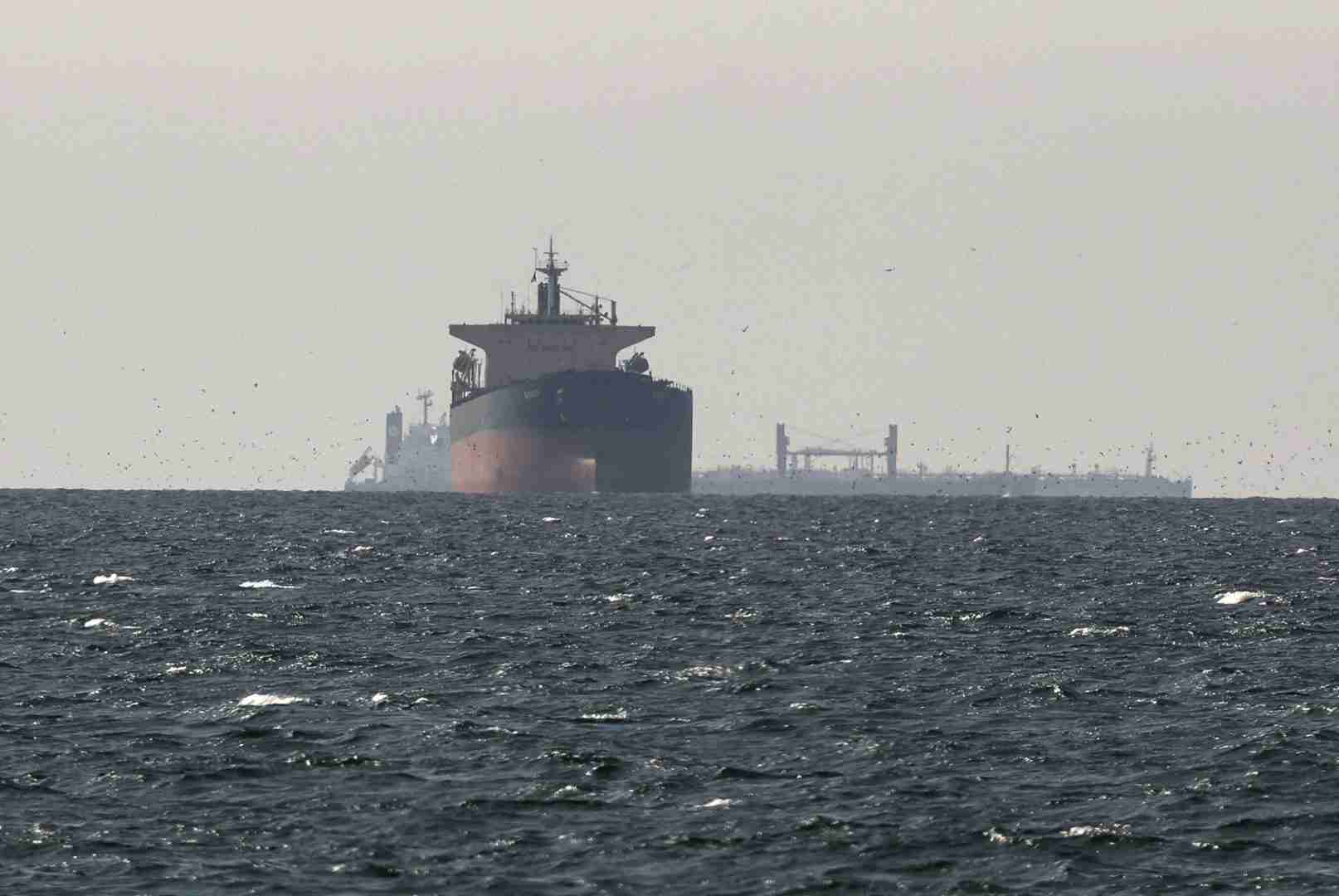
The expanding U.S.-Israeli war on Iran has shaken global supply chains, with airspace closures and the halt of shipping ​through the Strait of Hormuz

International News via Reuters:

Medical supplies to clinics dealing with the humanitarian crisis in Sudan could run out within two weeks unless shipments are rapidly rerouted after disruptions due to the conflict in the Middle East, the charity Save the Children said.

The expanding U.S.-Israeli war on Iran has shaken global supply chains, with airspace closures and the halt of shipping ​through the Strait of Hormuz.

Some $600,000 worth of essential medicines are stuck in ports in Dubai, the charity said.

About 90 Sudanese government-run clinics serving roughly 400,000 patients rely on the charity’s supply of medicines, vaccines and nutritional treatment, with no in-country alternative, Save the Children’s global director of supply chain, Willem Zuidema, told Reuters.

Sudan’s three-year conflict has displaced millions of people and triggered one of the world’s largest humanitarian crises.

“We have a couple of weeks to do this rerouting before the country’s stocks run out. The clock is ticking,” Zuidema said, adding that once buffer stocks are exhausted patients would not be able to access basic healthcare support.

The medicines, which include antibiotics, antimalarials, pain and fever medication, and paediatric injectable drugs, normally enter via Port Sudan and travel by road to areas including Darfur.

UN aid chief Tom Fletcher said last week the Middle East conflict is straining humanitarian supply chains, with sub-Saharan Africa and Gaza under particular pressure.

 RISING COSTS, DONOR CUTS COMPOUND CRISIS

The World Health Organization also warned of growing medical supply shortages in Sudan. “There’s a huge crunch in Sudan, of course, and there’s also a bigger crunch in medical commodities going into certain provinces,” WHO regional director Hanan Balkhy said.

Rising transport costs are impacting aid budgets heavily constrained by major donor cuts, Save the Children said, with container freight rates rising about 25–30% as some shipping firms reroute vessels around the Cape of Good Hope, adding weeks to delivery times. 

The level of disruption to freight and subsequent cost impact may be worse than in the initial stages of the Ukraine war and COVID pandemic, because there is little buffer in the system after the aid cuts, Zuidema said.

“Demand will go up, but the means for us to respond – especially with the increasing fuel prices driving up cost – will go down. That’s extremely worrying.”

Save the Children’s country budget for Sudan this year has been slashed by $4 million to $98 million. 

Reporting by Olivia Le Poidevin, editing by Andrei Khalip
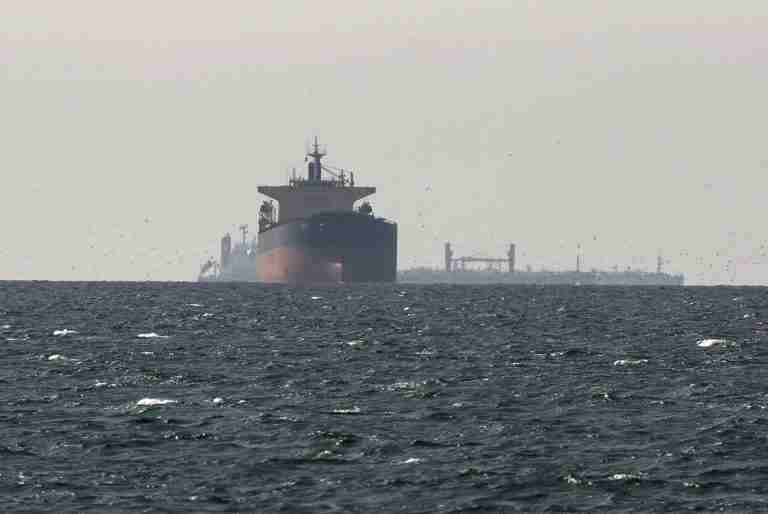
UAE could join international effort led by US to secure Strait of Hormuz, says adviser

Speaking in an online event organised by the American think tank the Council on Foreign Relations (CFR), Gargash said that the UAE does not currently have active talks with Iran

International News via Reuters:

A diplomatic adviser to the UAE president, Anwar Gargash, said on Tuesday that his country could join an international effort led by the U.S. to ensure the safety and security of the Strait of Hormuz.

Speaking in an online event organised by the American think tank the Council on Foreign Relations (CFR), Gargash said that the UAE does not currently have active talks with Iran.

His comments come amid growing concerns over the security of shipping through the Strait of Hormuz.

Reporting by Alexander Cornwell

Allshores delays Phoenix coverage deal

Following discussions with the Health Council and Government, the Allshores-Phoenix partnership will now be effective from June 1st

Allshores has delayed coverage changes related to its partnership with Phoenix Pharmacies.

Up until yesterday, it was unclear if an online list of 46 specialty and high-cost drugs such as Ozempic and Eliquis would have had any coverage at all at non-Phoenix Pharmacies from April 1st.

Today, Allshores published an online statement advising that, following discussions with the Health Council and Government, changes to coverage will now be effective from June 1st.

The insurer, an amalgamation of Argus and BF&M, also provided detail on how the pharmacy partnership will work…

From June 1st, if a member fills a prescription for one of the 46 medications at Phoenix, they will “benefit from lower — and in many cases zero — copays due to negotiated pricing which is now in effect.”

Allshores stresses that members can still get these medications at non-Phoenix pharmacies if they choose, but they will be considered ‘out-of-network’, and coverage will be 50% or per the member’s Schedule of Benefits.

Allshores states that by partnering with Phoenix, it has secured lower prices on certain medications, which will help members pay less and keep insurance premiums more affordable over time.

Allshores members will be able to continue filling all other prescriptions at any pharmacy in Bermuda with the same coverage they have today, and members should refer to their schedule of benefits for details of coverage.

Current Argus & BF&M benefit schedules on their websites run until May 31st, therefore it can be expected that the new schedules under Allshores should be published soon, ahead of the Allshores-Phoenix partnership coming into effect on June 1st.


Online statement by Allshores:

UK’s FTSE 100 climbs on energy, banks boost as investors await BoE decision

The benchmark FTSE 100 closed up 0.83%, marking its biggest one-day jump in a week

International News via Reuters:

London’s FTSE 100 closed higher on Tuesday on the back of gains in energy and heavyweight financials even as the conflict in the Middle East raged on, while investors awaited the Bank of England’s interest rate decision this week.

The benchmark FTSE 100 closed up 0.83%, marking its biggest one-day jump in a week. The mid‑cap FTSE 250 added 0.72%, snapping a four-session declining streak.

Israel said it had killed Iran’s security chief, while a senior Iranian official said the new supreme leader had rejected de-escalation offers conveyed by intermediary countries. The war entered its third week with no resolution to the conflict or the reopening of the Strait of Hormuz in sight, sending oil prices higher. [O/R]

The energy sector rose 1.82%, trading at a record high. Majors BP and Shell advanced nearly 2% each. Heavyweight banks were the biggest boosts to the FTSE 100, up 1.3%. 

Most FTSE 350 sectors rose, but retailers slipped 0.28%.

British borrowing costs dipped for a second day but remained well above levels seen before the Iran war, with markets now pricing roughly 50% odds of a Bank of England hike in November.

Investors’ focus this week will be on interest-rate decisions in the UK, the U.S., and Europe and comments from policymakers on how they intend to navigate potential energy-driven inflationary pressures. 

Most economists polled by Reuters abandoned their rate cut calls for March, now expecting a 25-basis-point cut in April or June. J.P. Morgan, however, expects the BoE to keep rates unchanged through 2026, with the next cut only in the first quarter of 2027.

Among individual stocks, Close Brothers fell 3.5% to the bottom of the mid-cap index after the lender said it will cut 600 roles by fiscal 2027. 

Trustpilot jumped 32% to the top of the mid-cap index after the global online review platform said it had quadrupled its annual profit. 

Reporting by Tharuniyaa Lakshmi in Bengaluru; Editing by Leroy Leo, Rod Nickel

St. Patrick’s Day in full swing 

St. Patrick’s Day celebrations are underway at various locations across the island, and Flanagan’s Irish Pub is marking the occasion in true Irish fashion. 
Bermuda’s only Irish pub and restaurant, Flanagan’s is welcoming guests for festive food, drinks, and entertainment. 
We spoke to management and staff, who encouraged people to join the festivities.

It’s official: the 2026/27 Budget passed by the House

Government hails tax relief, cost of living mitigations, debt reduction

Last night, the House of Assembly approved the 2026/2027 National Budget, delivering meaningful tax & fee reductions for workers and families while continuing to invest in services and infrastructure that support Bermuda’s future.

The Budget emphasises three main priorities: reducing daily expenses, putting more money in workers’ pockets, and continuing to invest in Bermuda’s infrastructure.

Key measures in the 2026/2027 Budget include:

  • Lower payroll taxes for everyone, with middle-class Bermudians getting the largest tax reductions, so they can keep more of their hard-earned income.
  • Lower duties on essential goods, helping to reduce the cost of groceries and everyday household items.
  • Lower vehicle licensing fees, providing additional relief for families.
  • Record investment in healthcare to provide expanded coverage for seniors, and to reduce waiting times at the hospital. 
  • Increased investment in public education, affordable housing, and public safety to strengthen communities across Bermuda.
  • Significant reduction of the national debt, securing Bermuda’s finances for the future.

Premier and Minister of Finance, The Hon. David Burt, JP, MP said, “This Budget reflects our commitment to making life better for every Bermudian. It is focused on easing the cost-of-living pressures many Bermudians are feeling. It lowers taxes for workers, reduces everyday costs, and continues investing in our infrastructure while expanding the public services that serve our community.”

The Premier also reiterated, “The Government’s view that economic progress must translate into real benefits for the people of Bermuda. Our goal is simple: when Bermuda’s economy grows, Bermudians should feel that progress in their everyday lives. This Budget offers practical relief today while continuing to build a stronger and more secure future for our country.”

The Government thanks Members of Parliament for their input during the Budget debate and looks forward to implementing the measures included in the 2026/2027 Budget over the coming year.

Street survey: How to curb gang violence

If you were tasked with reducing gang violence, where would you focus your efforts?

When Kendal Trott posed the question on the streets of Hamilton, the answers were mixed – watch the video above.

US strikes against suspected drug boats have killed 157 people, official says

Since September 2025, the United States military has carried out a series of strikes in the Caribbean and Eastern Pacific against suspected drug vessels

International News via Reuters:

The United States military has so far killed 157 alleged members or affiliates of drug organizations in 45 strikes against drug trafficking vessels in the Western Hemisphere, a senior U.S. defense official said on Tuesday.

Since September 2025, the United States military has carried out a series of strikes in the Caribbean and Eastern Pacific against suspected drug vessels.

The lethal strikes are part of a broader campaign that the Trump administration says is aimed at cutting off the supply of illegal drugs. Legal experts and Democratic lawmakers have questioned the legality of the strikes.

In a written statement to lawmakers, Joseph Humire, a senior Pentagon official responsible for homeland defense and  Americas security affairs, said 47 “narco-trafficking vessels” had been destroyed in the strikes so far.

Humire said the strikes had a “significant and profound” impact, including a 20% reduction in the movement of drug vessels in the Caribbean and a 25% reduction in the Eastern Pacific. 

While the United States has put out videos after most of the strikes on social media, it has provided few other details, such as what type of drugs the vessels were carrying, how much or details about those killed.

Reporting by Idrees Ali and Phil Stewart; Editing by Sharon Singleton

Reeves says Britain to align more with EU rules in bid for growth

Britain’s Labour government has sought a reset with the EU and has become more forthright in its criticism of the cost of Brexit, while maintaining its red lines on not rejoining the bloc’s single market or customs union

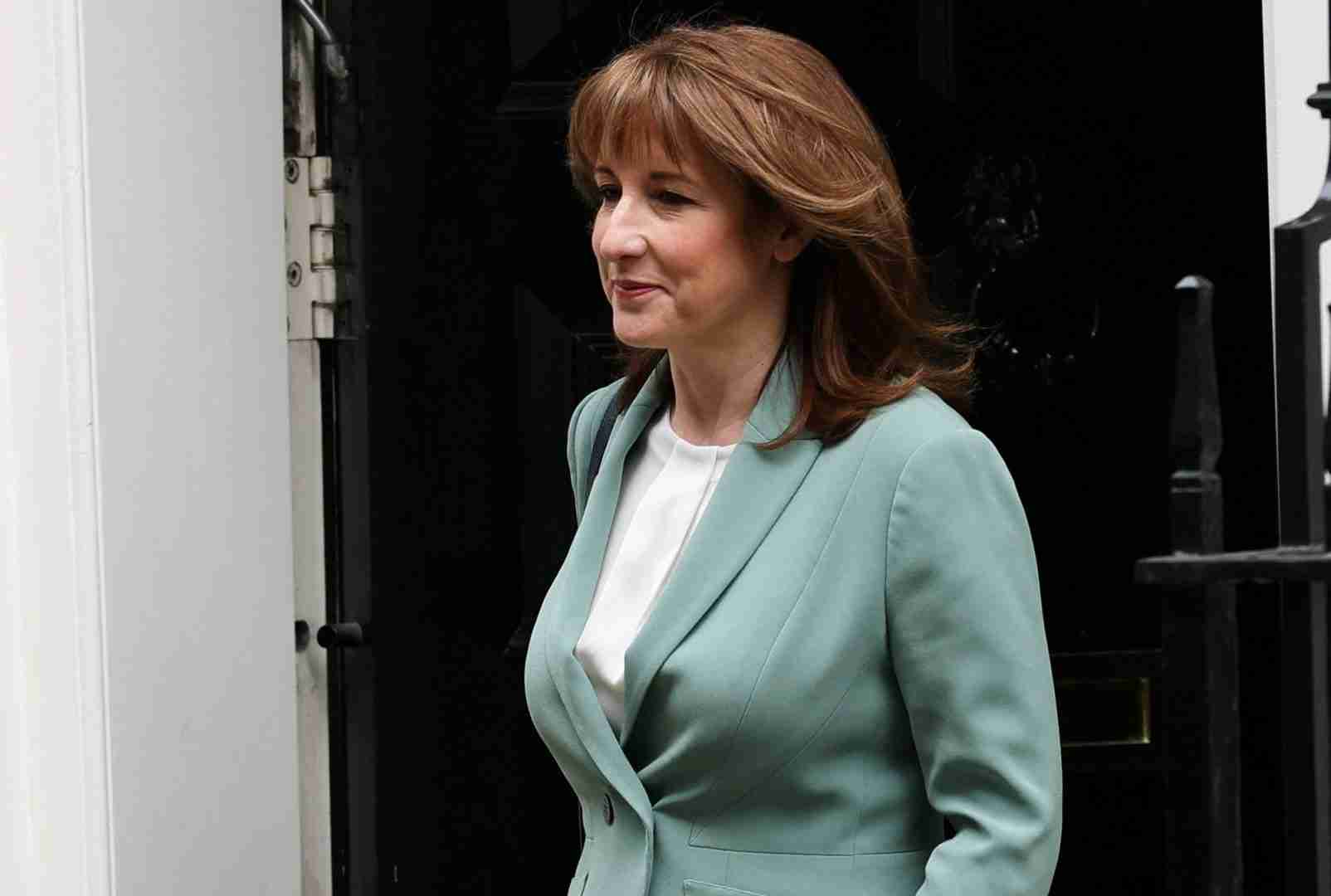
Britain’s Chancellor of the Exchequer Rachel Reeves leaves 11 Downing Street on the day she is to deliver the Mais Lecture, in London, Britain, March 17, 2026. REUTERS/Isabel Infantes

International News via Reuters:

Finance minister Rachel Reeves said on Tuesday that Britain wanted to align more closely with the EU on business regulations and would boost funding for quantum computing and artificial intelligence in a bid to generate elusive economic growth.

Britain’s Labour government has sought a reset with the EU and has become more forthright in its criticism of the cost of Brexit, while maintaining its red lines on not rejoining the bloc’s single market or customs union.

Setting out closer EU ties as one of three pillars of her economic plans, Reeves said Britain would align with EU rules where this served the national interest, and while regulatory autonomy may be needed in some areas, “that should be the exception, not the norm.”

“When the economic gains exceed the cost, the trade-off is worth making,” Reeves said in a speech at the Bayes Business School in London.

REEVES SAYS EU, AI AND REGIONAL GROWTH ARE KEY

Prime Minister Keir Starmer wants to reduce post-Brexit barriers to trade and cooperation with the EU, though he has ruled out rejoining the single market. Talks are instead focused on regulation and freer movement for young people.

Reeves said that “no partnership is more important than that between the UK and our European neighbours,” and that she was prepared to “make and win the political argument” for alignment.

“I believe absolutely that closer alignment is the right course for our country: a course chosen as a sovereign nation.”

Reeves and Starmer pledged before the 2024 election to accelerate Britain’s sluggish economy, but growth remains weak and could falter further due to fallout from the conflict in the Middle East.

Reeves said decisions taken in her first two budgets had left Britain better placed to face the latest economic shock, but argued the state needed to play a more active, strategic role in supporting future industries.

She said the government would spend up to 1 billion pounds ($1.33 billion) on powerful quantum machines capable of working on multiple possible solutions simultaneously, speeding innovation in areas such as medical diagnostics, greenhouse gas monitoring and secure communications.

Pitching to AI firms, Reeves said the 500 million‑pound “Sovereign AI Fund,” announced last year, would be launched in April to help British artificial intelligence companies.

She added that the government would consider giving regions greater control over tax revenues and would back new rail and housing projects in the arc between Oxford and Cambridge, using compulsory land purchases if necessary.

($1 = 0.7514 pounds)

Reporting by William Schomberg, Alistair Smout, Muvija M, Sarah Young, David Milliken and William James; editing by William James and Ros Russell

Cyclists aim for glory as Pan American Championships begin

The Pan American Cycling Confederation (COPACI) has unveiled a star-studded entry list for the Montería 2026 Pan American Road Championship, with Bermuda’s elite trio ready to challenge the continent’s heavyweights.

Getting underway today in the capital of Córdoba, Colombia, the event features 350 cyclists from 29 nations. Elite, under-23, and junior categories will battle for titles in the individual time trial and road race modalities through March 22nd.

Bermuda’s hopes rest on a high-performance select group. Gabriella Arnold flies the flag in the Elite Women’s field, while Nicholas Narraway and Kaden Hopkins spearhead the Elite Men’s challenge. Both Narraway and Hopkins have enjoyed a stellar rise through the European ranks and are viewed as genuine contenders in the time trial—a discipline where they have previously excelled at the regional level.

Beyond the prestige of a Pan American title, riders are chasing vital UCI ranking points, the primary gateway for qualification into future World Championships and global games.

Top US security official quits, says Iran did not pose an immediate threat

Joe Kent, who headed the National Counterterrorism Center, is the first senior official in Trump’s administration to resign over the conflict, now in its third week

International News via Reuters:

A top security official in U.S. President Donald Trump’s administration resigned over the war in Iran on Tuesday, saying the country had posed no imminent threat to the United States.

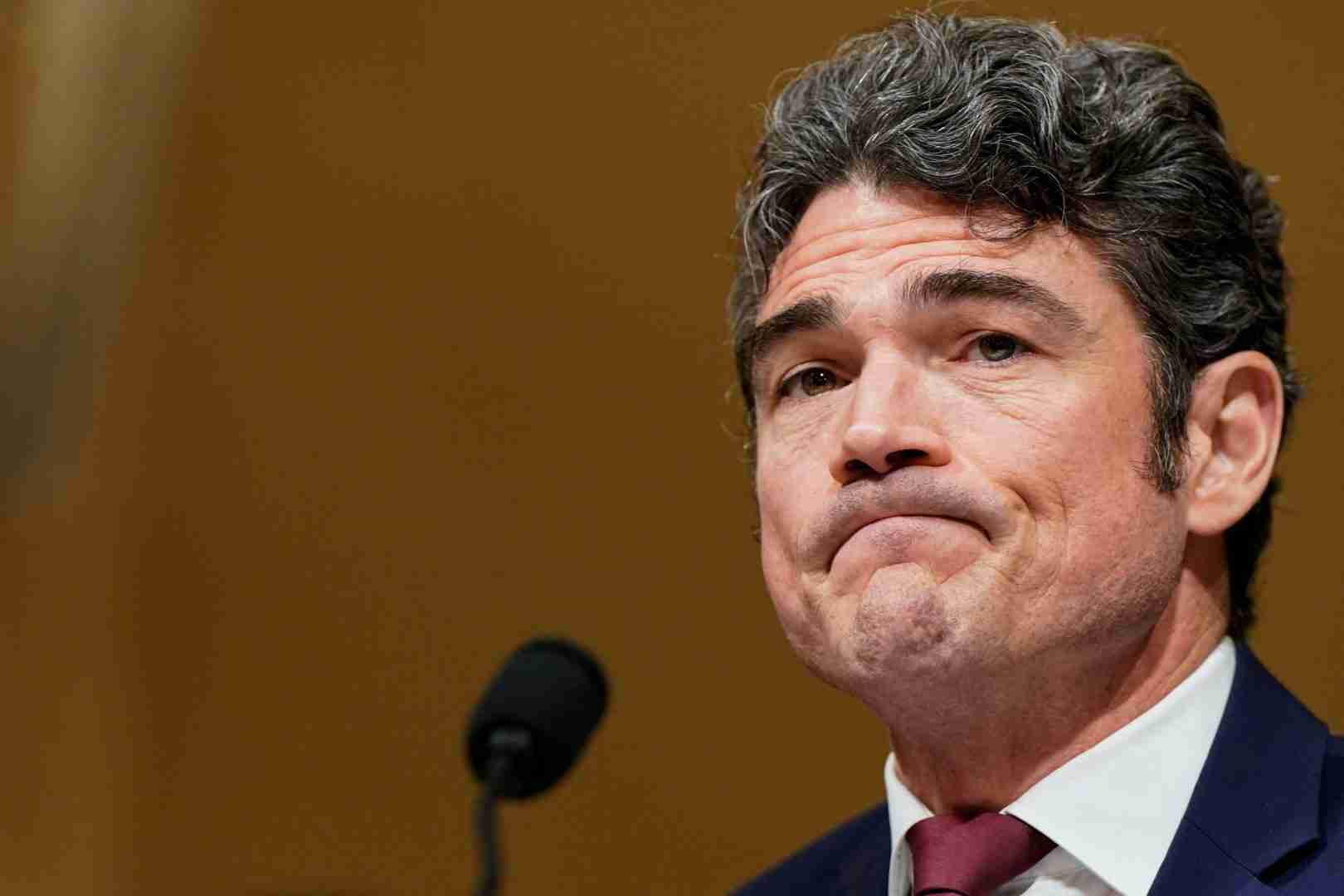
Joe Kent, who headed the National Counterterrorism Center, is the first senior official in Trump’s administration to resign over the conflict, now in its third week. 

“I cannot in good conscience support the ongoing war in Iran. Iran posed no imminent threat to our nation, and it is clear that we started this war due to pressure from Israel and its powerful lobby,” Kent wrote in a letter posted to social media.

Some experts have said an imminent threat would be required for the United States to launch a war under the international law of war. 

Kent and the White House did not immediately respond to requests for comment.

The Office of the Director of National Intelligence, which oversees the counterterrorism center, also did not immediately respond.

KENT KNOWN FOR OPPOSING MILITARY INTERVENTIONS

Kent has long been known for his “America First” beliefs and has said he opposes U.S. military interventions abroad.

Still, the announcement came as a surprise, one U.S. official said.

Kent is close with Director of National Intelligence Tulsi Gabbard, who has kept a low profile since the Iran war began. 

Gabbard has not issued any public statements and has only appeared in public during the dignified transfer of American soldiers killed earlier this month during the conflict with Iran.

The National Intelligence Council, which is overseen by Gabbard’s office, issued several assessments both before and after the U.S. strikes began that highlighted the risks of U.S. intervention.

Those reports indicated the Iranian government was unlikely to collapse and Iran would likely retaliate against U.S. outposts in the region and Gulf allies, as Reuters previously reported.

Kent has been criticized by Democrats for his associations with far-right figures, and Senator Mark Warner of Virginia, the top Democrat on the Intelligence Committee, said he should never have been confirmed to head the counterterrorism office. 

“But on this point, he is right: There was no credible evidence of an imminent threat from Iran that would justify rushing the United States into another war of choice,” Warner said in a statement.

Last year, Kent pushed intelligence analysts to rework an assessment on Tren De Aragua, a Venezuelan gang, that did not support the White House’s argument that Venezuelan President Nicolas Maduro was directing its operations. The administration had portrayed the gang as a security threat to justify its immigration crackdown.

Reporting by Katharine Jackson, Susan Heavey, Phil Stewart, Erin Banco, Idrees Ali and Jarrett Renshaw, editing by Andy Sullivan, Michelle Nichols, Rod Nickel

France will never take part in operations to unblock Hormuz Strait amid hostilities, says Macron

Trump, speaking at a White House event on Monday, said he had spoken to Macron, giving him an “8 out of 10” score on his stance towards getting allies to unblock the Strait of Hormuz

International News via Reuters:

President Emmanuel Macron said on Tuesday France would never take part in operations to unblock the Strait of Hormuz, pushing back on comments by U.S. President Donald Trump that Paris was willing to help.

Trump, speaking at a White House event on Monday, said he had spoken to Macron, giving him an “8 out of 10” score on his stance towards getting allies to unblock the Strait of Hormuz, and suggested Macron would join U.S.-backed efforts.

“We are not party to the conflict and therefore France will never take part in operations to open or liberate the Strait of Hormuz in the current context,” Macron said at the start of a cabinet meeting to discuss the conflicts in the Middle East.

France has been pushing on with its own efforts to put together a coalition to secure the Strait of Hormuz once the security situation stabilises and without a U.S. role, French officials have said.

FRANCE WORKING ON POST-WAR COALITION

“We are convinced that once the situation has calmed down —and I deliberately use this term broadly — once the situation has calmed down, that is to say, once the main bombing has ceased, we are ready, along with other nations, to assume responsibility for the escort system,” Macron said.

European states have been largely sidelined as the U.S.-Israeli war on Iran has ‌escalated, with Iran carrying out strikes against Israel, U.S. bases and Gulf states.

But with shipping lanes affected and the conflict pushing up oil prices, European powers are trying to work out how to defend their interests.

France has already been consulting with European, Asian, including India, and Gulf Arab states over the past week with a view to putting together a plan for warships eventually to escort tankers and commercial ships through the strait, officials have said.

“But this is a complex undertaking, involving political and technical aspects, obviously with all stakeholders in maritime transport, including insurers and operational personnel, that we must build,” he said.

“This work will require discussions and de-escalation with Iran,” he said.

TRUMP CALLS REJECTED

Trump called on nations to help police the strait after Iran responded to U.S.-Israeli attacks by using drones, missiles and mines to effectively close the channel for tankers that normally transport a fifth of global oil and liquefied natural gas.

Several U.S. allies had already rebuffed Trump on the proposal.

“We are dissociating our actions from the United States and Israeli operations. The US is conducting an operation in which we’re not involved in any way. We are acting independently of the Americans,” a French military official said.

“We’re excluding any involvement of our assets in an attempt to reopen the Strait of Hormuz by force. Any potential mission to protect the Strait of Hormuz would require a ceasefire or a reduction in hostilities, as well as prior negotiations with Iran. It would necessarily be international and joint,” the official said.

The European ‌Union’s main naval activities in the region centre on Aspides, a Red Sea mission launched in 2024 to guard vessels from attack by Iran-aligned Houthis. EU foreign ministers agreed on Monday not to extend that mission beyond its current mandate.

Additional reporting by Sudip Kar-Gupta, Editing by William Maclean