Wednesday, November 11, 2026
Home Blog Page 518

Germany to hold call with select EU states in push for a ‘two‑speed’ Europe

France, Poland, Spain, Italy and the Netherlands have been invited to take part in the video conference
International News via Reuters:

Germany will discuss pushing ahead with plans for a “two-speed” European Union to facilitate agile decision-making at a time of geopolitical upheaval in a call with ministers from five other leading European economies on Wednesday.

France, Poland, Spain, Italy and the Netherlands have been invited to take part in the video conference, which follows ridicule from officials in Donald Trump’s administration over the time it takes for the 27-country bloc to make a decision.

The idea of forging ad-hoc coalitions allowing some EU countries to pursue projects without all of them having to agree has long tempted some of its members, and has already been applied to key projects including the euro currency.

It is gaining new momentum as Europe confronts widening insecurity, sluggish growth and deep political divergences.

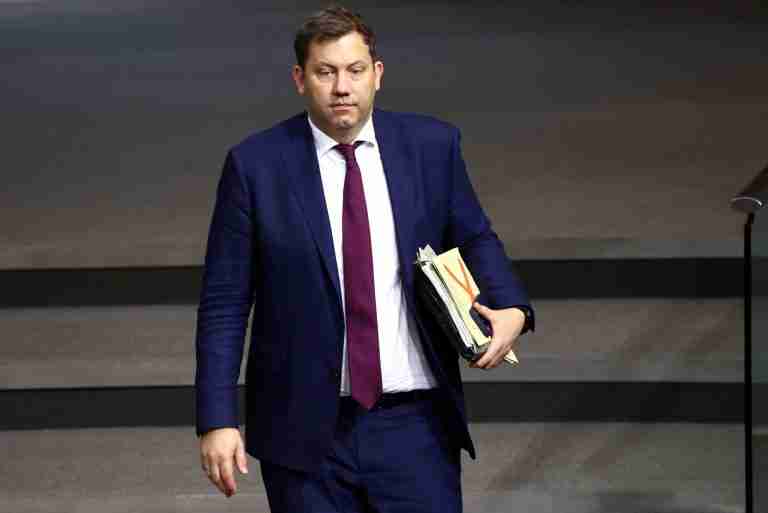
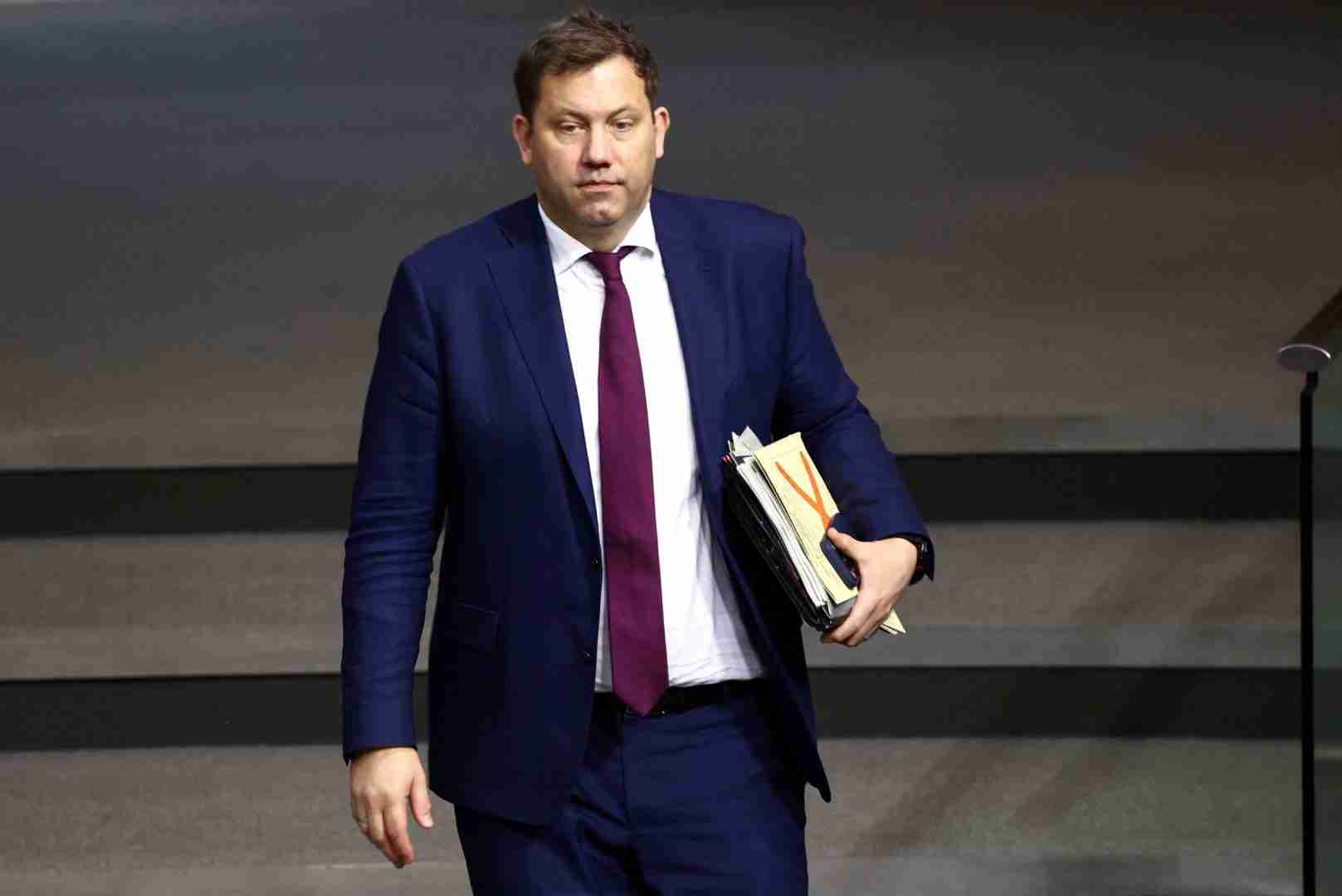
“Now is the time for a Europe of two speeds,” German Finance Minister Lars Klingbeil said on Tuesday in Berlin ahead of the video conference of finance ministers.

SURVIVAL AT STAKE

Klingbeil wants the countries invited to the call, which is scheduled for 3 p.m. (1400 GMT), to set a concrete agenda to strengthen the sovereignty, resilience and competitiveness of Europe, a letter seen by Reuters showed.

“To survive in an increasingly unpredictable geopolitical situation, Europe must become stronger and more resilient,” Klingbeil wrote in the letter to his counterparts dated Monday, adding that continuing as before could not be an option.

The invitation said it is meant as a “kick-off,” and a follow-up meeting in person in the margins of the next Eurogroup should follow.

“Due to the geopolitical situation, the EU simply cannot afford to wait for all 27 members anymore,” said Nicolai von Ondarza, European expert at the German Institute for International and Security Affairs (SWP).

He pointed to German Chancellor Friedrich Merz’s toughening stance and willingness to press ahead in Europe without unanimity, be it on the Mercosur trade deal or Ukraine.

FLEXIBLE APPROACH

The move by Germany’s finance minister to include only six countries for Wednesday’s call could alienate other EU members, but German officials said the approach was flexible.

The advance-group approach would work in different formats, depending on who wants to join, and will not be restricted to the six countries, they said.

France has long pushed for willing EU countries to go forward without the others and is expected to join the call, as is Italy’s Economy Minister Giancarlo Giorgetti.

“An effort is being made to find a framework for discussions to seek solutions to more complex situations in a restricted format,” an Italian source said.

STARTING WITH THE ECONOMY

Germany’s letter includes a four-point plan to push forward an EU capital markets union, strengthen the euro and better coordinate investment in defense and secure raw materials.

Klingbeil said the coalition also needs to move faster on a Savings and Investment Union to create better financing conditions for European businesses.

On the euro, he called for cuts to red tape and enhanced sovereignty in the payment sphere to highlight the currency’s role as a safe haven based on predictability and rule of law.

He urged better cooperation on defence, which he said should be firmly embedded as a priority in the next EU multiannual budget, “turning defence into an engine for growth”.

Supply chain resilience for critical minerals must also be strengthened, with greater strategic engagement with international partners, he said.

Additional reporting by Giuseppe Fonte in Rome, Leigh Thomas in Paris, Christian Kraemer and Maria Martinez in Berlin; Writing by Ingrid Melander; Editing by Philippa Fletcher


Pound gives back some gains after hitting four-year high on Trump comments

Sterling was last down 0.44% at $1.3784- it rose more than 1.2% on Tuesday to $1.3867, its highest level since September 2021

International News via Reuters:

The pound dipped on Wednesday after surging to a four-month high the previous day as comments from U.S. President Donald Trump deepened investors’ concerns about the dollar.

Sterling was last down 0.44% at $1.3784. It rose more than 1.2% on Tuesday to $1.3867, its highest level since September 2021.

Trump said the value of the dollar is “great” when asked about its recent steep falls on Tuesday, adding to a sense among investors that the administration is happy with a cheaper currency, which makes U.S. exports more competitive.

The dollar index, which tracks the currency against its major peers, fell around 1.2% to its lowest since February 2022 on Tuesday at 95.57.

Analysts on Wednesday said the fall in the pound was a natural reaction after the steep rally the previous day and the 2.6% increase so far this year, which has been aided by stronger economic data in recent weeks.

“There’s a little bit of taking stock,” said Chris Turner, global head of markets at lender ING. “I think 0.4% (lower) is very small compared to the four big figures we’ve had over the last week,” he said, referring to a rise of four cents in the pound.

The euro was little changed against the pound on Wednesday at 86.92 pence. It has fallen very slightly versus sterling this year.

The focus in currency markets has been firmly on the dollar, which has fallen 2.1% this year after dropping more than 9% in 2025.

Trump’s erratic economic policymaking and pressure on the Federal Reserve to lower interest rates have weighed on the outlook for the currency, despite the relative strength of the U.S. economy.

Turner said signs that the United States and Japan could be coordinating to boost the yen against the dollar had been a key catalyst for the latest selling in the U.S. currency.

Reporting by Harry RobertsonEditing by Ros Russell

Parks Dept seeks summer concession proposals

Vendors invited to apply for concession services at 16 public parks for the 2026 season

The Government of Bermuda issued the following media release.

The Department of Parks is seeking proposals from suitable concessionaires to provide beach/park concession services at sixteen (16) public parklands for the summer season 2026 (1 April to 30 November).

Locations of these concessions and square footage is detailed below:

·        Parson’s Road Park – Site 2: 15ft x 10ft

·        Penhurst Park – 10ft x 10ft

·        Great Head Park (St. David’s Battery) – 15ft x 10ft

·        Ferry Point Park – 15ft x 10ft

·        Alexandra Battery – 10ft x 10ft

·        Elbow Beach – 15ft x 10ft

·        Government Waterfront (On North Shore Road, near the roundabout opposite Government House) – 15ft x 10ft

·        Daniel’s Head Beach Park – 10ft x 10ft

·        Ducks Puddle Annex Park – Site 1: 10ft x 10ft & Site 2: 10ft x 10ft

·        Warwick Long Bay Playground – 15ft x 10ft

·        Ducking Stool Park – 15ft x 10ft

·        Friendship Vale Park – 10ft x 10ft

·        Kindley Field Park – Site 1: 20ft x 10ft & Site 2: 20ft x 10ft

·        Vaughn’s Bay/ Gunner’s Bay – 10ft x 10ft

Proposals may be submitted for up to three of the above-listed locations, with the understanding that only one location will be awarded per concessionaire.

The Commercial Activity application form and concession location maps can be collected at the Department of Parks main office located at Global House, Ground Floor, 43 Church Street, Hamilton or from our website at https://www.gov.bm/department/parks.

Proposals, along with the completed Commercial Activity application form, must be hand-delivered to the Reception Desk of the Department of Parks Main Office, Global House, 43 Church Street, Hamilton, Ground Floor, or submitted via e-mail to jlcarvalho@gov.bm by 23 February, 2026. Non-conformance to the above-mentioned requirements may render the proposal submission null and void.

Questions are to be forwarded to Mrs Jessica Carvalho (Acting Park Planner) at jlcarvalho@gov.bm during the proposal period, with final questions forwarded no later than two

(2) working days (19 February, 2026) prior to the proposal submission date.

Drug seizures net nearly $30m in 2025

Police say intelligence-led operations disrupted gang-linked criminal activity

Illegal drugs with a street value of nearly 30 million dollars were seized by police in 2025, leading to more than two dozen arrests.

Commissioner of Police Darrin Simons described the haul as a “significant amount,” noting it as another way officers are disrupting gun and gang-related criminal activity – crimes he says are directly linked.

Detective Chief Inspector Jason Smith said some of the seizures occurred at ports of entry, adding that police are conducting parallel financial investigations alongside criminal cases.

Commissioner Simons credited intelligence-led policing, targeted enforcement, and strong collaboration with Customs and the Director of Public Prosecutions as key factors contributing to last year’s results.

Both Commissioner Simons and DCI Smith also acknowledged the community, thanking residents for coming forward with information and assisting police in bringing offenders to justice.

Search for 32 missing in Indonesia landslide hampered by rain as death toll rises to 34

The landslide struck Pasir Langu village in Bandung Barat region early on Saturday, triggered by heavy rains that started a day earlier

International News via Reuters:

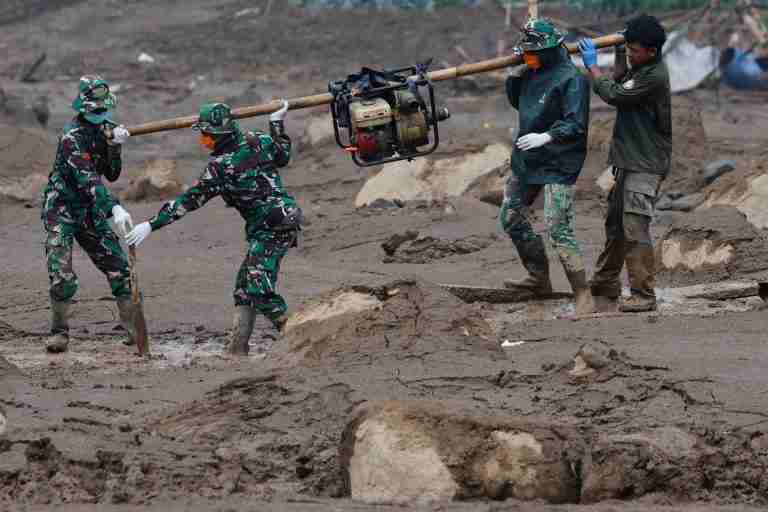
Rain is hampering the search for 32 people still missing five days after a landslide hit Indonesia’s West Java province, the disaster mitigation agency said on Wednesday, as it raised the death toll to 34.

The landslide struck Pasir Langu village in Bandung Barat region early on Saturday, triggered by heavy rains that started a day earlier.

Among those missing is the brother of Muhammad Rifal Firmansyah, 14. Rifal has spent the past four days at the landslide site, digging through mud and rocks and showing rescuers photographs of his father, mother, and brother on his phone.

His father and mother were found dead on Tuesday but his brother remains missing. Several other relatives have also not been found, his aunt said.

Rifal was 50 km (30 miles) away in an Islamic boarding school when the landslide struck and he learned of the disaster from a cousin.

“I contacted everyone at home but no one responded. Then I knew, it hit my home. I cried,” he said.

“We had landslides before but small, it would just pass the front of the house. This time, it levelled everything. Everything’s gone.”

The village is in a hilly area of the province about 100 km (60 miles) southeast of Indonesia’s capital, Jakarta.

“It’s raining in the landslide site this morning but all the rescuers are ready to continue the search, waiting for the right timing,” disaster mitigation agency spokesperson Abdul Muhari said.

The death toll rose to 34 from the previous count of 20. Another 23 people survived the disaster.

Twenty-three soldiers were killed while conducting border patrol training, the Indonesian Navy said on Tuesday.

It was not immediately clear whether the latest death toll included those soldiers, Muhari said.

A team is currently working at the scene to identify the bodies, Muhari added.

At least 800 rescuers, military and police personnel along with nine excavators have been deployed to find the remaining missing people.

Reporting by Yuddy Cahya Budiman in West Bandung and Ananda Teresia in Jakarta; Editing by David Stanway and Alison Williams

Storm Kristin knocks out power to 800,000 in Portugal and barrels into Spain

At least one person died when a tree fell on their car in Vila Franca de Xira, on the outskirts of Lisbon, according to emergency services

International News via Reuters:

Storm Kristin left more than 800,000 people across central and northern Portugal without electricity early on Wednesday, toppling trees and utility posts, damaging homes, and disrupting motorway and rail traffic before moving inland to Spain, authorities said.

At least one person died when a tree fell on their car in Vila Franca de Xira, on the outskirts of Lisbon, according to emergency services.

Civil protection authorities reported around 1,500 weather‑related incidents, triggered by wind gusts of up to 150 km/h (93 mph), heavy rain and even snowfall in the country of nearly 11 million people.

Grid operator E-Redes said technical teams were working to reestablish power supplies to some 855,000 clients after their initial efforts were hindered by the severe weather.

The storm then pushed east into Spain, which is still dealing with the impact of a previous system, Storm Joseph. In the coastal town of Torremolinos, strong winds felled a palm tree on Tuesday, killing a woman.

More than 160 roads across Spain were affected by snow on Wednesday, including 27 motorways on the main highway network, such as the A‑6 linking Madrid with the northwest. Snow also blanketed rooftops in parts of central Madrid but caused no major disruptions.

Spain’s national weather agency AEMET warned that large areas of the country would face very strong winds, with some gusts reaching hurricane force. Authorities in parts of southern Almeria province issued a red alert due to the intensity of the winds.

Local authorities closed parks, and in some areas outdoor sports and educational activities were suspended.

Reporting by Andrei Khalip, Emma Pinedo and David Latona; Editing by Ros Russell

Britain’s Starmer arrives in China as Western alliances face strain

Starmer said Britain must remain vigilant about potential security threats but could not afford to ignore the opportunities presented by the world’s second-largest economy

International News via Reuters:

Keir Starmer began the first visit to China by a British prime minister since 2018 on Wednesday, seeking to strengthen political and business ties with Beijing as relations between Western countries and the U.S. become more volatile.

Starmer, whose approach to China has been criticised by some British and U.S. politicians, said Britain must remain vigilant about potential security threats but could not afford to ignore the opportunities presented by the world’s second-largest economy.

“It doesn’t make sense to stick our head in the ground and bury it in the sand when it comes to China, it’s in our interests to engage,” he told reporters on the plane. “It’s going to be a really important trip for us and we’ll make some real progress.”

Travelling with a delegation of more than 50 business leaders, Starmer will meet with President Xi Jinping and Premier Li Qiang on Thursday before travelling to Shanghai on Friday for talks with local executives.

The visit could mark a shift in ties between Britain and China after years of deep acrimony over Beijing’s crackdown on political freedoms in Hong Kong, China’s support for Russia in the Ukraine war and allegations by British security services that China regularly spies on politicians and officials.

For China, the visit offers the country a chance to portray itself as a stable and reliable partner at a time of global disorder.

TENSIONS WITH TRUMP SHADOW STARMER’S TRIP

European and other Western countries have engaged in a flurry of diplomacy with China as they hedge against unpredictability from the United States under President Donald Trump.

Starmer’s trip follows tensions with Trump over his threats to seize Greenland, his criticism of Britain’s deal to cede sovereignty of the Chagos Archipelago – including an island with a U.S.-UK air base – to Mauritius, and his comments that NATO allies avoided front-line combat during the war in Afghanistan.

On Saturday, Trump threatened to impose a 100% tariff on Canadian goods if that country’s prime minister, Mark Carney, signed a trade deal with China.

The UK leader insisted Britain could continue to strengthen economic ties with China – without angering Trump – because of his country’s long history of working closely with the United States.

“The relationship we have with the U.S. is one of the closest relationships we hold, on defence, security, intelligence and also on trade and lots of areas,” he said.

Starmer was reluctant to be drawn on what he would discuss with Chinese leaders, or if he would bring up the fate of Jimmy Lai, the former Hong Kong media tycoon who was convicted in December of national security crimes.

He also declined to say whether he would ask China to pressure Russia to end its war against Ukraine.

Asked if Britain and China could strike a deal that would allow more visa-free travel, Starmer said he hoped to make some “progress” in that area.

He also distanced himself from comments made by Carney last week about middle countries working together to avoid being victimised by American hegemony.

“I’m a pragmatist, a British pragmatist applying common sense,” Starmer said, rejecting the idea that his government must choose between the U.S. and Europe.

Reporting by Andrew MacAskill; Editing by Thomas Derpinghaus and Philippa Fletcher

London’s FTSE 100 falls as healthcare, bank stocks decline

The FTSE 100 fell 0.4% by 1056 GMT, while the domestically focused FTSE 250 bucked the trend, rising 0.1% and hitting its highest level since January 2022 earlier in the session

International News via Reuters:

The UK’s blue-chip index declined on Wednesday, weighed down by losses in banks and healthcare stocks, as investors parsed corporate earnings and awaited the U.S. Federal Reserve’s policy decision.

The FTSE 100 fell 0.4% by 1056 GMT, while the domestically focused FTSE 250 bucked the trend, rising 0.1% and hitting its highest level since January 2022 earlier in the session.

Healthcare stocks were the biggest drag on the FTSE 100, tumbling 1.9%. Pharmaceutical giants GSK and AstraZeneca dropped 1.9% and 2.3%, respectively.

Banks retreated 1.2% after hitting record highs in the previous session. Investec slid 1.6%, while HSBC Holdings and Close Brothers both fell over 1%.

Luxury stocks also came under pressure after French luxury conglomerate LVMH plunged 6.7% following disappointing fourth-quarter results. Burberry and Watches of Switzerland declined 2.5% and 2%, respectively.

But precious metal miners rose 2.1%, rebounding from Tuesday’s losses as gold extended its rally above $5,300 per ounce. [GOL/]

Energy stocks also advanced 1%, lifted by oil prices hitting their highest since late September. Majors Shell and BP each gained about 1%. The companies are seeking U.S. licenses to extract natural gas from fields in Trinidad and Tobago and Venezuela, according to Caribbean energy minister Roodal Moonilal.

Market participants are now looking to upcoming corporate earnings for clearer signals on business conditions amid geopolitical tensions and trade uncertainties.

Attention was also on the Fed’s policy update later in the day. Most traders expect the U.S. central bank to hold interest rates steady.

Pets at Home jumped 5.3% after the pet care retailer maintained its full-year profit forecast despite reporting lower third-quarter revenue, attributed partly to price cuts as part of its retail turnaround strategy.

Reporting by Tharuniyaa Lakshmi in Bengaluru; Editing by Sahal Muhammed

Opinion: ‘Push down debt, stop fostering division’

‘Managing debt is an act of social responsibility; every dollar spent on interest is a dollar unavailable for nurses, teachers, seniors, housing …’

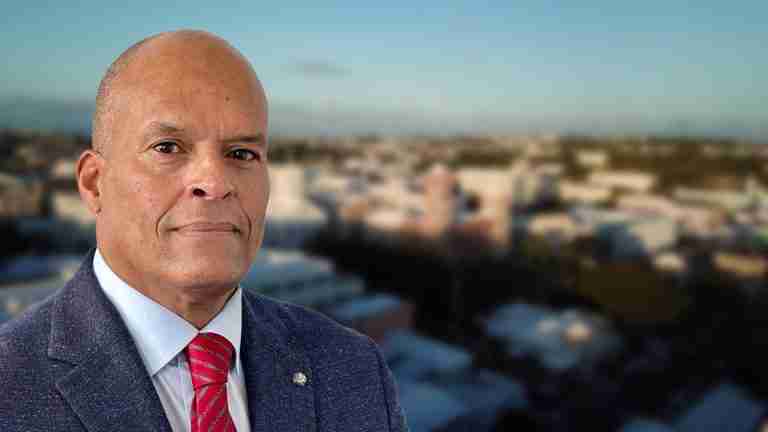
Statement by MP Robert King, Leader of the Opposition

Government is not a business. It has a bottom line that is most truly measured by the public good delivered. Fiscal responsibility is the foundation upon which lasting social progress is built. Bermudians know this. A system that is inefficient, opaque, or poorly managed does not serve the public — and it is those most reliant on public services who feel that failure first and most acutely.

Responsible governments understand that managing debt is itself an act of social responsibility — one that protects both today’s citizens and future generations. Debt reduction is not an ideological exercise. Every dollar spent on interest is a dollar unavailable for nurses, teachers, seniors, housing, and necessary infrastructure.

And it begs the question: Why, despite new and unprecedented revenue from the Corporate Income Tax, do Bermudians continue to be burdened by mounting public debt, strained services, and a housing and affordability crisis that continues to worsen?

Unfortunately, and not surprisingly, a recent government op-ed on the Corporate Income Tax does little to advance that clarity. Instead, it looks backwards, leans into division, and avoids the questions Bermudians are rightly asking today: where is the money going, and what results are we seeing?

Revisiting long-past challenges does nothing to address today’s issues. And, I call out the obfuscation of mischaracterising the position of the One Bermuda Alliance more broadly. Let’s be clear, when the OBA calls for efficiency and reforms, it is to ensure fiscal responsibility so that there is money to support what is needed most for the public good. The OBA believes debt reduction must never come at the expense of people. Social investment is necessary. And I applaud the tireless efforts of the OBA’s Shadow Minister of Finance, Doug DeCouto, for his diligent work on the CIT and all fiscal and financial issues.

What should concern Bermudians is not that there are differing views on priorities — healthy democracies depend on debate — but that legitimate scrutiny is deflected through rhetoric that fuels division. Bermuda’s most pressing challenges — housing affordability, access to healthcare, youth opportunity, and public safety — affect families across this island. They do not fall solely along political or racial lines, and our solutions should not either.

Bermuda is facing serious choices about its economic future. These choices demand honesty, discipline, and a willingness to bring the country together around shared priorities. They also demand clarity. The OBA believes in targeted, measurable investment: housing that actually gets built, healthcare reform that improves outcomes rather than headlines, and youth programmes that lead to real skills and real jobs. Achieving those outcomes requires prioritisation, clear metrics, and honest trade-offs — not slogans. And, we need leadership that unites rather than divides — leadership that speaks to Bermudians as one people with shared challenges and shared aspirations, not as groups set against one another for political advantage.

The Corporate Income Tax is a tool. Whether it becomes a force for lasting progress or another missed opportunity will depend not on rhetoric, but on stewardship. The Opposition stands ready to support policies that genuinely strengthen Bermuda’s future. What we will not support is division, deflection, or a lowering of our national discourse.

Bermudians deserve better — and together, we can do better.

Crown objects to stay in abuse of process case

Crown Counsel Adley Duncan, from the DPP laid arguments refuting a delays to court proceedings against Dr. Ewart Brown

Dr. Ewart Brown’s efforts to have legal proceedings against him dropped, continued today King’s Counsel Jerome Lynch, K.C. argued that his client has suffered an abuse of process for the near 15-year long investigation into allegations of corruption.


Jasmine Patterson reports.

UK government provides support to pubs to help them survive tax hike

Pubs, whilst suffering a long-term decline driven in part by changing drinking habits and demographics, retain a centuries-old role in the social fabric of British communities

International News via Reuters:

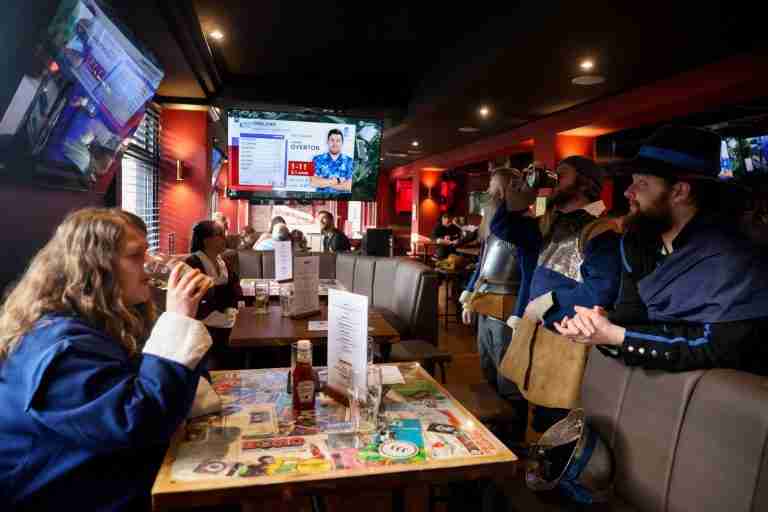
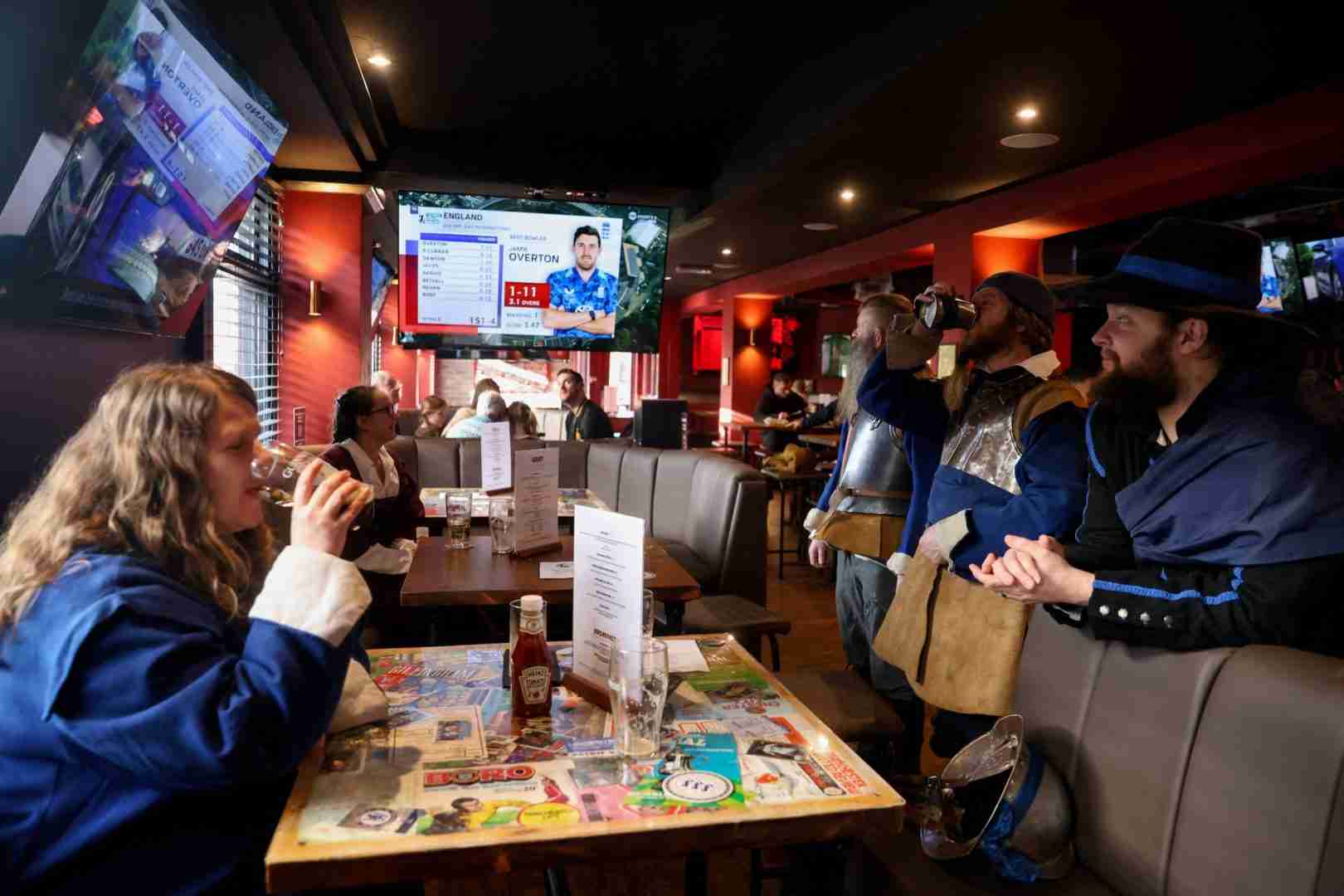
The British government on Tuesday announced a support package for pubs and live music venues in England, providing some relief from the property tax rises announced last year, which left the hospitality industry reeling.

Pubs, whilst suffering a long-term decline driven in part by changing drinking habits and demographics, retain a centuries-old role in the social fabric of British communities.

Planned increases to taxes on commercial properties announced in November’s budget prompted an outcry, including warnings of mass closures, with a group of more than 1,000 landlords banning Labour Party lawmakers from their premises.

SECTOR WARNED THAT JOBS AT RISK

Tuesday’s package would give pubs a 15% discount on their business rate bills and freeze those bills for another two years.

“This support is worth 1,650 pounds ($2,266) for the average pub just next year, and will mean that around three quarters of pubs will see their bills either fall or stay the same next year,” Treasury minister Daniel Tomlinson told parliament.

The British Beer and Pub Association, which had warned that 15,000 jobs could be at risk without help, said there would be “a sigh of relief from landlords across the country”.

On Tuesday, the government also said it would review the way hotels were valued for calculating rates, raising the prospect of further relief.

“The reality remains that we still have restaurants and hotels facing severe challenges from successive budgets. They need to see substantive solutions that genuinely reduce their costs,” said Kate Nicholls, chair of UKHospitality.

LATEST GOVERNMENT U-TURN

The watering down of the tax rise for pubs is the latest in a string of partial or full reversals from Prime Minister Keir Starmer’s government as, struggling to invigorate a sluggish economy and suffering in the polls, he looks for ways to balance the books and improve public services.

Previous U-turns driven by pressure from within his own party and directly from voters, include a plan to raise more tax from farmers, cut welfare spending and reduce subsidies on energy bills for the elderly.

In a sign of the difficult conditions faced by hospitality businesses, Revel Collective, which owns 62 pubs and bars across Britain, appointed administrators on Tuesday. It said 21 sites would be closed immediately with the loss of 590 jobs.

The government also launched a new High Street Strategy alongside the support package, which it said was aimed at boosting the retail and hospitality sectors.  

($1 = 0.7283 pounds)

Reporting by Sarah Young, additional reporting by James Davey; Editing by William James and Sharon Singleton