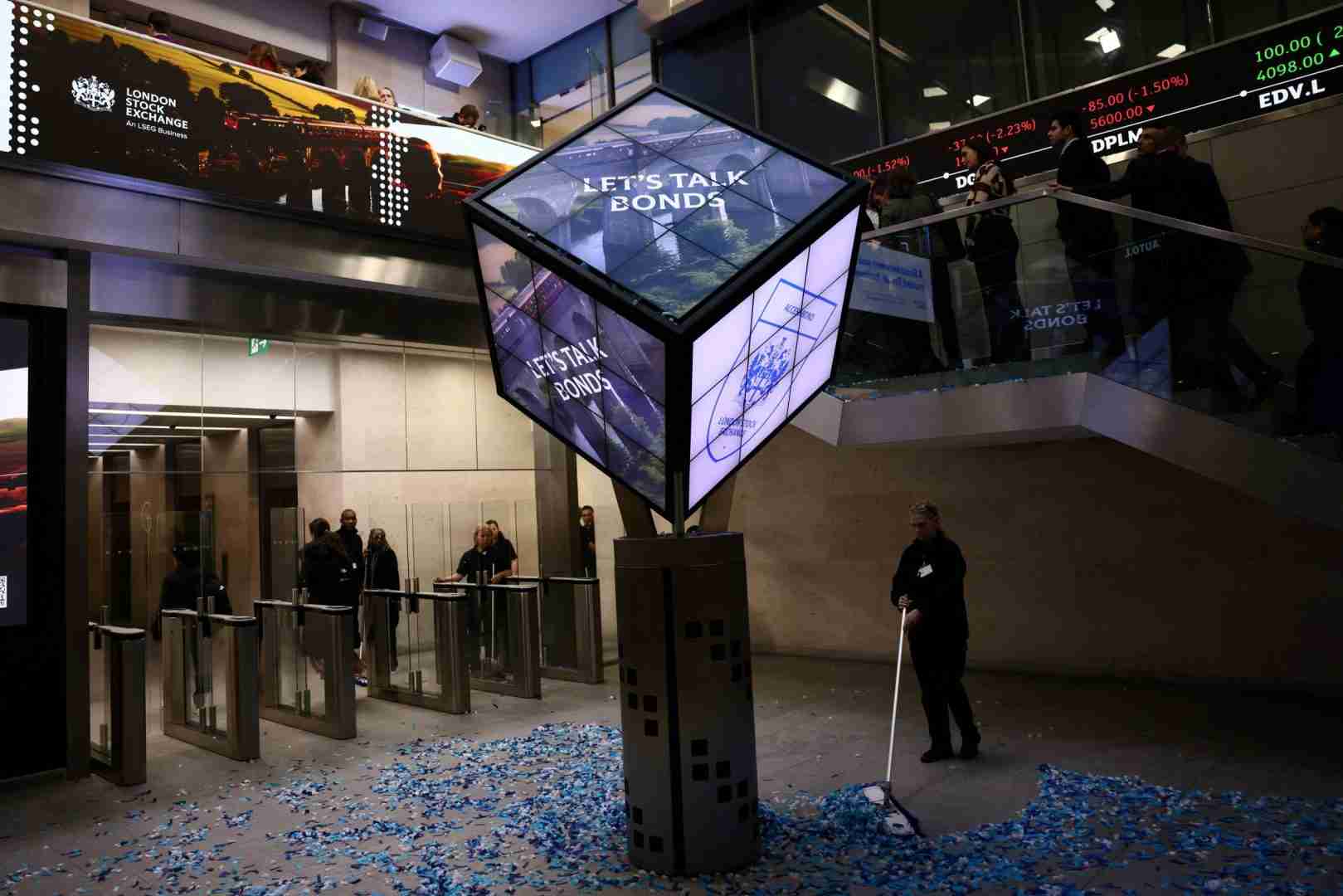
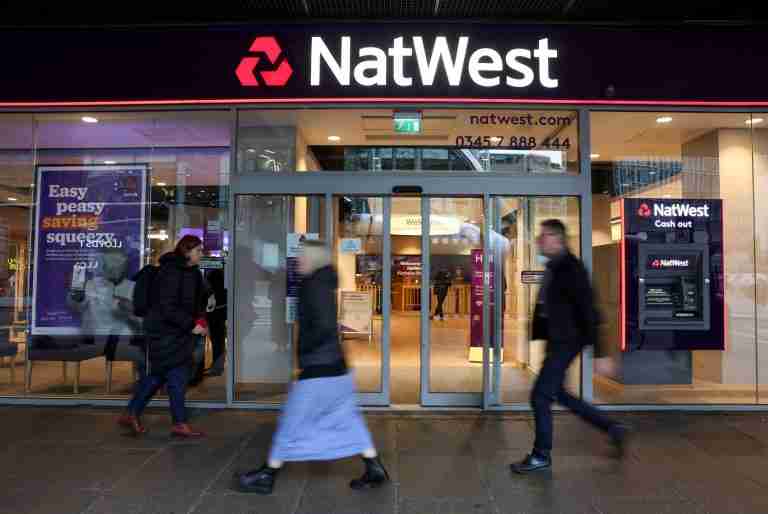
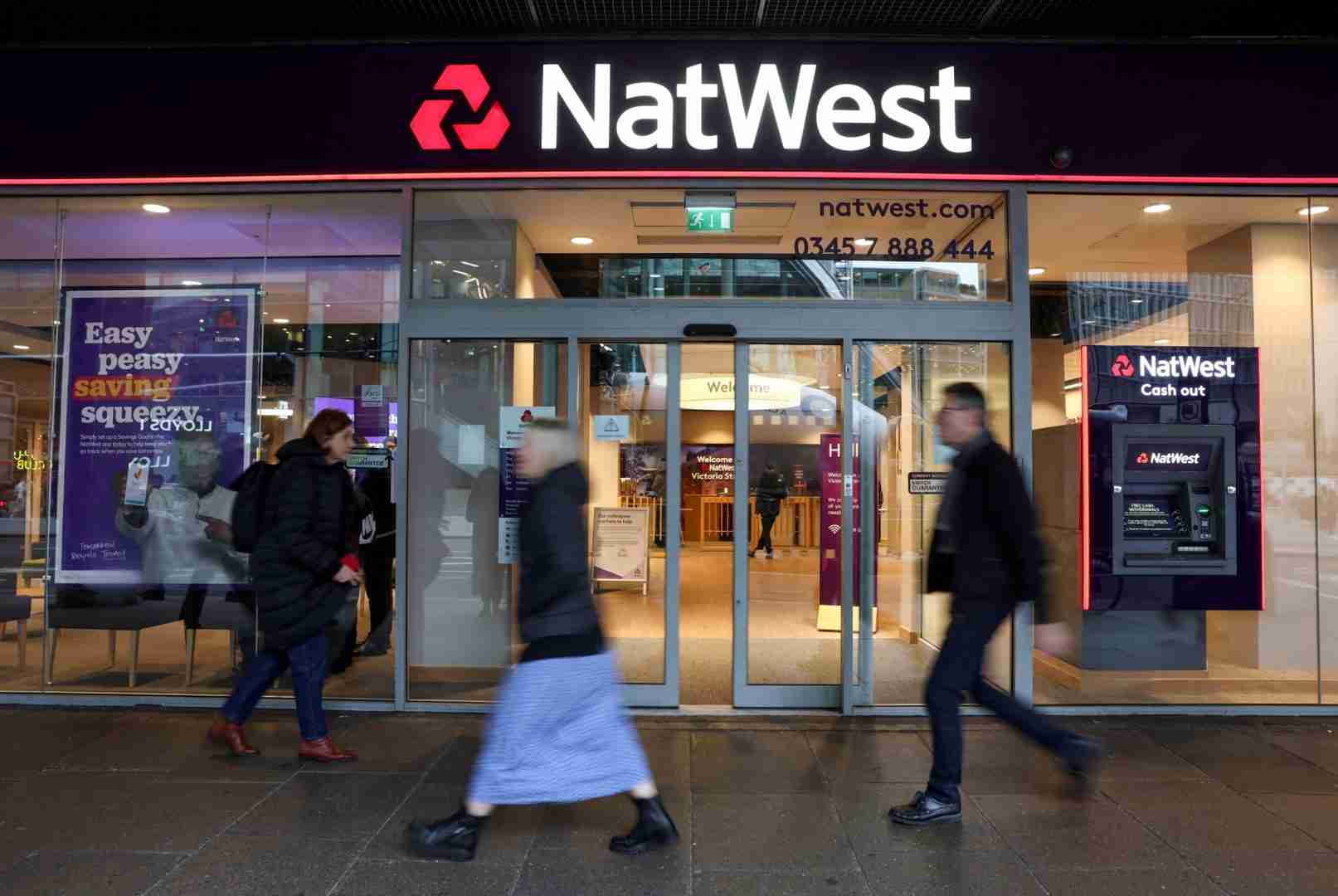
The bank index was up 2.2%, climbing to its highest level since May 2008, with HSBC Holdings gaining 2.9% and NatWest Group and Lion Finance rising over 2% each
International News via Reuters:
London’s FTSE 100 gained on Tuesday, led by advances in heavyweight banking stocks, as investors geared up for a slew of corporate earnings and the U.S. Federal Reserve’s rate decision later this week.
The bank index was up 2.2%, climbing to its highest level since May 2008, with HSBC Holdings gaining 2.9% and NatWest Group and Lion Finance rising over 2% each.
The blue‑chip FTSE 100 was up 0.6% at 11:19 GMT, while the more UK-focused FTSE 250 was little changed.
Mining shares retreated from recent highs, with the precious metal index and industrial metal miners falling 2.2% and 0.7%, respectively.
Meanwhile, Prime Minister Keir Starmer will fly to China on Tuesday evening in the first visit by a British leader to the Asian country in eight years, seeking to mend ties with the world’s second-largest economy and reduce Britain’s dependence on an increasingly unpredictable U.S.
Trade concerns persist after U.S. President Donald Trump’s recent threats to hike tariffs on South Korean imports, prompting investors to look towards upcoming corporate earnings for clearer signals on business conditions.
Also on investors’ minds is the Fed’s policy meeting, due to begin on Tuesday and end with a policy update on Wednesday, with most investors expecting the U.S. central bank to hold interest rates steady.
Separately, all but two economists polled by Reuters still expect the Bank of England to cut its interest rate to 3.50% in February.
Meanwhile, data showed prices at British retailers rose at their fastest pace since February 2024 this month, led by a pick-up in food, furniture, health and beauty product costs.
Among notable movers, shares of Dr. Martens fell 12% to the bottom of the midcap index as the bootmaker forecast broadly flat annual revenue growth after its third-quarter sales dipped.
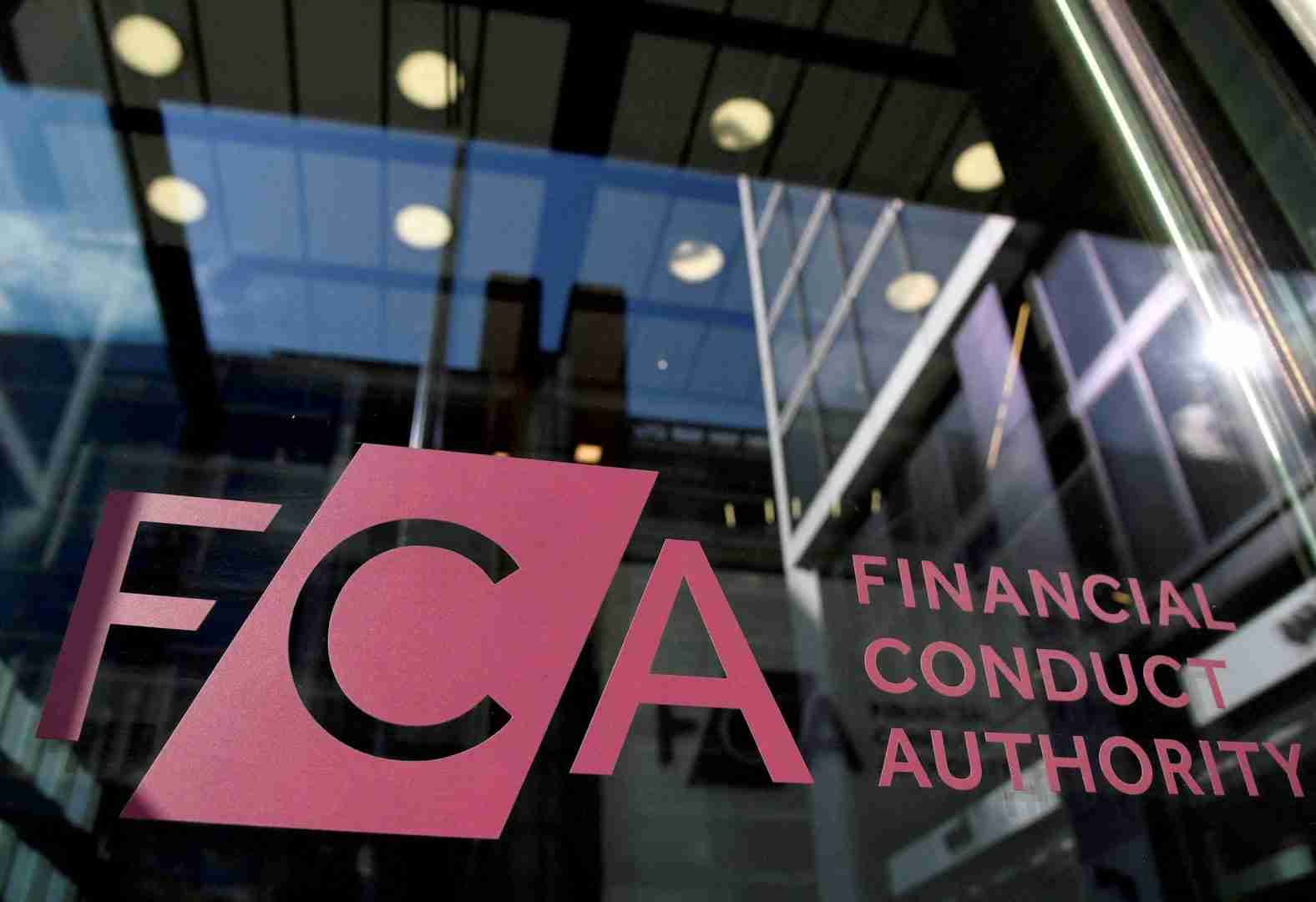
The review will look at how the evolution of AI could affect markets and firms, including changes to competition and market structure, as well as the impact on consumers
International News via Reuters:
The UK’s Financial Conduct Authority on Tuesday launched a review into the impact of advanced artificial intelligence on retail financial markets and consumers.
The review, led by FCA Executive Director Sheldon Mills, will look at how the evolution of AI could affect markets and firms, including changes to competition and market structure, as well as the impact on consumers. Findings will go to the FCA board in mid‑2026. The regulator reiterated that it does not intend to introduce AI‑specific rules.
“As I begin this review, the technological landscape is evolving at a remarkable pace. It is entirely plausible that we will see widespread use of agentic AI systems, neuromorphic computing and quantum capability,” Mills said. “These technology changes will take place in the context of the growth of digital finance, including blockchain and smart contracts, tokenisation and digital assets.”
Tom Callaby, partner at law firm CMS, said that so far the use of AI in retail facing applications in the UK had been “limited” but firms were increasingly considering new use cases. “The FCA should not close itself off to updating or adjusting its approach, as it has been clear that a lack of tailored rules and guidance in key areas has held some firms back,” Callaby added.
The parliamentary Treasury Committee on January 20 published a report urging financial regulators including the FCA to move away from a “wait and see” approach to AI.
The committee said the FCA should publish guidance by the end of the year on how consumer protection rules apply to AI and how much senior managers need to understand the systems they oversee.
Reporting by Prerna Bedi in Bengaluru and Phoebe Seers in London; Editing by Maju Samuel and Tommy Reggiori Wilkes
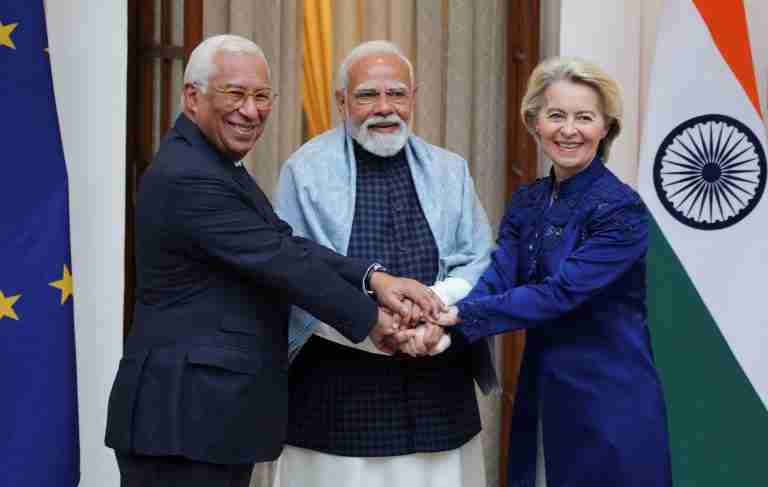
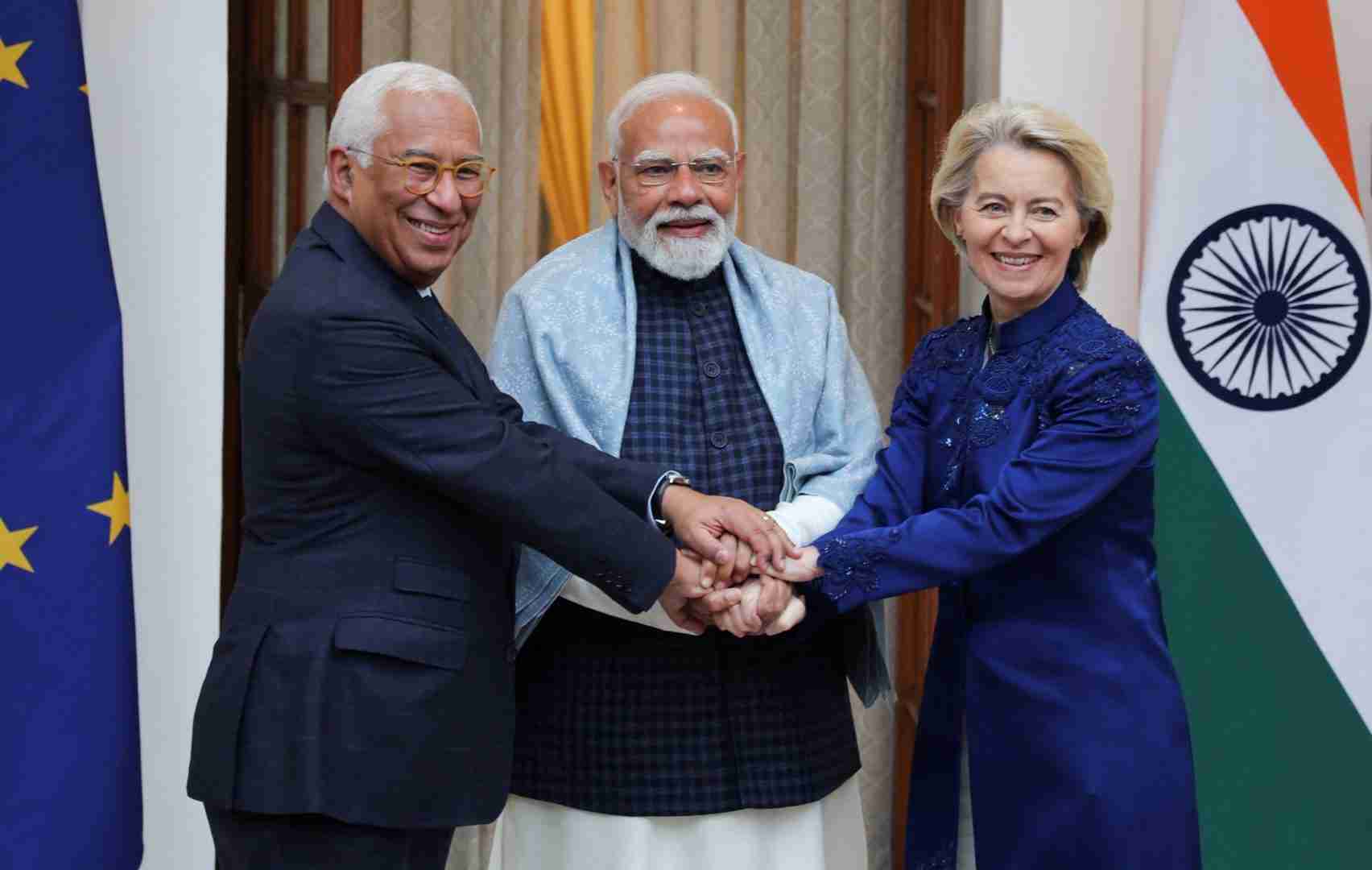
The deal is expected to double EU exports to India by 2032 by eliminating or reducing tariffs in 96.6% of traded goods by value
International News via Reuters:
India and the European Union struck a long‑delayed deal on Tuesday that will slash tariffs on most goods, aiming to boost two‑way trade and reduce reliance on the United States amid growing global trade tensions.
The deal is expected to double EU exports to India by 2032 by eliminating or reducing tariffs in 96.6% of traded goods by value, and will lead to savings of 4 billion euros ($4.75 billion) in duties for European companies, the EU said.
The EU will cut tariffs on 99.5% of goods imported from India over seven years, with tariffs to be cut to zero on Indian marine goods, leather and textile products, chemicals, rubber, base metals and gems and jewellery, India’s trade ministry said in a statement.
India and the EU said agriculture-related items like soya, beef, sugar, rice and dairy have been kept out of the purview of the trade deal.
“Yesterday, a big agreement was signed between the European Union and India,” Indian Prime Minister Narendra Modi said earlier.
“People around the world are calling this the mother of all deals. This agreement will bring major opportunities for the 1.4 billion people of India and the millions of people in Europe,” he said.
The two-decade-long EU–India trade talks gained momentum after Washington imposed a 50% tariff on some Indian goods, and as U.S. allies pushed back against President Donald Trump’s tariff threats and his bid to take over Greenland.
Canada’s Prime Minister Mark Carney, in a speech that got a standing ovation in Davos last week, urged middle powers to come together to avoid becoming victimised. He is planning to visit India to sign deals on uranium, energy and minerals, after striking a deal recently with China.
Before signing the deal with New Delhi, the EU agreed a pact with the South American bloc Mercosur, following deals last year with Indonesia, Mexico and Switzerland. During the same period, New Delhi finalised pacts with Britain, New Zealand and Oman.
“Europe and India are making history today,” European Commission President Ursula von der Leyen said. “This is only the beginning.”
Trade between India and the EU stood at $136.5 billion in the fiscal year through March 2025, compared to $132 billion of trade between India and U.S., and $128 billion between India and China.
The formal signing of the India-EU deal would take place after legal vetting expected to last five to six months, an Indian government official aware of the matter has said.
“We expect the deal to be implemented within a year,” the official added.
The vetting process in the EU region could be subject to some setbacks as in the case with Mercosur. EU lawmakers have voted to challenge the EU-Mercosur agreement in the bloc’s top court.
OPENING UP GUARDED SECTORS
The EU accord with India would open up the south Asian nation’s vast and highly guarded market, with New Delhi slashing tariffs on cars to 10% over five years from as high as 110%, according to an EU statement, benefiting European automakers such as Volkswagen, Renault, Mercedes-Benz and BMW.
The reduced tariffs on autos would be granted to 250,000 cars a year valued over 15,000 euros and will be cut to 30%-35% as soon as the deal is implemented, both sides said.
India is also slashing tariffs on alcoholic beverages like wines to 75% immediately from 150%, which would be lowered to 20% gradually. Tariffs on spirits will be lowered to 40%, the EU said.
The deal will also cut tariffs on a slew of EU goods coming to India including machinery, electrical equipment, chemicals and iron and steel, the EU said.
However, there was no immediate relief for Indian companies hit by carbon tax under the EU’s Carbon Border Adjustment Mechanism (CBAM) that started on January 1.
Besides steel, the decarbonisation-oriented levy applies to cement, electricity, fertilisers and other products as well.
India said it has got a commitment from EU that it will get flexibilities on the carbon tax if they are granted to any third countries.
Separately, the EU agreed to provide financial support of 500 million euros over the next two years to help India in cutting greenhouse gas emissions.
($1 = 0.8422 euros)
Reporting by Shivangi Acharya and Manoj Kumar, Additional reporting by Kate Abnett, Editing by Raju Gopalakrishnan
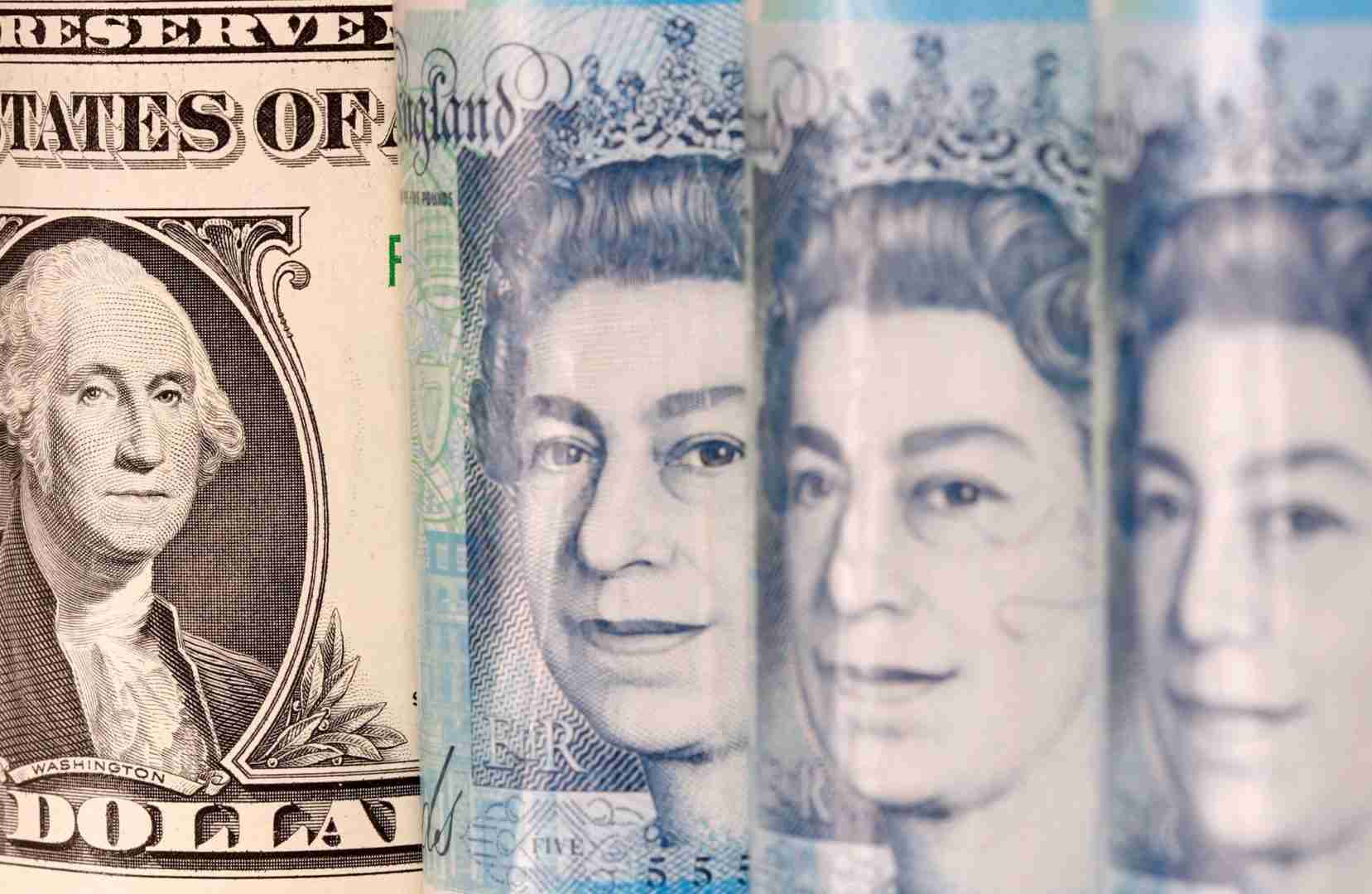
Sterling was last 0.12% higher against the dollar at $1.3696, hovering near a four-month high
International News via Reuters:
The pound edged higher against the U.S. dollar for the fourth consecutive day on Tuesday, underpinned partly by data that showed retail inflation picked up sharply in January, while UK political uncertainty simmered on.
Sterling was last 0.12% higher against the dollar at $1.3696, hovering near a four-month high.
Against the euro, the pound was last 0.12% lower to 86.72 pence to the euro.
The dollar has been under pressure from an array of issues in recent weeks, including geopolitical and tariff uncertainty which reinvigorated the “sell America” trade last week, while traders have also been on alert regarding potential coordinated currency intervention by authorities in the United States and Japan.
The pound meanwhile has strengthened, buoyed by strong domestic data last week that indicated a pickup in the economy.
Figures from the British Retail Consortium on Tuesday showed that prices at major British retailers rose at the fastest pace in almost two years in January.
“Any suggestion that inflation has peaked is simply not borne out by these figures,” BRC Chief Executive Helen Dickinson said.
The data could complicate decision-making for the Bank of England, which is broadly expected to keep interest rates unchanged when it meets next week. Markets show traders currently expect one rate cut by the middle of the year, with a strong chance of a second by December.
However, political tensions have been growing with the Labour Party blocking Manchester Mayor Andy Burnham from returning to parliament. Burnham is widely seen as a potential challenger to Prime Minister Keir Starmer, whose leadership of the Labour Party has been called into question.
The global moves have taken some heat away from domestic UK issues for sterling, said Nick Rees, head of macro research at Monex.
“Sterling right now is benefiting from the distractions elsewhere in markets, but we think traders should be focused on the UK political situation, because that is really quite volatile,” he said.
“What looks like an emerging Labour civil war is not great for confidence, it’s not great for stability, it’s not great for political decision-making,” Rees said, noting that the fiscal backdrop in the UK is already difficult.
“So you add all that up, we see downside sterling risks as soon as markets start paying attention.”
Reporting by Sophie Kiderlin, editing by Amanda Cooper and Sharon Singleton
The Ministry of Justice is urging members of the public to attend the final community engagement session on proposed jury reform, which will be held in partnership with the Southampton Parish Council on Thursday, 29 January, from 6:30 pm to 8:00 pm at the Vernon Temple AME Church, 6 Hawthorn Lane, Southampton.
This session marks the final opportunity for residents to hear more about the proposals, engage directly with the consultation process, and share their views in person.
Attorney-General and Minister of Justice, Sen. the Hon Kim Wilkerson, JP, encouraged the public to take part in the discussion.
“The parish council meetings have demonstrated the value of open dialogue with the community,” said Minister Wilkerson.
“This final session provides an important opportunity for residents to contribute directly to the conversation and to help shape reforms that are intended to strengthen fairness and public confidence in our jury system.”
The Ministry also reminds the community that the jury reform consultation remains open until 31 January, and members of the public are encouraged to review the proposals and submit feedback via forum.gov.bm.
As part of the ongoing engagement process, Minister Wilkerson visited Cedarbridge Academy last week alongside MP and Junior Minister of Justice Dennis Lister III and Keivon Simons, Law Reform Policy & Strategy Counsel, where they met with a group of prefects to hear their perspectives on the justice system and civic participation.
The engagement with students reflects the Ministry’s efforts to broaden participation in the consultation process and to reach segments of the community that are not traditionally involved in public policy discussions. A consultation session with students at the Bermuda College is also due to be completed in the coming weeks.
Minister Wilkerson welcomed the opportunity to hear directly from young people.
“It was both encouraging and insightful to engage with students at Cedarbridge Academy,” she stated.
“Young people are future participants in our justice system and civic life, and their perspectives are valuable as we consider reforms that will shape Bermuda’s legal framework for years to come.”
The Minister also noted the positive response to the parish council meetings held across the Island as part of the consultation process.
“I have been pleased with the level of engagement at the parish council sessions,” she added.
“These discussions have demonstrated a genuine public interest in how our jury system operates and how it can be strengthened in a way that reflects Bermuda’s unique social and legal environment.”
The Ministry of Justice reiterated that the online jury reform consultation is open to all members of the public. Attendance at the final engagement session is open to all residents of Southampton, and no registration is required.
Lady Gombey Warriors continue strong run ahead of Panama clash
Leading 5-0 at the break, Bermuda picked up right where they left off after halftime with ruthless efficiency. Daley Outerbridge struck again early in the second half, completing her hat-trick and pushing the Lady Gombey Warriors into a commanding 6–0 lead.
Milan Gibbons-Thomas then added her second of the night in the 62nd minute, coolly megging the goalie to make it 7–0 as Bermuda continued to overwhelm their opponents.
Bonaire managed a late consolation in the 77th minute from the penalty spot, converted by Shaimaris Mercer after a contentious call, but it did little to dampen the atmosphere at the National Sports Centre.
Full time: Bermuda 7, Bonaire 1. Attention now turns to a blockbuster clash with Panama, who remain unbeaten and unbreached in the competition after an emphatic 8–0 victory over Suriname earlier today.
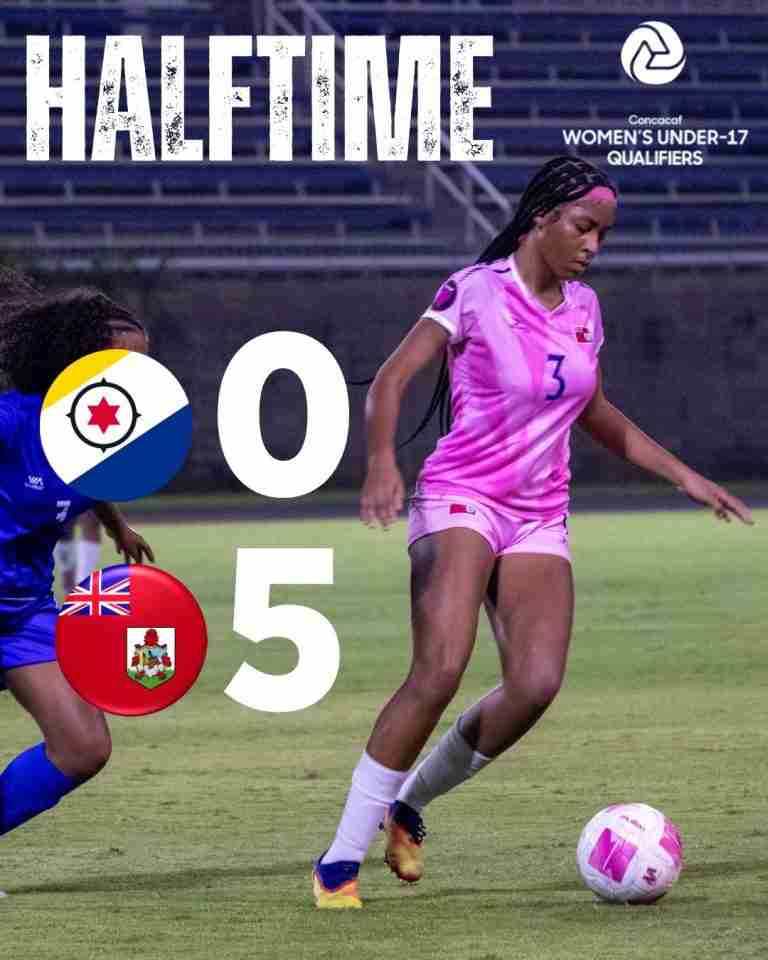
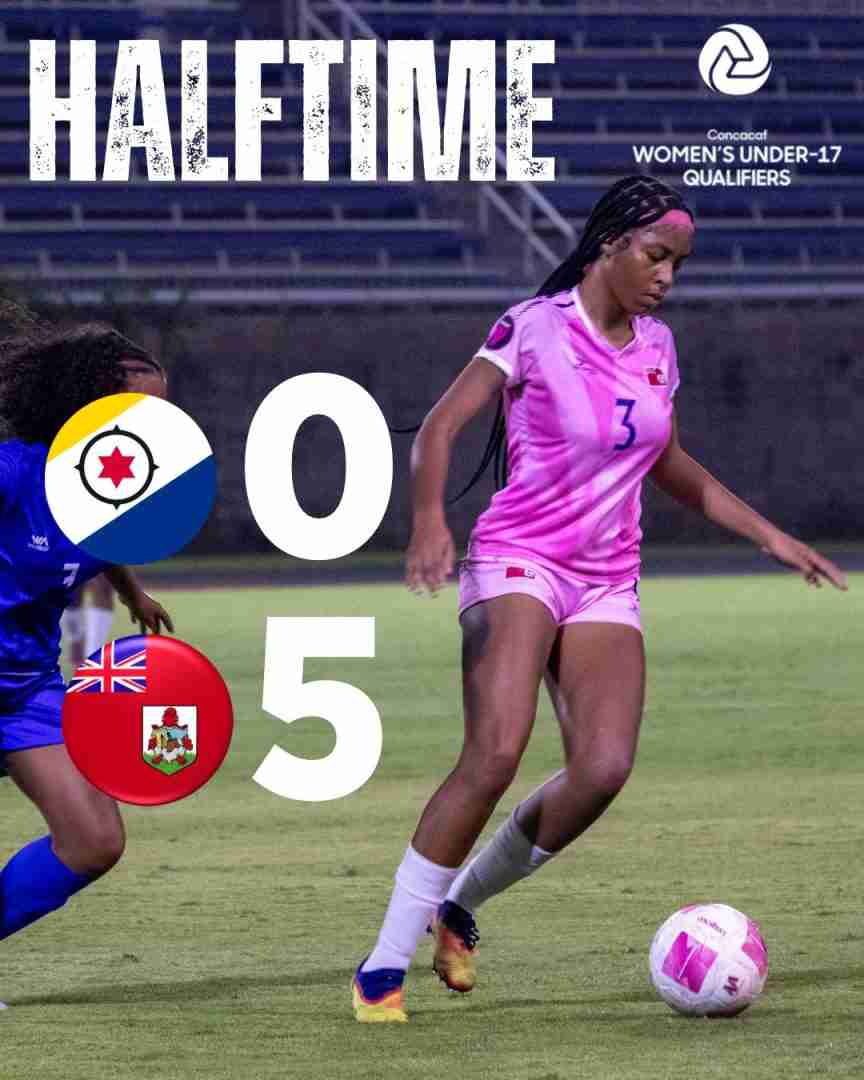
Brace for Daley Outerbridge in the first half; part of a dominant display by Team Bermuda against Bonaire in the Concacaf women’s U17 qualifiers
A confident, clinical Team Bermuda is once again off to a flyer, much to the delight of home fans under the lights at the National Sports Centre this evening.
Daley Outerbridge opened the score for the Lady Gombey Warriors in the 7th minute and from then on it was all Bermuda.
Goals from Milan Gibbons-Thomas in the 19th, a second goal from Outerbridge in 29th gave Bermuda a commanding 3 nil lead before 30 minutes of play.
Relentless pressure from the Lady Gombey Warriors was rewarded when Nila Samuels found the back of the net in the 31st and again 6 minutes later off a shot by Evans Welch in the 37th, put Team Bermuda a 5 nil lead going into the break.
The country has been hit with heavy rains that caused rivers and dams to overflow, submerging towns and affecting more than half a million people
International News via Reuters:
Mozambique authorities on Thursday reported 13 deaths from severe floods over the past two weeks, though the figure is expected to rise sharply, with aid workers saying they expect more bodies to be found as waters recede.
The country has been hit with heavy rains that caused rivers and dams to overflow, submerging towns and affecting more than half a million people. Parts of neighbouring South Africa were also flooded.
Rain had subsided in some areas by Thursday. Some buildings in the capital Maputo were submerged to their rooftops, and the city was cut off from the rest of the country due to flooding on a major national highway, making areas inaccessible.
“I won’t give up,” shopkeeper Justino Zita said, wading through the brown water that had flooded his shop and destroyed his livelihood in Maputo. “We won’t give up but we will have difficulty.”
Mary Louise Eagleton, representative of the United Nations children’s agency (UNICEF) in Mozambique, said she expected the toll of dead and wounded to rise.
“We expect that a large proportion of those who have been swept away or killed by the floods are children,” she told Reuters.
Officials describe the flooding as the worst since at least 2000, when around 700 people were killed in Mozambique.
Early-warning systems and mandatory evacuations could mean fewer people may have been killed this time, said Paulo Tomas, spokesperson for the National Institute for Disaster Risk Management.
“Many people complied by voluntarily leaving the most affected areas,” he said. But he said the lower death toll counted so far may also be partly a result of “limited access to some areas and the fact that several zones remain submerged”.
Reporting by Manuel Mucari and Custodio Cossa; Additional reporting and writing by Nellie Peyton; Editing by Alexander Winning
The announcement comes as Prime Minister Keir Starmer’s Labour Party, struggling in opinion polls, searches for ways to generate growth from Britain’s relatively sluggish economy
International News via Reuters:
Britain’s five leading banks – NatWest, HSBC, Barclays, Lloyds and Santander – on Monday committed to lending a combined 11 billion pounds ($15 billion) to help firms invest and expand into new international markets, the government said.
The announcement comes as Prime Minister Keir Starmer’s Labour Party, struggling in opinion polls, searches for ways to generate growth from Britain’s relatively sluggish economy, and weeks after the Bank of England urged commercial banks to lend more.
“Strengthening Britain’s export potential relies on British businesses having the means, motive, and opportunity to succeed in new overseas markets,” business and trade minister Peter Kyle said in a statement.
The government said lending capacity would be available immediately and be drawn entirely from the banks’ own balance sheets. UK Export Finance, the government’s export credit agency, will guarantee up to 80% of eligible loans issued by each bank.
However, there is no guarantee the banks will lend the full amount and firms are likely to still try and ensure any such money loaned is on a commercial basis and will be repaid.
($1 = 0.7308 pounds)
Reporting by Sam Tabahriti; editing by William James and Alex Richardson
Rutte told advocates of a European force separate from the U.S.-led NATO alliance to “keep dreaming”, and said Russian President Vladimir Putin would “love” the idea
International News via Reuters:
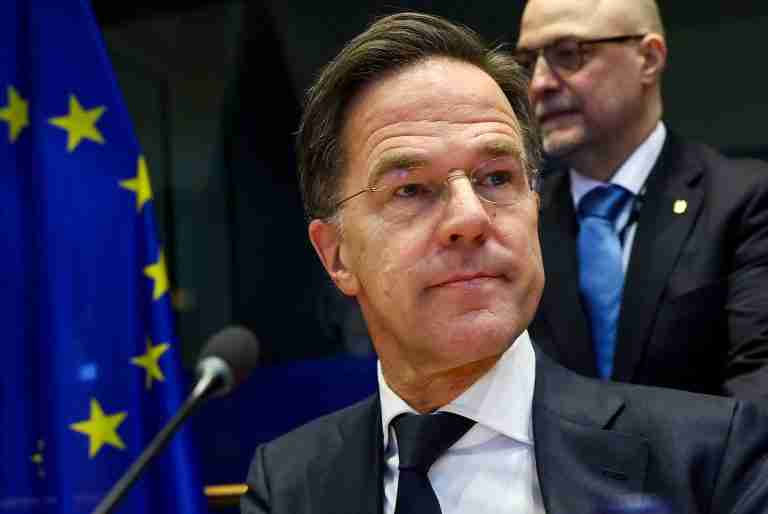
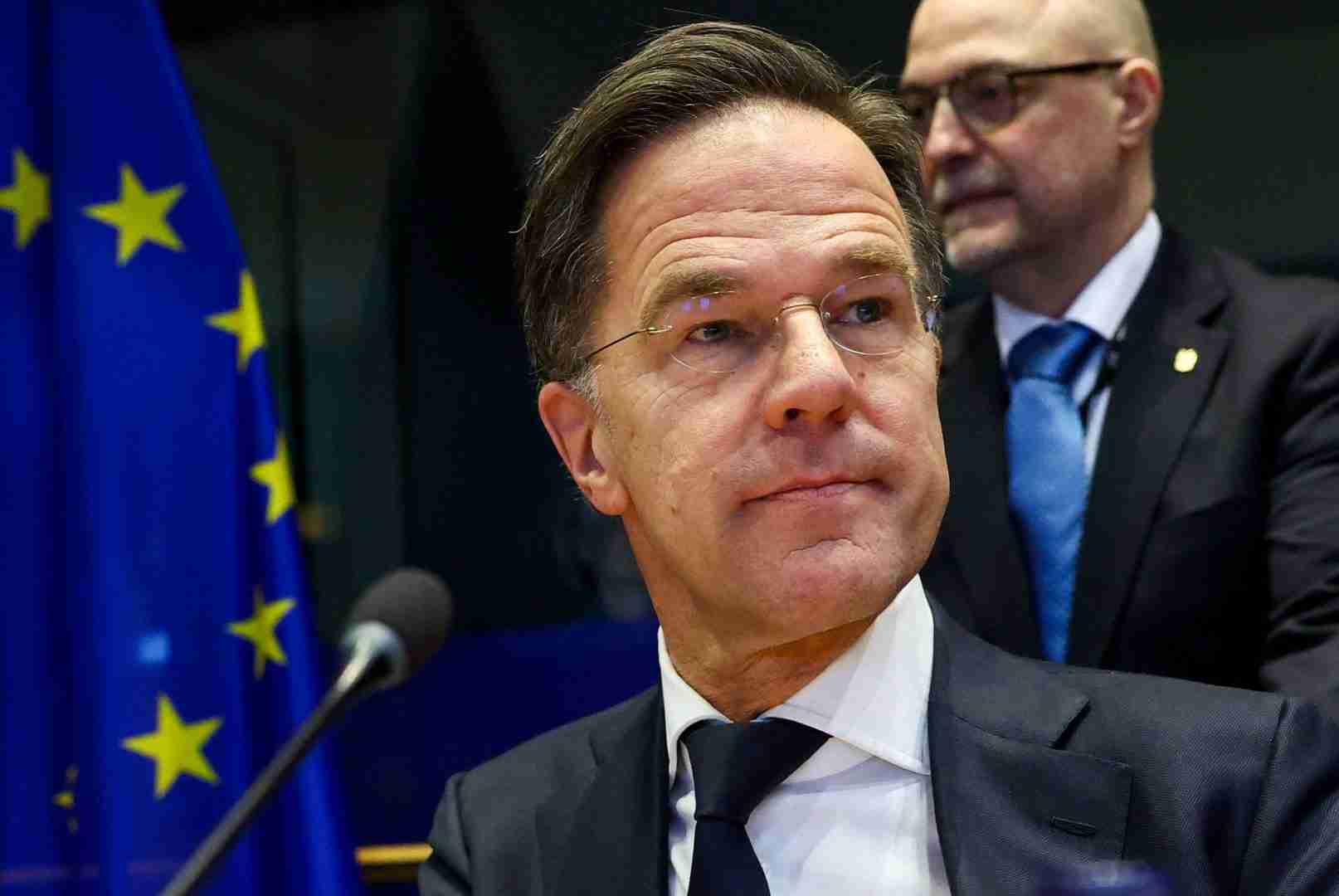
NATO boss Mark Rutte on Monday dismissed calls by some leading European politicians for a separate European army, prompted by doubts over Donald Trump’s commitment to the continent’s security that were heightened by tensions over Greenland.
Rutte told advocates of a European force separate from the U.S.-led NATO alliance to “keep dreaming”, and said Russian President Vladimir Putin would “love” the idea as it would stretch Europe’s armies and make them weaker.
Speaking to the European Parliament in Brussels, Rutte said European nations should continue to step up to take more responsibility for their own security, as Trump has demanded – but within the transatlantic alliance.
Spanish Foreign Minister Jose Manuel Albares and European Defence Commissioner Andrius Kubilius have both raised the prospect of a European force in recent weeks.
Without referring explicitly to either proposal, Rutte gave the general idea short shrift, insisting Trump and the U.S. remained strongly committed to NATO, despite the uncertainty caused by Trump’s demands that NATO member Denmark cede control of Greenland.
“I think there will be a lot of duplication and I wish you luck if you want to do it, because you have to find the men and women in uniform – they’ll be on top of what is happening already,” he said.
“It will make things more complicated. I think Putin will love it. So think again.”
Rutte told the lawmakers that if Europe really wanted to go it alone, it would cost far more than the 5% of GDP that NATO nations have agreed to spend on defence and security-related investments.
“You have to build up your own nuclear capability – that costs billions and billions of euros. You will lose then, in that scenario … the ultimate guarantor of our freedom, which is the U.S. nuclear umbrella. So hey, good luck.”
Spain, Austria, Armenia, Azerbaijan and Uzbekistan also lost their status, and the WHO urged countries to boost vaccination rates, particularly among under-protected populations
International News via Reuters:
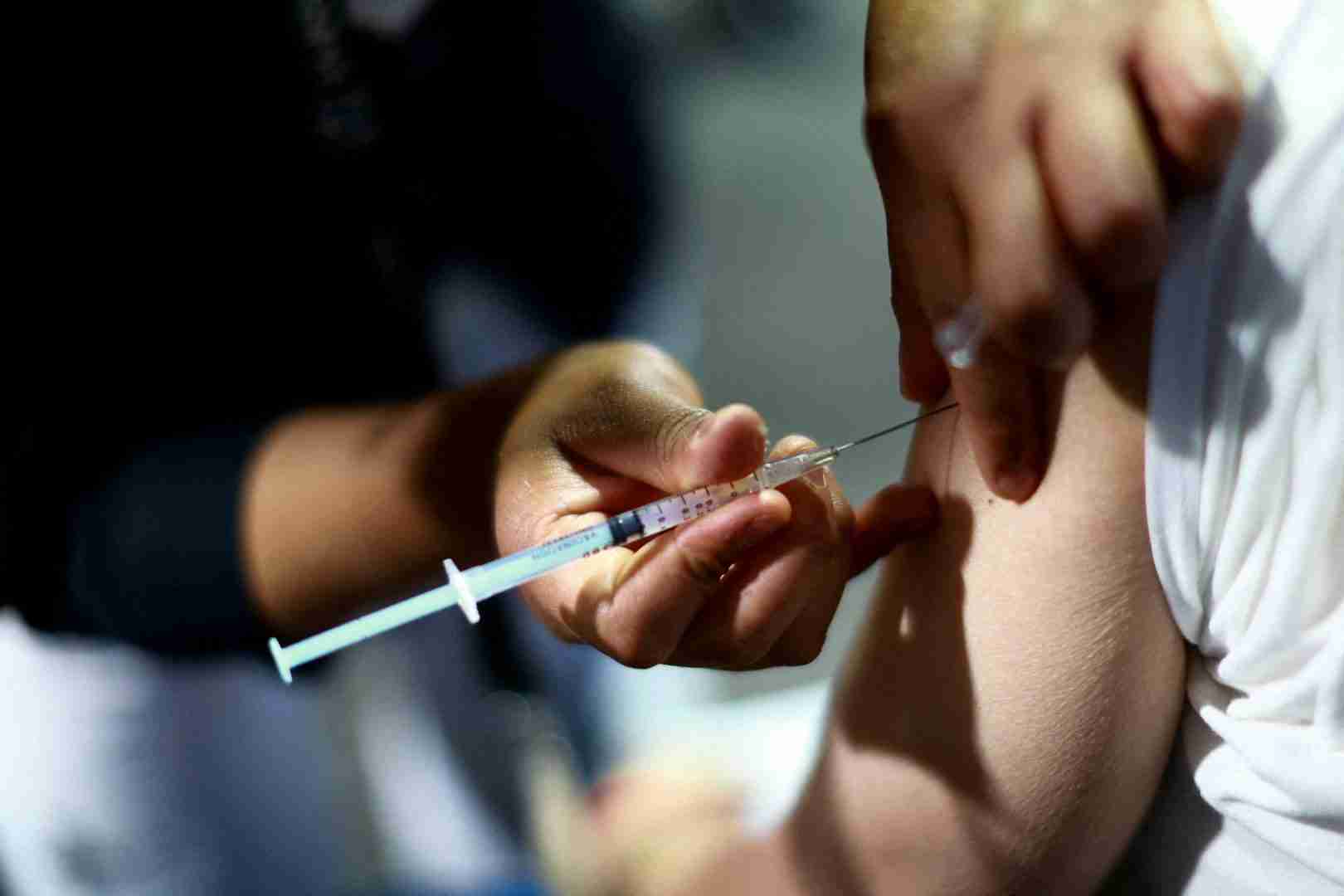
Britain and several other European countries have lost their measles elimination status, the World Health Organization said on Monday, after a jump in infections across the continent.
Spain, Austria, Armenia, Azerbaijan and Uzbekistan also lost their status, and the WHO urged countries to boost vaccination rates, particularly among under-protected populations, to prevent the viral disease infecting more children.
Measles is entirely preventable by vaccination, but is very contagious, and so is among the first illnesses to rebound when vaccination rates decline. It commonly causes symptoms including high fever and a rash, but can also lead to serious long-term complications and even death.
SIGN OF DECLINING VACCINATION
Health experts have warned that rising outbreaks worldwide point to a resurgence of other preventable illnesses in populations increasingly mistrustful or skeptical of vaccines since the COVID-19 pandemic.
“The UK’s change of status reflects a broader challenge we’re facing across the WHO European Region,” the U.N. health agency said on its website. Several other European countries already have regular measles transmission, according to the WHO, including France and Romania.
Canada lost its elimination status last year, and the U.S. is working to retain its status as infections mount.
WHO committees in each region decide whether a country is measles-free using case rates. To be considered measles-free by the WHO, a country must have no locally transmitted cases of the same strain for 12 months or longer.
The decision to strip certain European countries of their status was made last September based on data from 2024. But the WHO only released the information on Monday after getting sign-off from every country involved.
To keep measles at bay, vaccination rates must exceed 95%, the WHO estimates. Yet in the UK, only 84.4% of children had the two doses needed for full protection in 2024. Government data showed 2,911 confirmed cases in England that year, the most since 2012.
On Monday, the UK Health Security Agency said all children should be vaccinated to protect themselves from measles. The UK was first given elimination status in 2016, before losing it in 2018 then regaining it in 2021.
Reporting by Jennifer Rigby and Muvija M; Editing by Kevin Liffey
To provide the best experiences, we use technologies like cookies to store and/or access device information. Consenting to these technologies will allow us to process data such as browsing behavior or unique IDs on this site. Not consenting or withdrawing consent, may adversely affect certain features and functions.
Functional
Always active
The technical storage or access is strictly necessary for the legitimate purpose of enabling the use of a specific service explicitly requested by the subscriber or user, or for the sole purpose of carrying out the transmission of a communication over an electronic communications network.
Preferences
The technical storage or access is necessary for the legitimate purpose of storing preferences that are not requested by the subscriber or user.
Statistics
The technical storage or access that is used exclusively for statistical purposes.The technical storage or access that is used exclusively for anonymous statistical purposes. Without a subpoena, voluntary compliance on the part of your Internet Service Provider, or additional records from a third party, information stored or retrieved for this purpose alone cannot usually be used to identify you.
Marketing
The technical storage or access is required to create user profiles to send advertising, or to track the user on a website or across several websites for similar marketing purposes.