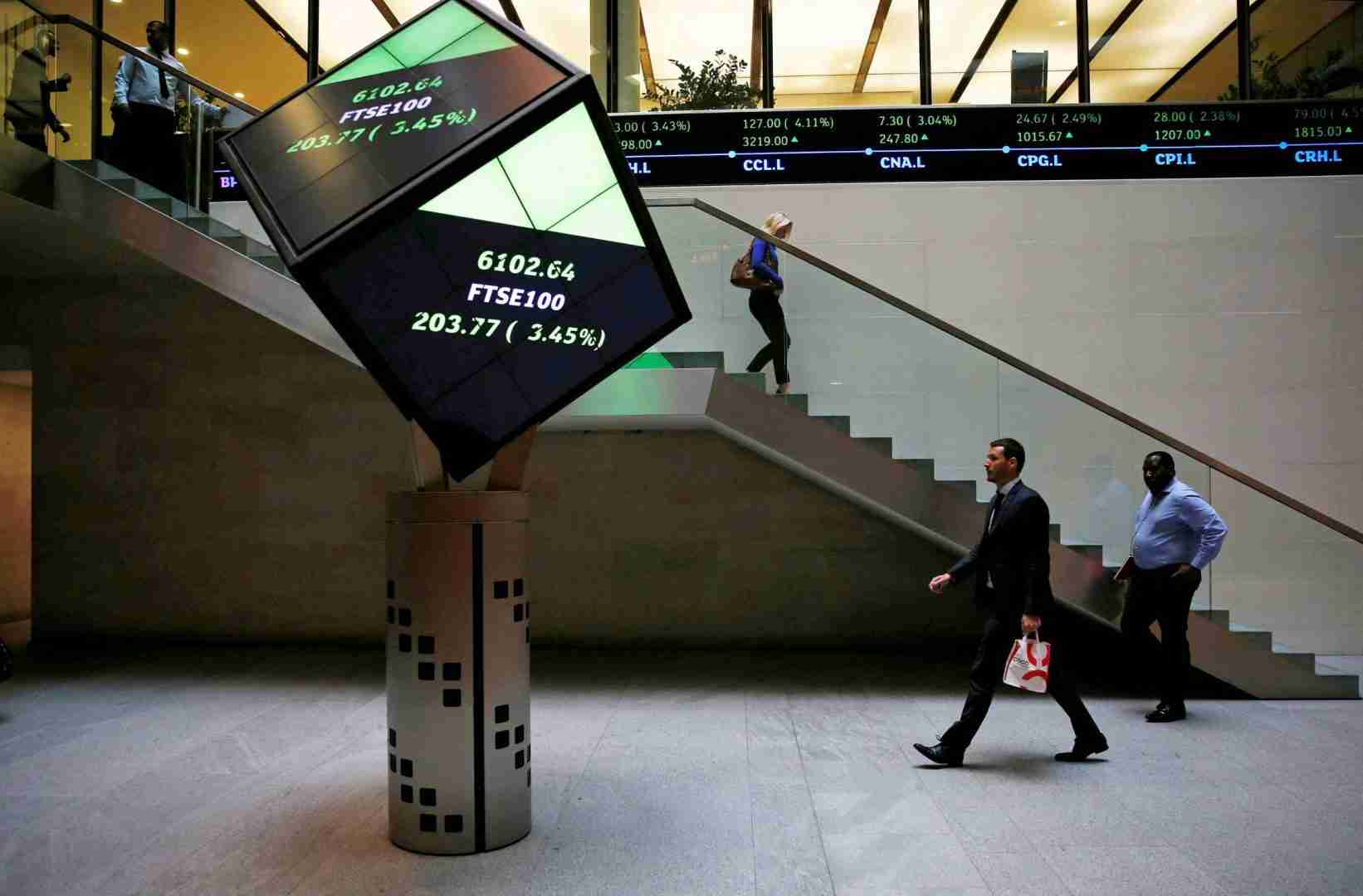
London’s FTSE 100 fell on Monday as a stronger sterling pressured the export-heavy index, amid tensions between the Trump administration and Federal Reserve Chair, and banks declining after U.S. President Trump’s credit card rate cap call.
The blue-chip FTSE 100 was down 0.07% by 1032 GMT. Meanwhile, the domestically focused mid-cap index slipped 0.2%, on pace to snap five-day streak of gains.
The pound strengthened against the dollar, last up 0.4%, after the Trump administration threatened Fed Chair Jerome Powell with a criminal indictment, a move that could endanger the greenback’s safe-haven status.
Banking stocks were also a major drag after President Donald Trump on Friday called for a one-year cap on credit card interest rates at 10%, starting on January 20, but did not provide details.
Barclays fell 3.3% and Close Brothers Group slid 1.2%.
The move also prompted investors to flee to safe-haven assets with the index of precious metal miners jumping 4.3%, after gold struck a record high of more than $4,600 an ounce. [GOL/]
Meanwhile, Britain’s job market cooled in December as hiring fell for a 39th month, while starting salaries rose, keeping the Bank of England focused on rate cuts after December’s move.
Among other stocks, British semiconductor wafer maker IQE jumped 34.6% after the company said it expects its revenue and adjusted core profit for fiscal 2025 to be at the upper end of its forecasts.
Oxford Nanopore Technologies was up 7% after the biotech firm forecast annual revenue growth ahead of its forecast.
Reporting by Tharuniyaa Lakshmi in Bengaluru; Editing by Vijay Kishore
Official forecasts show that while Norway’s offshore oil and gas output will remain broadly steady in 2026, the production is set to decline towards the end of this decade and into the next as major fields gradually deplete
International News via Reuters:
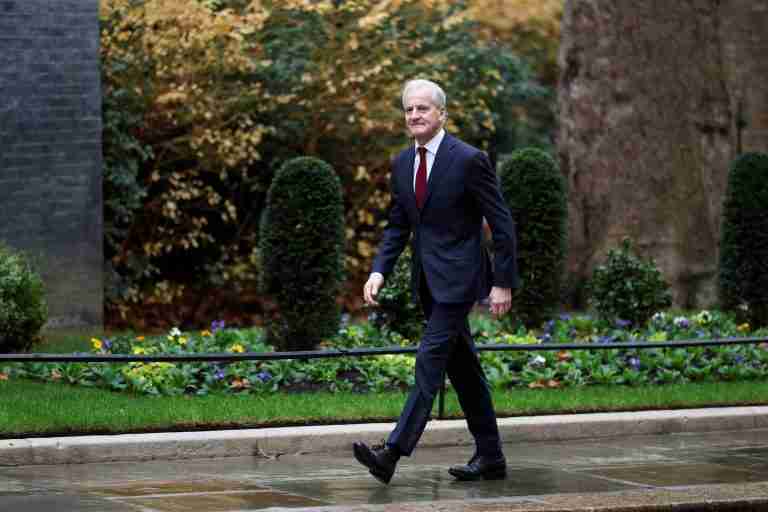
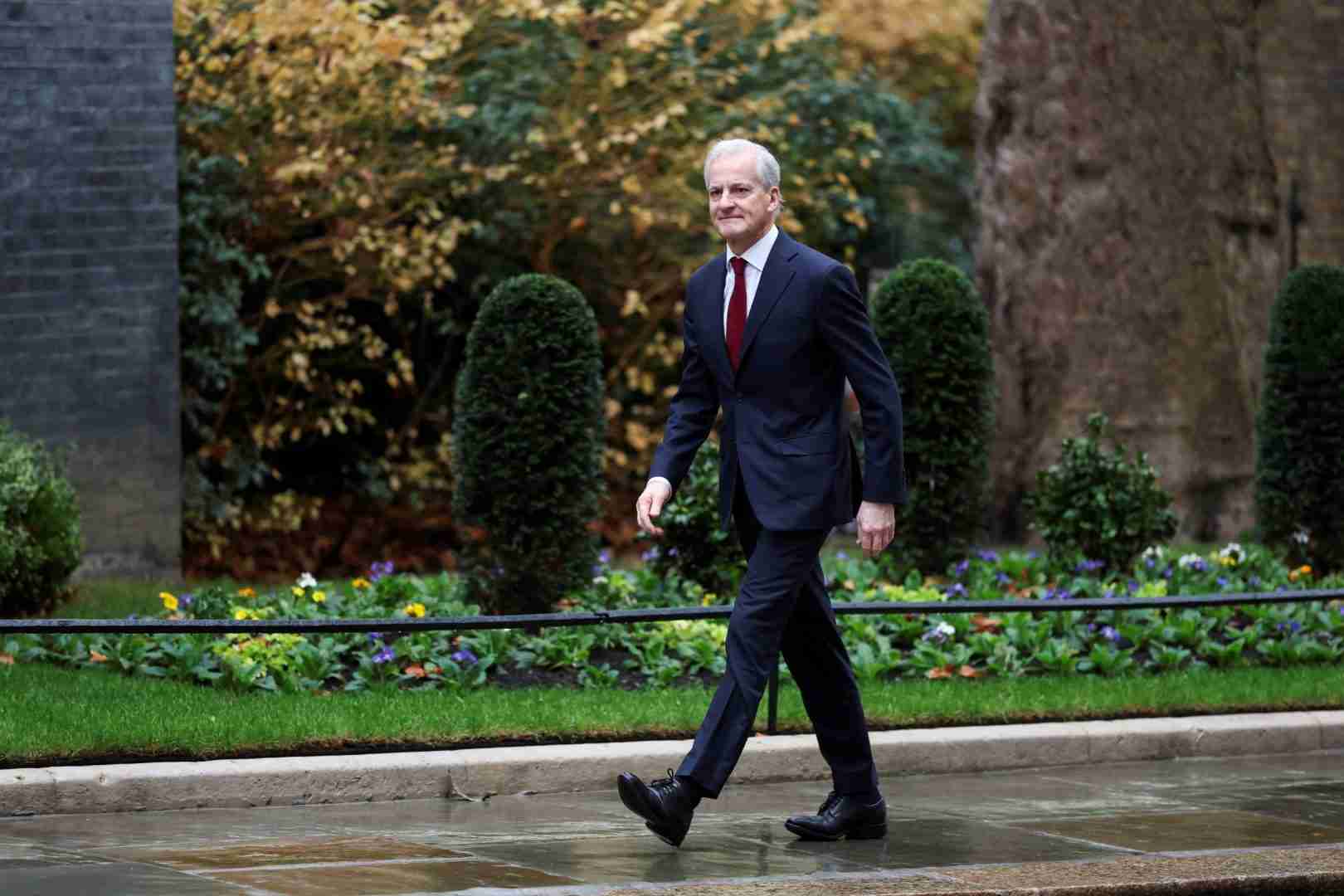
Norway’s government said on Monday it will present a policy document to parliament next year on the future of the oil and gas industry, including companies’ access to exploration acreage.
“The oil and gas industry is crucially important for Norway, and should be developed, not phased out,” Prime Minister Jonas Gahr Stoere said in a speech.
Official forecasts show that while Norway’s offshore oil and gas output will remain broadly steady in 2026, the production is set to decline towards the end of this decade and into the next as major fields gradually deplete.
“The white paper will contain a description of the status and prospects for the petroleum industry, as well as address key policy choices that will be important for production from the 2030s onwards,” the energy ministry said in a statement.
Norway produces about 2% of global oil and became Europe’s largest supplier of natural gas after Russia’s invasion of Ukraine in February 2022.
Oil and gas is Norway’s largest and most profitable industry, with government forecasts showing output expected this year of near 4.1 million barrels of oil equivalent per day (boed), declining to just under 3.5 million boed in 2030.
Significant progress reported across the Fairmont Southampton; project remains on track to welcome guests later this summer
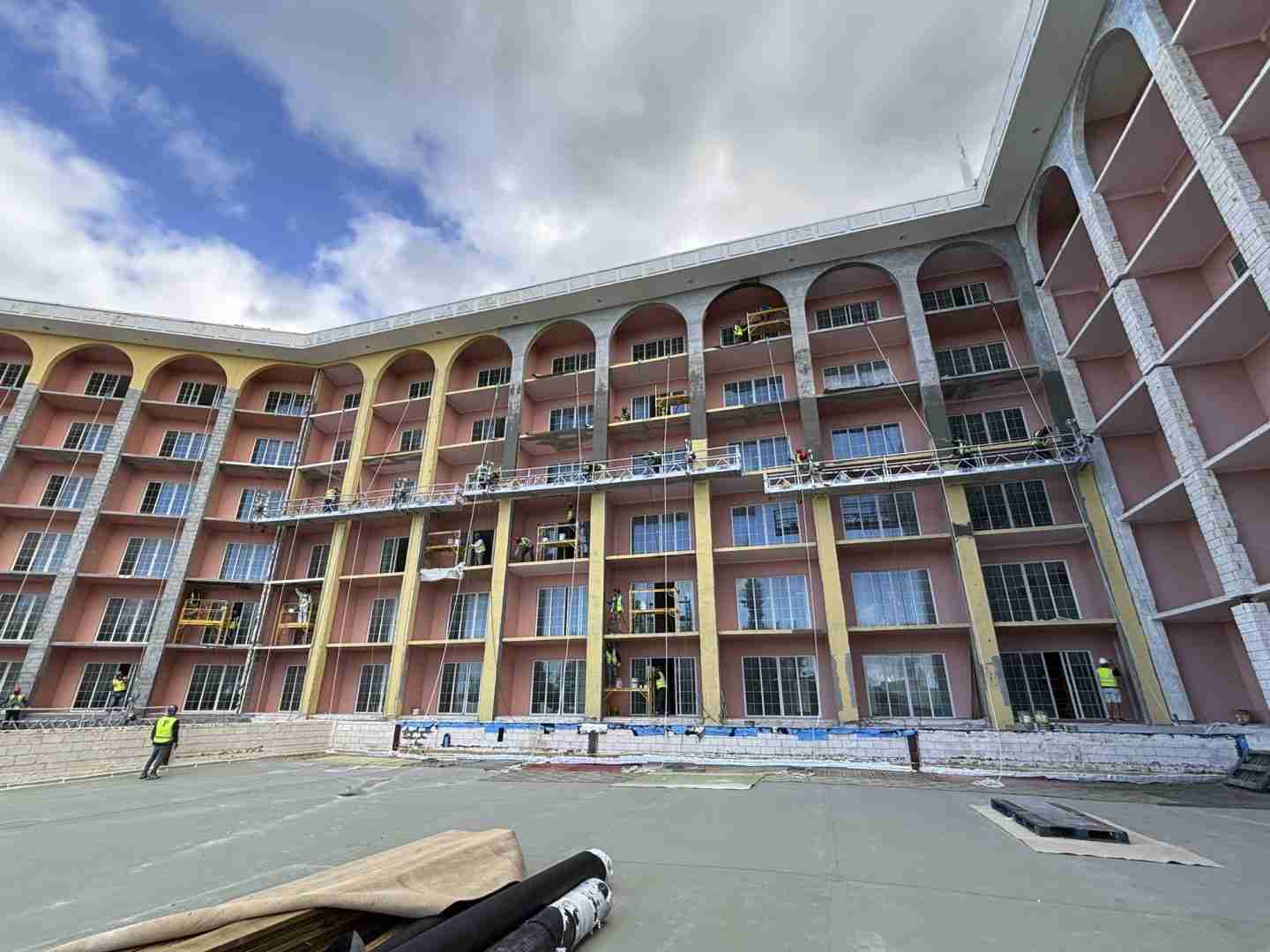
Images supplied.
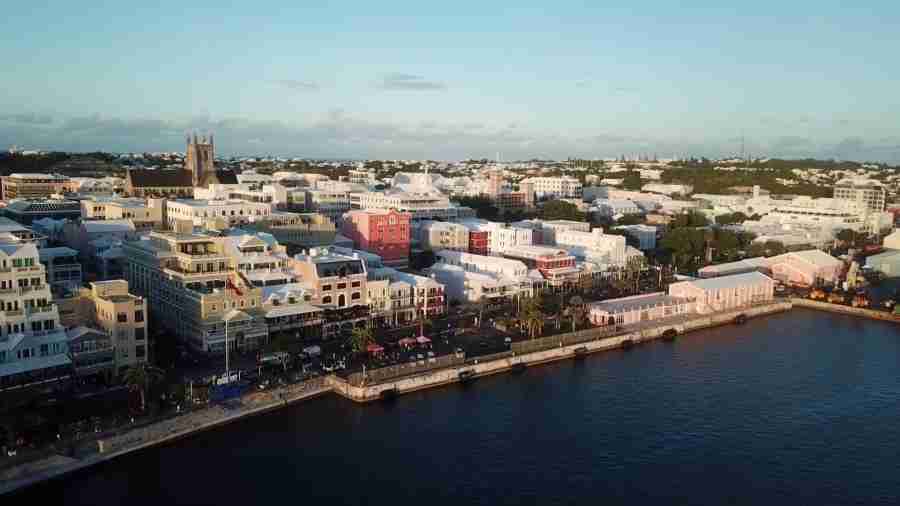
Westend Properties Limited today provided an update on the renovation of the Fairmont Southampton, one of Bermuda’s most iconic resorts. The multi-year development continues to advance steadily and represents a major milestone in the revitalisation of Bermuda’s tourism and hospitality infrastructure.
“Since our update last year, Westend Properties has made substantial and measurable progress at the Fairmont Southampton, even in the face of several hurricanes that impacted construction during the summer,” said Chris Maybury, a representative for Westend Properties. “Demolition is now largely complete, and the project has fully transitioned into the construction phase, with new facilities, modernised infrastructure, and upgraded guest experiences taking shape across the property. This redevelopment and significant investment which reflects Westend Properties’ long-term commitment to delivering a world-class resort for Bermuda.”
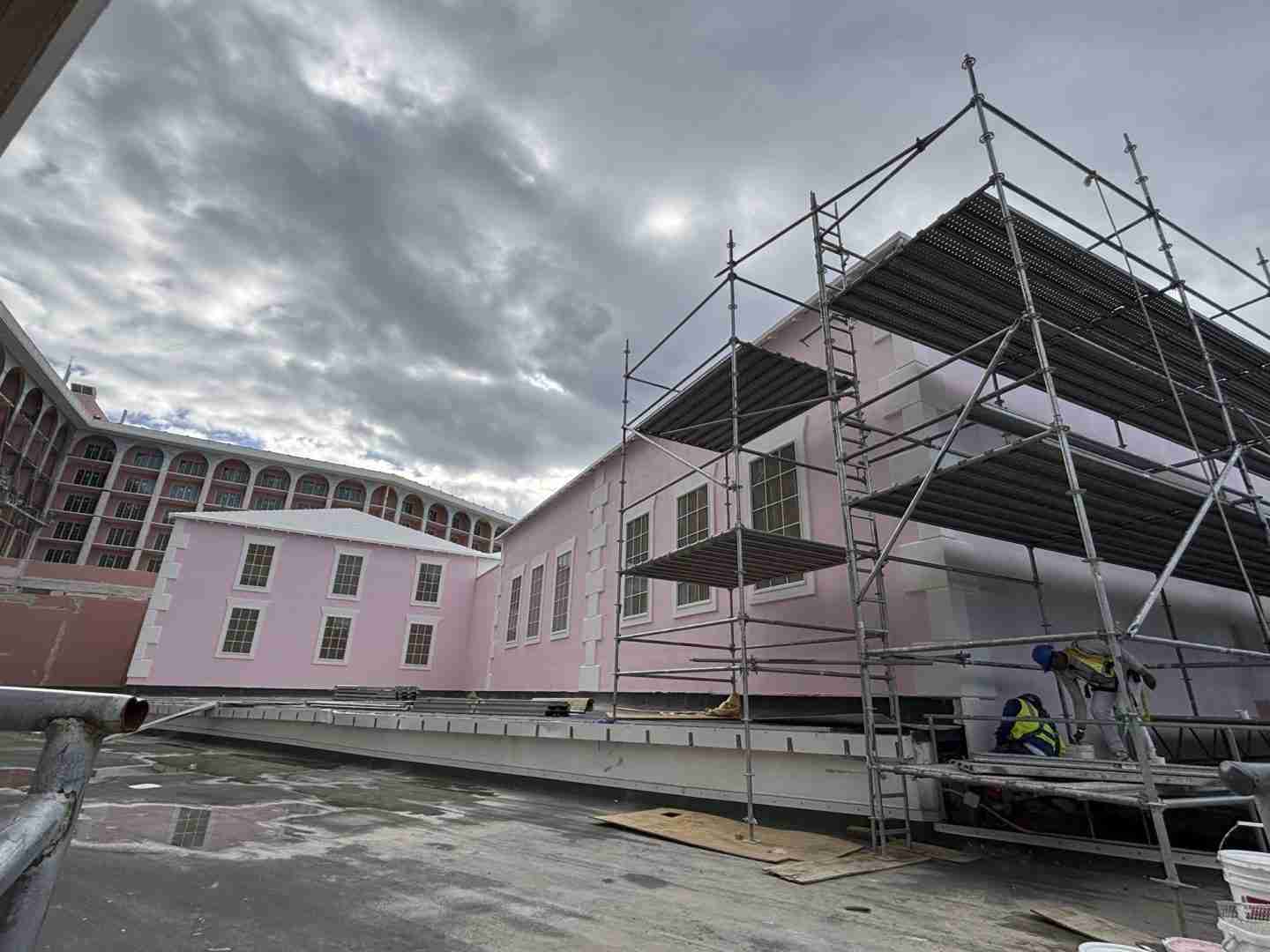
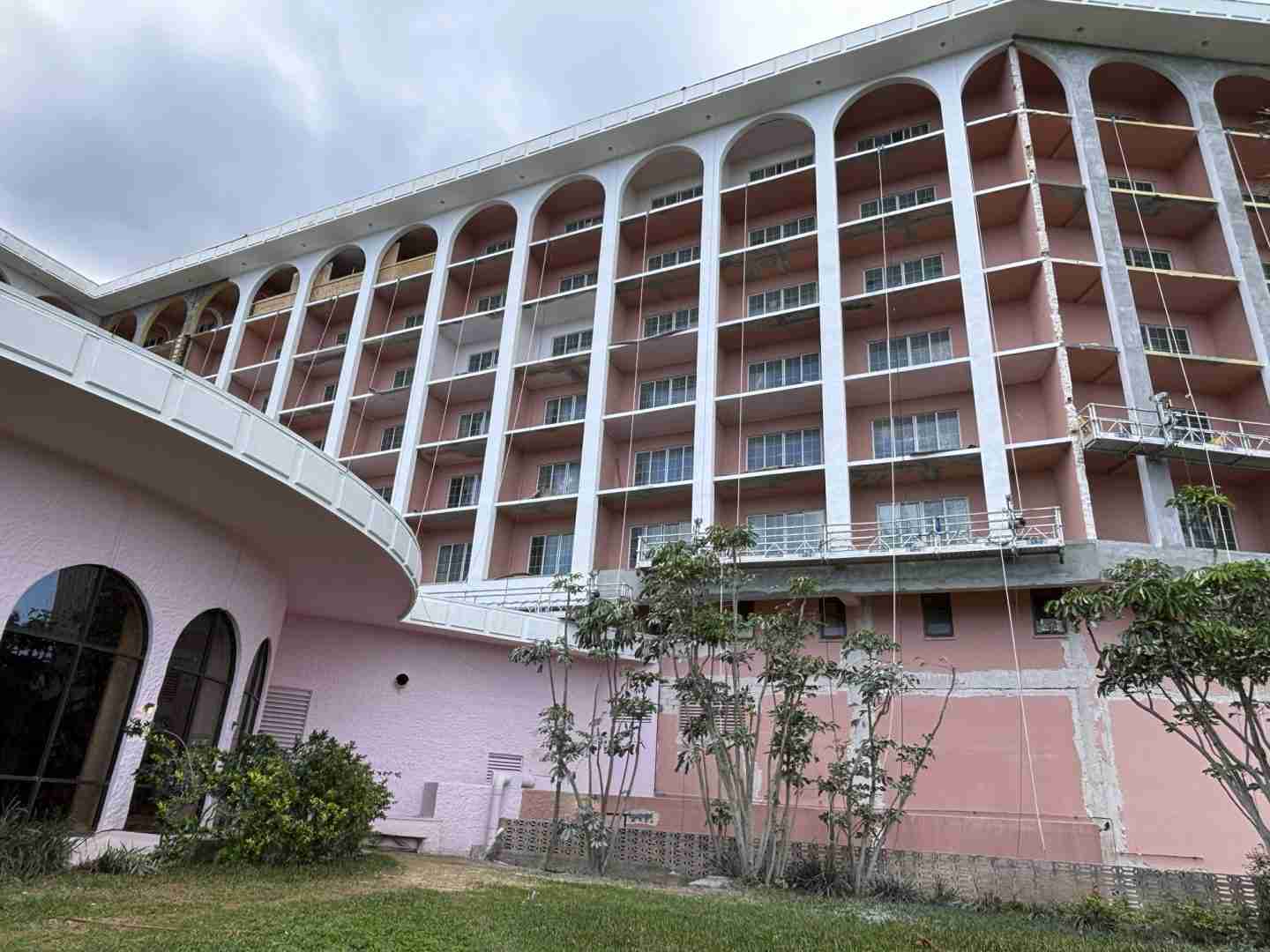
At the main hotel, the exterior envelope required extensive repairs including removing and replacing a significant portion of the concrete and stucco. All steel superstructure is intact, and all of the balcony railings have been demolished and will be replaced. Finishes are being applied to the East and North wings. New roofing is complete on the North Wing and work has started on the West Wing and the ballroom roofs.
Interior renovations are also progressing across the property. Demolition has been completed in the majority of the 593 guest rooms, including the removal of tubs, bathroom walls, stone vanities, carpet, vinyl wall covering, and lighting. Framing, drywall, mechanical, electrical and plumbing work is currently ongoing in the guestrooms.
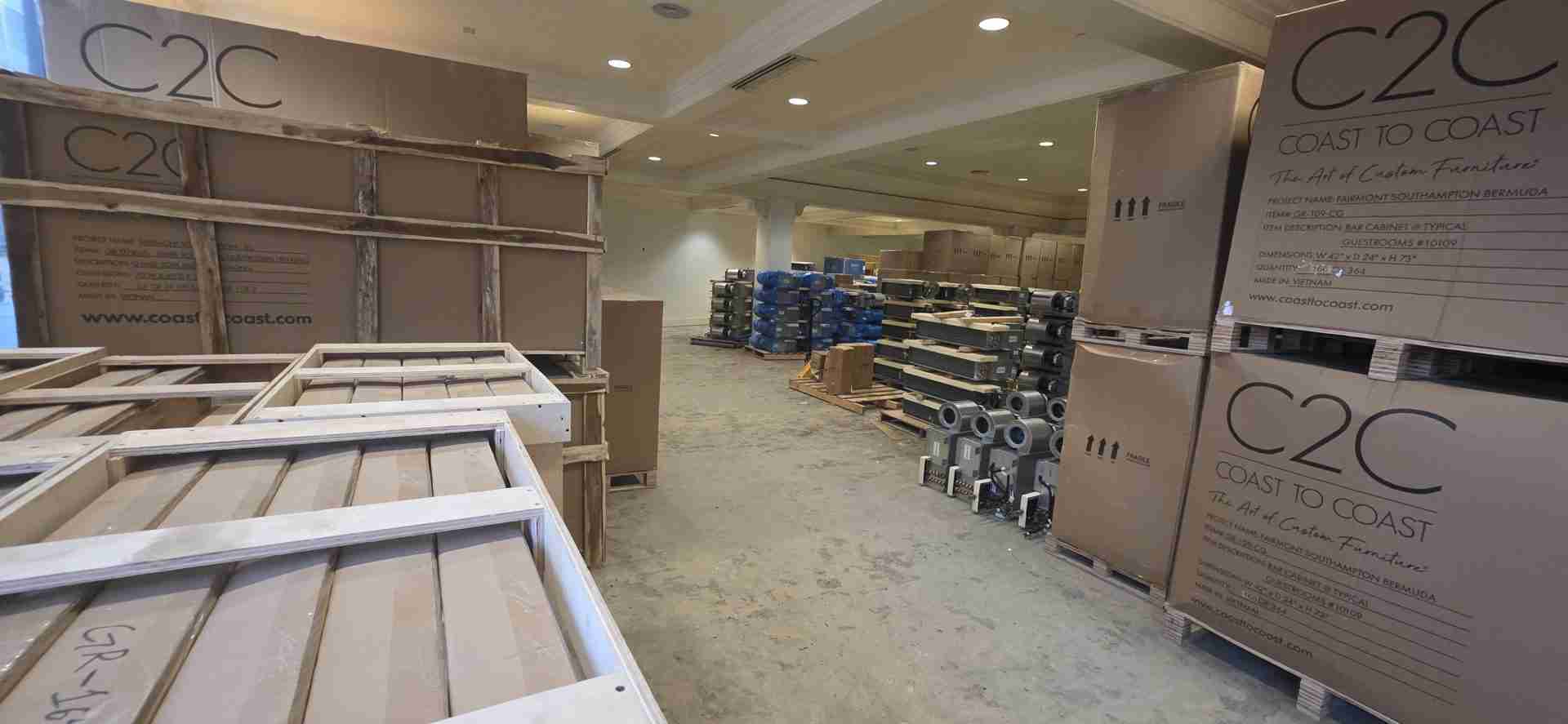
Furniture, fixtures and equipment deliveries include carpet, wall covering, light fixtures, mirrors, vanities, desks, bar cabinets, credenzas/side tables, dressers, queen and king bed frames (headboards and bed bases), nightstands, shelving TV frames and balcony chairs.
Extensive mechanical work is taking place including the replacement of 17 air handling units. All units are on site with six completed and another three are actively being installed. Grease traps for the main kitchen and Wickets restaurant kitchen have been replaced and electrical and plumbing rough ins are in progress throughout the public areas. The Jasmine bar has been re-built, and mechanical, electrical and plumbing work is progressing.
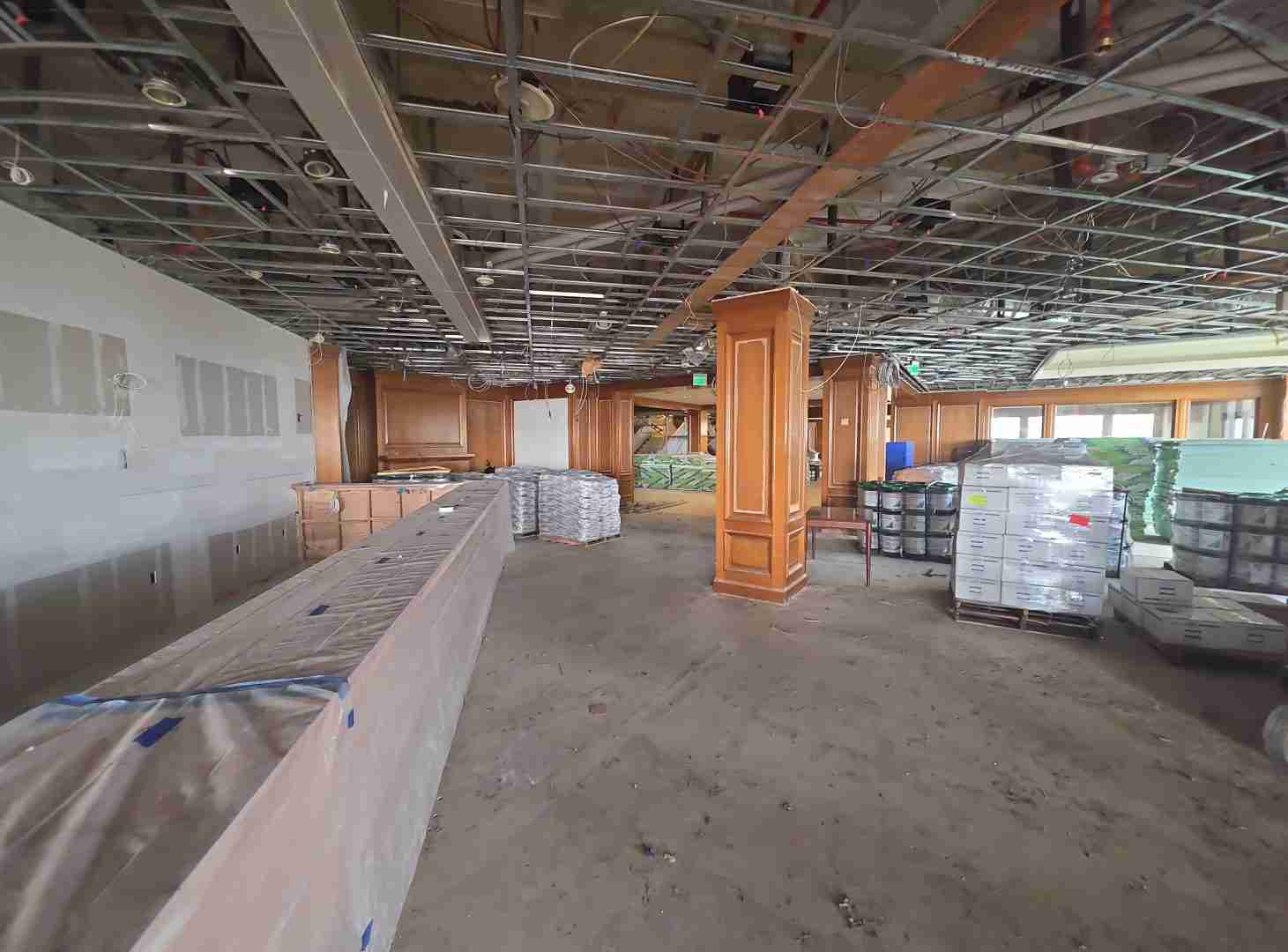
Work on refurbishing the Mezzanine, meeting rooms, Poinciana Ballroom, restaurants and bars and elevators has all progressed significantly in the last several months. Walls in the ballrooms, pre-function, meeting rooms, and corridors have been prepped and ready to receive paint and vinyl wall covering. Decorative lighting and floor tile is on site and ready to be installed.
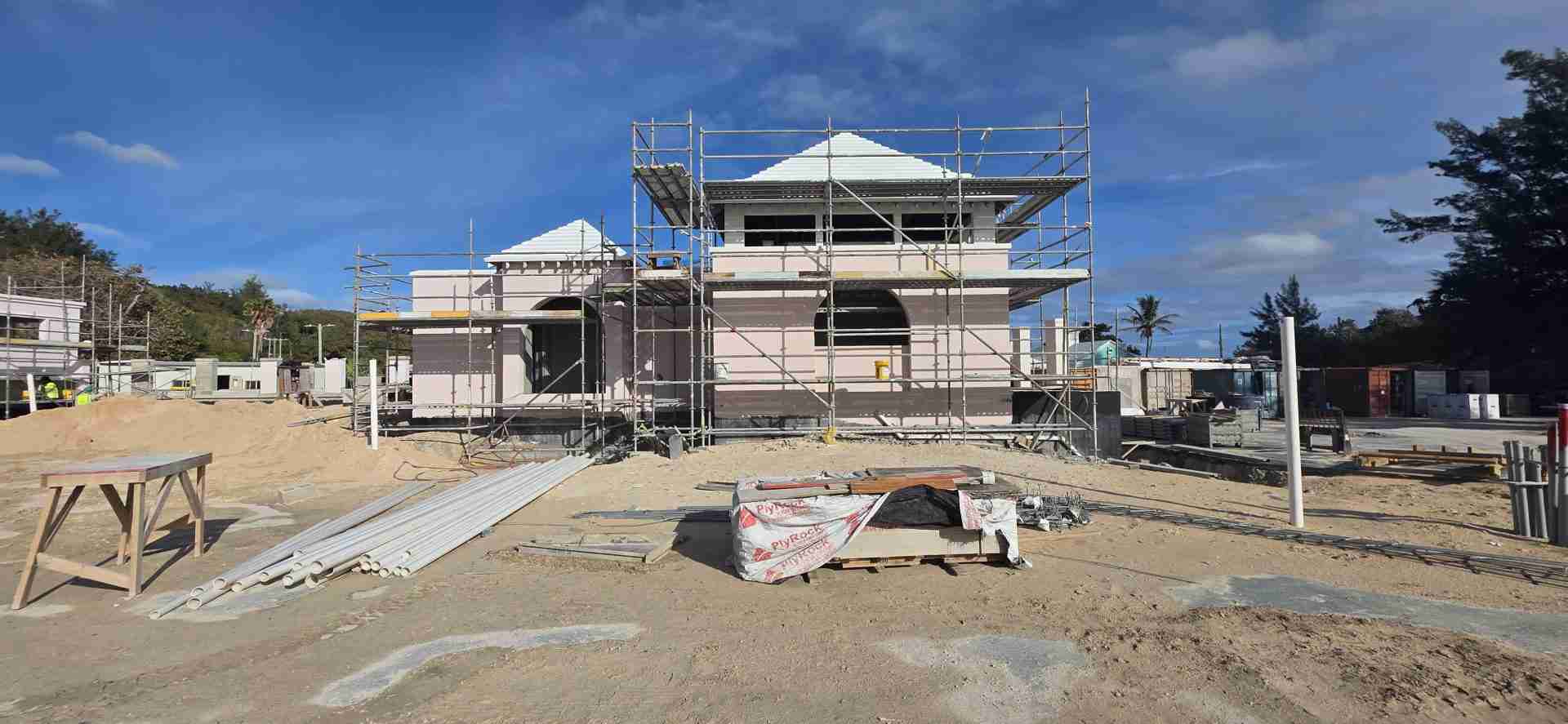
At the Ocean club, all new interior and exterior walls have been framed. The existing roofing system has been repaired and new framing installed where required with the Bermuda roof boarding installation complete. Plaster work is complete on both the interior and exterior and painting has begun. The interior is being prepared for all new finishes and kitchen equipment installation.
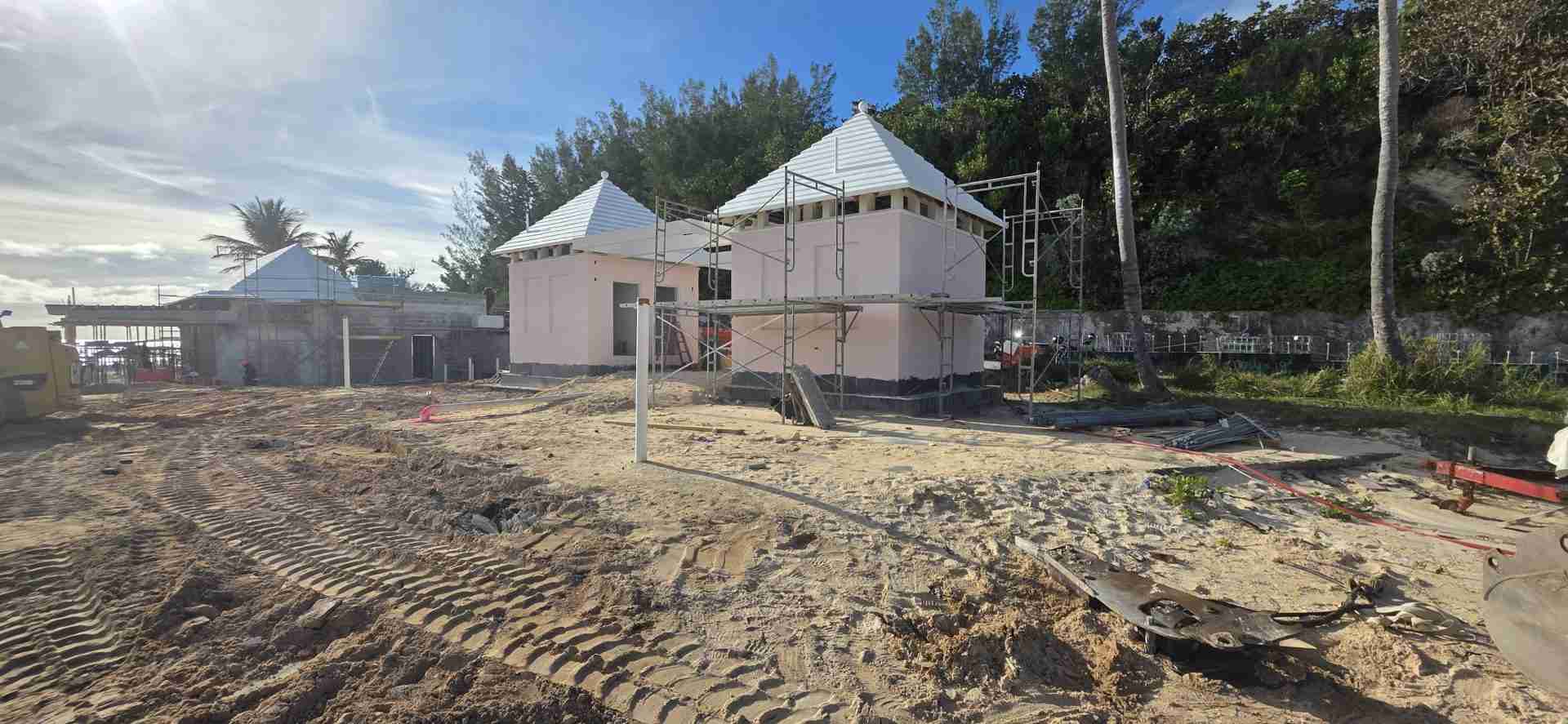
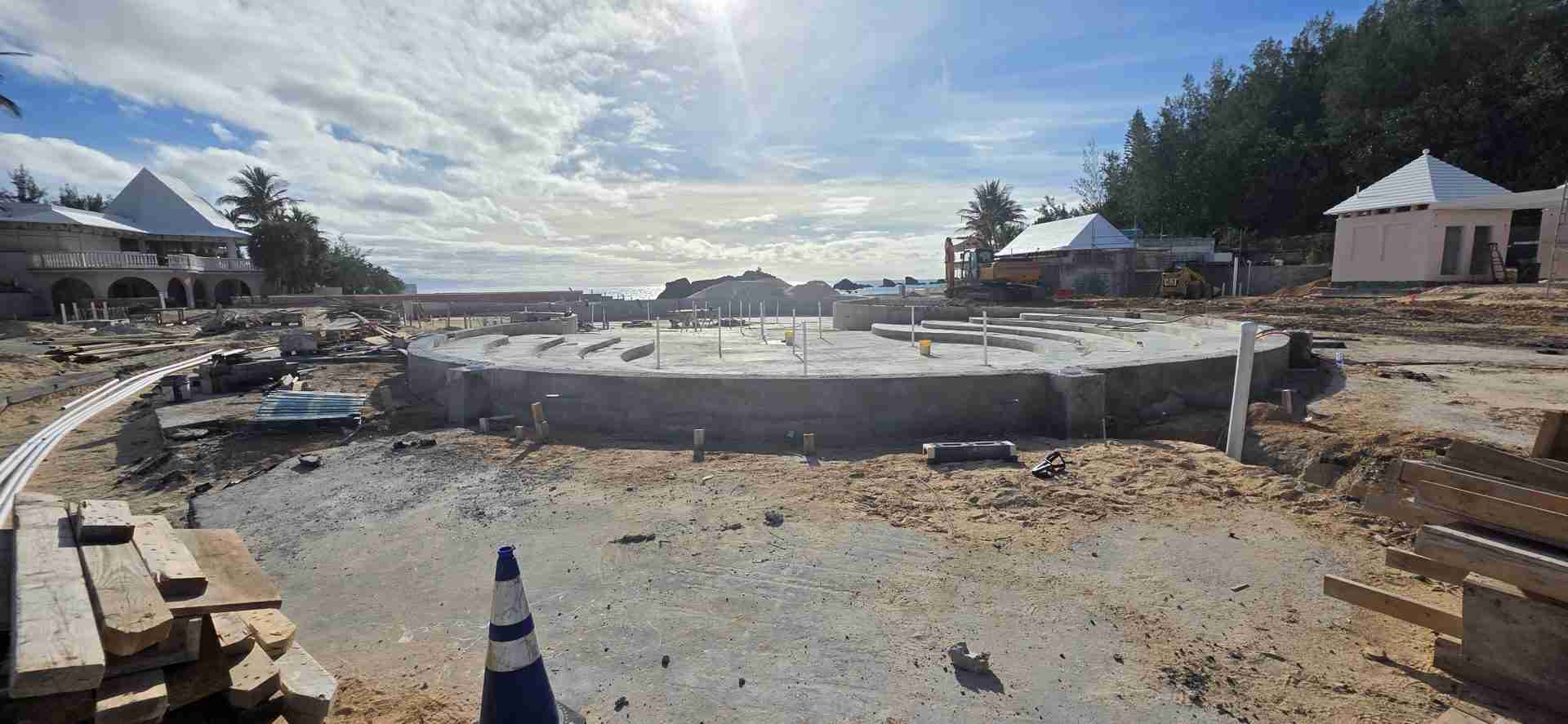
At the Beach Club, the final concrete pour for the large resort-style pool is scheduled to be completed by the end of January. The brand-new changing huts, restrooms and storage interior and exterior wall assemblies are 90% complete with exterior finishes scheduled to be completed in February.
Mr Maybury said: “The entire Fairmont property is a hive of activity, and the revitalised resort is beginning to take shape. With the significant progress we continue to make across the property, we remain on track to welcome guests back to the Fairmont Southampton later this summer.”
The meeting, listed among the pope’s appointments for Monday in a daily Vatican statement, had not been included in an earlier advisory to the press about Leo’s planned schedule for the day
International News via Reuters:
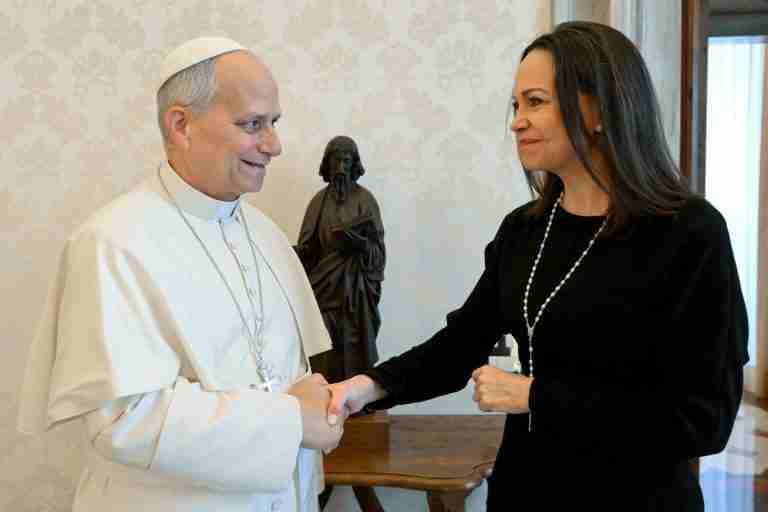
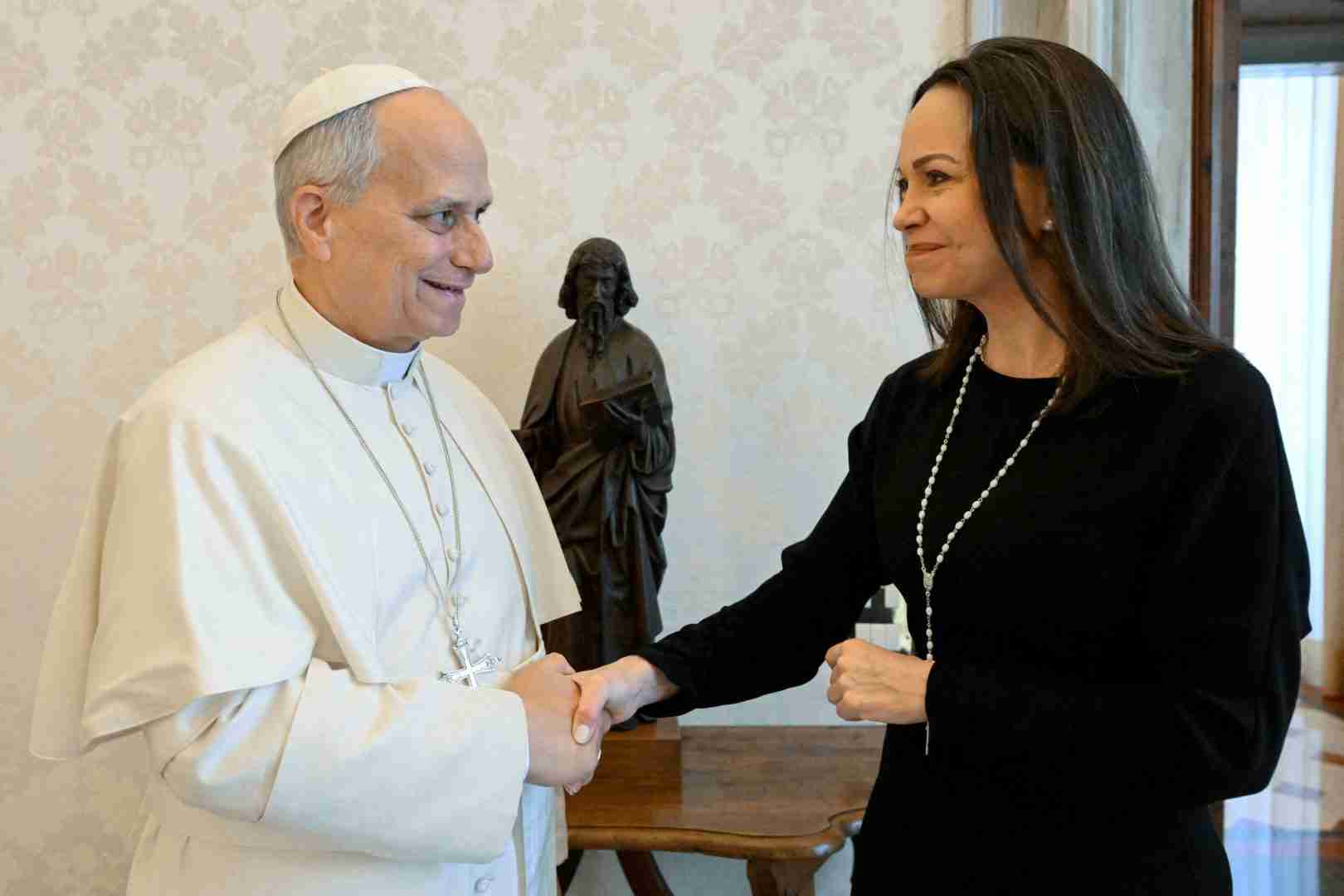
Pope Leo met Venezuelan opposition leader and Nobel peace prize winner Maria Corina Machado on Monday, the Vatican said, but did not provide any further details.
The meeting, listed among the pope’s appointments for Monday in a daily Vatican statement, had not been included in an earlier advisory to the press about Leo’s planned schedule for the day.
Leo, the first U.S. pope, has called for Venezuela to remain an independent country after the capture by U.S. forces of Venezuelan President Nicolas Maduro on the orders of President Donald Trump.
In a major foreign policy speech on Friday, the pope decried the use of military force as a means of achieving diplomatic goals and called for human rights to be protected in Venezuela.
Machado a former National Assembly member, was barred from running in Venezuela’s 2024 general election by authorities aligned with Maduro.
She backed a stand‑in candidate who was widely considered to have won the vote, although Maduro claimed victory. Ballot audits by independent observers showed irregularities in the official results.
Reporting by Joshua McElwee, editing by Cristina Carlevaro and Crispian Balmer
The greenback fell sharply as the unprecedented move raised concerns about the U.S. currency’s safe-haven status
International News via Reuters:
Sterling rallied against the U.S. dollar on Monday, alongside the euro and the Swiss franc, after the Trump administration threatened Federal Reserve Chair Jerome Powell with a criminal indictment.
The greenback fell sharply as the unprecedented move raised concerns about the U.S. currency’s safe-haven status.
The pound rose 0.43% to $1.3460, recovering after hitting $1.3392 earlier in the session, a fresh three-week low.
Analysts argued that a reduction in UK fiscal and political risks has supported the British currency since finance minister Rachel Reeves presented the budget in November.
The euro was roughly unchanged at 86.78 pence. The single currency marked its fourth consecutive weekly decline last week. However, it has picked up against the pound since hitting 86.44 pence last Tuesday, its lowest since mid-September.
“Narrowing yield differentials between the UK and euro zone should continue to encourage a weaker pound against the euro, lifting the single currency closer to the 0.90 level in 2026,” said Derek Halpenny, head of research global markets EMEA at MUFG.
“The relationship has broken down recently as the euro/sterling has corrected lower after the Autumn Statement, but we are not convinced this will be sustained,” he added, referring to the UK annual budget in November.
Barclays turned neutral on the pound in the near term as the risk premium has almost fully unwound, it said in its weekly strategy report on Friday.
Euro/sterling was fairly close to rate differential-consistent levels, the bank argued.
Investors are now looking for clearer signals on the UK economy, with gross domestic product data due on Thursday and jobs figures next week, both seen as key to gauging the Bank of England’s policy path.
Analysts also cited political developments and a possible UK leadership contest, which could raise concerns about a potential shift to the left, creating renewed unease over fiscal risks.
Prime Minister Keir Starmer said he would stay the course when recently asked if there were any circumstances in which he could stand down if a poor showing in local elections in May prompts a challenge to his leadership.
Reporting by Stefano Rebaudo; Editing by Susan Fenton
Venezuela is Cuba’s biggest oil supplier, but no cargoes have departed from Venezuelan ports to the Caribbean country since the capture of Venezuelan President Nicolas Maduro by U.S. forces in early January
International News via Reuters:
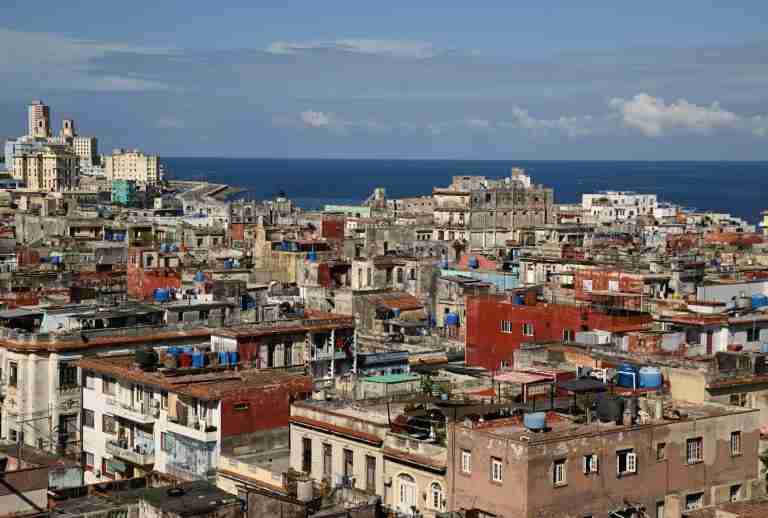
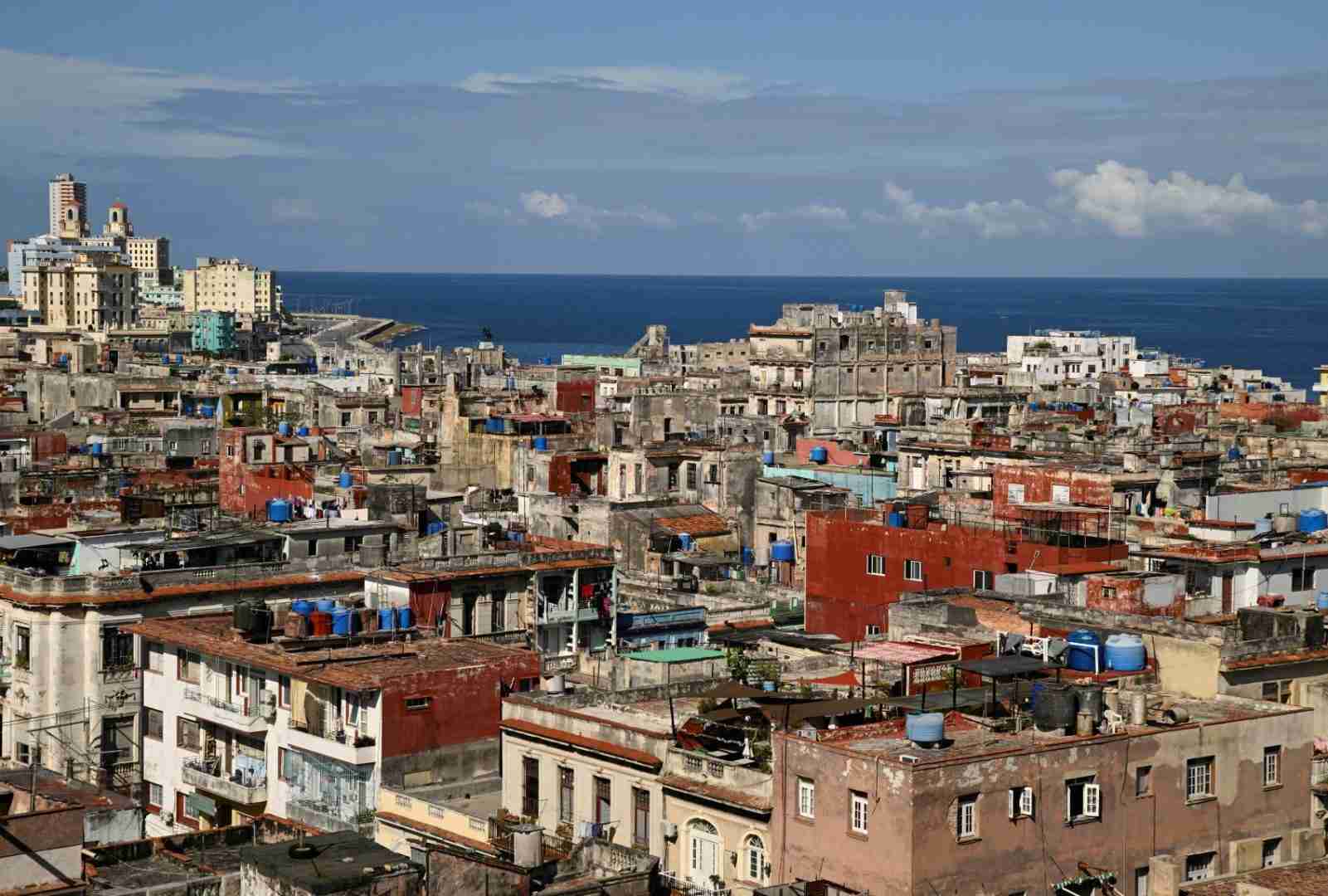
U.S. President Donald Trump on Sunday said no more Venezuelan oil or money will go to Cuba and suggested the Communist-run island should strike a deal with Washington, ramping up pressure on the long-time U.S. nemesis and provoking defiant words from the island’s leadership.
Venezuela is Cuba’s biggest oil supplier, but no cargoes have departed from Venezuelan ports to the Caribbean country since the capture of Venezuelan President Nicolas Maduro by U.S. forces in early January amid a strict U.S. oil blockade on the OPEC country, shipping data shows.
Meanwhile, Caracas and Washington are progressing on a $2 billion deal to supply up to 50 million barrels of Venezuelan oil to the U.S. with proceeds to be deposited in U.S. Treasury-supervised accounts, a major test of the emerging relationship between Trump and interim President Delcy Rodriguez.
“THERE WILL BE NO MORE OIL OR MONEY GOING TO CUBA – ZERO! I strongly suggest they make a deal, BEFORE IT IS TOO LATE,” Trump wrote on his Truth Social platform on Sunday.
“Cuba lived, for many years, on large amounts of OIL and MONEY from Venezuela,” Trump added.
Cuban President Miguel Diaz-Canel rejected Trump’s threat on social media, suggesting the U.S. had no moral authority to force a deal on Cuba.
“Cuba is a free, independent, and sovereign nation. Nobody dictates what we do,” Diaz-Canel said on X. “Cuba does not attack; it has been attacked by the U.S. for 66 years, and it does not threaten; it prepares, ready to defend the homeland to the last drop of blood.”
The U.S. president did not elaborate on his suggested deal.
But Trump’s push on Cuba represents the latest escalation in his move to bring regional powers in line with the United States and underscores the seriousness of the administration’s ambition to dominate the Western Hemisphere.
Trump’s top officials, including Secretary of State Marco Rubio, have made no secret of their expectation that the recent U.S. intervention in Venezuela could push Cuba over the edge.
U.S. officials have hardened their rhetoric against Cuba in recent weeks, though the two countries have been at odds since former leader Fidel Castro’s 1959 revolution.
CUBA DEFENDS IMPORT RIGHTS
Cuban Foreign Minister Bruno Rodriguez said in another post on X on Sunday that Cuba had the right to import fuel from any suppliers willing to export it. He also denied that Cuba had received financial or other “material” compensation in return for security services provided to any country.
Thirty-two members of Cuba’s armed forces and intelligence services were killed during the U.S. raid on Venezuela. Cuba said those killed were responsible for “security and defense” but did not provide details on the arrangement between the two long-time allies.
Cuba relies on imported crude and fuel mainly provided by Venezuela, and Mexico in smaller volumes, purchased on the open market to keep its power generators and vehicles running.
As its operational refining capacity dwindled in recent years, Venezuela’s supply of crude and fuel to Cuba has fallen. But the South American country is still the largest provider with some 26,500 barrels per day exported last year, according to ship tracking data and internal documents of state-run PDVSA, which covered roughly 50% of Cuba’s oil deficit.
Havana produce vendor Alberto Jimenez, 45, said Cuba would not back down in the face of Trump’s threat.
“That doesn’t scare me. Not at all. The Cuban people are prepared for anything,” Jimenez said.
It’s hard for many Cubans to imagine a situation much worse. The island’s government has been struggling to keep the lights on. A majority live without electricity for much of the day, and even the capital Havana has seen its economy crippled by hours-long rolling blackouts.
Shortages of food, fuel and medicine have put Cubans on edge and have prompted a record-breaking exodus, primarily to the United States, in the past five years.
MEXICO BECOMES KEY SUPPLIER
Mexico has emerged in recent weeks as a critical alternative oil supplier to the island, but the supply remains small, according to the shipping data.
Mexican President Claudia Sheinbaum last week said her country had not increased supply volumes, but given recent political events in Venezuela, Mexico had turned into an “important supplier” of crude to Cuba.
U.S. intelligence has painted a grim picture of Cuba’s economic and political situation, but its assessments offer no clear support for Trump’s prediction that the island is “ready to fall,” Reuters reported on Saturday, citing three people familiar with the confidential assessments.
The CIA’s view is that key sectors of the Cuban economy, such as agriculture and tourism, are severely strained by frequent blackouts, trade sanctions and other problems. The potential loss of oil imports and other support from Venezuela could make governing more difficult for Diaz-Canel.
Havana resident and parking attendant Maria Elena Sabina, a 58-year-old born shortly after Castro took power, said it was time for Cuba’s leaders to make changes amid so much suffering.
“There’s no electricity here, no gas, not even liquefied gas. There’s nothing here,” Sabina said. “So yes, a change is needed, a change is needed, and quickly.”
Reporting by Dave Sherwood in Havana, Marianna Parraga in Houston, additional reporting by Nilutpal Timsina in Bengaluru, Anett Rios and Mario Fuentes in Havana, Editing by David Goodman and Bill Berkrot
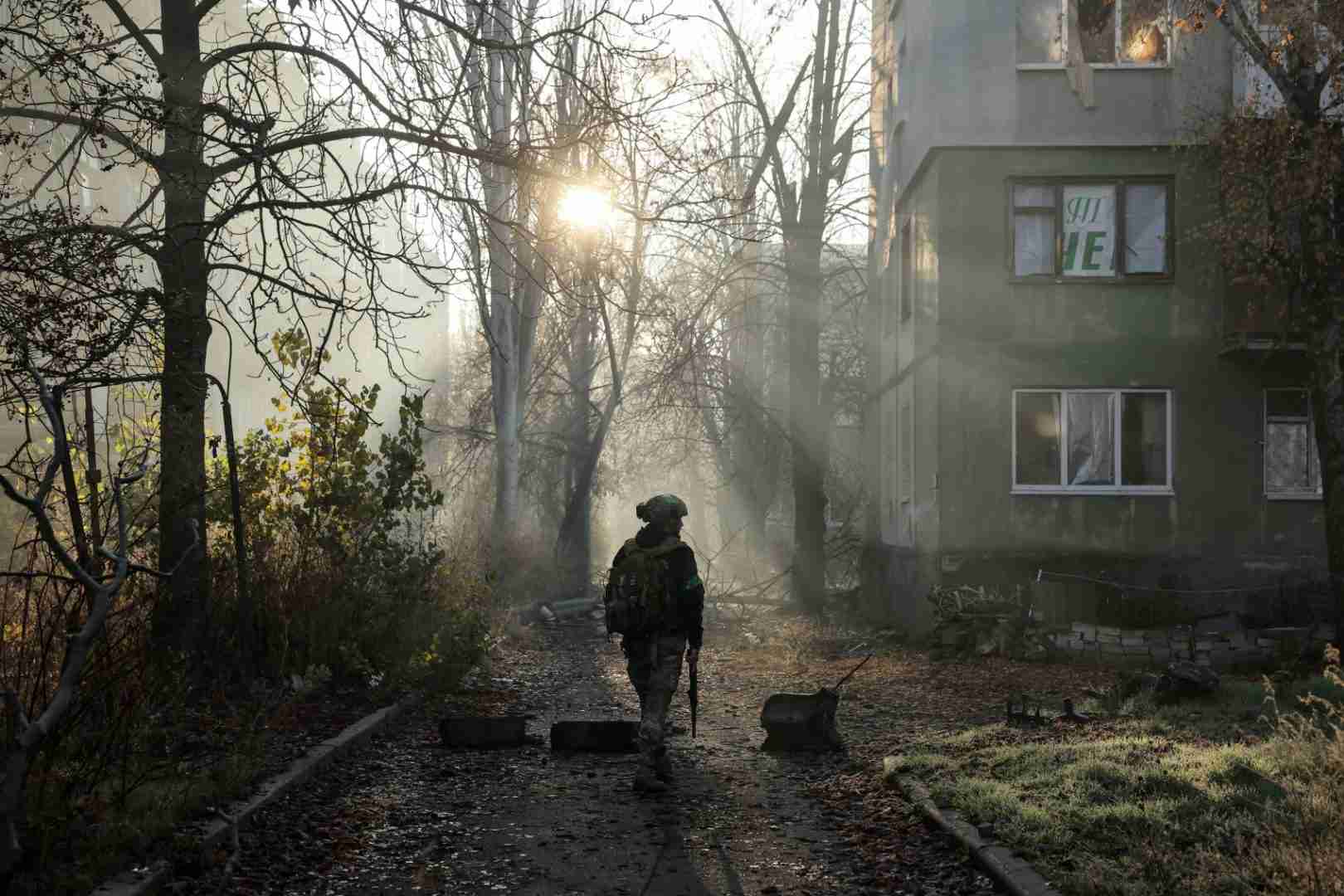
Under the project, the British government said it has launched a competition to rapidly develop ground-launched ballistic missiles that could carry a 200 kg warhead over a range of more than 500 km
International News via Reuters:
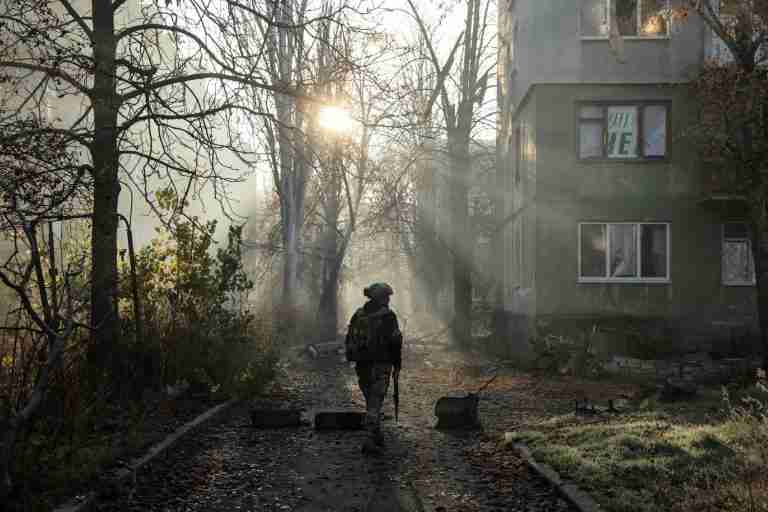
The British government said on Sunday that it will develop a new deep-strike ballistic missile for Ukraine to support the country’s war efforts against Russia.
Under the project, named Nightfall, the British government said it has launched a competition to rapidly develop ground-launched ballistic missiles that could carry a 200 kg (440 lb) warhead over a range of more than 500 km (310 miles).
Reporting by Ruchika Khanna in Bengaluru; Editing by Edmund Klamann
With the Islamic Republic’s clerical establishment facing the biggest demonstrations since 2022, Trump has repeatedly threatened to intervene if force is used on protesters
International News via Reuters:
Unrest in Iran has killed more than 500 people, a rights group said on Sunday, as Tehran threatened to target U.S. military bases if President Donald Trump carries out threats to intervene on behalf of protesters.
With the Islamic Republic’s clerical establishment facing the biggest demonstrations since 2022, Trump has repeatedly threatened to intervene if force is used on protesters.
According to its latest figures – from activists inside and outside Iran – U.S.-based rights group HRANA said it had verified the deaths of 490 protesters and 48 security personnel, with more than 10,600 people arrested in two weeks of unrest.
Iran has not given an official toll and Reuters was unable to independently verify the tolls.
Trump was to meet with senior advisers on Tuesday to discuss options for Iran, a U.S. official told Reuters on Sunday. The Wall Street Journal had reported that options included military strikes, using secret cyber weapons, widening sanctions and providing online help to anti-government sources.
Iranian Parliament Speaker Mohammad Baqer Qalibaf warned Washington against “a miscalculation.”
“Let us be clear: in the case of an attack on Iran, the occupied territories (Israel) as well as all U.S. bases and ships will be our legitimate target,” said Qalibaf, a former commander in Iran’s elite Revolutionary Guards.
AUTHORITIES INTENSIFY CRACKDOWN
The protests began on December 28 in response to soaring prices, before turning against the clerical rulers who have governed since the 1979 Islamic Revolution.
Iranian authorities accused the U.S. and Israel of fomenting trouble and called for a nationwide rally on Monday to condemn “terrorist actions led by the United States and Israel,” state media reported.
The flow of information from Iran has been hampered by an internet blackout since Thursday.
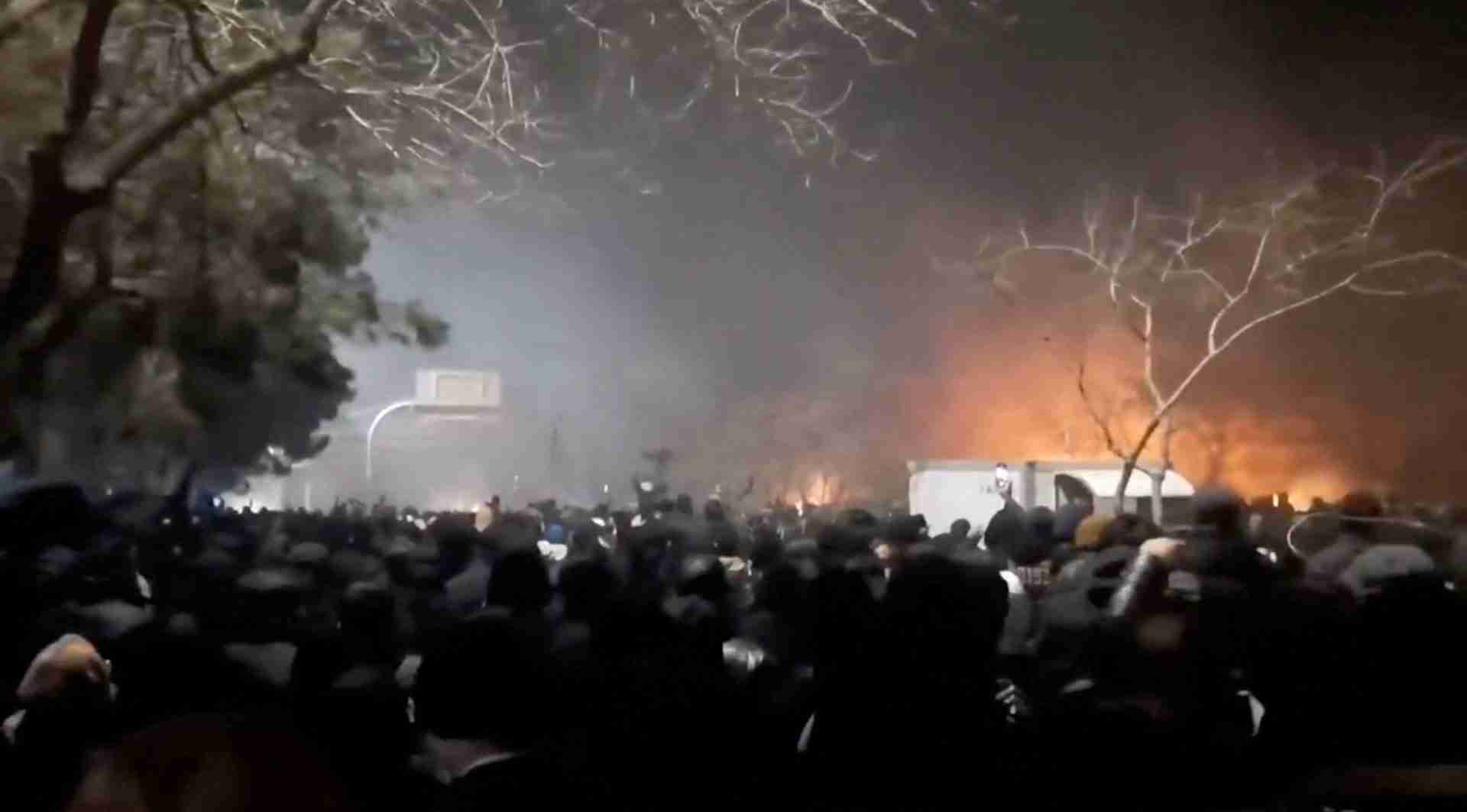
Footage posted on social media on Saturday from Tehran showed large crowds marching at night, clapping and chanting. The crowd “has no end nor beginning,” a man is heard saying.
Footage from the northeastern city of Mashhad showed smoke billowing into the night sky from fires in the street, masked protesters and a road strewn with debris, another video posted on Saturday showed. Explosions could be heard.
Reuters verified the locations.
State TV showed dozens of body bags on the ground at the Tehran coroner’s office, saying the dead were victims of events caused by “armed terrorists”, as well as footage of loved ones gathered outside the Kahrizak Forensic Medical Centre in Tehran waiting to identify bodies.
U.N. Secretary-General Antonio Guterres said he was shocked by reports of violence by the Iranian authorities and urged maximum restraint. “The rights to freedom of expression, association & peaceful assembly must be fully respected & protected,” he said on X.
Authorities on Sunday declared three days of national mourning “in honour of martyrs killed in resistance against the United States and the Zionist regime,” according to state media.
Three Israeli sources, who were present for Israeli security consultations over the weekend, said Israel was on a high-alert footing for the possibility of any U.S. intervention.
Israel and Iran fought a 12-day war in June 2025, which the United States briefly joined by attacking nuclear installations. Iran retaliated by firing missiles at Israel and an American air base in Qatar.
‘RIOTERS AND TERRORISTS’
While the Iranian authorities have weathered previous protests, the latest have unfolded with Tehran still recovering from last year’s war and with its regional position weakened by blows to allies such as Lebanon’s Hezbollah since the October 7, 2023 Hamas-led attacks against Israel.
Iran’s unrest comes as Trump flexes U.S. muscles internationally, having ousted Venezuelan President Nicolas Maduro, and discussing acquiring Greenland by purchase or force.
Iranian President Masoud Pezeshkian said Israel and the U.S. were masterminding destabilisation and that Iran’s enemies had brought in “terrorists … who set mosques on fire …. attack banks, and public properties”.
“Families, I ask you: do not allow your young children to join rioters and terrorists who behead people and kill others,” he said in a TV interview, adding that the government was ready to listen to the people and to resolve economic problems.
Iran summoned Britain’s ambassador on Sunday to the foreign ministry over “interventionist comments” attributed to the British foreign minister and a protester removing the Iranian flag from the London Embassy building and replacing it with a style of flag used prior to the 1979 Islamic Revolution.
Britain’s foreign office did not immediately reply to a request for comment.
Alan Eyre, a former U.S. diplomat and Iran expert, thought it unlikely the protests would topple the establishment.
“I think it more likely that it puts these protests down eventually, but emerges from the process far weaker,” he told Reuters, noting that Iran’s elite still appeared cohesive and there was no organised opposition.
Iranian state TV broadcast funeral processions in western cities such as Gachsaran and Yasuj for security personnel killed in protests.
State TV said 30 members of the security forces would be buried in the central city of Isfahan and that six more were killed by “rioters” in Kermanshah in the west.
US READY TO HELP, SAYS TRUMP
Trump, posting on social media on Saturday, said: “Iran is looking at FREEDOM, perhaps like never before. The USA stands ready to help!!!”
In a phone call on Saturday, Israeli Prime Minister Benjamin Netanyahu and U.S. Secretary of State Marco Rubio discussed the possibility of U.S. intervention in Iran, according to an Israeli source present for the conversation.
Some U.S. lawmakers on Sunday questioned the wisdom of taking military action against Iran. Republican Senator Rand Paul and Democratic Senator Mark Warner warned that rather than undermining the regime, a military attack on Iran could rally the people against an outside enemy.
Reza Pahlavi, the exiled son of Iran’s last shah and a prominent voice in the fragmented opposition, said Trump had observed Iranians’ “indescribable bravery”. “Do not abandon the streets,” Pahlavi, who is based in the U.S., wrote on X.
Netanyahu, speaking during a cabinet meeting, said Israel was closely monitoring developments. “We all hope that the Persian nation will soon be freed from the yoke of tyranny,” he said.
Additional reporting by Elwely Elwelly in Dubai. Rami Ayyub, Maayan Lubell and Alexander Cornwell in Jerusalem, Steve Holland in Washington; Video verification by Mahezabin Syed, Eleanor Whalley and Marine Delrue; Writing by Tom Perry and Patricia Zengerle; Editing by Michael Perry, Helen Popper, Louise Heavens and Deepa Babington
The Telegraph reported on Saturday that military chiefs from Britain and other European countries were drawing up plans for a possible NATO mission in Greenland
International News via Reuters:
Britain said on Sunday discussions with other NATO members on deterring Russian activity in the Arctic were “business as usual”, after media reports the UK was in talks with its European allies about deploying a military force to Greenland.
The Telegraph reported on Saturday that military chiefs from Britain and other European countries were drawing up plans for a possible NATO mission in Greenland, which U.S. President Donald Trump has repeatedly said he wanted to acquire.
The newspaper said British officials had begun early-stage talks with Germany, France and others on plans that could involve deploying British troops, warships and aircraft to protect Greenland from Russia and China.
Bloomberg News, citing people familiar with the plans, reported separately on Sunday that Germany, whose foreign and finance ministers are in Washington on Monday, will propose setting up a joint NATO mission to protect the Arctic region.
British transport minister Heidi Alexander told Sky News that talks on how to deter Russian President Vladimir Putin in the Arctic were “business as usual”.
“It’s becoming an increasingly contested geopolitical region, with Russia and China … you would expect us to be talking to all our allies in NATO about what we can do to deter Russian aggression in the Arctic Circle,” Alexander said.
Britain was “committed to working with NATO allies to strengthen NATO’s Arctic deterrence and defence,” said a government spokesperson when asked about the Telegraph report.
DOUBTS ON US CLAIMS ON ARCTIC VESSELS
Trump has said the U.S. must own Greenland, an autonomous part of the Kingdom of Denmark, to prevent Russia or China occupying the strategically located and minerals-rich territory in the future, arguing U.S. military presence there was not enough.
German Foreign Minister Johann Wadephul, who will meet with U.S. Secretary of State Marco Rubio on Monday, said that a solution to U.S. concerns over Russian or Chinese vessels needed to be found within the framework of the NATO alliance.
“If it comes to questions of territorial sovereignty, we are absolutely clear: The future of Greenland has to be decided by the people of Greenland,” said Wadephul on Sunday.
Trump has not provided any evidence to back up his claims of Russian and Chinese vessels operating near Greenland, which Denmark disputes.
Vessel tracking data from MarineTraffic and LSEG show no Chinese or Russian ship presence near Greenland.
Reporting by Catarina Demony in London and Alexander Ratz in Reykjavik; Additional reporting by Rishabh Jaiswal; Writing by Miranda MurrayEditing by Tomasz Janowski and Ros Russell
Goater’s Aston Villa Women stage a 2nd half comeback to edge out Brighton 2-1
Aston Villa Women staged a breathless second-half comeback to defeat Brighton 2-1 in the Women’s Super League, watched on by assistant coach and Bermudian legend Shaun Goater.
The Villans found themselves trailing early at Villa Park after Fuka Tsunoda capitalised on a defensive lapse in the 11th minute. However, the hosts emerged from the interval with renewed intensity, striking twice in a frantic 92-second window to flip the contest on its head.
England international Rachel Daly spearheaded the revival, rising highest to head home an equaliser in the 57th minute. Before the Brighton defence could catch its breath, top scorer Kirsty Hanson latched onto the ball on the edge of the penalty area and unleashed a powerful strike into the top corner. The victory marks a significant start to 2026 for Goater and the Villa coaching staff, moving the club up to sixth in the WSL table.
It was a more sombre afternoon for Bermudian forward Jasmine Spence, whose Newport Pagnell Town Women side bowed out of the League Cup following a dramatic encounter with Notts County Women Development.
Spence, who has been in clinical form this season with four goals and four assists, was a constant threat throughout a tense 120 minutes of football. Despite both sides creating clear-cut openings, the match remained deadlocked at 0-0 after extra time. The tie was ultimately decided from the penalty spot, where Newport Pagnell unfortunately fell 3-2 in the shootout.
The “Big Freeze” currently sweeping across the United Kingdom continued to disrupt the sporting calendar for several other Bermudian internationals.
A raft of fixtures in the FA Women’s National League and various regional divisions were postponed on Sunday morning due to frozen pitches. Match officials deemed surfaces unplayable at several venues, leaving the likes of Aaliyah Nolan and Kenni Thompson facing a fixture backlog as the winter weather continues to bite.
The Minister explained, “Bermuda’s trade with non-residents resulted in a $532 million surplus for the second quarter of 2025, down $34 million from a year ago.
“Transactions related to trade in goods led to a contraction of the deficit on the goods account, decreasing by $16 million to $320 million. Decreased imports were associated mainly with finished equipment.
Minister Hayward added, “Services transactions realised a surplus of $190 million, narrowing by $113 million year-over-year. The decrease in the surplus balance reflected primarily a decrease in the export of services combining with an increase in imports. The surplus on Bermuda’s primary income account increased by $84 million to $723 million due mainly to compensation earned or paid to non-residents, and income from investments and payroll tax paid by non-resident companies to the Government.
The Minister continued, “Bermuda’s trade in financial assets and liabilities with the rest of the world resulted in a net international investment position of $5.1 billion at the end of the second quarter of 2025. This balance increased by $202 million over the first quarter of 2025. Two of the four institutional sectors recorded positive balances on their net international investment positions at the end of the second quarter. Specifically, financial corporations recorded a balance of $7.6 billion, and non-profit institutions recorded a balance of $98 million. In contrast, non-financial corporations recorded a deficit balance of $2.1 billion while the government sector recorded a deficit balance of $413 million.”
The 2025 Q2Balance of Payments & International Investment Position publication is available online at https://www.gov.bm/balance-payments. The public is advised to read the definitions and notes on the last three pages of the publication before reviewing the data.
Bermuda’s overseas footballers faced a weekend of contrasting fortunes across the English football pyramid, with tactical triumphs and debut drama overshadowed by a wave of frozen pitches that brought much of the non-league schedule to a standstill.
In League One, Nahki Wells continued his influential start to 2026, providing a vital assist as Luton Town secured their first victory of the new year. After a goalless first half against Stevenage, the Hatters fell behind to a Lewis Freestone opener. However, Wells helped orchestrate a spirited fightback, feeding Gideon Kodua for the decisive 64th-minute goal to seal a 2-1 win.
Meanwhile, goalkeeper Nathan Trott experienced a rollercoaster afternoon at Brisbane Road. The Cardiff City shot-stopper was caught out early on as Leyton Orient’s Dom Ballard closed him down to score from close range. Trott quickly atoned for the error, producing a world-class reflex save to deny a goalbound header from Lloyd and ensure Cardiff left East London with a 1-1 draw, a result that keeps them four points clear at the top of League One.
It was a significant day for Justin Donawa and Keziah Martin, who both made their debuts for Hereford FC in the FA Trophy. In a pulsating encounter against AFC Fylde, the Bulls fought back from two goals down to force a 2-2 draw. Despite Martin successfully converting his penalty in the ensuing shootout, Hereford were eventually knocked out 4-3, ending their cup run.
Elsewhere in the Southern League:
Willie Clemons earned Man of the Match honours for Leiston FC, scoring in a comprehensive 4-1 victory over Kettering Town.
Ajani Burchall featured for Wimborne Town as they shared the points in a 1-1 draw with Basingstoke Town at the Wyatt Homes Stadium.
The “Big Freeze” across the UK claimed several fixtures involving Bermudian talent. Harry Twite and his Loughborough Students teammates saw their clash with Coleshill Town abandoned at half-time with the score level at 1-1, as the referee deemed the icy surface too dangerous to continue. Numerous other matches across the National League North and South were postponed before kickoff, leaving a significant backlog for the island’s professional exports.
To provide the best experiences, we use technologies like cookies to store and/or access device information. Consenting to these technologies will allow us to process data such as browsing behavior or unique IDs on this site. Not consenting or withdrawing consent, may adversely affect certain features and functions.
Functional
Always active
The technical storage or access is strictly necessary for the legitimate purpose of enabling the use of a specific service explicitly requested by the subscriber or user, or for the sole purpose of carrying out the transmission of a communication over an electronic communications network.
Preferences
The technical storage or access is necessary for the legitimate purpose of storing preferences that are not requested by the subscriber or user.
Statistics
The technical storage or access that is used exclusively for statistical purposes.The technical storage or access that is used exclusively for anonymous statistical purposes. Without a subpoena, voluntary compliance on the part of your Internet Service Provider, or additional records from a third party, information stored or retrieved for this purpose alone cannot usually be used to identify you.
Marketing
The technical storage or access is required to create user profiles to send advertising, or to track the user on a website or across several websites for similar marketing purposes.