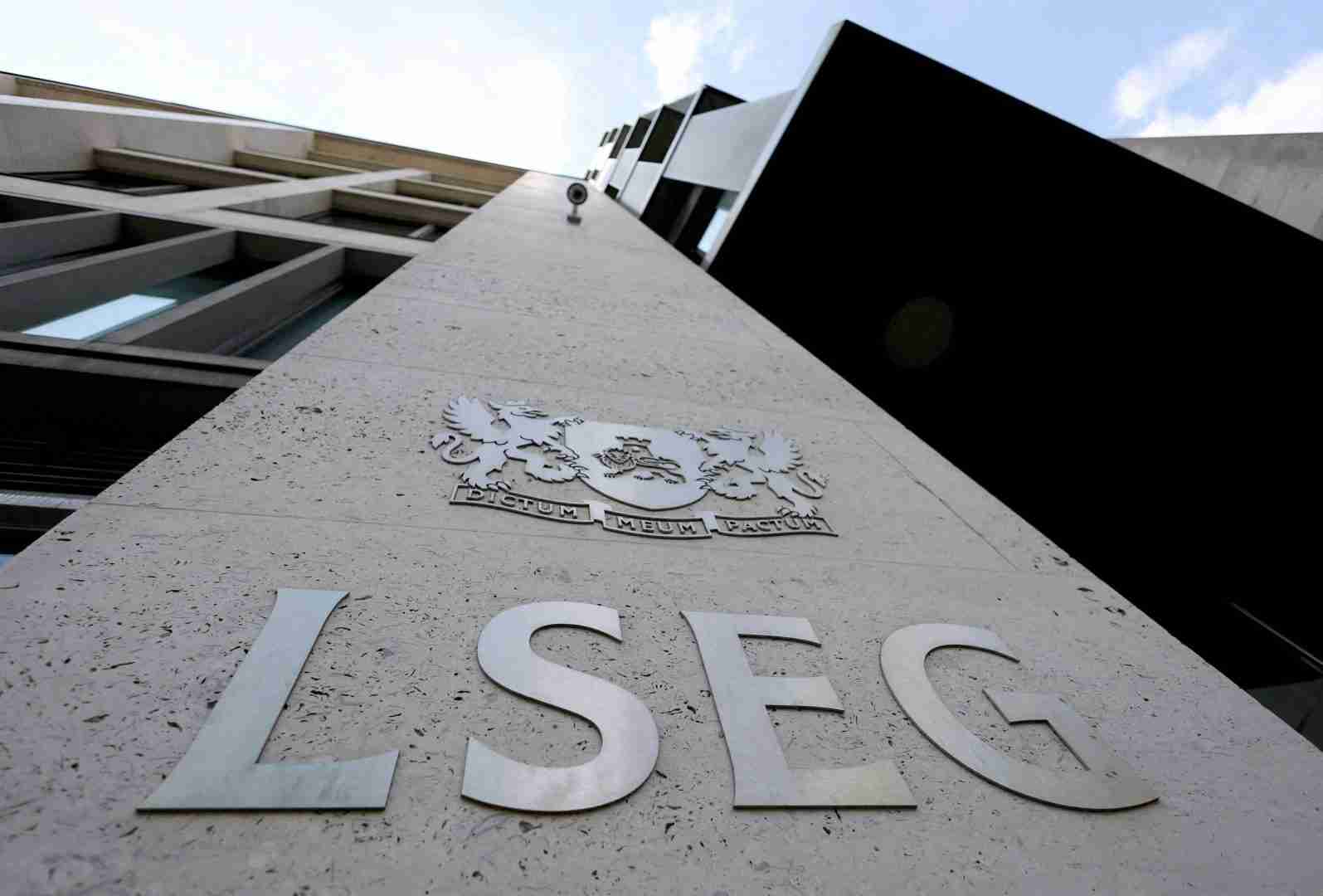
The blue-chip FTSE 100 dipped 0.7% by 1120 GMT, on track for its biggest one-day drop in over two weeks, if losses hold
International News via Reuters:
London stocks dipped on Tuesday despite a sharp drop in the pound following finance minister Rachel Reeves’ comments, as equities around the world tumbled in a broader risk-off move.
The blue-chip FTSE 100 dipped 0.7% by 1120 GMT, on track for its biggest one-day drop in over two weeks, if losses hold. The midcap index also slid 0.5%.
Industrial metal miners bore the brunt of the selling pressure, down 2.3%, as a stronger dollar sent copper prices tumbling more than 2%.
Heavyweight banks lost 1.2%, with HSBC, Standard Chartered and Barclays all down more than 1% each.
The sentiment was grim all across Europe, with bourses in Germany, France and Italy down with the pan-continental STOXX 600 hitting its lowest since mid-October.
U.S. stock index futures were also down more than 1% each.
Meanwhile, the pound and UK government bond yields dipped after Rachel Reeves warned of “hard choices” in an unusual speech for a finance minister to make just three weeks before delivering her second annual budget.
“Her speech was as much about managing expectations as setting direction,” said Nigel Green, CEO of deVere Group in a note.
Looking ahead, the Bank of England is expected to pause its rate-cutting cycle on Thursday, though recent softer inflation and wage data could strengthen the case for a cut.
Among individual stocks, Diversified Energy jumped 9.6% after the oil and gas company hiked its annual profit forecast.
Energy giant BP reported a smaller than expected fall in third-quarter underlying profit. Its shares, however, were last down 0.5% after rising about 1% earlier in the day.
Associated British Foods fell 2.6% after the company said it could separate its Primark fashion shops from its food businesses and reported a 13% drop in full-year profit.
Reporting by Shashwat Chauhan and Utkarsh Tushar Hathi in Bengaluru; Editing by Shailesh Kuber
Failure to agree could undermine the European Union’s claims to leadership at the COP30 talks
International News via Reuters:
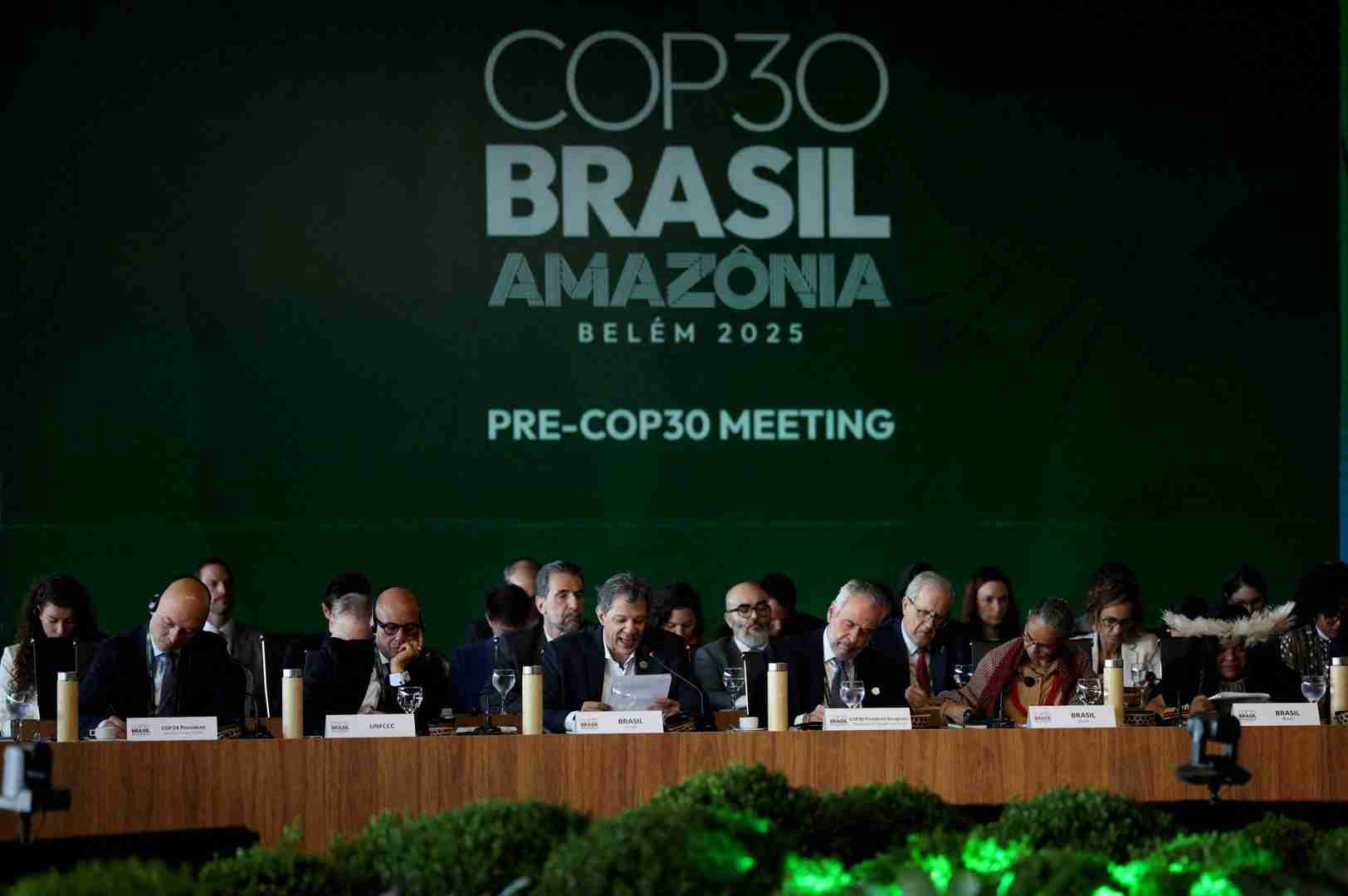
EU climate ministers will make a last-ditch attempt to pass a new climate change target on Tuesday, in an effort to avoid going to the U.N. COP30 summit in Brazil empty-handed.
Failure to agree could undermine the European Union’s claims to leadership at the COP30 talks, which will test the will of major economies to keep fighting climate change despite opposition from U.S. President Donald Trump.
But the EU, which has some of the world’s most ambitious CO2-cutting policies, has struggled to contain a backlash from industries and governments sceptical that it can afford the measures alongside defence and industrial priorities.
In their haste to strike a compromise before European Commission President Ursula von der Leyen meets other world leaders in Brazil on November 6, EU countries are considering weakening the Commission’s proposed target to cut net greenhouse gas emissions by 90% from 1990 levels by 2040.
“We have a lot at stake. We are risking our international leadership, which is fundamental in this extraordinarily complicated context,” Spanish environment minister Sara Aagesen told reporters on Tuesday.
DIFFICULT MEETING AHEAD
Weakening the target to less than a 90% emissions cut was a “clear red line” that Spain could not accept, she added.
Polish deputy climate minister Krzysztof Bolesta said he expected a difficult meeting. Poland wants 10% of the 90% emissions target to be met by buying foreign carbon credits, which would significantly reduce the efforts required by European industries.
“We don’t want to destroy the economy. We don’t want to destroy the climate. We want to save both at the same time,” Bolesta said.
Support from at least 15 of the 27 EU members is needed to approve the new target on Tuesday. EU diplomats said they expected hours-long negotiations and a tight vote that could depend on one or two countries flipping positions.
OPPOSING VIEWS
Italy, Poland and the Czech Republic are among those warning 90% is too restrictive for domestic industries struggling with high energy costs, cheaper Chinese imports and U.S. tariffs.
Others, including the Netherlands, Spain and Sweden, cite worsening extreme weather and the need to catch up with China in manufacturing green technologies as reasons for ambitious goals.
A deal would require ministers to agree on the share of the 90% emissions cut countries can cover by buying foreign carbon credits.
France has said credits should cover 5%, more than the 3% share originally proposed by the Commission that Germany supports. Other governments say money would be better spent on supporting European industries.
“When you propose 5%, you are in a position of compromise,” French environment minister Monique Barbut said. Other EU member states were pushing for a higher share to come from carbon credits.
The draft compromise, seen by Reuters, also includes a clause demanded by France allowing a weakening of the 2040 goal in future, if it becomes clear EU forests are not absorbing enough CO2 to meet it.
Other measures in the draft which attempt to win buy-in include controlling prices in the carbon market and considering weakening the EU’s 2035 combustion engine ban, as requested by Germany.
Ministers will try first to agree the 2040 goal, and from there come up with an emissions pledge for 2035 – which is what the U.N. asked countries to submit ahead of COP30.
Reporting by Kate Abnett, Inti Landauro, Benoit Van Overstraeten; Editing by Alexander Smith and Ros Russell
In an unusual speech for a finance minister to make just three weeks before delivering the budget, Reeves set out the difficult economic backdrop she was wrestling with
International News via Reuters:
British finance minister Rachel Reeves paved the way for broad tax rises to avoid a return to “austerity” on Tuesday, framing her second annual budget as one of “hard choices” to protect public spending while reducing Britain’s debt.
In an unusual speech for a finance minister to make just three weeks before delivering the budget, Reeves set out the difficult economic backdrop she was wrestling with, pointing to high debt levels, low productivity and stubborn inflation.
This meant, she said, the government would most likely have to take “hard choices” in the budget on November 26, ones which would force “all here to contribute” to secure jobs, and the future of the health and education sectors which she described as the nation’s priorities.
EASY ANSWERS ARE ‘IRRESPONSIBLE’
“As I take my decisions on both tax and spend, I will do what is necessary to protect families from high inflation and interest rates … to protect our public services from a return to austerity,” she told a news conference.
“I understand the urge for easy answers. Politicians of recent years have become addicted to shelling out for short- term sticking plaster solutions, rather than making long-term economic plans. They were irresponsible then, and those who continue to push for easy answers, they’re irresponsible now.”
Her words, which firmly put the blame for the state of the economy on previous Conservative administrations, suggested the Labour government could break the party’s election manifesto not to raise key taxes — income tax, VAT or National Insurance.
The Resolution Foundation think tank – whose former head Torsten Bell is now a minister advising Reeves – predicts she will need to increase taxes by 26 billion pounds ($35 billion).
Reeves declined to directly answer questions on whether she was readying Britain for tax rises, saying she would set out policies in the budget later this month.
She said the Labour government had fixed the economic foundations in a first tax-raising budget last year but that the economic backdrop had deteriorated since then.
INCREASING THE FISCAL BUFFER
Reeves also again indicated she would like to increase the fiscal buffer she has against meeting her fiscal targets.
Economists believe Reeves, who raised taxes by 40 billion pounds at her first budget, has lost all of the 9.9 billion pounds she gave herself against meeting her target of bringing day-to-day spending into balance with tax revenue by 2029.
Tax rises would be needed to rebuild that buffer. Reeves, however, said if she got her decisions right, she would build “more resilient public finances with the headroom to withstand global turbulence, giving business the confidence to invest and leaving government freer to act when the situation calls for it”.
While she would not copy a former Conservative government by bringing in “austerity” by cutting public services, Reeves said she wanted to reduce government debt with Britain now facing the highest borrowing costs of any G7 country.
And she would stick by her fiscal rules, saying that the markets could make borrowing even more expensive if they were broken.
Saying that some people had suggested Reeves should sidestep those rules and borrow more without consequence, she noted that Britain was constrained by the basic fact that government debt was sold on financial markets.
Henry Cook, senior Europe economist at MUFG in London, said the markets would view the speech as making “the right noises”.
“She says the decisions will be focused on keeping inflation falling – the conditions for interest rate cuts – and says there’s an iron-clad commitment to the fiscal rules, but I think the devil will be in the detail,” he said.
“It is also notable she said the government will be committed to reforming the welfare state.”
Writing by Elizabeth Piper and David Milliken; additional reporting by Sam Tabahriti, Sarah Young, Suban Abdulla, editing by Kate Holton and Susan Fenton
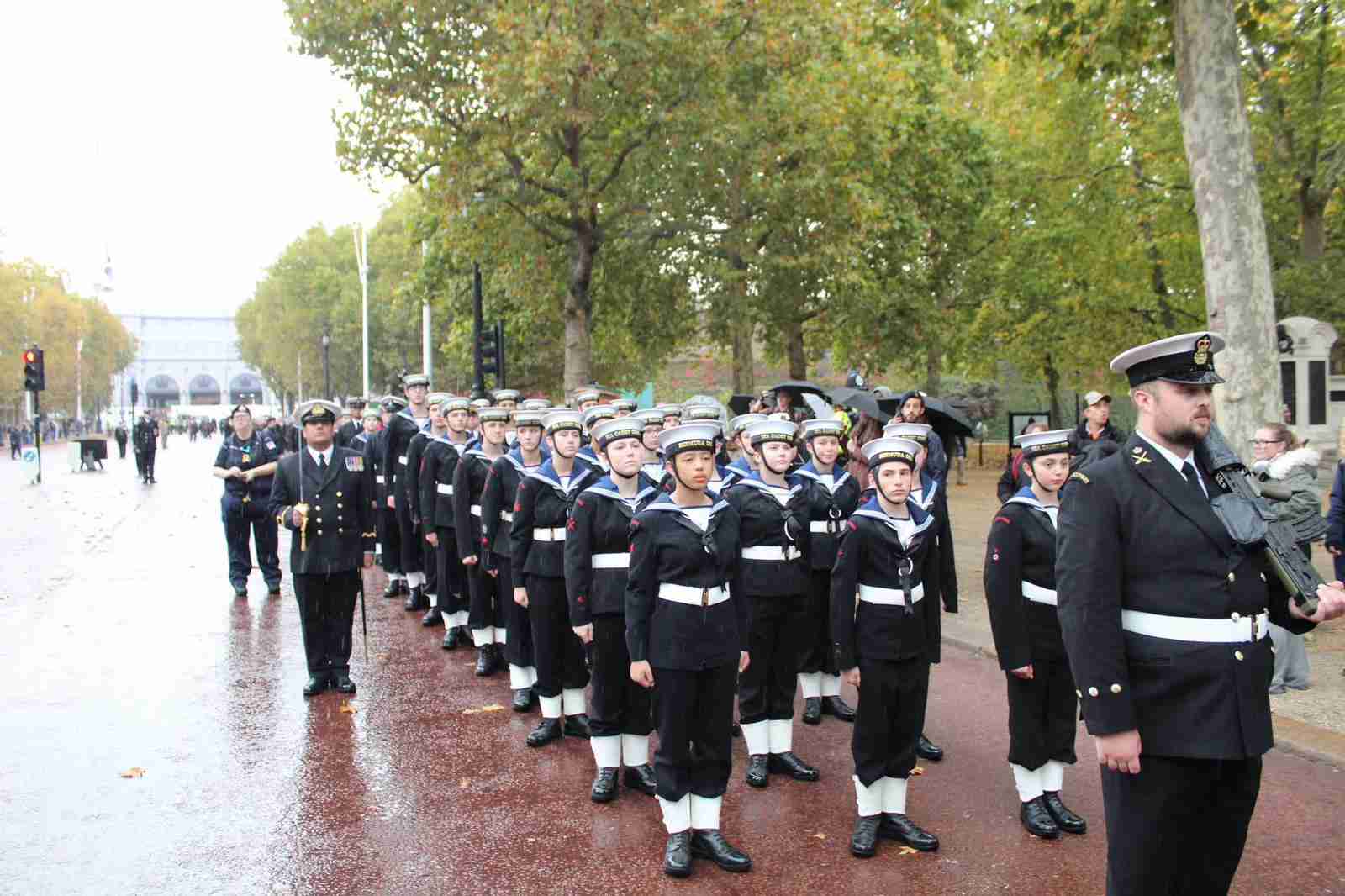
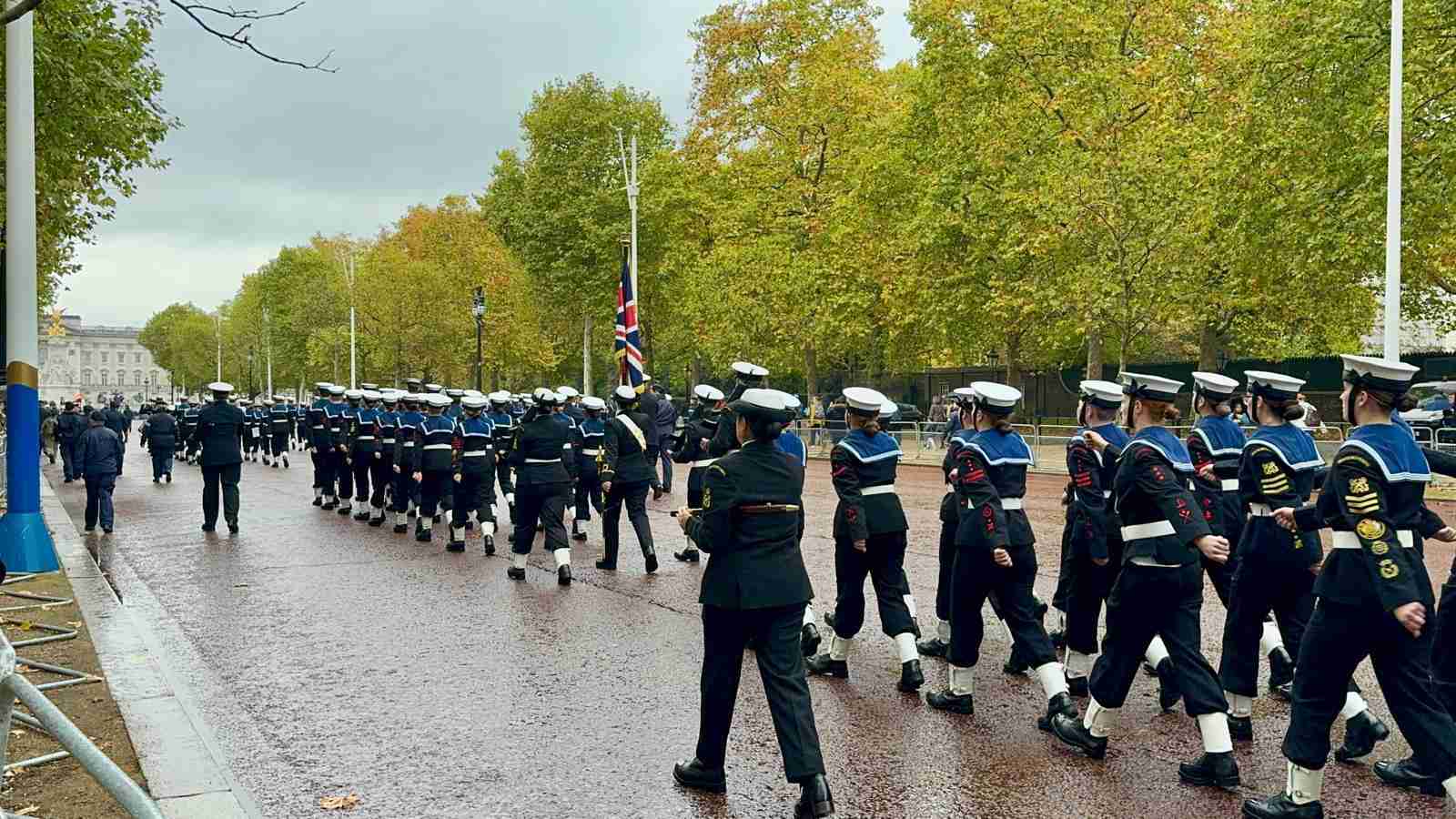
Six cadets from the Bermuda Sea Cadet Corps proudly represented the island at the National Trafalgar Day Parade on Trafalgar Square in London, UK. The parade was held on 19th October and marked the 220th anniversary of Admiral Lord Nelson’s victory at the Battle of Trafalgar.
The parade was made up of more than 350 Sea Cadets, Royal Navy Volunteer Cadets, Royal Marine Cadets, Army Cadets and Air Cadets from across the United Kingdom, including a 77-strong Sea Cadet massed band. The Bermuda Sea Cadets took pride of place as part of the elite 48-cadet honour guard, leading the parade and escorting the Sea Cadet Colour.
Led by Sub-Lieutenant (SCC) Sam Bennett RNR and Petty Officer (SCC) Ani Douglas, the Bermuda contingent included Petty Officer Cadet Laura Frith, Able Cadets Nathan Cassidy Baras and Xavier Vezina and Ordinary Cadets Lexie Taylor, A’Lia German Pitcher, and Christian Fox. Each of them earned their place through months of intense training and preparation, mastering ceremonial drill and uniform presentation to the high standards required for such a parade.
“From the moment we arrived in London, our cadets were thrown straight into the deep end — and they rose to the challenge brilliantly,” said S/Lt (SCC) Bennett. “Their professionalism, confidence, and teamwork were second to none. Seeing them stand proudly in Trafalgar Square representing Bermuda was a truly special moment. To say we were proud of them all would be an understatement.”
The Bermuda Sea Cadets made a strong impression during the parade, with their immaculate uniforms and distinctive “BERMUDA SCC” cap tallies sparking interest and admiration from the gathered dignitaries and spectators. The inspecting officer, Admiral Sir Tony Radakin KCB ADC, made a point of speaking personally with all six Bermuda cadets — a moment that underscored both the island’s contribution and the high standard of training delivered locally.
The Captain of the UK Sea Cadet Corps, Capt. Neil Downing RN, spoke to the Cadets at the conclusion of the final rehearsal before the parade. Emphasising his pride in all of the Cadets and adult volunteers for their hard work and dedication in preparing for the event, he noted the historic participation of the Bermuda Sea Cadet Corps, saying, “We are especially delighted to have the Bermuda Sea Cadets on parade with us this year for the first time, making this event even more special. Bravo Zulu to you all!”
Following the parade, the Bermuda Cadets travelled to Scotland to take part in additional training experiences. They did some rowing training and even tried windsurfing, all on the Clyde River – wearing dry suits!
When asked about the walterborne training experience, Ordinary Cadet Christian Fox said, “It was great to see what the cadets in the UK get to experience and try some new activities. The water is really cold. I don’t know how they do activities in that water all the time!”
The Bermuda Cadets also took part in a parade night with one of the local Scottish Sea Cadet Units, T.S. Fife, based on HMS Caledonia, and finished off their visit with a traditional Scottish dinner and ceilidh dancing.
After a busy trip and intensive drill training for the parade, the Bermuda Sea Cadets are now preparing to put their experience on show for the upcoming Remembrance parades. As they do every year, they will march in the National Remembrance Parade at the Cenotaph on Front Street, and will also lead the very poignant HMS Jervis Bay commemoration at Albuoy’s Point at 9.00am on 11 November. The lessons learned and connections made in the UK will stand them in good stead for those parades and their continued training, and strengthen the Corps’ mission to inspire Bermuda’s next generation of leaders through maritime adventure, discipline, and service.
The Bermuda Sea Cadet Corps will hold its next recruitment night, open to girls and boys between the ages of 10 and 17, on Friday, January 16th. For more information or to be added to the waiting list for enrolment, email bermudaseacadets@gmail.com
Regulators have given the green light to blast a channel through 22 miles (35 km) of rocky rapids
International News via Reuters:
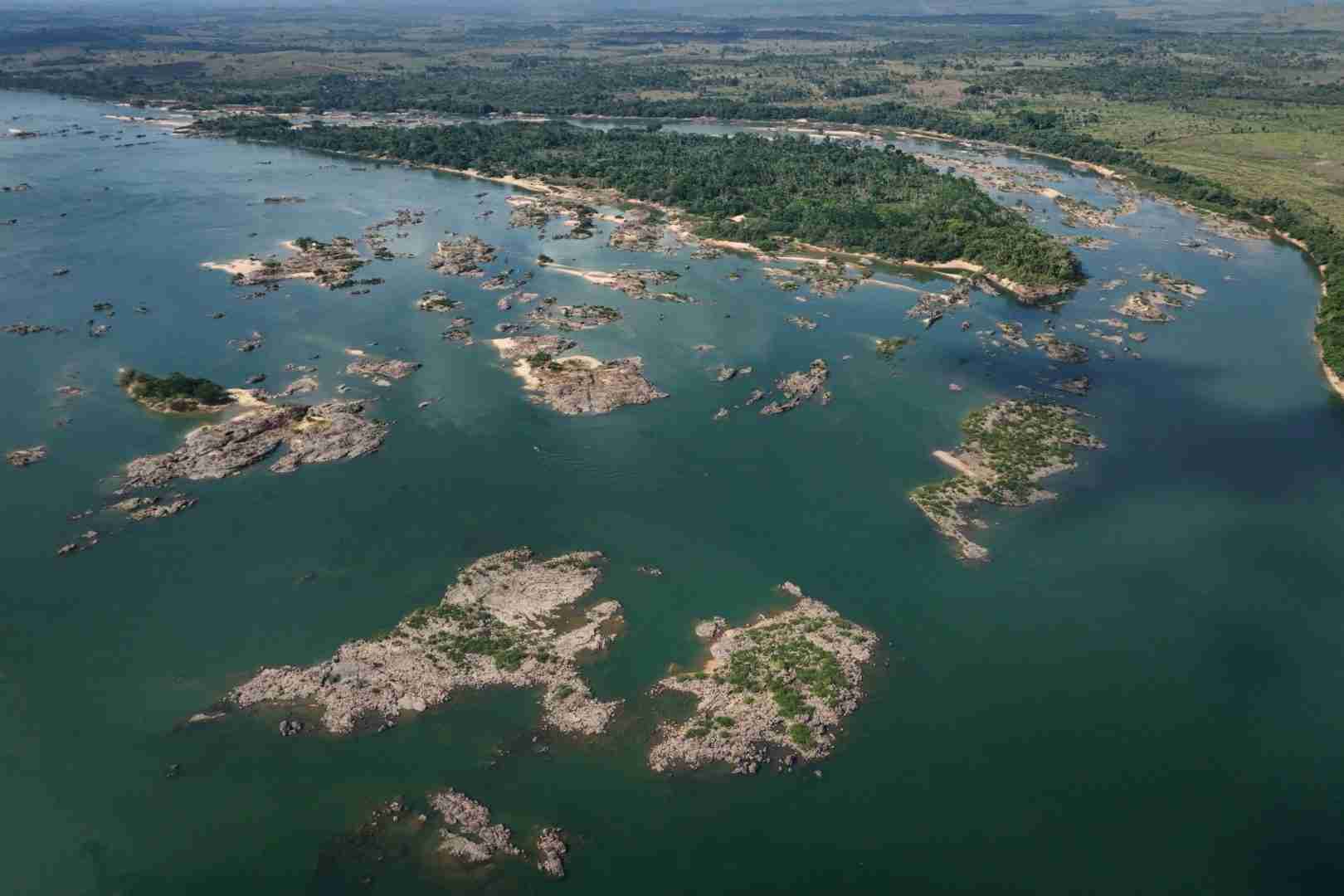
A narrow skiff slides among massive rocky outcroppings on the Tocantins River, where the catfish and peacock bass throng in the eddies during the waxing moon.
For most of his life, Welton de Franca has fished like his father before him among these rocks on one of the largest tributaries in the Amazon Basin.
Brazil’s government now wants to blow them up.
Regulators have given the green light to blast a channel through 22 miles (35 km) of rocky rapids, turning this sleepy stretch of the Amazon rainforest into an expressway for Brazil’s booming tropical farm belt.
Opening the Araguaia-Tocantins riverway to barges year-round could clear the way for soy and corn exports through the Amazon Basin to rival the Mississippi River, cutting freight costs and cementing Brazilian supremacy in the global grains trade.
Federal prosecutors, however, are trying to halt the $7.3 billion project, including another 110 miles of dredging, as they urge courts to consider impacts on riverside communities.
“We can’t go anywhere without our boats. We live from the fish,” said Franca, whose family settled on an island in the river overlooking the rocks when he was 12.
During legal hearings on site in late September, his father and neighbors told three visiting magistrates they worry about hazardous boat traffic replacing their fisheries.
Franca’s father ferries his two grandchildren across the river every day to school. Neighbors in the village of Tauiry cross daily in the other direction to harvest babassu coconuts.
Researchers including Alberto Akama, from the state-funded Emilio Goeldi Museum, warn the river’s biodiversity would also suffer if blasting destroys these rare rapids, where endangered fish gather, turtles breed and river dolphins feed.
Brazilian environmental agency Ibama authorized blasting outside the most sensitive reproductive and migratory seasons, with provisions to monitor and relocate turtle nests.
Transport infrastructure agency DNIT said teams will work to scare animals away from the rocks before blasting.
For advocates including Governor Helder Barbalho of Para state, the advantages of cheaper and cleaner freight far outweigh any drawbacks.
“The state of Para believes it is possible to reconcile environmental preservation with economic development,” he said.
Brazil’s government has forecast that the Araguaia-Tocantins riverway could start carrying some 20 million metric tons of corn and soybeans to northern river ports each year, cutting down on long, polluting truck trips.
The impact on emissions, however, is not so simple, as delegations will discuss over 300 miles (500 km) downriver in Belem in November during the United Nations COP30 climate summit.
Brazil’s main source of greenhouse gases is deforestation, as vast swathes of the Amazon rainforest and neighboring Cerrado savannah are cleared each year for farmland and ranches.
Nowhere is that farm frontier advancing faster than the so-called Matopiba region around the Araguaia and Tocantins rivers – a trend that cheaper shipping can only encourage.
Maria de Sousa, one of several women in Tauiry who harvest babassu coconuts to crack open and produce cooking oil and flour, said their way of life is already threatened by encroaching farms.
Neighbors have been poisoning the area’s coconut palms as they expand their ranches and farms, forcing the women to cross the river to fill sacks with the small coconuts, she said.
“If they open the waterway, we won’t be able to collect the coconuts,” said Sousa. “They say the babassu is a plague … but for us coconut crackers, it is survival.”
New infrastructure at Brazil’s northern river ports over the past decade has been key to the Matopiba grains boom. River barges are around 60% cheaper than road freight for medium- and long-distance shipping, said logistics expert Thiago Pera.
Brazilian researchers at the Climate Policy Initiative, a think tank, have found that even investments in less-polluting transport infrastructure such as rail and waterways can drive indirect emissions by spurring deforestation to create farmland.
For example, CPI found a proposed railway for grain exports, called the Ferrograo, would cut about 1 million tons of direct emissions by taking trucks off the road – but add some 60 million tons of indirect emissions by driving expansion of Brazil’s farm frontier.
For the communities trying to stop the proposed blasting on the Tocantins River, the fear of displacement is palpable.
“We’ll lose space on the river to the barges carrying iron ore and agricultural goods,” said community leader Ademar de Souza. “We’re not sure about the future.”
Reporting by Ana Mano and Adriano MachadoEditing by Brad Haynes and Diane Craft
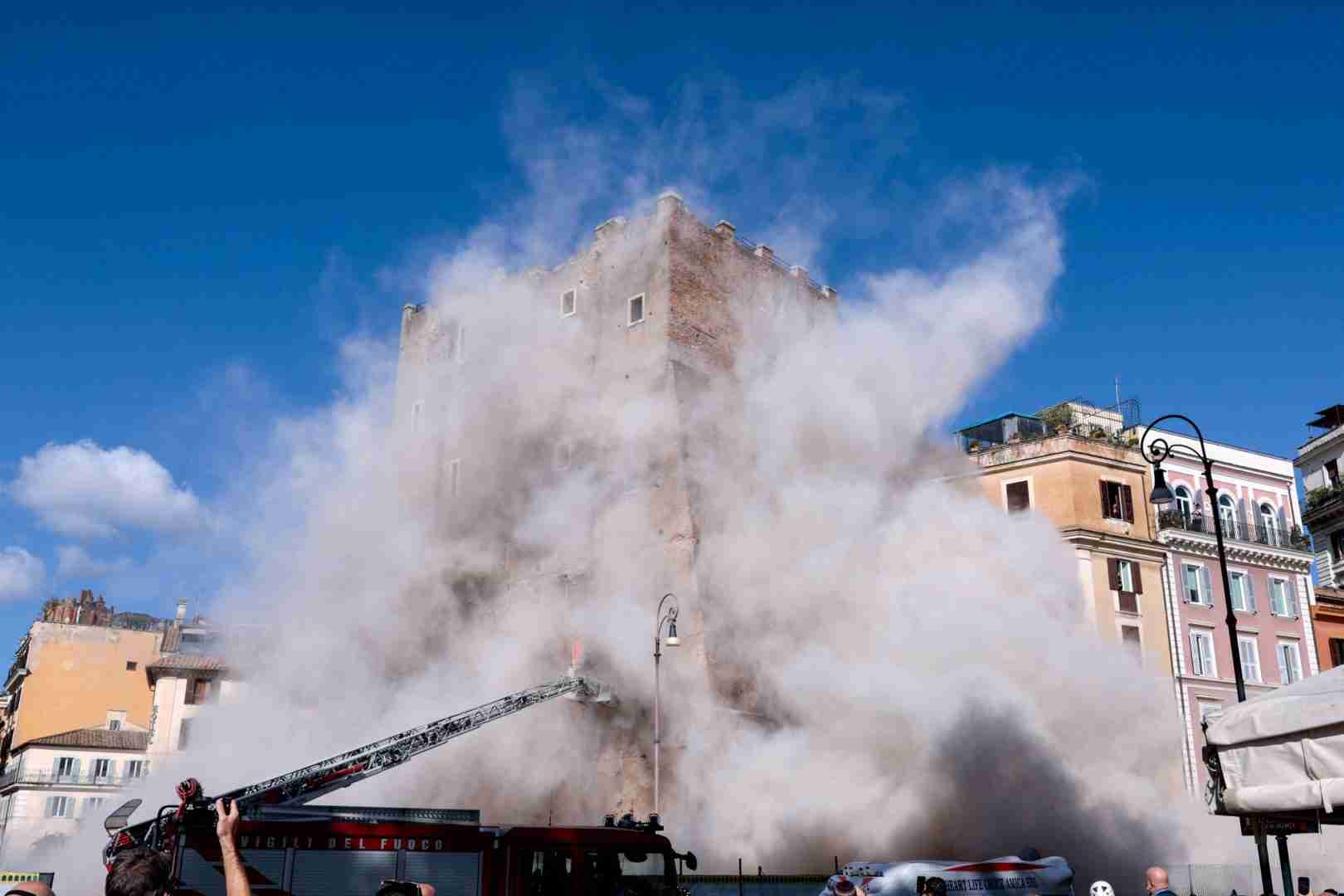
Parts of the 29-metre (95 ft) Torre dei Conti crashed to the ground on at least two occasions, videos posted on social media and Reuters footage showed
International News via Reuters:
Italian emergency services were battling on Monday to rescue a Romanian worker trapped for hours under rubble following the partial collapse of a medieval tower in central Rome, near the Colosseum.
“We are trying to get him out alive but the situation is complex because of the risk of further collapses,” national fire department spokesman Luca Cari told Reuters.
Parts of the 29-metre (95 ft) Torre dei Conti crashed to the ground on at least two occasions, videos posted on social media and Reuters footage showed. The first took place at around 1030 GMT, the second about 90 minutes later.
Clouds of dust came billowing out of the windows, along with the sound of collapsing masonry. The second incident took place while firefighters were working on the structure with aerial ladders.
None of the firefighters were injured.
LONG AND DIFFICULT RESCUE
The trapped worker survived the second collapse, but operations to get him out “will be very long and difficult because of the very high risk of (more) collapses,” Rome police chief Lamberto Giannini told reporters.
“The situation remains critical. We have colleagues present to provide consular assistance and communicate with the Italian authorities. The work of the firefighters is vital at this moment,” Romanian Foreign Minister Oana-Silva Toiu said on X.
A second worker, also Romanian, was pulled out almost immediately and hospitalised with serious but not life-threatening head injuries, while two more workers suffered minor injuries and declined hospital treatment.
TOWER BUILT BY 13TH CENTURY POPE
The tower, which was due to be converted into a museum and conference space, is located halfway along the Via dei Fori Imperiali, the broad avenue that leads from central Piazza Venezia to the Colosseum.
The building was still standing, but showing significant internal damage.
It once hosted city hall offices but has not been in use since 2006 and was being worked on as part of a four-year renovation project due to end next year, according to Rome city authorities.
Due to the EU-funded restoration work, the area around the tower was closed off to pedestrians.
The building was erected by Pope Innocent III for his family in the early 13th century, and was originally twice as high, but was scaled down after damage from earthquakes in the 14th and 17th centuries.
Reporting by Angelo Amante, additional reporting by Alan Charlish in Warsaw, writing by Alvise Armellini, editing by Keith Weir and Gavin Jones
The Opposition is being asked to withdraw its absentee voting bill, and work on bipartisan legislation
Government of Bermuda press Release:
The Ministry for the Cabinet Office today reaffirmed the Government’s Election Platform commitment to introducing absentee voting through a comprehensive process of electoral reform and has invited the Opposition to join in developing a unified and responsible approach.
The Minister for the Cabinet Office and Digital Innovation, The Hon. Diallo V. Rabain, JP, MP, confirmed that he has written to the Leader of the Opposition last week, formally requesting the withdrawal of the Opposition’s Absentee Voting Bill 2025 to allow for collaborative work on a bipartisan bill that is inclusive, secure, fair, and sustainable.
“Ensuring that every eligible Bermudian Student who wishes to vote can do so, no matter where they are, is a principle we fully support and why Electoral Reform was in our election platform,” said Minister Rabain
He added, “When we make changes to how Bermudians vote, we must do so in a way that is carefully researched, well-designed, and built to last. This means working closely with the Parliamentary Registrar, the Attorney General’s Chambers, and the public to ensure the process is both inclusive and secure.”
The Attorney General’s Chambers has reviewed the Opposition’s proposal and identified several legal and operational concerns, including potential conflicts with existing election law and the absence of administrative procedures that would ensure proper implementation. The Minister emphasized that the Parliamentary Registrar, whose office would have to carry out the work, was not adequately consulted before the Opposition’s Bill was tabled.
“Introducing absentee voting is not something that can be rushed,” Minister Rabain stated. “Our responsibility is to strengthen democracy. We are already doing the work to deliver Electoral Reform, which will include absentee voting the right way through consultation, planning, and sound administration.”
The Government had begun engagement with the Parliamentary Registrar prior to the OBA’s bill being tabled and, more recently, with young Bermudians studying overseas, and broader consultations with the public and political stakeholders will follow in the coming weeks.
Minister Rabain confirmed that the Government’s goal is clear – Broader Electoral Reform, including Absentee voting, will be in place by September 2026.
He also underscored that absentee voting is part of a much broader effort to modernise Bermuda’s democratic processes through comprehensive electoral reform. This broader reform agenda will include:
Implementing absentee voting for Bermudian students overseas,
Establishing clear and transparent standards for political parties and campaign financing,
Keeping the voters’ rolls accurate, private, and transparent,
Embracing practical modernisation of the electoral systems and technology, and
Setting consistent and fair rules for polling day administration.
“Our goal is to modernize Bermuda’s elections in a way that enhances participation and trust,” Minister Rabain said. “We have reached out to the Opposition to be part of this process, because electoral reform should not be partisan or rushed. Every political party in Bermuda agrees that absentee voting for our young people studying overseas must happen. We have an opportunity to combine our collective expertise and deliver a system that works for everyone.”
The seven vessels have illegally exported North Korean coal and iron ore to China, which traditionally earns Pyongyang between $200 million and $400 million a year
International News via Reuters:
The United States will in the coming days ask a U.N. Security Council committee to impose sanctions on seven ships suspected of violating U.N. sanctions on North Korea, a State Department official said on Monday.
The seven vessels have illegally exported North Korean coal and iron ore to China, which traditionally earns Pyongyang between $200 million and $400 million a year, said the U.S. official, speaking on condition of anonymity.
“These nominations are not just bureaucratic exercises. They’re about ensuring accountability for U.N. sanctions violations and stopping exports that directly fund North Korea’s nuclear and ballistic missile programs,” the official said.
However, the Security Council’s 15-member sanctions committee operates by consensus and it was not immediately clear if North Korea’s friends Russia and China would agree. The Russian and Chinese missions to the U.N. in New York did not immediately respond to requests for comment.
North Korea has been under U.N. sanctions for its nuclear weapons and ballistic missile programs since 2006. Those measures have unanimously been strengthened over the years, but the council is now deadlocked as China and Russia push for them to be eased to convince Pyongyang to return to denuclearization talks.
Among the Security Council sanctions are a ban on North Korean exports including coal, iron, lead, textiles and seafood, and caps on imports of crude oil and refined petroleum products.
The Security Council can impose an asset freeze on a ship, ban it from entering ports and require the ship’s country of registration to “de-flag” the vessel.
The United States has signaled for months that it would propose new vessels for designation at the United Nations, but it was unclear why it had chosen to act now.
Nuclear-armed North Korea has ignored overtures from U.S. President Donald Trump, who wants to meet North Korean leader Kim Jong Un, and has dramatically advanced its missile and conventional military capabilities.
“If there are no consequences for violations, sanctions risk becoming meaningless, and threats to international peace and security like the DPRK nuclear and ballistic missile programs will continue to grow unchecked,” said the State Department official, referring to the country’s formal name – the Democratic People’s Republic of Korea.
Reporting by Michelle Nichols; editing by Mark Heinrich
William will visit some of Rio de Janeiro’s landmarks on what will be the British heir’s first Latin American trip
International News via Reuters:
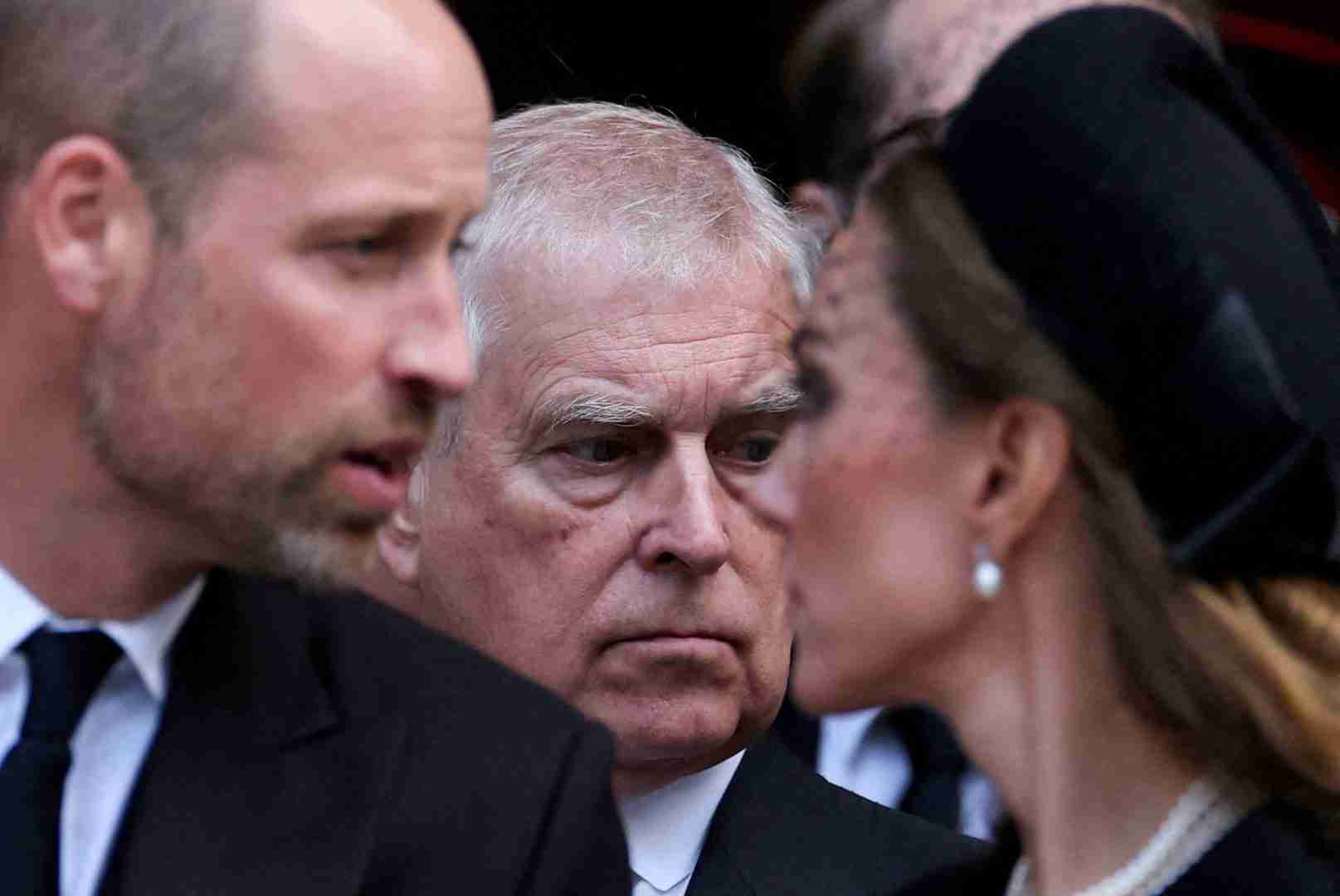
Prince William headed to Brazil this week for the awards ceremony for his multi-million-dollar environmental prize, hoping to refocus attention away from the scandal of his uncle Andrew and back on the royals’ causes.
William will visit some of Rio de Janeiro’s landmarks on what will be the British heir’s first Latin American trip.
The aim is to turn the spotlight onto a line-up of environmental projects before the annual awards ceremony for the prince’s Earthshot Prize.
The visit comes days after King Charles stripped his younger brother of his title of prince and evicted him from his mansion, banishing his sibling from public life to try to prevent any further damage to the royal brand from Andrew’s ties to the late sex offender Jeffrey Epstein.
FOCUS IS EARTHSHOT PRIZE
During his three-day trip, William will seek to focus on his main philanthropic environmental cause, which aims to find innovations to combat climate change, and awards five winners 1 million pounds ($1.3 million) each to drive their projects.
His wife Kate, who is in remission after cancer treatment, will not be joining him.
South America is an uncommon destination for the British royals who tend to focus overseas trips on Europe or the foreign realms where the king is head of state, such as Canada.
William has never been to Brazil or Latin America before, while Charles last went there in 2009.
This year, the Earthshot events will take place a week before the United Nations COP30 climate summit which is also being held in Brazil and which the prince will attend in place of his father.
“With its energy, its people and its iconic landscapes it is the perfect place to celebrate amazing environmental innovation and host our biggest and best Earthshot ever,” Jason Knauf, chief executive of the Earthshot Prize, said.
The winners will be announced at a ceremony on November 5 which will feature a host of celebrities and performances from Australian popstar Kylie Minogue and Brazilian musician Gilberto Gil.
Organisers say the summit surrounding the event will attract more than 1,000 global leaders, some of the world’s biggest philanthropists along with global mayors and world-leading scientists.
Reporting by Michael Holden; Editing by Andrew Heavens
Renowned artist Michael K. Frith featured in City Hall show
A Bermudian artist and television producer whose imagination reached the world is being celebrated right here at home.
Michael Kingsbury Frith is best known for his work with Dr. Seuss, Sesame Street, Jim Henson and The Muppets.
For the first time, his work is on display at City Hall. We spoke with Director of Exhibitions, Eve Godet Thomas, who told us about Michael K. Frith’s early life in Bermuda and how his experiences here inspired his creativity – from his early days working at ZBM to becoming a globally recognized name in art, storytelling, and television.
Donations pour into the Hamilton Seventh Day Adventist Centre
Operation One Love, a community effort to bring relief to the people of Jamaica following Hurricane Melissa, has drawn an overwhelmingly positive response.
Maxanne Caines is part of the Bermuda for Jamaica Relief Coordination Team that has witnessed donations pour into the Hamilton Seventh Day Adventist Centre.
The goods are being loaded onto a BermudAir plane that will leave for Jamaica tomorrow.
Video: Leanna Lambert, Head of PR & Partnerships, BermudAir
To provide the best experiences, we use technologies like cookies to store and/or access device information. Consenting to these technologies will allow us to process data such as browsing behavior or unique IDs on this site. Not consenting or withdrawing consent, may adversely affect certain features and functions.
Functional
Always active
The technical storage or access is strictly necessary for the legitimate purpose of enabling the use of a specific service explicitly requested by the subscriber or user, or for the sole purpose of carrying out the transmission of a communication over an electronic communications network.
Preferences
The technical storage or access is necessary for the legitimate purpose of storing preferences that are not requested by the subscriber or user.
Statistics
The technical storage or access that is used exclusively for statistical purposes.The technical storage or access that is used exclusively for anonymous statistical purposes. Without a subpoena, voluntary compliance on the part of your Internet Service Provider, or additional records from a third party, information stored or retrieved for this purpose alone cannot usually be used to identify you.
Marketing
The technical storage or access is required to create user profiles to send advertising, or to track the user on a website or across several websites for similar marketing purposes.