Monday, November 9, 2026
Home Blog Page 757

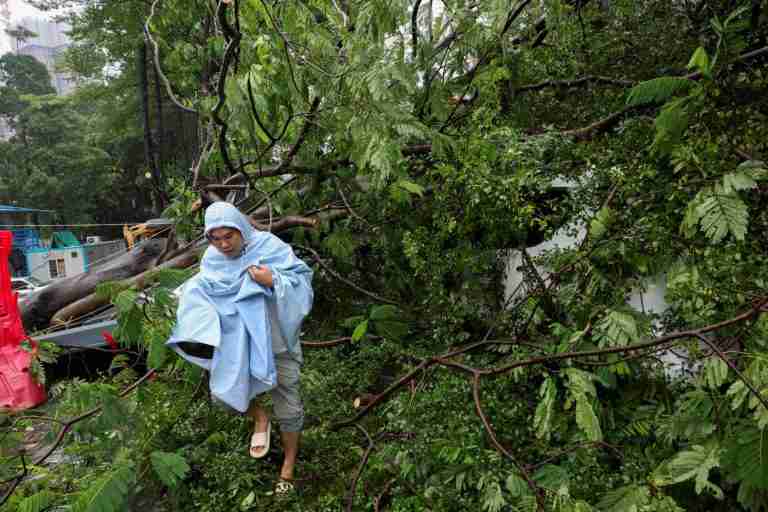
New flood fears spook evacuees after Super Typhoon Ragasa kills 17 in Taiwan

Sub-tropical Taiwan, frequently hit by typhoons, normally has a well-oiled disaster mechanism that averts mass casualties by moving people out of potential danger zones quickly
International News via Reuters:

Residents in a Taiwan town where flooding from a typhoon killed 17 people sought shelter on Wednesday fearing further disaster after a lake burst its banks, as Premier Cho Jung-tai called for an inquiry into what went wrong with evacuation orders.

Sub-tropical Taiwan, frequently hit by typhoons, normally has a well-oiled disaster mechanism that averts mass casualties by moving people out of potential danger zones quickly.

But many residents in Guangfu, an eastern town in the beauty spot of Hualien, thronged by tourists, said there was insufficient warning when a lake overflowed during Tuesday’s torrential rains brought by Super Typhoon Ragasa.

The barrier lake, formed by landslides triggered by earlier heavy rain in the island’s sparsely populated east, burst and sent a wall of water into Guangfu.

NUMBER OF MISSING REVISED DOWN

Cho said the immediate priority was to find those missing. The original number of 152 was revised down to just 17 after many people were located alive.

“For the 14 who have tragically passed away, we must investigate why evacuation orders were not carried out in the designated areas,” he told reporters in Guangfu, before the death toll was adjusted up in the afternoon, to 17.

“This is not about assigning blame, but about uncovering the truth.”

Fire officials said all the dead and missing were in Guangfu, where the waters destroyed a major road bridge across a river.

As heavy rain continued on and off in Hualien, police cars sounded sirens for a new flood warning in Guangfu on Wednesday, sending people scrambling for safer areas as residents and rescuers shouted: “The flood waters are coming, run fast.”

“We will not return until the overflow is finished or the risk of it bursting is reduced. It’s too dangerous,” said a woman who gave her family name as Tsai from a packed emergency shelter in an elementary school.

NO REPEAT OF MASS FLOODING EXPECTED

Deputy disaster command centre chief Huang Chao-chin said with rainfall easing and much of the water from the lake already released, he did not expect a repeat of Tuesday’s mass flooding.

Lamen Panay, a Hualien councillor, said government evacuation requests before the flood had not been mandatory.

Referring to guidance for people to head to higher floors, she said: “What we were facing wasn’t something ‘vertical evacuation’ could resolve.”

About 5,200 people, or 60% of the population, sought shelter on the higher floors of their own homes while most of the rest left to stay with families, government data showed.

But the government said the overflow of the barrier lake released about 60 million tonnes of an estimated 91 million tonnes of water, enough to fill about 36,000 Olympic-sized swimming pools.

Taiwan has been lashed since Monday by the outer rim of Typhoon Ragasa, which was downgraded from a super typhoon and is now hitting China’s southern coast and the Asian financial hub of Hong Kong.

WATER HIT LIKE A ‘TSUNAMI’

The water hit like a “tsunami”, said Guangfu postman Hsieh Chien-tung, who was able to flee to the second floor of the post office just in time. Later, he got home to find his car had been swept into the living room.

Regions across Taiwan have dispatched rescue teams to Hualien, with the military sending 340 troops to help.

In Guangfu, soldiers operating from an armoured personnel carrier to keep clear of thick mud in the streets went door-to-door handing out water and instant noodles. Wrecked cars and scooters were littered around.

China’s Taiwan Affairs Office offered condolences, in a rare sign of goodwill from Beijing, which has a deep dislike of Taipei’s government.

China views Taiwan as its own territory, despite the strong objections of the island’s democratically elected government.

Besides the wilderness beauty that makes it one of Taiwan’s top tourist draws, Hualien is also home to many members of the island’s indigenous groups, including the Amis.

The typhoon brought about 1 metre (3.2 ft) of rain to parts of Taiwan’s east, though the populous west coast, home to the crucial semiconductor industry, was not affected.

In 2009, Typhoon Morakot brought destruction to Taiwan’s south, killing about 700 and causing damage of up to $3 billion.

Reporting by Yimou Lee, Fabian Hamacher and Ann Wang; Writing by Ben Blanchard; Editing by Stephen Coates, Clarence Fernandez, Lincoln Feast and Alison Williams

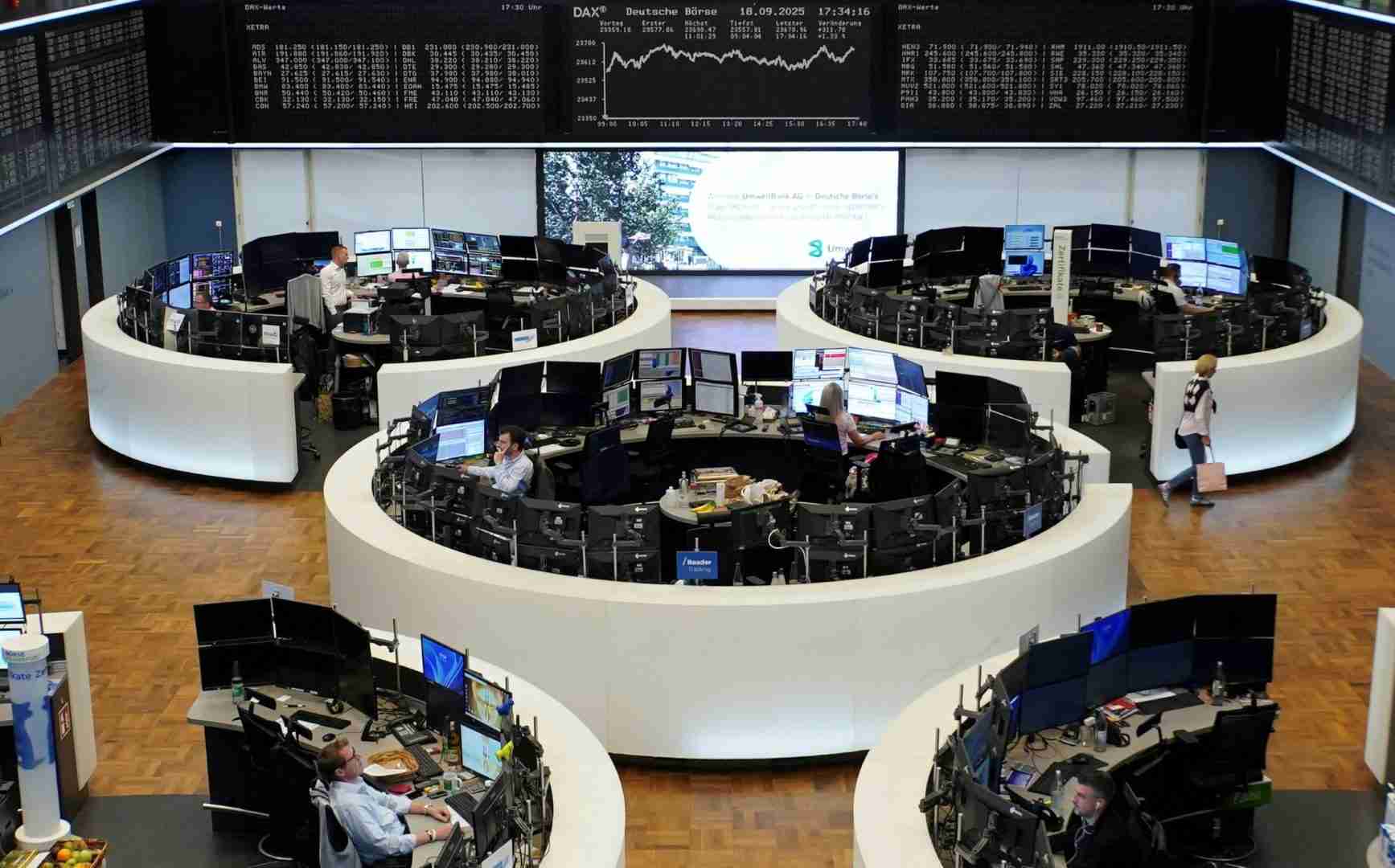
Stocks dip as dollar rises after Fed’s Powell; Europe defence gains after Trump’s Ukraine comments

While geopolitics have been a large driver for global markets this year, the focus for investors on Wednesday was firmly trained on the outlook for the U.S. economy

International News via Reuters:

Stocks slid on Wednesday, echoing losses on Wall Street overnight, while the dollar rose broadly, after Federal Reserve Chair Jerome Powell fell short of confirming investors’ expectations that U.S. interest rates will decline sharply in coming months.

In Europe, defence stocks – one of the star-performing sectors this year – jumped after U.S. President Donald Trump said he believed Ukraine could retake all its land occupied by Russia, marking a sudden shift in rhetoric in Kyiv’s favour.

“After seeing the Economic trouble (the war) is causing Russia, I think Ukraine, with the support of the European Union, is in a position to fight and WIN all of Ukraine back in its original form,” he said in a social media post on Tuesday, although there was no sign of any actual change in U.S. policy.

Defence stocks such as Rheinmetall, Hensoldt and SAAB rose between 2-4.8%, although losses in financials kept the STOXX 600 down around 0.4% on the day.

In a sometimes-meandering speech to the U.N. General Assembly,  in which he rejected moves by allies to recognise a Palestinian state, Trump chastised Western nations for their approach to climate change and immigration, telling leaders “your countries are going to hell.”  

While geopolitics have been a large driver for global markets this year, the focus for investors on Wednesday was firmly trained on the outlook for the U.S. economy and the likely path of U.S. interest rates. 

The dollar rose broadly, leaving the euro, pound and yen in negative territory, pushing up the U.S. currency against a basket of six others by 0.35% on the day.

Powell, in remarks on Tuesday, largely stuck to the language used last week when the central bank cut its benchmark rate a quarter of a percentage point, to stress the need for policymakers to balance the competing risks of high inflation and a weaker jobs market in coming monetary policy decisions.

Given that traders are almost fully pricing in a rate cut in October, Powell offered little in the way of new direction for markets.  

“There was a clear pivot at the last meeting which set the direction, but the pace (of cuts) is something we’ll have to see,” Daiwa Capital economist Chris Scicluna said.

“All markets, if you’re looking on the fixed-income side or the equity side, are taking comfort from the expectation that the Fed will be easing for the remainder of this year and again next year and take them basically moving from a restrictive stance to a neutral stance,” he said. 

Traders have ramped up bets on further U.S. rate cuts, with Fed funds futures implying a 91.9% chance of a rate cut at the central bank’s October meeting, up from a 89.8% probability on Tuesday, according to the CME Group’s FedWatch tool.

Longer-dated U.S. government bonds attracted buyers, which pushed down the yield on 30-year Treasury bonds by 2.1 basis points on the day to 4.717%, while the benchmark 10-year note eased 1.4 bps to 4.106% and the rate-sensitive two-year yield held steady at 3.565%.

U.S. economic data released on Tuesday stoked growth concerns, with purchasing managers’ index (PMI) data from S&P Global showing business activity slowed for a second straight month in September. 

“The S&P PMIs were softer in the September preliminary release, but both remain in expansion and are within the range of the last few months,” Citi analysts wrote in a research note. But they pointed to more weakness in the details than implied in the headline numbers. 

“The composite output prices index fell to the lowest level since April with anecdotes mentioning that firms are having difficulty passing on higher costs to consumers due to weak demand and more competition,” the analysts said.

In commodities, gold shrugged off the drag from a stronger dollar to rise 0.25% on the day $3,772 an ounce, just below Tuesday’s record high of $3,790. 

In oil markets, Brent crude rose 0.3% to $67.86 a barrel, after a deal to resume exports from Iraq’s Kurdistan stalled, pacifying some investor concerns that the restart might exacerbate worries about global oversupply. 

Additional reporting by Gregor Stuart Hunter in Singapore; Editing by Jamie Freed, Jacqueline Wong , Sam Holmes and Sharon Singleton

At least 12 dead as record rain floods India’s Kolkata

Most of the rain, as much as 251.6 mm (9.9 inches) in 24 hours, fell during the early hours of Tuesday and was the heaviest witnessed in the city since 1988

International News via Reuters:

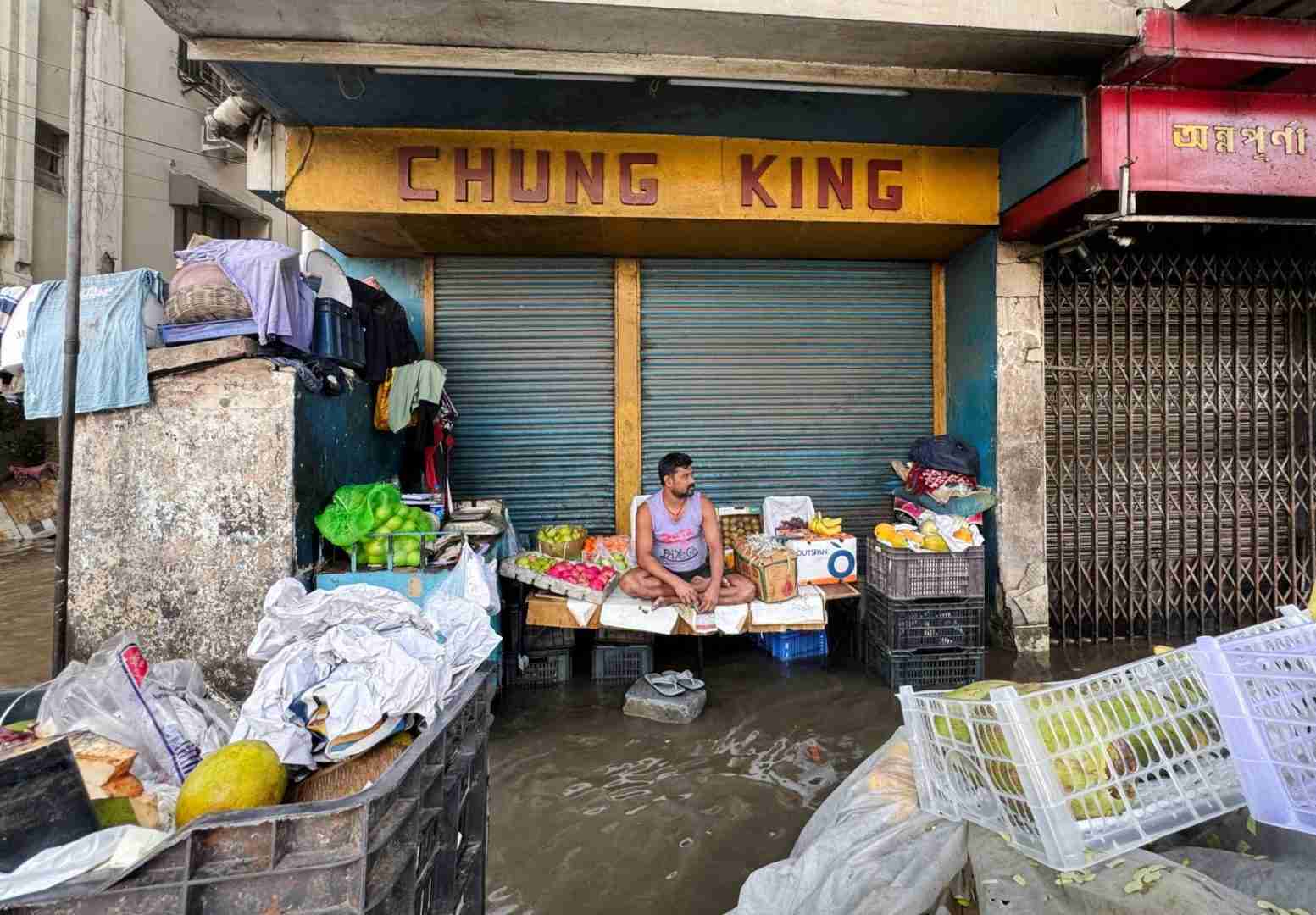
At least 12 people died as heavy rain lashed the eastern Indian city of Kolkata and surrounding areas ahead of a major festival, flooding streets, disrupting transport and leaving residents stranded for hours, officials said on Wednesday.

Most of the rain, as much as 251.6 mm (9.9 inches) in 24 hours, fell during the early hours of Tuesday and was the heaviest witnessed in the city since 1988, said HR Biswas, the regional head of India Meteorological Department (IMD) in Kolkata.

Police said nine people died in Kolkata, with most of the deaths due to electrocution. Two people drowned, they added.

The rains brought the state capital to a standstill, seriously hampering preparations for the upcoming Durga Puja – the biggest annual festival of Hindus in West Bengal state.

Many pandals, temporary structures built with bamboo and other material for the festival, and clay idols of the deities also suffered damage across the city.

Roads were submerged under waist-deep water in some areas, stranding vehicles and forcing commuters to wade through flooded streets.

Road, train, and air traffic were severely disrupted, with several flights and trains cancelled or delayed. Power outages affected multiple areas for hours, compounding residents’ difficulties.

“I got stranded in my hotel as my flight got cancelled and the roads were all waterlogged,” said Ranjan Panda, a water and climate expert.

Authorities said they have deployed water pumps to clear streets and railway tracks, with relief measures, including food distribution and emergency services, underway.

The IMD predicted more rain in the state and eastern India over the next few days due to the formation of a low-pressure area over Bay of Bengal.

The state government declared schools and other educational institutions closed on Wednesday and Thursday before the holidays for the festival take effect from Friday.

Officials said conditions will normalize by Wednesday evening while urging residents to remain cautious as water levels gradually recede in low-lying areas.

“This should not have happened after four hours of rain. West Bengal is not in a good condition,” Sandip Ghosh, a local resident in Kolkata, told Indian news agency ANI, in which Reuters has a minority stake.

Reporting by Jatindra Dash in Bhubaneswar, India; Editing by Sudipto Ganguly and Lincoln Feast

Mercedes appoints new technology, production chiefs

The company said the appointments were part of a strategy pursuing “fresh impetus and a targeted rejuvenation of the board”

International News via Reuters:

Mercedes-Benz announced changes to its top management on Wednesday, replacing chief technology officer Markus Schaefer with head of production Joerg Burzer, as it pursues cost efficiencies with a younger board.

Burzer, aged 55, will assume responsibility for development and procurement and take on the CTO role from the beginning of December together, the German company said in a statement.

Schaefer, who oversaw Mercedes’ shift from traditional combustion-engine cars to electric models, will leave the company after 30 years.

Michael Schiebe, aged 42 and currently head of the high-performance division Mercedes AMG, will become management board member for production.

“With Joerg Burzer and Michael Schiebe, two outstanding managers from our own ranks are taking over key departments that are of decisive importance for the future success of the Mercedes-Benz Group,” Mercedes supervisory board head Martin Brudermueller said.

The company said the appointments were part of a strategy pursuing “fresh impetus and a targeted rejuvenation of the board”.

The changes come as Mercedes and its peers grapple with slowing electric-vehicle demand, intensifying competition in China and a broader push to cut costs amid a strategic pivot away from combustion engines.

Reporting by Rachel More, editing by Thomas Seythal

Jimmy Kimmel defends free speech as he returns to late-night television from suspension

Disney’s decision to cut short Kimmel’s exile for comments it initially labeled as “ill-timed” and “insensitive” marked a high-profile act of corporate defiance

International News via Reuters:

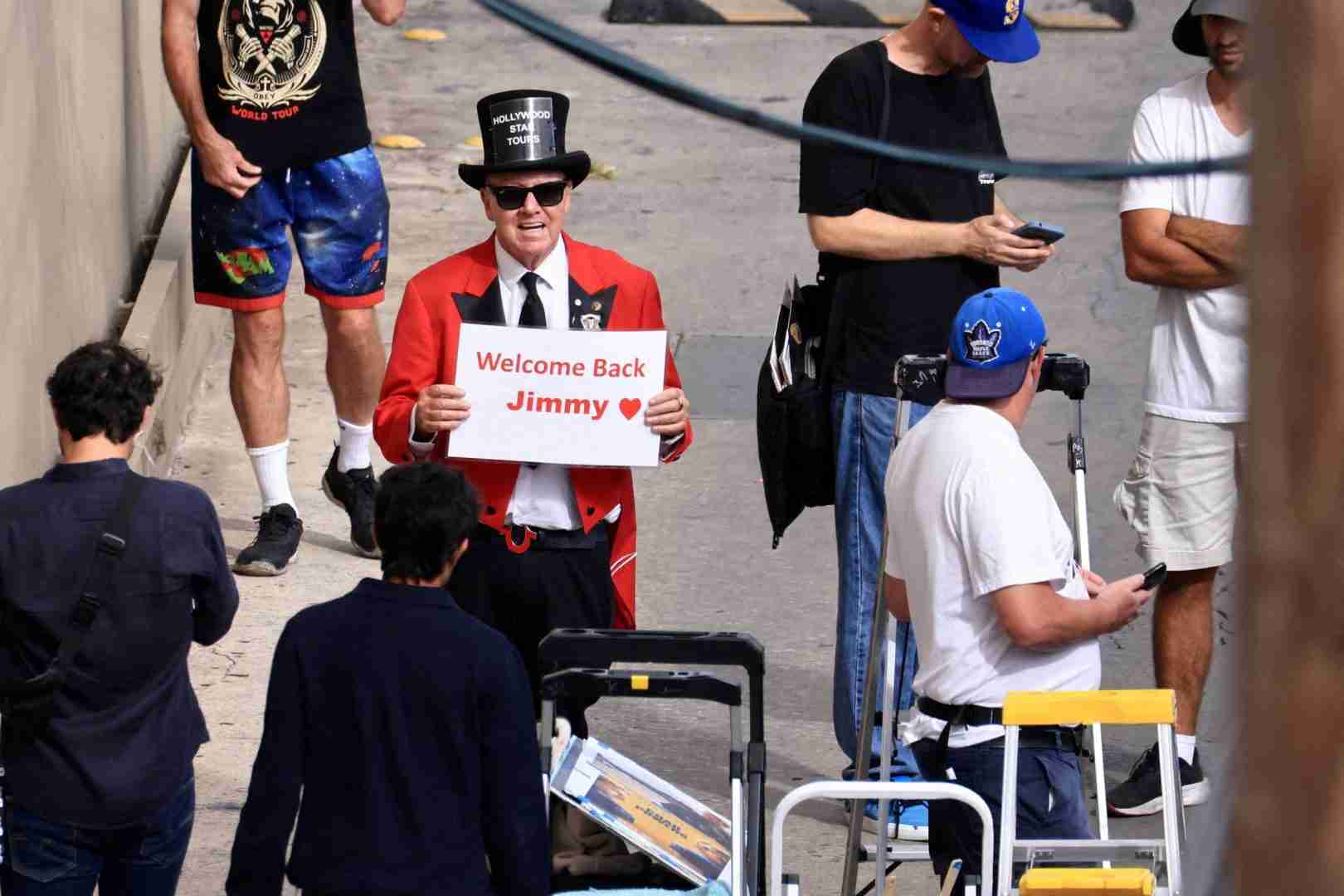
Jimmy Kimmel returned to U.S. late-night television on Tuesday defending political satire against Trump administration “bullying”, six days after his on-air remarks about the murder of right-wing activist Charlie Kirk led Walt Disney to suspend his show.

Disney’s decision to cut short Kimmel’s exile for comments it initially labeled as “ill-timed” and “insensitive” marked a high-profile act of corporate defiance in the face of Trump’s escalating crackdown on perceived enemies in the media through litigation and regulatory threats.

Still, in his first night back on air in nearly a week, Kimmel jockeyed between his usual brand of wry wit and a more sober, sensitive tone addressing the uproar his earlier commentary had unleashed.

“It was never my intention to make light of the murder of a young man. I don’t think there’s anything funny about it,” the “Jimmy Kimmel Live!” host told viewers, his voice choking with emotion, moments after taking the stage to a standing ovation.

“Nor was it my intention to blame any specific group for the actions of what was obviously a deeply disturbed individual – that was really the opposite of the point I was trying to make,” Kimmel, 57, added.

Disney, parent company of the ABC network that airs his show, halted its production on September 17, two days after Kimmel said in his opening monologue that President Donald Trump’s supporters were eager to characterize Kirk’s accused assassin “as anything other than one of them” and accused them of trying to “score political points” from his killing.

The Trump administration and many of its supporters voiced outrage at Kimmel’s comments, which came five days after Kirk, a close Trump ally and radio-podcast host, was shot dead while speaking on the campus of Utah Valley University in Orem, Utah.

In response to Kimmel’s remarks, Federal Communications Commission Chairman Brendan Carr had threatened an investigation and urged television stations to drop Kimmel’s show or face possible fines and revocation of their broadcast licenses.

“We can do this the easy way or the hard way,” Carr said then.

THANKING HIS DETRACTORS

A short time later, Disney announced its immediate, indefinite suspension of Kimmel, sparking a backlash that ultimately grew to include several prominent conservatives who joined Democrats in condemning the FCC for what they branded as attempts at government censorship.

“I want to thank the people who don’t support my show and what I believe but support my right to share those beliefs anyway,” Kimmel said on Tuesday, name-checking such luminaries of the political right as commentators Ben Shapiro and Candace Owens, as well as U.S. Republican Senators Mitch McConnell of Kentucky and Ted Cruz of Texas.

“I don’t think I’ve ever said this before, but Ted Cruz is right,” Kimmel said to laughs.

Disney also faced pressure from consumers protesting Kimmel’s suspension by canceling their subscriptions to the Disney+ streaming channel.

Kimmel joked during the broadcast that Disney only imposed one condition for his return – then pulled a piece of paper from his pocket to read a statement asking viewers to renew their Disney+ service.

Even though Disney has now brought Kimmel back to ABC’s lineup, the two largest television station groups of ABC local affiliates – Nexstar Media Group and Sinclair – were still boycotting his show.

Before Tuesday’s broadcast, Trump opined on his Truth Social online platform that he “can’t believe” ABC gave Kimmel back his show, and hinted at further action against the network.

“Why would they want someone back who does so poorly, who’s not funny, and who puts the Network in jeopardy by playing 99% positive Democrat GARBAGE,” Trump wrote.

“He is yet another arm of the DNC (Democratic National Committee) and, to the best of my knowledge, that would be a major illegal Campaign Contribution. I think we’re going to test ABC out on this.”

‘MUZZLING’ COMEDIANS AND THE PRESS

Kimmel, a four-time Oscars host, said Trump was not just after comedians he disliked, but also journalists, saying of the Republican president: “He’s suing them, he’s bullying them.”

ABC News agreed to donate $15 million to Trump’s presidential library to settle a lawsuit over comments anchor George Stephanopoulos made about the civil case brought against the president by writer E. Jean Carroll.

And Paramount Global paid $16 million in July to settle a lawsuit filed by Trump claiming that the CBS News program “60 Minutes” deceptively edited an interview with former Vice President Kamala Harris that the network broadcast in October.

The same month, Paramount announced it was canceling “The Late Show” hosted by comedian Stephen Colbert on CBS. The network said it was a business decision but critics widely saw it as part of a move to please Trump.

“I know that’s not as interesting as muzzling a comedian, but it’s so important to have a free press, and it is nuts we’re not paying more attention to it,” Kimmel said.

Dispelling any notion he might pull his punches when it came to lampooning Trump on Tuesday, Kimmel opened the show quipping, “I’m not sure who had a weirder 48 hours – me or the CEO of Tylenol,” a reference to Trump’s announcement that linked autism to the use of the popular pain medication by women when they’re pregnant.

“Follow the advice of Donald Trump, and you too can look like a glazed ham with deep vein thrombosis,” Kimmel joked. “This is Tylenol. We’re talking about the thing that you take when they won’t let you take anything that works.”

Near the end of his monologue, Kimmel returned to the subject that got him briefly banished from late night TV, saying that he was “deeply” moved by the forgiveness Kirk’s widow, Erika Kirk, has voiced for her husband’s 22-year-old accused killer, an expression the host called “a selfless act of grace.”

“And if there’s anything we should take from this tragedy to carry forward, I hope it can be that,” he said, his eyes again welling with tears.

Reporting by Dawn Chmielewski, Steve Gorman and Jane Ross in Los Angeles; Additional reporting by David Shepardson in Washington; Editing by Matthew Lewis, Christopher Cushing and Michael Perry

Dollar edges up after Powell reiterates caution over further easing

The euro, meanwhile, remained largely unchanged by data that showed German business morale fell unexpectedly in September

International News via Reuters:

The U.S. dollar edged higher on Wednesday, rebounding from its lowest level in nearly a week, after Federal Reserve Chair Jerome Powell struck a cautious tone on further easing overnight, though markets still priced in two more rate cuts this year.

The euro, meanwhile, remained largely unchanged by data that showed German business morale fell unexpectedly in September, with Ifo’s business climate index dropping to 87.7 from 88.9 in August amid a weak economic outlook.

It was last down 0.4% at $1.177, but was relatively steady against other currencies, like the pound and the Swiss franc, highlighting investor buying of the dollar. Sterling declined 0.3% to $1.34820.

Key for markets now is the expectation of quarter-point rate cuts at the remaining two Fed meetings this year and another in the first quarter of 2026, in line with the central bank’s guidance after last week’s meeting.

This week’s U.S. data will be in focus, particularly Friday’s release of the personal consumption expenditures (PCE) price index, a key input for shaping expectations on the Fed’s next policy steps.

“We still see the balance of risks as skewed to the downside for the dollar into the core PCE release at the end of this week, with a 0.2% MoM print cementing expectations for two Fed cuts this year. That is, unless the geopolitical picture in Europe deteriorates,” said Francesco Pesole, FX strategist at ING.

He added that moves in the dollar were contained, given Powell essentially reiterated the cautious view he offered last week.

At that time, the dollar bounced back from its lowest level since early 2022 after the Fed’s policy announcement and Powell’s subsequent news conference, which fell short of the market’s more dovish expectations following a recent, sharp weakening of the labour market.

US DOLLAR INDEX ADDS 0.35%

The U.S. dollar index, which measures the currency against six major rivals, added 0.35% on Wednesday to trade at 97.575, attempting to claw back ground after two straight losing sessions in which it touch its lowest since Thursday at 97.198 overnight.

“Powell acknowledged the absence of risk-free policy options, warning that premature easing could entrench inflation whilst excessive monetary restriction might unnecessarily damage employment prospects,” said James Kniveton, senior corporate forex dealer at Convera.

Against the yen, the dollar added 0.29% to 148.065 yen.

Candidates for the next leader of Japan’s ruling Liberal Democratic Party answered journalists’ questions on Wednesday.

Frontrunner Sanae Takaichi, a fiscal and monetary dove, said monetary policy was up to the Bank of Japan but higher rates could affect mortgages and corporate investment.

Elsewhere, Australia’s dollar rose 0.23% to $0.66140, erasing an earlier small loss, after the consumer price index (CPI) climbed to 3% in August from 2.8% in July, slightly above the 2.9% median forecast and less than a week before the Reserve Bank’s next policy meeting.

However, the data picture was complicated by a key measure of core inflation easing back to 2.6%.

Traders slightly pared back bets for a rate cut by year-end to about 33%, according to LSEG data. Markets continue to expect no change to policy on September 30.

Data suggest sticky prices could hinder the RBA’s ability to deliver rate cuts to support a weak labour market, though the jump in headline inflation is largely due to expiring energy subsidies and may not be as bad as it looks, said Kyle Rodda, an analyst at Capital.com.

New Zealand’s dollar held steady at $0.5851 after the appointment of a new central bank chief.

New Zealand Finance Minister Nicola Willis on Wednesday announced that Swedish central banker Anna Breman has been appointed as the next Reserve Bank governor, becoming the first woman in the role. She takes over from December 1.

Additional reporting by Kevin Buckland in Tokyo; Editing by Sam Holmes, Lincoln Feast, Amanda Cooper and Ed Osmond

Carabao Cup: Cardiff City Stun Burnley in Cup Upset

Brilliant saves by Bermudian Nathan Trott played a key role in Cardiff victory

Cardiff City has pulled off a significant upset in the Carabao Cup, defeating Premier League side Burnley 2-1 at Turf Moor to advance to the quarter-finals. The victory was a hard-fought one, with the League One team showing both clinical finishing and steely resolve against top-flight opposition.

Bermudian goalkeeper Nathan Trott was a central figure in the win, delivering a performance of redemption after an early error.

The Bluebirds took a commanding lead in the first half with goals from Joel Colwill and Callum Robinson, putting them in a strong position. However, Burnley came back in the second half, with Zian Flemming scoring to cut the deficit.

This is when the match turned into a test of character for Cardiff, and Trott in particular. Despite an earlier miscue that led to Burnley’s goal, the Bermudian keeper atoned with a string of brilliant saves, denying several clear-cut chances from the home side, including two vital stops against Mike Tresor.

Cardiff held on through a late onslaught, with their resolute defence and Trott’s heroics ensuring they secured a famous win and a place in the last eight of the competition.

Exclusive-Brazil to invest $1 billion in global forest fund, sources say

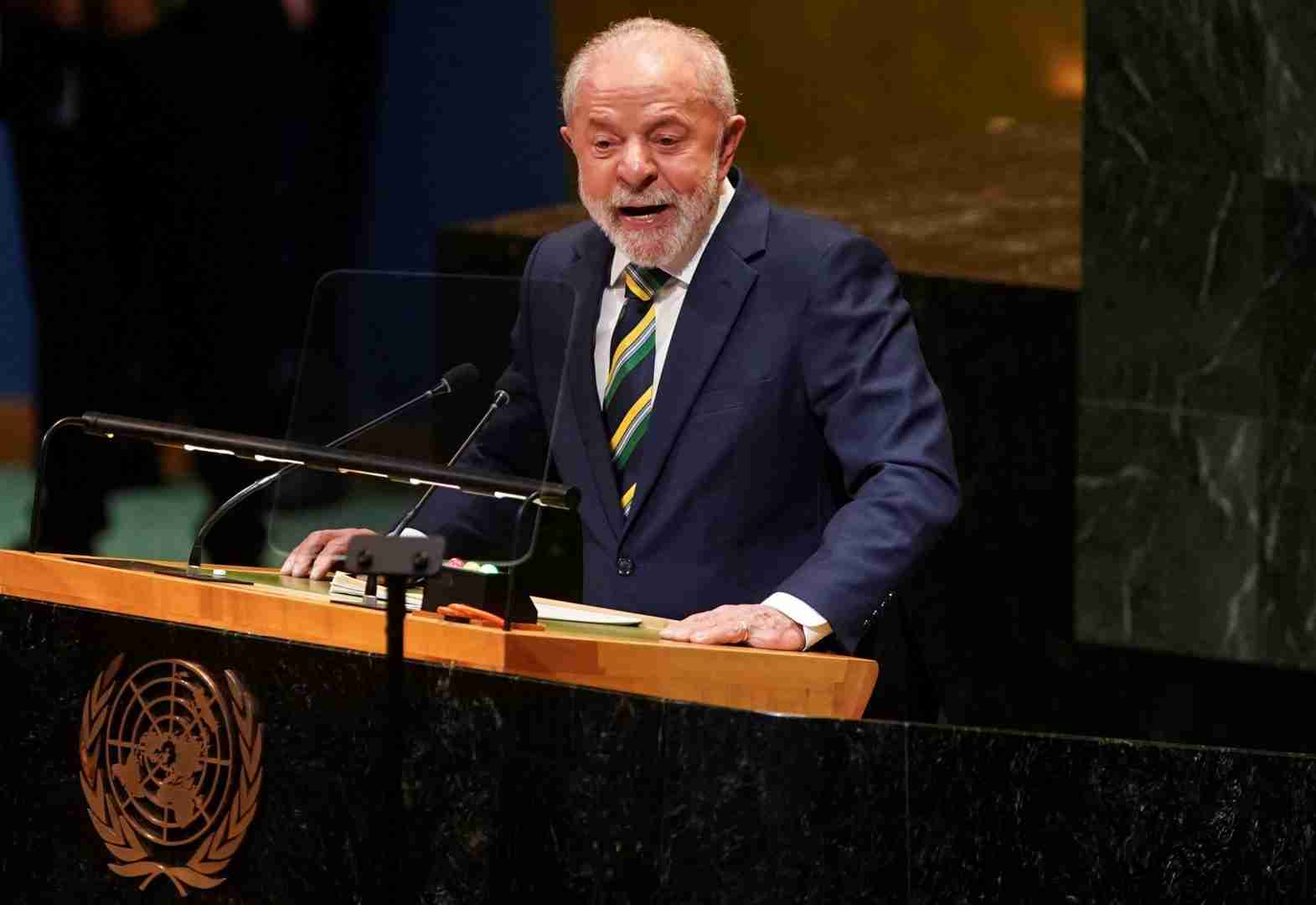
The investment will be announced by Brazilian President Luiz Inacio Lula da Silva later on Tuesday at a United Nations event in New York

International News via Reuters:

Brazil will announce a $1 billion investment in the Tropical Forests Forever Facility, a multilateral funding mechanism it has proposed to support conservation of endangered forests, two people with knowledge of the plans told Reuters.

The investment will be announced by Brazilian President Luiz Inacio Lula da Silva later on Tuesday at a United Nations event in New York, the sources added, making Brazil the first country to commit a contribution to the forest fund.

Sources said the move aims to unlock more contributions from both wealthy and developing economies, which have been at odds about funding global climate policy.

The TFFF has received initial signs of support from nations such as China, the United Kingdom, France, Germany, Norway, Singapore and the United Arab Emirates, according to people involved in the negotiations.

Policymakers envision the TFFF as a $125 billion fund combining sovereign and private-sector contributions that would be managed like an endowment, paying countries annual stipends based on how much of their tropical forests remain standing.

To achieve that lofty target, Brazil needs governments and major philanthropies to contribute the first $25 billion, which could then attract another $100 billion from private investors, under preliminary estimates.

Reporting by Lisandra Paraguassu in BrasiliaWriting by Manuela AndreoniEditing by Brad Haynes and Nia Williams

Gradual rollout of digital EU border system will avoid UK disruption, says Eurotunnel

On October 12, the EU will launch its much delayed new Entry/Exit System for UK and non-EU nationals

International News via Reuters:

The European Union’s plan for a phased rollout from next month of its new post-Brexit digital border system should help prevent long queues and confusion at the UK border, the boss of Channel Tunnel operator Eurotunnel said on Tuesday.

On October 12, the EU will launch its much delayed new Entry/Exit System for UK and non-EU nationals – an automated system that requires travellers to register at the EU border by scanning their passport and having their fingerprints and photograph taken.

EES will eventually replace passport stamping for all non-EU citizens, helping the bloc track compliance with its 90-day visa-free travel rule and strengthen border controls.

The EU will phase the new system in over six months, meaning different ports and airports may have varying requirements until April 2026.

EUROTUNNEL OPERATOR CONFIDENT THERE WON’T BE DELAYS

For British travellers using the Eurotunnel at Folkestone, the Port of Dover, or Eurostar at St Pancras International – the so-called “juxtaposed” ports – the process will take place at the border before they leave the UK.

At both the Eurotunnel terminal and Port of Dover only freight and coach traffic will be subject to EES checks from October 12.

Passenger vehicle checks will follow in November at Dover and by the end of the year at Eurotunnel.

“You will not see any delays because it will be a gradual introduction of EES … We are very confident there will be no issue,” Yann Leriche, CEO of Eurotunnel operator Getlink, told Reuters.

Authorities will be able to suspend checks for short periods if processing times become excessively long, he said, referring to French border officials.

“If there is any unforeseen issue in the field… the authorities will decide to go as slow as needed to make it work, so that after six months it will be perfectly manageable.”

EES will be a requirement when entering Schengen area countries, which also include non-EU nations such as Iceland, Liechtenstein, Norway and Switzerland, but is not applicable to EU members Ireland and Cyprus.

EES is a precursor to an enhanced system, the European Travel Information and Authorisation System, which will also require non-Schengen area citizens to pay a fee before they travel.

Since April, European visitors to Britain have had to purchase an electronic permit in advance for trips.

($1 = 0.7422 pounds)

Reporting by James DaveyEditing by Ros Russell

‘How do we stop the flow into Westgate?’

In an extended interview, the Attorney General cites links between juvenile crime and adult incarceration

How do we stop the “flow of people entering Westgate”?

That’s a question Attorney General Kim Wilkerson has been asking, as Government looks at amending parental laws to help steer youth away from a potential life of crime.

Speaking to Gary Foster Skelton in an extended interview, the AG cited overseas studies showing a link between juvenile crime and adult incarceration – making it all the more important to take preventative measures now.

Ms Wilkerson also talked about the need to support parents who are struggling, and crating judicial paths to direct at-risk youth into transformative programmes. (WATCH above)

Major automakers call for EPA to ease tailpipe emissions rules

They argue rules finalized last year under President Joe Biden are no longer feasible

International News via Reuters:

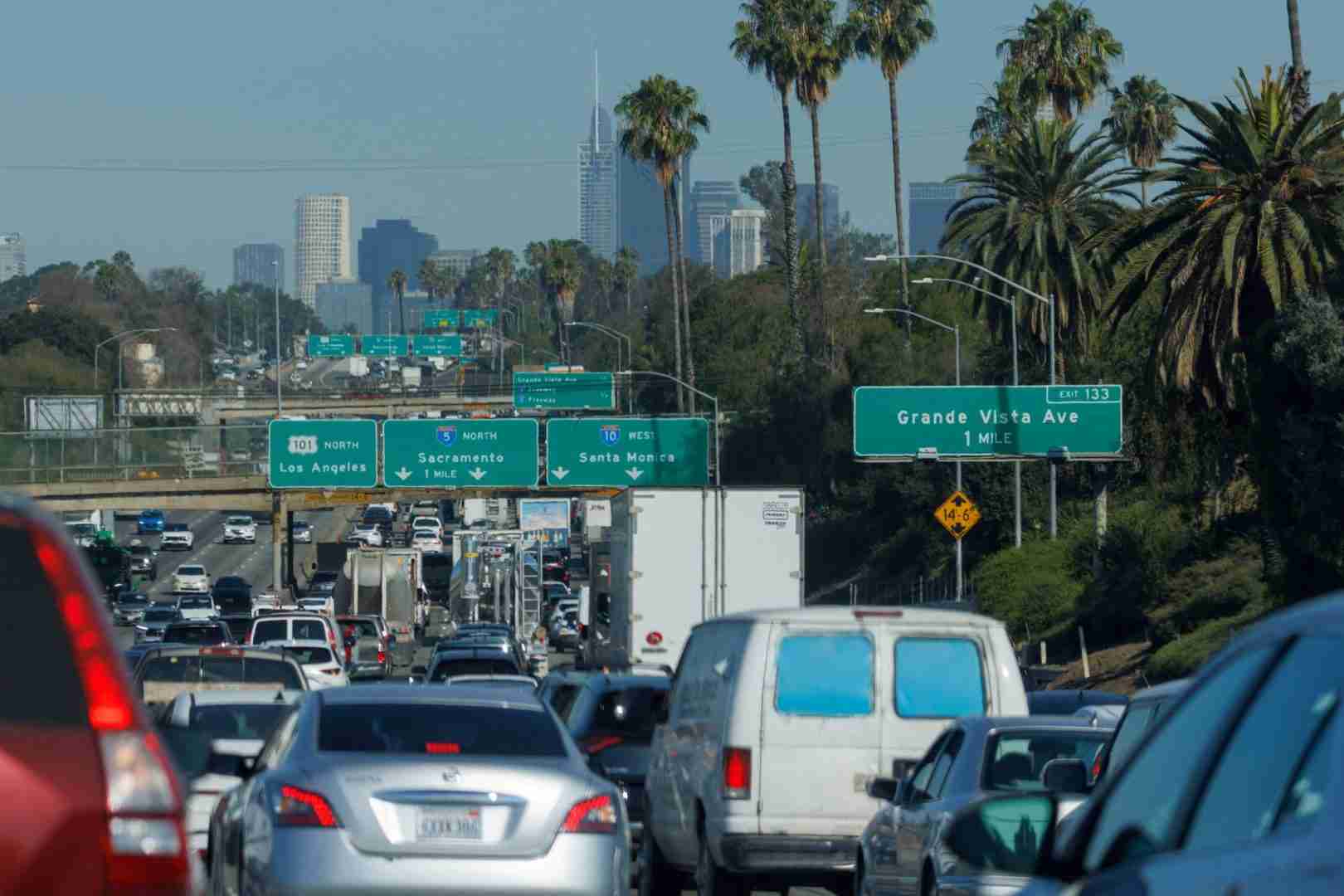
A group representing nearly all major automakers asked the Trump administration Tuesday to roll back aggressive vehicle emissions limits that seek to force the industry to build a rising number of electric vehicles.

The Alliance for Automotive Innovation, which represents General Motors, Toyota Motor, Volkswagen, Hyundai and other major automakers, said in a filing with the Environmental Protection Agency that legislation signed by President Donald Trump in June will increase the effective price of EVs and could lead to a near-term decline in EV market share.

They argue rules finalized last year under President Joe Biden are no longer feasible.

“The 2027 and later standards are simply not achievable in light of significant market, charging infrastructure, supply chain, affordability, and other challenges as well as recent policy changes enacted,” the group said.

The 2024 Biden rules aim to cut passenger vehicle fleetwide tailpipe emissions by nearly 50% by 2032 compared with 2027 projected levels. The EPA forecast between 35% and 56% of new vehicles sold between 2030 and 2032 would need to be electric.

On Sept. 30, the $7,500 EV tax credit expires and automakers warn that “a significant portion” of automakers may lose a battery production tax credit for EVs typically worth $3,000 per year next year under the law.

“This harms not only the automotive manufacturers that have spent hundreds of millions of dollars investing in electric vehicle technology, but also the entire supply chain that has supported these initiatives,” the group said.

In July, the EPA proposed rescinding the long-standing finding that greenhouse gas emissions endanger human health, removing the legal foundation for all U.S. greenhouse gas regulations, a move that would end current limits on greenhouse gas pollution from vehicle tailpipes.

Democrats in Congress and environmental groups have called on the EPA to drop its plan and retain the rules.

Automakers argue the EPA should still rewrite the Biden rules, saying they “still need to be revised to feasible levels to provide certainty for the industry.” The group said “such a contingency plan will be critical if motor vehicle GHG standards are retained or reinstated in some way.”

Reporting by David Shepardson, Editing by Franklin Paul and Nick Zieminski