Wednesday, November 11, 2026
Home Blog Page 472

UK examining Epstein’s use of airport for trafficking

Essex Police said on Wednesday they were looking at information that had emerged about private flights into and out of Stansted Airport, to the northeast of London
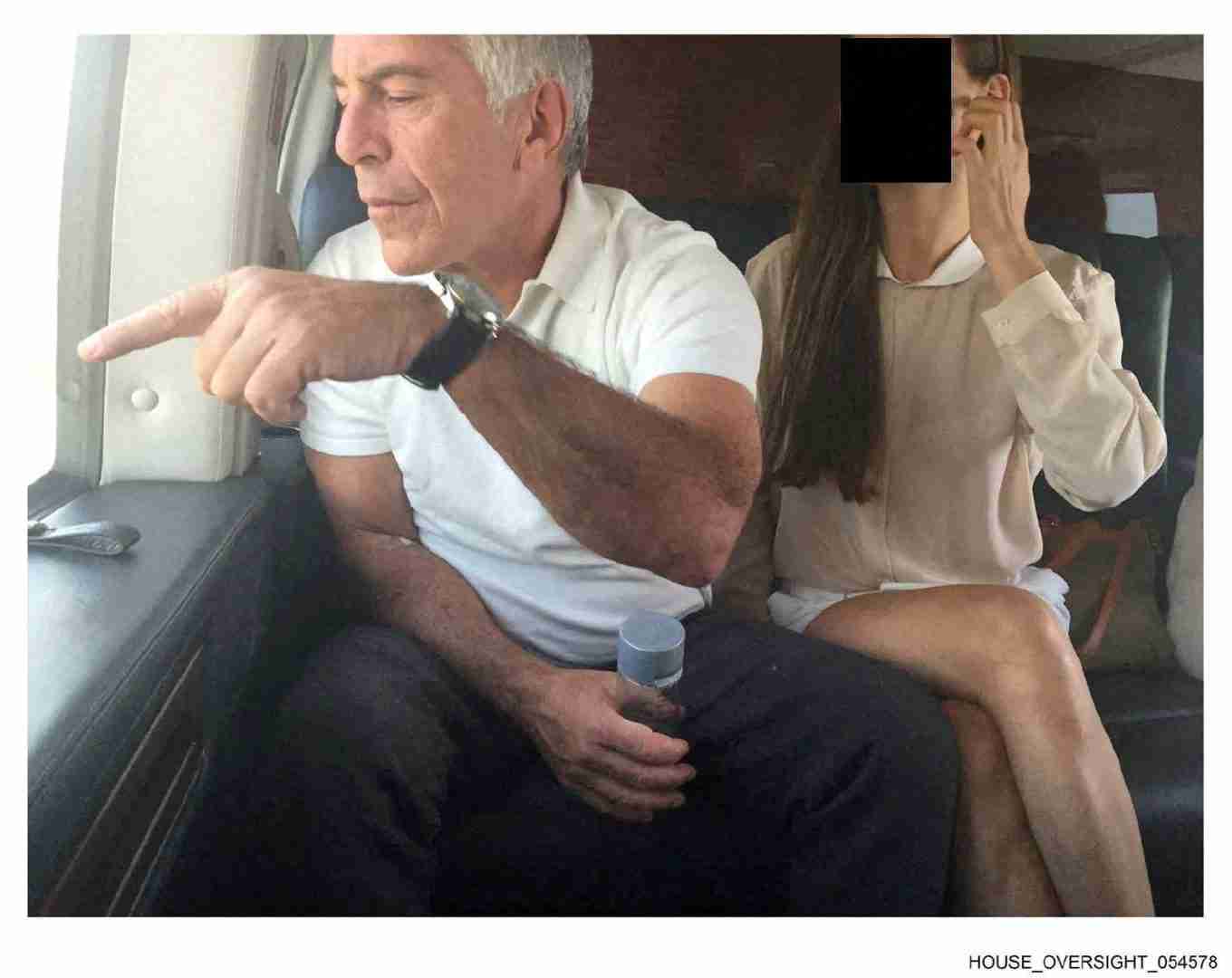
FILE PHOTO: Late financier and convicted sex offender Jeffrey Epstein appears with a woman, whose identity has been obscured, in this image from the Epstein estate released by House Oversight Committee Democrats in Washington, D.C., U.S., on December 18, 2025. House Oversight Committee Democrats/Handout via REUTERS/File Photo

International News via Reuters:

British police are assessing whether Jeffrey Epstein trafficked women through a London airport on private flights, part of a now nationally coordinated effort to investigate the late sex offender’s ties to Britain. 

Essex Police said on Wednesday they were looking at information that had emerged about private flights into and out of Stansted Airport, to the northeast of London, following the publication by the U.S. government of millions of documents on Epstein at the end of January.  

Its assessment, which does not constitute a full investigation, comes after British police set up a national coordination group to support individual forces examining Epstein’s ties to Britain or British people. 

“We continue to work collaboratively to assess the details being made public to allow us to understand any potential impact arising from the millions of documents that have been published,” the National Police Chiefs’ Council (NPCC) said in a statement.

FURORE IN BRITAIN

The Epstein furore has already had a major impact in Britain. 

Two police forces are looking into the former British ambassador to the U.S., Peter Mandelson, and the younger brother of King Charles, Andrew Mountbatten-Windsor, over allegations of misconduct in public office. The Epstein files suggested both had forwarded confidential government documents to the late U.S. financier.

Both men have denied any wrongdoing and said they regret their friendships with Epstein, but they have not responded to specific requests for comment after the latest files were published.

The BBC reported last year that incomplete flight logs and manifests recorded that 87 flights linked to Epstein had arrived or departed from British airports between the early 1990s and 2018, with unidentified “females” listed among the passengers.

Documents in the Epstein files show multiple references to Stansted, including one that discussed whether a Russian woman with a U.S. visa could switch planes at the airport. The files also include tens of references to UK visas.     

Stansted Airport said in a statement that private flights were not managed by the terminal it operates, and that Border Force was responsible for immigration and customs checks.  

According to Border Force rules, all individuals arriving in Britain are subject to thorough checks.     

Reporting by Muvija M; additional reporting by Sam Tabahriti; writing by Kate Holton
Oil gains as traders weigh progress in Russia-Ukraine and US-Iran talks

Brent crude oil futures rose 78 cents or 1.2% to $68.20 a barrel by 1052 GMT, while U.S. West Texas Intermediate (WTI) crude was up 73 cents or 1.2% at $63.06

International News via Reuters:

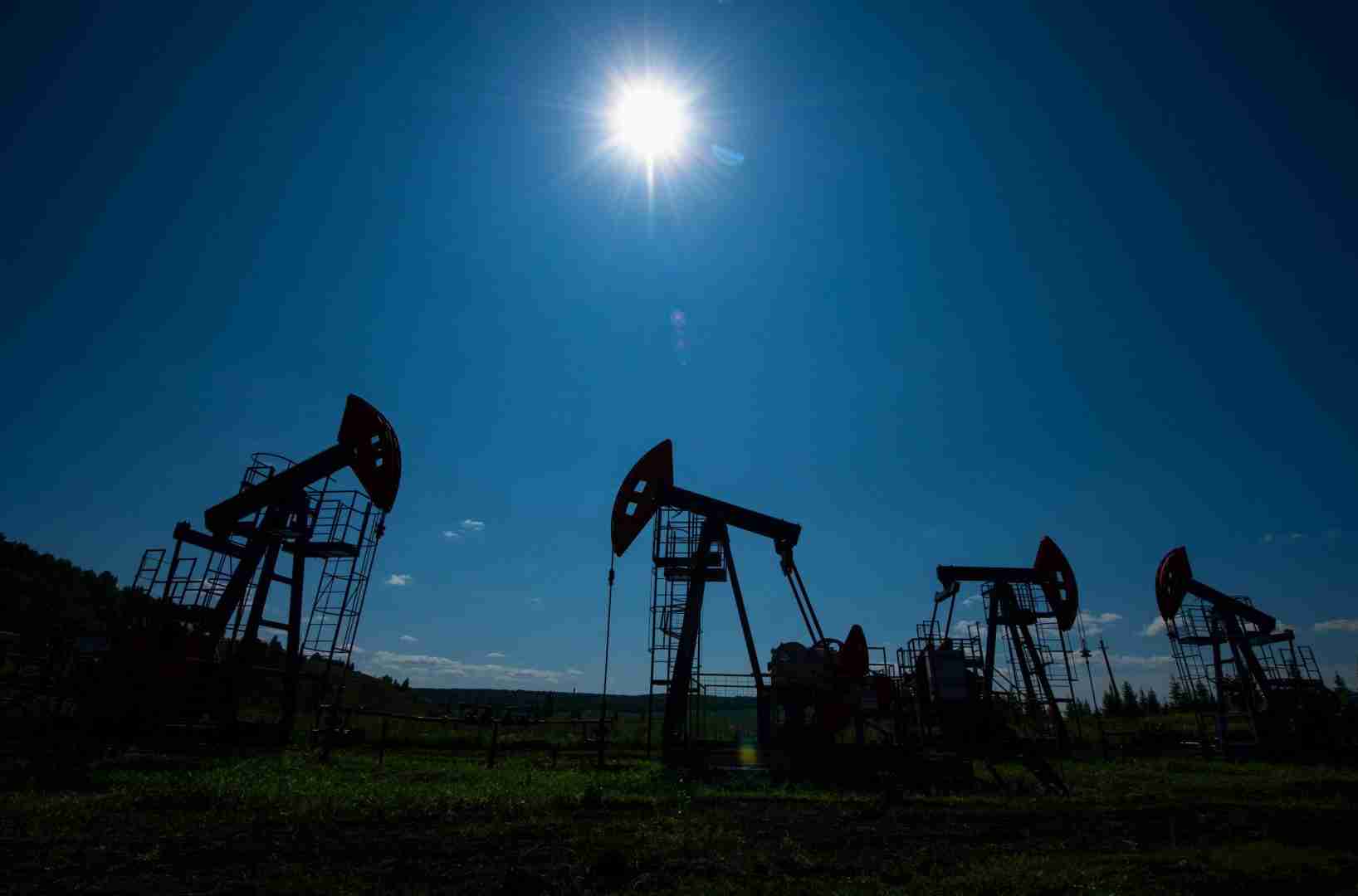
Oil prices gained over 1% on Wednesday after falling in the previous session as investors assessed developments in Russia-Ukraine and U.S.–Iran talks.

Brent crude oil futures rose 78 cents or 1.2% to $68.20 a barrel by 1052 GMT, while U.S. West Texas Intermediate (WTI) crude was up 73 cents or 1.2% at $63.06.

Keeping a risk premium on prices was the abrupt end of peace talks between Ukraine and Russia in Geneva on Wednesday after only two hours. Ukrainian President Volodymyr Zelenskiy said that the discussions had been difficult and accused Russia of deliberately seeking to delay progress toward a deal to end the four-year-old war.

Russia’s chief negotiator Vladimir Medinsky said the talks had been difficult but business-like, and that a new round of talks would be held soon.

The U.S.-mediated peace talks in Switzerland have been taking place as U.S. President Donald Trump has twice in recent days suggested it was up to Ukraine and Zelenskiy to take steps to ensure the talks were successful.

On Tuesday, oil prices fell after Iran and the U.S. reached an understanding on “guiding principles” in talks aimed at resolving their longstanding nuclear dispute, though that does not mean a deal is imminent, Iranian Foreign Minister Abbas Araqchi said.

Just as talks began on Tuesday, Iranian state media said Iran was temporarily shutting parts of the Strait of Hormuz, a vital global oil supply route, due to “security precautions” while its elite Revolutionary Guards conducted military drills there. Later, state media said the strait had been shut down for a few hours, without making it clear if it had fully reopened.

“Iran knows Trump’s negotiation tactics now. It also knows that a disruption in oil exports out of the Strait of Hormuz and a rally in the oil price to $150 per barrel is the very last thing Trump wants,” said SEB chief commodities analyst Bjarne Schieldrop in a note. “Iran has time to negotiate in calmness.”

Iran and Russia will conduct navy drills in the Sea of Oman and the northern Indian Ocean on Thursday, the Iranian semi-official Fars news agency reported, a few days after Revolutionary Guards conducted military drills in the Strait of Hormuz. 

Political consultancy Eurasia Group said in a Tuesday note to clients that it thinks there is a 65% probability of U.S. military strikes against Iran by the end of April.

Investors will watch for weekly reports by the American Petroleum Institute, due later in the day, and the Energy Information Administration, the statistical arm of the U.S. Department of Energy, on Thursday. Analysts polled by Reuters estimated that U.S. crude oil stockpiles likely rose last week, while distillate and gasoline inventories probably fell.

Reporting by Stephanie Kelly in London, Mohi Narayan in New Delhi and Katya Golubkova in Tokyo; Editing by Edwina Gibbs, Kim Coghill, Philippa Fletcher

UK’s FTSE 100 touches record high as cooling inflation fuels rate‑cut bets; BAE shines

The blue-chip index FTSE 100 rose to an intraday record high, up 1% at 10,666.68 points as of 1105 GMT, while the FTSE 250 midcap index inched up 0.2% to trade at a four-year high

International News via Reuters:

The UK’s FTSE 100 touched a fresh peak on Wednesday as domestic inflation cooled last month, strengthening expectations of an interest rate cut as soon as March, while defence stocks drew comfort from BAE Systems’ strong results.

The blue-chip index FTSE 100 rose to an intraday record high, up 1% at 10,666.68 points as of 1105 GMT, while the FTSE 250 midcap index inched up 0.2% to trade at a four-year high.

British inflation slowed to 3.0% in January, its lowest in nearly a year, helped by softer rises in transport, food and non-alcoholic drinks, according to the Office for National Statistics.

Sterling was little changed against the dollar as traders priced in almost an 80% chance of a March reduction in borrowing costs. A soft labour market report on Tuesday had pressured the currency.

Meanwhile, defence stocks rose 2.5%, with BAE Systems jumping 3.4% after reporting a better-than-expected jump in full-year operating profit, as global demand swelled its order backlog to a record 83.6 billion pounds ($113.40 billion).

Glencore, fresh from a failed takeover approach from bigger rival Rio Tinto, rose 2.7% after the miner reported slightly lower annual earnings and announced a $2 billion shareholder payout.

Energy stocks rose 1.3%, as oil prices rebounded from Tuesday’s drop, as investors assessed progress in U.S.-Iran talks but remained cautious about the prospects of a final deal that could ease supply concerns. [O/R]

Shares in Raspberry Pi surged for a second day, last gaining 26%, fuelled by chatter that its products could benefit from low-cost artificial-intelligence projects.

Reporting by Tharuniyaa Lakshmi in Bengaluru; Editing by Leroy Leo

Ministry addresses Prospect School incident

Lockdown procedures followed after minor seen with suspected firearm – later confirmed by police to be fake

The Government issued the following media release.

The Ministry of Youth, Social Development and Seniors confirms that the safety and well-being of students and staff remain its top priority following an incident on February 16, 2026, at Prospect Primary School involving a young person on the grounds with what appeared to be a firearm.

The incident occurred while supervised youth programmes were underway in designated areas. As soon as staff became aware of a potential safety concern, they activated established emergency procedures. Children were secured indoors, lockdown protocols were followed, and all participants were accounted for. No injuries were reported.

Initial information indicates that the minor involved was not part of any programme operating at the school.

Ministry representatives attended the site that evening and again the following morning to support staff and review the response to ensure all safety measures were properly followed.

The Ministry understands the concern this may cause and reassures families that the safety and well-being of young people remain its priority.

The Ministry commends staff and students for their calm and responsible actions. Senior leadership will remain engaged with the programme and will continue to update parents, staff, and partner agencies as verified information becomes available.

Regiment recruits put to the test

Stormy field exercise challenges new soldiers during training

New Royal Bermuda Regiment (RBR) recruits faced stormy weather and mock confrontations with enemy targets when they took to the field for a test of their mettle this week.

The cohort of 22, joined by 12 people from the Turks and Caicos Islands (TCI) Regiment, embarked on Exercise First Encounter, which combines instruction with a scenario-based patrol activity.

They left Warwick Camp yesterday [Monday] for a training area on the South Shore, where the rookie soldiers learnt about hand signals, camouflage and concealment, duties of a sentry and methods of movement.

Lightning flashed and thunder rumbled across the South Shore as recruits carried out a nighttime observation exercise and established a harbour area.

The troops spent a night under the stars before further instruction this morning [Tuesday] on firing from different positions.

Their new skills were put to the test with the patrol exercise, during which they were asked to react to the presence of an enemy and make use of cover to appropriately return fire.

Sgt McLaren Smith, the exercise conducting officer, said: “The purpose was to take the soldiers a stage further with everything that they’ve learned over the past 24 hours; this was their confirmation exercise.”

He explained that by simulating a battle environment, the troops could be tested on how they respond under pressure.

“For recruits, they did fairly well,” Sgt Smith added. “There was some hesitancy, but they got through their drills.

“They’ve come a long way since they started almost ten days ago.”

Recruit Yaiisa Russell, from Warwick, joined the RBR to challenge herself and do something different.

The 21-year-old said that the rigours of training combined with lack of sleep were physically demanding but she is enjoying a sense of achievement.

Of her time in the field, she added: “We camped out and there was a thunderstorm, so that was a lot. We set up our tents, stayed the whole night, which was a very original experience.

“The storm was horrendous, but we just had to persevere.”

Ms. Russell believes that troops have already increased their resilience and ability to cope with challenging circumstances.

TCI Regiment recruit Nikito Balbuena, 25, said that by enlisting he hoped to “upgrade” his life.

“Really I just love the military,” he added. “It has been a little tough – very tiring, very taxing but I’m trying to push through it.”

Mr. Balbuena said: “I can say I was a bit relaxed up to this point, now I think I’m on point. I’m always ready for anything.”

RBR recruit Christian Smith, 31, from St George’s, has enjoyed the structure and organisation of regimental life, as well as fitness-related activities.

“I like the bleep test, the push-ups, even the battle run – anything physical,” he said.

Activities scheduled for Wednesday include a personal fitness assessment and live firing on the range at Warwick Camp, with a foot drill test on the agenda for Thursday.

  • For information on joining the Royal Bermuda Regiment, visit rbr.bm, call 238-1045 or contact the Recruiting Team at rbr.recruiting@gov.bm.

Harbour Road collision temporarily disrupted traffic

Traffic diverted in Paget before roadway reopened ahead of rush hour yesterday

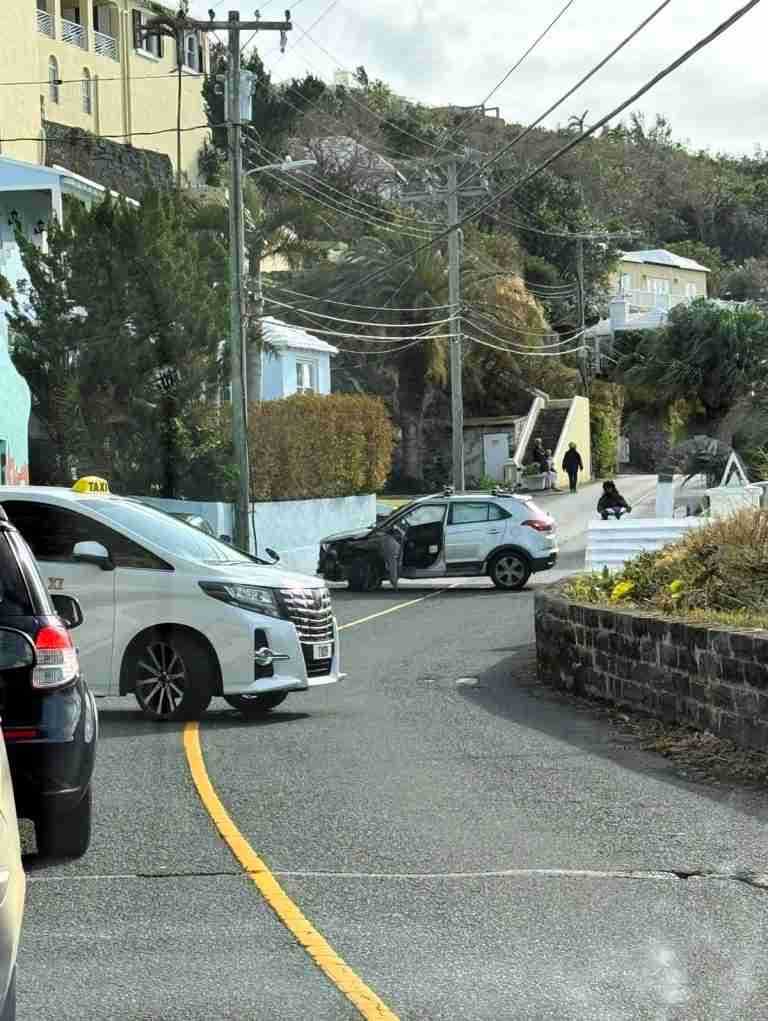
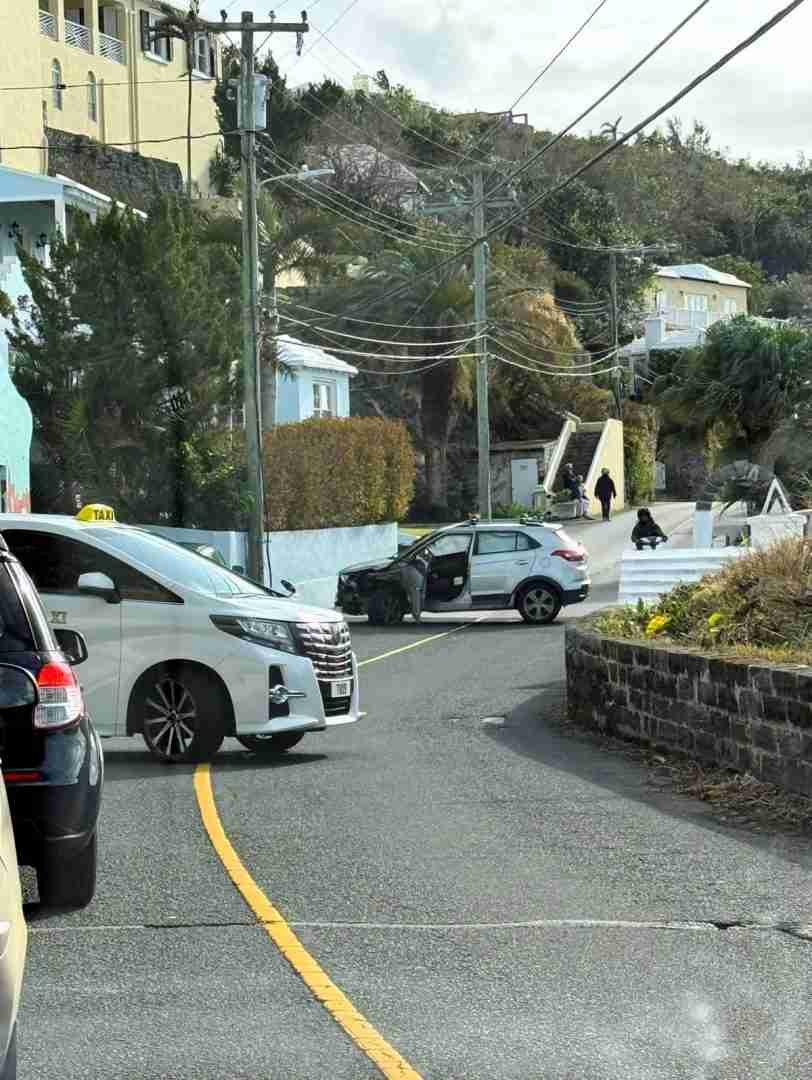
A section of Harbour Road was closed to motorists yesterday afternoon following a traffic collision.

The incident occurred shortly after 4 pm between Valley Road and Chapel Road in Paget.

Police diverted traffic at both junctions, and the roadway was reopened before the evening rush hour, shortly before 5 pm.

It is unclear whether anyone was injured.

Climate crossroads: a decade after the Paris Agreement

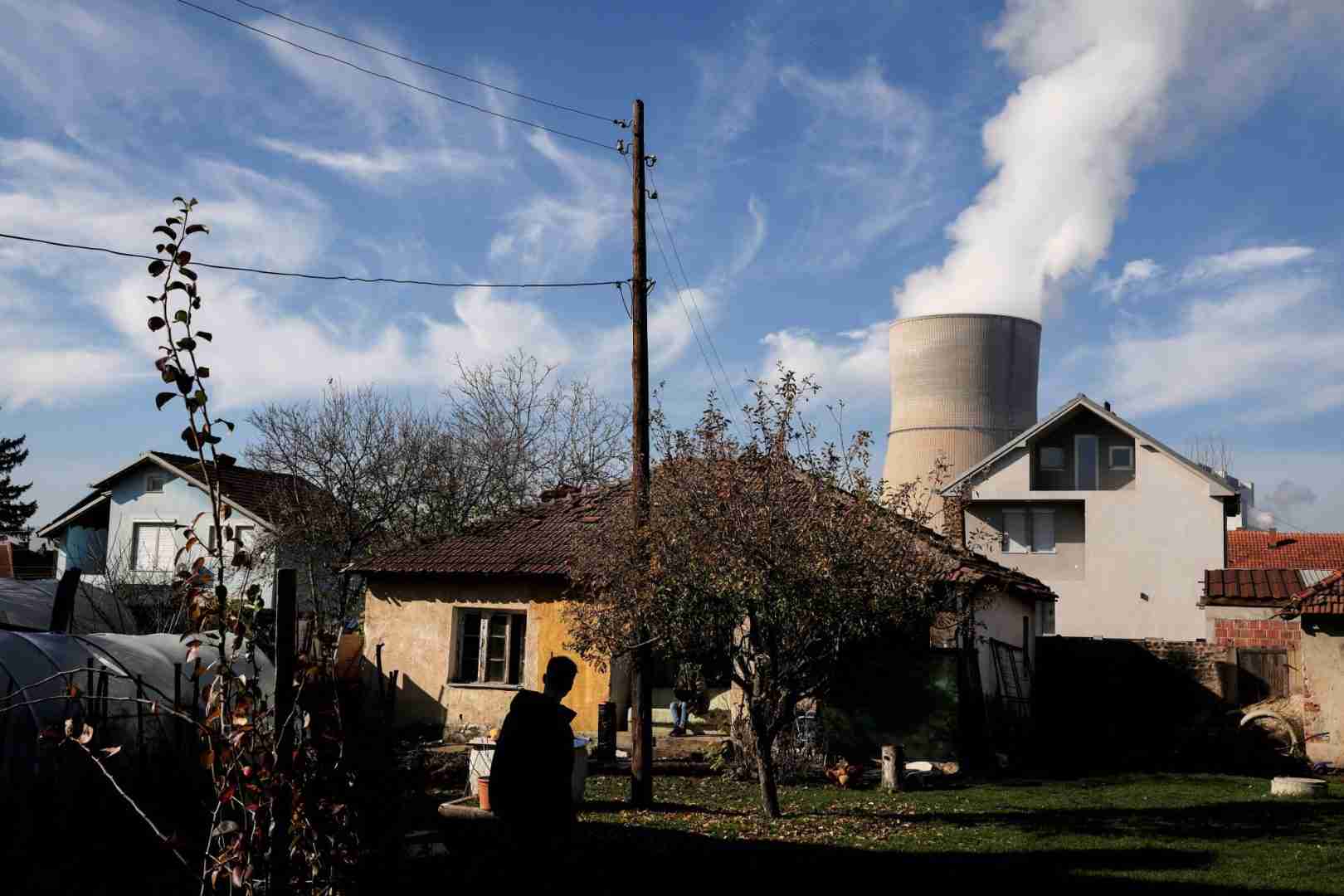
Efforts to limit climate-damaging fossil fuels have not been enough and the world is on course to miss its climate goals

International News via Reuters:

Ten years after the Paris Agreement took effect, newly released climate datasets show the world warming at an accelerating pace, with 2025 ranking among the three hottest years ever recorded, and sea‑ice, ocean heat and sea levels crossing new thresholds. 

Efforts to limit climate-damaging fossil fuels have not been enough and the world is on course to miss its climate goals. Data from some of the world’s leading scientific agencies show global warming has sped up markedly since the mid‑2010s.  

EMISSIONS: A WIDENING GAP 

The World Meteorological Organization’s Global Atmosphere Watch network shows concentrations of carbon dioxide, methane and nitrous oxide climbing to record highs, driving the temperature spike observed from 2023 to 2025, scientists say. 

Global fossil fuel carbon dioxide emissions were projected to climb to a record 38.1 billion tonnes in 2025, driven by rising coal, oil and gas use despite rapid growth in renewable energy, according to the latest Global Carbon Budget report. 

The report – produced by an international team of more than 130 scientists – estimated global fossil fuel CO₂ emissions would rise 1.1% in 2025, pushing atmospheric CO₂ concentrations to roughly 52% above pre‑industrial levels.  

Researchers warn there is only room for about 170 billion more tonnes of CO₂ – equivalent to roughly four years of emissions at current rates – if the world wants to cap global warming at 1.5° Celsius above the pre-industrial average. 

Regional trends are mixed: emissions were projected to increase in 2025 in China, India, the United States and the European Union, while falling in Japan.

TEMPERATURES: A DECADE OF ACCELERATION 

NASA’s Goddard Institute for Space Studies said the Earth’s surface in 2025 was 1.19°C above the 1951–1980 average, effectively tying with 2023 as one of the warmest years ever measured.  

The WMO’s consolidated dataset places 2025 at 1.44°C above pre‑industrial levels, ranking it among the top-three warmest years over the 176 years of recorded temperatures. [nasa.gov] [wmo.int] [berkeleyearth.org] 

ARCTIC: RAPID COLLAPSE OF SEA ICE 

The U.S. National Oceanic and Atmospheric Administration’s 2025 Arctic Report Card confirmed that October 2024–September 2025 was the warmest period since 1900, and the region continues to warm more than twice as fast as the global average.  

Sea‑ice extent reached the lowest winter maximum ever recorded in March 2025, at about 14.47 million square kilometers, according to the U.S. National Ice Center.  

OCEANS: HEAT AND RISING SEAS 

The oceans absorbed record amounts of heat in 2025, setting a new global high for upper‑ocean heat content, according to NOAA and Berkeley Earth.  

Sea levels, measured by tide gauges and satellites, continue to rise. The Intergovernmental Panel on Climate Change projects a 0.20–0.29 meter rise by 2050 relative to 1995–2014.

Reporting by Canan Sevgili, Vera Dvorakova, Lucie Barbier and Alessandro Parodi; Editing by Simon Jessop and David Holmes

Youth employment leader honoured

Tarik Bean-Darrell recognised with Public Service Excellence Award

Images and media release supplied by the Government of Bermuda.

The Government of Bermuda is pleased to congratulate Mr. Tarik Bean-Darrell of the Department of Workforce Development as the recipient of the January Public Service Excellence Award (PSEA).

Mr. Bean-Darrell, in his role as Career Development Officer, is recognised for his standout leadership, which has directly strengthened internal operations within the department and contributed meaningfully to the advancement of the Government’s Youth Employment Strategy.

Recently, while much of the office was on leave, Mr. Bean-Darrell supported the Director in evaluating new client assessment tools and helped to formulate improved assessment strategies. His willingness to contribute during this time ensured the department continued advancing key service improvements without interruption.

He has also supported colleagues through his commitment to professional development, assisting team members in achieving their Global Career Development Facilitator (GCDF) Certification. This contribution has strengthened departmental capacity and reinforced a culture of learning and excellence.

Through his leadership of the Bridge to Work Programme, Mr. Bean-Darrell has directly advanced the Government’s Youth Employment Strategy. Working closely with young people as his core clients, 8 of 14 participants secured programme extensions, full-time employment, or continued traineeships under his guidance. These outcomes represent meaningful progress in supporting Bermuda’s youth into sustainable employment and enhancing the overall client experience.

In addition, Mr. Bean-Darrell continues to make a significant impact through his work with vulnerable youth via the Gang Violence Reduction Team. His efforts have supported young Bermudians in accessing training opportunities in maritime industries and the skilled trades, helping to redirect lives toward positive pathways and long-term career development.

Acting Premier, the Hon. Zane Desilva, JP, MP, congratulated Mr. Bean-Darrell on his achievements saying, “His leadership has enhanced the lives of the people of Bermuda by expanding opportunities for our young people. I commend his dedication and enthusiasm and wish him much future success within the Department.”

Head of the Public Service, Cherie-lynn Whitter, added, “Well done, Mr. Bean-Darrell, thank you for your commitment to excellence in the public service.”

ECB’s Cipollone says digital euro will protect European banks, card schemes

As a currency managed directly by the ECB through accounts users will open with the central bank, the digital euro project has sparked fears among banks they will lose their role in handling payments

International News via Reuters:

The digital euro will be designed to ensure it protects European card schemes and keep banks at the core of the euro zone payments system, a senior European Central Bank policymaker said on Wednesday.

As a currency managed directly by the ECB through accounts users will open with the central bank, the digital euro project has sparked fears among banks they will lose their role in handling payments.

Digitalisation of payments has reduced the role of cash, the only form of central bank money currently existing, prompting the ECB to opt to issue a central bank digital currency to compete with private forms of money.

ECB Executive Board Member Piero Cipollone said that changes in the payments industry meant that banks ran that risk regardless of the digital euro, which would actually help them.

Speaking to the steering committee of Italy’s banking association ABI, Cipollone said the digital euro meant to “preserve the central position of banks in payments”.

“Banks could lose their role in payments not just because of stablecoins but also due to other private solutions,” he said.

Banks would not just lose revenues but, more importantly, access to the payments data of their customers, information which they need to offer them other more profitable services.

HIGHER FEES?

The ECB also wants to protect European payments schemes, such as Italy’s Bancomat card scheme, or Spain’s Bizum peer-to-peer scheme, Cipollone said.

To boost their role, the digital euro system will be structured in a way that it will still be cheaper for shopowners to use those networks, he added.

“The cap on the fee that merchants will pay on the digital euro network will be lower than what the international payments network, normally the costlier, charge, but higher than what domestic payments scheme, normally the cheapest, charge,” Cipollone said.

Only eight of the 21 euro zone members have a national payments scheme, with the others relying entirely on international networks.

“The digital euro will effectively favour domestic payments schemes,” he added.

Fraying transatlantic ties have prompted the ECB to brand as a strategic risk the fact that more than three quarters of transactions in Europe take place through international payments schemes such as Visa or Mastercard.

After stalling for two years the ECB’s law proposal which it needs to pass to allow the central bank to issue the digital currency, the European parliament this month gave its first major backing to the digital euro.

In December, the EU Council had done the same by declaring the project key for Europe’s economic security and it would be “available to the general public and businesses to make payments anytime and anywhere in the euro area”.

Reporting by Valentina Za, editing by Giulia Segreti and Kim Coghill

UK inflation hits lowest in nearly a year at 3.0%, strengthening bets on a BoE rate cut

Consumer prices rose by 3.0% in annual terms in January, slowing sharply from a 3.4% increase in December as transport, food and non-alcoholic drink prices increased less quickly

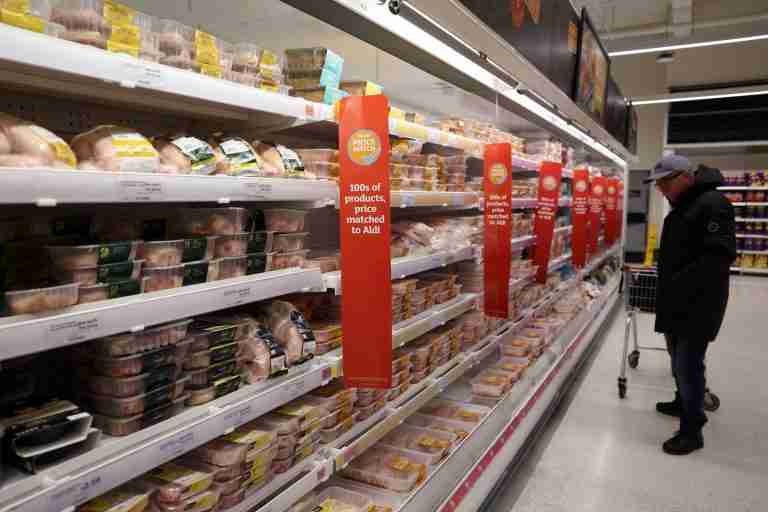
International News via Reuters:

British inflation fell to its lowest since March last year, according to official data that added to expectations of an interest rate cut soon by the Bank of England, even as a measure of underlying price pressures remained strong.

Consumer prices rose by 3.0% in annual terms in January, slowing sharply from a 3.4% increase in December, the Office for National Statistics said on Wednesday, as transport, food and non-alcoholic drink prices increased less quickly.

Most economists polled by Reuters had expected Britain’s headline inflation rate – the highest among the Group of Seven nations – to drop to 3.0% in January. The BoE, which was expecting 2.9% inflation last month, has projected it will fall in April close to its 2% target.

Food inflation – which the BoE sees as key for shaping public expectations about prices more broadly – was the weakest since April last year. Airline fares fell sharply on the month after jumping in December.

Core inflation, excluding energy, food, alcoholic beverages and tobacco, rose by 3.1% in January, the least since 2021.

“Today’s figures mean the Bank of England will likely cut Bank Rate in the spring. We expect a further cut later this year as inflation dissipates and unemployment continues to climb gradually,” Nicolas Crittenden, an associate economist with the National Institute of Economic and Social Research, said.

Interest rate futures put an almost 90% chance on a March rate cut by the BoE – up from around 80% before the data – followed by another in late 2026. Sterling was little changed against the U.S. dollar.

UNDERLYING PRICE PRESSURES PERSIST

Some lingering price pressures remained in Wednesday’s data, which could reinforce the more hawkish members of the BoE’s Monetary Policy Committee.

Inflation for services – closely watched as a gauge of domestic price pressures – slowed only marginally to 4.4% from 4.5% in December, above the Reuters poll expectations of 4.3%.

BoE Chief Economist Huw Pill last week said underlying inflation was settling above target at about 2.5% and that interest rates are still “a little bit too low.”

“The big drop in headline UK inflation in January is a welcome development, but under the hood the data wasn’t quite as convincing as hoped,” said Adam Hoyes, senior asset allocation analyst at Rathbones, a wealth and asset management group.

British inflation – which surpassed 11% in 2022 – has continued to run higher than in the United States and the euro zone where it stood at 2.4% and 1.7% respectively in January.

However, it is expected to slow sharply in April as last year’s rises in utility costs and other government-controlled tariffs fall out of the annual comparison.

Furthermore, Britain’s economy barely grew at the end of 2025. Figures showed on Tuesday that the labour market was still losing jobs although there were some signs of a stabilisation.

Separate data released by the ONS on Wednesday showed factory gate prices rose by 2.5% in the 12 months to January, the slowest increase since June last year and down from 3.1% in December.

Reporting by Suban Abdulla; Editing by William Schomberg and Toby Chopra

Man swept away by river Loire as floods hit France

Four départements are under red alert – the highest level – with nine more under orange alert, meaning major to significant flooding is occurring or expected within the next 24 hours

International News via Reuters:

A man trying to navigate the swollen river Loire has been swept away, officials said on Wednesday, as much of western France was placed under high alert for floods, with yet more heavy rain expected.

Four départements are under red alert – the highest level – with nine more under orange alert, meaning major to significant flooding is occurring or expected within the next 24 hours.

The 53-year-old man fell off a small boat or a kayak south of the city of Angers, BFM TV reported.

Search operations were underway but considering the flow and speed of the Loire after such heavy rains “there is objectively little chance of finding that person,” senior official Francois Pesneau told BFM TV and other local media.

In the nearby town of Denee, residents are moving around by boat as the river submerged streets and flooded houses.

“There’s no access anymore (to Denee), the roads are not functional due to the floods. And so the only way to come to the village is by boat,” municipal worker Jason Garnier said on Tuesday. “People who want to go to work, well, they leave by boat in the morning, and they go home in the evening by boat.”

French Environment Minister Monique Barbut said the level of humidity in soils in France was unseen since 1959, after more than 30 days of bad weather.

Spain, Portugal and Britain are among other European countries badly hit by flooding this year due to unusually heavy rain.

Reporting by Stephane Mahé and Ingrid Melander; editing by Philippa Fletcher

Sterling steady, inflation figures reinforce near-term BoE cut bets

Annual consumer prices rose 3% last month, slowing from 3.4% in December, according to official figures

International News via Reuters:

The pound was little changed against the dollar as easing British inflation strengthened the case for a near-term rate cut from the Bank of England, even as underlying price pressures remained strong.

Annual consumer prices rose 3% last month, slowing from 3.4% in December, according to official figures.  Most economists polled by Reuters had expected headline inflation to drop to 3% in January. 

But inflation for services – closely watched as a gauge of domestic price pressures – slowed only marginally to 4.4% from 4.5% in December, above the Reuters poll expectations for a fall to 4.3%.

The pound was flat after the figures at $1.3566. It fell 0.5% on Tuesday after soft labour market figures boosted rate cut expectations. 

“Most people sold sterling quite hard yesterday and thought there was going to be some follow-through today with softer inflation numbers but they didn’t come in weaker across the board,” said ING global head of research Chris Turner.

“Services CPI was a little bit higher than expected so I think sterling has got a little bit of reprieve on that,” Turner added.  

Investors are assigning a roughly 85% chance of a 25-basis-point rate cut from the BoE next month, up slightly from Tuesday. Money market traders are fully pricing in two quarter-point rate cuts by the end of the year. 

EYES ON POLITICS

The uncertain political situation in Britain remains in focus for pound traders.

Last week Prime Minister Keir Starmer brushed off challenges to quit from within his governing centre-left Labour Party over his appointment of Peter Mandelson as ambassador to Washington.

A by-election – a mid-term local election to fill a vacant parliamentary seat – due next week in Greater Manchester, Northwest England, could reignite questions over Starmer’s leadership if Labour were to lose the seat, which it won with more than 50% of the vote in the 2024 national election.

“A big Labour loss would put the focus back on Starmer and sterling and gilts come under a bit more pressure,” ING’s Turner said. 

Against the euro, the pound was up 0.2% at 87.2 pence. 

Reporting by Samuel IndykEditing by Gareth Jones