The dollar has been under pressure for several reasons, including expectations of continued Federal Reserve rate cuts, tariff uncertainty and U.S. policy volatility
International News via Reuters:
The dollar eased against the yen and the euro on Thursday but remained above recent multi-year lows, with investors still jittery about U.S. policy even as a mildly hawkish Federal Reserve provided some support.
The dollar has been under pressure for several reasons, including expectations of continued Federal Reserve rate cuts, tariff uncertainty and U.S. policy volatility.
The currency ended last week with its biggest fall since last April driven partly by concerns about U.S. policy over Greenland.
“Concerns that investors have about trade and geopolitical policies that have been wheeled out in the U.S. at the moment have been potentially negative for the dollar,” said Shaun Osborne, chief currency strategist at Scotiabank.
Against the yen, dollar slipped 0.2% to 153.055 yen, while the euro rose 0.5% to $1.196.
The dollar found some support after the Federal Reserve held interest rates steady on Wednesday against the backdrop of what U.S. central bank chief Jerome Powell described as a solid economy and diminished risks to both inflation and employment.
Data on Thursday showed the number of Americans filing new applications for unemployment benefits fell slightly last week, still consistent with a relatively low level of layoffs, though lackluster hiring is stoking anxiety among households over the labor market.
President Donald Trump said on Thursday that the U.S. should have substantially lower interest rates now and should have the lowest in the world.
Some analysts did not expect cuts soon, however.
“While the outlook remains uncertain, particularly given the appointment of a new Fed Chair in coming months, our baseline remains that the rate cutting cycle is complete, as labour improvement lies ahead,” said David Doyle, head of economics at Macquarie Group.
“We see the next move as a hike, potentially occurring in the fourth quarter of 2026.”
The dollar came under pressure earlier this week after Trump said on Tuesday the value of the dollar was “great”, when asked whether he thought it had declined too much.
While Treasury Secretary Scott Bessent reaffirmed the U.S. preference for a strong currency, relieving some of the pressure, investors remain jumpy about further losses for the currency.
“We’re getting kind of mixed messaging on the dollar from the White House and the Treasury … that doesn’t necessarily instil a lot of confidence,” Osborne said.
While Thursday’s price action showed some signs of the dollar steadying after the sharp slide earlier this week, investors remain concerned about the near-term outlook.
“Short-term momentum has turned sharply against the USD without adequate resistance from any of the long-term forces we had expected to support the currency,” Steven Englander, global head of G10 FX research and North American macro strategy at Standard Chartered Bank, said in a note.
EURO BACK IN THE ECB SPOTLIGHT
The euro’s recent rise above the key $1.20 level has concerned European Central Bank policymakers, who warned that the currency’s rapid appreciation could have deflationary effects.
“Although the euro/dollar stayed well above the ECB’s base scenario last year without triggering strong disinflation risk, trade uncertainty persists,” said Geoff Yu, EMEA macro strategist at BNY.
Economists flagged that the strength of the euro could amplify the deflationary effect of China’s export machine and jolt the ECB out of its “good place” and into more interest rate cuts.
ECB board member Isabel Schnabel reiterated on Wednesday monetary policy was in a ‘good place’ and interest rates are expected to remain at their current levels for an extended period while financial markets are pricing steady rates through early 2027.
JAPAN’S FISCAL POLICY STILL IN FOCUS
The dollar slide has provided some reprieve for the battered yen.
The Japanese currency has tracked around the 152 to 154 per dollar range for most of this week thanks to talk of rate checks from the U.S. and Japan last week – a move often seen as a precursor to intervention.
Goldman Sachs said in a note that the prospect of coordinated action by Japan’s Ministry of Finance and the U.S. Treasury should curb near‑term downside pressure on the yen, but warned the impact would only last if backed by disinflation‑friendly fundamentals such as quicker Bank of Japan tightening or fiscal restraint.
The Canadian dollar strengthened 0.4% against the greenback on Thursday, a day after the Bank of Canada held its policy rate at 2.25%, as widely expected.
Leading cryptocurrency bitcoin fell 6% to $83.563 on Thursday, as riskier assets, including stocks sold off.
Reporting by Saqib Iqbal Ahmed; Additional reporting by Stefano Rebaudo; Editing by Alexandra Hudson, Elaine Hardcastle and Nick Zieminski
Opposition cites raft of security issues and ‘systematic’ shortfalls that put lives in jeopardy
Statement by Robert King, Leader of the Opposition and Shadow Minister of National Security, on the Westgate Correctional Facility
Recent media reporting on conditions and security operations at Westgate Correctional Facility is concerning and deserves careful scrutiny.
While some of the information in circulation is attributed to unidentified sources, reports of breaches to maximum-security cells, the presence of contraband, and risks to officer safety raise serious questions that cannot be dismissed.
Public safety, and the safety of corrections officers, depends on correctional facilities being well managed, with standards that reflect the risks they are designed to contain. If security procedures are breaking down, officers feel unsupported, or accountability is unclear, those issues must be examined promptly and transparently.
One issue that cannot be ignored is the long-standing staffing shortage within the Department of Corrections. Chronic shortfalls have placed sustained pressure on officers’ ability to maintain safety and security, with many reportedly working in excess of 100 hours of overtime per month. That level of fatigue is not sustainable and carries real physical and mental consequences — not just for officers, but for the overall safety of the facility.
At the same time, the lack of modern security infrastructure must be addressed. Measures such as cell-phone jamming technology, enhanced perimeter controls, and protection against drone-assisted contraband are no longer optional in a modern correctional environment.
The Department of Corrections has stated that steps have been taken to secure affected areas, remove contraband, and refer matters to the Bermuda Police Service. That is appropriate. However, Bermudians also deserve confidence that systemic issues — including staffing, leadership capacity, and infrastructure — are being addressed, not treated as isolated incidents.
When local capacity is stretched, the Government must be prepared to look externally for support – including getting assistance from the UK. The PLP has already done this with the hiring of police officers – they must do the same for the prison service. These are critical national-security issues that require proper resourcing and leadership.
As Shadow Minister of National Security, I am calling for effective oversight, protection for officers who raise legitimate concerns, and accountability at all levels where standards have not been met. Lives should not be placed in jeopardy because known risks have gone unaddressed.
National security depends on leadership that is willing to confront problems early and act. I will continue to follow this matter closely and press for answers that maintain public confidence.
No timeline for the resumption of service was provided
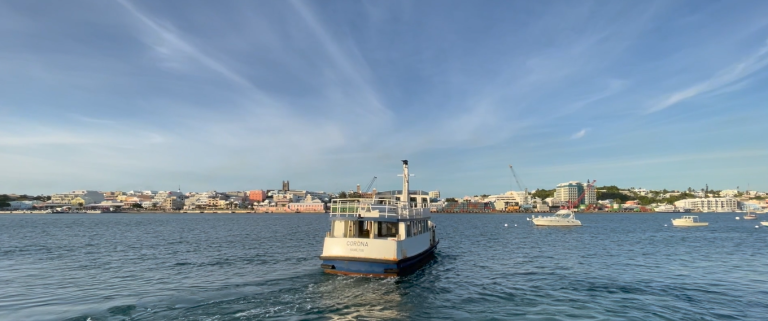
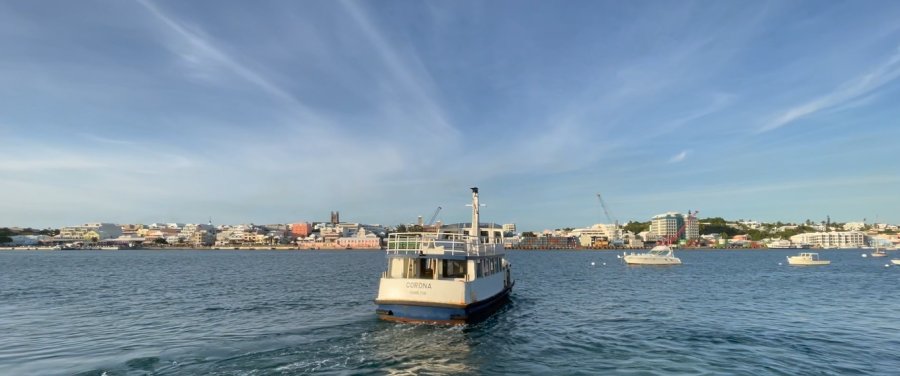
The Department of Marine and Ports Services advises that urgent repairs are required on the ferry serving the Pink Route. Ferry service is suspended, effective this afternoon and until further notice.
Marine & Ports Services apologises to the public for this service interruption and any inconvenience it may cause.
The sources, a U.S. official and a NATO diplomat, both said Hegseth would miss the Feb 12 gathering at NATO headquarters
International News via Reuters:
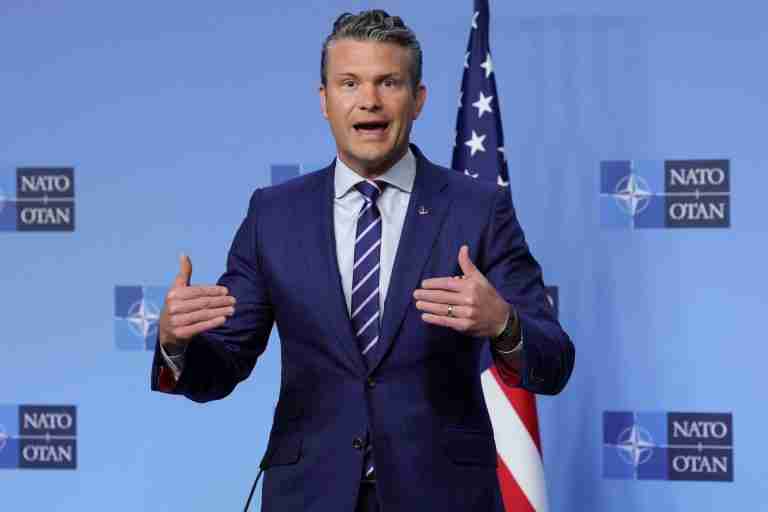
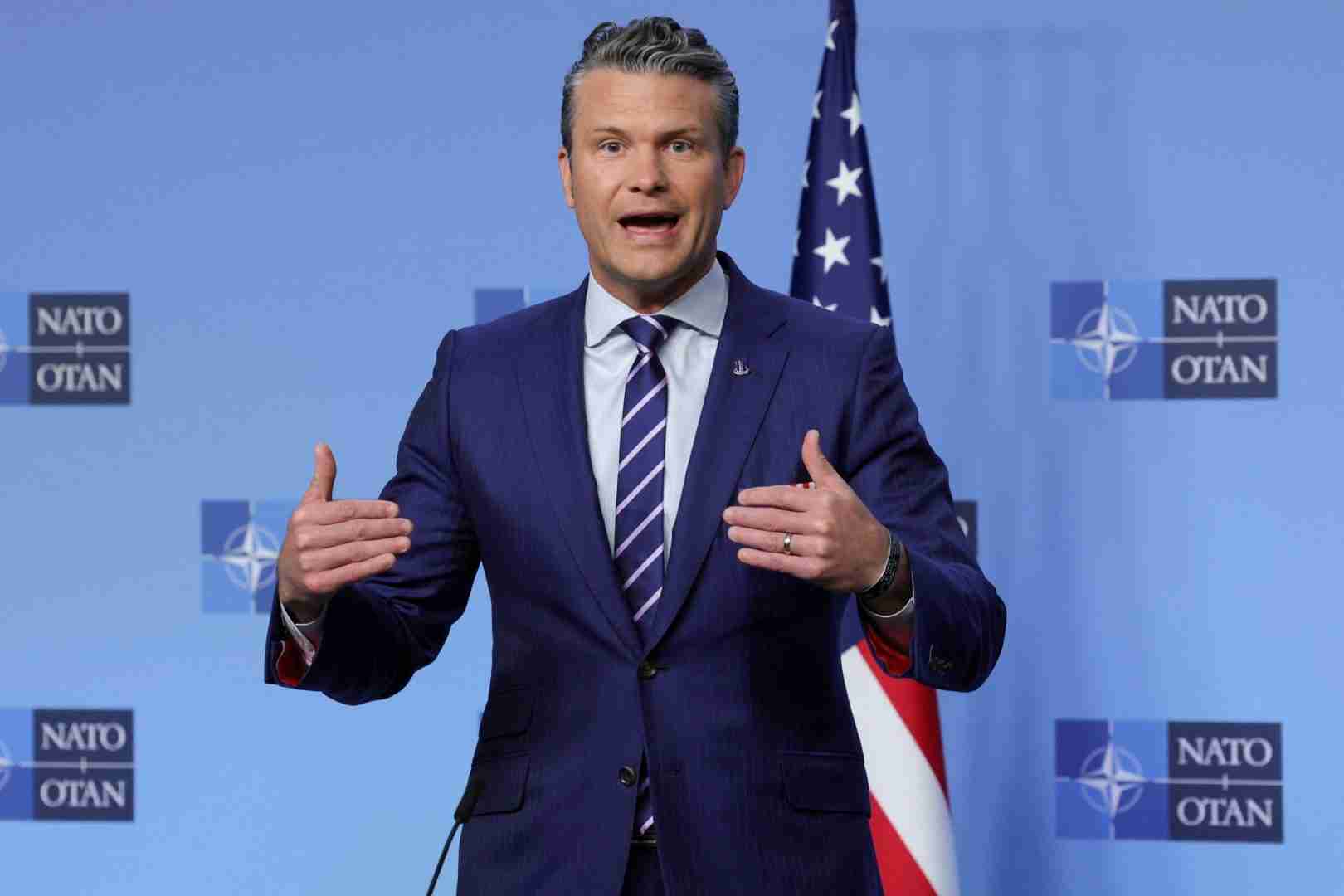
U.S. Defense Secretary Pete Hegseth is not expected to attend a NATO defence ministers’ meeting in Brussels next month, two sources said, the second time in a row a Trump administration official has skipped a gathering of the military alliance.
The sources, a U.S. official and a NATO diplomat, both said Hegseth would miss the Feb 12 gathering at NATO headquarters. U.S. Secretary of State Marco Rubio did not attend the last NATO foreign ministers’ meeting in December.
The two sources did not cite any reason for Hegseth’s decision. The Pentagon and NATO had no immediate comment.
Until U.S. President Donald Trump’s second term in office, it was highly unusual for a U.S. Cabinet official to skip a meeting of NATO ministers. The United States is the alliance’s military superpower and political lynchpin.
But the Trump administration has made clear that the United States has new military priorities, which means Europe will have to take more responsibility for its own defence.
Washington has said the U.S. remains committed to NATO. But the alliance has been strained by tensions between Trump and European allies, most recently over his desire to acquire Greenland, a semi-autonomous territory of fellow NATO member Denmark.
That crisis was defused, at least for the moment, after Trump held talks last week in Davos with NATO Secretary General Mark Rutte.
Rutte said the leaders had agreed that officials from the United States, Denmark and Greenland would hold trilateral talks and that NATO would play a greater role in Arctic security.
Reporting by Andrew Gray and Phil Stewart, Editing by Charlotte Van Campenhout and Chizu Nomiyama
A walk for peace will mark anniversary of turbulent times
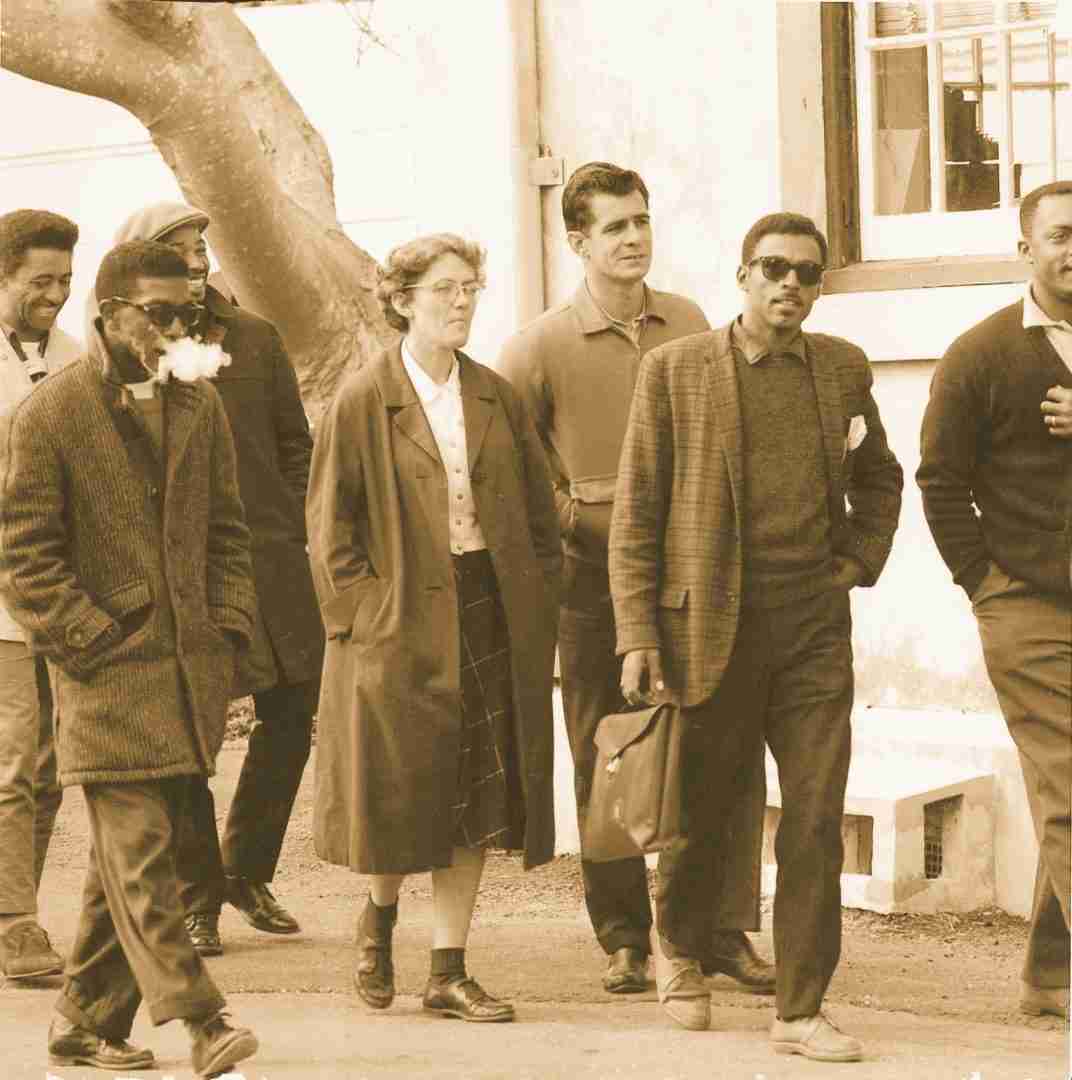
During a chilly early morning – February 2, 1965 – along Serpentine Rd, at the main gate of Belco, several dozen picketers paraded slowly on the third week of a strike by 90 Belco workers, calling for the right for union recognition.
Around 8.30 am, the weight of multiple tensions – the resistance of an Old Order, the concerned awareness of a New Order – gave way, erupting into violence that took its toll.
That crisis cast an unprecedented dark cloud over the Island. However, even with Tear Gas wafting as far as Front Street, police sirens blaring, Hospital wards over-crowding and Prison cell doors clanking; enough “Bermudians of Conscience”. exercised their agency.
On Monday, February 2, 2026 at Noon, “Bermudians of Conscience” are invited to come together at the Belco Parking Lot – along Serpentine Road – and begin a SILENT WALK FOR PEACE & COMMUNITY. Partially inspired by the Buddhist Monks Walk for Peace; the WALK will proceed to Devonshire Recreation Club (Frog Lane).
To be clear, this Walk if both an opportunity to draw lessons from our shared legacy, but will also leverage any positives – the reconciliation and healing potential – as we address current challenges – notably those caught in the Cycle of Violence.
It is estimated that the 1.75 mile WALK along Palmetto Rd will take around 45 minutes, to reach the grounds of the Devonshire Recreation Club (pls pronounce Ree..Creation for the occasion). Following the WALK; those gathering will: engage in Fostering COMMUNITY: Meet Someone New – Plus, Join in Dialogue around the LESSONS offered by this Shared Legacy.
This INVITATION is opened to ALL residents of Bermuda. Already joining are, elders of conscience, former Police, current trade unionists, social activists, children from 3 different schools.
That referenced Legacy includes; how in February 1965 “Bermudians of Conscience” ‘RESPONDED’ rather than ‘Reacted’ in the face of painful circumstances. This included: (Details can be found in ‘A History of the BIU’ by Ira Phillip – noted journalist)
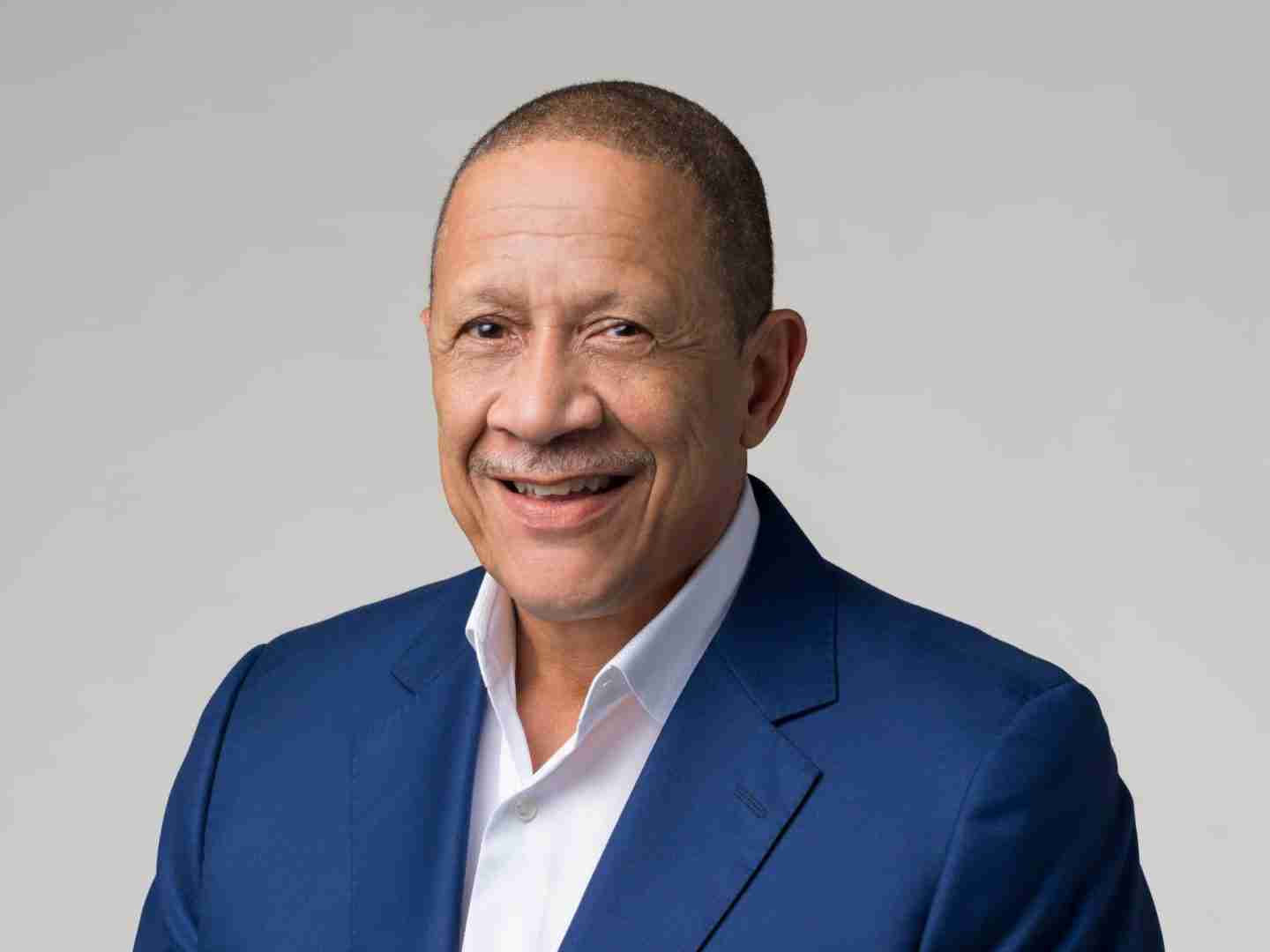
The Hon. Owen Darrell, JP, MP, Minister of Tourism, Transport, Culture, and Sport, announces the appointments of William ‘Billy’ Griffith and Shannah Butterfield to the Bermuda Tourism Authority (BTA) Board.
Minister Darrell stated, “I am pleased to announce the appointment of Mr. William ‘Billy’ Griffith as Chairman of the BTA. Mr Griffith has served as Acting Chairman since 2025. His appointment reflects his dedication to guiding the Board and supporting BTA leadership.
“Ms. Butterfield will serve for three years as a Board member. She has a Master’s Degree in Human Resource Management and is a Certified Senior Human Resource Professional with over 20 years of experience in both the public and private sectors. She also serves on several other Boards leveraging her expertise.
“William “Billy” Griffith is a regionally respected tourism executive with more than four decades of leadership across hospitality, destination marketing, and tourism development. An Honours graduate in Hotel Management from the University of the West Indies, he began his career at Sandy Lane Hotel in Barbados. In Bermuda, Griffith served as General Manager and Executive Director of leading hotels, earning the Hotelier of the Year award. He later served as Bermuda’s Director of Tourism and as Chief Executive Officer of Barbados Tourism Marketing Inc., where his leadership delivered record visitor growth and strengthened international competitiveness. He currently serves on the Caribbean Tourism Organisation Executive Committee and is Founder and Managing Director of WCG Consulting Ltd., advising clients and destinations worldwide.”
Minister Darrell added, “I am pleased that Mr. Griffith and Ms. Butterfield have accepted the invitations to serve. I am confident their professional backgrounds and passion for the industry will add valuable perspective to the Board. They will join the current five directors, a team of corporate and tourism professionals dedicated to promoting Bermuda and driving economic growth.”
Shannah Butterfield stated, I am very honoured to serve on this Board and to work alongside fellow Board members to support the growth of Bermuda’s tourism economy. I look forward to us developing effective strategies that will strengthen the BTA and further lead towards sustainable talent development in the tourism sector.”
William Griffith stated, “I am deeply honoured to continue serving as Chairman of the Bermuda Tourism Authority and to work closely with my fellow Board members in delivering our strategic objectives for 2026. This year represents an important reset—focused on stabilising governance, strengthening culture and trust, appointing high-impact executive leadership, and sharpening performance and accountability. Together, we will guide the development of Bermuda’s next National Tourism Plan, ensuring it is sustainable, evidence-based, and aligned with our priorities, while positioning Bermuda’s tourism industry for long-term resilience, growth, and shared prosperity.”
Merz, speaking at a time of increased transatlantic tensions as U.S. President Donald Trump upends traditional alliances, said the talks were only at an initial stage and no decision was imminent
International News via Reuters:
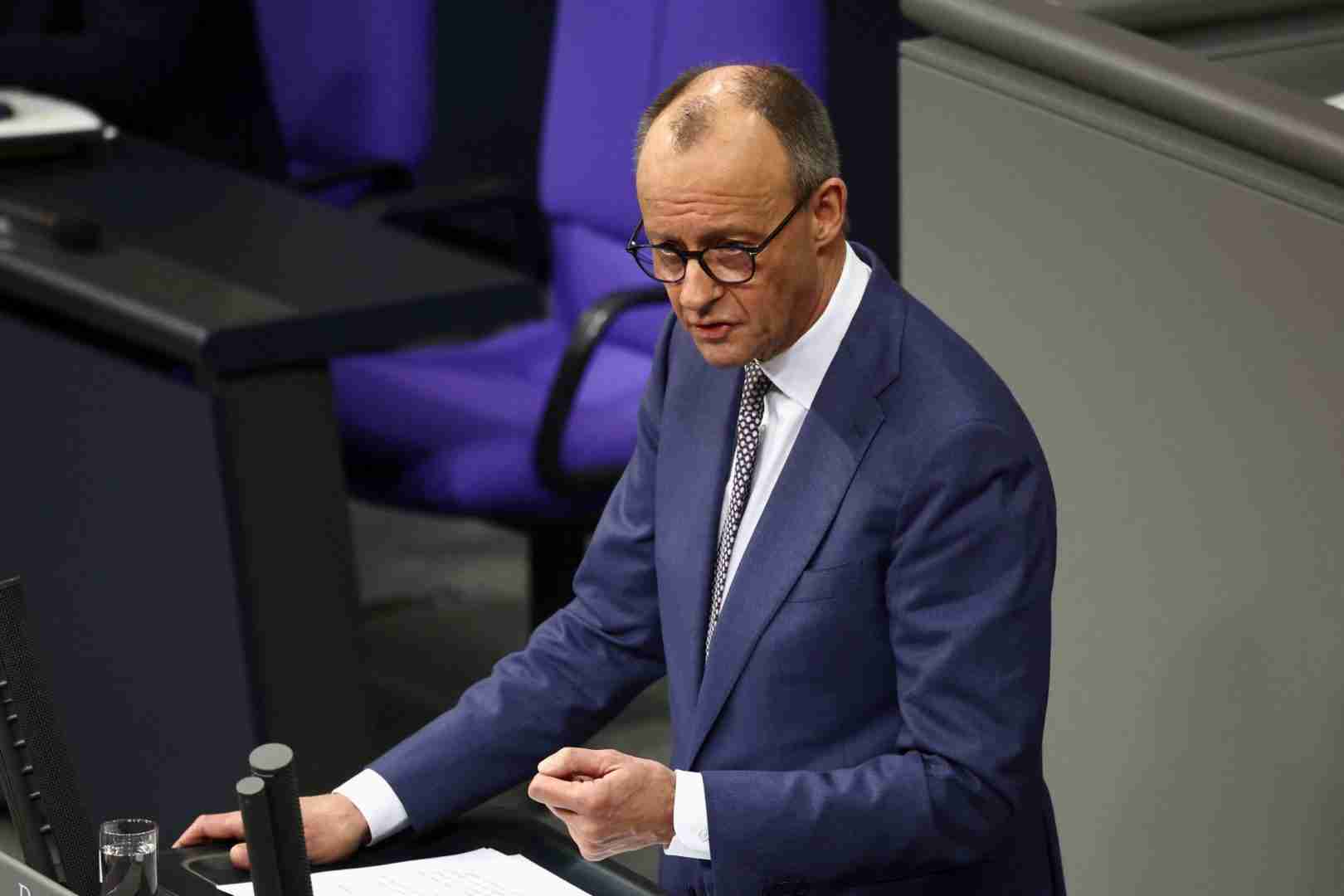
European nations are starting to discuss ideas around a shared nuclear umbrella to complement existing security arrangements with the U.S., German Chancellor Friedrich Merz said, amid growing talk in Germany of developing its own nuclear defences.
Merz, speaking at a time of increased transatlantic tensions as U.S. President Donald Trump upends traditional alliances, said the talks were only at an initial stage and no decision was imminent.
“We know that we have to reach a number of strategic and military policy decisions, but at the moment, the time is not ripe,” he told reporters on Thursday.
Germany is currently banned from developing a nuclear weapon of its own under the so-called Four Plus Two agreement that opened the way for the country’s reunification in 1990 as well as under a landmark nuclear non-proliferation treaty that Germany signed in 1969.
Merz said Germany’s treaty obligations did not prevent it from discussing joint solutions with partners, including Britain and France, the only European powers which have a nuclear arsenal.
“These talks are taking place. They are also not in conflict with nuclear-sharing with the United States of America,” he said.
European nations have long relied heavily on the United States, including its large nuclear arsenal, for their defence but have been increasing military spending, partly in response to sharp criticism from the Trump administration.
Trump has rattled Washington’s European allies with his talk of acquiring Greenland from Denmark, a NATO ally, and his threat, later rescinded, to impose tariffs on countries that stood in his way.
He has also suggested in the past that the U.S. would not help protect countries that failed to spend enough on their own defence.
Merz’s comments were echoed by the head of the parliamentary defence committee, Thomas Roewekamp, who said Germany had the technical capacity which could be used in developing a European nuclear weapon.
“We do not have missiles or warheads, but we do have a significant technological advantage that we could contribute to a joint European initiative,” Roewekamp, from Merz’s centre-right Christian Democratic Union party, told Germany’s Welt TV.
Reporting by Andreas Rinke, writing by James MackenzieEditing by Gareth Jones
Cipollone said the digital euro scheme, together with another two projects the ECB is working on for wholesale payments, will give the euro zone the tools it needs “to keep its house in order.”
International News via Reuters:
The euro zone needs to be self-sufficient in handling payments and the digital euro will provide the necessary infrastructure for retail transactions, European Central Bank Executive Board Member Piero Cipollone said on Thursday.
Speaking remotely at a conference in Italy, Cipollone said the digital euro scheme, together with another two projects the ECB is working on for wholesale payments, will give the euro zone the tools it needs “to keep its house in order.”
“That can give it more strength,” he said when asked if the digital euro could boost Europe’s position vis-a-vis the United States.
Ghana is among the countries that had already made significant progress reducing malaria mortality by scaling up interventions
International News via Reuters:
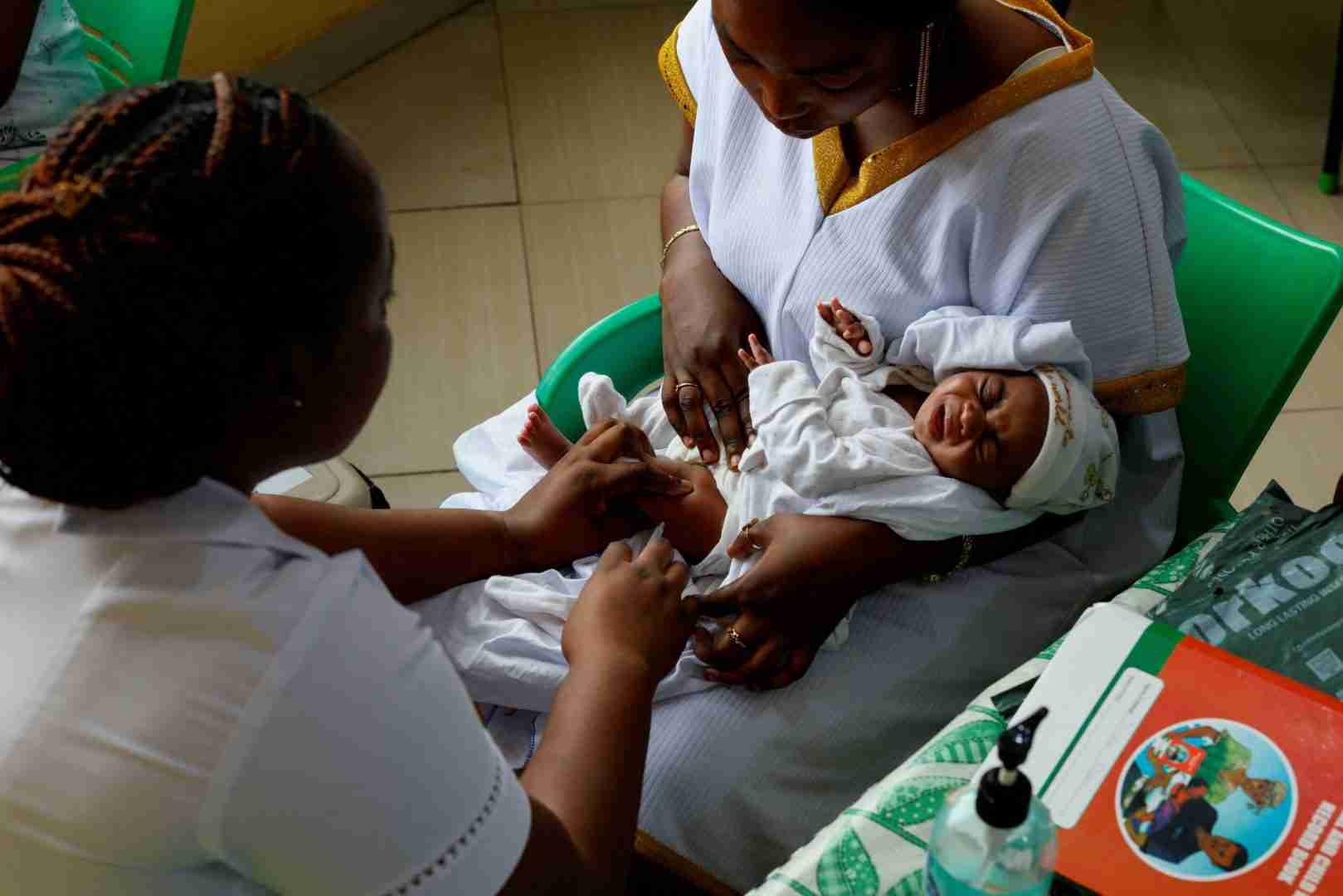
New vaccines are helping Ghana approach a long-sought goal of ending child deaths from malaria, demonstrating the potential of the shots to drive back a disease that kills nearly half a million young children every year in Africa, according to the international vaccine aid group Gavi and the country’s health service.
But aid cutbacks by the Trump administration and other wealthy governments could mean fewer children benefit on the continent where malaria hits hardest, Gavi told Reuters.
Ghana is among the countries that had already made significant progress reducing malaria mortality by scaling up interventions such as the distribution of bed nets treated with insecticides and improving access to both preventive drugs and prompt treatment.
Two new vaccines – one developed by British drugmaker GSK (GSK.L), the other by Oxford University and the Serum Institute of India – are helping close the remaining gap, said Dr Selorm Kutsoati, who heads Ghana’s immunisation programme.
“For me, the malaria vaccine is a gamechanger,” she told Reuters.
Gavi is currently the only organisation purchasing malaria shots for African nations. It anticipates it will be able to spend just over $800 million on the programme over the next five years – 28% less than the expected need – after falling $2.9 billion short of its overall funding goal for the period, according to internal estimates prepared for its board of directors in December, seen by Reuters.
An additional 19,000 lives could be lost as a result due to lower vaccination rates, the documents say. The estimate, which has not previously been reported, is based on modelling of the vaccines’ impact by researchers at Imperial College London and the Swiss Tropical and Public Health Institute.
“It is the gap between the promise and the need for the vaccine, and the resources we have to provide that,” Scott Gordon, who heads Gavi’s malaria program, told Reuters.
U.S. Health Secretary Robert F. Kennedy announced in June that Washington would no longer support Gavi, part of sweeping cuts to foreign aid that President Donald Trump says do not align with his “America First” agenda. The United States was previously one of the group’s top donors, contributing some $1.3 billion between 2020 and 2024.
The U.S. “remains committed to working with global partners to combat malaria,” a Department of Health and Human Services official told Reuters.
But the Trump administration will not disburse funds to Gavi unless it starts phasing out vaccines containing the mercury-based preservative thimerosal from its portfolio, the official said. Anti-vaccine groups have linked thimerosal to autism and other neurodevelopmental disorders, despite multiple studies showing no related safety issues.
Gavi confirmed the request and said the group remained in contact with the U.S. government on the subject. Any decision related to its portfolio would be “guided by scientific consensus,” it said.
Other donors have also been scaling back support. Britain, Gavi’s biggest donor, has pledged 1.25 billion pounds ($1.72 billion) over the next five years, more than 20% less than for 2020-25.
Britain’s international development minister, Jenny Chapman, said the country remains committed to supporting Gavi’s work because it saves lives.
A MOTHER DECIDES: ‘I HAVE TO GO FOR THE VACCINE’
Some major global organisations initially doubted the potential of the two vaccines now being rolled out in 24 African countries with help from Gavi.
Based on clinical trials, the World Health Organization (WHO) estimates they reduce malaria cases by over 50% during the first year after three shots are administered, an efficacy rate lower than many commonly used childhood shots. A fourth dose is required before a child turns 2 to maintain protection.
Supporters of the vaccines point to the success in Ghana, saying even a partially effective shot has translated into many lives saved.
“In real-world settings, we’re seeing significant impact,” Gavi’s Gordon said.
Confirmed deaths among children under the age of 5 have dropped nearly 86% in Ghana, from 245 in 2018, the year before GSK’s vaccine was introduced in select districts, to 35 in 2024, according to government figures. A decade ago, nearly 1,000 children in that age group died each year, Kutsoati said.
Malaria infections have also declined, from roughly 6.7 million in 2018 to 5.3 million in 2024, around a fifth of which were among children under 5, Ghana’s figures show.
The actual numbers are likely to be higher, as many malaria cases do not get diagnosed, and deaths that occur at home often go unreported, said Dorothy Achu, the WHO’s team lead for malaria in Africa. There can also be inconsistent reporting by some health facilities.
But Achu agreed the combination of strategies used in Ghana resulted in a “significant reduction in malaria deaths”, adding the WHO is using the country’s figures to update its estimates.
Esther Kolan, a 31-year-old clothing trader, did not need much persuading to get her 1-year-old son Phenehas Gyngyi Jr. vaccinated last summer at the Mother and Child Hospital in the southern town of Kasoa.
Her brother died of malaria just before his 15th birthday. A daughter was hospitalised twice with the disease before she turned 3.
“I told myself, no matter the condition, I have to go for the vaccine,” Kolan said, adding her family also sleeps under bed nets.
Phenehas has had three doses and has never been hospitalised with malaria.
“This has really helped me a lot,” said Kolan, who plans to get him a booster shot soon. “I was not scared for my child.”
Malaria deaths were already declining in their district when vaccines became available in 2023, according to Stanley Yaidoo, the municipal health services director. But the number of cases still put pressure on hospitals, exhausting staff and taking up beds that could be used to treat other dangerous diseases, he told Reuters.
“The vaccine implementation was the master stroke that we needed to support the already existing interventions,” Yaidoo said.
PROGRESS AGAINST A KILLER DISEASE
Some regions managed to eliminate malaria without a vaccine, but countries in sub-Saharan Africa face particular challenges, disease experts say.
Many are among the world’s poorest, with poorly-resourced health systems. The prevailing strain is particularly deadly, and there is growing resistance to preventive and curative drugs. Control efforts have been disrupted by conflicts and natural disasters.
The first countries to use the vaccines – Kenya, Malawi and Ghana – were part of a WHO-led pilot programme that began in 2019 with GSK’s shot. The WHO approved this vaccine for wider use in 2021, but the rollout faced hurdles, including a vast supply shortfall.
Access improved when WHO recommended the Oxford shot in 2023.
In many countries, it is too early to assess the vaccines’ impact. But there are anecdotal reports of reductions in cases, hospitalisations and deaths among young children, according to the Gavi documents and interviews with health officials in four countries.
Take-up of the vaccines has varied, the documents show. In the first six months of 2025, coverage rates across 11 countries for three doses ranged from over 70% in Ghana and Burkina Faso, to 45% in Liberia and 35% in conflict-hit South Sudan.
Introducing a new vaccine that requires multiple doses has presented logistical challenges, especially in rural areas where transportation and storage options are limited.
In Ghana, there was also resistance from a number of traditional and religious leaders, and politicians skeptical about the benefits, Yaidoo told Reuters.
But results talk, he said.
“Those who have had the vaccination, they give their testimonies on how their children are protected from severe malaria. So many of them are actually our ambassadors.”
Cases of severe malaria among vaccinated children were 58% lower than among unvaccinated children in the year after they received the third dose across the countries that participated in the pilot, a study published in The Lancet medical journal in January found.
Health officials in Kenya and Malawi did not respond to Reuters’ questions about their vaccination programmes.
At least four more countries plan to introduce malaria vaccines before 2028, Gavi said.
Until this year, Gavi could subsidise 85% of the assessed need for shots in areas of medium and high malaria transmission, with governments contributing as little as $0.20 per dose.
It has now reduced its spending cap to 70% for areas that will be ordering shots for the first time, the documents show. It will also be asking all but the poorest governments to increase their contributions, which vary depending on the strength of their economies.
Details of how these changes will affect individual countries are being worked out, Gavi said.
Price cuts for the vaccines could help mitigate the aid cuts. GSK and its partner, India’s Bharat Biotech, said in June they would reduce the price of their shot to under $5 a dose by 2028, roughly half what it costs now. In November, Gavi and the U.N. children’s agency announced a deal to pay 25% less for Serum’s vaccine, currently priced at around $4 per dose, within roughly a year.
GSK said the real-world data was encouraging, and it was working with Gavi on how to make the roll-out as effective as possible. It did not elaborate. The other companies did not respond to requests for comment.
At least three countries – Burkina Faso, Ivory Coast and Togo – have committed to covering some malaria vaccine needs themselves, Gordon said.
But Tanzania is struggling to plug funding gaps and will have to delay the start of its vaccination campaign, said Dr Samwel Lazaro, acting head of its malaria programme.
“Currently, the government is focused on ensuring the implementation of the most essential and life-saving services, such as the use of medicated bed nets,” Lazaro said.
($1 = 0.7255 pounds)
Jennifer Rigby reported from London and Emmanuel Bruce from Accra; Additional reporting by Nuzulack Dausen in Dar Es Salaam and Alice Lawson in Lome; Editing by Michele Gershberg and Alexandra Zavis
Goal is for students to better understand how nutrition, lifestyle and biology influence health outcomes
(Hamilton, Bermuda, January 29) A new initiative at Bermuda College is giving healthcare students hands-on experience in medical nutrition, diagnostics and wellness assessment.
The programme, which combines classroom learning with real-world laboratory testing and community-based health interventions, forms part of a Medical Nutrition course within the college’s Nursing and Allied Health curriculum.
It is designed to move students beyond theory into applied learning and through supervised assessments and structured interventions, students will work directly with volunteer participants to better understand how nutrition, lifestyle and biology influence health outcomes.
For the first time, the initiative is being supported by on-campus laboratory facilities operated by Carigenetics, enabling students to incorporate professional blood analysis and genetic wellness screening into their coursework.
The collaboration creates a unique learning environment where academic instruction is integrated with live diagnostic processes.
The course is led by Dr Andrew Dhanoo, Biology Lecturer at Bermuda College, who introduced the practical project to strengthen students’ clinical and patient engagement skills.
As part of the programme, students conduct physical assessments such as height, weight and blood pressure measurements, alongside biochemical testing including cholesterol and blood glucose analysis.
“This approach allows students to properly assess individuals and develop tailored nutrition interventions, rather than applying generic advice,” said Dr Dhanoo.
“By reassessing participants after the intervention period, students can see which strategies actually work and gain meaningful insight into preventive healthcare.”
Using the data collected, students design personalised nutrition and lifestyle plans, supported by nutrition professionals from the Bermuda Diabetes Association.
Over a two-month period, participants follow the interventions before returning for reassessment, enabling students to measure outcomes and refine their understanding of culturally appropriate healthcare strategies.
For Dr Carika Weldon, founder of Carigenetics and an adjunct lecturer at Bermuda College, the initiative reflects a deliberate commitment to education, collaboration and healthcare innovation.
Both the company’s research and clinical laboratories are based on campus to provide students with early exposure to professional laboratory environments.
“From the outset, our goal was to create real opportunities for students to gain hands-on experience in a clinical lab setting,” said Dr Weldon.
“By integrating genetics and diagnostics into teaching, we’re helping students build confidence, stand out professionally and better prepare for careers in healthcare.”
Beyond education, the project also supports the development of local diagnostic capacity and more affordable access to testing.
As a growing clinical laboratory, Carigenetics is using the programme to validate testing processes while helping address gaps in care for uninsured and underserved populations.
The pilot launches this semester, with student presentations and outcome reviews scheduled for April.
Organisers hope the model will be expanded across additional health and science courses, demonstrating the value of collaboration between education, industry and health organisations in strengthening Bermuda’s healthcare system.
To provide the best experiences, we use technologies like cookies to store and/or access device information. Consenting to these technologies will allow us to process data such as browsing behavior or unique IDs on this site. Not consenting or withdrawing consent, may adversely affect certain features and functions.
Functional
Always active
The technical storage or access is strictly necessary for the legitimate purpose of enabling the use of a specific service explicitly requested by the subscriber or user, or for the sole purpose of carrying out the transmission of a communication over an electronic communications network.
Preferences
The technical storage or access is necessary for the legitimate purpose of storing preferences that are not requested by the subscriber or user.
Statistics
The technical storage or access that is used exclusively for statistical purposes.The technical storage or access that is used exclusively for anonymous statistical purposes. Without a subpoena, voluntary compliance on the part of your Internet Service Provider, or additional records from a third party, information stored or retrieved for this purpose alone cannot usually be used to identify you.
Marketing
The technical storage or access is required to create user profiles to send advertising, or to track the user on a website or across several websites for similar marketing purposes.