


Open-source AI models vulnerable to criminal misuse, researchers warn

Hackers could target the computers running the LLMs and direct them to carry out spam operations, phishing content creation or disinformation campaigns, evading platform security protocols, the researchers said

International News via Reuters:
Hackers and other criminals can easily commandeer computers operating open-source large language models outside the guardrails and constraints of the major artificial-intelligence platforms, creating security risks and vulnerabilities, researchers said on Thursday.
Hackers could target the computers running the LLMs and direct them to carry out spam operations, phishing content creation or disinformation campaigns, evading platform security protocols, the researchers said.
The research, carried out jointly by cybersecurity companies SentinelOne and Censys over the course of 293 days and shared exclusively with Reuters, offers a new window into the scale of potentially illicit use cases for thousands of open-source LLM deployments. These include hacking, hate speech and harassment, violent or gore content, personal data theft, scams or fraud, and in some cases child sexual abuse material, the researchers said.
While thousands of open-source LLM variants exist, a significant portion of the LLMs on the internet-accessible hosts are variants of Meta’s Llama, Google DeepMind’s Gemma, and others, according to the researchers. While some of the open-source models include guardrails, the researchers identified hundreds of instances where guardrails were explicitly removed.
AI industry conversations about security controls are “ignoring this kind of surplus capacity that is clearly being utilized for all kinds of different stuff, some of it legitimate, some obviously criminal,” said Juan Andres Guerrero-Saade, executive director for intelligence and security research at SentinelOne. Guerrero-Saade likened the situation to an “iceberg” that is not being properly accounted for across the industry and open-source community.
The research analyzed publicly accessible deployments of open-source LLMs deployed through Ollama, a tool that allows people and organizations to run their own versions of various large-language models.
The researchers were able to see system prompts, which are the instructions that dictate how the model behaves, in roughly a quarter of the LLMs they observed. Of those, they determined that 7.5% could potentially enable harmful activity.
Roughly 30% of the hosts observed by the researchers are operating out of China, and about 20% in the U.S.
Rachel Adams, the CEO and founder of the Global Center on AI Governance, said in an email that once open models are released, responsibility for what happens next becomes shared across the ecosystem, including the originating labs.
“Labs are not responsible for every downstream misuse (which are hard to anticipate), but they retain an important duty of care to anticipate foreseeable harms, document risks, and provide mitigation tooling and guidance, particularly given uneven global enforcement capacity,” Adams said.
A spokesperson for Meta declined to respond to questions about developers’ responsibilities for addressing concerns around downstream abuse of open-source models and how concerns might be reported, but noted the company’s Llama Protection tools for Llama developers, and the company’s Meta Llama Responsible Use Guide.
Microsoft AI Red Team Lead Ram Shankar Siva Kumar said in an email that Microsoft believes open-source models “play an important role” in a variety of areas, but, “at the same time, we are clear‑eyed that open models, like all transformative technologies, can be misused by adversaries if released without appropriate safeguards.”
Microsoft performs pre-release evaluations, including processes to assess “risks for internet-exposed, self-hosted, and tool-calling scenarios, where misuse can be high,” he said. The company also monitors for emerging threats and misuse patterns. “Ultimately, responsible open innovation requires shared commitment across creators, deployers, researchers, and security teams.”
Ollama did not respond to a request for comment. Alphabet’s Google and Anthropic did not respond to questions.
Reporting by AJ Vicens in Detroit; Editing by Matthew Lewis
Brent crude tops $70 per barrel on Iran attack concerns

At its intra-day peak, Brent traded as high as $70.35 a barrel, its highest since late-September
International News via Reuters:
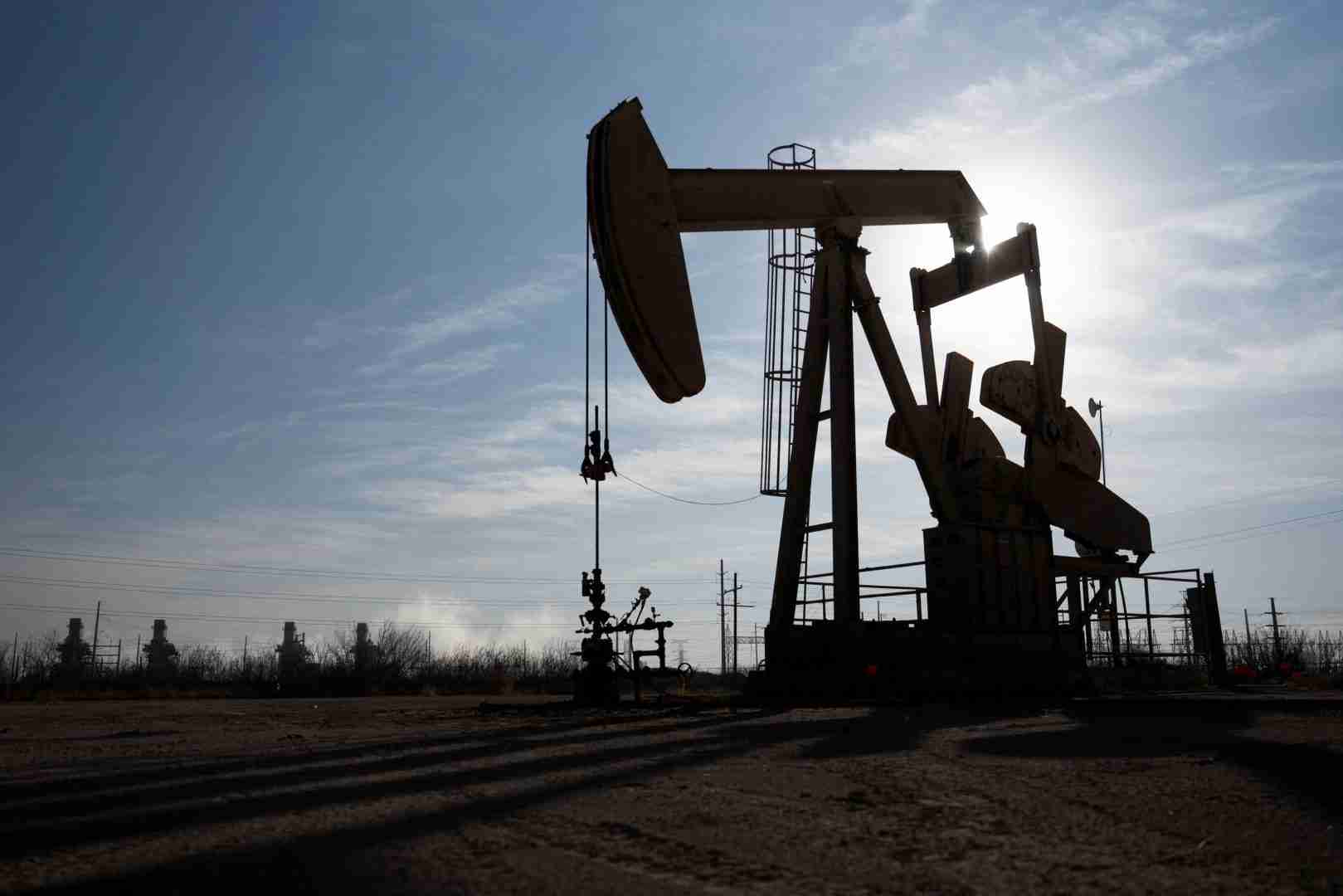
Brent oil futures prices jumped on Thursday, hitting a four-month high on rising concerns of the potential impact a possible U.S. military attack on Iran, OPEC’s fourth-largest producer, with output of 3.2 million barrels per day.
“The immediate (market) concern … is the collateral damage done if Iran takes a swing at its neighbours or possibly even more tellingly, it closes the Strait of Hormuz to the 20 million barrels per day of oil that navigates it,” said PVM analyst John Evans.
Brent crude futures rose $1.39, or 2.03%, to $69.79 a barrel by 1011 GMT. At its intra-day peak, Brent traded as high as $70.35 a barrel, its highest since late-September.
U.S. West Texas Intermediate crude was up $1.37, or 2.17%, to $64.58 a barrel at 1011 GMT. WTI futures topped $65 a barrel on Thursday, also reaching a four-month high.
U.S. President Donald Trump has increased pressure on Tehran to end its nuclear programme, with threats of military strikes and the arrival of a U.S. naval group in the region.
Trump is considering options that include targeted strikes on security forces and leaders to inspire protesters to potentially topple Iran’s rulers, Reuters reported on Thursday, citing U.S. sources familiar with the discussions.
Some analysts are forecasting higher prices because of the Iranian concerns.
“The potential for Iran getting hit has escalated the geopolitical premium of oil prices by potentially $3 to $4 (per barrel),” analysts at Citi said in a note on Wednesday.
They added that further geopolitical escalation could push prices to as high as $72 a barrel for Brent over the next three months.
Elsewhere, the huge Tengiz oilfield in Kazakhstan is being restarted in stages after electrical fires cut output last week, with the aim to reach full production in a week.
In the U.S., the world’s biggest oil producer and largest liquefied natural gas exporter, crude and gas producers were bringing wells back online after disruption from severe cold from Winter Storm Fern over the weekend.
“The main driver of oil prices remains geopolitical risk premium surrounding Iran and the Middle East, though unplanned outages in Kazakhstan and U.S. (Winter Storm Fern) have had temporary impact as well,” DBS Bank’s energy sector team lead Suvro Sarkar said in an email.
Reporting by Robert Harvey in London, Sam Li and Trixie Yap in Singapore; Editing by Christian Schmollinger, Jamie Freed and Alexander Smith
Pakistan becomes latest Asian country to introduce checks for deadly Nipah virus
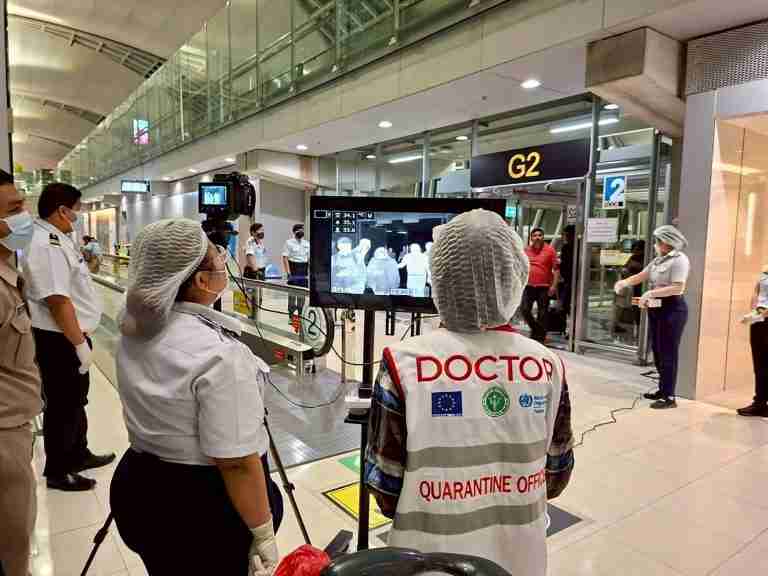
Thailand, Singapore, Hong Kong, Malaysia, Indonesia and Vietnam have also tightened screening at airports
International News via Reuters:
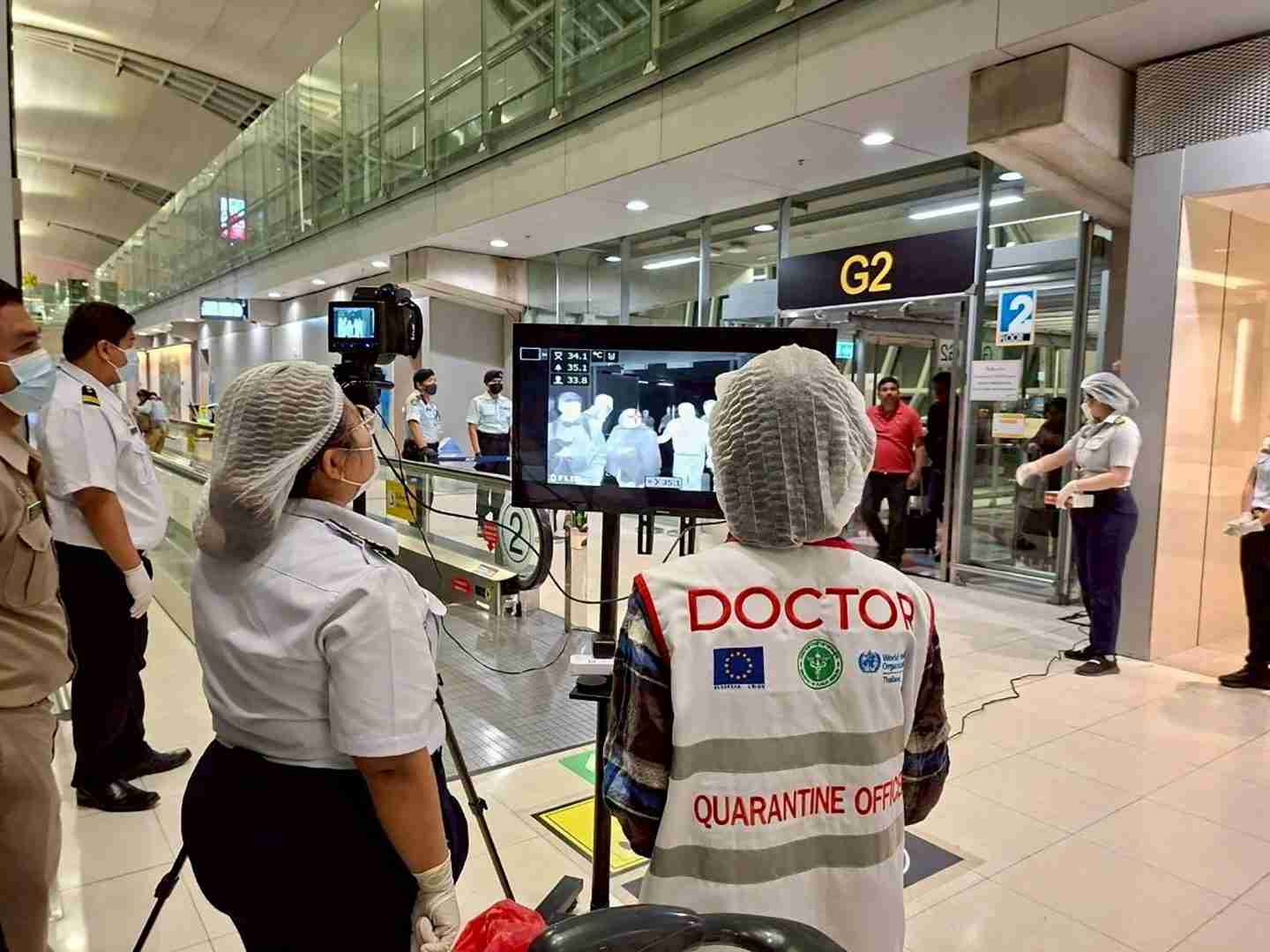
Authorities in Pakistan have ordered enhanced screening of people entering the country for signs of infections of the deadly Nipah virus after India confirmed two cases, adding to the number of Asian countries stepping up controls.
Thailand, Singapore, Hong Kong, Malaysia, Indonesia and Vietnam have also tightened screening at airports. But an Indian official said there were no plans to introduce screening at the country’s airports and said there was no sign of any outbreak.
The Nipah virus can cause fever and brain inflammation and has a high mortality rate. There is also no vaccine. But transmission from person to person is not easy and typically requires prolonged contact with an infected individual.
PAKISTAN SEEKS TRANSIT HISTORY
“It has become imperative to strengthen preventative and surveillance measures at Pakistan’s borders,” the Border Health Services department said in a statement.
“All travelers shall undergo thermal screening and clinical assessment at the Point of Entry,” which includes seaports, land borders and airports, the department added.
The agency said travellers would need to provide transit history for the preceding 21-day period to check whether they had been through “Nipah-affected or high-risk regions”.
There are no direct flights between Pakistan and India and travel between them is extremely limited, particularly since their worst fighting in decades erupted last May.
In Hanoi, the Vietnamese capital’s health department on Wednesday also ordered the screening of incoming passengers at Noi Bai airport, particularly those arriving from India and the eastern state of West Bengal, where the two health workers were confirmed to have the virus in late December.
Passengers will be checked with body temperature scanners.
“This allows for timely isolation, epidemiological investigation,” the department said in a statement.
That follows measures by authorities in Ho Chi Minh City, Vietnam’s largest city, who said they had tightened health controls at international border crossings.
NO OUTBREAK, NO WORRY, SAYS INDIA
India’s health ministry said this week that authorities have identified and traced 196 contacts linked to the two cases with none showing symptoms and all testing negative for the virus.
The two infected people are health workers, with the male patient doing well and likely to be discharged from hospital soon, while the female patient remains critical and under treatment, the chief district medical officer in the eastern Indian state of West Bengal told Reuters on Thursday.
Indian health authorities have repeatedly sought to reassure people that the infection has been contained and that there is no reason to fear an outbreak. Federal health authorities also said there was no need to screen passengers at Indian airports.
“There is no outbreak, there were just two cases in one district in (West) Bengal and there is no spread,” a federal health ministry official told Reuters, speaking on condition of anonymity. “There is no consideration for screening at airports in India because there appears to be no need for it.”
Asked about Indian passengers being screened at airports across Asia, the official said it was the sovereign right of countries to do what they think is best.
HIGH FATALITY RATE
Nipah is a rare viral infection that spreads largely from infected animals, mainly fruit bats, to humans. It can be asymptomatic but it is often very dangerous, with a case fatality rate of 40% to 75%, depending on the local healthcare system’s capacity for detection and management, according to the World Health Organization.
The virus was first identified just over 25 years ago during an outbreak among pig farmers in Malaysia and Singapore, although scientists believe it has circulated in flying foxes, or fruit bats, for thousands of years.
The WHO classifies Nipah as a priority pathogen. India regularly reports sporadic infections, particularly in the southern state of Kerala, regarded as one of the world’s highest-risk regions for Nipah.
As of December 2025, there have been 750 confirmed Nipah infections globally, with 415 deaths, according to the Coalition for Epidemic Preparedness Innovations, which is funding a vaccine trial to help stop Nipah.
Reporting by Francesco Guarascio in Hanoi, Mubasher Bukhari in Lahore, Ananda Teresia in Jakarta, Rishika Sadam and Abhijith Ganapavaram in Hyderabad, and Jatindra Dash in Bhubaneswar; Editing by Edwina Gibbs, YP Rajesh and Gareth Jones
China relaxes visa rules for UK citizens on PM’s trip to Beijing
British citizens will be allowed to visit China without a visa if they are travelling for under 30 days, Starmer said following his talks with President Xi Jinping, in what he cast as a win for business

International News via Reuters:
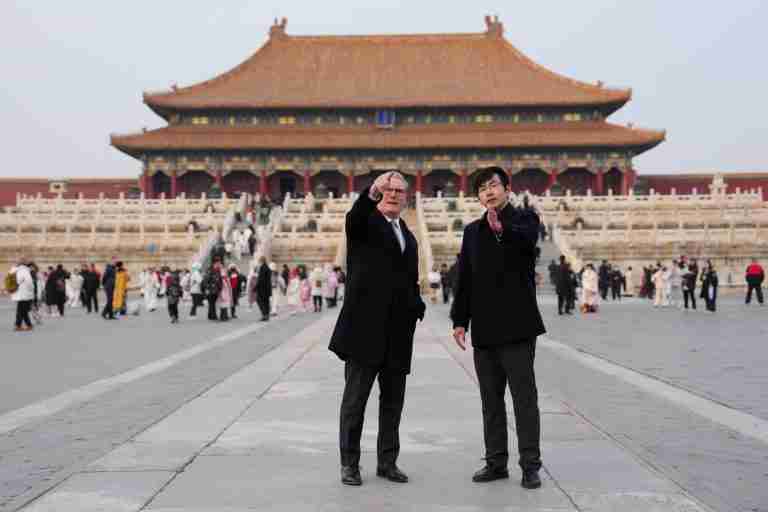
China agreed to relax rules to allow some visa-free travel for British citizens on Thursday during a visit by Prime Minister Keir Starmer to Beijing, as part of a partnership deal which London hopes will help expand its service sector.
British citizens will be allowed to visit China without a visa if they are travelling for under 30 days, Starmer said following his talks with President Xi Jinping, in what he cast as a win for business.
Companies had been “crying out for ways to grow their footprints in China”, a statement from Starmer said, adding that visa-free travel would help facilitate expansion in that market, boosting jobs at home.
Injecting growth into Britain’s relatively sluggish economy is one of the main aims of his four-day trip.
As part of what Britain called a “new partnership”, the two countries also agreed to conduct a feasibility study which could pave the way towards a bilateral services agreement, which would further help British firms doing business in China.
Britain’s economy is underpinned by its huge services sector and the partnership will aim to grow links in the healthcare, financial and professional services, legal services, education and skills sectors, the statement said.
Britain exports 13 billion pounds worth of services to China annually, it added, and demand from China is growing.
Reporting by Andrew MacAskill and Muvija M, writing by Sarah Young, editing by Catarina Demony and William James
AstraZeneca sets out $15 billion China investment during Starmer visit

The announcement marks the biggest deal so far during the trip, as Britain seeks to strengthen ties with Beijing at a time of strained relations with Washington

International News via Reuters:
UK drugmaker AstraZeneca will invest $15 billion in China through 2030 to expand medicines manufacturing and research and development, it said on Thursday as British Prime Minister Keir Starmer visited Beijing.
The announcement marks the biggest deal so far during the trip, as Britain seeks to strengthen ties with Beijing at a time of strained relations with Washington.
Starmer cast the drugmaker’s investment as a boost for Britain. “AstraZeneca’s expansion and leadership in China will help the British manufacturer continue to grow – supporting thousands of UK jobs,” he said in a statement.
Even as AstraZeneca invests heavily in the United States, led by a $50 billion manufacturing deal last year, it continues to build its business in the second-biggest market after scandals including the arrest of its China president in 2024.
BIGGEST INVESTMENT IN CHINA YET
AstraZeneca CEO Pascal Soriot said it was the company’s largest investment in China, where it has operated for more than 30 years and is the biggest foreign drugmaker. China accounts for about 12% of its revenue.
AstraZeneca has invested billions of dollars in the country during Soriot’s tenure as CEO since 2012, including $2.5 billion in a Beijing research and development hub in March last year, its second after a Shanghai site opened in 2024.
The centres work with more than 500 hospitals across China and have helped run global clinical trials.
The drugmaker said the new deal would bolster its capabilities in new therapeutic approaches like cell therapy and radioconjugates, where it said China was a recognised leader.
Building on its 2024 acquisition of Gracell Biotechnologies, AstraZeneca said it would become the first global biopharmaceutical company with end-to-end cell therapy capabilities in China.
The investment would also help develop treatments for cancer, blood disorders and autoimmune diseases, the company said, and expand manufacturing sites in Wuxi, Taizhou, Qingdao and Beijing, which it said supply medicines in China and to 70 markets worldwide.
It will lift its China workforce to more than 20,000.
ASTRAZENECA PARTNERS CHINA’S BOOMING BIOTECH INDUSTRY
China’s growing role as a source of new drug assets has become a focus for the industry, executives said at the JPMorgan Healthcare conference earlier this month.
AstraZeneca has signed more than a dozen deals with Chinese biotech firms developing early-stage experimental drug candidates, including partnerships with AbelZeta, CSPC, Harbour BioMed, Jacobio and Syneron Bio.
AstraZeneca’s Chief Financial Officer Aradhana Sarin said in November that growth in China has been “strong throughout the year”.
Some rival drugmakers have sold off Chinese assets following supply chain disruptions, economic slowdown, and strong competition in the country’s centralised drug procurement programme.
Reporting by Andrew MacAskill in Beijing and Maggie Fick in LondonAdditional reporting by Andrew Silver in ShanghaiEditing by Paul Sandle, Kirsten Donovan
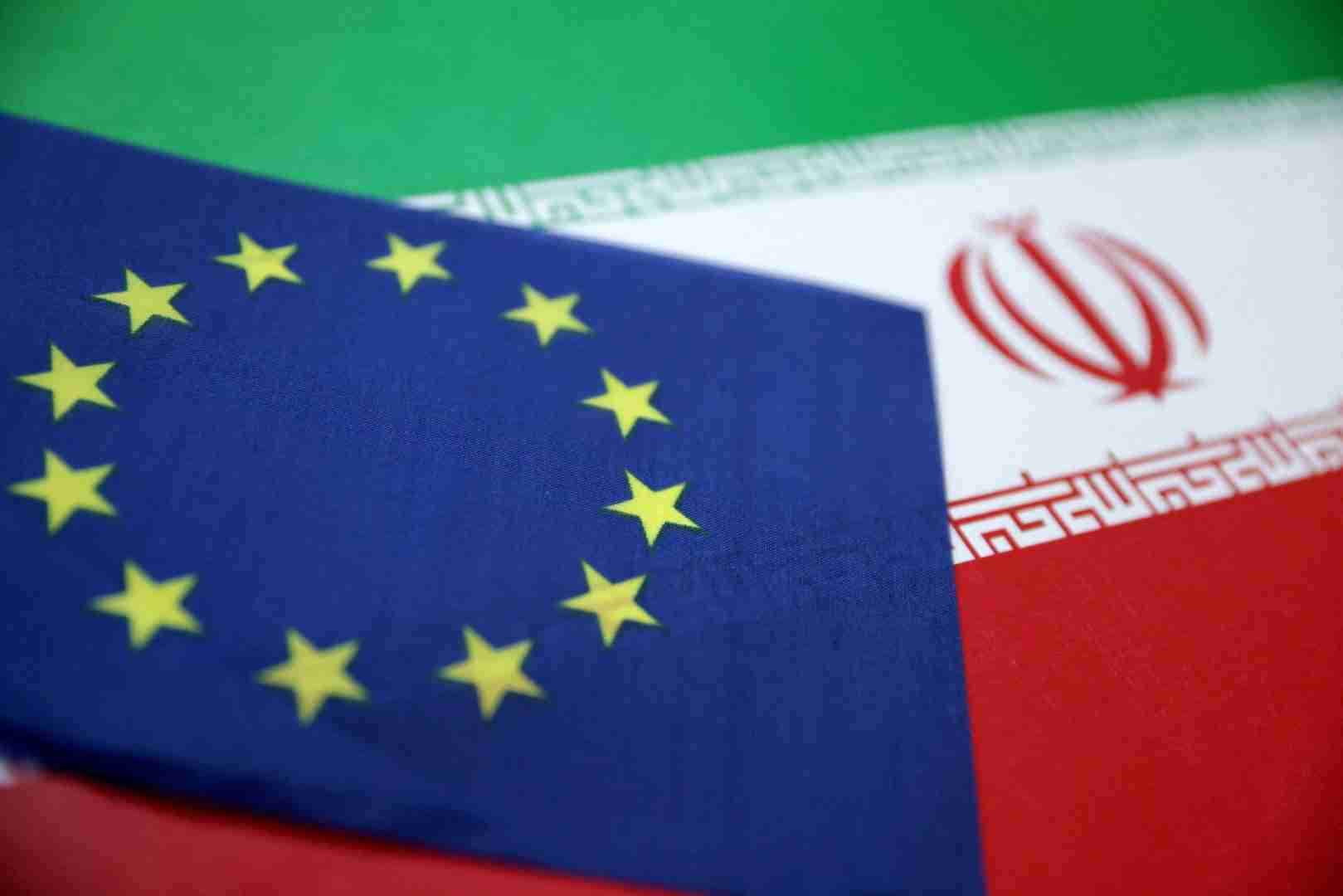
EU ministers approve new Iran sanctions after Tehran’s crackdown on protests, EU diplomats say
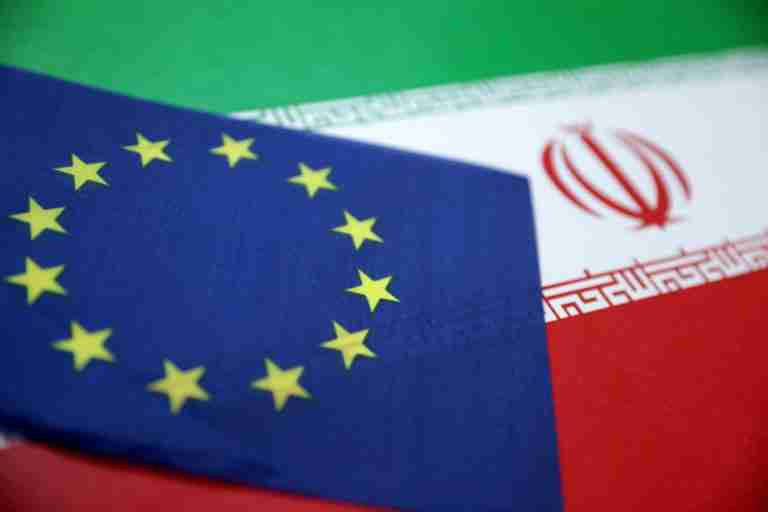
The ministers are also expected to reach a political agreement to include Iran’s Islamic Revolutionary Guard Corps on the bloc’s list of terrorist organisations
International News via Reuters:
European Union foreign ministers adopted new sanctions on Iran on Thursday targeting individuals and entities involved in a violent crackdown on protesters and in the country’s support to Russia, EU diplomats said on Thursday.
The ministers are also expected to reach a political agreement to include Iran’s Islamic Revolutionary Guard Corps on the bloc’s list of terrorist organisations, putting the IRGC in a category similar to that of Islamic State and al Qaeda and marking a symbolic shift in Europe’s approach to Iran’s leadership.
Some EU members, led by France, have long been reluctant to add the IRGC to that list, but Paris said on Wednesday it would support the move, paving the way for an approval, even though such a decision needs unanimity among the bloc’s 27 members.
The IRGC, set up after Iran’s 1979 Islamic Revolution to protect the Shi’ite clerical ruling system, has great sway in the country, controlling swathes of the economy and armed forces, and it was also put in charge of Iran’s ballistic missile and nuclear programmes.
Reporting by Lili Bayer, editing by Inti Landauro, Benoit Van Overstraeten and Hugh Lawson
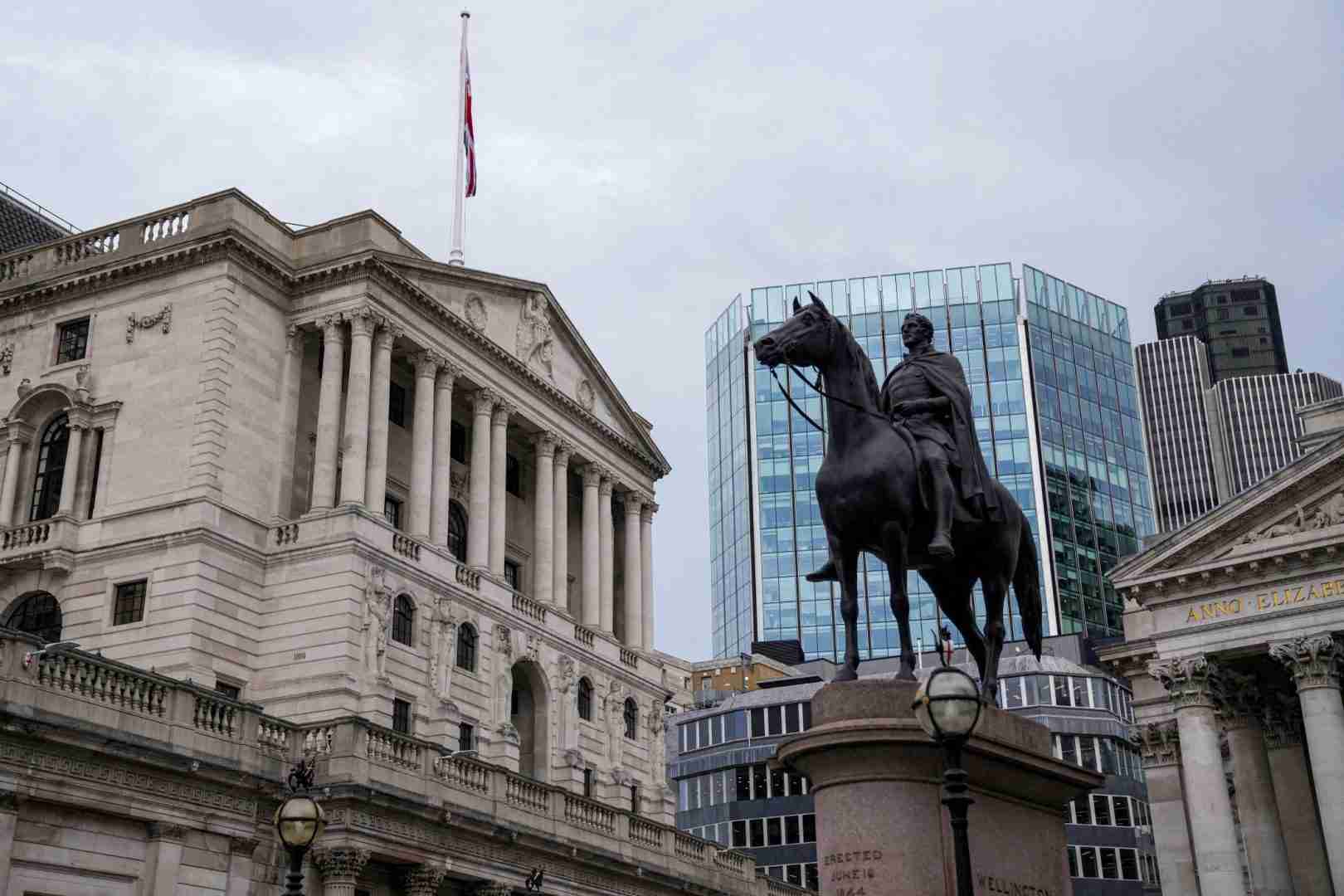
Bank of England weekly repo tops 100 billion pounds for first time
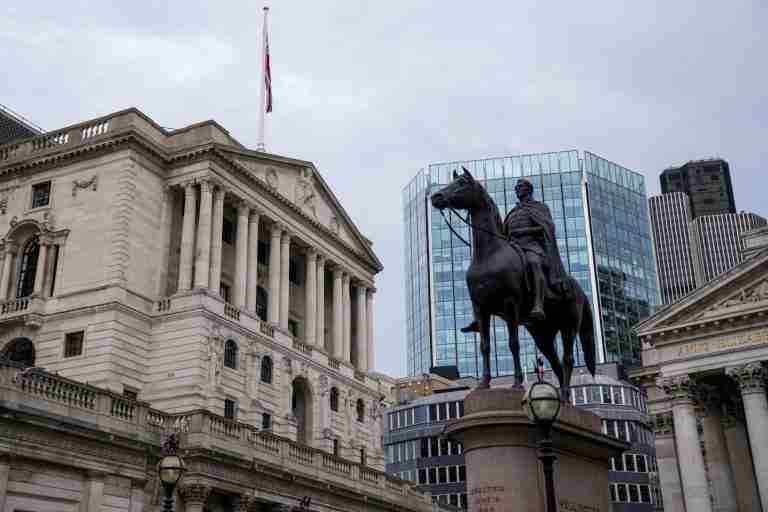
The central bank allotted 100.885 billion pounds ($139.22 billion) in 7-day funds to banks in return for collateral
International News via Reuters:
The Bank of England allotted more than 100 billion pounds to banks in its weekly short-term repo on Thursday for the first time since the programme started in 2022.
The central bank allotted 100.885 billion pounds ($139.22 billion) in 7-day funds to banks in return for collateral, up from 97.876 billion pounds last week and passing a previous record of 99.300 billion pounds on January 15.
Usage of the BoE’s weekly and longer-term repo facilities has been growing as the BoE unwinds its past quantitative easing bond purchases and shifts towards a repo-led system for providing liquidity to the British financial system.
($1 = 0.7246 pounds)
Reporting by David Milliken, editing by Andy Bruce
Sterling close to multi-year highs vs dollar, focus shifts to BoE, politics

The greenback edged down against a basket of currencies as uncertainty over U.S. economic policies and geopolitical moves weighed on sentiment

International News via Reuters:
The pound hovered near multi‑year highs against the dollar on Thursday, with U.S. policy uncertainty keeping the greenback on the back foot as markets looked ahead to next week’s Bank of England decision and to developments on the UK political front.
The decision to keep Bank Rate unchanged this month may be less hotly debated given recent news of the strongest private sector business growth since April 2024 alongside unexpectedly strong retail sales and inflation rising further from the MPC’s 2% target, according to economists polled by Reuters.
The greenback edged down against a basket of currencies as uncertainty over U.S. economic policies and geopolitical moves weighed on sentiment.
Sterling was roughly unchanged at $1.3802, after hitting $1.36645 early this week, its highest since September 2021.
Matthew Ryan, head of market strategy at global financial services firm Ebury, noted that in the last few days “domestic news in the UK, namely expectations for Bank of England rates and the brewing civil war within the Labour Party,” has been completely overshadowed by headlines elsewhere.
British Labour Party politician Andy Burnham was on Sunday blocked from trying to return to parliament, with lawmakers on the left of the party accusing Prime Minister Keir Starmer and his allies of a political move to keep out a potential leadership rival.
Labour is trailing in opinion polls to Nigel Farage’s right-wing populist Reform UK ahead of bellwether local elections in May.
The pound lost 0.05% against the euro to 86.60 pence.
“UK politics may well take its toll on sterling again over the coming months,” said Chris Turner head of forex strategy at ING, mentioning a UK by-election on 26 February.
There looks to be no upside for Starmer from a by-election in the pipeline in the Greater Manchester constituency of Gorton and Denton, as the Labour Party could lose a seat it won with a big majority in 2024.
“Sterling is also vulnerable to any further bond market pressure emanating from Japan or the U.S. In short, we think sterling is near the top of multi-quarter ranges,” ING’s Turner added.
reporting by Stefano Rebaudo; editing by William Maclean
Government reaffirms 2026 reform deadline

Research, public consultation and bipartisan input will shape a policy framework with timelines before any legislation is drafted, and completion is targeted for September 2026

Full press release from the Government of Bermuda:
The Government welcomes public interest in electoral reform. This is an issue that belongs to the whole country and deserves thoughtful discussion, not rushed conclusions.
From the outset, the Government has been clear about its approach. Electoral reform must be grounded in research, consultation, and careful policy development before legislation is drafted. That position was stated during the Budget Debate in May and has guided the work ever since. Consultation is not a delay tactic, nor is it a “rubber stamp”, it is how durable and effective reform is achieved.
The town halls were deliberately designed as part of a structured consultation phase. They were intended to listen, test ideas, and surface practical considerations across the full electoral system, not to present a finished policy before the public had been heard. This process has included public meetings, engagement with overseas students, ongoing work with the Parliamentary Registrar, and discussions with civil society and political stakeholders.
It is important to recognise that consultation is meant to shape policy. The Electoral Reform Policy Framework will be published once this phase is complete, and it will include clear timelines and next steps before any legislation is brought forward.
Regarding the final town hall, Minister Rabain was unavoidably delayed by an unusually long-running Cabinet meeting. However, it must be recognised that he attended all 7 of the previous sessions and remains fully engaged in this work. The final session followed the same presentation, format, and opportunity for feedback, all of which have been captured and will inform the policy framework.
The Government remains on track to complete this reform programme by September 2026. That timeline reflects both the scale and importance of the work and the need to get it right.
Finally, the Government’s position on bipartisan collaboration has not changed. As outlined in correspondence to the Leader of the Opposition on 8 December 2025, this process was always intended to include space for the Opposition’s views before legislation is drafted. That offer remains open, because strengthening Bermuda’s democracy requires cooperation.
Electoral reform is a significant national undertaking. The Government will continue this work in a transparent and consultative manner, focused on delivering reforms that strengthen fairness, accessibility, and public confidence in Bermuda’s democratic system.

Panama through to the final after 2-2 draw with Bermuda

Heartbreak for the Lady Gombey Warriors, as Panama edged through to the final following a dramatic 2–2 draw.
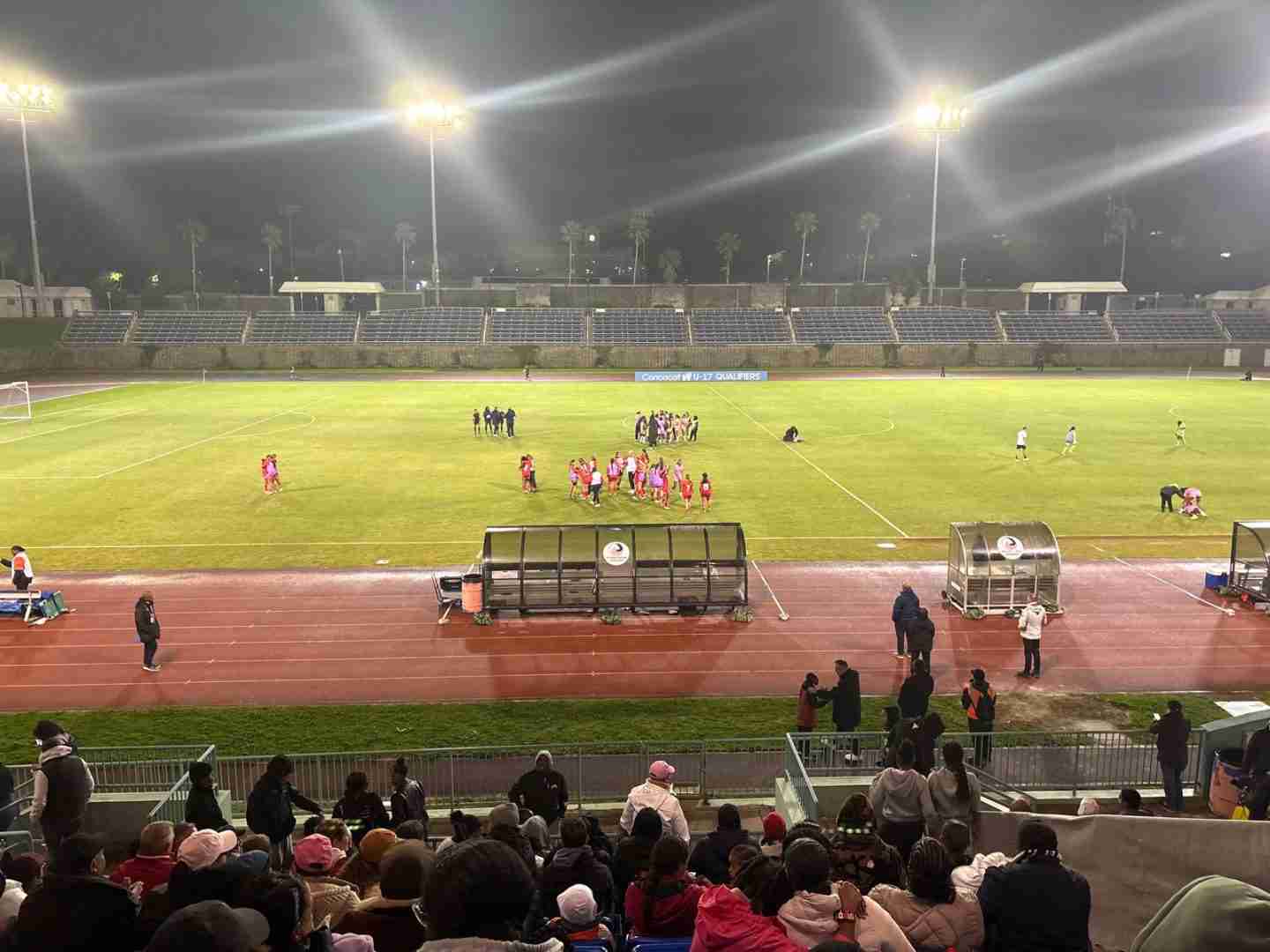
Second Half Recap
Bermuda burst out of the gates after the interval, pressing with intent and purpose. Just two minutes into the second half, that energy paid off when substitute Priya Dill made an instant impact, finding the back of the net to give Bermuda a deserved 2–1 lead.
Panama nearly responded in the 59th minute with a golden opportunity to equalise, but the chance went begging, allowing Bermuda to cling to their slender advantage.
However, the Panamanians would not be denied for long. A contentious yellow card led to a dangerous set piece, and Panama capitalised, levelling the score at two goals apiece.
The match finished in a 2–2 draw — enough for Panama to secure their place in the final. Team Bermuda must now wait to see if they advance as the tournament’s best second-place finisher.