Assistant Commissioner Martin Weekes of the Bermuda Police Service said the powers under section 315F under the criminal code have been in effect since 2024
Police have recovered several knives, machetes, other bladed weapons and firearms through stop and search powers.
The number of recoveries is similar to levels seen back in the 1970s.
I sat down with Assistant Police Commissioner Martin Weekes to discuss the situation.
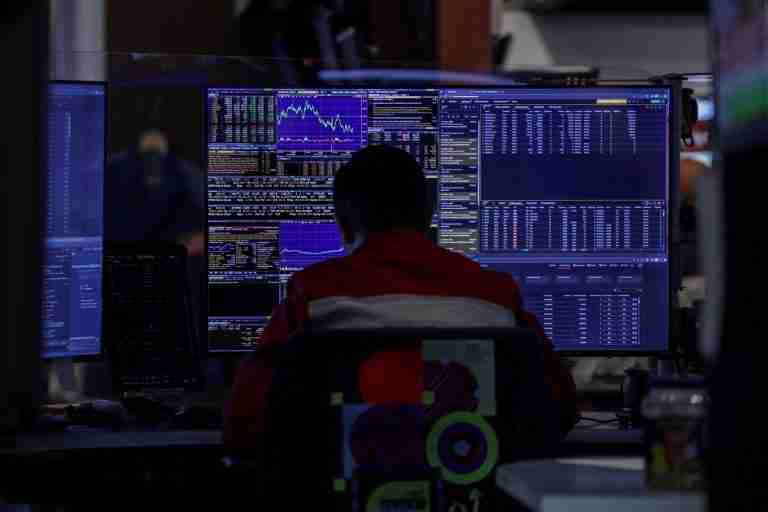
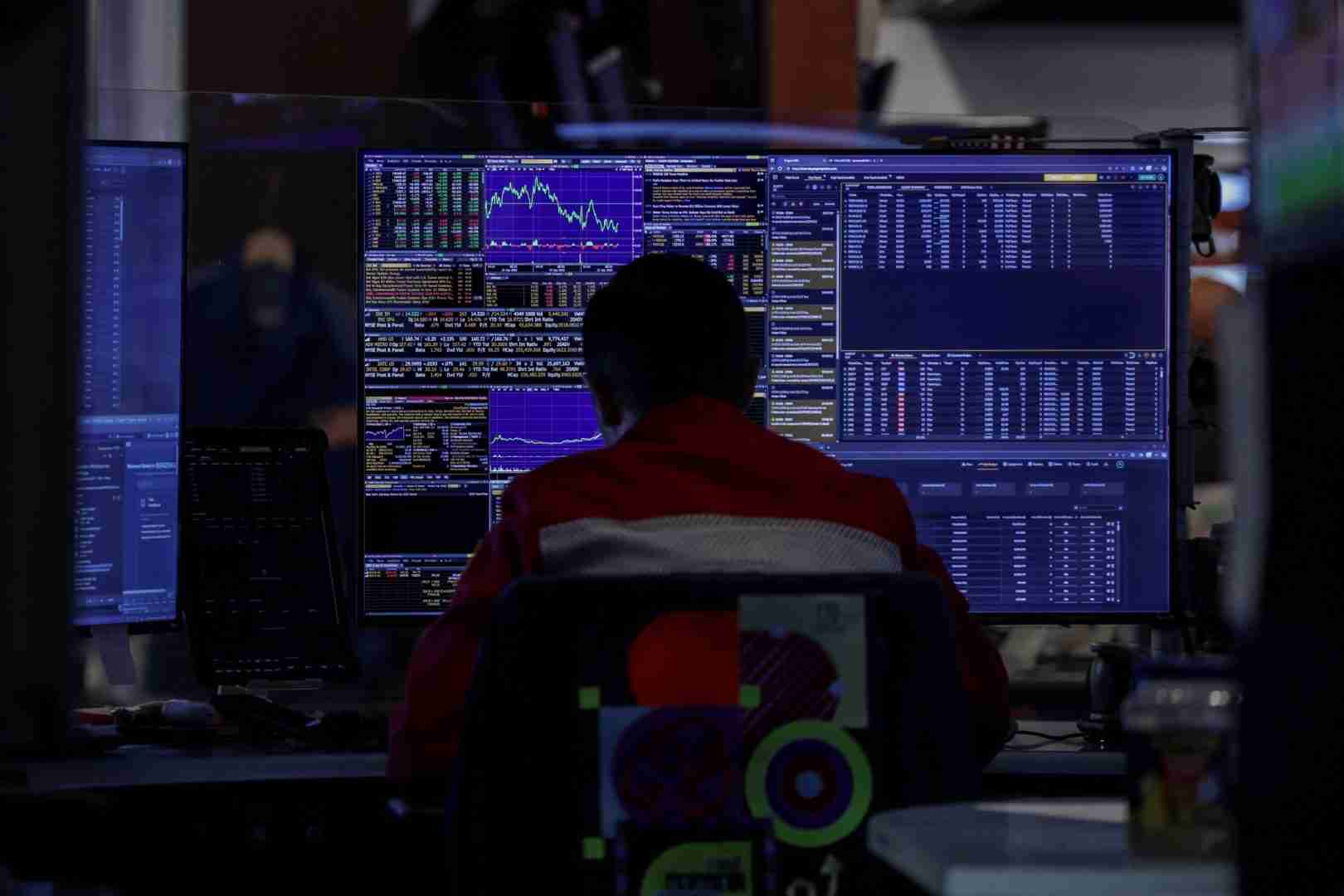
International Monetary Fund chief Kristalina Georgieva warned on Wednesday about the risks to the world economy from potentially large corrections in lofty stock markets
International News via Reuters:
In 1996, then-Federal Reserve chairman Alan Greenspan wondered aloud how we could know when “irrational exuberance” had gripped financial markets, comments that led many to later describe him as a sage who anticipated the dotcom boom and bust.
Now, when markets repeatedly peak as the prospects of artificial intelligence lift valuations of several technology heavyweights including Nvidia, Microsoft and Oracle, similar warnings are stacking up.
International Monetary Fund chief Kristalina Georgieva warned on Wednesday about the risks to the world economy from potentially large corrections in lofty stock markets.
Meanwhile, JPMorgan Chase CEO Jamie Dimon warned of a heightened risk of a significant correction in the U.S. stock market within the next six months to two years, the BBC reported.
“Jamie Dimon is like the Greenspan of today,” said Mark Malek, chief investment officer at Siebert Financial, who back then was working on multiple acquisition deals on behalf of Lucent Technologies, which itself went from being an internet market darling to a poster child for Greenspan’s irrational exuberance.
In December 1996, Greenspan posed a seemingly innocuous rhetorical question during a dinner speech: “How do we know when irrational exuberance has unduly escalated asset values?”
The market reaction was immediate. Asian stocks fell 3%; those in Europe followed suit and the next morning, the S&P 500 tumbled 2%. But within days, those losses had evaporated, and within a few weeks, stocks had not only regained all that lost ground but were trading 10% above the levels they were when Greenspan spoke.
It would take more than three years for the dotcom bubble to burst and give Greenspan the reputation of possessing uncanny foresight, even though anyone who heeded his dinner warning bell would have forfeited gains of more than 100% over that time period.
BULLISH BEHAVIOR ON DISPLAY
Investors draw both parallels and divergences with the current market, where the S&P 500, Nasdaq and the Dow have hit new heights this year. The S&P 500 and the Nasdaq hit fresh record highs on Thursday and are up about 15% and 19%, respectively. The Dow has gained about 10% year-to-date.
In the U.S. equity options market, with one measure of bullish trading near four-year highs, much of the bullish options flow concentrated in high-flying tech names, particularly those exposed to the AI investment theme.
“That’s kind of the epicenter of it … people chasing tech upside,” Greg Boutle, head of U.S. equity & derivative strategy at BNP Paribas, said.
The S&P 500’s price-to-earnings ratio, based on expected 12-month earnings for its constituents, last stood at around 23 times, according to LSEG Datastream. That level is near its highest in five years and well above its 10-year average of 18.7, although the P/E ratio reached around the 25 level in 1999 and 2000, the data showed.
The heavyweight technology sector was trading at 30 times forward earnings estimates, above its long-term average of 21.4. The sector’s valuation surged as high as 48 times during the dotcom era.
Today’s bull market again brings fears about over-exuberance surrounding artificial intelligence may lead to a significant correction in the broader market, some warn.
In 1996, “we were all blinded to the reality of what was happening, and some would argue we’re in the same situation today,” said Malek.
Malek said that today he still carries with him the memory of those years and that he tries to remain aware that this time, too, he could be wrong in believing that the stock market’s remarkable AI-fueled gains are all justified.
“I know I need to keep my pencil sharp,” he said.
But other investors maintain an optimistic outlook. Goldman Sachs analysts argued that while history suggests that bubbles are driven by exuberance that builds around transformative technology, the current market rally is different because it seems to be driven by “fundamental growth rather than irrational speculation” and AI has been dominated by a few incumbents.
Comparisons to 1996 and the dotcom bubble fall short on several fronts, said Art Hogan, market strategist at B. Riley Wealth in Boston. Back in 1996, he was a trader specializing in technology stocks, watching the dotcom boom explode in front of his eyes.
“Hundreds of companies that had dreams in place of business models came public and saw their stock prices double or triple overnight,” Hogan said. “Today, the companies that are leading this revolution already existed before AI began dominating the market chatter, and had significant businesses and growth. And those valuations today aren’t as ridiculous.”
Reporting by Chibuike Oguh and Suzanne McGee in New York; Additional reporting by Saqib Iqbal Ahmed, Lewis Krauskopf and Chuck Mikolajczak; editing by Alden Bentley, Megan Davies and Nick Zieminski
The European Union’s corporate sustainability due diligence directive was adopted last year and requires companies to fix human rights and environmental issues within their supply chains
International News via Reuters:
Lawmaker groups holding a majority in the European Parliament agreed a deal late on Wednesday to make deeper cuts to the EU’s corporate sustainability law, lawmakers and officials told Reuters.
The European Union’s corporate sustainability due diligence directive (CSDDD) was adopted last year and requires companies to fix human rights and environmental issues within their supply chains, or face fines of 5% of global turnover.
It has become one of the most politically contested parts of Europe’s green agenda, and Brussels is now negotiating changes to simplify the rules for European companies, after pushback from Germany and France – as well as the United States and Qatar, and companies including Exxon Mobil.
The centre-right European People’s Party group – the biggest lawmaker group in the European Parliament – on Wednesday struck a deal with socialist and liberal lawmakers to pare back the law further, Jorgen Warborn, the EPP lawmaker leading the negotiations, told Reuters.
A key change would be to only apply the rules to companies with 5,000 or more employees and at least 1.5 billion euros ($1.74 billion) in turnover, he said. Currently, CSDDD covers companies with 1,000 or more employees and above 450 million euros in turnover.
“I’m focusing on making sure that we put Europe back to growth, so that we can produce more jobs and more long-term prosperity,” Warborn said.
Brussels has argued changes are needed to avoid overburdening companies with complex reporting requirements before the law is scheduled to apply in 2027. But campaigners and some companies have warned the EU risks gutting corporate accountability.
Socialist lawmakers had initially balked at the plans, but on Wednesday said they had agreed after the EPP threatened to strike a deal with far-right lawmakers instead, and weaken the law further.
“This compromise is not our preferred option but the alternative was a worse EPP agreement with the far right,” a spokesperson for the Socialists and Democrats group said.
Dutch Socialist lawmaker Lara Wolters said she had resigned as the group’s negotiator on Wednesday in response.
An official from the liberal Renew group confirmed it had also backed the deal. Together, the three lawmaker groups hold a majority of seats in the EU Parliament.
The EU Parliament will vote on the deal later this month, before negotiating the final changes to the law with EU countries.
($1 = 0.8601 euros)
Reporting by Kate Abnett; Editing by Lincoln Feast.
In a closely-guarded event at its Maranello headquarters, a Ferrari-red cover was pulled back on a stage to reveal the Elettrica’s production-ready chassis
International News via Reuters:
Ferrari has unveiled the technology which will power its hotly-anticipated first electric car, the Elettrica, as the 78-year-old luxury Italian sportscar maker looks to add battery power to its hybrid and petrol-engine models.
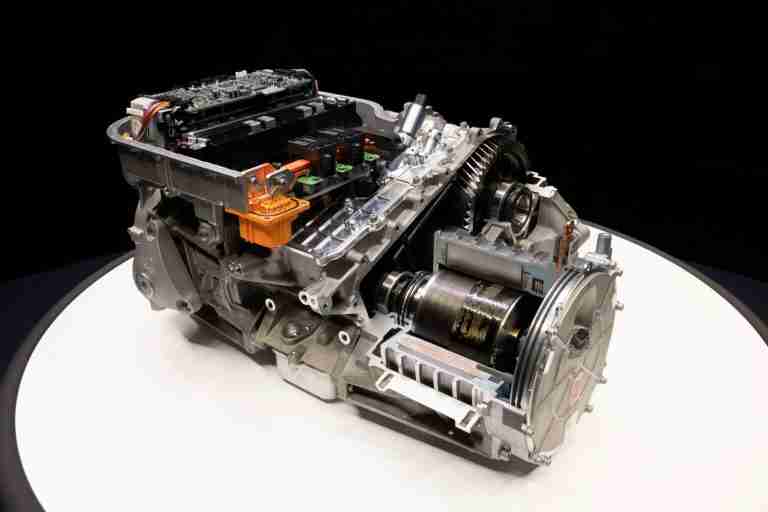
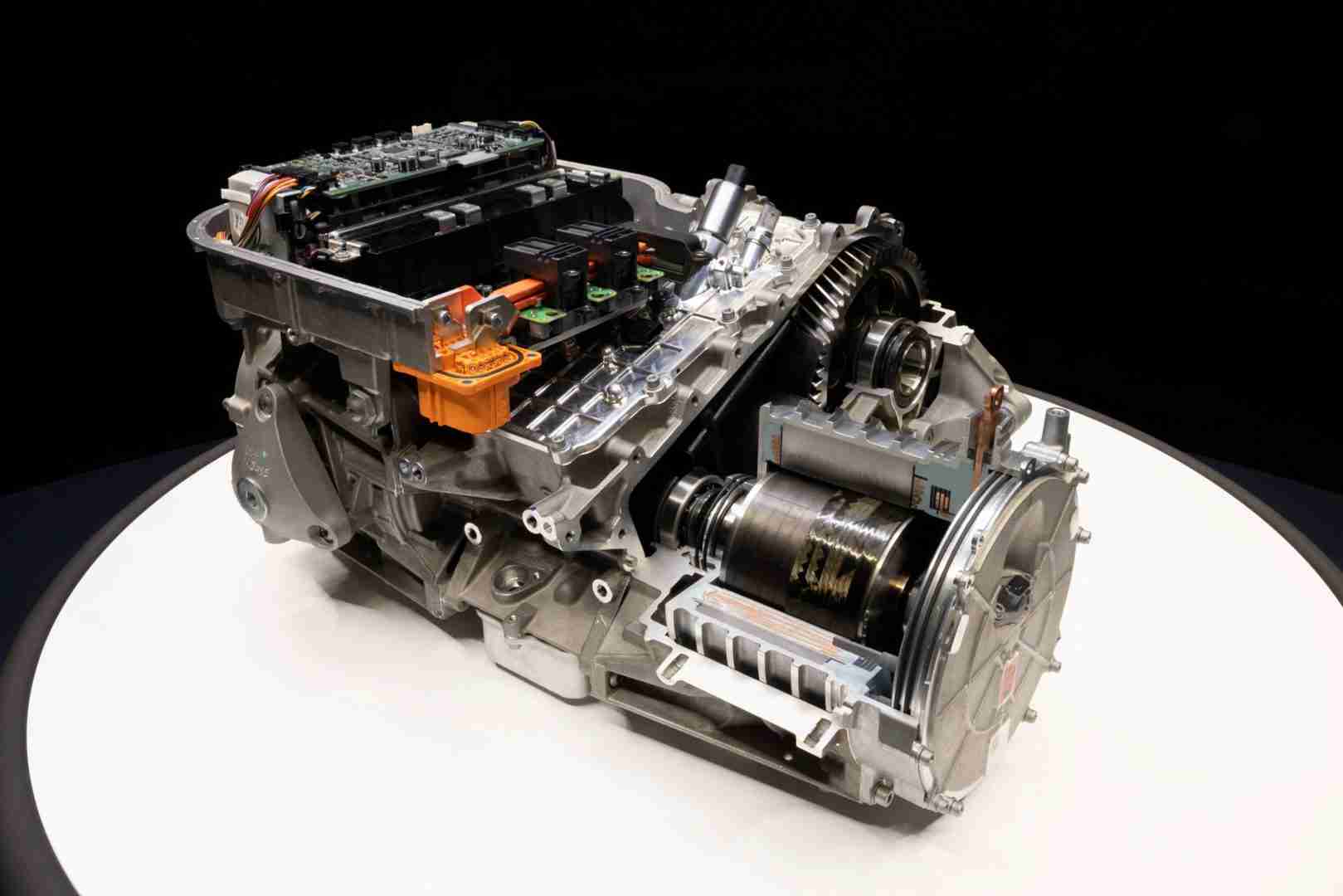
In a closely-guarded event at its Maranello headquarters, a Ferrari-red cover was pulled back on a stage to reveal the Elettrica’s production-ready chassis: a car base, with battery pack and electric motor, though with no wheels or outer shell.
The completed car, which Ferrari is expected to present next year at a global premiere, will have a top speed of 310 kilometres per hour (193 miles) – slightly slower than most of its engined models and a range of at least 530 km.
The four-door, four-plus seat car will have a specially-designed sound system to amplify actual vibrations from its powertrain to create a distinctly electric Ferrari sound, rather than just faking engine noise.
The unveiling of the inner workings of Ferrari’s maiden electric car marks a milestone for the auto industry that is grappling more widely with a shift from the internal combustion engine to the electric battery.
“Today… is an historic day for us. We all have goosebumps,” said CEO Benedetto Vigna, who said the electric car would complement, not replace, the company’s existing models. “The EV is an addition, not a transition.”
FERRARI NEEDS AN EV FOR NEXT GENERATION OF RICH KIDS
Like other high-performance brands, Ferrari has been cautious about electrification. Reuters reported in June that it had delayed a second EV model until 2028 because of a lack of demand. Rival Lamborghini, part of Volkswagen, has delayed its first EV until 2029, saying the market is not ready.
Luxury automaker Porsche forged ahead with EVs, but has been caught between a crowded Chinese market and Western buyers who still want Porsche’s loud combustion engines. Delays to its EV roll-out have hit parent Volkswagen.
Ferrari is aiming to have 20% of its model line-up fully-electric by 2030, its long-term business plan unveiled on Thursday shows. That is below the 40% target it set for 2030 in its business plan three years ago.
Ferrari is under less pressure than mainstream automakers to go electric ahead of a 2035 European Union ban on new fossil-fuel car sales, as it can sell combustion-engine models running on higher-cost synthetic e-fuels its customers can afford.
But wealthy younger buyers are keen to go electric.
“If you think about the next generation of kids, to remain relevant, maybe Ferrari needs an electric line-up that represents the pinnacle of its type,” former Aston Martin CEO Andy Palmer told Reuters.
FERRARI NEEDS “AN EV THAT IS MORE THAN AN EV”
The Ferrari Elettrica, expected to cost at least 500,000 euros ($580,400), Reuters reported last year, comes almost two decades after the first hybrid technology appeared in its Formula One cars in 2009. Ferrari began selling hybrid models in 2019.
The Elettrica’s chassis and body will be made from 75% recycled aluminium and the battery is fully integrated into the floor to help lower its centre of gravity, which will help with performance and speed. It will have a fast-charging battery.
Industry experts said the challenge for brands like Ferrari was how to create something more than just a high-spec version of a premium EV, which already has instant acceleration.
The upcoming Tesla Roadster, for example, is advertised with a top speed of more than 250 mph.
Ferrari’s cars, which start with a price tag of more than 200,000 euros, need to offer more.
“If Ferrari is going to be successful, it has to bring to the market an EV that is more than an EV,” Palmer said. “(It) is not offering you acceleration, it’s not offering you top speeds because you can buy that in a 30,000 euro BYD.”
Phil Dunne, a managing director at consultancy Grant Thornton Stax, said demand was yet to catch up, but Ferrari’s strength would be offering its large base of wealthy consumers the same experience and feeling its combustion-engine models do today.
“If their customers want to be environmentally friendly today, they can have a Tesla, they can have some other EV,” Dunne said. “Teslas can give you an amazing feeling of power, but it doesn’t feel anything like a Ferrari.”
($1 = 0.8615 euros)
Reporting by Giulio Piovaccari in Maranello; Editing by Nick Carey, Adam Jourdan and Jane Merriman
The announcement came as British Prime Minister Keir Starmer was visiting Indian Prime counterpart Narendra Modi in Mumbai
International News via Reuters:
Britain said on Thursday it had signed a 350 million pound ($468 million) contract to supply the Indian army with UK-manufactured lightweight missiles, as part of a deepening weapons and defence partnership between the two countries.
The announcement came as British Prime Minister Keir Starmer was visiting Indian Prime counterpart Narendra Modi in Mumbai, where the pair hailed the potential of the commercial links from their months-old trade deal.
In its statement on the defence deal, the British government said the new contract for Lightweight Multirole Missiles made by Thales in Northern Ireland would secure 700 jobs at a factory which currently makes the same weapons for Ukraine.
“The deal paves the way for a broader complex weapons partnership between the UK and India, currently under negotiation between the two governments,” it said.
Starmer has over the last 12 months thrown his weight behind Britain’s defence sector to try to drive higher economic growth, pledging to up spending in line with NATO targets, as well as focusing on winning exports, such as a recent $13.5 billion frigate contract with Norway.
Britain also said on Thursday it reached a new milestone with India on a tie-up for electric-powered engines for naval ships as both countries signed the next phase of a deal, worth an initial 250 million pounds.
($1 = 0.7481 pounds)
Reporting by Muvija M and Alistair Smout, writing by Sarah Young; editing by Michael Holden
Press release: Mount Saint Agnes Academy (MSA) is pleased to invite the community to its annual Bazaar, taking place on Friday, October 10, and Saturday, October 11, from 10:00 AM to 10:00 PM each day.
This year’s theme, “Not So Scary Halloween Bazaar,” promises a festive and family-friendly Halloween atmosphere across the MSA campus. Guests of all ages can enjoy a wide range of activities, including:
Kiddyland for our youngest visitors
Bingo, a Photo Booth and several exciting game stalls
A giant inflatable slide
A secondhand treasures area for thrift lovers
A bake stall featuring fresh malasadas and other delicious treats
A variety of food options to satisfy every craving
One of the highlights is the dunking stool, where attendees will have the chance to dunk members of the Class of 2026—a guaranteed crowd-pleaser!
Raffle tickets will also be available for purchase, offering the chance to win fantastic prizes. For over 110 years, the MSA Bazaar has been one of Bermuda’s most beloved family events, bringing joy, connection, and unforgettable experiences to generations of attendees. We look forward to welcoming you to this year’s celebration!
Bermudian freshman scores for University of New Hampshire
Freshman forward Xahvi DeRoza scored, but the University of New Hampshire men’s soccer team fell to UAlbany, 3 – 1, at Wildcat Stadium in America East action.
DeRoza was also named the America East Rookie of the Week. This is DeRoza’s first career America East weekly award.
UAlbany took a 1-0 lead in the 18th minute when Ivar Gissurarson fired a one-timer to the upper middle of the net from 10 yards out from a pass by Shawn Tanaka.
In the 22nd minute UAlbany extended their lead to 2-0 as Brennan McDermott sent a pass to Rodrigo Hermelo who was standing at the right post, ultimately sending the ball to the middle for Gissurarson who blasted a shot to the back of the net.
DeRoza cut the deficit to 2-1 in the 51st minute when Jiwoo Lee (Seoul, Korea) sent the ball down the field to Elias Khodri (Lyon, France) who headed the pass to DeRoza beating the goalie to the goal drilling the ball in the bottom right of the net.
Rodrigo Hermelo in the 77th minute (76:33) launched a free kick 42 yards away to Andre Navas who headed the ball into the top left of the goal giving the Great Danes a 3-1 lead.
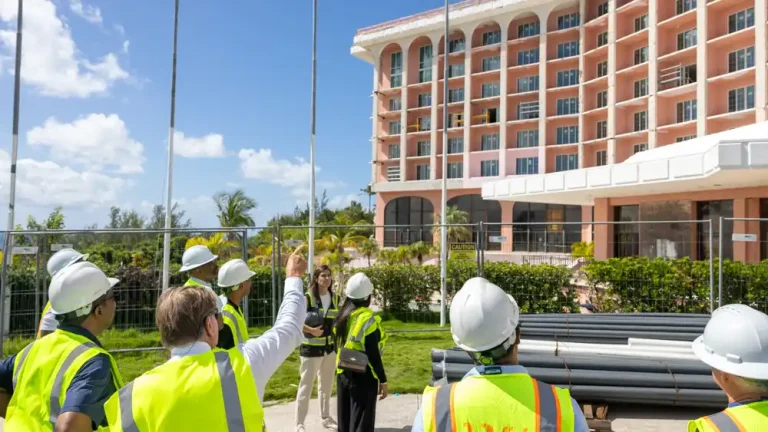
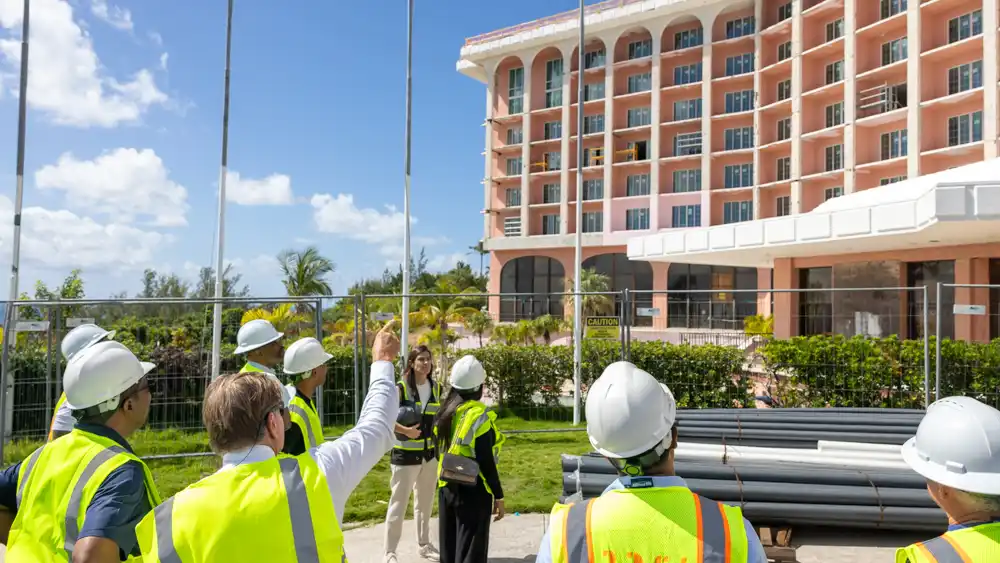
The Fairmont Southampton hotel, currently under renovation, hosted Government’s Cabinet meeting this week
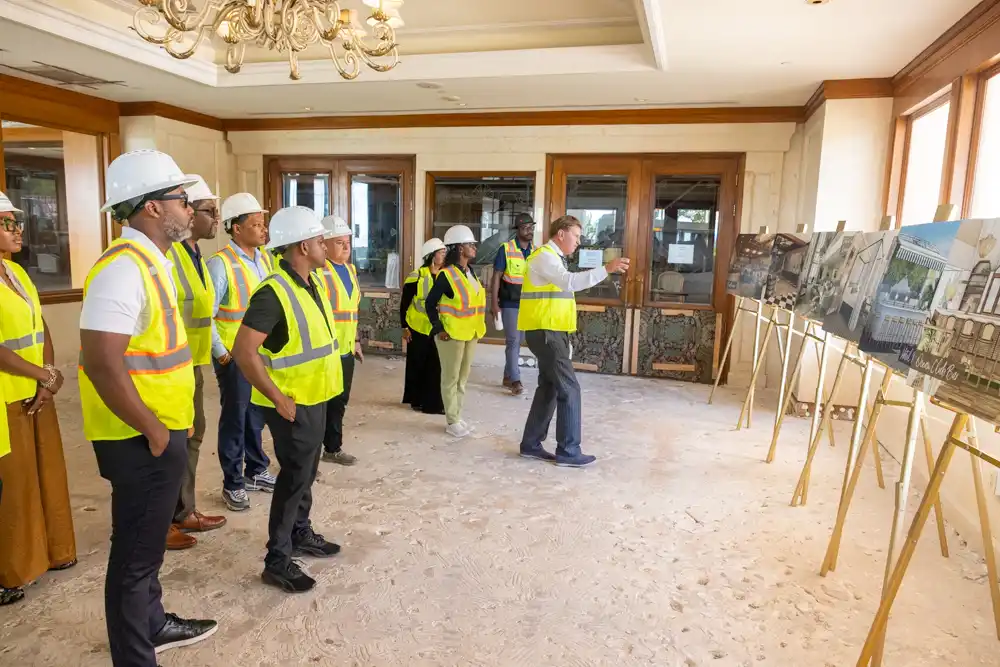
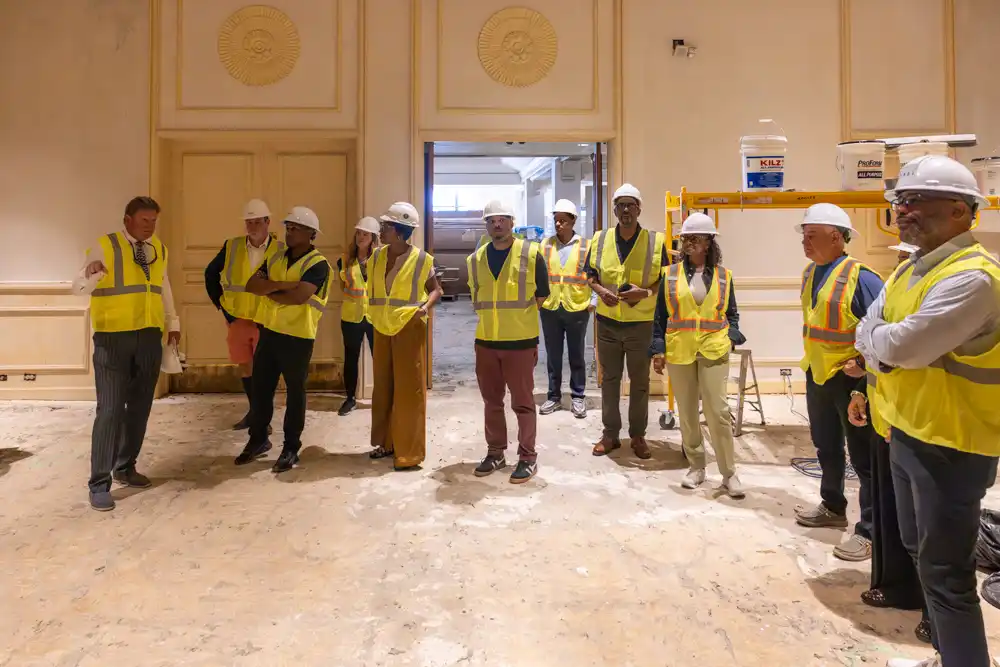
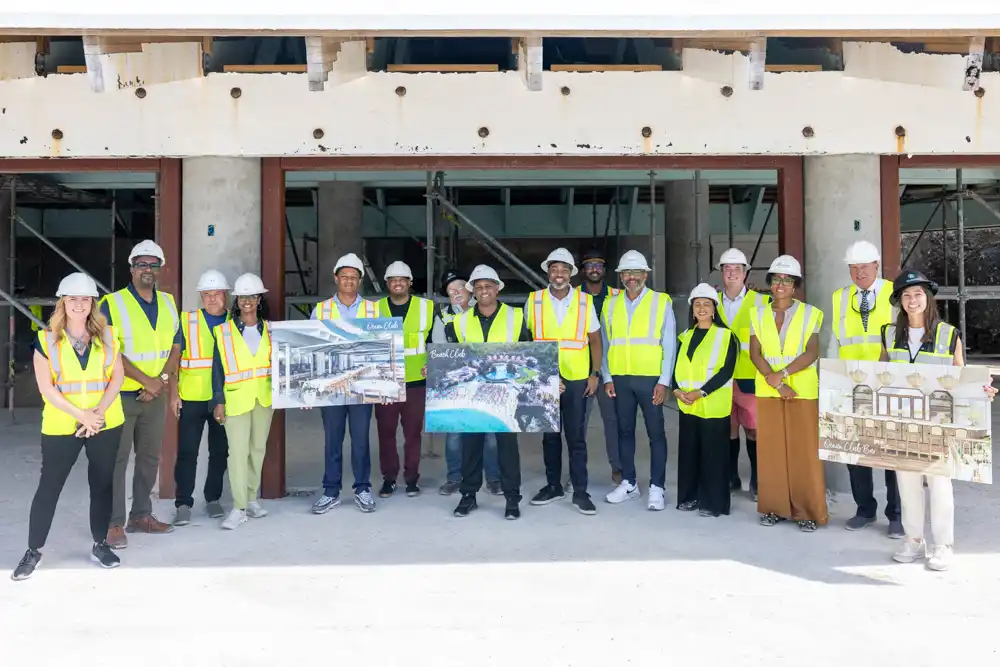
Cabinet Ministers on tour at Fairmont Southampton. Tour conducted by Mr. Chris Maybury and representatives from the Fairmont Southampton, Gencom/Westend Properties Limited and project contractors. Photo supplied by Government of Bermuda
Hardhats are not the usual required uniform for Cabinet meetings – regardless of how tense they may become.
This week, however, was an exception.
Premier David Burt and his team of Ministers held their discussions not at the Cabinet building, but at the under-construction Fairmont Southampton property.
Bermuda’s largest hotel, shuttered since 2020, is under renovation ahead of its planned reopening in 2026.
The Cabinet held their usual meeting at the Boundary Sports Bar and Grill, but were then escorted on a tour of the property by Chris Maybury and other representatives of Gencom affiliate Westend Properties, along with contractors.
Cabinet members toured the lobby, ballroom, pool, spa and restaurants, and saw the ongoing transformation of the Beach Club and the former Whaler Inn – now renamed the Ocean Club.
The exterior of the hotel is being stripped, refinished and repainted, and all 593 guest rooms are being refurbished.
Premier Burt said the work at the iconic resort has progressed significantly, and that the Beach Club, once complete promises to be one of the best ocean-front amenities in the world.
A Government press release states that there are approximately 320 workers on site at this time, and since the start of the renovation project more than 400 skilled individuals have been involved – including 18 local contractors and sub-contractors.
Westend Properties, owners of the Fairmont Southampton, recently reaffirmed that they have the required financing in place for the hotel’s renovation – and look forward to welcoming guests in 2026.
More Photos & Government of Bermuda press release below…
Government of Bermuda Press Release:
Earlier this week, the Premier, the Hon. David Burt, JP, MP and Ministers of the Cabinet held their weekly meeting at the Fairmont Southampton property and were then taken on a tour to view the ongoing renovations at the hotel.
The Cabinet meeting was held at the Boundary Sports Bar and Grill, with Ministers then escorted to view the property by Westend Properties Limited representative, Mr. Chris Maybury and representatives from the Fairmont Southampton, Gencom/Westend Properties Limited and project contractors.
The tour started at the main hotel where extensive renovations are taking place in the lobby, ballroom, pool, spa and restaurants. The exterior of the hotel is being stripped, refinished and repainted and all 593 guest rooms are being refurbished.
Cabinet members were transported to the Beach Club where work to transform the beach-side facilities is already well advanced. Renovations to the Ocean Club, formerly the Whaler Inn, are substantially complete. The works included a full roof replacement and structural repairs, along with foundation work to support new facilities such as an open-air beachside restaurant, pool area, changing rooms, and maintenance room spaces.
Premier Burt said, “The work taking place at the Fairmont Southampton, one of Bermuda’s most iconic resorts, has progressed significantly. It was an informative tour for Cabinet members to see how the revitalised property will assist in ensuring that Bermuda remains a leading luxury destination in the region. Once completed, the new Beach Club promises to be one of the best ocean-front amenities in the world.”
There are currently approximately 320 workers on site and since the start of the renovation project more than 400 skilled individuals have been involved, including 18 local contractors and sub-contractors.
The hotel is scheduled to re-open in 2026, providing more than 600 permanent employment opportunities for Bermudians.
Speaking to Swedish Radio, Krasznahorkai, 71, said he had only planned to write one book
International News via Reuters:
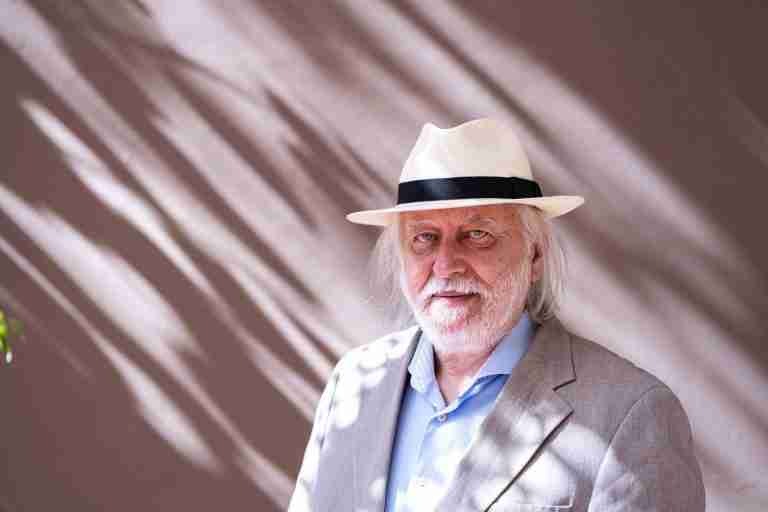
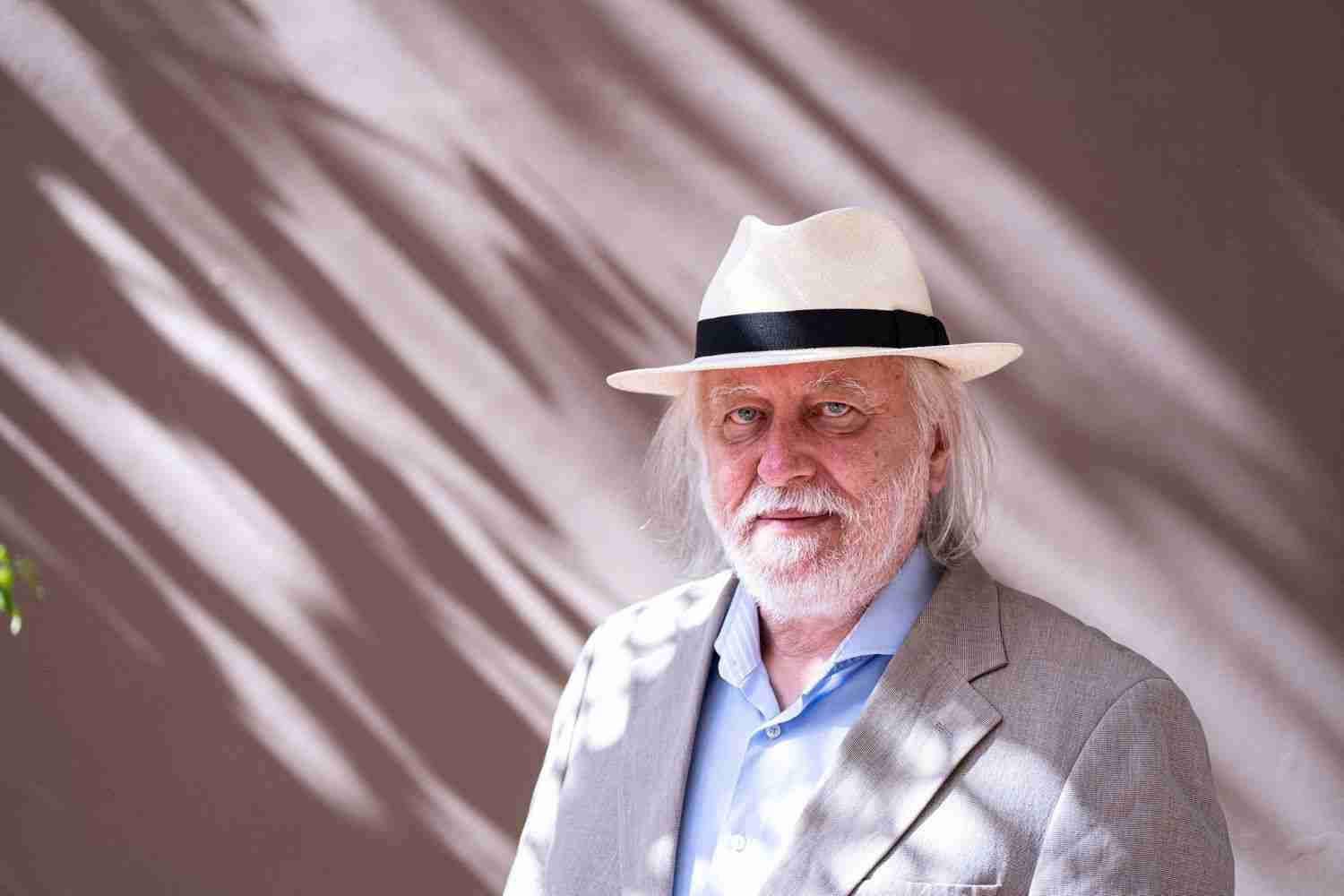
Hungarian writer Laszlo Krasznahorkai won the 2025 Nobel Prize in Literature on Thursday “for his compelling and visionary oeuvre that, in the midst of apocalyptic terror, reaffirms the power of art”.
“Laszlo Krasznahorkai is a great epic writer in the Central European tradition that extends through Kafka to Thomas Bernhard, and is characterised by absurdism and grotesque excess,” the Swedish Academy, which awards the prize worth 11 million Swedish crowns ($1.2 million), said in a statement.
“But there are more strings to his bow, and he also looks to the East in adopting a more contemplative, finely calibrated tone.”
‘MY LIFE IS A PERMANENT CORRECTION’
Speaking to Swedish Radio, Krasznahorkai, 71, said he had only planned to write one book, but after reading his debut novel, “Satantango”, he wanted to improve his writing with another one. “My life is a permanent correction,” he said.
He said his greatest inspiration as a novelist was “the bitterness”.
“I’m very sad if I think of the status of the world now, and this is my deepest inspiration,” he said in an interview published on the Nobel website on Thursday. He was speaking from Frankfurt, where he was visiting a sick friend.
The settings of his novels move across central Europe’s remote villages and towns, from Hungary to Germany, before skipping to the Far East, where his travels to China and Japan left deep-seated impressions.
The American critic Susan Sontag crowned him contemporary literature’s “master of the apocalypse”, the Academy said, “a judgement she arrived at after having read the author’s second book, ‘Melancholy of Resistance'”.
The second Hungarian to win the prize, after Imre Kertesz in 2002, Krasznahorkai was born in 1954 in the small town of Gyula in southeast Hungary, near the Romanian border.
“Satantango”, his 1985 breakthrough, is set in a similarly remote rural area and became a literary sensation in Hungary.
“The novel portrays, in powerfully suggestive terms, a destitute group of residents on an abandoned collective farm in the Hungarian countryside just before the fall of communism,” the Academy said.
Across the region, collective farms had been set up when land was confiscated at the start of communist rule, and many had become symbols of mismanagement and poverty by the time it ended in 1989.
“Everyone in the novel is waiting for a miracle to happen, a hope that is from the very outset punctured by the book’s introductory (Franz) Kafka motto: ‘In that case, I’ll miss the thing by waiting for it’,” the Academy said.
Krasznahorkai has repeatedly referenced “The Castle” by Kafka as a key influence.
“When I am not reading Kafka, I am thinking about Kafka. When I am not thinking about Kafka, I miss thinking about him,” he told the White Review in 2013.
ORBAN CONGRATULATES FIERCE CRITIC
A fierce critic of Hungarian Prime Minister Viktor Orban, Krasznahorkai has said his government was a “psychiatric case” because of its stance on the Ukraine war. Orban opposes military aid to Kyiv and says Hungary should stay out of the war.
“How can a country be neutral when the Russians invade a neighboring country?” Krasznahorkai said in an interview with the Yale Review in February.
Reacting to the news, Orban wrote in a short message on X: “Laszlo Krasznahorkai, Hungary’s Nobel Prize laureate in literature, brings pride to our nation. Congratulations!”
Much of Krasznahorkai’s inspiration comes from experiences in central Europe on the cusp of the fall of communism. In 1987, Krasznahorkai moved from communist Hungary to West Berlin, where he said he found “a democratic ambience” he had never experienced before.
“Ever since, I have never forgotten the taste of freedom,” he said in an interview on the Friderikusz Podcast in 2023.
DARK THEMES MAY RESONATE WITH 21ST CENTURY READERS
His writing may resonate with readers immersed in news from Russia’s war in Ukraine as well as the Palestinian-Israeli conflict, said Jason Whittaker, Professor of Communications at the University of Lincoln.
“We seem to have entered the 21st century in a more hostile and bleak environment than we hoped for at the end of the 20th,” Whittaker said. “… some of the bleak and darkly comic elements of books such as Satantango actually will resonate with many more readers than previously.”
Krasznahorkai had a close creative partnership with Hungarian filmmaker Bela Tarr. Several of his works have been adapted into films by Tarr, including “Satantango”, which runs to more than seven hours, and “The Werckmeister Harmonies”.
“When I read (Satantango), I knew it immediately that I must make a film based on it,” Tarr told Reuters by phone.
In 1993, Krasznahorkai won the German Bestenliste Prize for the best literary work of the year for “The Melancholy of Resistance”.
Crucial to the dramatic sequence of events is the arrival in the city of a ghostly circus, whose main attraction is the carcass of a giant whale.
The novel employs “dreamlike scenes and grotesque characterisations” to “portray the brutal struggle between order and disorder,” the Academy said. “None may escape the effects of terror.”
He was also the winner of the Man Booker International Prize 2015.
LITERATURE IS THE FOURTH NOBEL PRIZE OF 2025
Established in the will of Swedish dynamite inventor and businessman Alfred Nobel, the prizes for achievements in literature, science and peace have been awarded since 1901.
Past winners of the literature prize include French poet Sully Prudhomme, who bagged the first award, American writer William Faulkner in 1949 and Britain’s World War Two Prime Minister Winston Churchill in 1953.
Last year’s prize was won by South Korean author Han Kang who became the 18th woman – the first was Swedish author Selma Lagerlof in 1909 – and the first South Korean to receive the award.
($1 = 9.3420 Swedish crowns)
Reporting by Simon Johnson and Johan Ahlander in Stockholm, Justyna Pawlak in Warsaw; additional reporting by Krisztina Than in Budapest, Terje Solsvik in Oslo, Greta Rosen Fondahn, Niklas Pollard and Marie Mannes in Stockholm; Editing by Alex Richardson and Ros Russell
Google, a unit of Alphabet, said in a statement that “mass amounts of customer data” were stolen in an operation it said may have begun as early as three months ago
International News via Reuters:
Google said on Thursday that dozens of companies have been affected by an ambitious hacking campaign that targeted Oracle’s suite of business products, an early assessment that could portend wide-ranging damage.
Google, a unit of Alphabet, said in a statement that “mass amounts of customer data” were stolen in an operation it said may have begun as early as three months ago.
“This level of investment suggests the threat actor(s) responsible for the initial intrusion likely dedicated significant resources to pre-attack research,” the email said.
Google said the hackers targeted Oracle’s E-Business Suite of applications, which Oracle clients use to manage customers, suppliers, manufacturing, logistics, and other business processes.
Oracle did not immediately return an email seeking comment. Previouisly, the company had confirmed that there was extortion activity aimed at its clients.
Google noted in a blog post on Thursday that the group believed to be at the center of the intrusions, CL0P, has a long history of wide-ranging compromises against third party software or service providers.
“This latest campaign targeting Oracle EBS marks a continuation of this successful and high-impact operational model,” the blog said.
CL0P did not immediately respond to an email seeking comment. Previously, the hacker group said it would soon be clear that Oracle had “bugged up their core product.”
Reporting by Raphael Satter; Editing by David Gregorio
The sale process has not formally begun, but interest in the asset is building ahead of a potential launch
International News via Reuters:
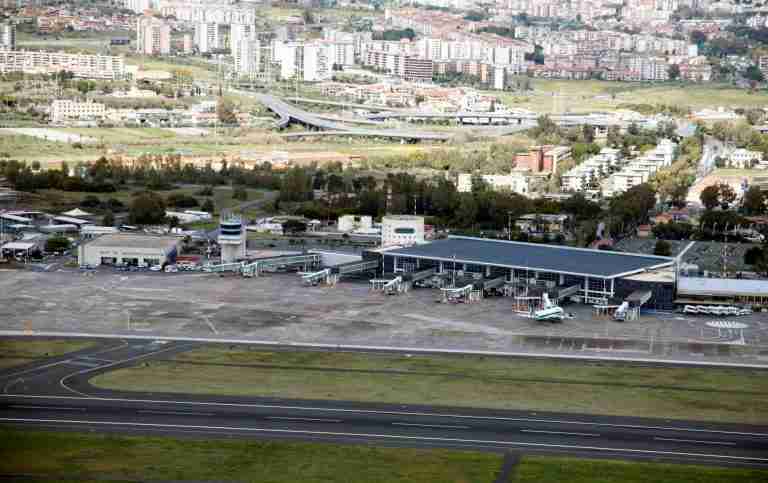
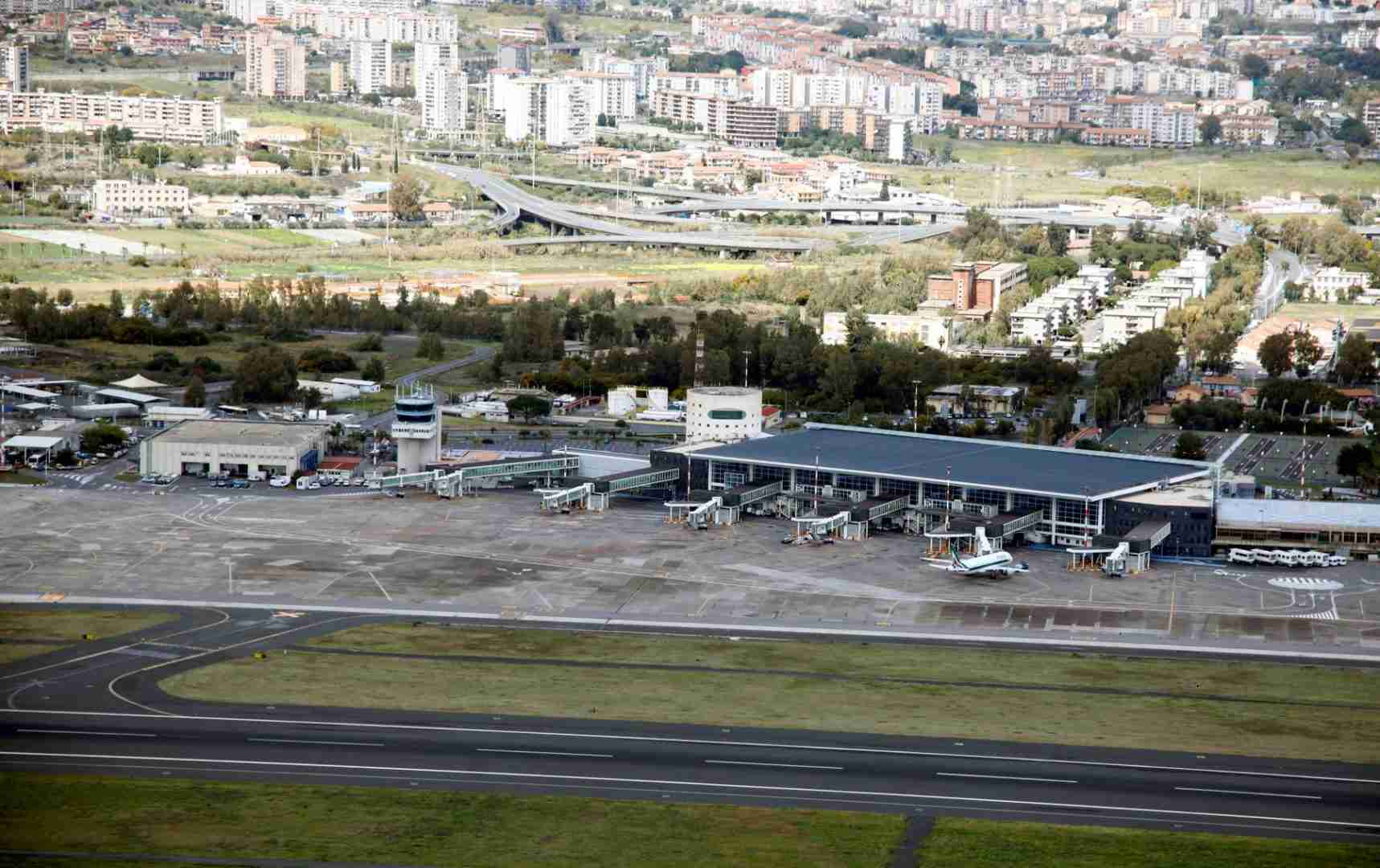
Abu Dhabi’s sovereign wealth fund ADQ has emerged as a potential suitor in a sale of Catania airport’s operator in Sicily, two sources familiar with the matter said, adding that the fund has expressed preliminary interest in the asset.
The sale process has not formally begun, but interest in the asset is building ahead of a potential launch, the sources said, speaking on condition of anonymity.
Catania is Sicily’s main airport and Italy’s fifth busiest airport by passenger traffic.
It is operated by SAC, a company owned by local authorities and chambers of commerce, under a concession that runs until 2049. SAC also manages the smaller Comiso airport, located in southern Sicily.
Under the draft terms of the sale, between 51% and 66% of SAC would be sold, one of the people said.
LONG-RUNNING PRIVATISATION PROCESS
The asset could be worth between 500 million euros and 600 million euros ($580.60 million – $696.72 million), the people said.
The valuation, based on sector multiples and expected core earnings of over 30 million euros this year, reflects its concession-based model, which typically trades below freehold airport assets, according to one of the people.
Italy’s civil aviation authority ENAC is currently reviewing the draft tender for the sale, the sources said, with one of them adding a green light is expected at the end of October, which would pave the way for the formal start of the process.
ADQ declined to comment. SAC and ENAC did not immediately respond to a request for comment.
In a statement to Reuters, Antonino Belcuore, special commissioner of the chamber of commerce of South and East Sicily, which holds a 60.6% stake in SAC, welcomed ADQ’s interest, saying it showed the importance of the asset and that the path to privatisation is “the right one to continue pursuing.”
The privatisation of the Catania airport has been on the cards since 2022, when Italian investment bank Mediobanca was appointed as adviser to guide the sale process.
Italian Prime Minister Giorgia Meloni has also pursued stronger ties with Gulf countries since taking office in 2022.
This year, Rome sealed a strategic partnership with the United Arab Emirates, as part of which the UAE committed to investing $40 billion in Italy across key sectors.
ADQ had total assets of $251 billion as of the end of last year, including in energy and transport and logistics, such as Abu Dhabi Airports and state carrier Etihad Airways.
($1 = 0.8612 euros)
Reporting by Elvira Pollina in Milan and Federico Maccioni in Dubai, additional reporting by Angelo Amante in Rome. Editing by Anousha Sakoui and Jane Merriman
To provide the best experiences, we use technologies like cookies to store and/or access device information. Consenting to these technologies will allow us to process data such as browsing behavior or unique IDs on this site. Not consenting or withdrawing consent, may adversely affect certain features and functions.
Functional
Always active
The technical storage or access is strictly necessary for the legitimate purpose of enabling the use of a specific service explicitly requested by the subscriber or user, or for the sole purpose of carrying out the transmission of a communication over an electronic communications network.
Preferences
The technical storage or access is necessary for the legitimate purpose of storing preferences that are not requested by the subscriber or user.
Statistics
The technical storage or access that is used exclusively for statistical purposes.The technical storage or access that is used exclusively for anonymous statistical purposes. Without a subpoena, voluntary compliance on the part of your Internet Service Provider, or additional records from a third party, information stored or retrieved for this purpose alone cannot usually be used to identify you.
Marketing
The technical storage or access is required to create user profiles to send advertising, or to track the user on a website or across several websites for similar marketing purposes.