Monday, November 9, 2026
Home Blog Page 722

UK triggers new powers to regulate Google search

Competition regulators have long had Alphabet-owned Google in their sights

International News via Reuters:

Britain designated Google as having strategic market status in online search on Friday, paving the way for ‘proportionate, targeted’ interventions in the first use of the country’s new regulatory powers to tackle the dominance of Big Tech.

The Competition and Markets Authority’s move, which enables it to compel the U.S. company to change the way it operates, is not a finding of wrongdoing and does not introduce any immediate requirements, the regulator said.

“We have found that Google maintains a strategic position in the search and search advertising sector – with more than 90% of searches in the UK taking place on its platform,” the CMA’s Executive Director for Digital Markets Will Hayter said.

Competition regulators have long had Alphabet-owned Google in their sights.

The U.S. Federal Trade Commission launched an investigation into Google and Amazon’s search advertising last month, while the U.S. Department of Justice wants to force Google to sell off some of its advertising technology tools.

In response to the British action, Google’s Senior Director for Competition Oliver Bethell said: “Many of the ideas for interventions that have been raised in this process would inhibit UK innovation and growth, potentially slowing product launches at a time of profound AI-based innovation.”

Google, which said last month it would invest 5 billion pounds ($6.65 billion) in Britain, hoped any outcome would reflect the CMA’s goal “to ensure the UK’s competition framework mirrors the best interests of UK consumers and businesses”, he added.

The CMA, which can impose fines for non-compliance and has direct enforcement powers, said the designation enabled it to consider proportionate, targeted interventions to ensure that general search services are “open to effective competition”.

It outlined in June, when it first proposed the designation, steps including fairer ranking in search and offering consumers more access to alternative search engines.

The regulator said on Friday that while Google’s Gemini AI assistant was not in the scope of the designation, the position would be kept under review given uncertainty over how the market was developing.

Other AI-based search features, such as AI Overviews and AI Mode, were included in the designation, it added.

($1 = 0.7523 pounds)

Reporting by Paul Sandle and Muvija M; Editing by William James and Emelia Sithole-Matarise

‘It’s time to prioritise mental health in the workplace’

Bermuda Hospitals Board reminds that mental health first aid courses are offered regularly at MWI

Mental healthcare workers at Trimingham Hill roundabout

Bermuda joins citizens around the globe in marking World Mental Health Day today. Minister of Health Kim Wilson encourages island residents to take full advantage of Government and other community resources to safeguard and build mental health resilience. Although she is not on the island today, Minister Wilson has issued this video message:

Bermuda Hospitals Board’s Mid-Atlantic Wellness Institute is the lead provider of mental health services locally.

BHB Chief of Psychiatry and Chief of Staff Anna Neilson-Williams commented: “Thanks to a Government grant, our services for both children and adults are provided at no cost to the client.”

BHB’s mental health services include:

  • inpatient psychiatric and psychological care
  • outpatient psychiatric and psychological support
  • community-based psychiatric and psychological support
  • community-based support for those with intellectual disabilities
  • drug treatment programmes
  • public education

“The public is invited to learn more about our services at our free Mental Health Expo on Saturday 25 October,” said Dr Neilson-Williams. “It will take place in the Social Centre at MWI from 10am-12pm.

“The theme for World Mental Health Day this year is ‘It’s time to prioritise mental health in the workplace.’ We provide mental health first aid courses regularly at MWI in Devonshire, and we are happy to provide them elsewhere in the community, including where you work.”

BHB’s interactive mental health first aid course allows participants to learn a little about specific mental health conditions and gives them a better understanding of how to recognise and interact with those who may have these conditions.

“The more people who take the course in a workplace, the more likely that work environment will be supportive of employee mental health and wellbeing,” Dr Neilson-Williams added.

Karen Grant-Simmons, clinical director of mental health services, said: “We at BHB join the Health Minister’s call for employers to provide training for their managers and staff in mental wellness and in identifying the early signs of mental distress.

“Email us today at mhfa@bhb.bm about providing mental health first aid education at your job or community group. Courses take place every month, and the next one is 14-15 October from 9:30am-5pm at MWI. To register, visit our website at bermudahospitals.bm/mhfa.”

Director of Allied Health Services Angela Gilbert said: “We’re also encouraging the public to attend the current MindFrame PhotoVoice Exhibition at Bermuda Society of Arts, with submissions from our clients. The exhibit ends on Monday 13 October, so if you haven’t seen it yet, today is a great day to stop in and celebrate mental health.”

Bermuda Society of Arts is located on the top floor of City Hall. Opening hours are 10am-4pm Monday to Friday and 10am-2pm on Saturdays. Entry is free and much of the artwork is available for purchase.

Bermuda marks Mental Health Day: ‘No one left behind’

Ministry of Health renews call for accessible, affordable, and stigma-free mental health care for all residents

Government press release:

Today, 10 October, the Ministry of Health joins the global community in marking World Mental Health Day under the theme “Access to Services: No One Left Behind.” The observance highlights the critical importance of mental well-being and Bermuda’s continued commitment to ensuring that everyone has access to the care and support they need. Mental health is a vital part of total health.

Acting Minister of Health, the Hon. Jason Hayward, JP, MP, stated, “World Mental Health Day is to renew our collective effort to prioritise mental health as an essential part of overall well-being. No one should face mental health challenges alone, and as a community we must continue working together to make care accessible, affordable, and stigma-free.”

Research from the Pan American Health Organization (PAHO) and other groups shows a marked rise in stress, anxiety, and substance use, and statistics confirm that one in four people will experience a mental health condition.

The need for action is urgent, and the Ministry of Health continues to strengthen Bermuda’s system of mental health care through awareness, prevention, and policy reform.

The Ministry has led national initiatives such as:

  • Mental Health Anti-Stigma Group
  • We Are Not an Island Campaign
  • Community outreach and youth-focused programmes such as the Youth Mental Health Plan and Youth Mental Health Summit
  • Acute Adult Mental Health Integrated Care Pathway
  • Targeted grants to community helping agencies that assist in increasing access and awareness to persons who would ordinarily would not be able to afford mental health interventions.

Together, these initiatives are building a person-centred, compassionate and efficient mental health system that meets people where they are—before challenges escalate.

Acting Minister Hayward continued, “We are strengthening leadership, investing in schools, and expanding access to therapy and community supports. These actions demonstrate our commitment to ensuring that every individual can maintain their mental well-being and live a fulfilling life. Mental health must be treated with the same urgency and respect as physical health—it is the foundation for strong families and communities.”

He added, “Signs someone may be struggling include withdrawal from friends or activities, persistent sadness, worry, fatigue, agitation or changes in sleep and appetite. We must all look out for one another and reach out early. Help is available, and no one should feel ashamed to ask for it. Self-care and supportive connections are key; maintaining relationships, practising mindfulness, staying active, pursuing hobbies and listening without judgement can make a real difference.”

Minister Hayward concluded, “Access to mental health services is a fundamental right. This year’s theme reminds us that everyone, individuals, families, schools, workplaces, and community organisations, has a role in creating a society where support is within reach. Together we can remove the stigma, promote understanding, and ensure that no one in Bermuda is left behind.”

If you or someone you know is experiencing a mental health crisis, help is available 24 hours a day:

  • Mid-Atlantic Wellness Institute Mental Health Crisis Hotline: 239-1111
  • Bermuda Red Cross Emotional Support Line: 232-4177

Japan’s ruling coalition splits, throwing Takaichi’s PM bid into doubt

The Liberal Democratic Party, which has ruled Japan for almost all of the postwar era, selected hardline conservative Takaichi as its new head in a weekend vote

International News via Reuters:

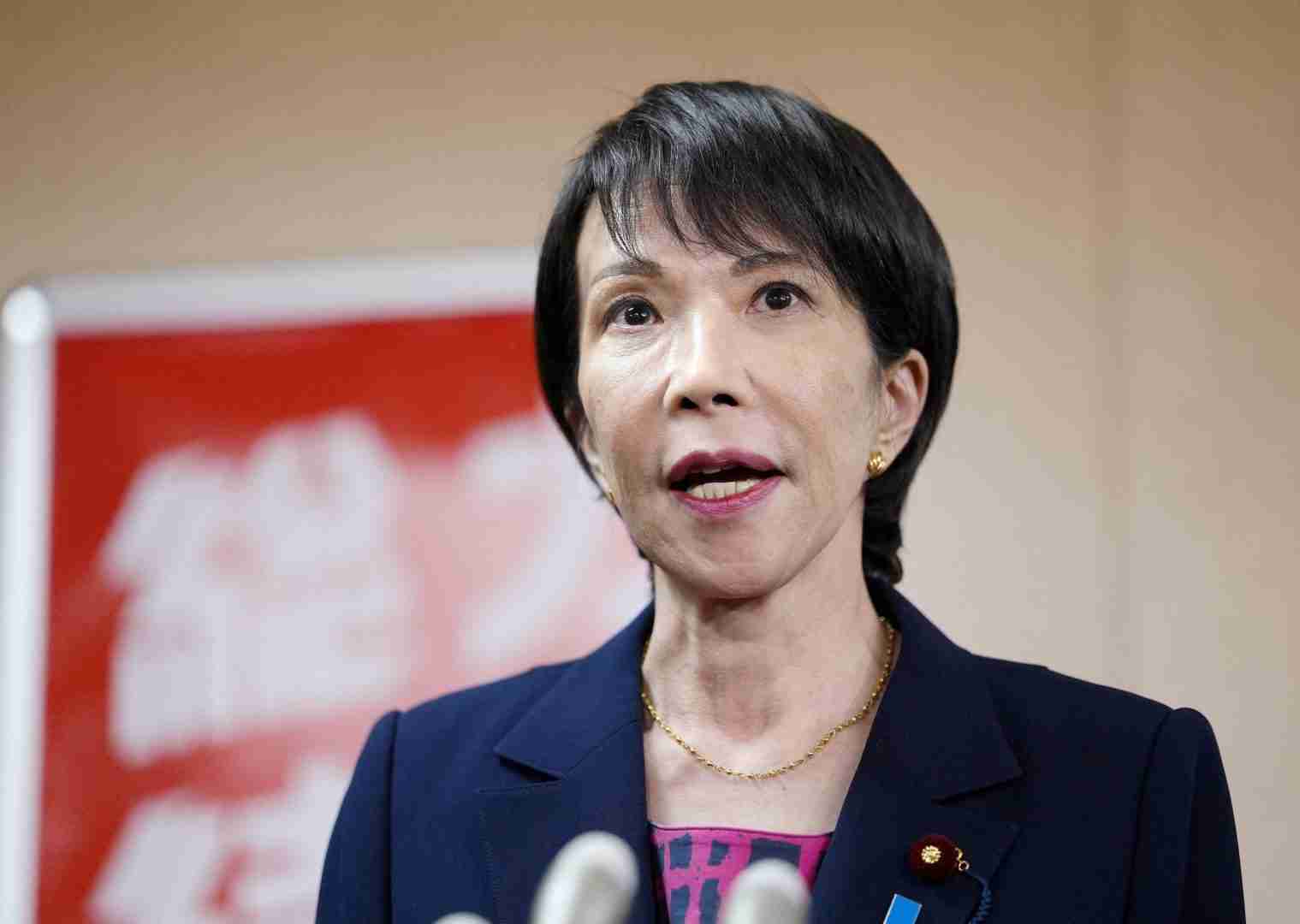
Sanae Takaichi’s bid to become Japan’s first female prime minister was thrown into doubt on Friday when her ruling party’s junior coalition partner quit.

The Liberal Democratic Party, which has ruled Japan for almost all of the postwar era, selected hardline conservative Takaichi as its new head in a weekend vote. But she must win approval in parliament to become premier later this month. 

That had been seen as fairly straightforward given her coalition had by far the most seats, though it was short of a majority. But with partner Komeito’s exit and opposition parties seeking to unite behind an alternative candidate, her path has suddenly become less certain. 

Following a meeting with Takaichi on Friday, Komeito leader Tetsuo Saito said the two parties’ 26-year partnership had broken down over the LDP’s failure to respond to a political funding scandal that has dogged the ruling group for two years. 

He said Komeito would not support Takaichi in the parliament vote, expected to be held in the second half of October.

Takaichi called Komeito’s decision “extremely regrettable” but said she would do whatever she could to win parliament’s backing.

The political turmoil comes ahead of a number of Japanese diplomatic engagements, with multilateral summits in Malaysia and South Korea, and U.S. President Donald Trump widely expected to visit Japan at the end of the month.

The yen strengthened as much as 0.5% to 152.38 per dollar after the news. It had fallen to an eight-month low earlier this week as investors fretted that Takaichi’s big spending plans would weigh on the world’s fourth-largest economy.

Yoshinobu Tsutsui, head of Japan’s biggest business lobby Keidanren, also lamented Komeito’s decision and said he was worried about political instability.

”With urgent policy challenges piling up at home and abroad and key diplomatic engagements imminent, political stability is indispensable. In this context, it is truly regrettable that Komeito has made this announcement,” he said.

CHALLENGE FROM OPPOSITION

With Komeito gone, Takaichi may seek to broker alliances with other parties such as the centre-right Innovation Party.

But they may think twice, said James Brown, a political science professor at Temple University Japan.

“This is in all likelihood going to be an unpopular and potentially very short-lived government, given the real weaknesses going into it. Do you want to tie your party to that?”

Meanwhile, the main opposition Constitutional Democratic Party has suggested it may support the charismatic leader from another opposition party Yuichiro Tamaki as a candidate to challenge Takaichi for the premiership.

Tamaki, head of the populist Democratic Party for the People, said in a post on X that he was “prepared to serve as Prime Minister” and was deeply honoured by the CDP’s support.

Opposition parties can put forward their own candidates when parliament meets to vote on the next premier.

Any candidate who secures a simple majority in the first round wins approval. If not, the two candidates with the most votes go into a run-off.

Together the CDP and DPP control 175 seats in the lower house. The LDP is the largest party with 196 seats, 37 short of a majority.

Takaichi’s selection as LDP leader last week dampened market expectations for a near-term interest rate hike, sending stocks higher and weakening the yen. She is known for her staunch support of former Prime Minister Shinzo Abe’s “Abenomics” stimulus policies.

“If opposition parties and Komeito team up to choose Tamaki as leader, that will create an administration consisting of an opposition alliance,” said Takahide Kiuchi, an economist at Nomura Research Institute. “The recent market moves that have priced in Takaichi’s economic policy will be rolled back.”

Komeito’s Secretary General Makoto Nishida told a press conference Japan had entered an “era of the multi-party system” and that his party would strive to become “the axis of centrist, reform-oriented political forces.” 

Komeito, a socially liberal party affiliated with a lay Buddhist organisation, had also criticised Takaichi’s tough language on foreigners and visits to the Yasakuni Shrine – seen by neighbours as a symbol of Japan’s past militarism.

Reporting by Makiko Yamazaki, Kantaro Komiya, Leika Kihara and Tim Kelly; Writing by John Geddie; Editing by Kim Coghill, Kate Mayberry and Hugh Lawson

Global equity fund inflows ease on caution over political risks, U.S. shutdown

Investors bought just $2.03 billion worth of global equity funds during the week

International News via Reuters:

Global equity fund inflows cooled to a three-week-low in the week to October 8 as investors took a breather after the recent market rally amid risks surrounding the collapse of the French government and the ongoing government shutdown in the United States.

Investors bought just $2.03 billion worth of global equity funds during the week, nearly a 96% reduction from about $48.81 billion weekly net purchases the prior week, LSEG Lipper data showed.

Resilient demand for European equity funds, which drew a net $7.02 billion in the latest week, kept global flows positive even as U.S. and Asian funds saw outflows of $4.52 billion and $1.27 billion, respectively.

The tech, industrial and healthcare sectors saw strong buying interest as these sectors received a net $2.03 billion, $1.25 billion and $1.23 billion, respectively in inflows.

In contrast, investors divested financial sector funds of a net $1.3 billion, halting a three-week trend of net purchases.

Weekly inflows into global bond funds, meanwhile, jumped to nearly a five-year-high of $25.81 billion during the week.

Short-term bond funds, euro-denominated bond funds and corporate bond funds received approximately $5 billion each in inflows in the week. Government bond funds also saw a net $1.21 billion worth of net purchases.

Global money market funds drew a net $64.45 billion weekly investment, the highest amount for a week since August 6.

Among commodities, investors snapped up gold and precious metals commodity funds of $1.34 billion, logging their 19th weekly net purchase in 20 weeks.

In the emerging markets, investors pumped $2.38 billion into bond funds, the largest amount for a week since July 9. Equity funds saw approximately $484 million weekly net investments, data for a combined 28,423 funds showed.

Reporting by Gaurav Dogra; Editing by Tasim Zahid

NATO to start annual nuclear drill Steadfast Noon next week

The exercise “sends a clear signal to any potential adversary that we will and can protect and defend all allies against all threats,” NATO Secretary General Mark Rutte said

International News via Reuters:

NATO’s annual nuclear deterrence exercise, Steadfast Noon, will be hosted by the Netherlands and start next week, with 71 aircraft from 14 nations taking part, officials from the Western military alliance said on Friday.

The exercise “sends a clear signal to any potential adversary that we will and can protect and defend all allies against all threats,” NATO Secretary General Mark Rutte said.

Rutte made his remarks in a video message recorded at Volkel airbase in the Netherlands, the main host of this year’s drill.

Bases at Kleine Brogel in Belgium, Lakenheath in Britain and Skrydstrup in Denmark will also be involved, NATO said.

“We need to do this because it helps us to make sure that our nuclear deterrent remains as credible, and as safe, and as secure, and as effective as possible,” Rutte said.

The exercise does not use nuclear weapons but simulates scenarios in which they could be used, NATO officials said.

Since Russia’s 2022 invasion of Ukraine, Russian officials have at times warned of the danger of nuclear confrontation with NATO, which has condemned such rhetoric as irresponsible.

In recent weeks, however, nuclear tensions have cooled. Last month, Russian President Vladimir Putin offered to maintain for one year the limits on deployed strategic nuclear weapons set out in the New START Treaty, which expires next February.

Jim Stokes, NATO’s director of nuclear policy, told reporters at alliance headquarters in Brussels that Steadfast Noon was “routine” and “not directed at any country”.

“It’s also not linked to any real-world events,” he said.

Reporting by Andrew Gray, Writing by Charlotte Van Campenhout, Editing by Benoit Van Overstraeten, Aidan Lewis

Strong 7.4 magnitude quake strikes off Philippines, tsunami warnings lifted

The quake, in waters off the town of Manay in the province of Davao Oriental, triggered a tsunami alert for coasts within 300 km (186 miles) of the epicentre

International News via Reuters:

A powerful earthquake of magnitude 7.4 struck offshore in the southern Philippines on Friday, killing at least two people, while towns near the epicentre suffered structural damage and authorities warned of strong aftershocks. 

The quake, in waters off the town of Manay in the province of Davao Oriental, triggered a tsunami alert for coasts within 300 km (186 miles) of the epicentre, but the warnings for the Philippines and Indonesia were subsequently lifted.

There were initial reports of damage to homes, buildings and bridges, one official in Manay said, although the full extent of the damage in the Philippines was not immediately clear.

At least two people were killed, civil defence official Karlo Puerto said by telephone, both in Mati City close to where the quake struck. There were no other reports of casualties from regional disaster offices contacted by Reuters. 

The quake was among the strongest in recent years to hit the Philippines, which sits on the Pacific “Ring of Fire” and experiences more than 800 quakes each year.

It came two weeks after the Philippines experienced its deadliest earthquake in more than a decade with 74 people killed on the central island of Cebu following an offshore quake of magnitude 6.9.

VEHICLES SHAKING, GATES RATTLING

A video posted on social media and verified by Reuters showed people in the city of Davao calmly holding on to parked vehicles that rocked from side to side as the ground shook, as metal gates rattled nearby. 

Richie Diuyen, a disaster official in Manay, said the quake lasted 30 to 40 seconds and damaged some homes and the facade of a church, while leaving cracked roads and unpassable bridges.    

“We couldn’t stand earlier. I am 46 years old now, and this is the strongest earthquake I ever felt,” Diuyen said by phone. 

Earlier, President Ferdinand Marcos Jr said authorities were assessing the situation and search-and-rescue teams would fan out once it was safe.

“We are working round the clock to ensure that help reaches everyone who needs it,” he said in a statement.

WARNING OF STRONG AFTERSHOCKS

Seismology agency Phivolcs warned of aftershocks as large as magnitude 6.4 and urged people in affected areas to stay away from the shoreline. People in coastal areas had earlier been told to move inland or seek higher ground.

Verfied footage from the southern Philippines showed workers filing out of buildings to gather in the streets, lamps swaying in shops, and offices with toppled cabinets and workers holding on to desks as structures and fittings around them creaked. 

Video images from Indonesia’s island of Sulawesi showed fishing boats returning from sea and children playing on a beach from which water had receded. 

Phivolcs revised down the magnitude to 7.4 from an initial figure of 7.6, and put the quake’s depth at 23 km (14 miles). 

The governor of Davao del Norte in the Philippines said people panicked when the earthquake struck.

“Some buildings were reported to have been damaged,” Edwin Jubahib told broadcaster DZMM. “It was very strong.” 

Reporting by Mikhail Flores in Manila and Ananya Palyekar and Mrinmay Dey in Bengaluru; Additional reporting by Ananda Teresia and Gayatri Suroyo in Jakarta; Writing by Martin Petty; Editing by John Mair and Clarence Fernandez

Digital euro could drain up to 700 billion euros of deposits in bank run, ECB says

The study, requested by European legislators, was aimed at evaluating the risks that a digital currency would pose to the banking sector under different scenarios

International News via Reuters:

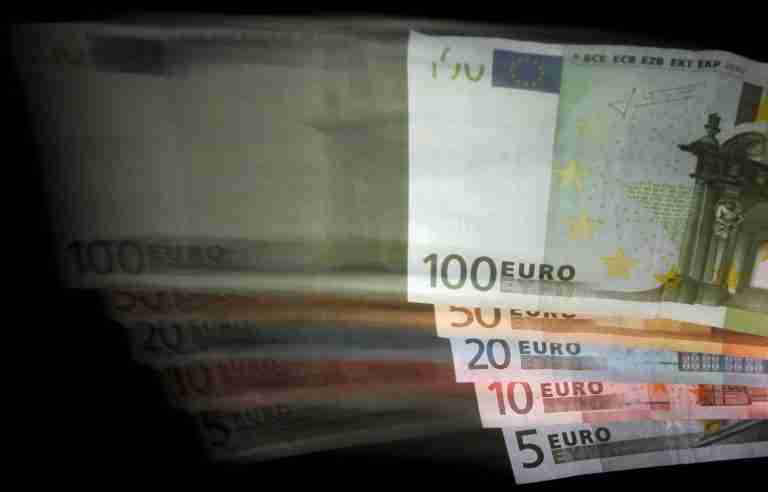
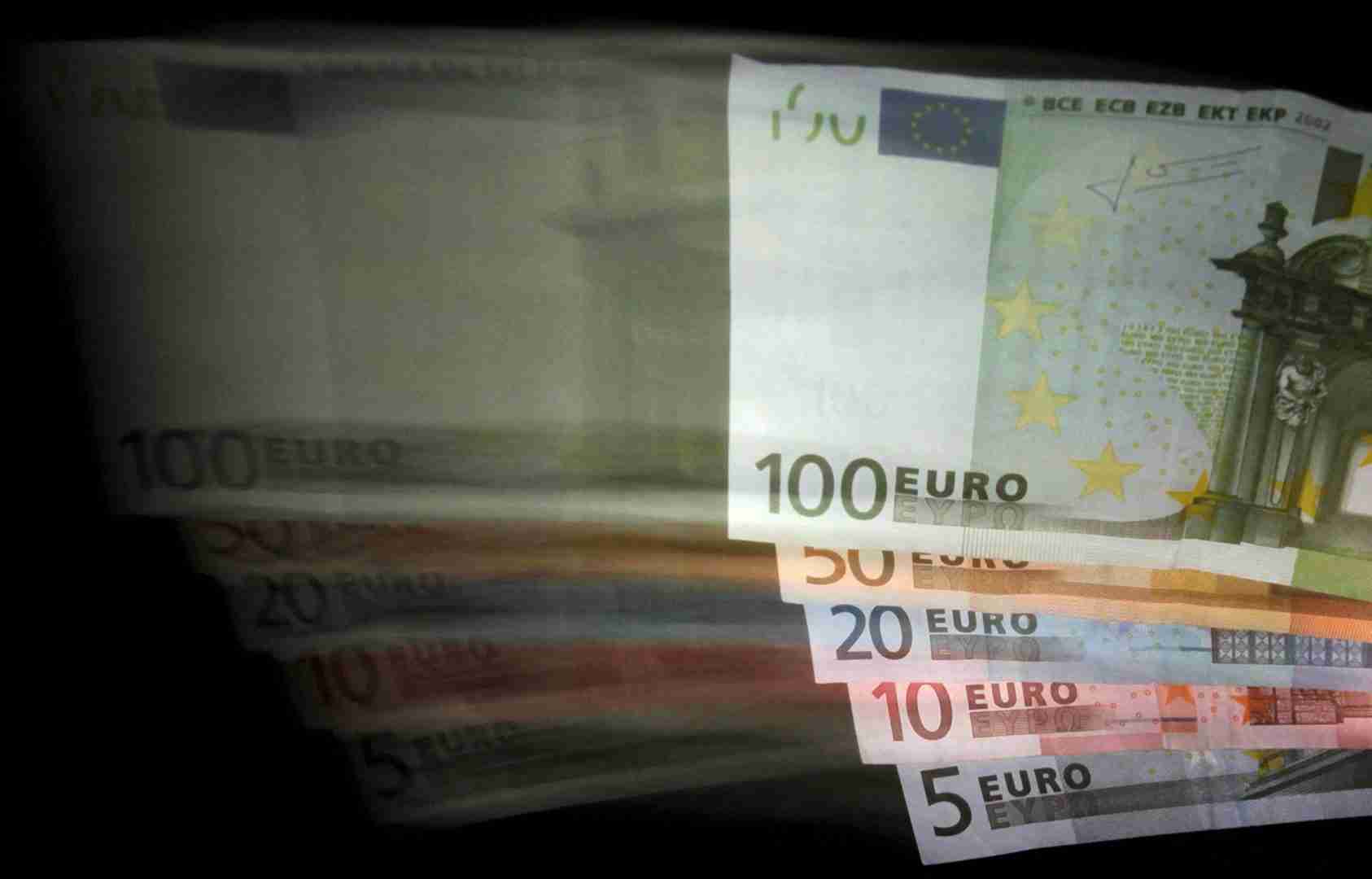
A digital euro could drain up to 700 billion euros ($810.88 billion) in deposits during a run on commercial banks, pushing around a dozen euro zone lenders into a liquidity squeeze, a European Central Bank simulation showed on Friday.

The study, requested by European legislators, was aimed at evaluating the risks that a digital currency, essentially an electronic wallet guaranteed by the ECB, would pose to the banking sector under different scenarios, including a hypothetical “flight to safety”.

The ECB has presented the digital currency as an alternative to U.S.-dominated means of payment, but bankers and some lawmakers fear it may empty banks’ coffers.

The ECB’s study found that, were there to be an unprecedented run on commercial banks, depositors would withdraw 699 billion euros from euro zone banks to park them in digital euros if a limit on individual holdings was set at 3,000 euros each.

This is equal to 8.2% of all retail sight deposits, although the impact would be greater for small market lenders and retail banks, the ECB said.

Under this scenario, which the ECB described as highly unlikely, 13 of the 2,025 banks in the analysis would deplete their mandatory cash buffer, as measured by the Liquidity Coverage Ratio.

These figures may be an overestimation as they don’t consider the fact that some depositors have more than one bank account, the ECB said.

Under the ECB’s “business as usual scenario”, in which depositors don’t make full use of their digital euro allowance, just over 100 billion euros would flee banks’ coffers, leaving the sector well within liquidity requirements, the study found.

And even this outflow could be more than offset by an ongoing trend out of cash and into electronic means of payment, which should add to banks’ deposits, the ECB added.

The ECB also simulated individual holding limits of 500 euros, 1,000 euros and 2,000 euros, obtaining lower outflow estimates.

“The analysis confirms that holding limits effectively restrict deposit outflows from the banking sector to levels that safeguard the stability of the financial system and support the correct formulation and implementation of monetary policy,” the ECB said.

It also found that a 3,000 euro holding limit would reduce banks’ return on equity by an average 30 basis points, although the impact differs country by country.

EU finance ministers agreed last month a roadmap for launching the digital euro but retained a say on its eventual introduction and on the holding limit.

($1 = 0.8633 euros)

Reporting by Francesco CanepaEditing by Frances Kerry

Under strike threat, Lufthansa to continue talks with pilots’ union

The union’s members had previously voted in favour of a walkout to pressure Lufthansa into agreeing a more generous pension deal

International News via Reuters:

Lufthansa will continue talks with German pilots’ union VC over a pension dispute, both parties said on Friday, averting a possible strike at its core airline for the time being.

The union’s members had previously voted in favour of a walkout to pressure Lufthansa into agreeing a more generous pension deal.

After constructive talks on Thursday, both parties said they are exploring the option of further negotiations and new dates.

While Lufthansa has not submitted a new offer, there have been indications that a solution can be found, said a spokesperson for VC, or Vereinigung Cockpit.

“We are still committed to finding a solution without strikes,” said a Lufthansa spokesperson.

The union is demanding higher employer contributions to company pension plans for the 4,800 cockpit employees of the core airline brand Lufthansa and the cargo subsidiary Lufthansa Cargo.

Lufthansa sees no financial leeway for this, as its core brand has excessive costs and hasn’t been earning any money since last year, and has threatened to move more jobs to its cheaper subsidiaries, Discover and City Airlines.

Reporting by Ilona Wissenbach, Writing by Miranda MurrayEditing by Ludwig Burger

Yen and euro struggle as Japan and France’s political dramas heat up

The yen edged up 0.2% to 152.7 per U.S. dollar but was still close to its weakest since mid-February, heading for a 3.5% drop in the week, its biggest decline since last October

International News via Reuters:

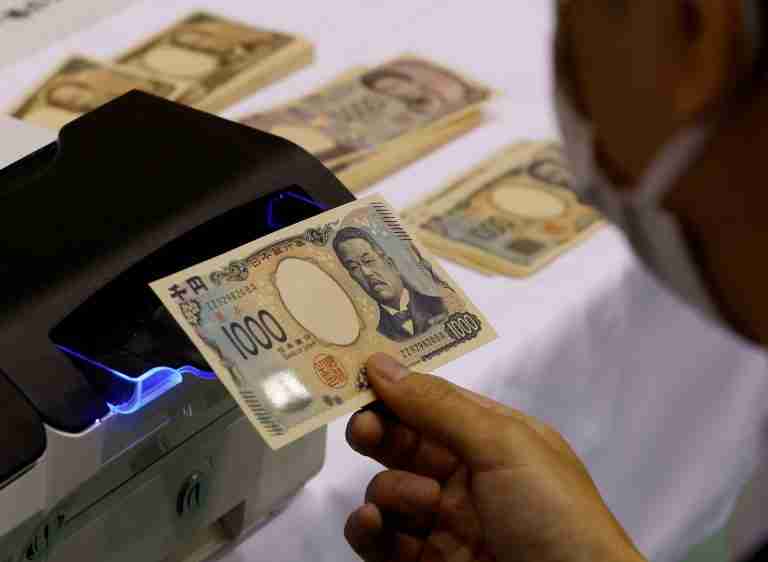
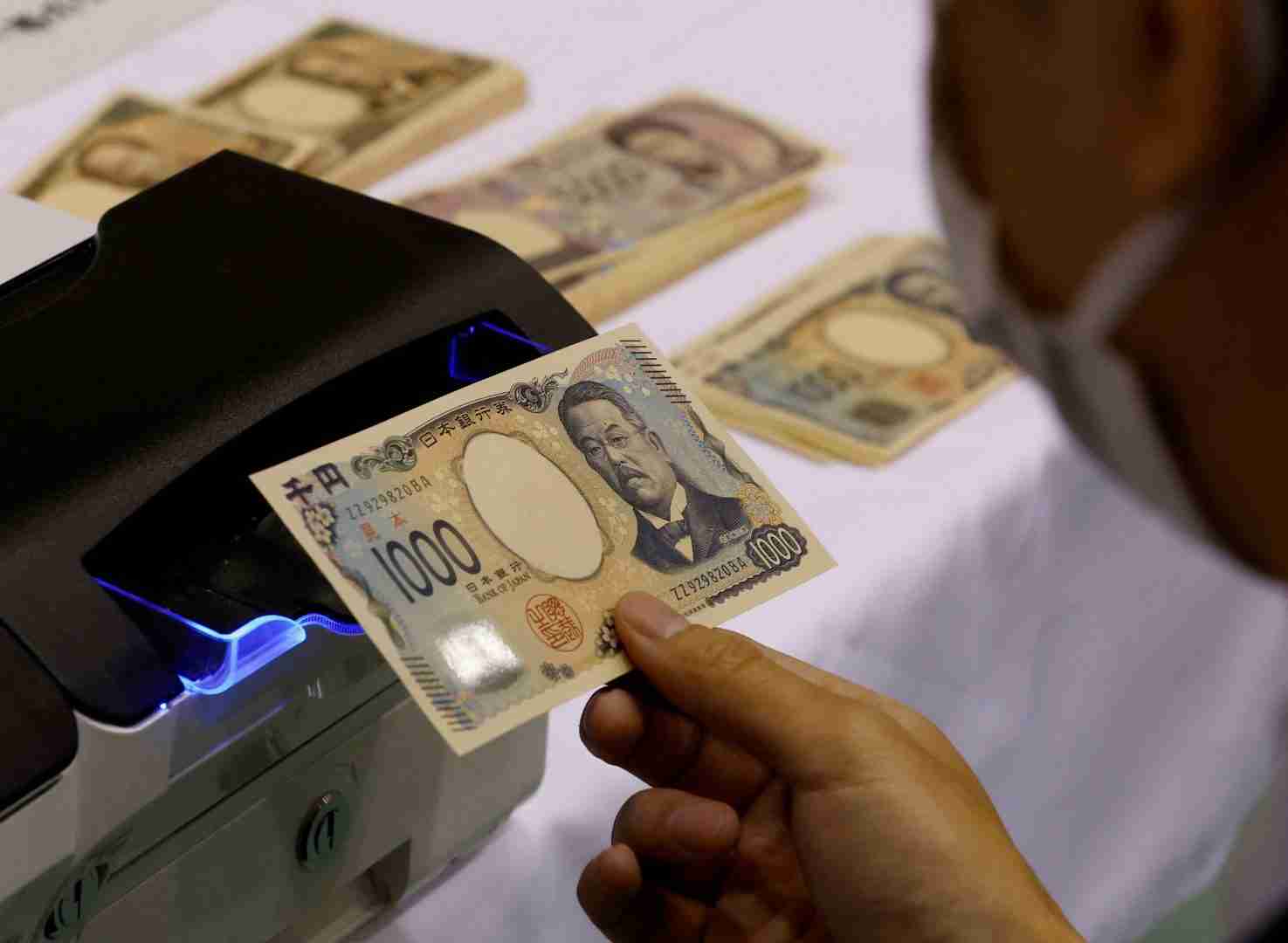
The yen headed for its steepest weekly drop in a year on Friday, as the chances of a near-term rate hike faded, while the euro was rooted near two-month lows by political crisis in France.

The yen edged up 0.2% to 152.7 per U.S. dollar but was still close to its weakest since mid-February, heading for a 3.5% drop in the week, its biggest decline since last October.

Its drastic drop has been triggered by concerns that the Bank of Japan may not hike interest rates again this year after fiscal dove Sanae Takaichi’s surprise victory to lead the ruling party, stoking worries of Japanese authorities needing to step in to support the yen.

Japanese Finance Minister Katsunobu Kato said on Friday that the government was concerned about excessive volatility in the foreign exchange market. Takaichi said on Thursday she did not want to trigger excessive declines in the yen.

“The Ministry of Finance is very sophisticated, they’re very experienced, and I think they would use verbal intervention beforehand. And in a way, I think they have,” Rabobank chief strategist Jane Foley said.

Takaichi said on Thursday that the BOJ is responsible for setting monetary policy but that any decision it makes must align with the government’s goal.

She looked set to become Japan’s first female prime minister in a parliament vote that was expected on October 15. But the date will be likely pushed back after the Liberal Democratic Party’s junior coalition partner Komeito pulled its support, breaking their 26-year-old alliance. 

Traders are currently pricing an about 45% chance of a rate hike from the BOJ in the December meeting and are only fully pricing in a 25-basis-point hike in March.

FRENCH DRAMA DENTS EURO

The euro headed for its biggest weekly decline in 11 months, but managed to edge up 0.2% to $1.1586, near its lowest for two months. Political turmoil in France has weighed heavily on the single currency in the last week.

President Emmanuel Macron is searching for yet another prime minister, hoping his next pick – the sixth in under two years – can steer a budget through a legislature riven by crisis.

The political paralysis has made it deeply challenging to pass a belt-tightening budget and has made investors increasingly worried about France’s yawning deficit, on top of evidence of slowing momentum in other key economic engines such as Germany.

“The data from Germany’s not good, and therefore I think that makes the euro a little bit more susceptible to wobbles on the French news,” Rabobank’s Foley said.

As a result, the dollar index, which measures the U.S. currency against six others, neared two-month highs around 99.24 and headed for a weekly rise of 1.7%, its biggest in a year.

“The recent dollar rally has gone against market positioning and prompted a partial covering of USD shorts,” said Chris Weston, head of research at Pepperstone.

“There remains a high degree of scepticism that the USD can materially push through 100, a level in the dollar index that was quickly reversed in May,” he said in a note.

With the U.S. government shutdown continuing and little to no economic data for investors to parse through for clues on the path the Federal Reserve is likely to take, markets are keeping an eye on comments from policymakers.

The influential New York Federal Reserve President John Williams signalled on Thursday he would be comfortable with cutting interest rates again, despite some policymakers’ qualms about rising inflation that suggest such a decision would not be easily made.

Traders are pricing in a 95% chance that the Federal Reserve cuts rates by 25 bps at its October meeting, while the odds of an additional cut in December have dropped to 80%, from 90%, in the past week, according to the CME Group’s FedWatch Tool.

Additional reporting by Ankur Banerjee in Singapore; Editing by Jacqueline Wong, Kim Coghill and Emelia Sithole-Matarise

Raising funds for breast cancer one paddle swing at a time

Thousands raised at the fifth annual Dink for Pink breast cancer fundraiser on Saturday

It was a sea of pink at the W.E.R. Joell Stadium on Saturday, as dozens hit the pickleball courts for a cause close to many hearts. The fifth annual ‘Dink for Pink’ fundraiser brought players together for more than just a game — they rallied to raise funds and awareness for breast cancer, one paddle swing at a time.